IST Brings Thailand’s Four Regions to Life Through Culture and Local Wisdom Learning Experience
From classroom knowledge to a vibrant cultural learning space, the International School of Tourism, Suratthani Rajabhat University, provided students with an opportunity to explore Thailand’s cultural heritage and local wisdom through hands-on learning while developing skills to transform cultural knowledge into meaningful tourism experiences.
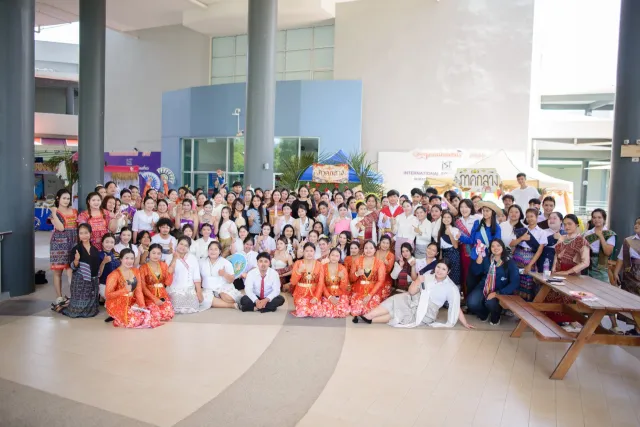
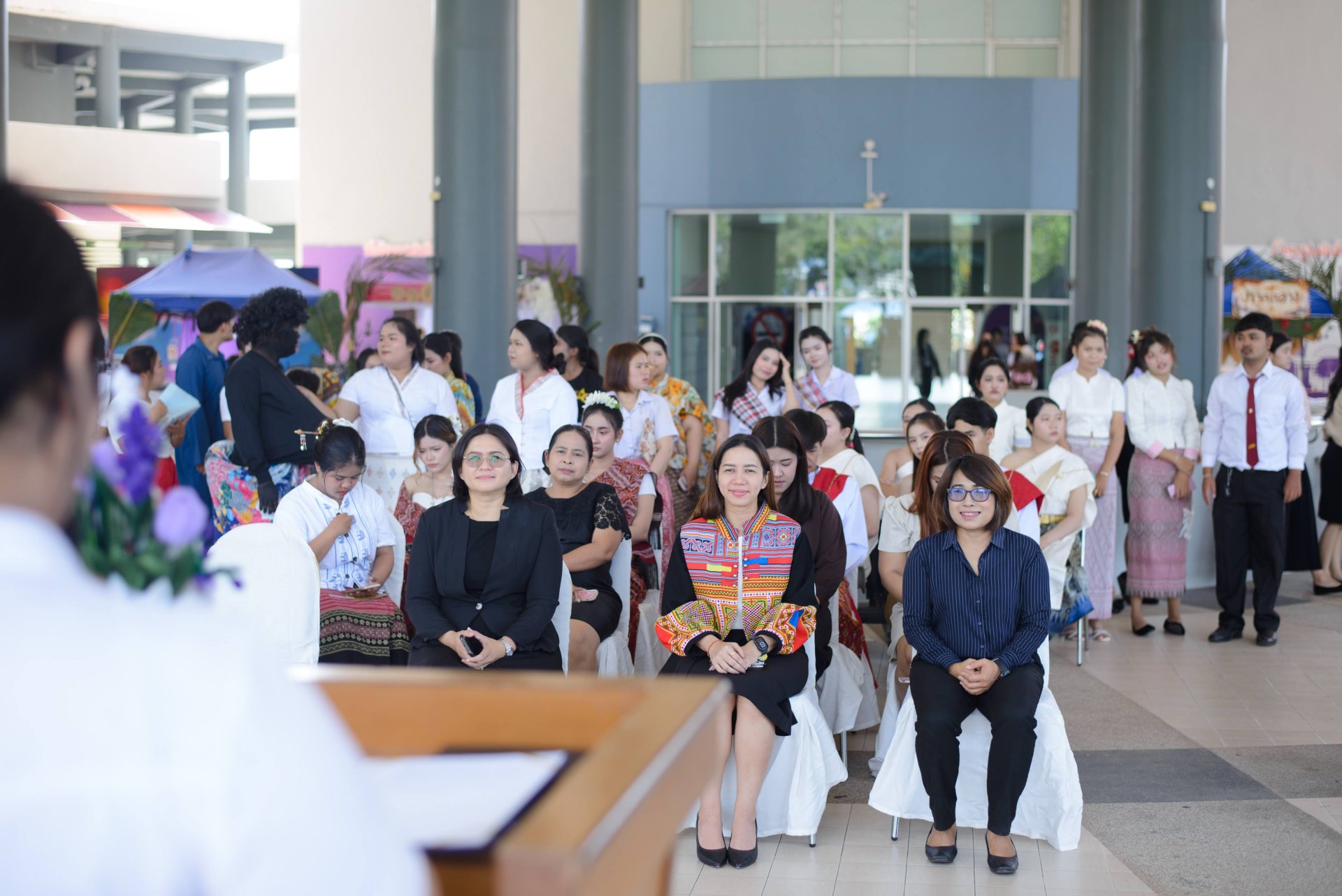
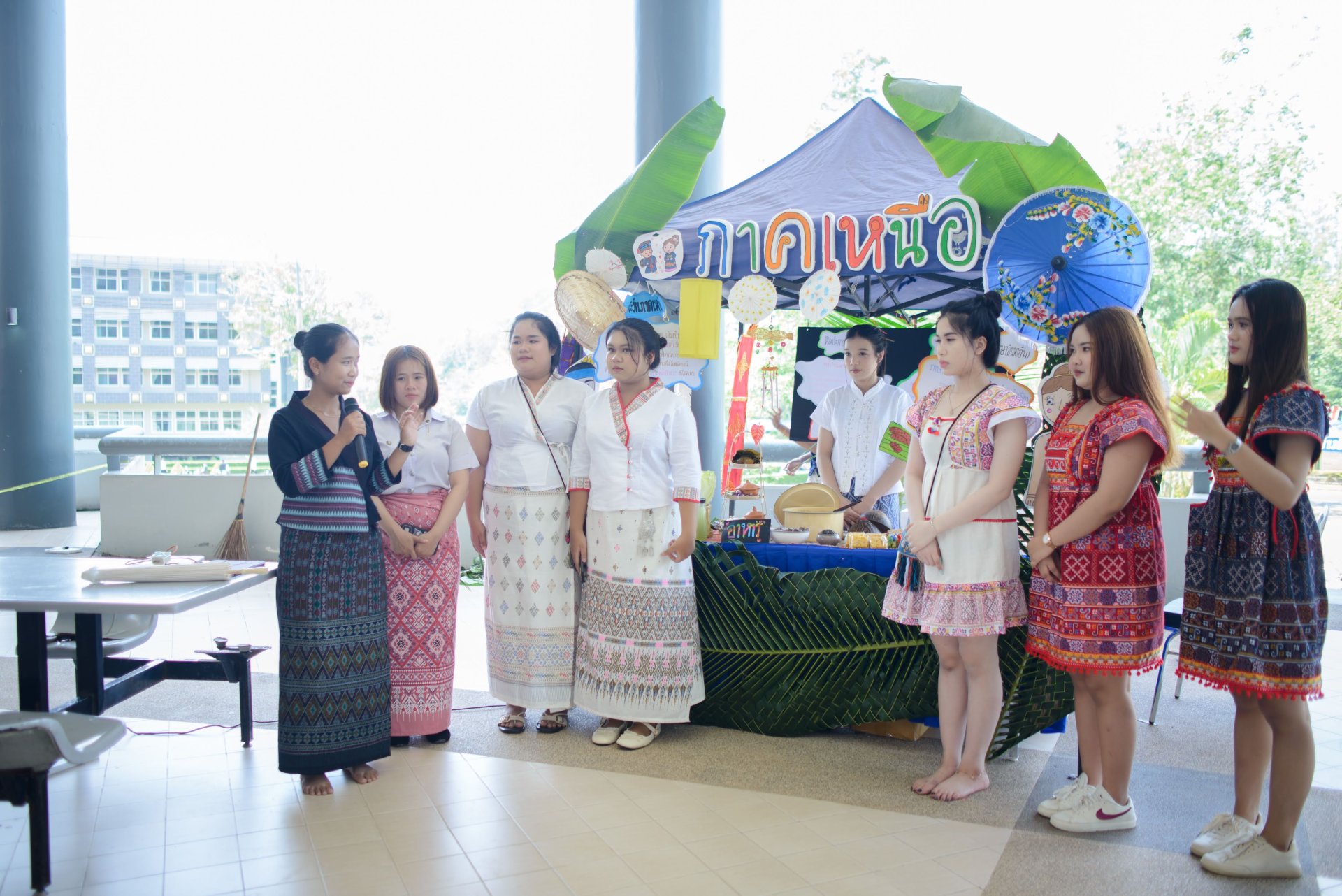
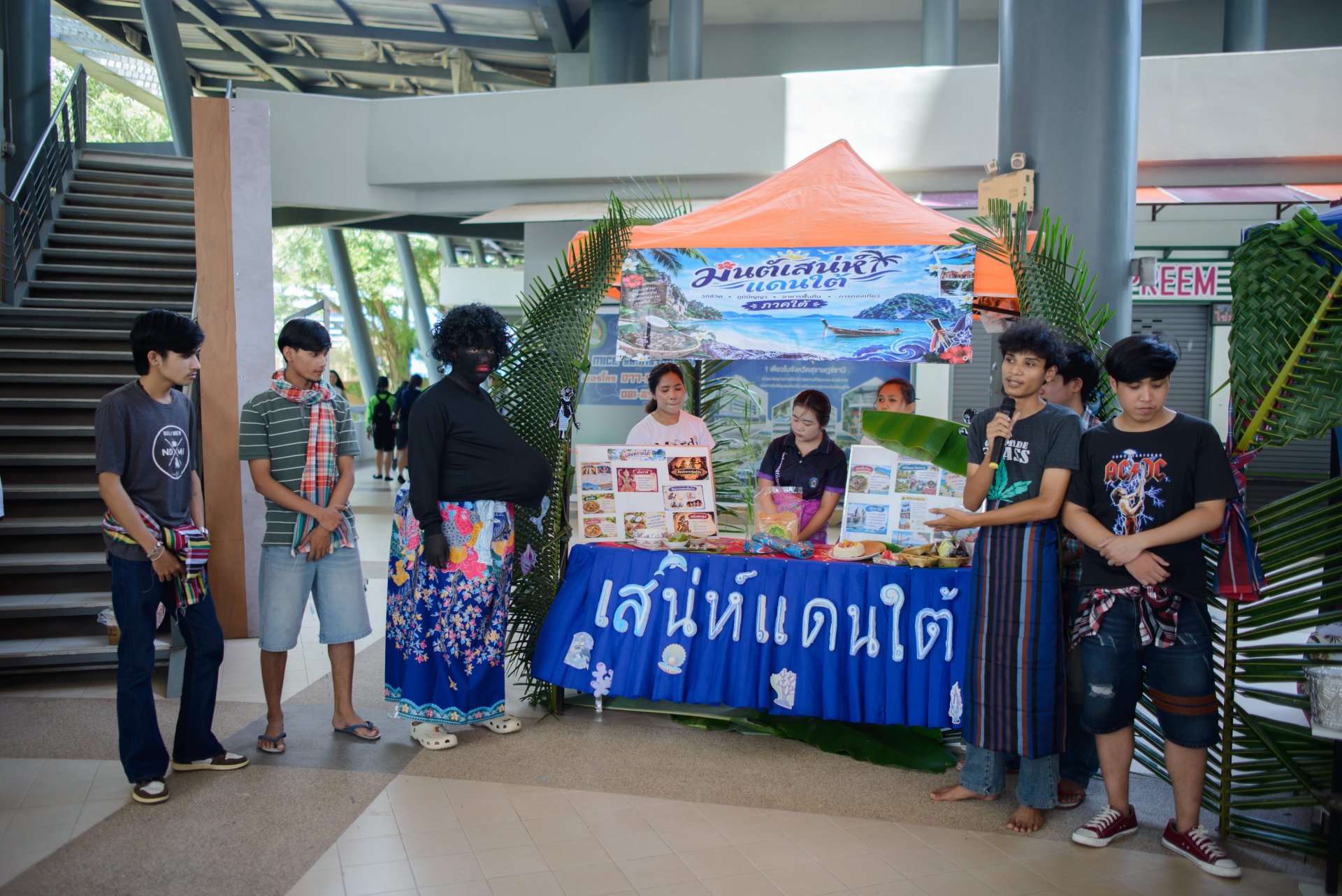
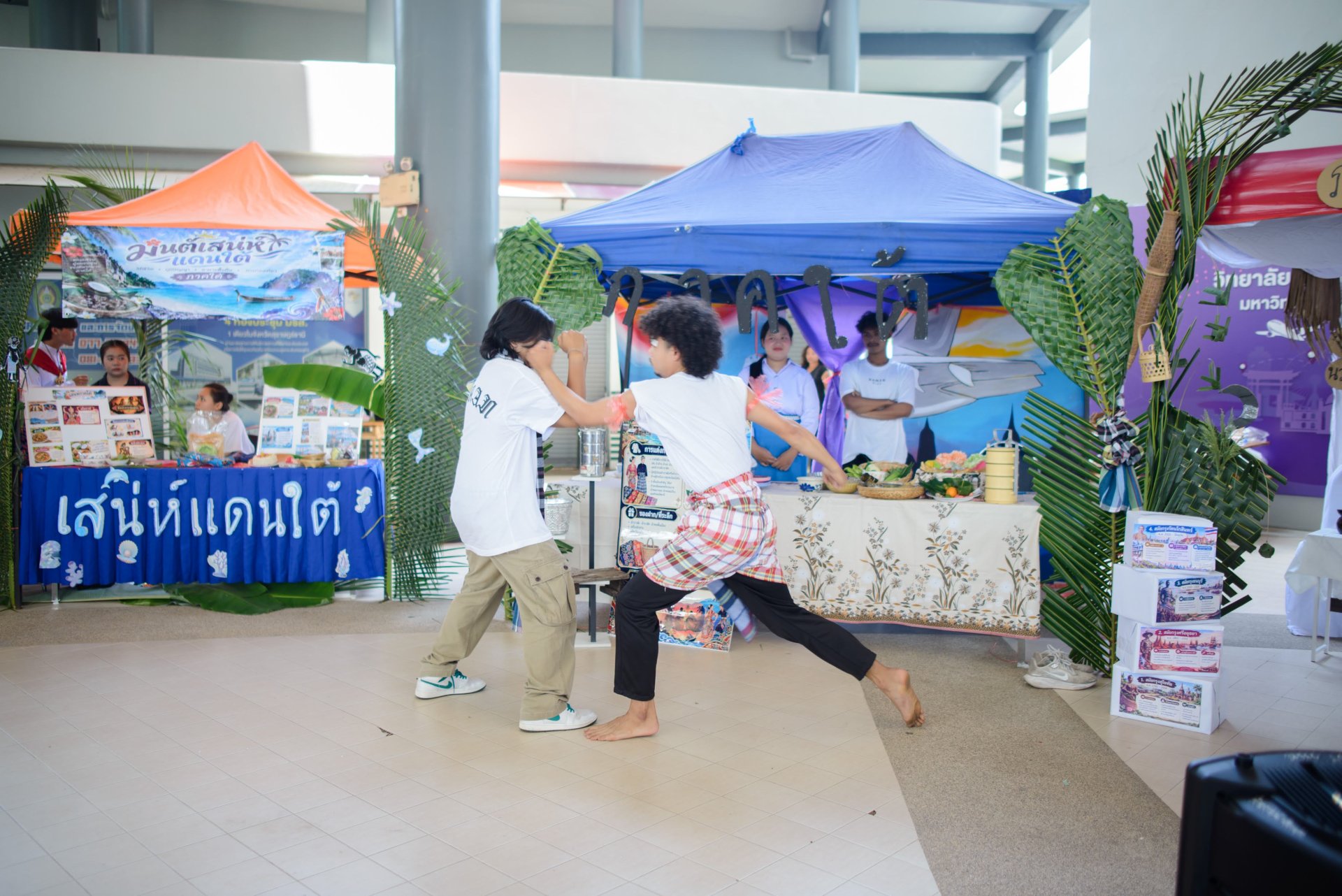
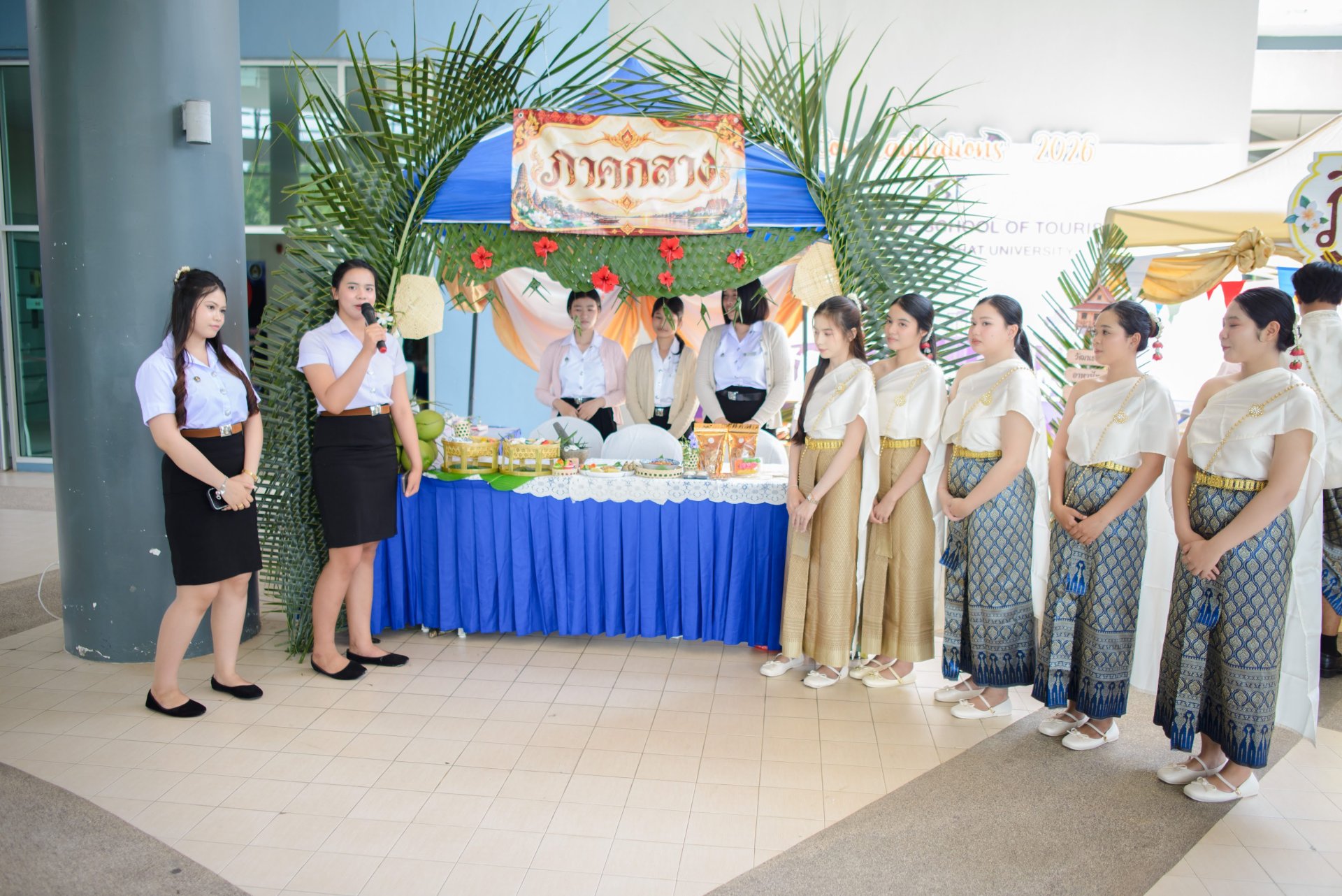
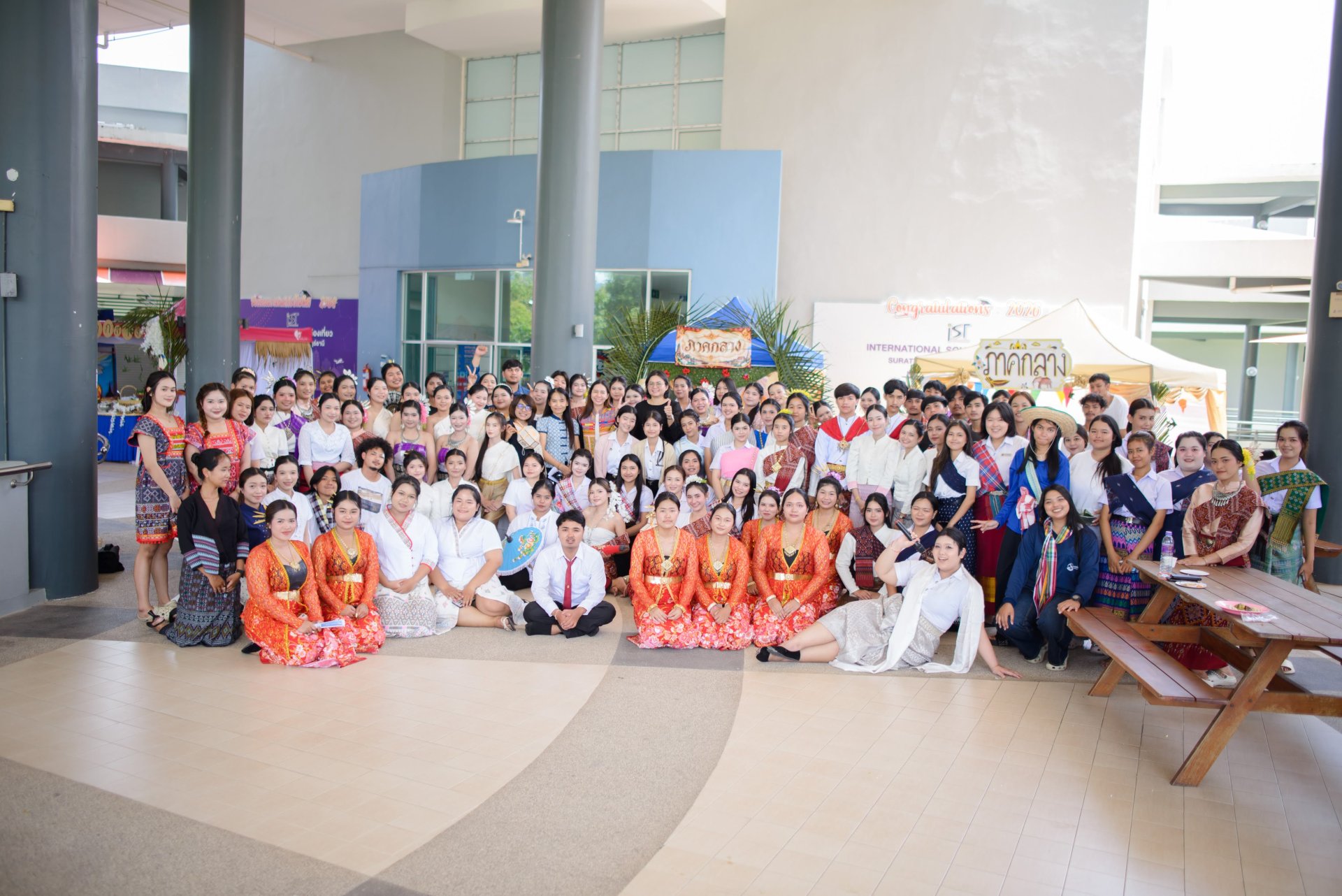
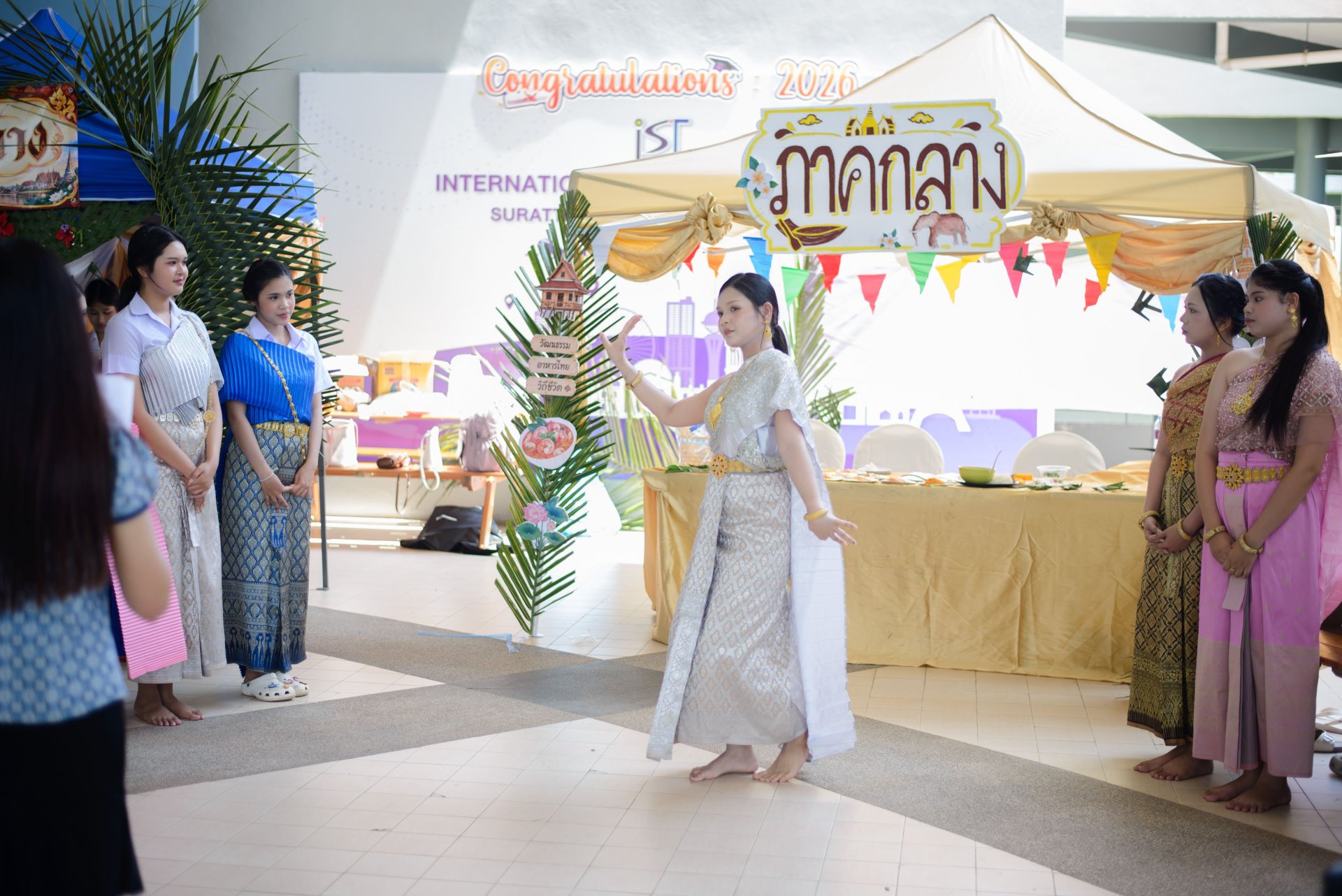
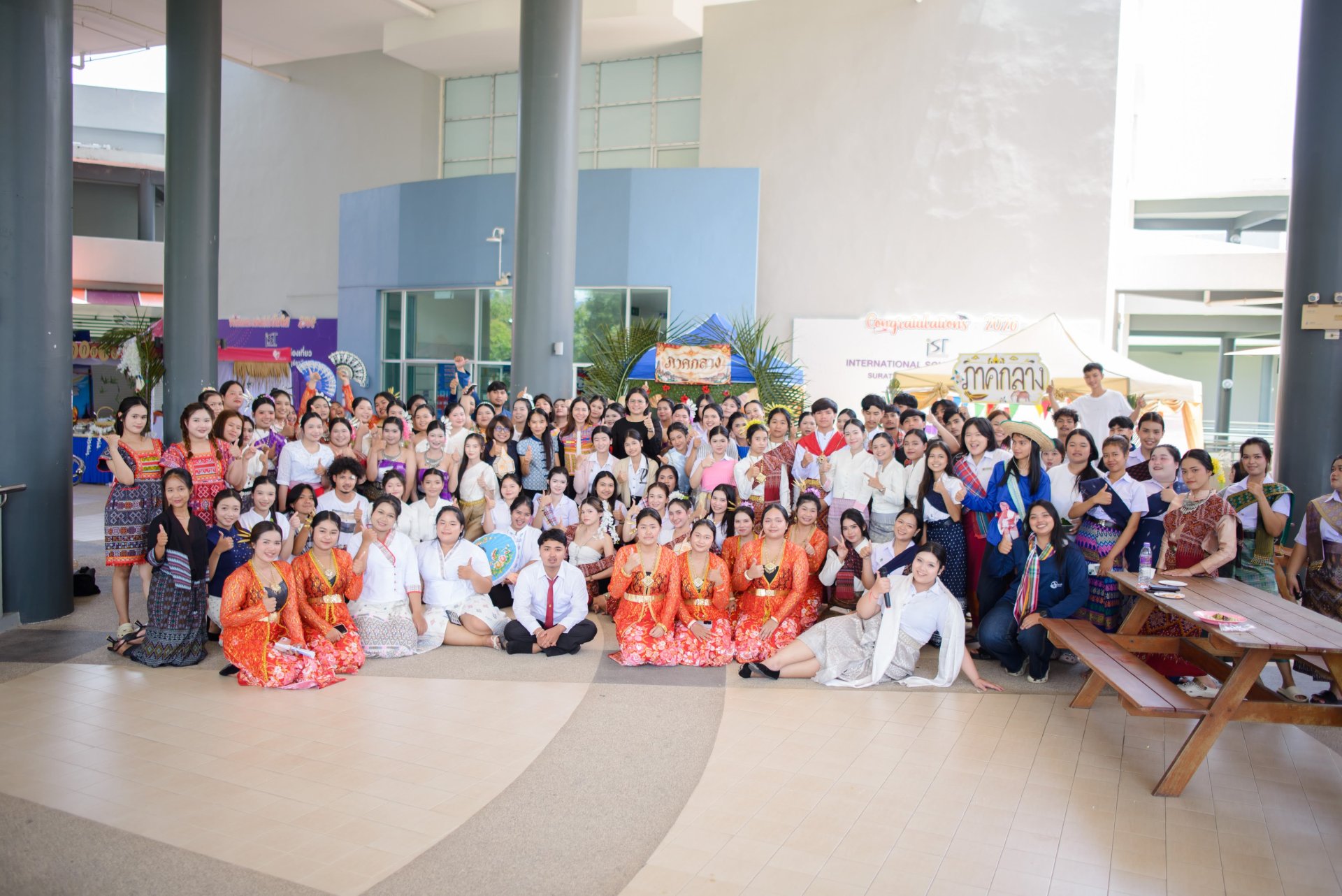
On 1 October 2026, second-year students from the Tourism and Hospitality Management Program at the International School of Tourism, Suratthani Rajabhat University, organized the “Thai Culture and Local Wisdom of Four Regions” activity at the first-floor activity area of the 80th Anniversary Chalermprakiat Building, Suratthani Rajabhat University.
The activity formed part of ITH0007 Cultural Heritage and Local Wisdom for Tourism, transforming academic knowledge into an experiential learning environment in which students could research, design, communicate and present Thailand’s cultural heritage in creative and engaging ways.
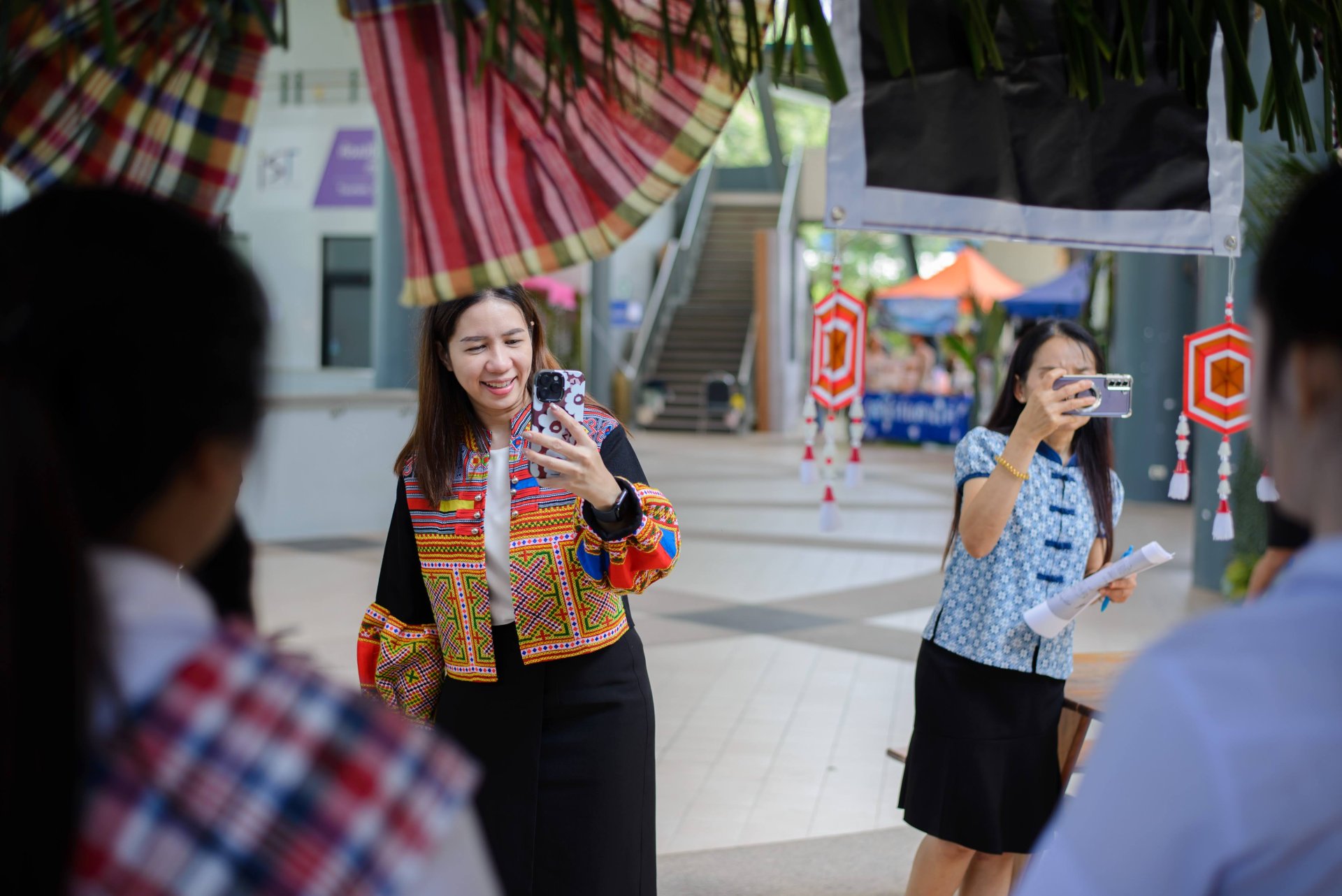
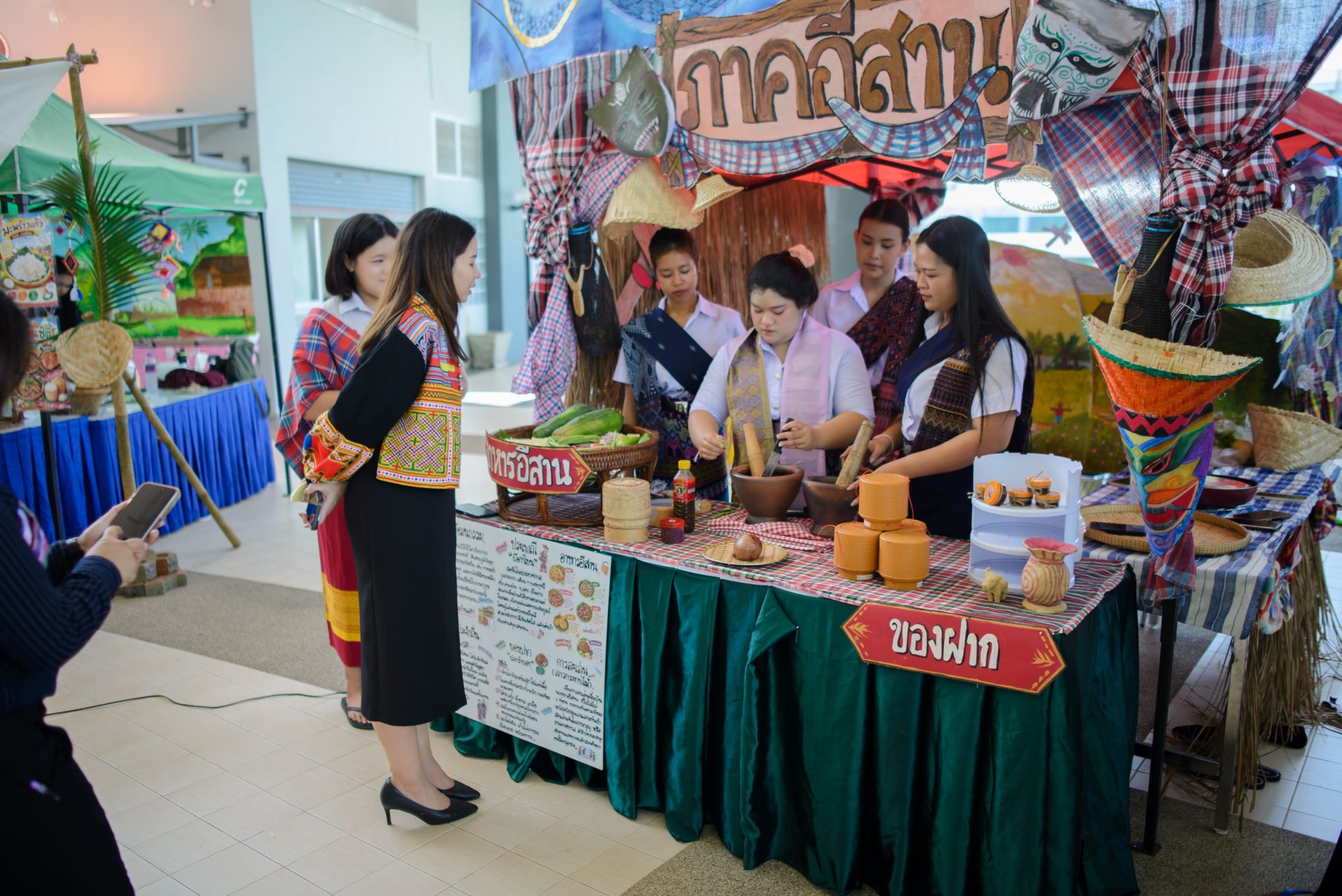
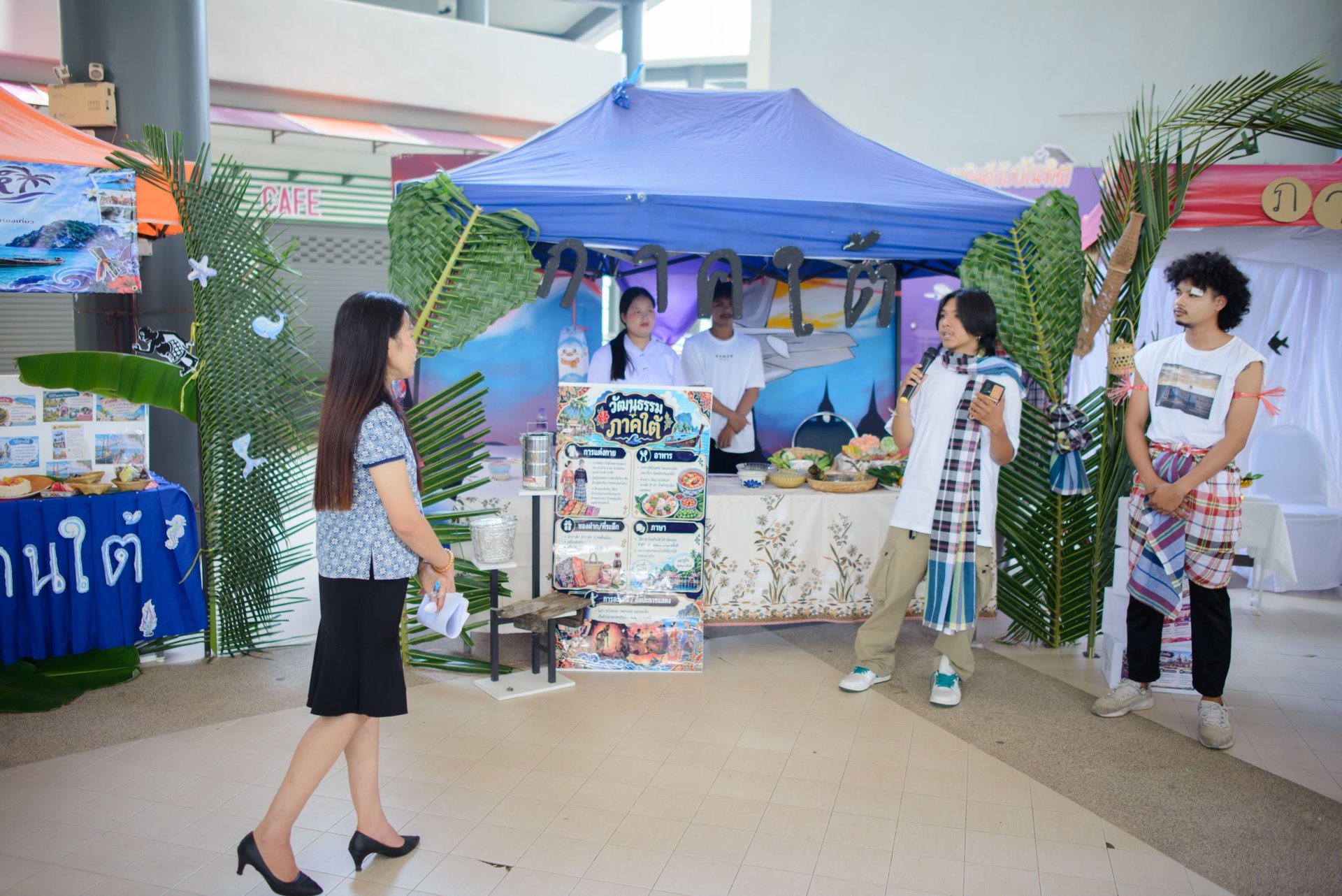
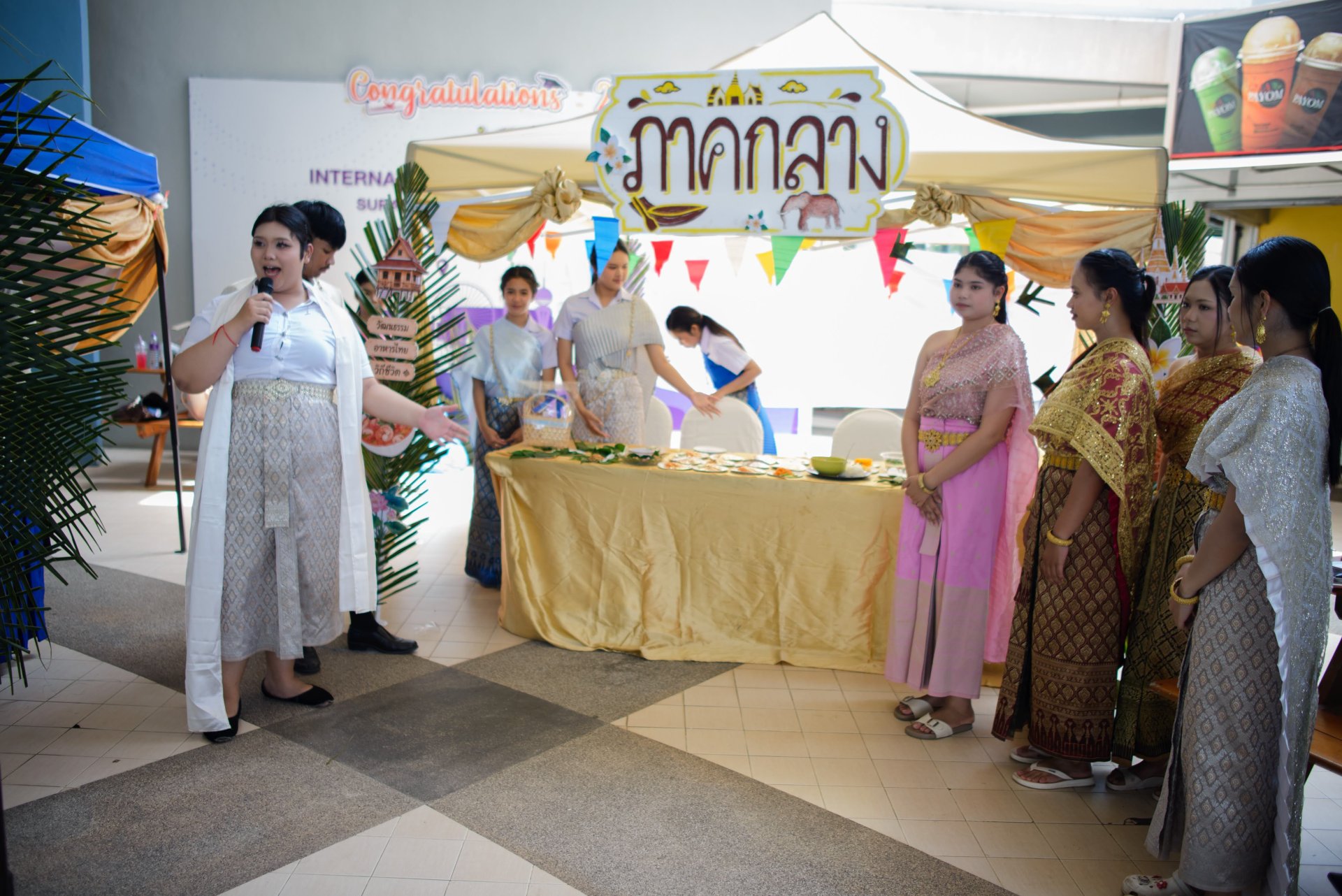
The opening ceremony was presided over by Dr. Jirati Poonead, Dean of the International School of Tourism, while student representative Mr. Phurichawin Ranuan delivered the activity report. The Dean and committee members subsequently visited the cultural booths and explored the students’ presentations.
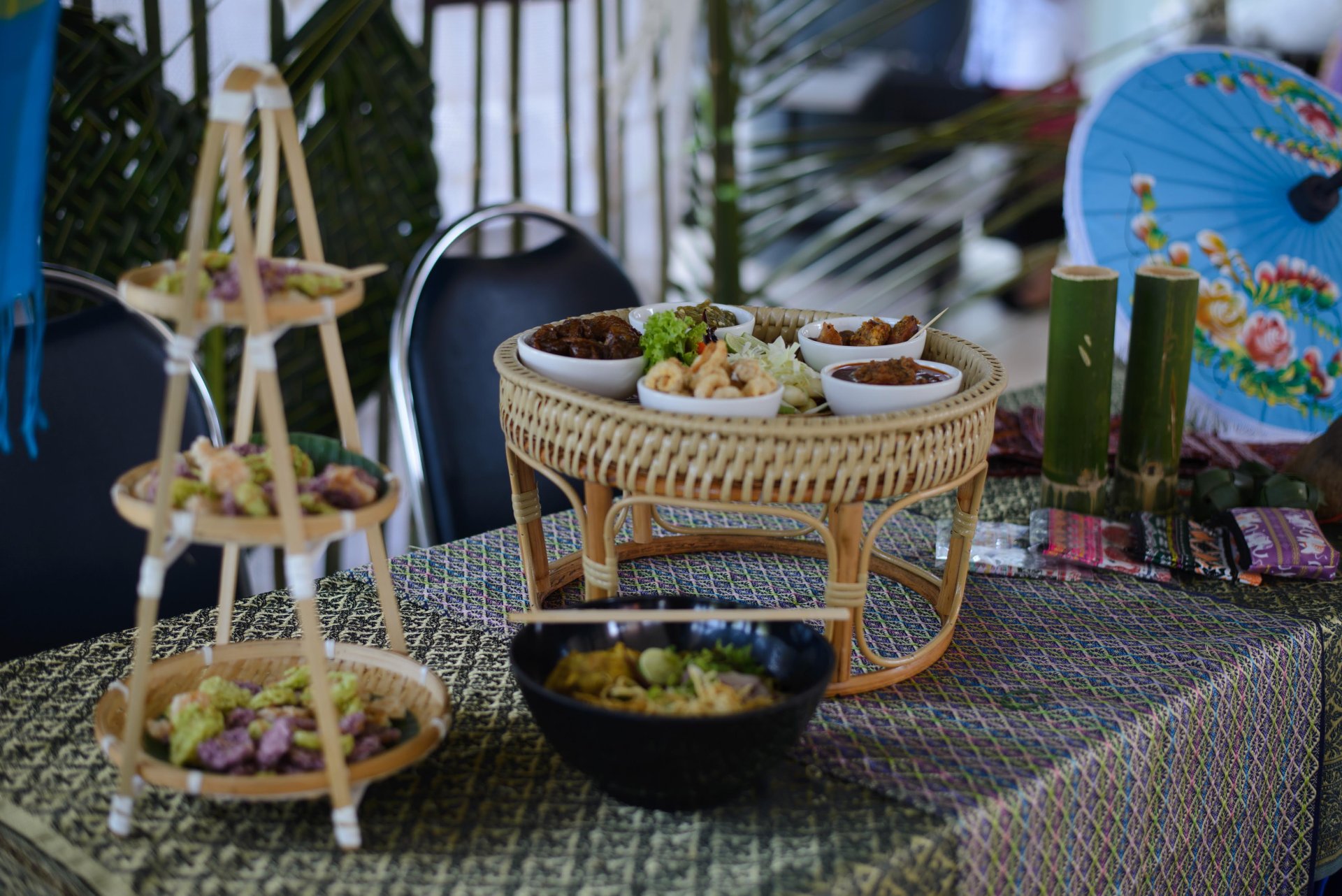
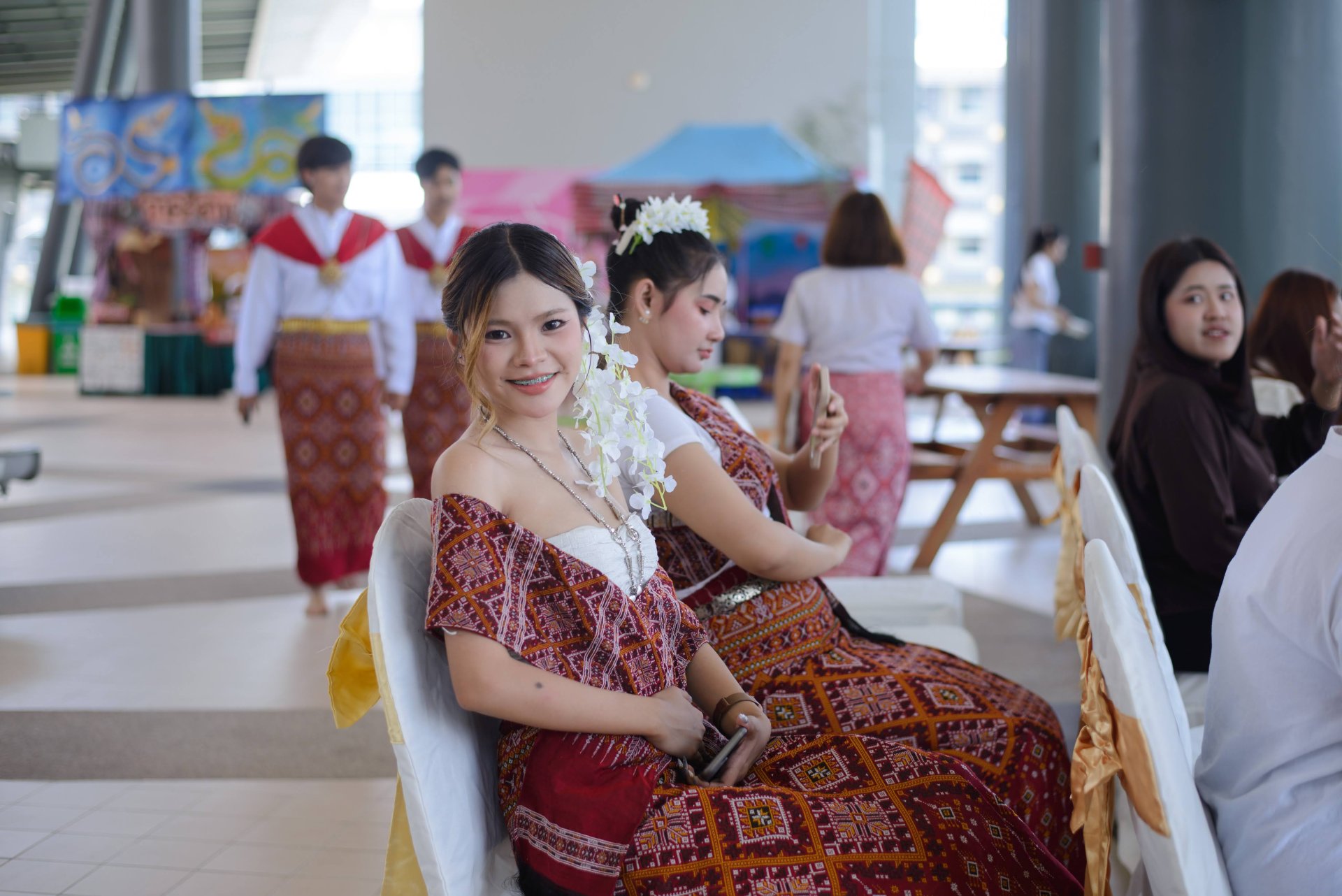
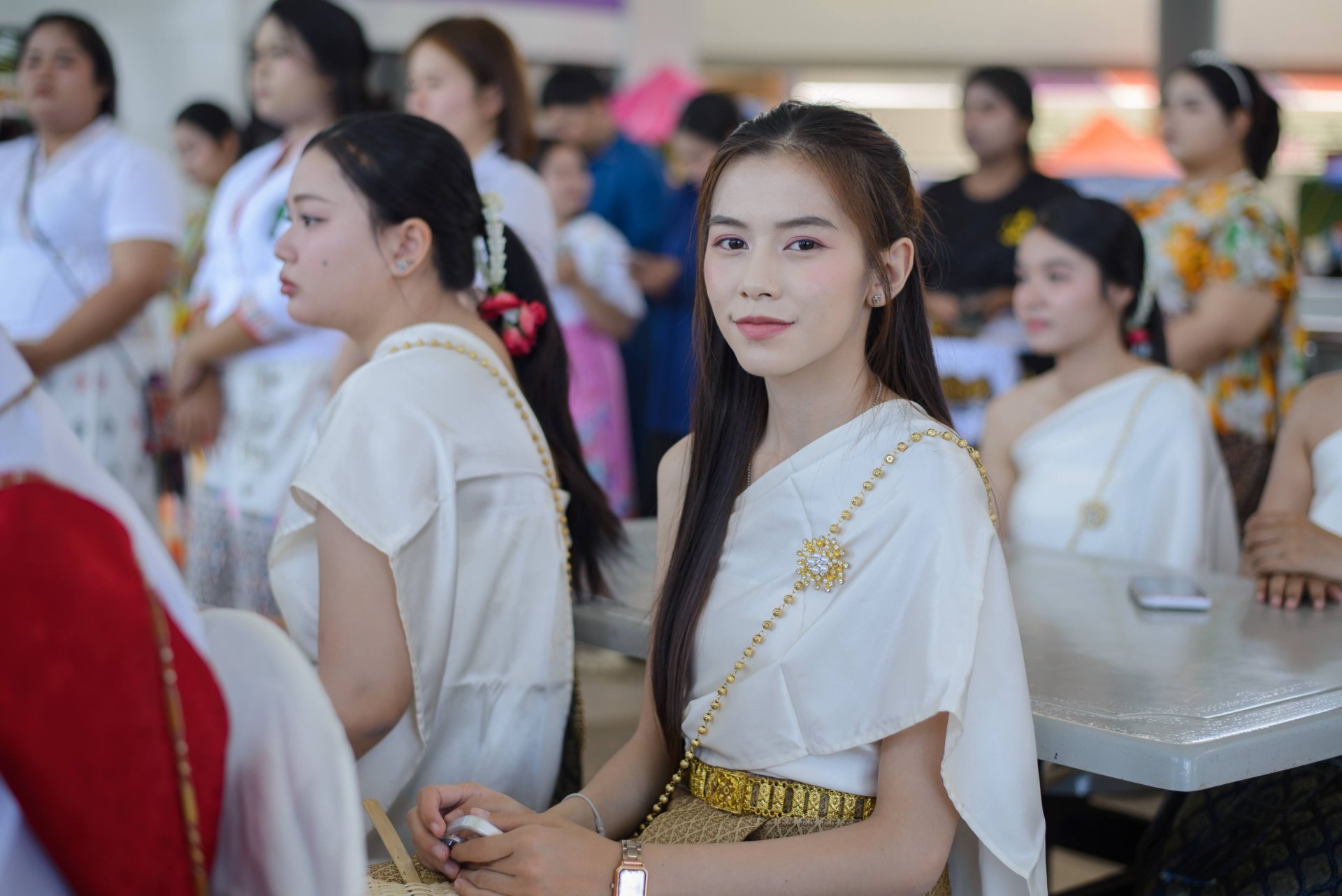
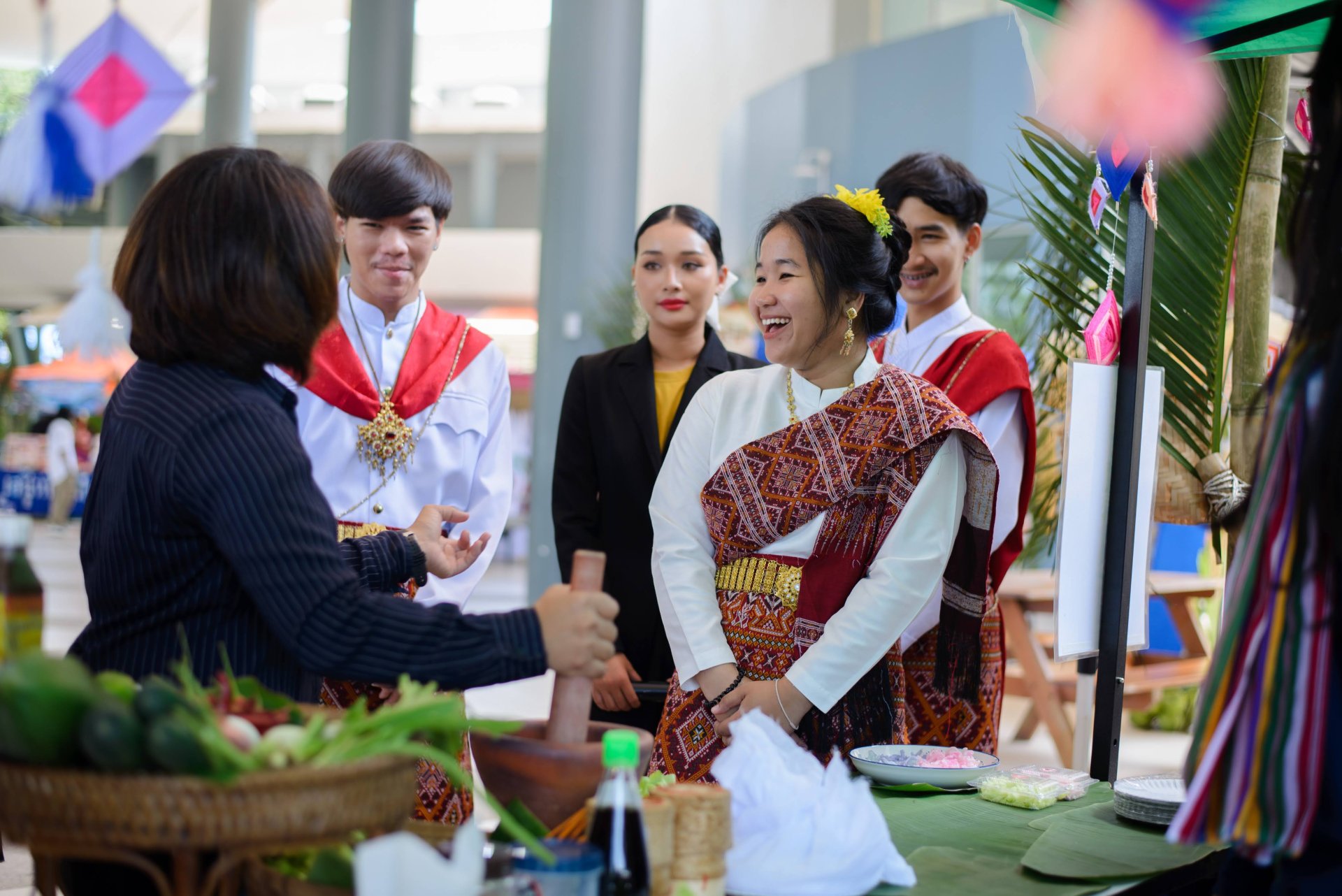
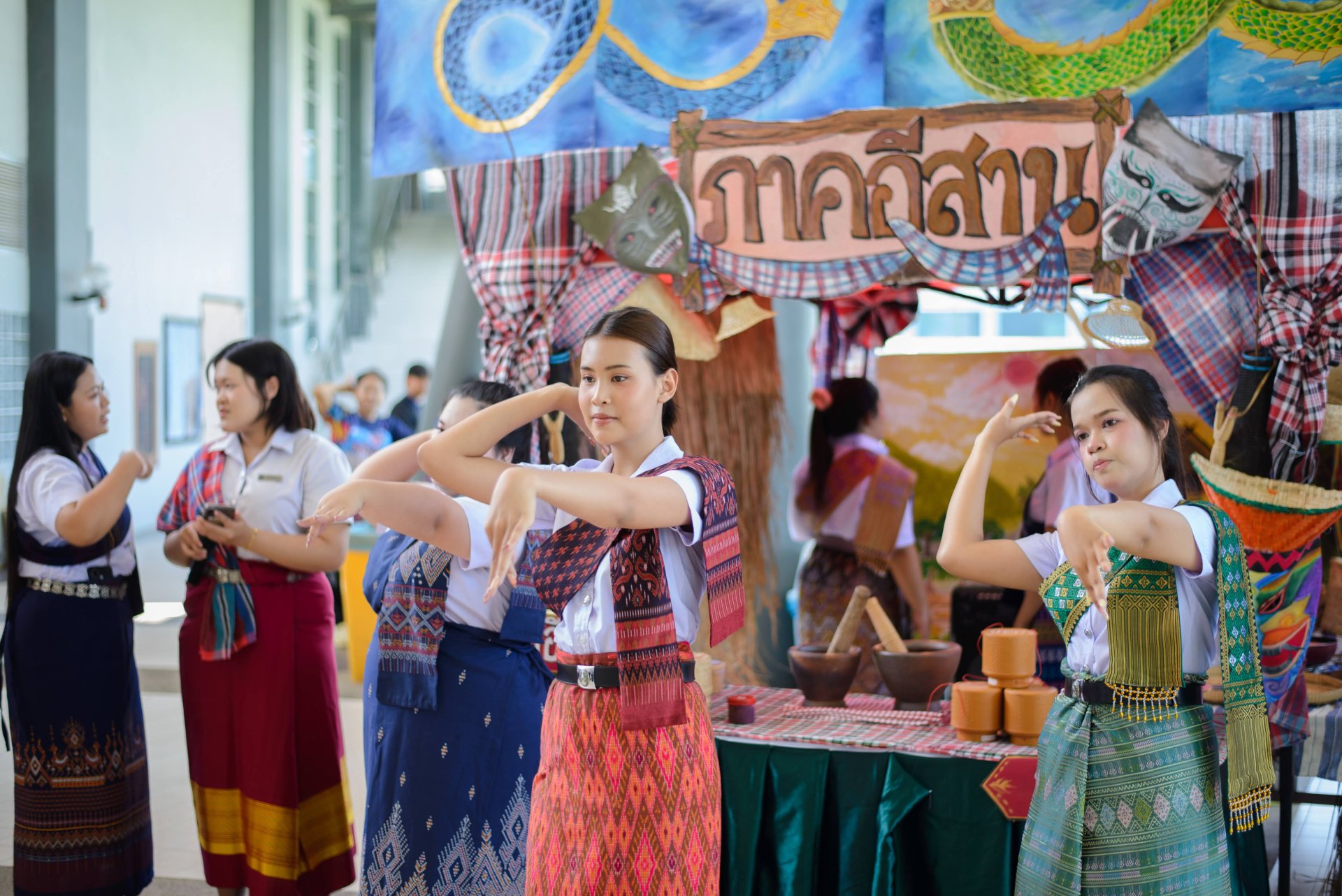
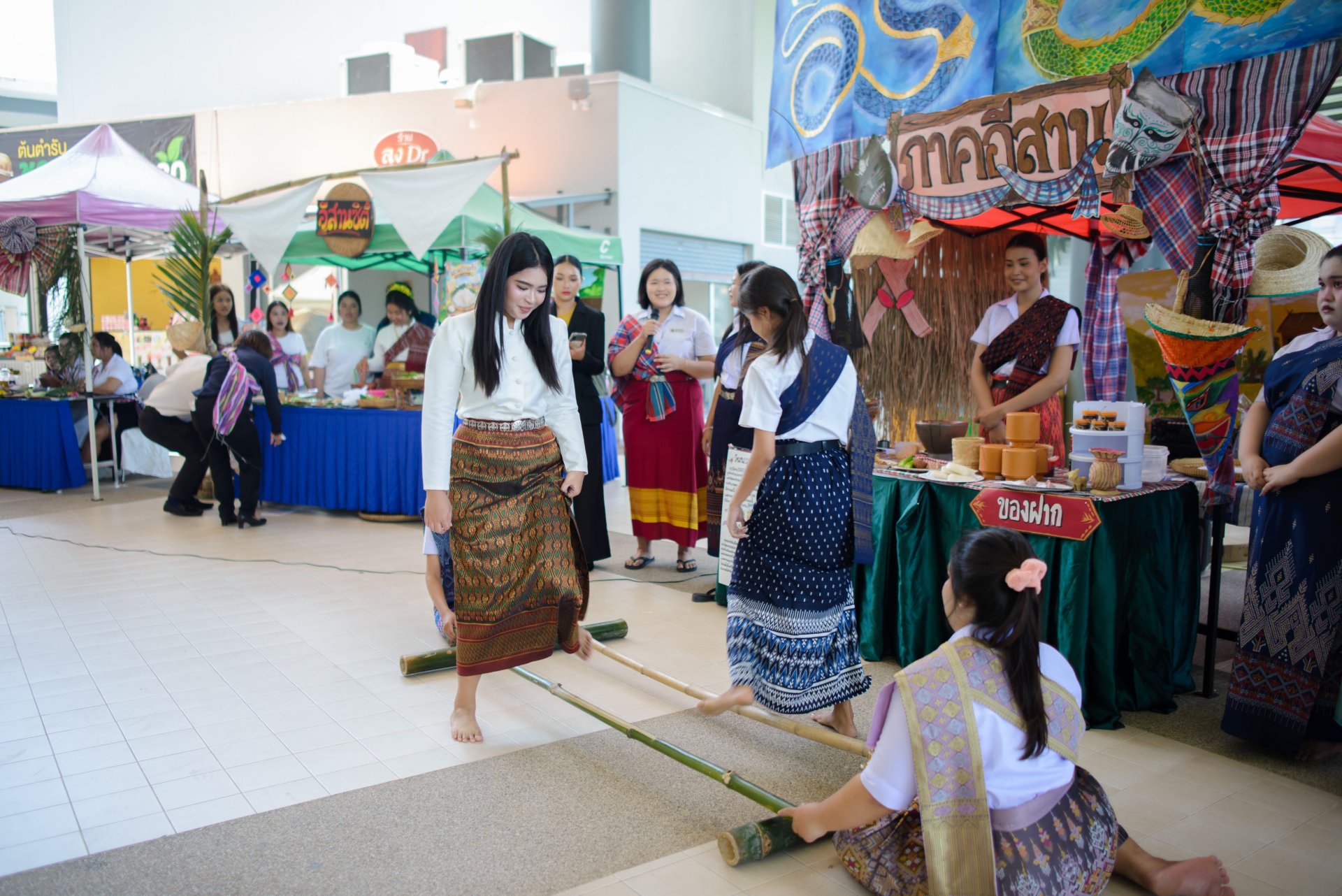
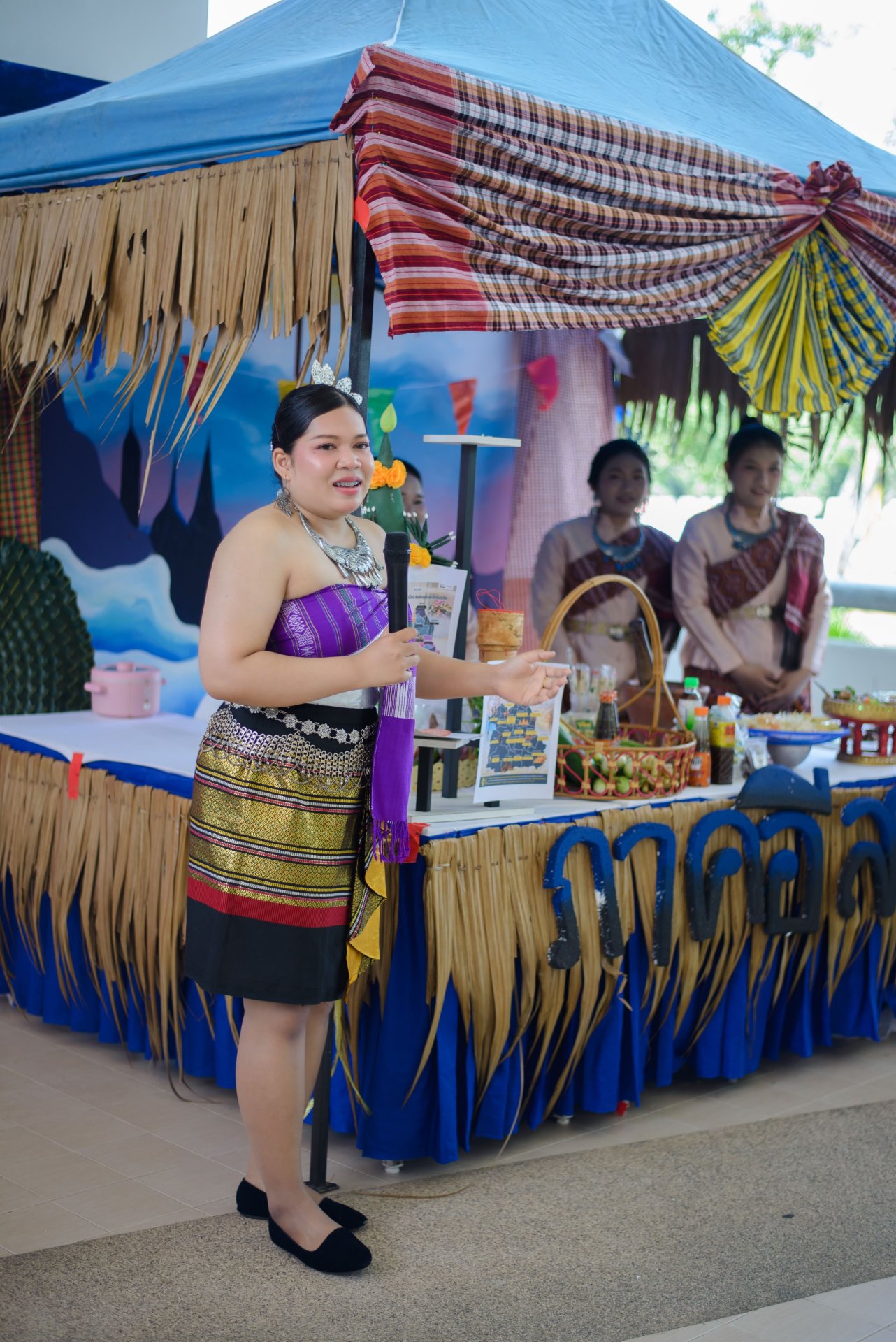
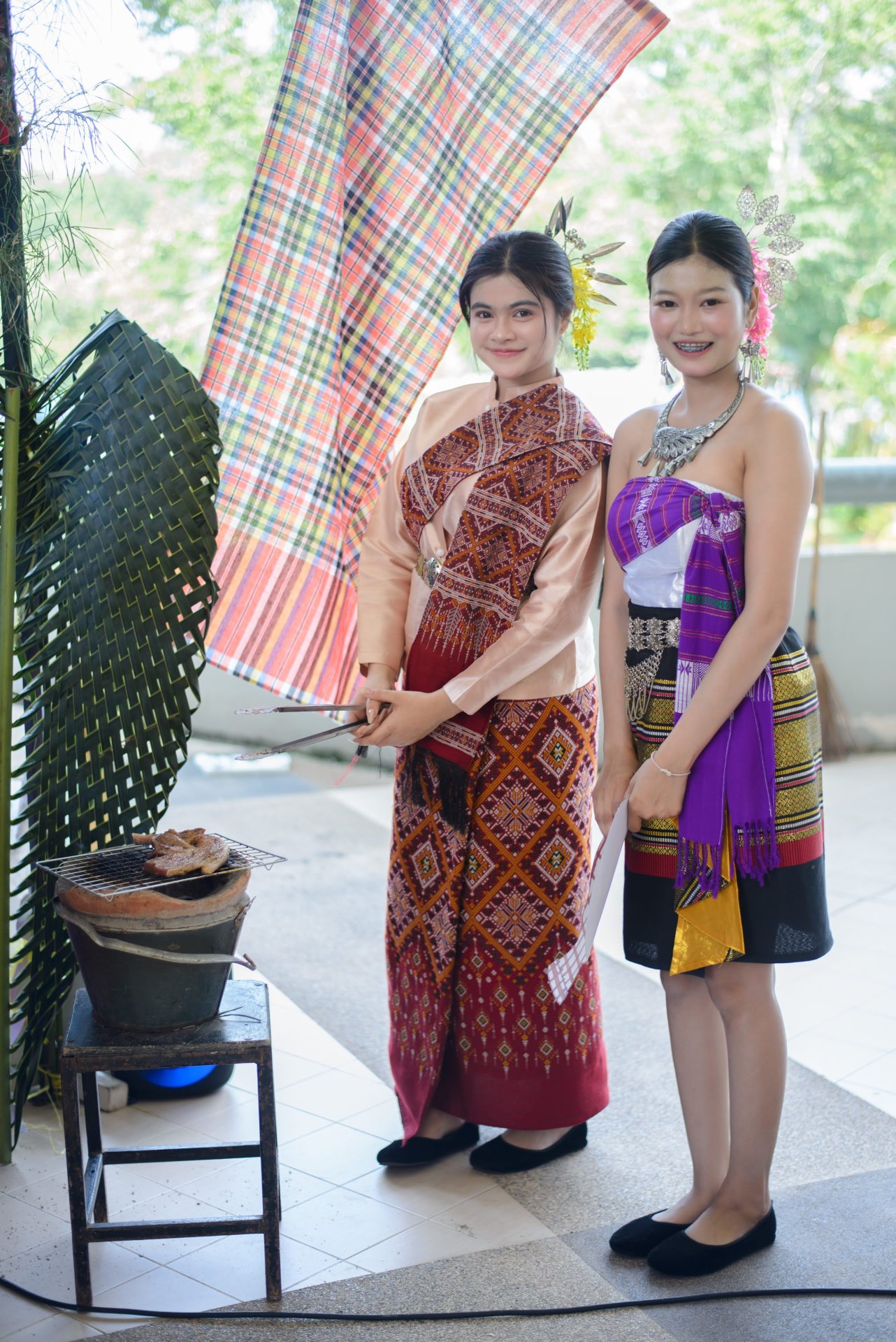
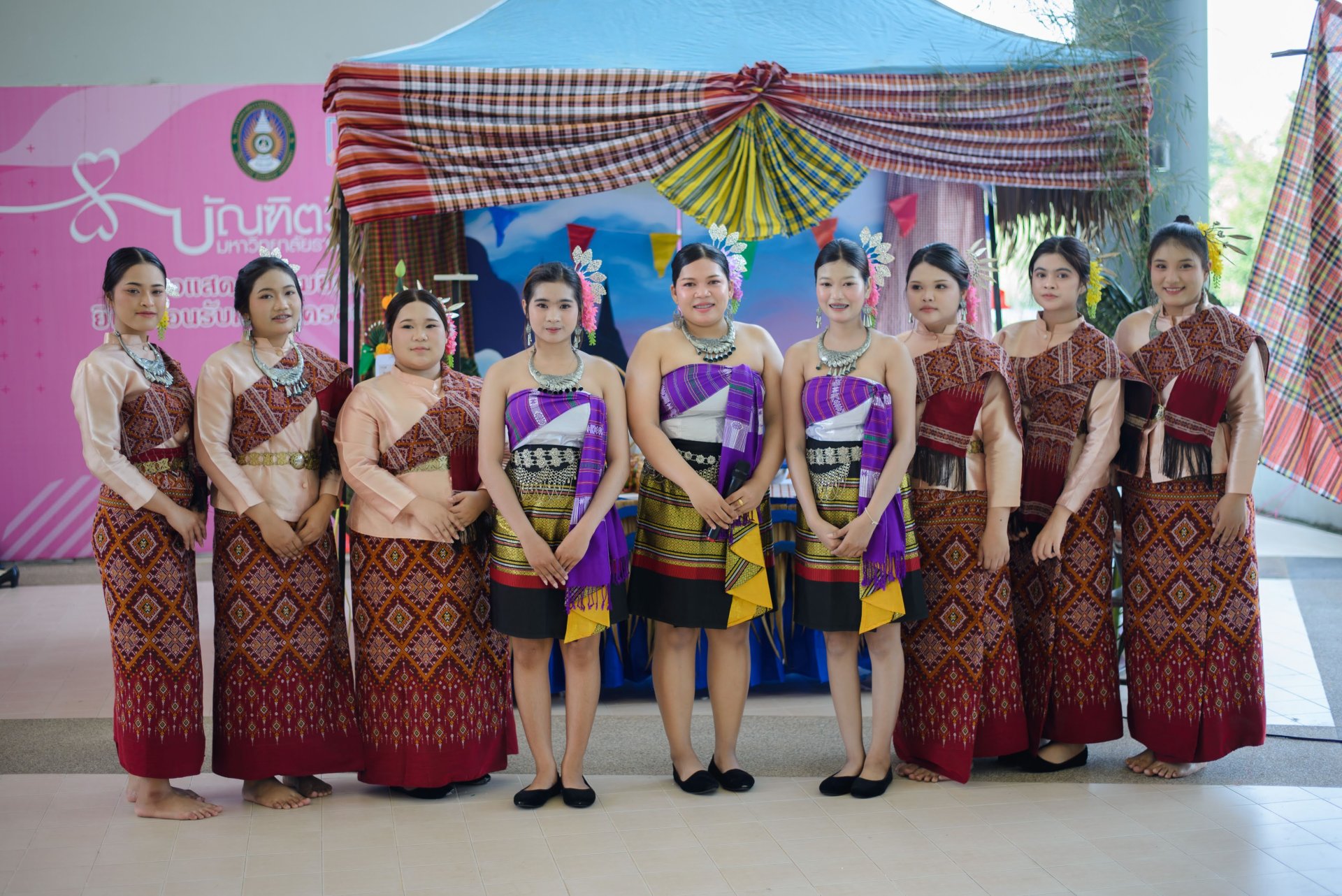
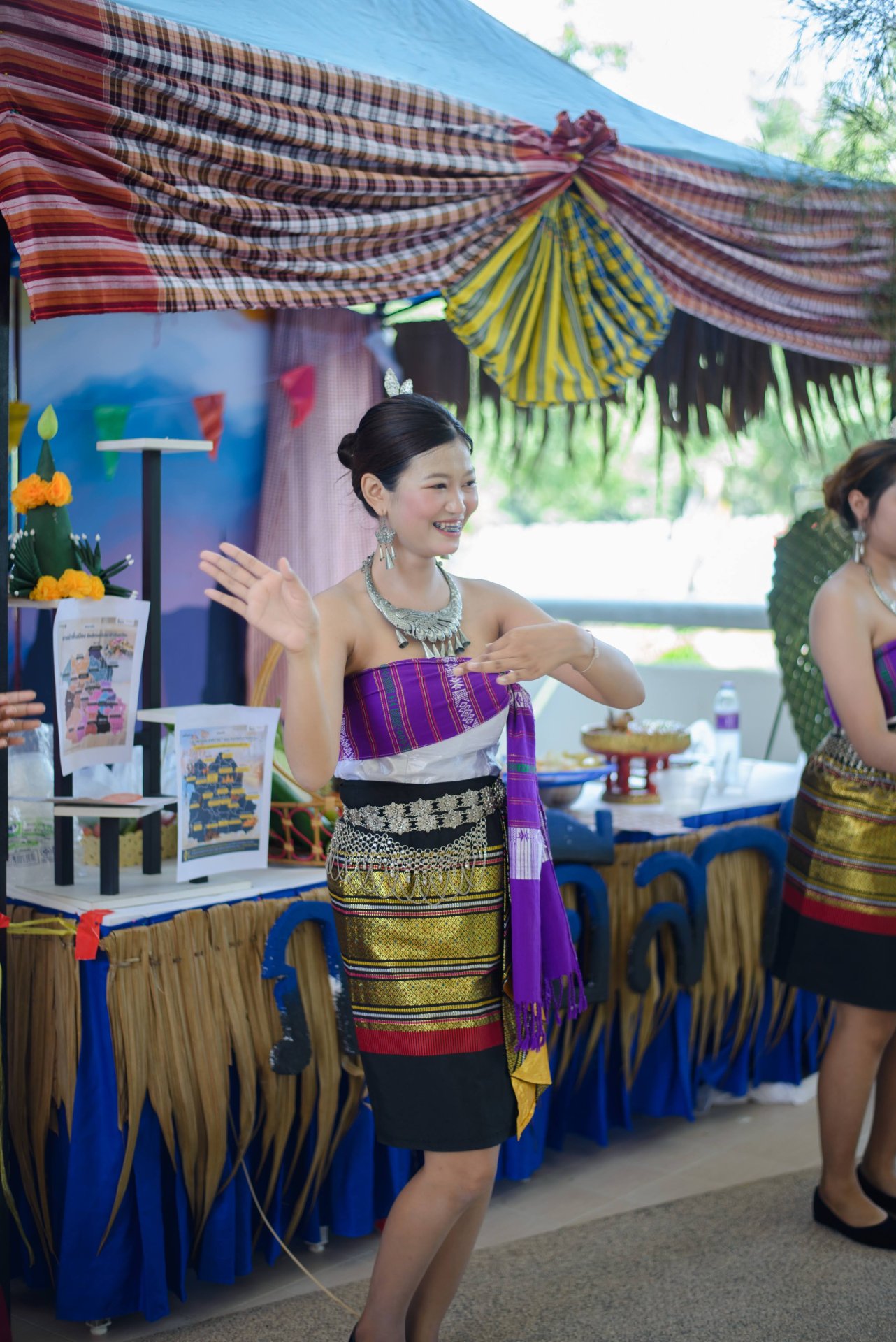
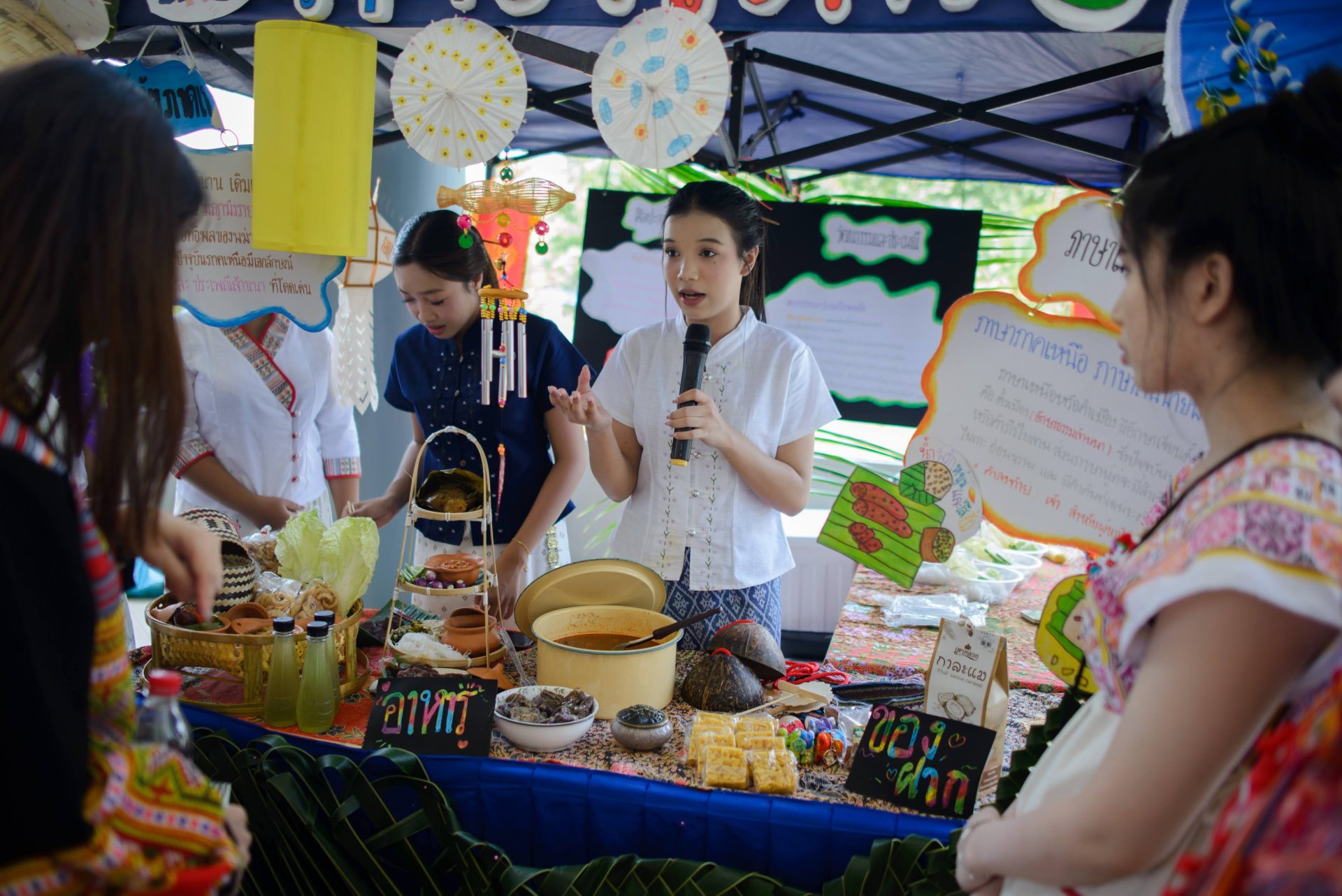
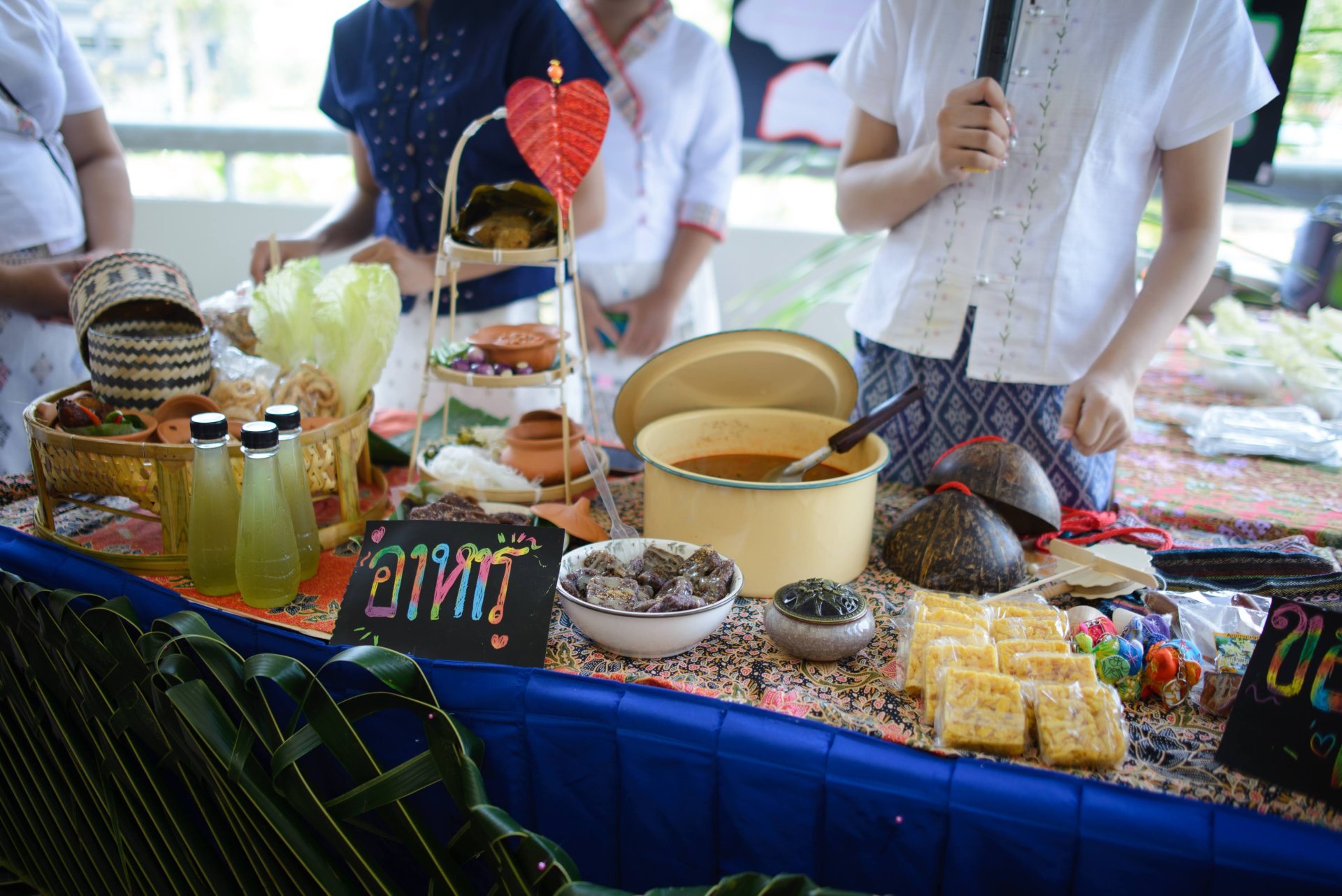
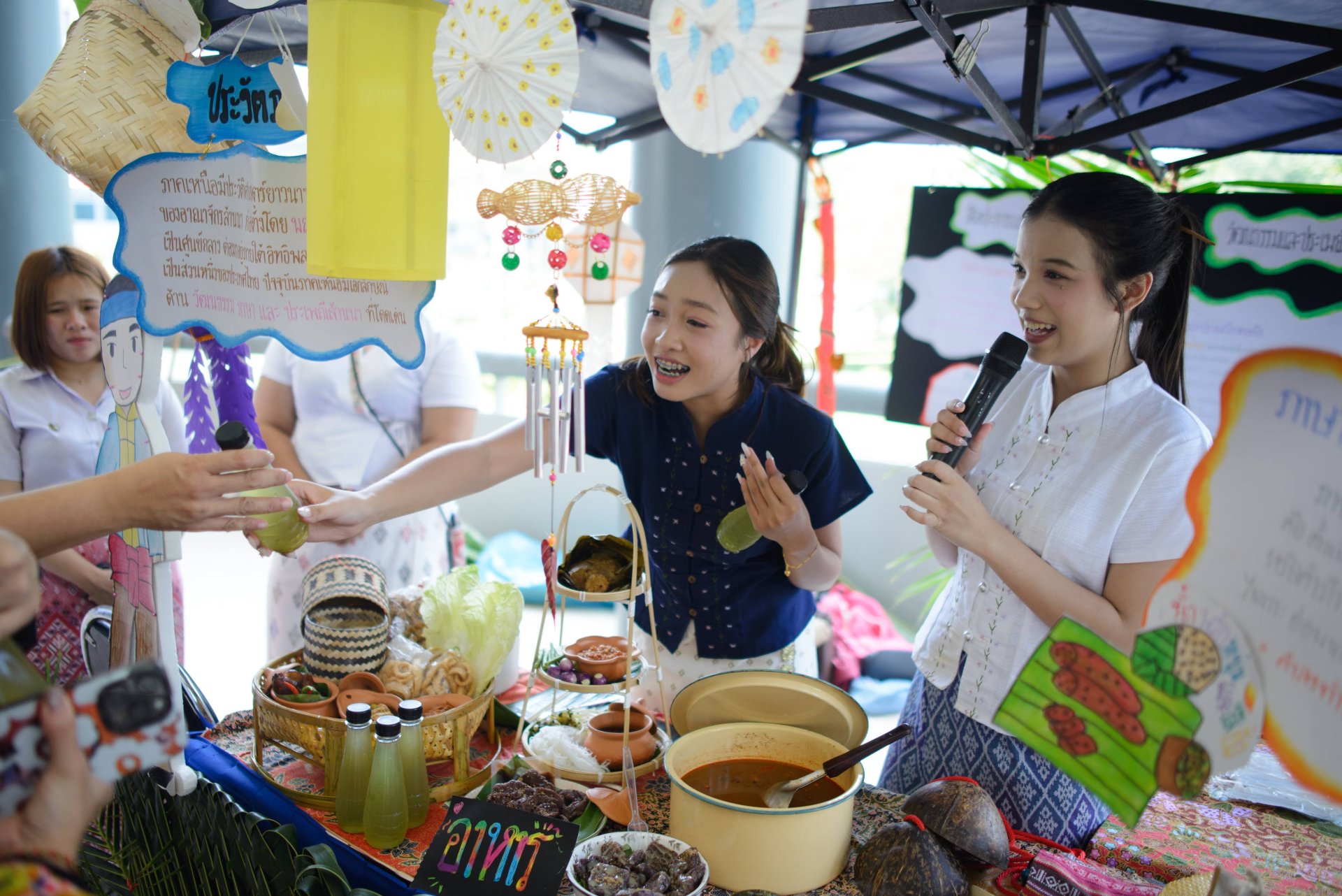
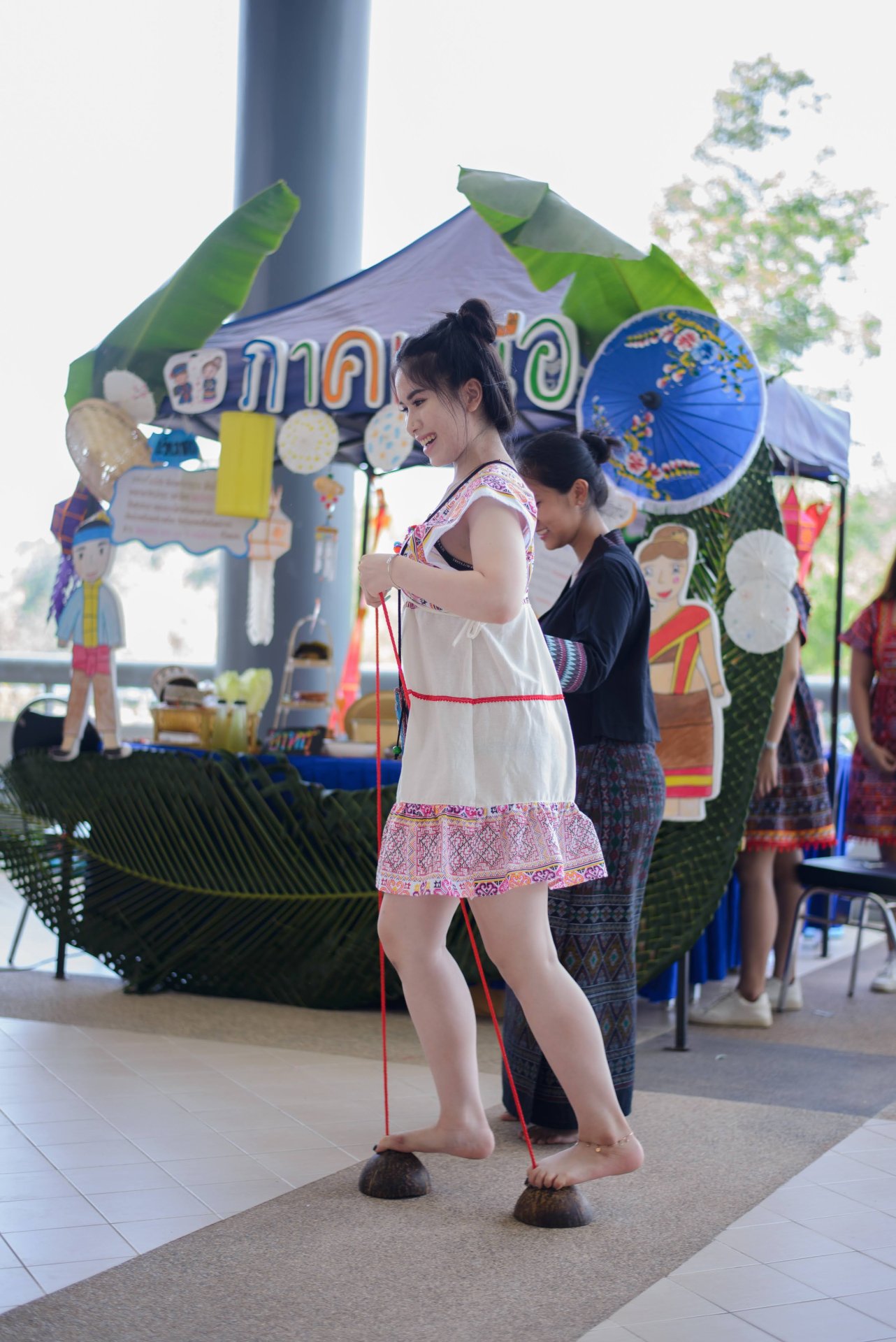
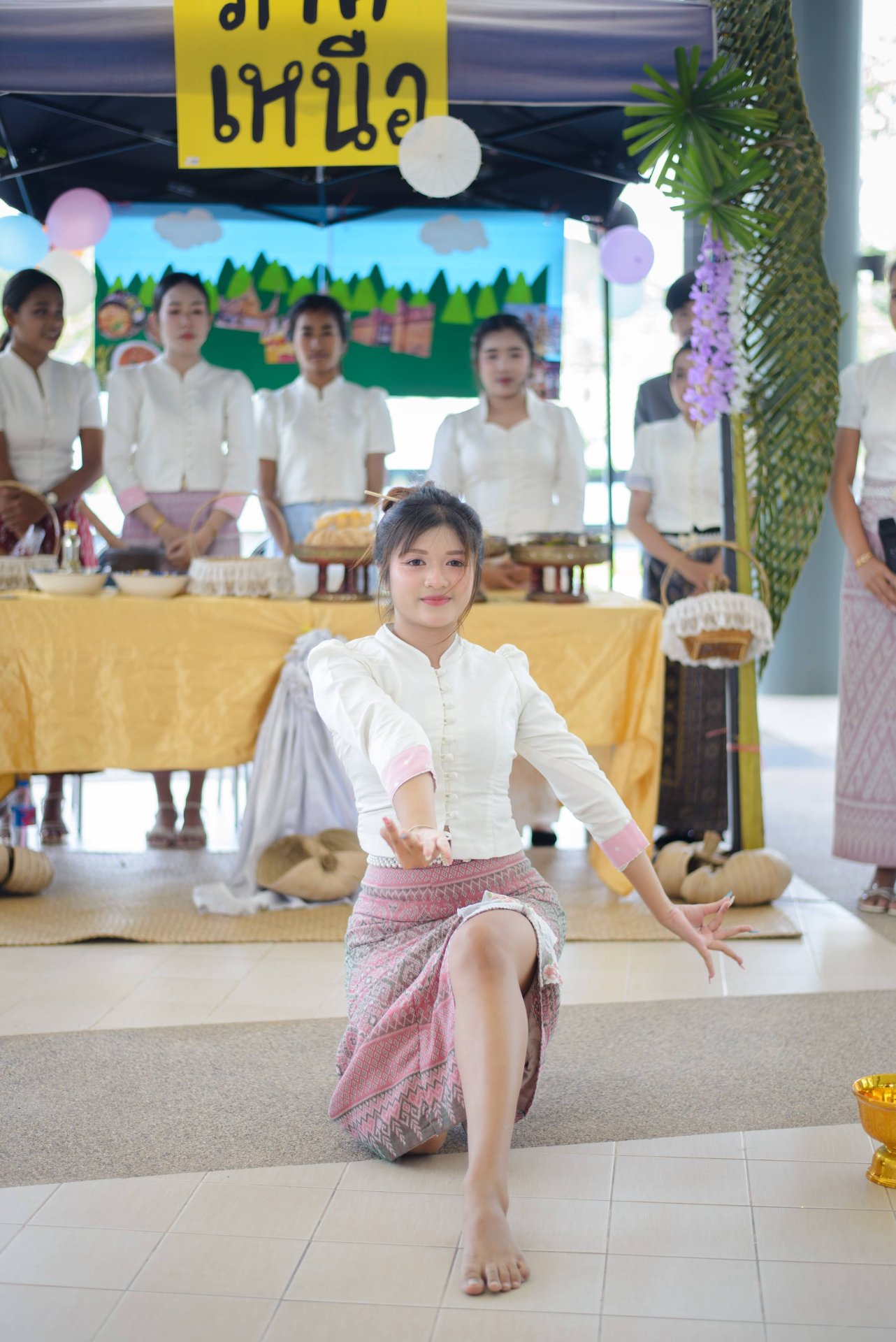
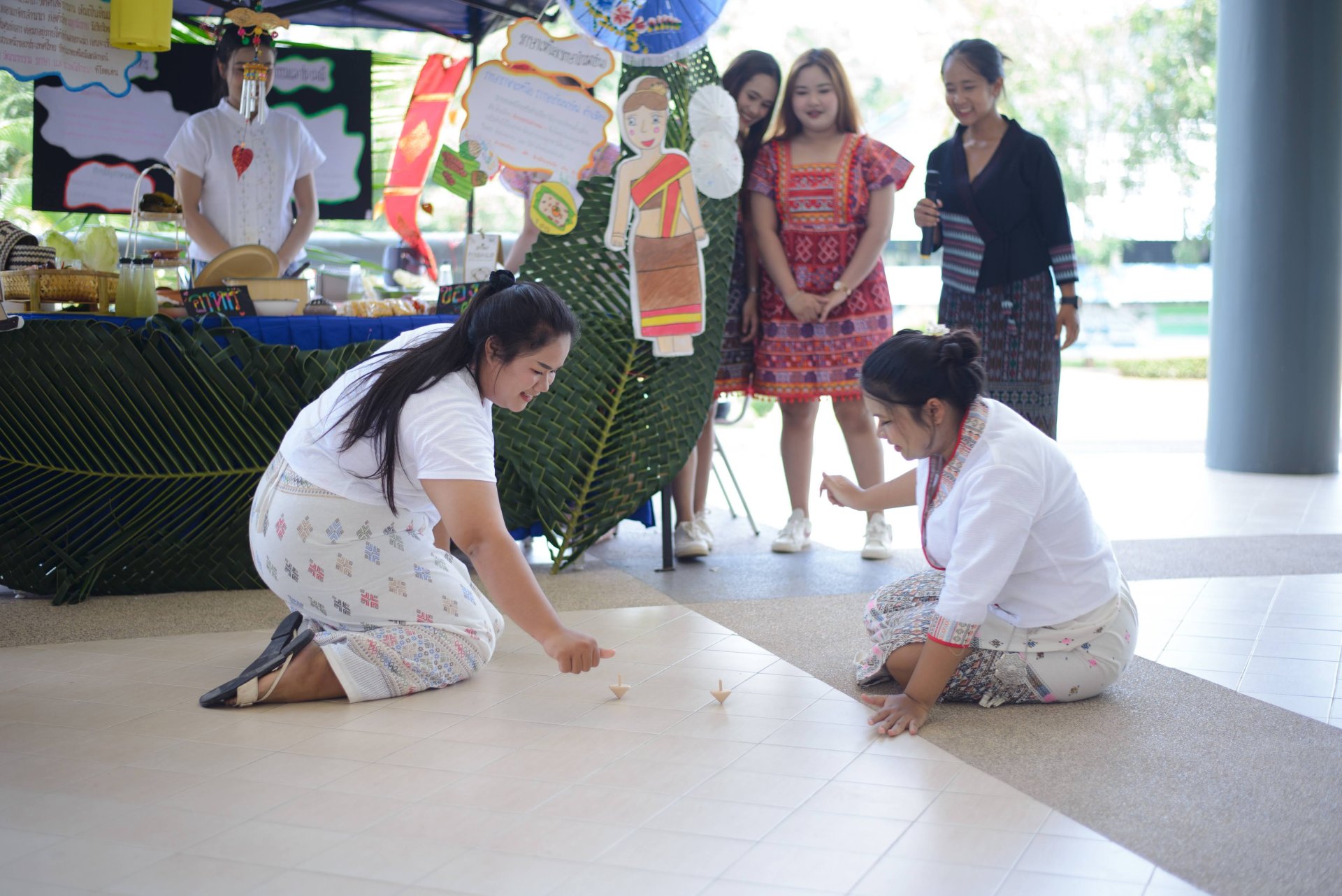
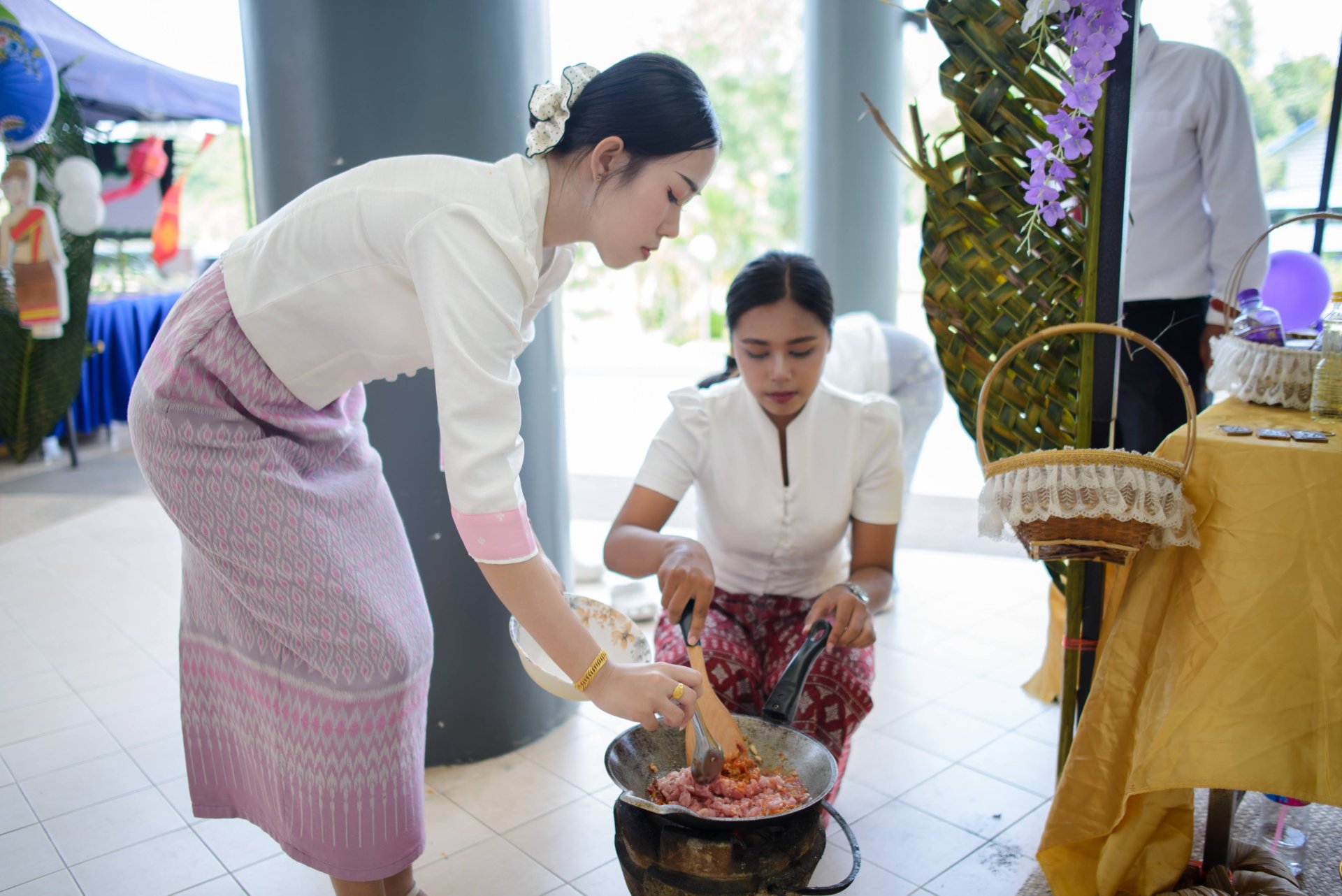
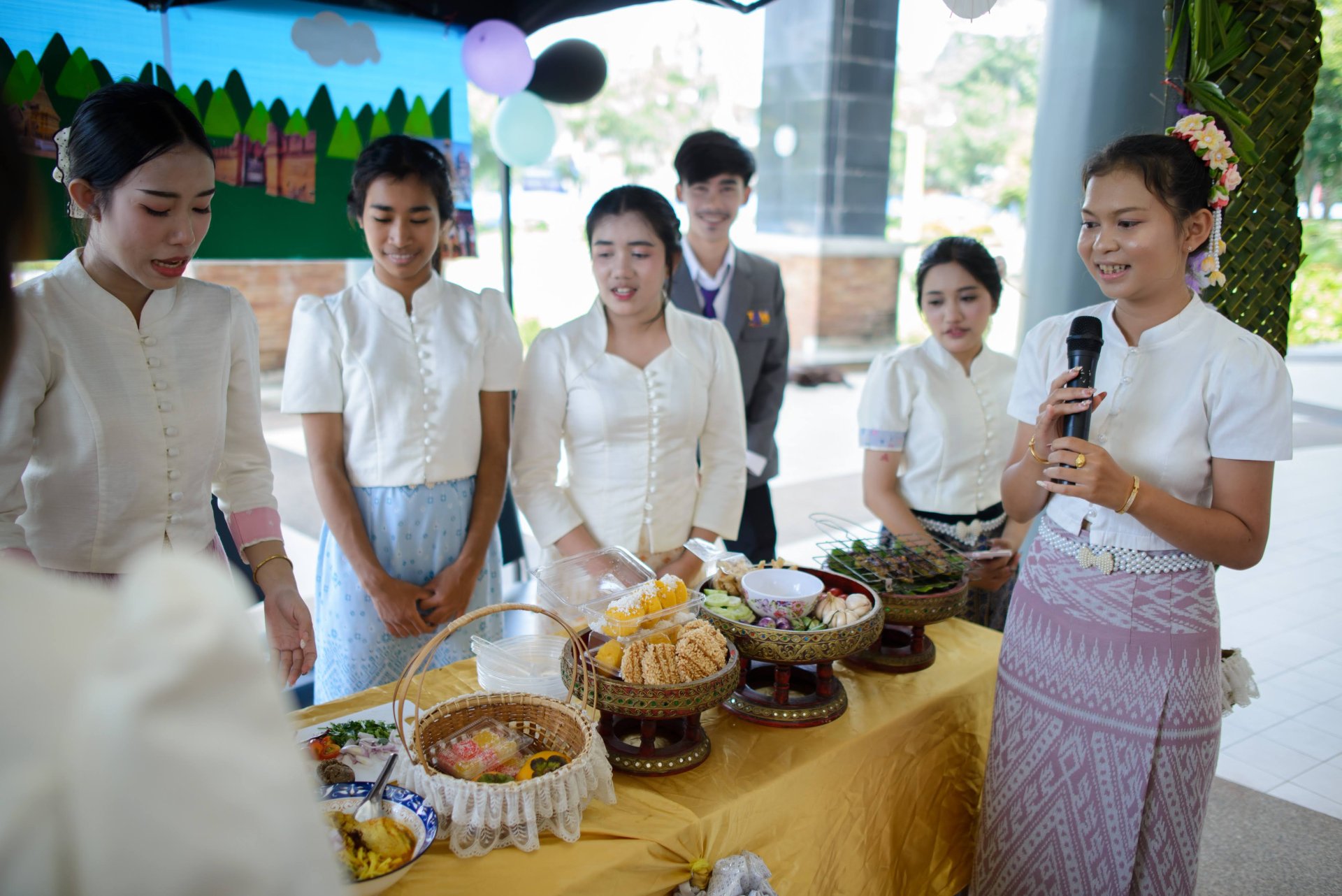
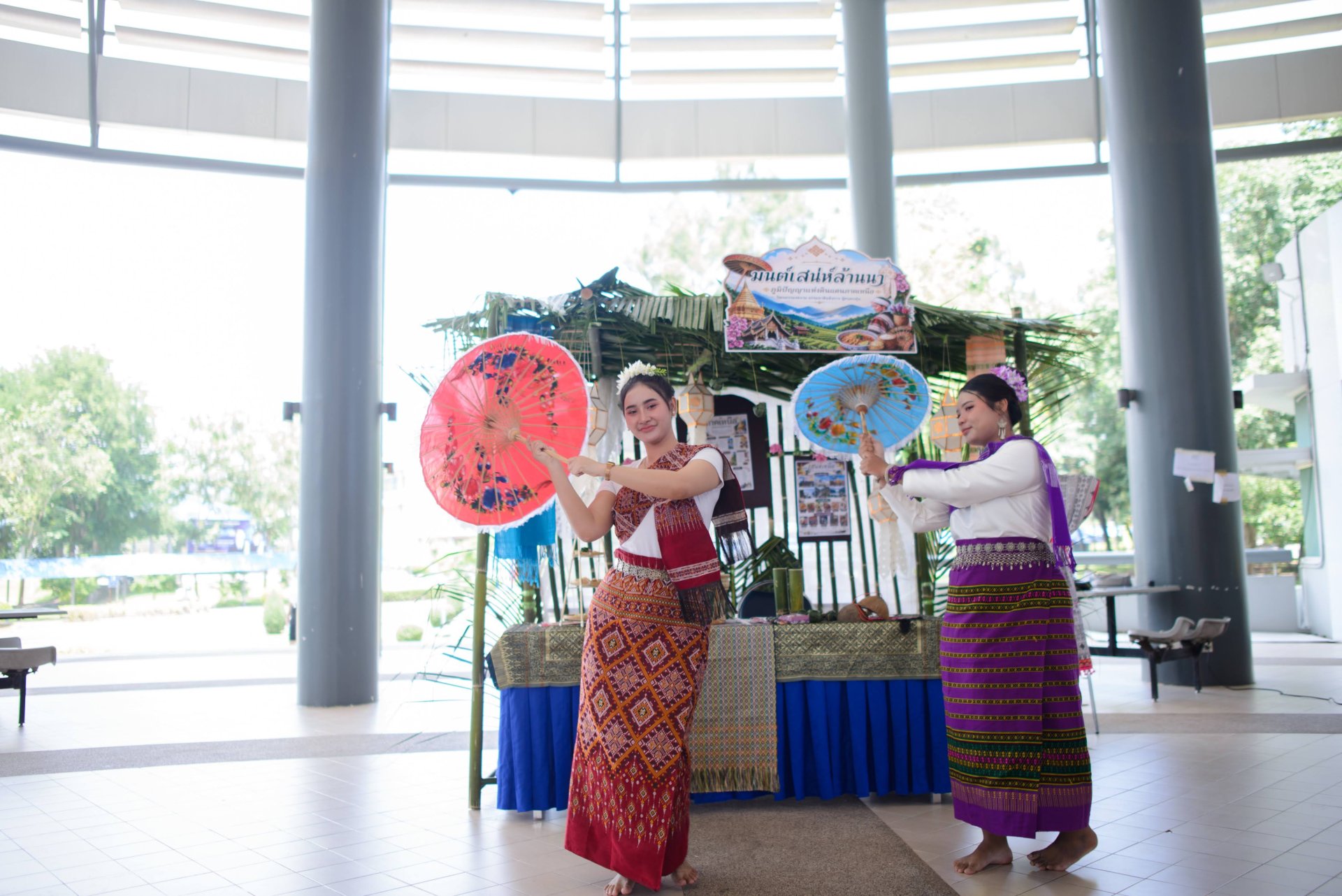
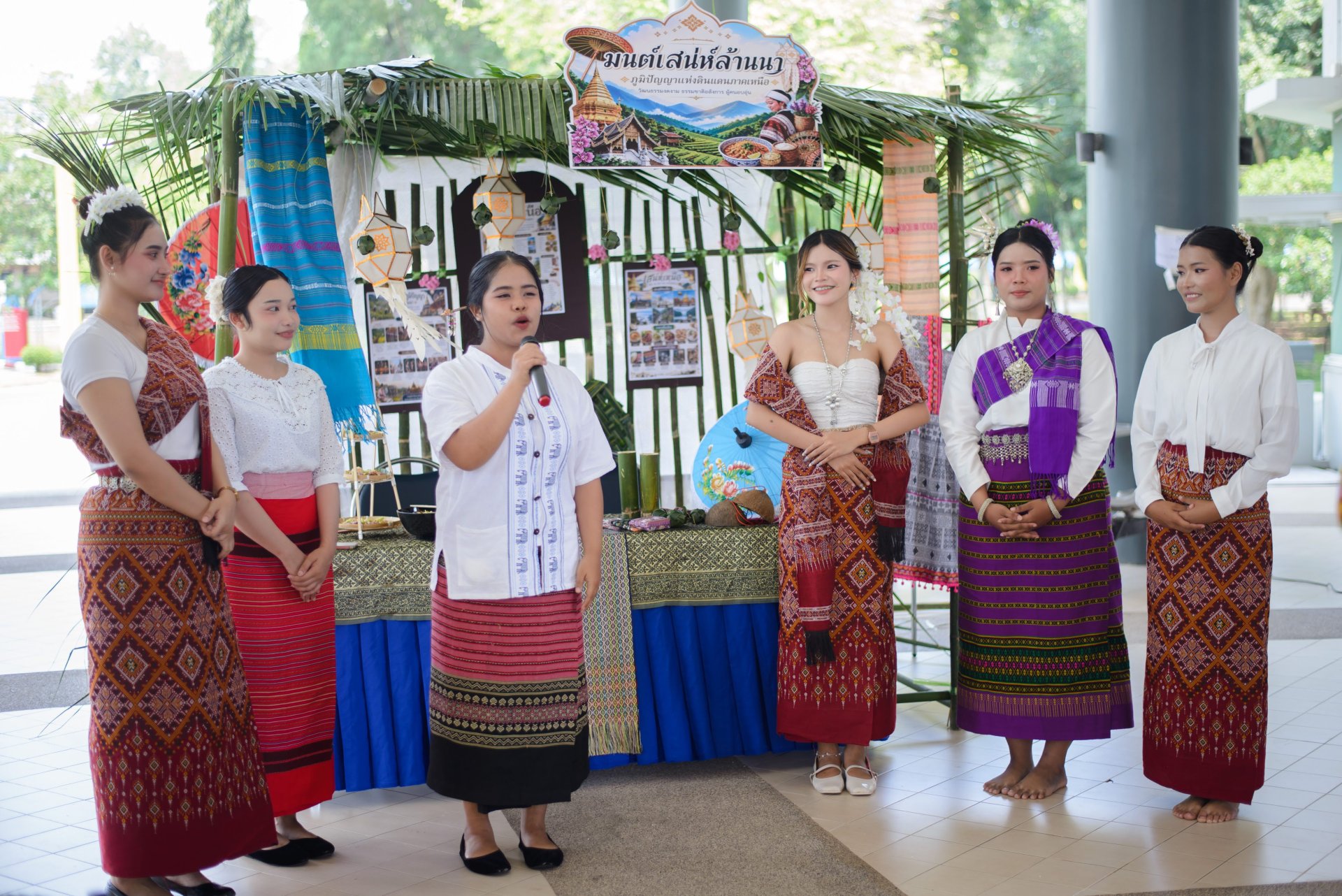
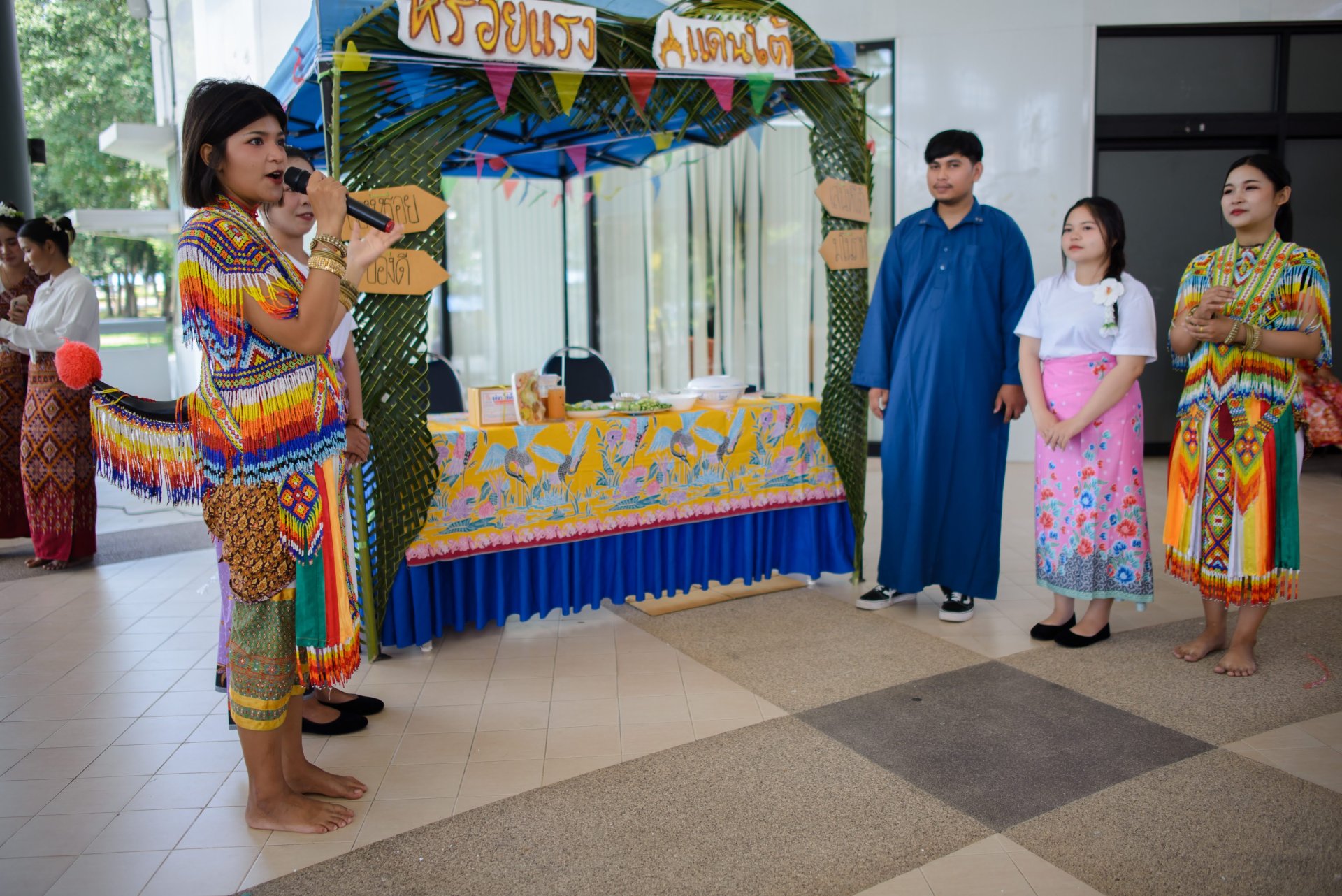
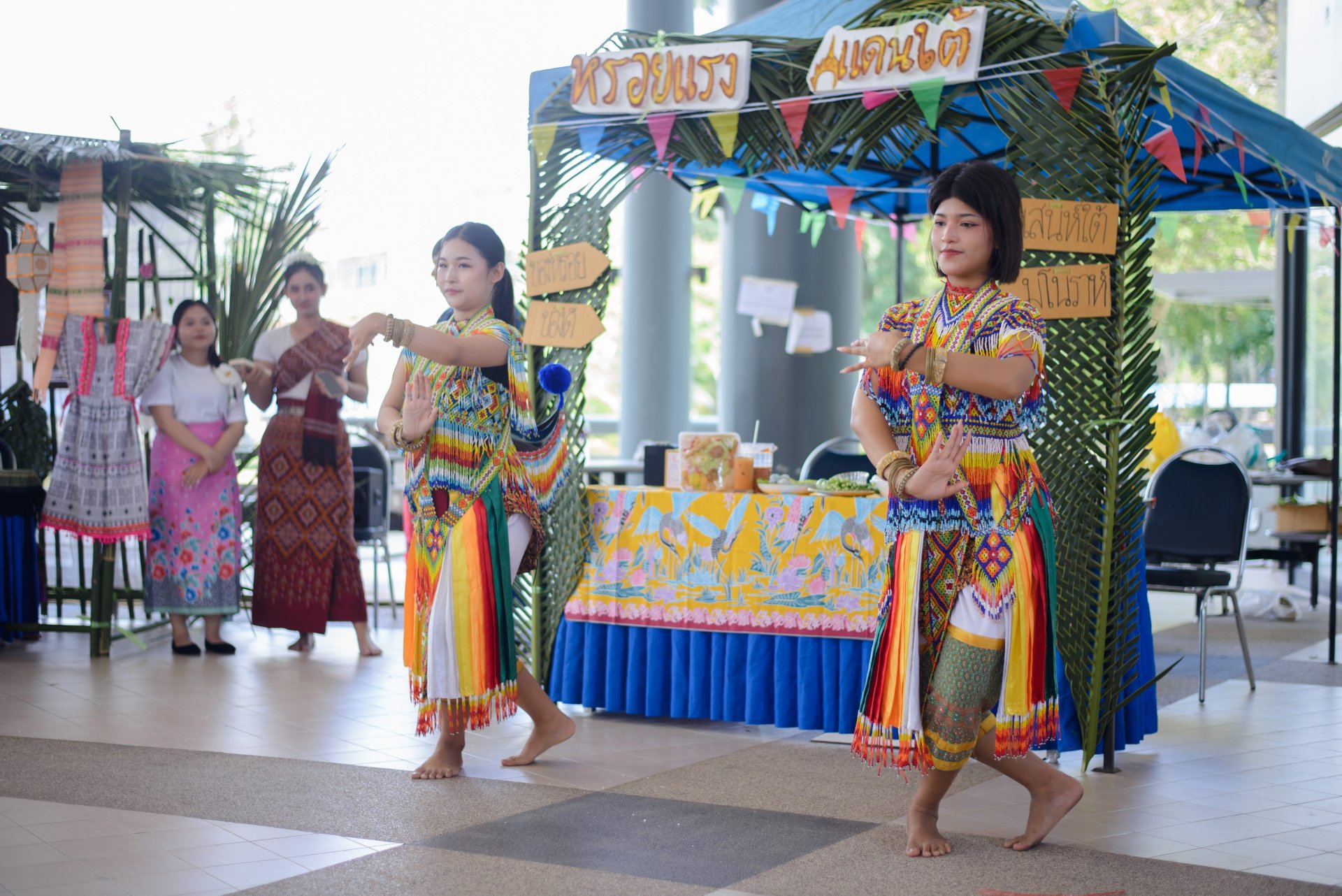
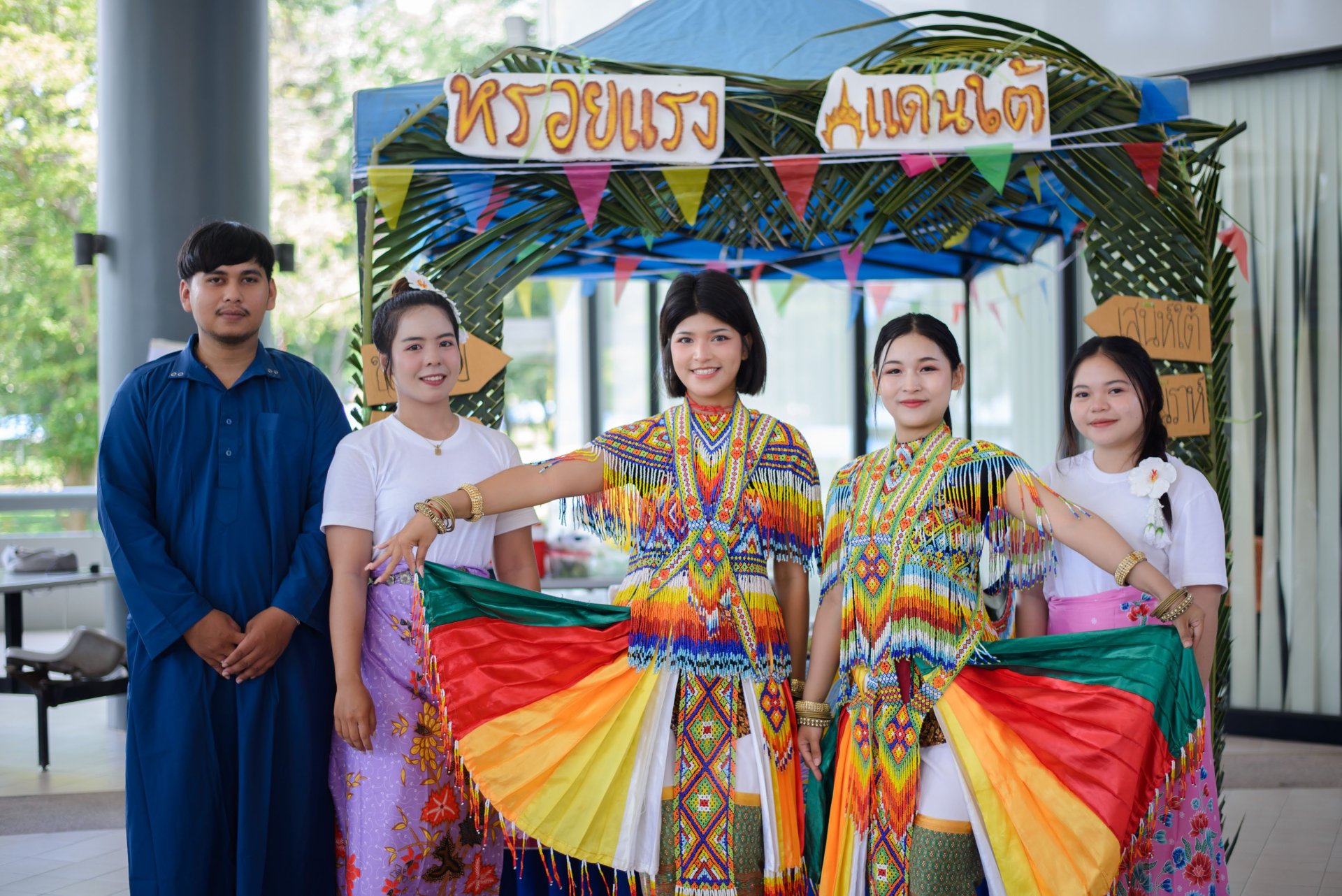
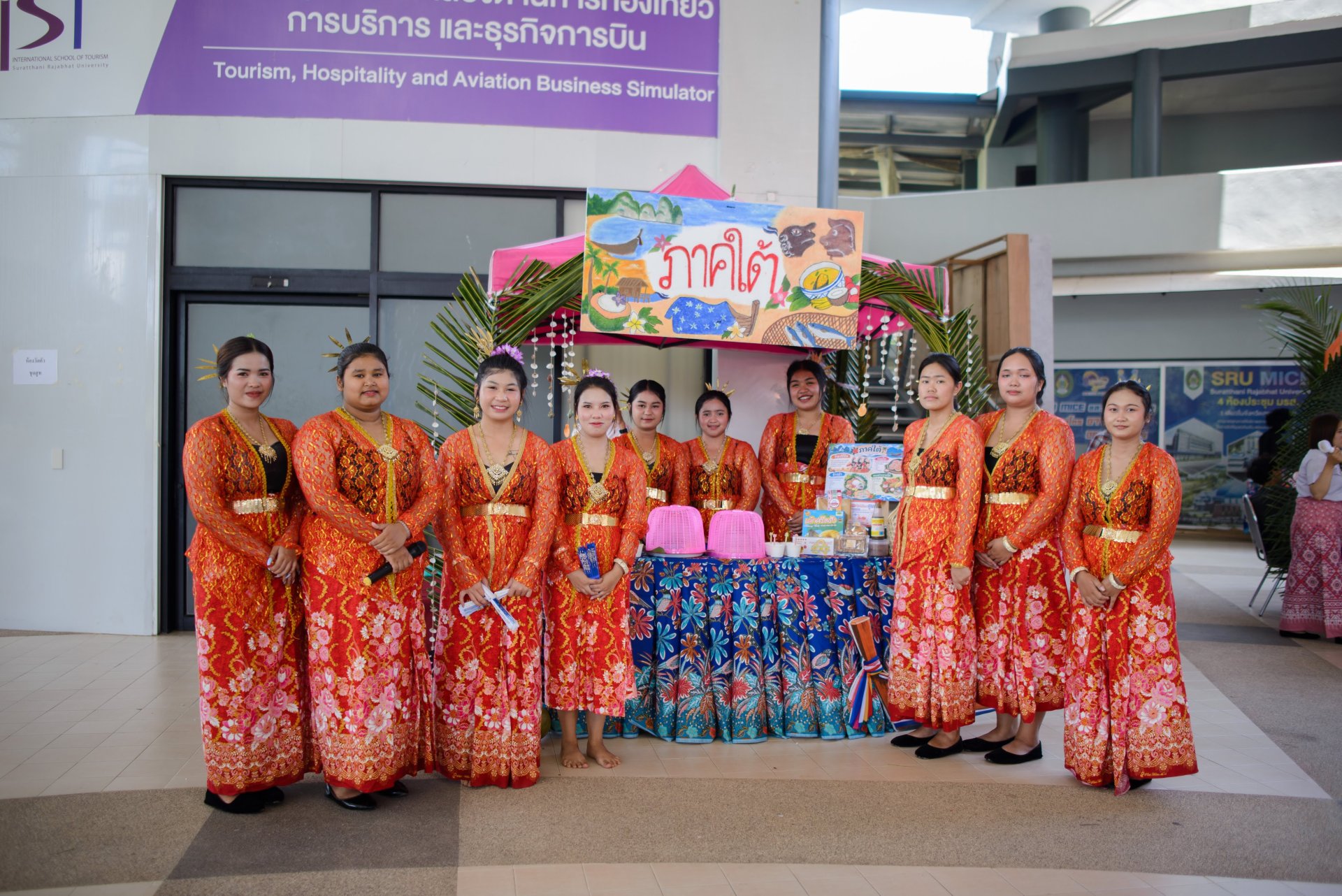
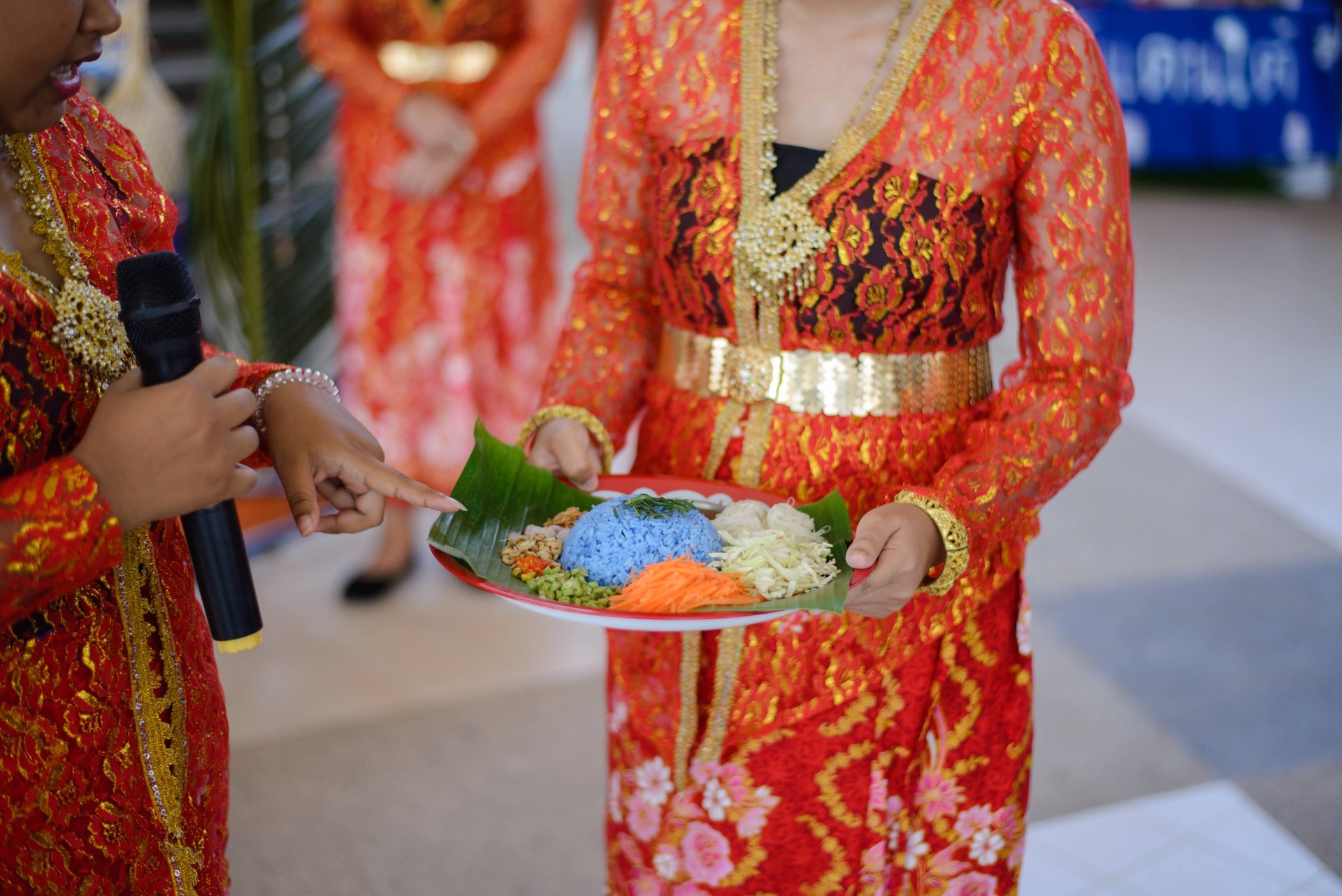
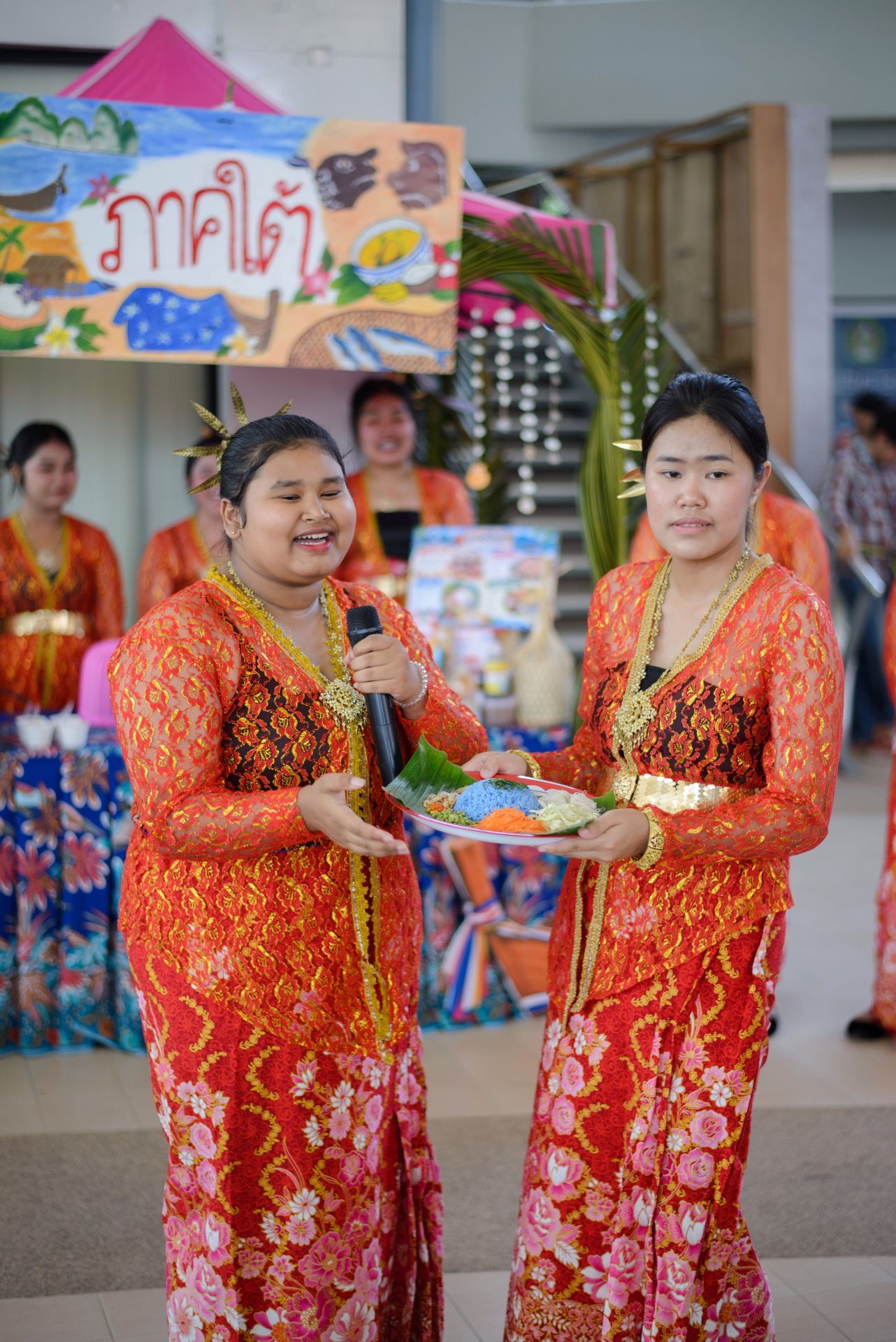
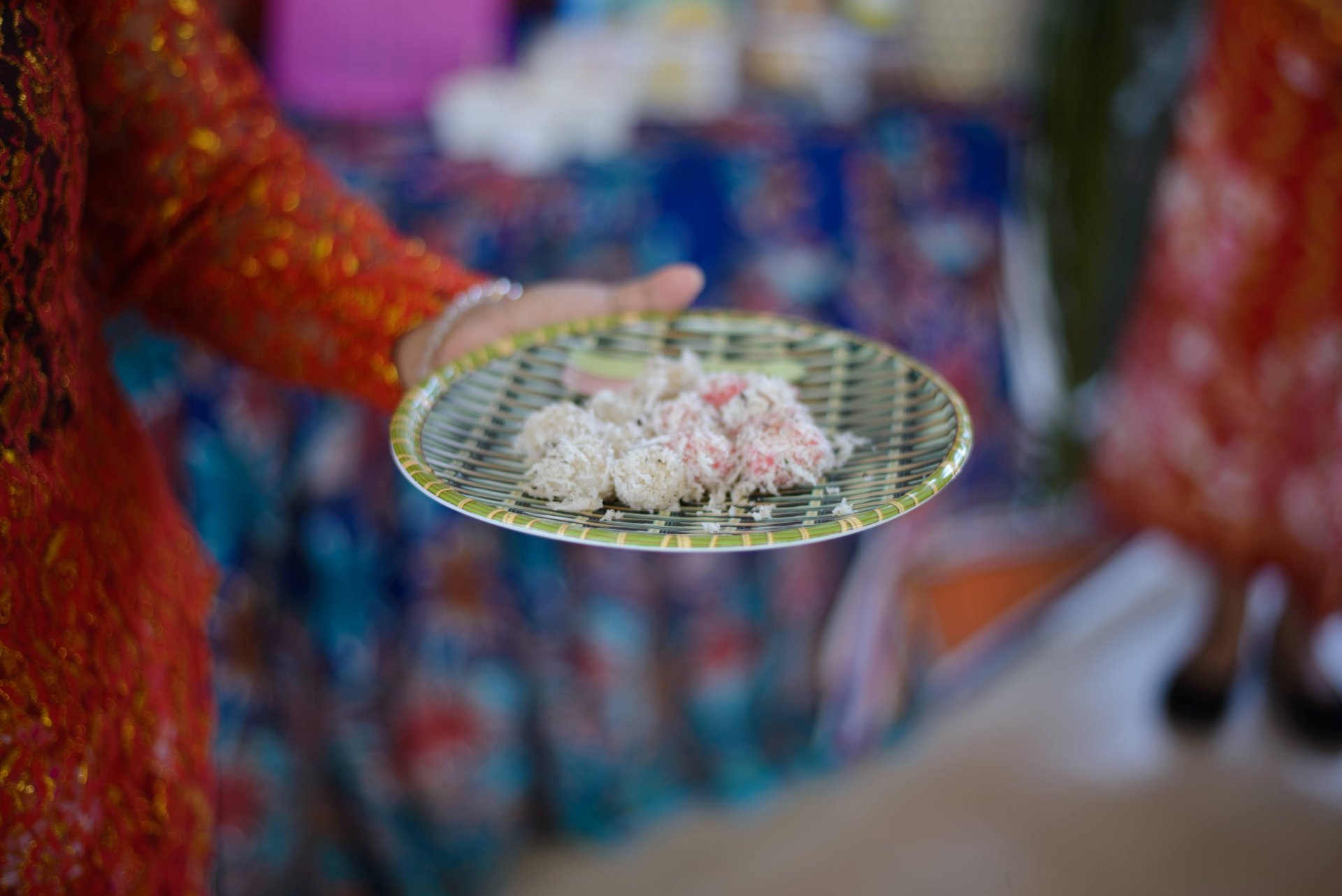
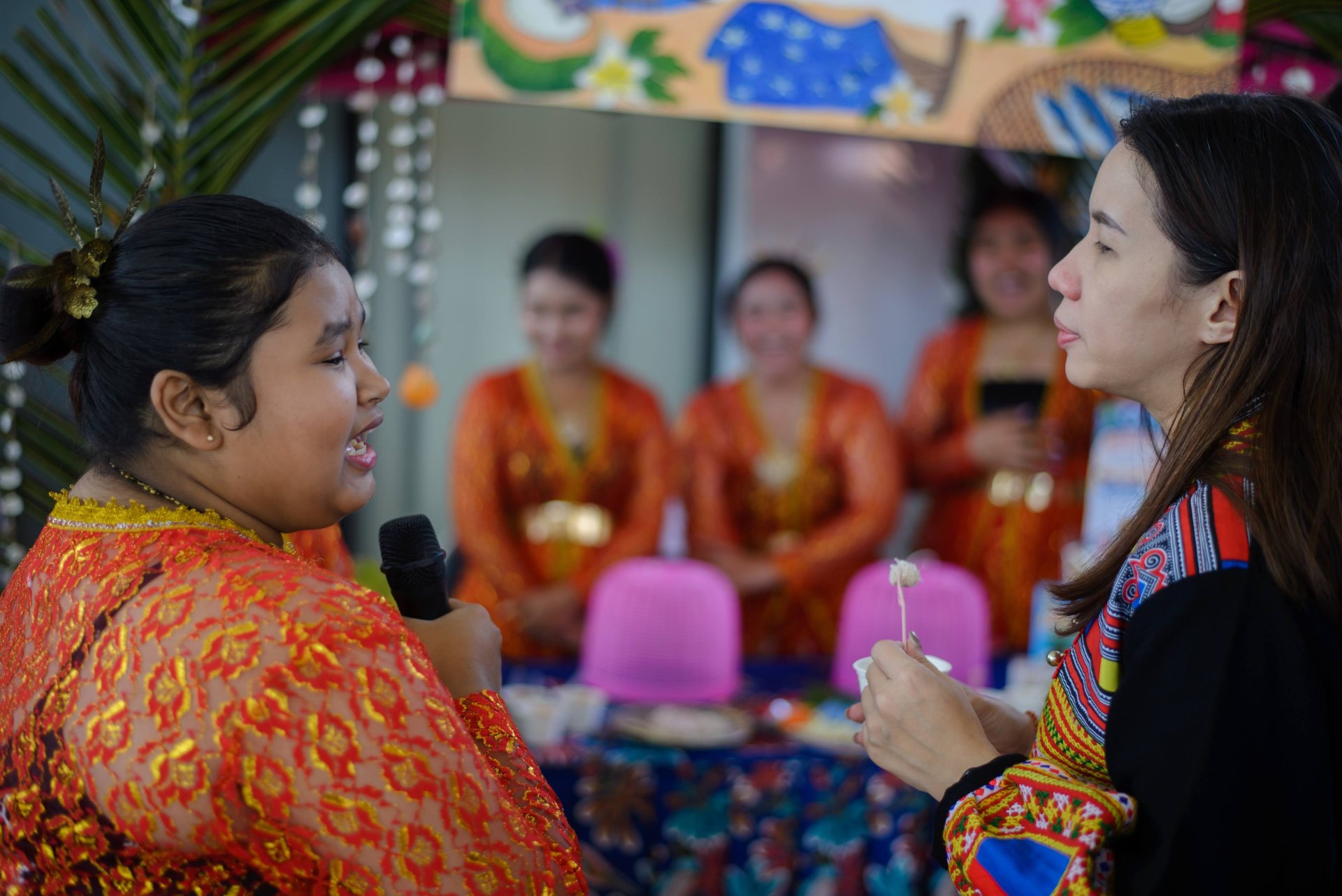
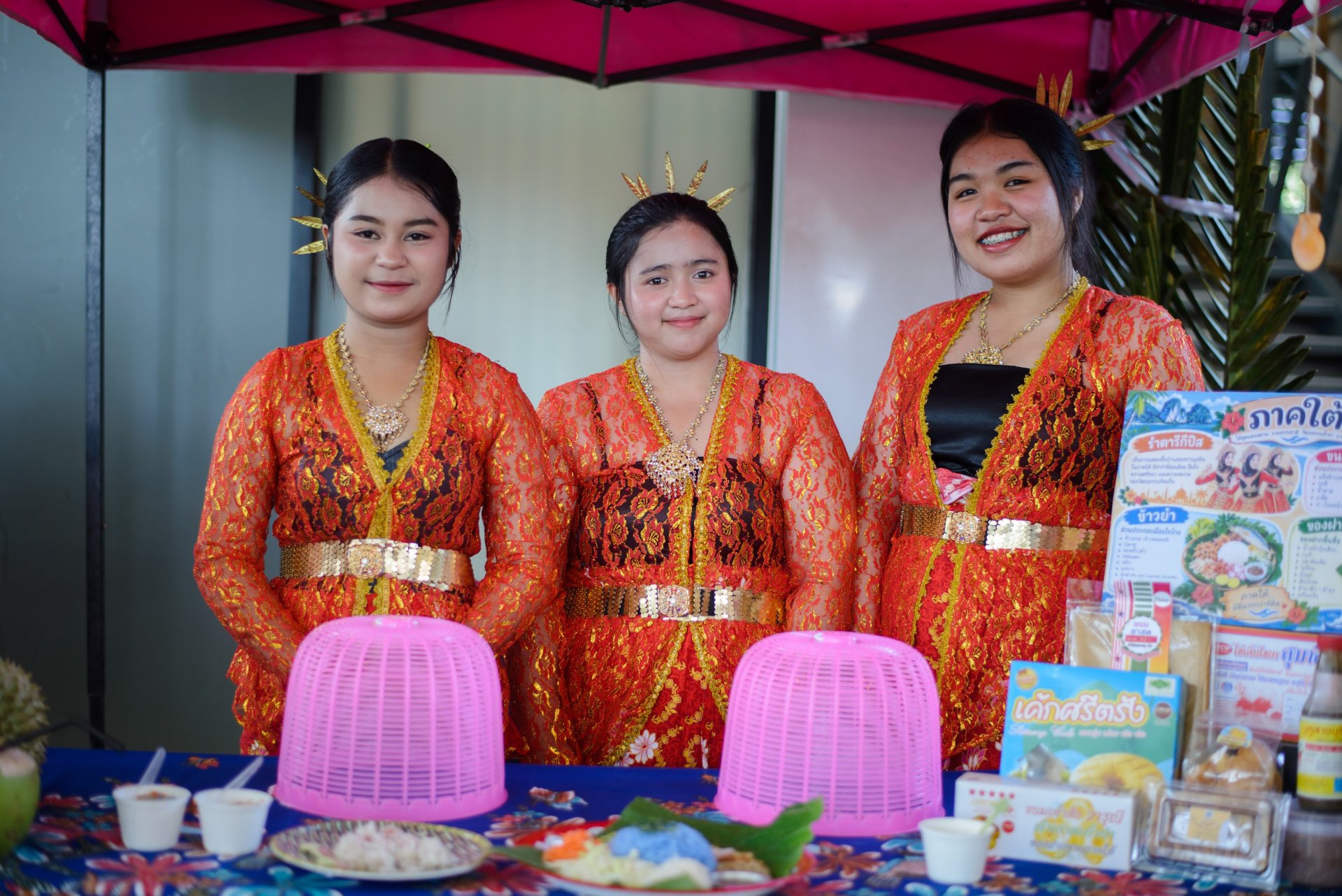
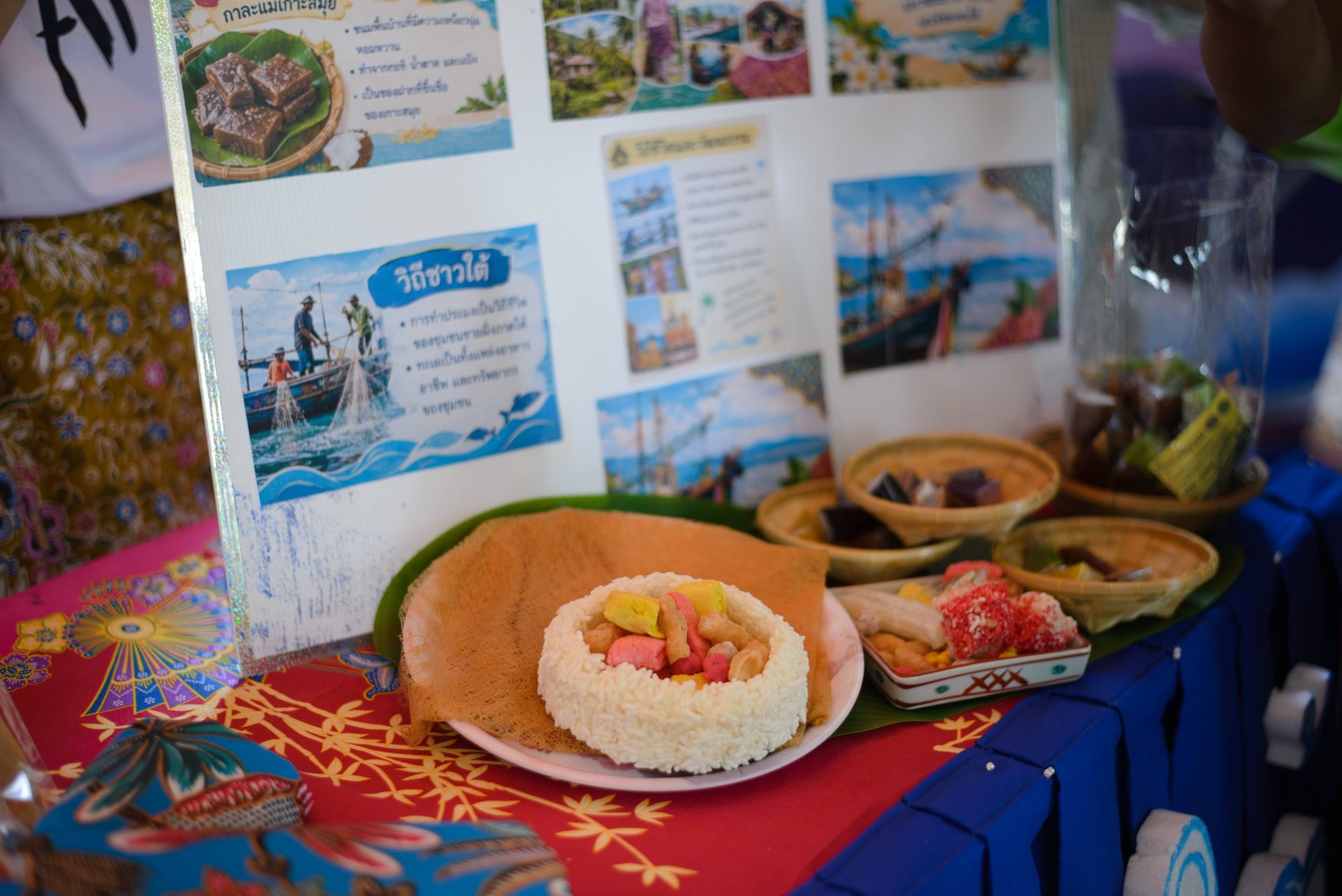
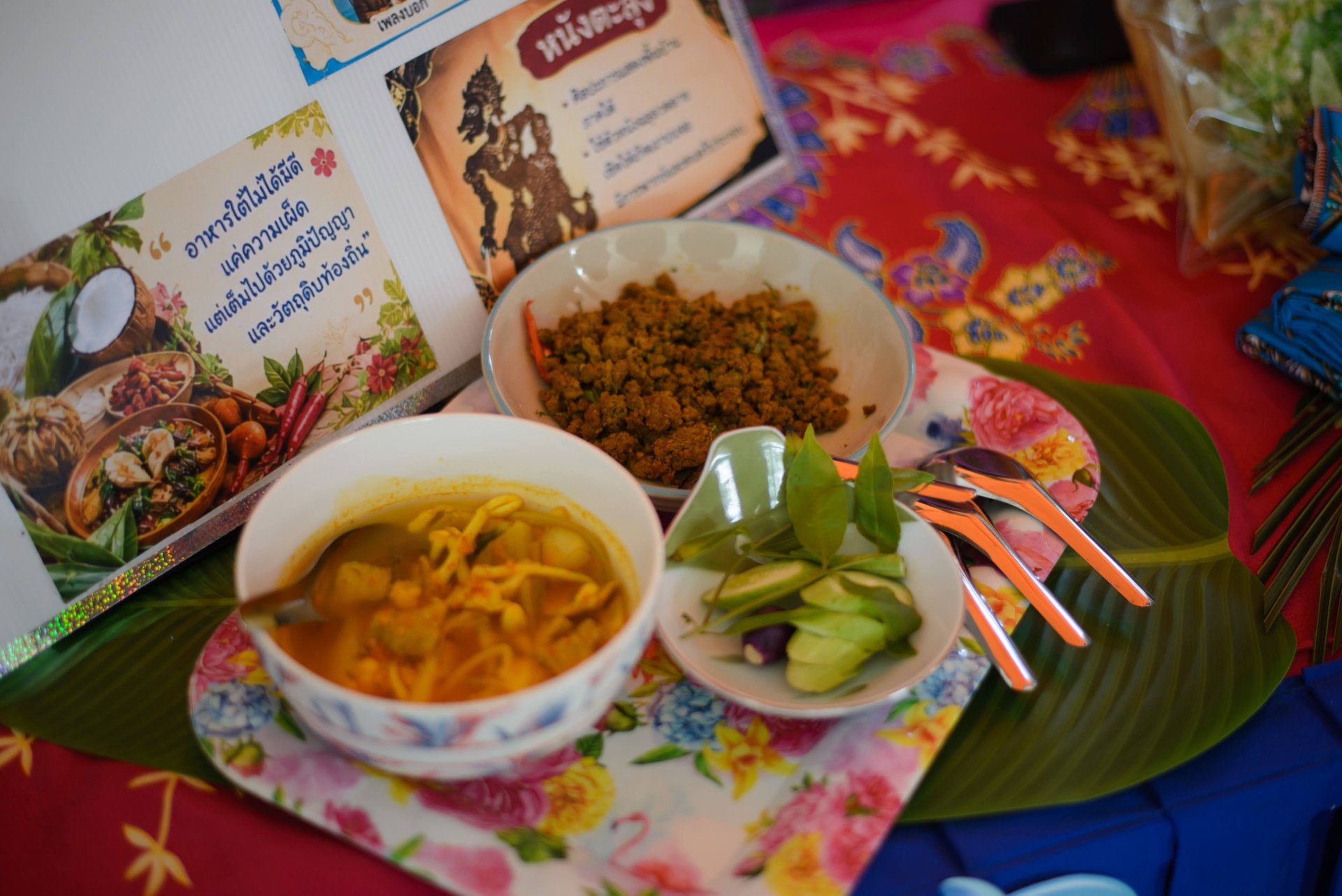
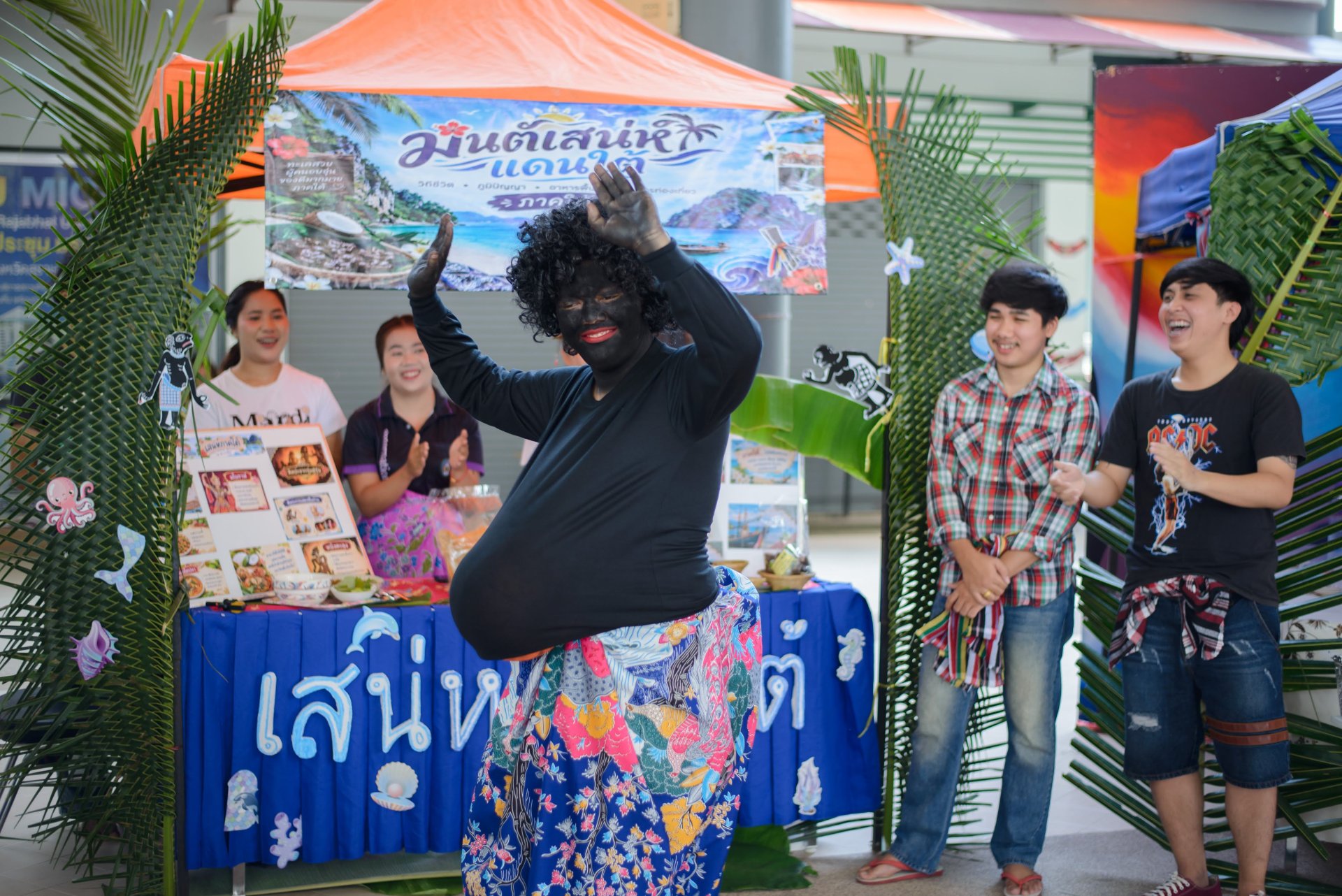
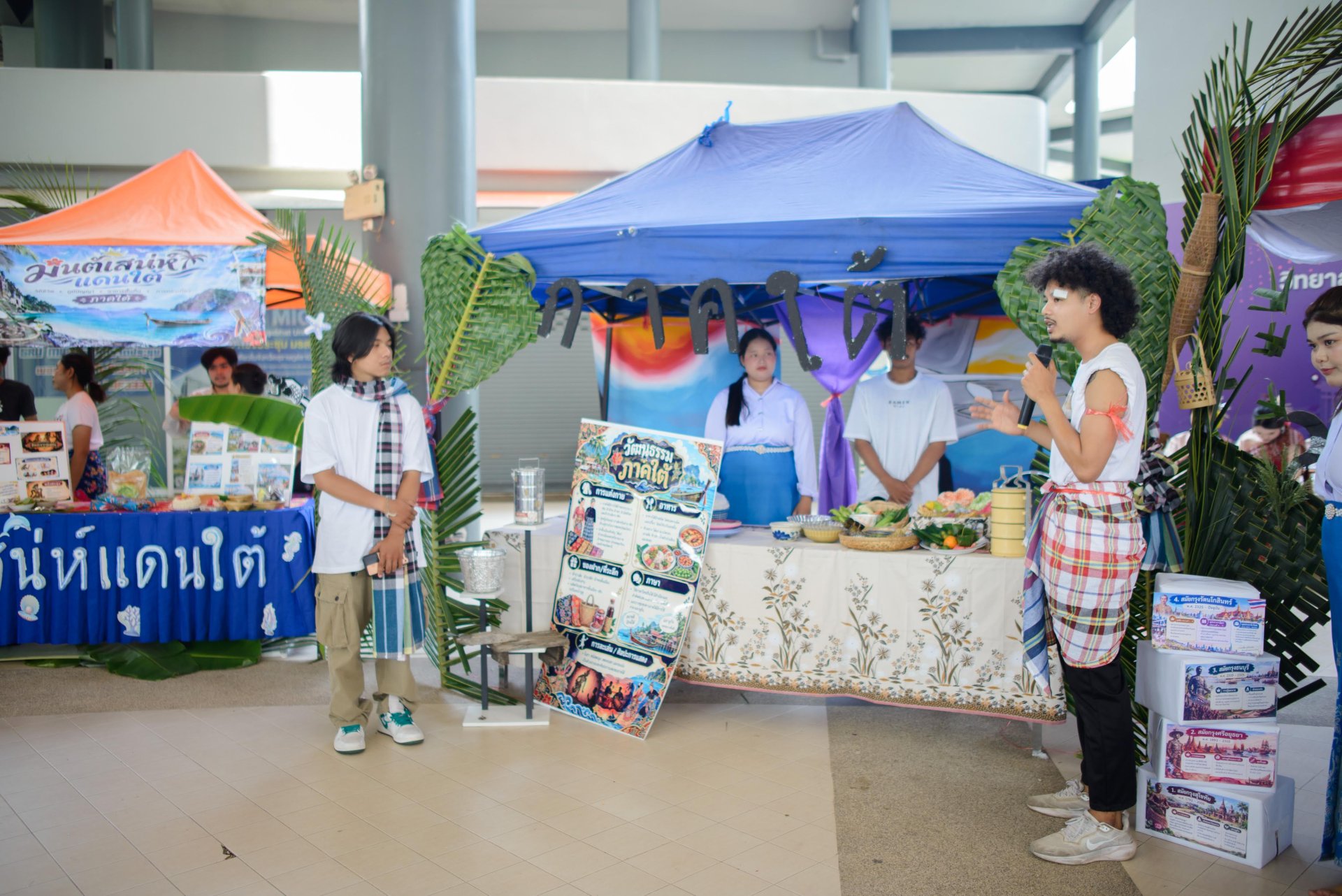
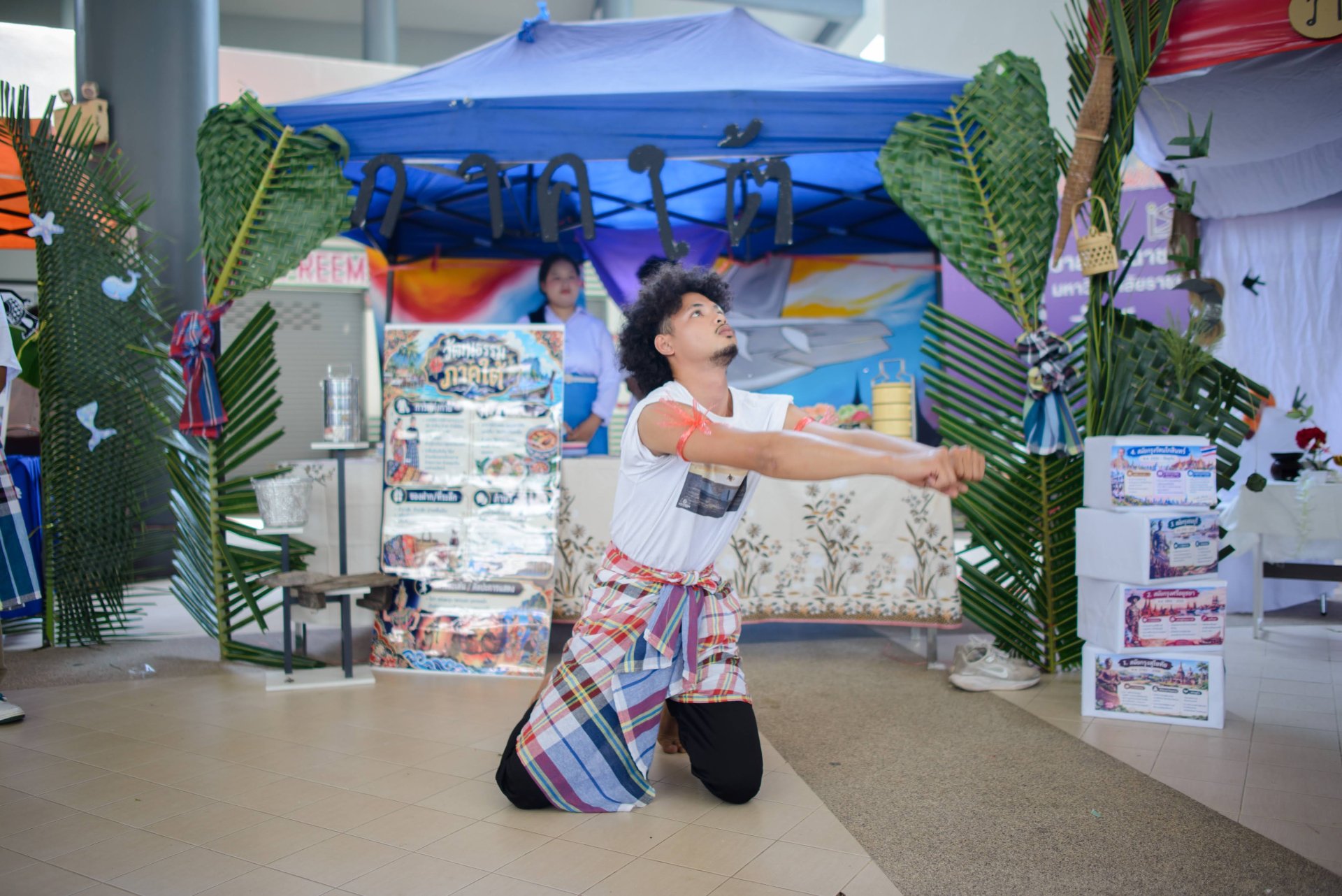
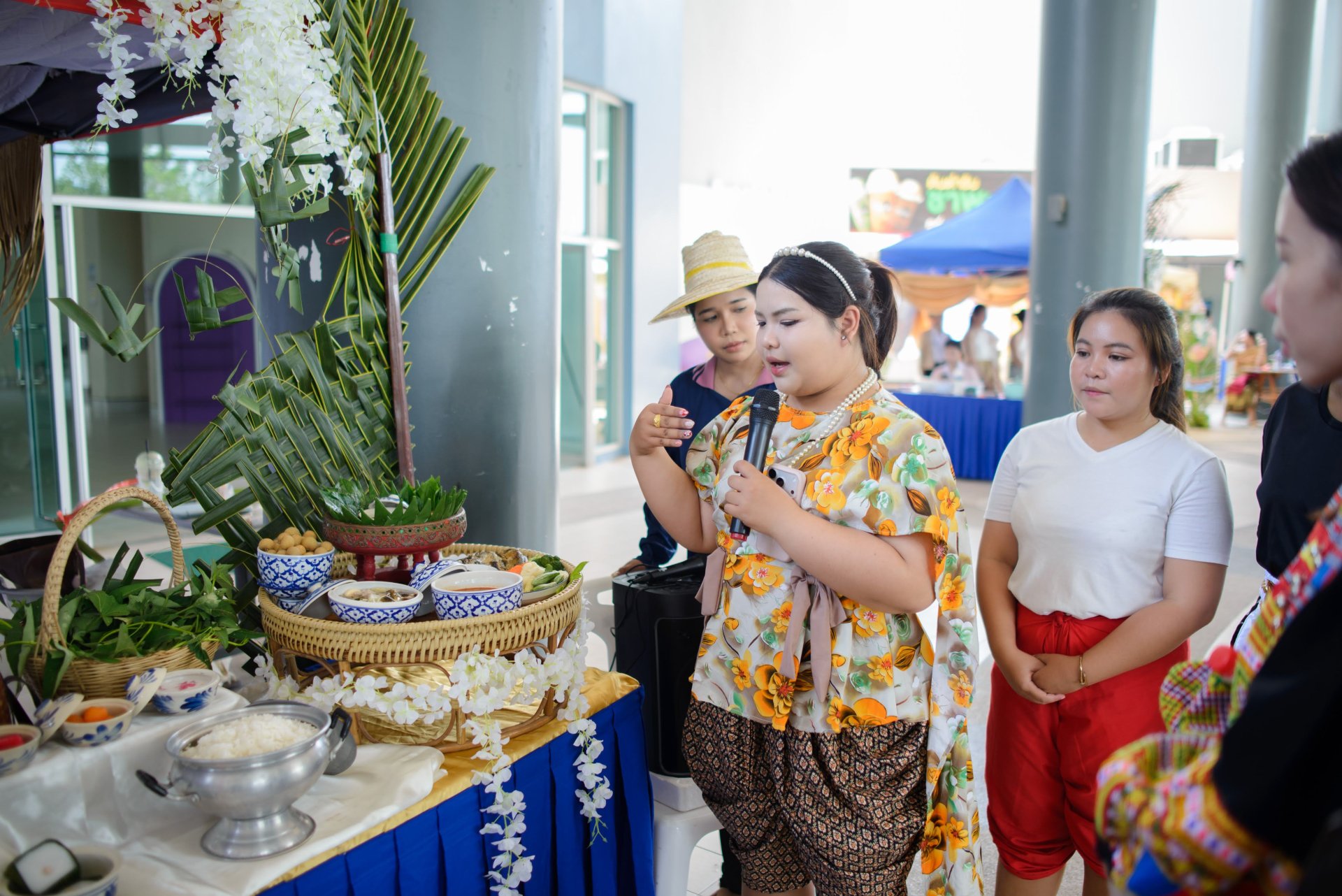
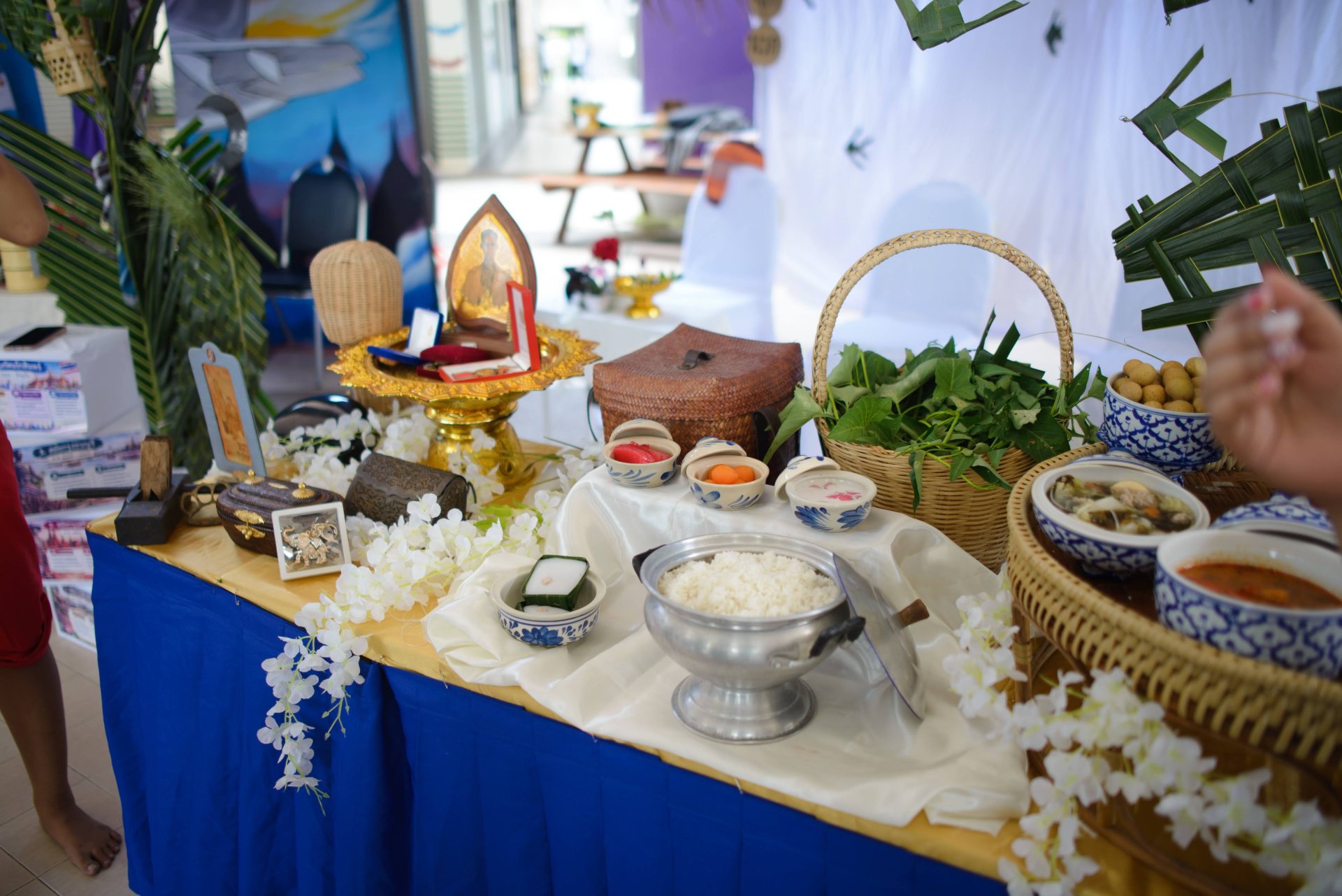
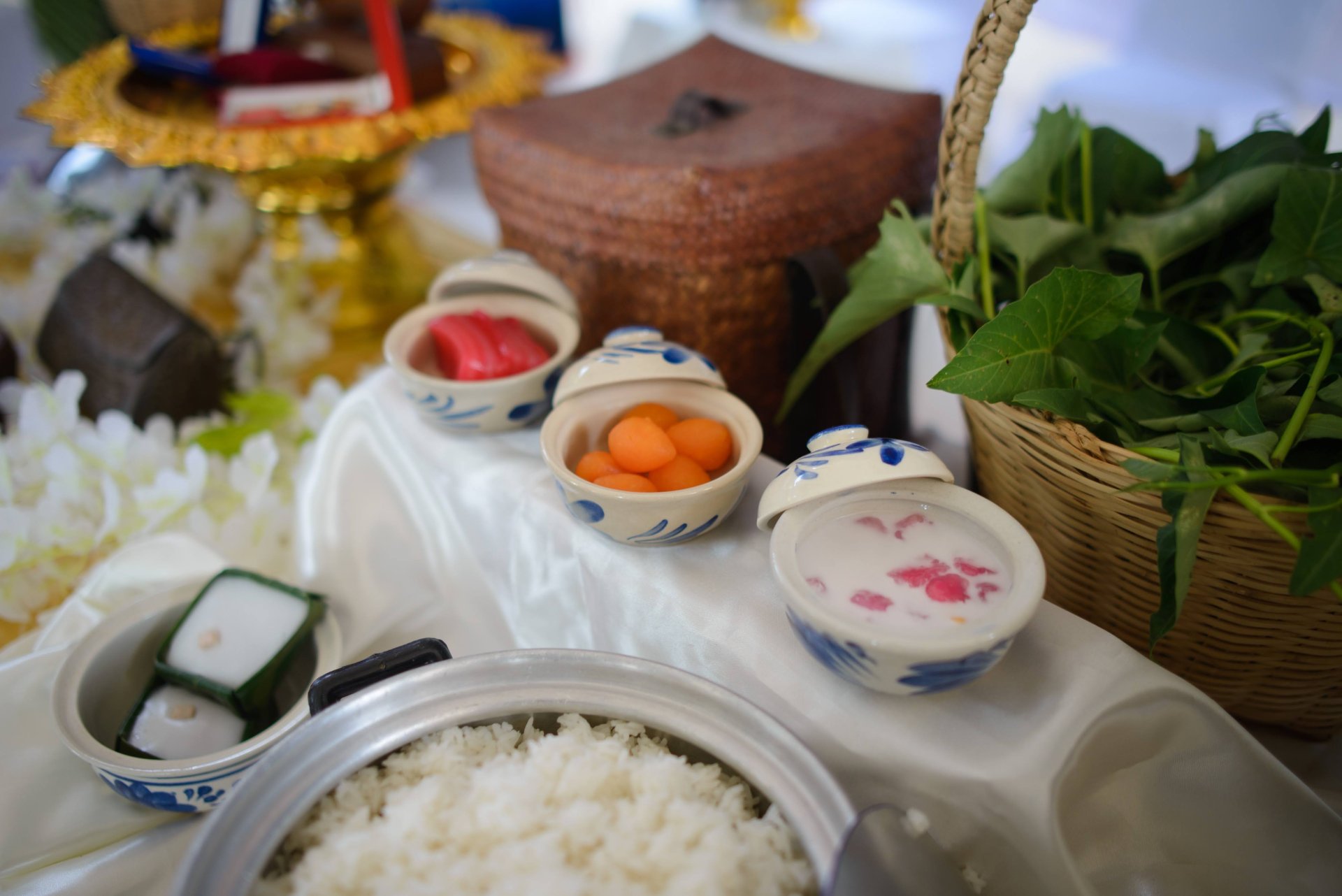
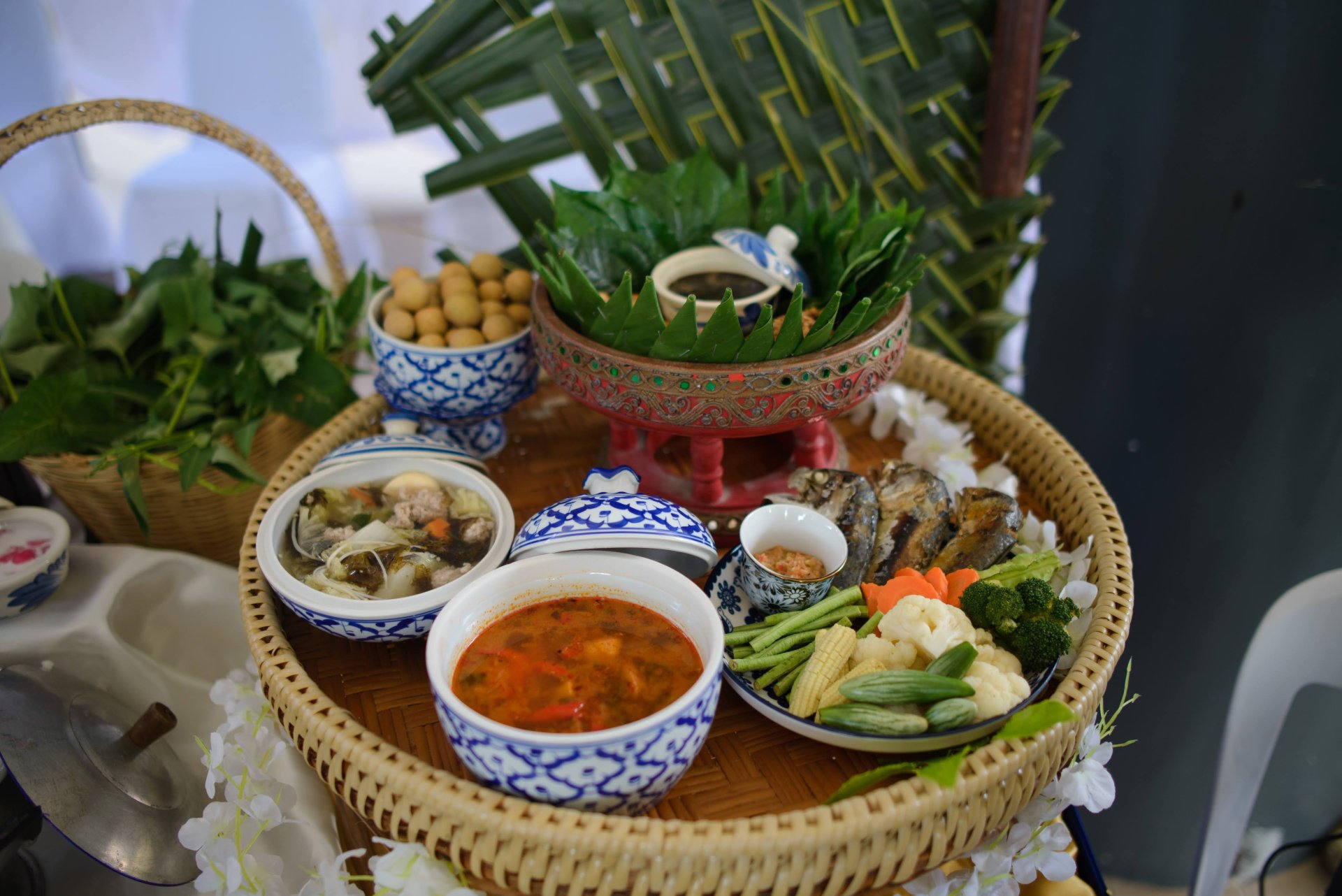
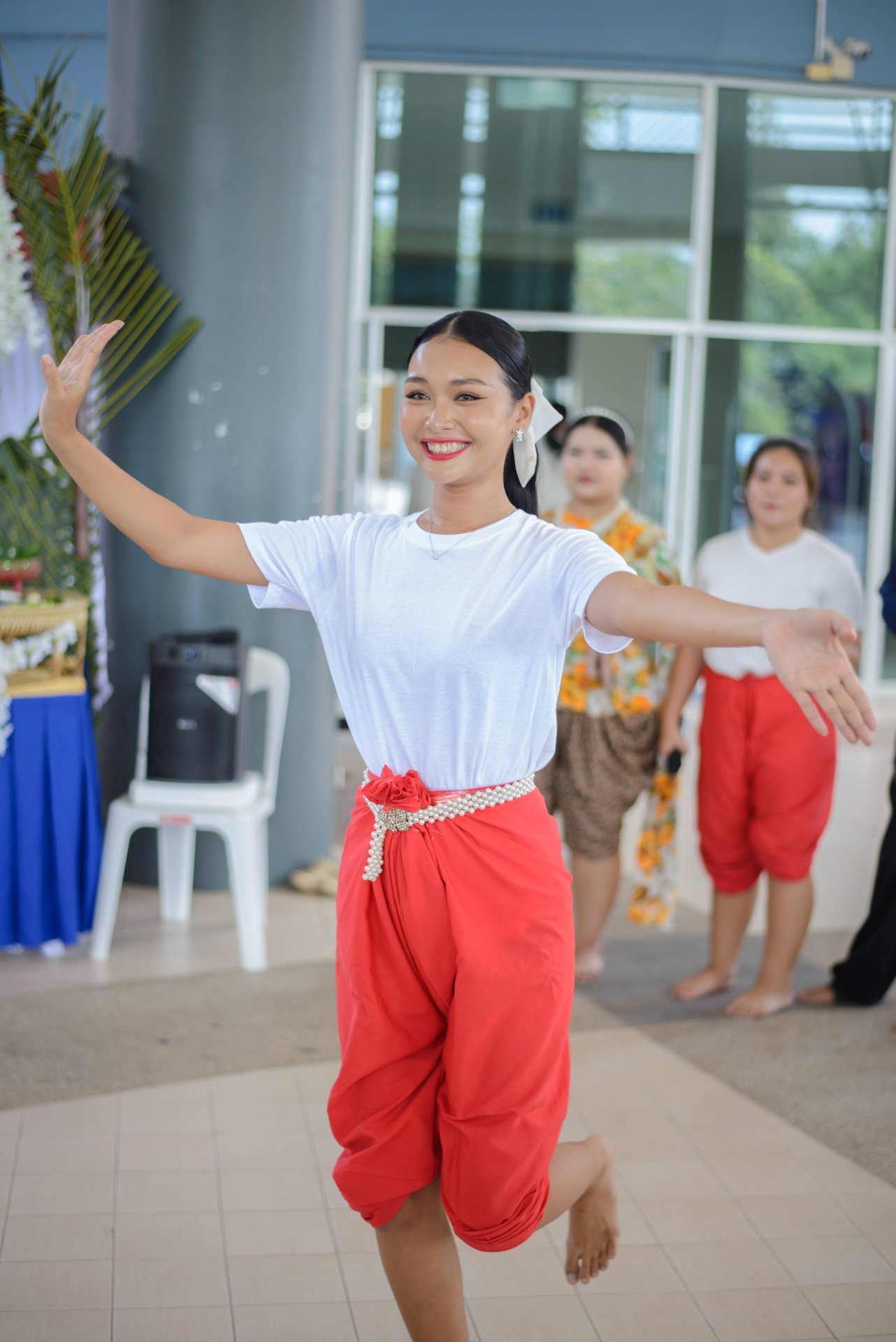
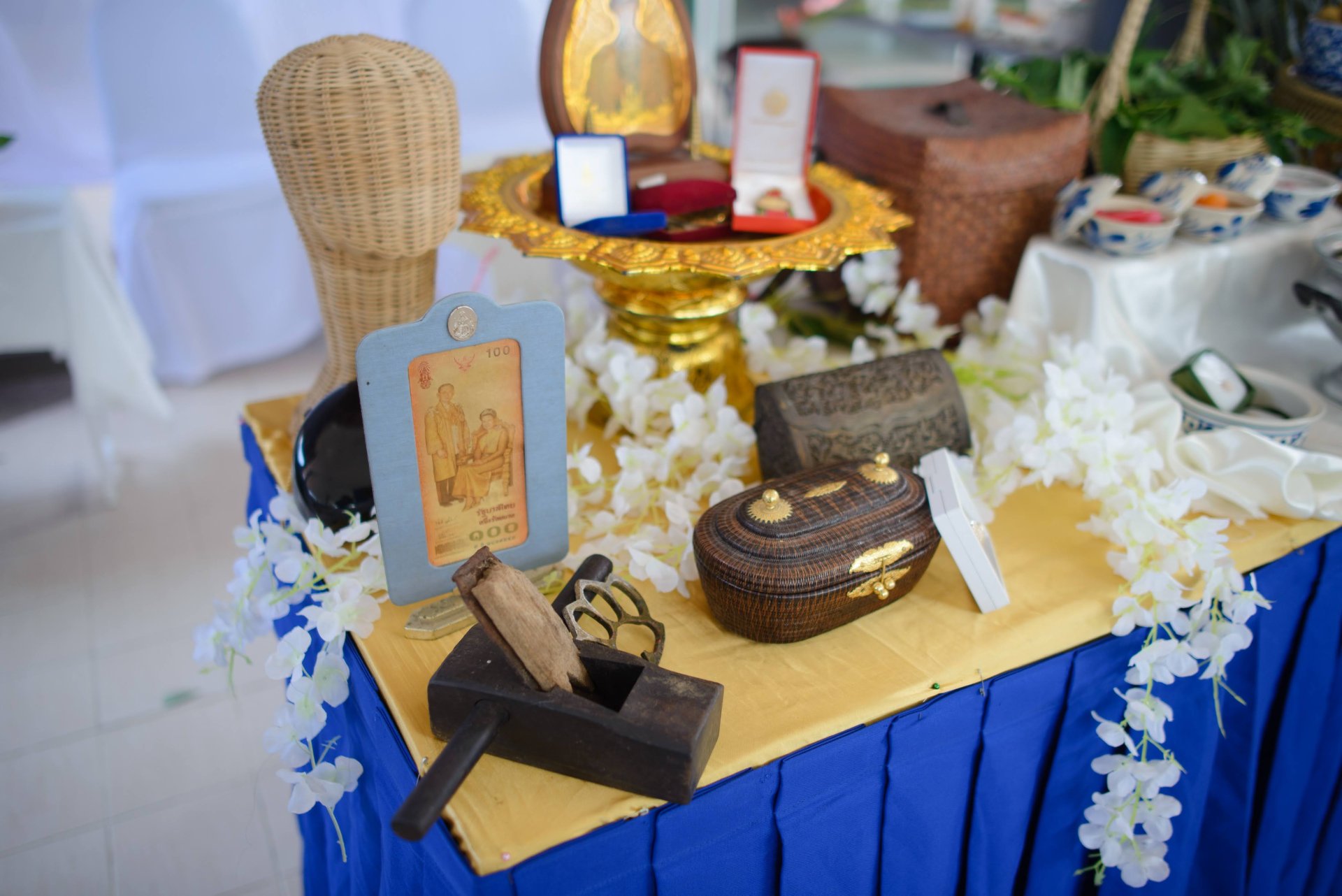
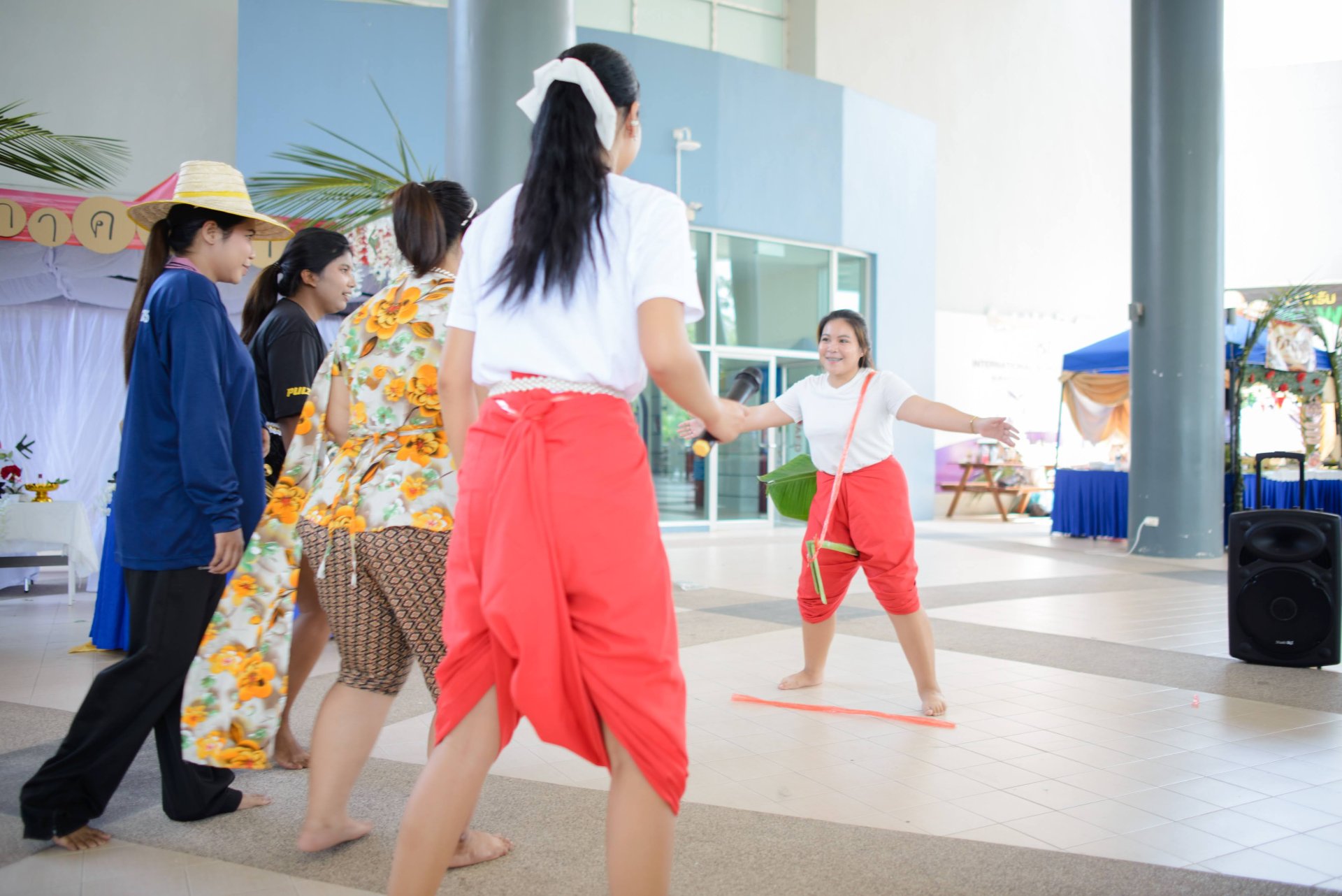
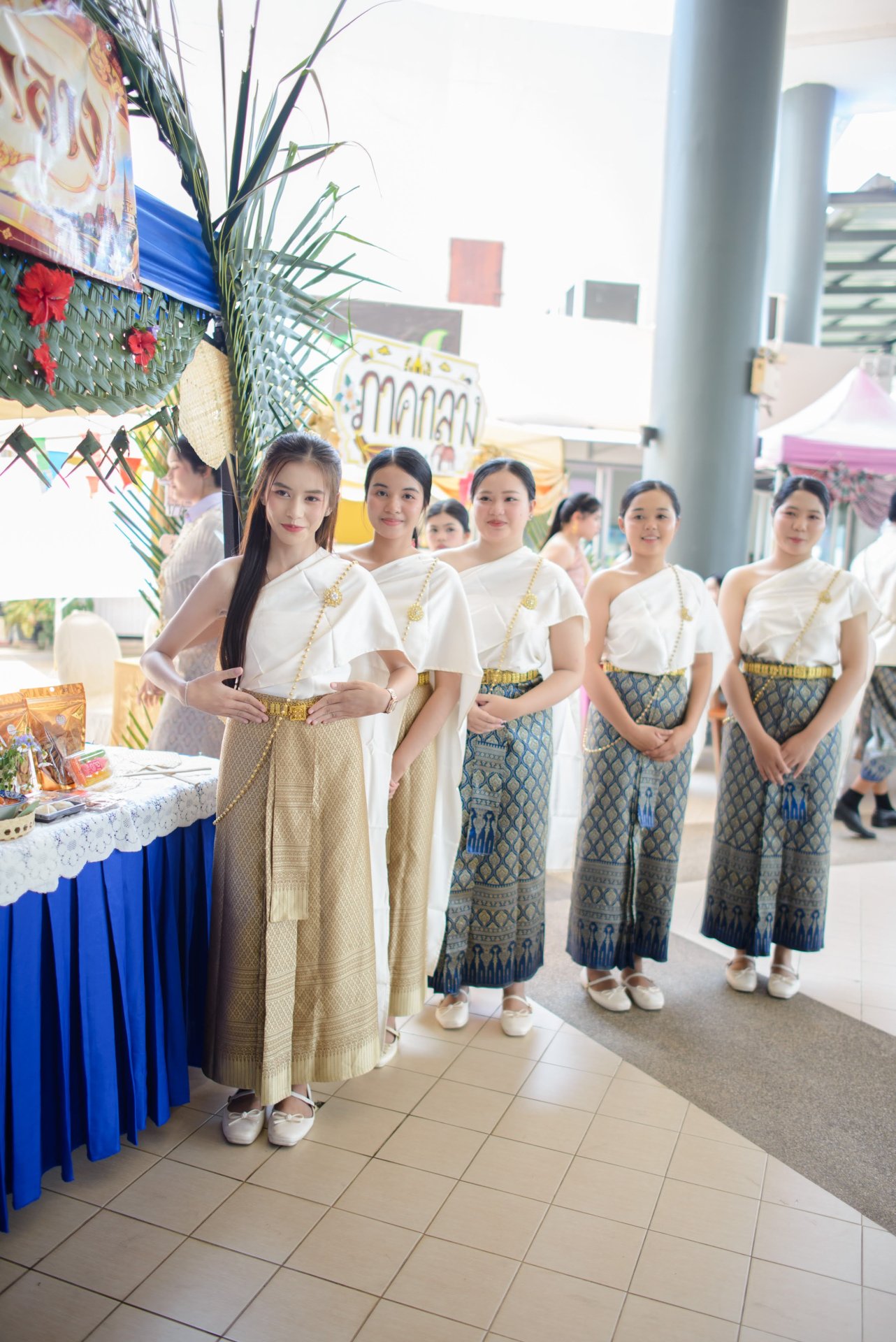
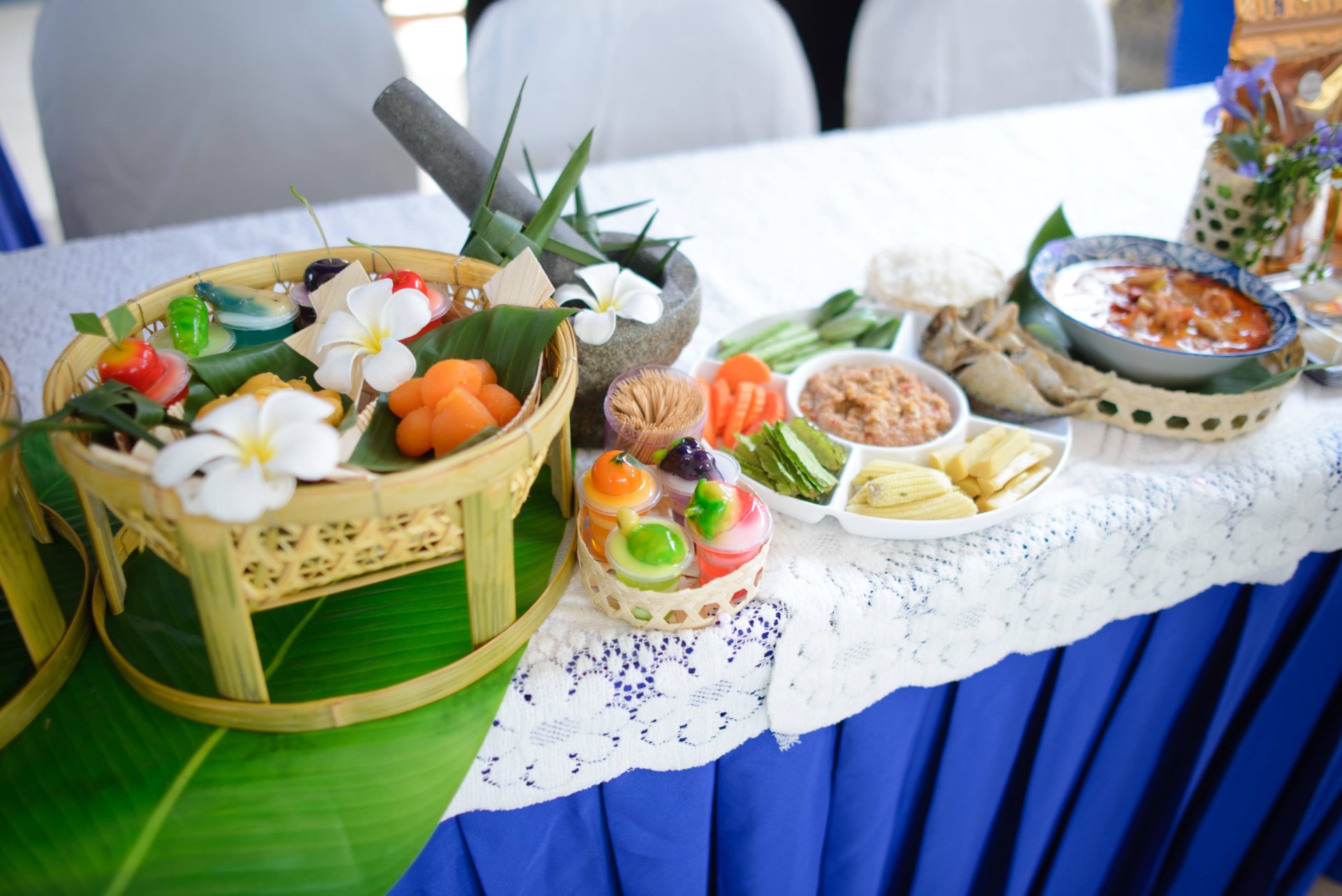
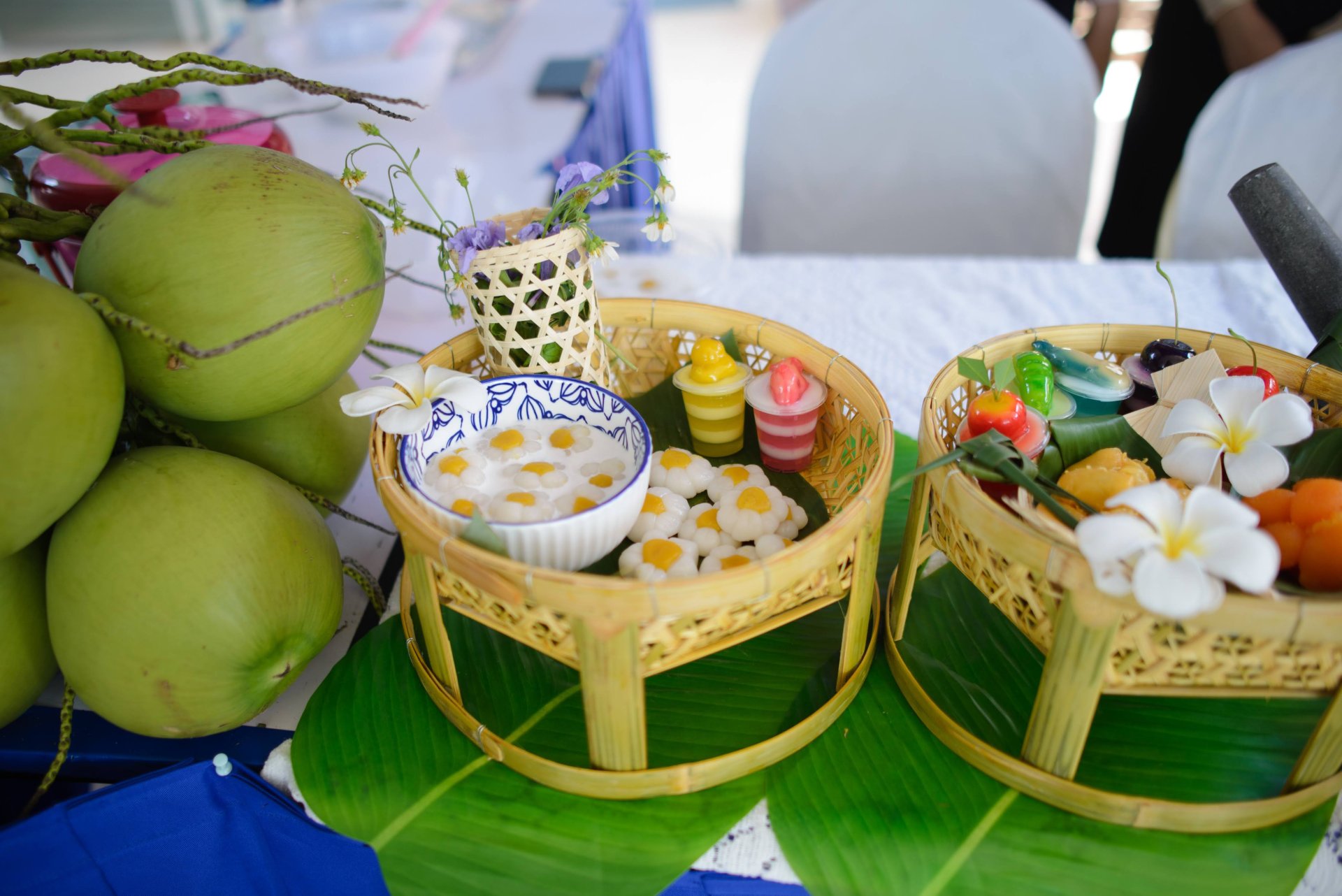
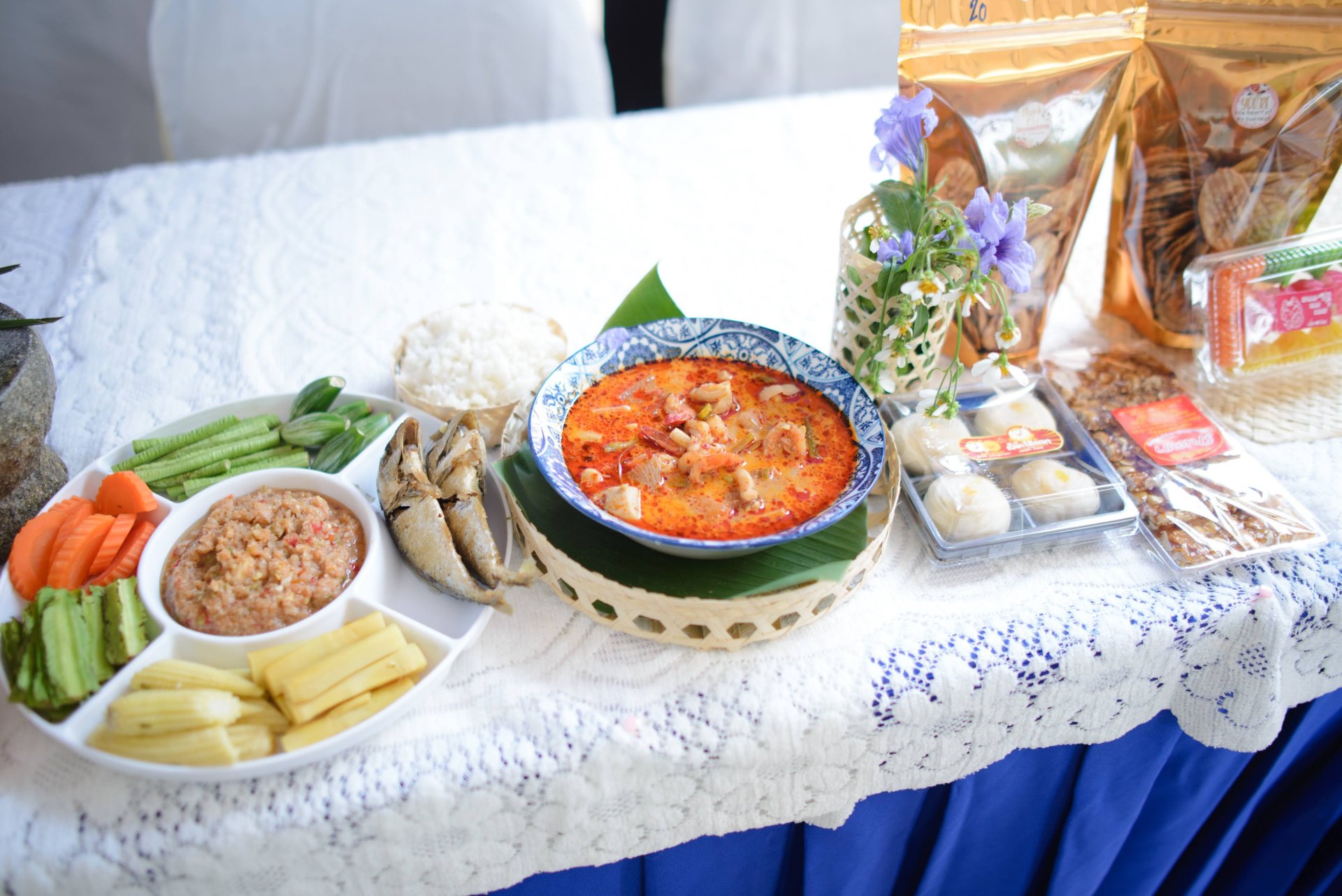
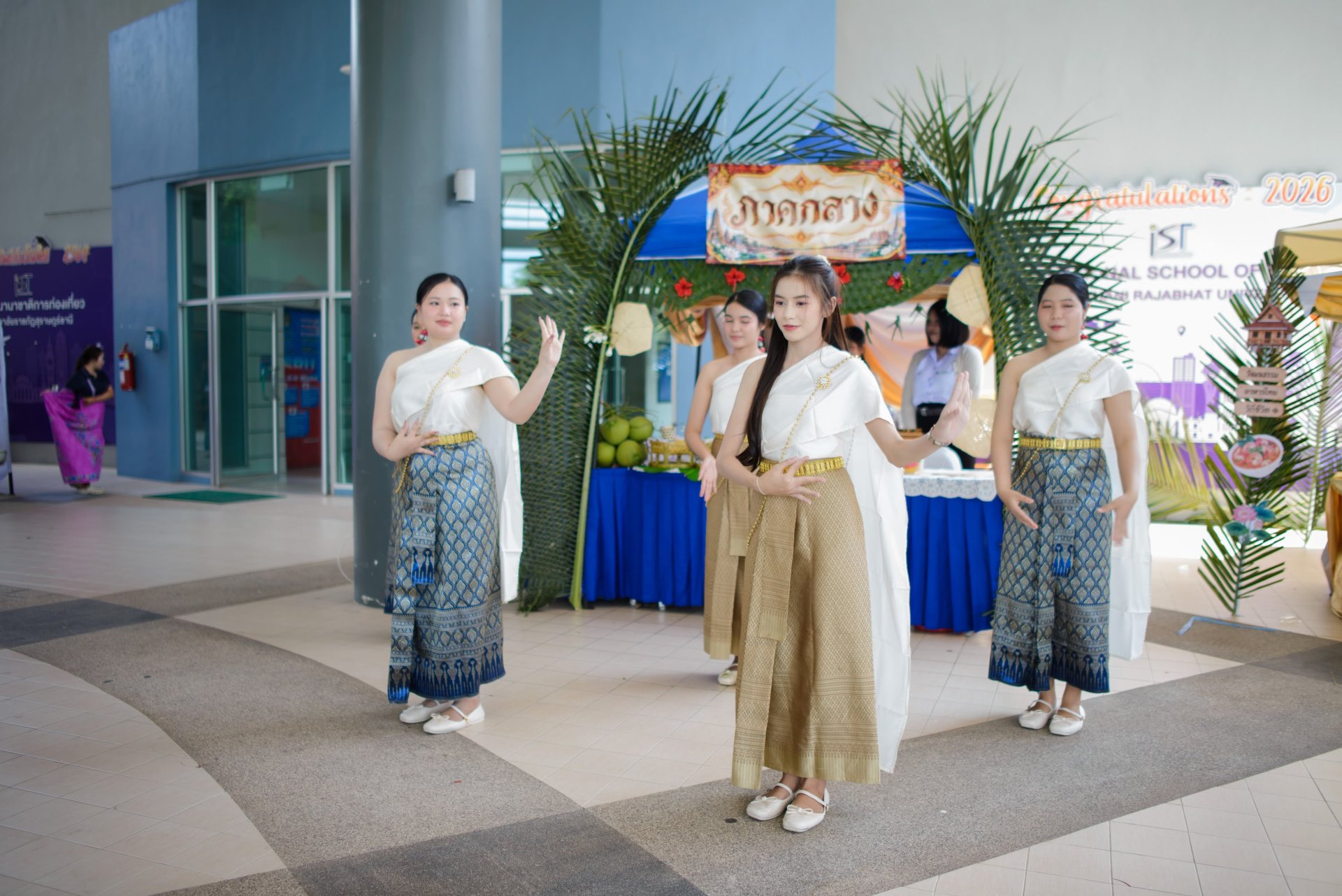
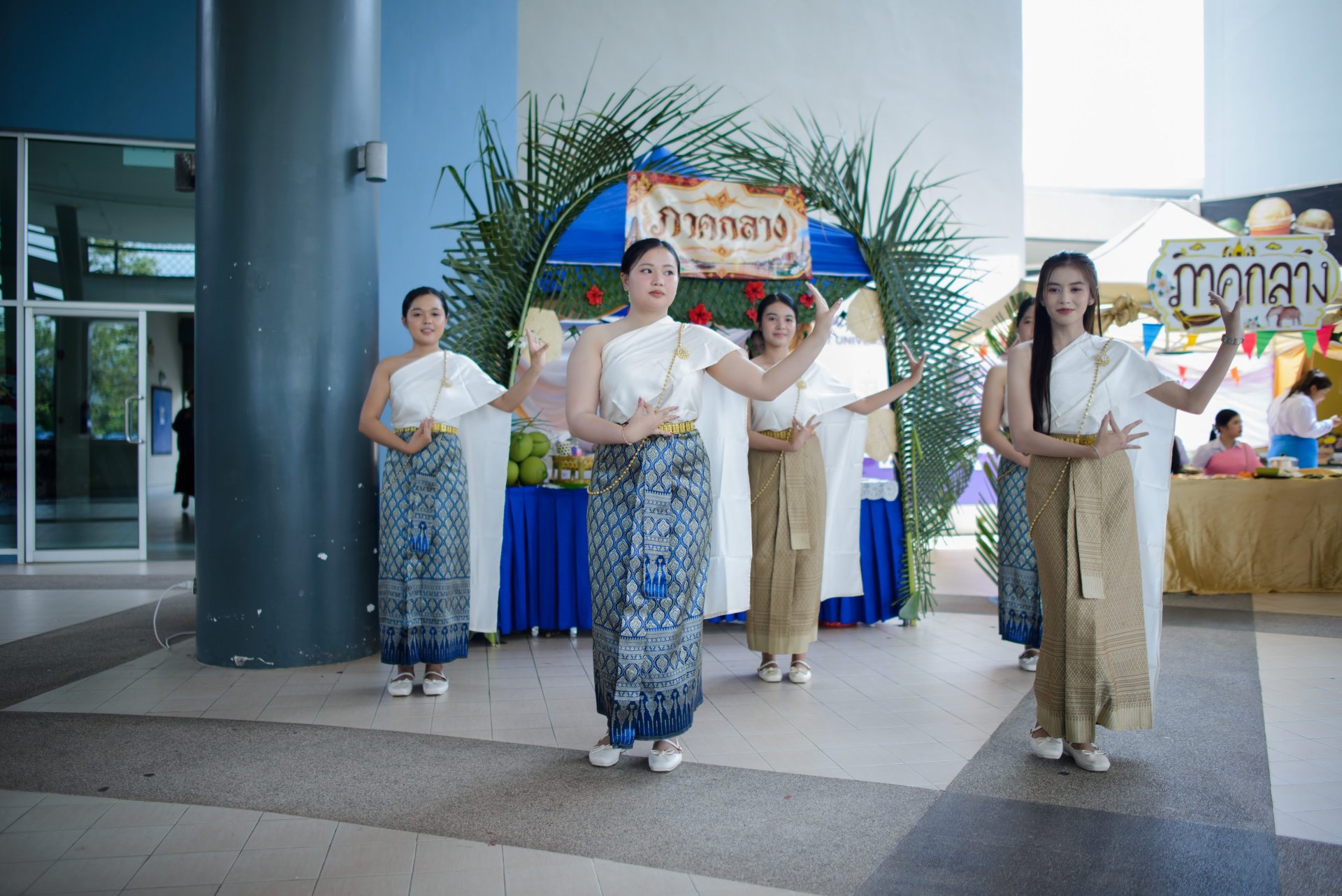
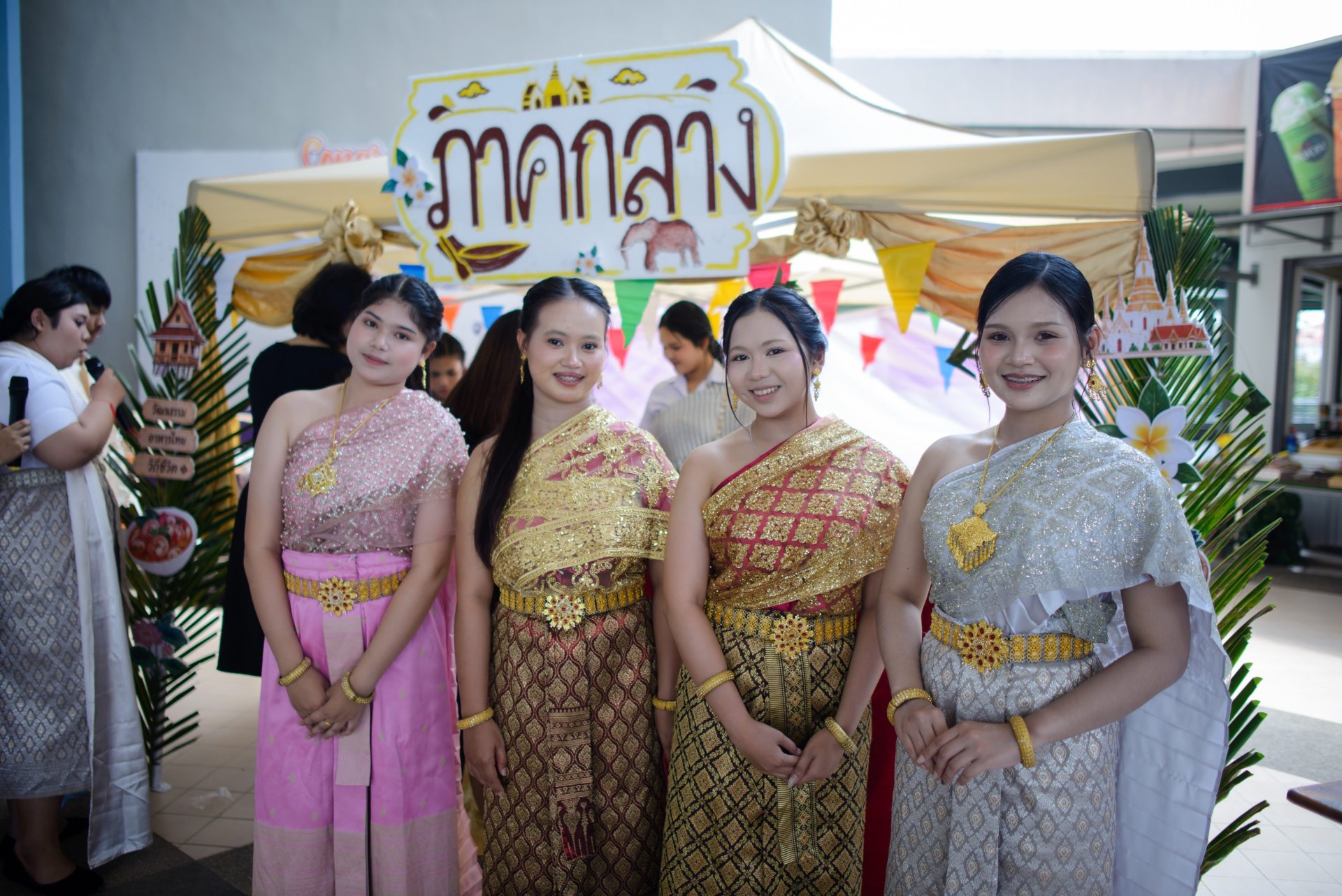
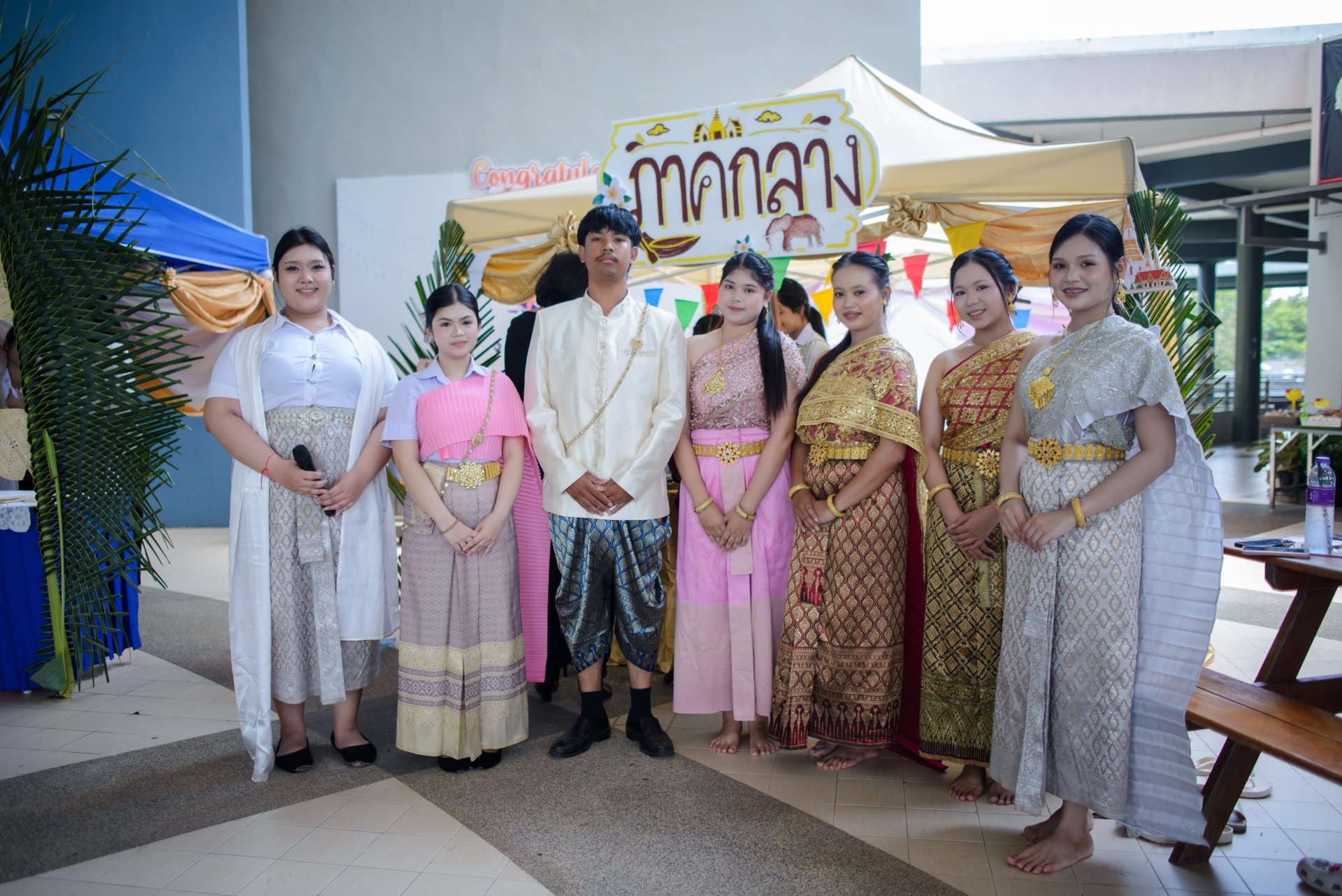
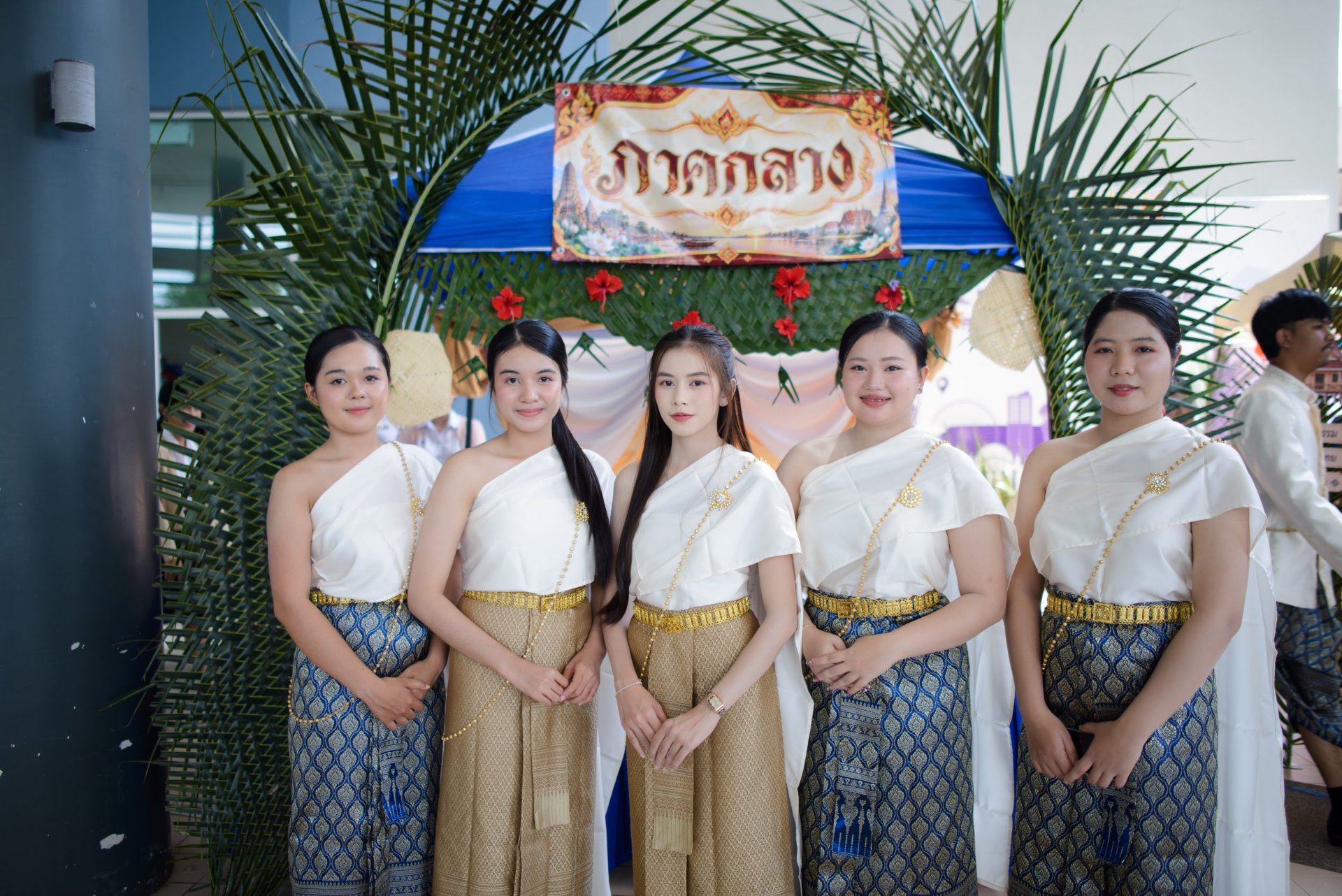
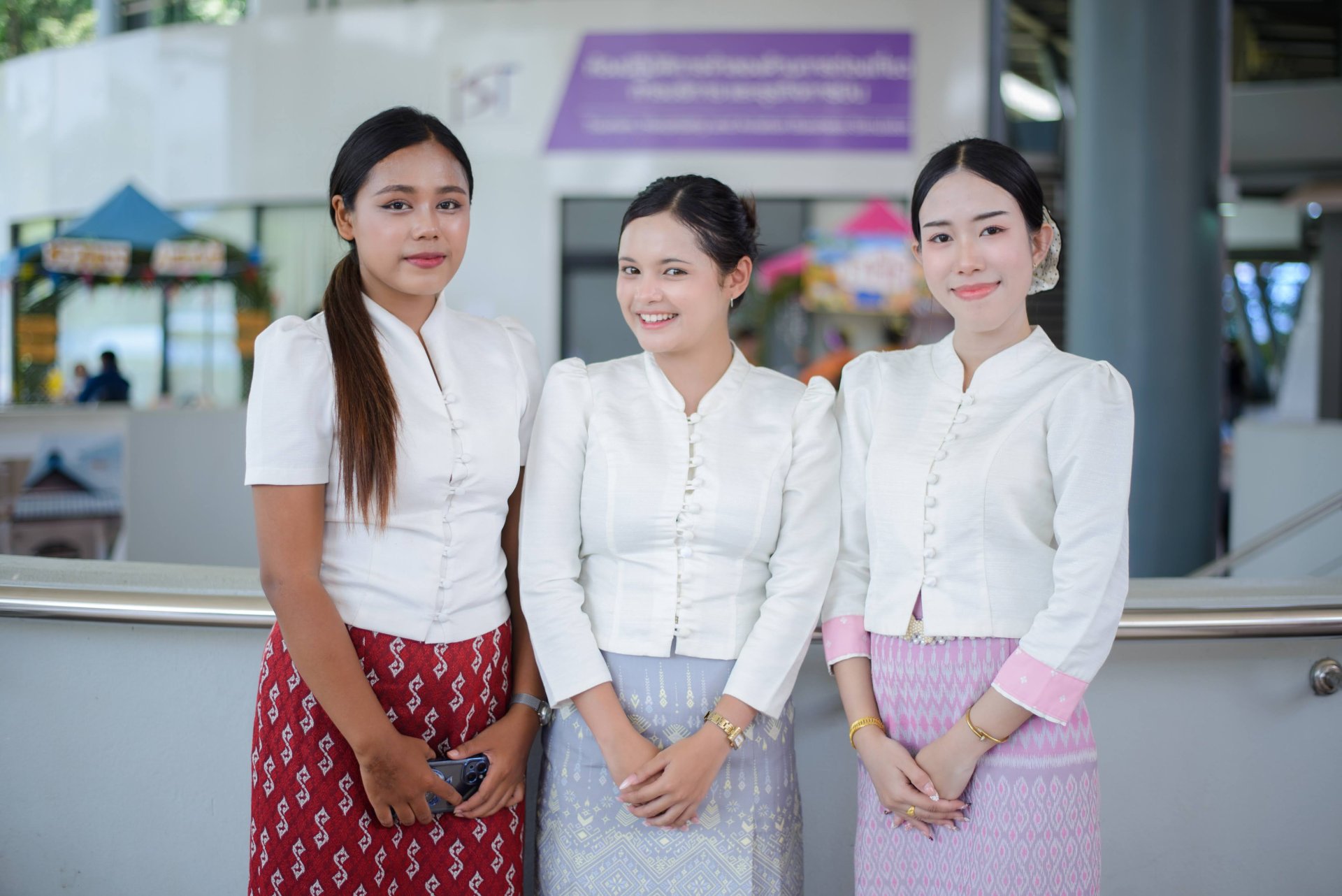
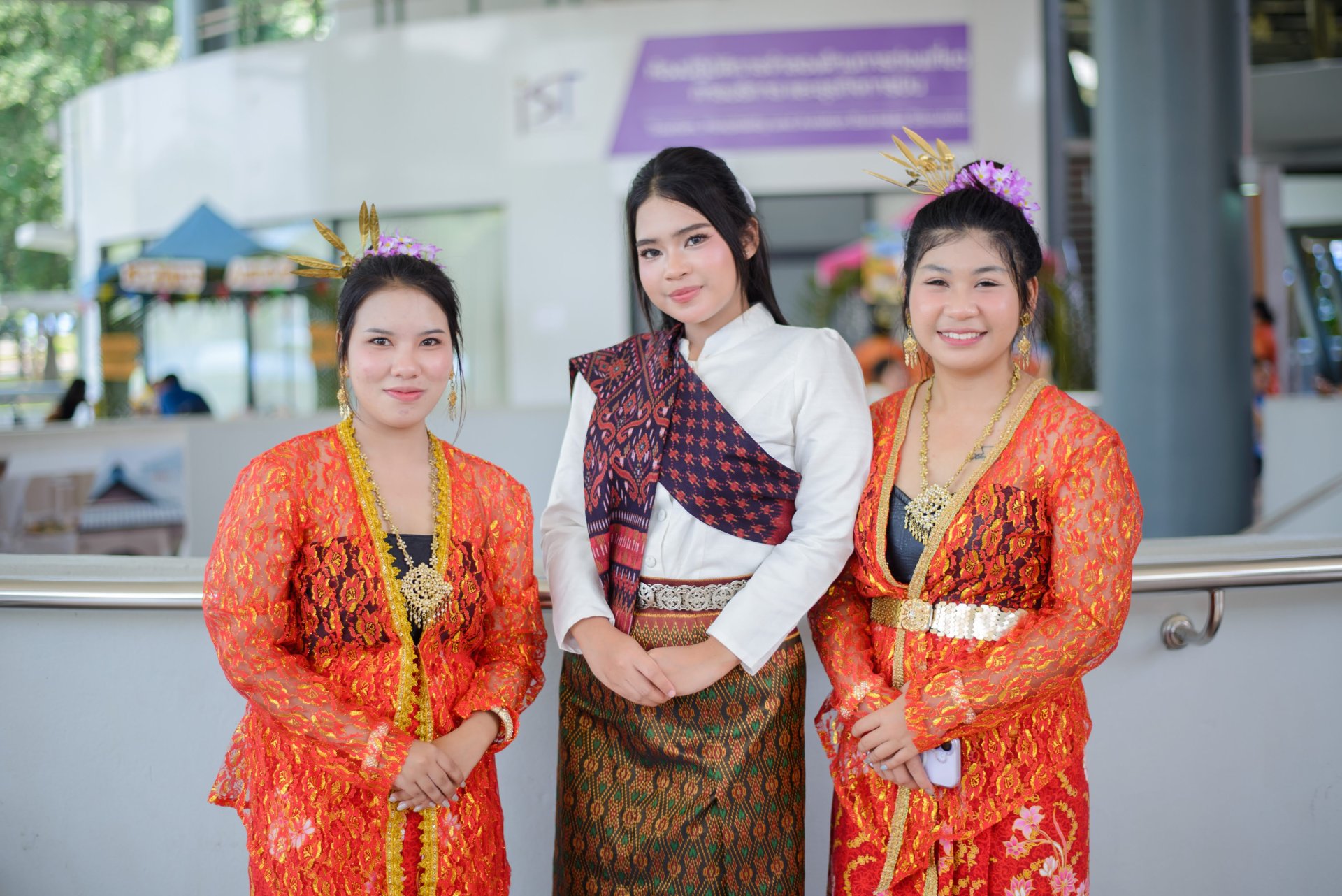
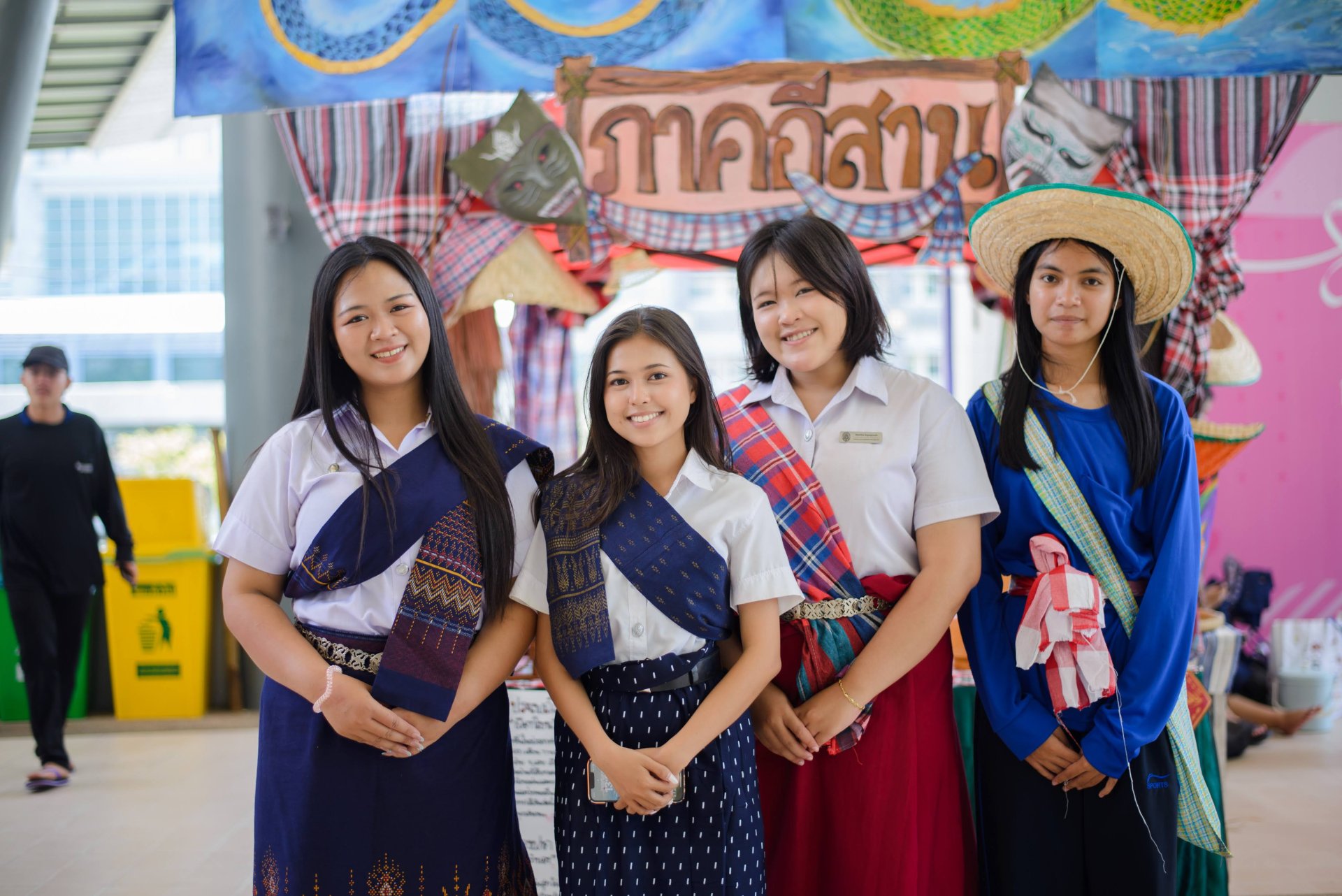
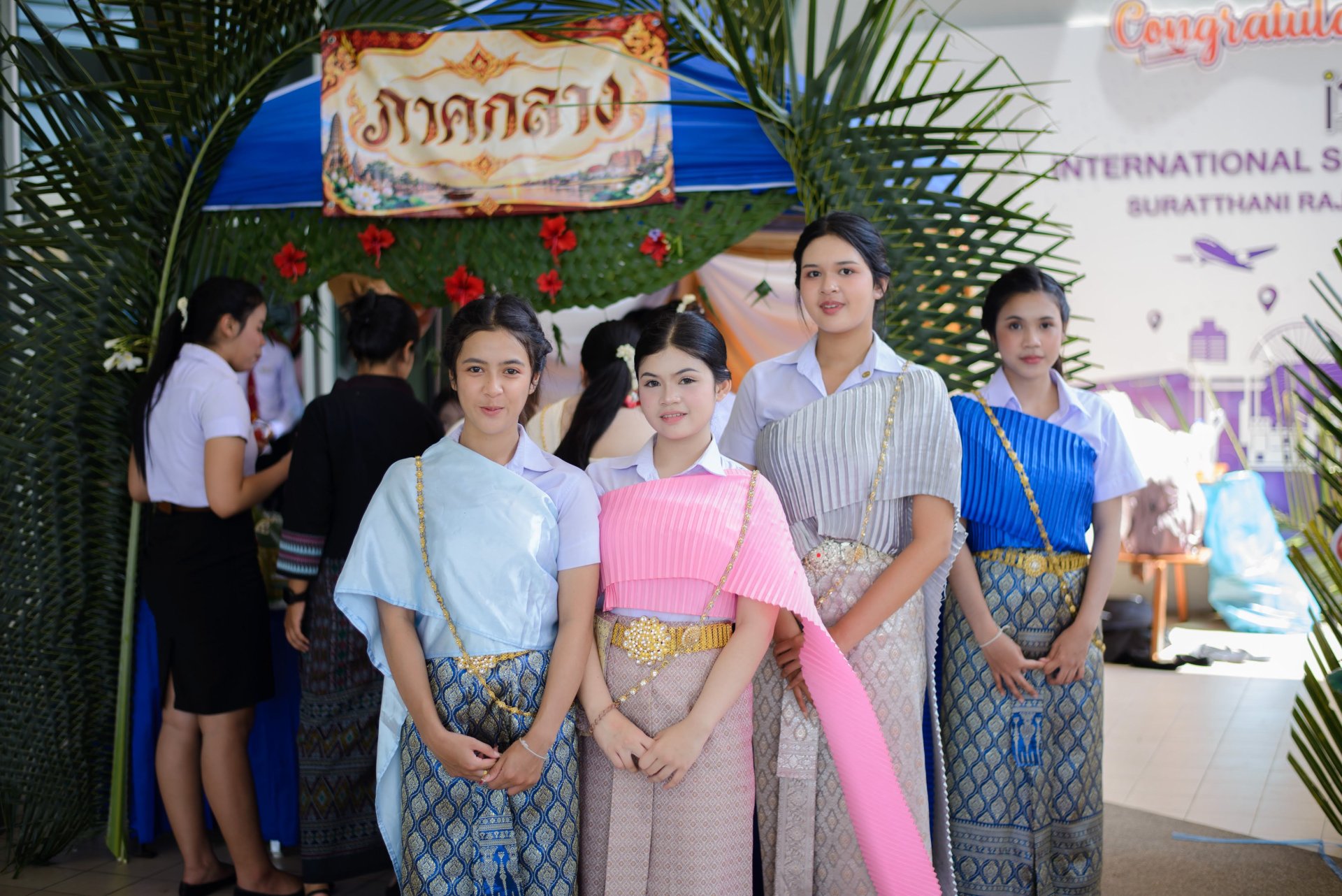
Students presented the distinctive cultures of Thailand’s four regions — Northern, Central, Northeastern and Southern Thailand. Their research was transformed into interactive cultural booths featuring regionally inspired decorations, traditional food arrangements, costumes, local games and the use of regional dialects in conversations with visitors.
More than a cultural exhibition, the activity turned the university space into a practical learning environment. Students were able to strengthen their research, communication, presentation, planning and teamwork skills while experiencing the role of cultural interpreters — an important competency for future tourism and hospitality professionals.
From Cultural Heritage to Tourism Experiences
A key element of the activity was not simply to display the visual characteristics of each region, but to encourage students to understand the value and meaning behind local culture and wisdom, select appropriate information and communicate cultural stories effectively to different audiences.
The entire process — from research and booth design to activity planning and presentation — also allowed students to develop creativity, communication, collaboration and responsibility, all of which are important professional competencies in the tourism and hospitality industry.
The “Thai Culture and Local Wisdom of Four Regions” activity reflects IST’s emphasis on experiential learning and the application of classroom knowledge to real-world contexts. By combining tourism education with awareness of cultural heritage, the activity helps students recognize the potential of local cultural assets while learning how tourism experiences can be developed responsibly, respectfully and sustainably.
Alignment with the Sustainable Development Goals (SDGs)
The activity contributes to education, tourism-related professional skills and the appreciation and preservation of cultural heritage.
| SDG Goal | Target Description | Connection to the Activity |
|---|---|---|
|
Goal 4: Quality Education |
Promotes experiential learning by integrating cultural heritage and local wisdom into tourism education while developing students’ research, communication, presentation and teamwork skills. The activity also supports education for sustainable development and appreciation of cultural diversity. |

|
Goal 8: Decent Work and Economic Growth |
Develops professional competencies relevant to the tourism and hospitality industry, including communication, interpretation, visitor experience design and the creative application of cultural resources, helping prepare students for future employment in tourism-related professions. |
|
Goal 11: Sustainable Cities and Communities |
Encourages students to study, appreciate and communicate Thailand’s regional cultural heritage and local wisdom, contributing to awareness of the importance of safeguarding and transmitting cultural identity and heritage to future generations. |