From Classroom to Career: IST Prepares Tourism and Hospitality Students for CWIE and Cooperative Education with Leading Industry Partners
Bridging academic learning and real-world experience to prepare second- and fourth-year students for successful careers in tourism and hospitality.
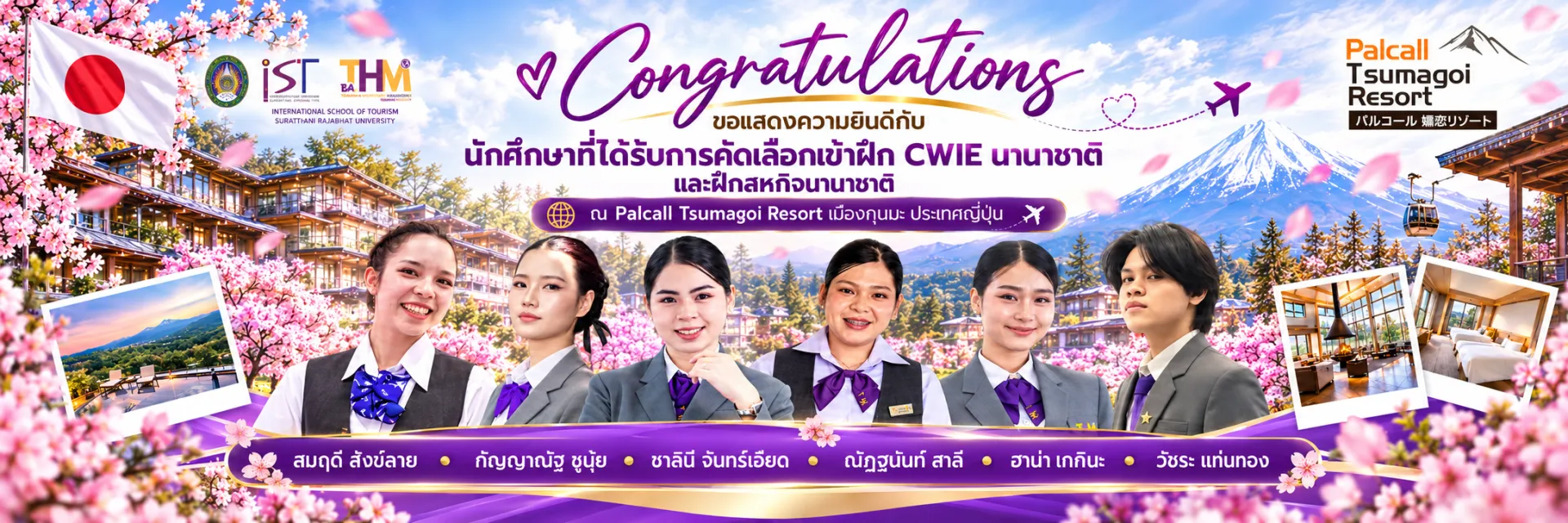
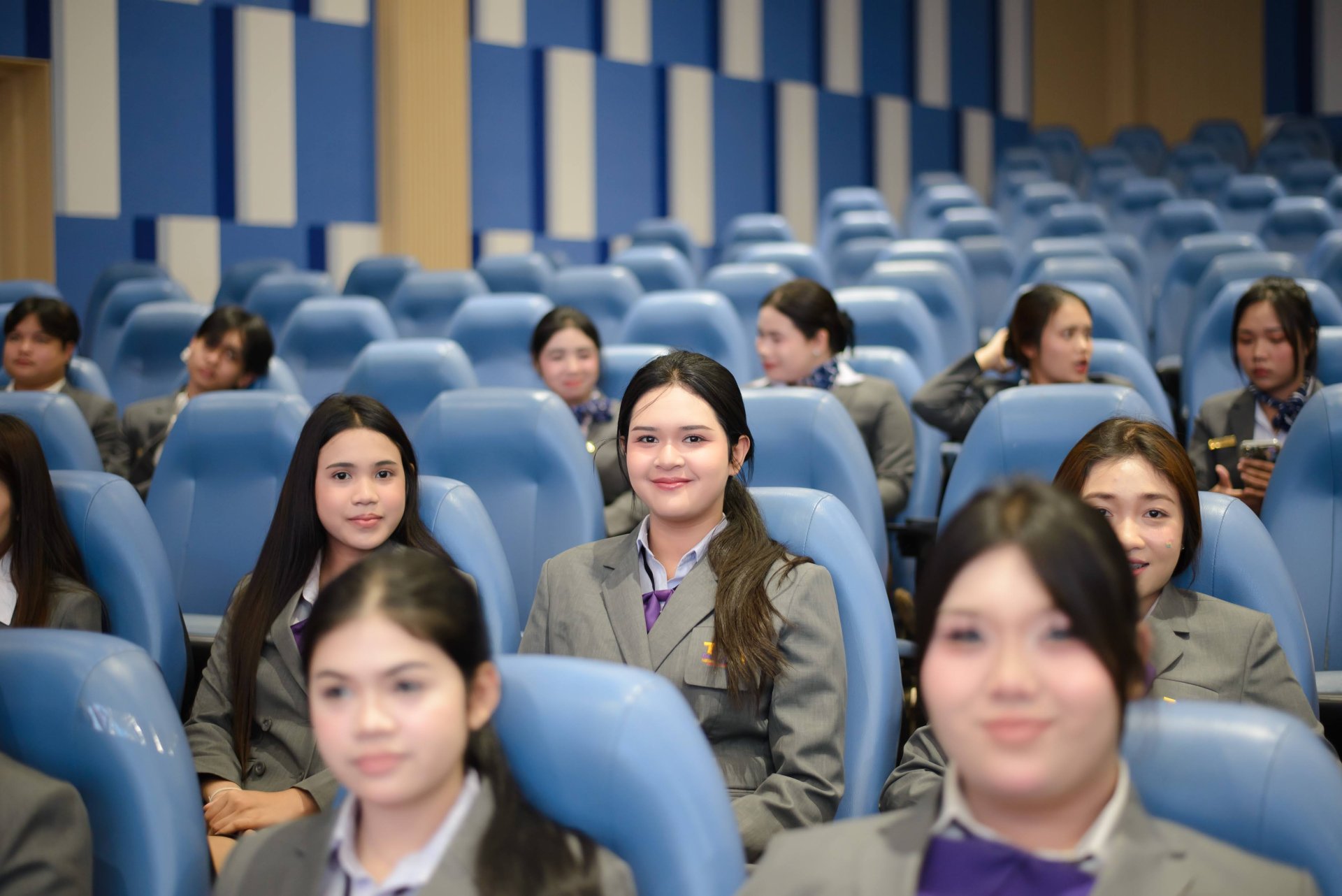
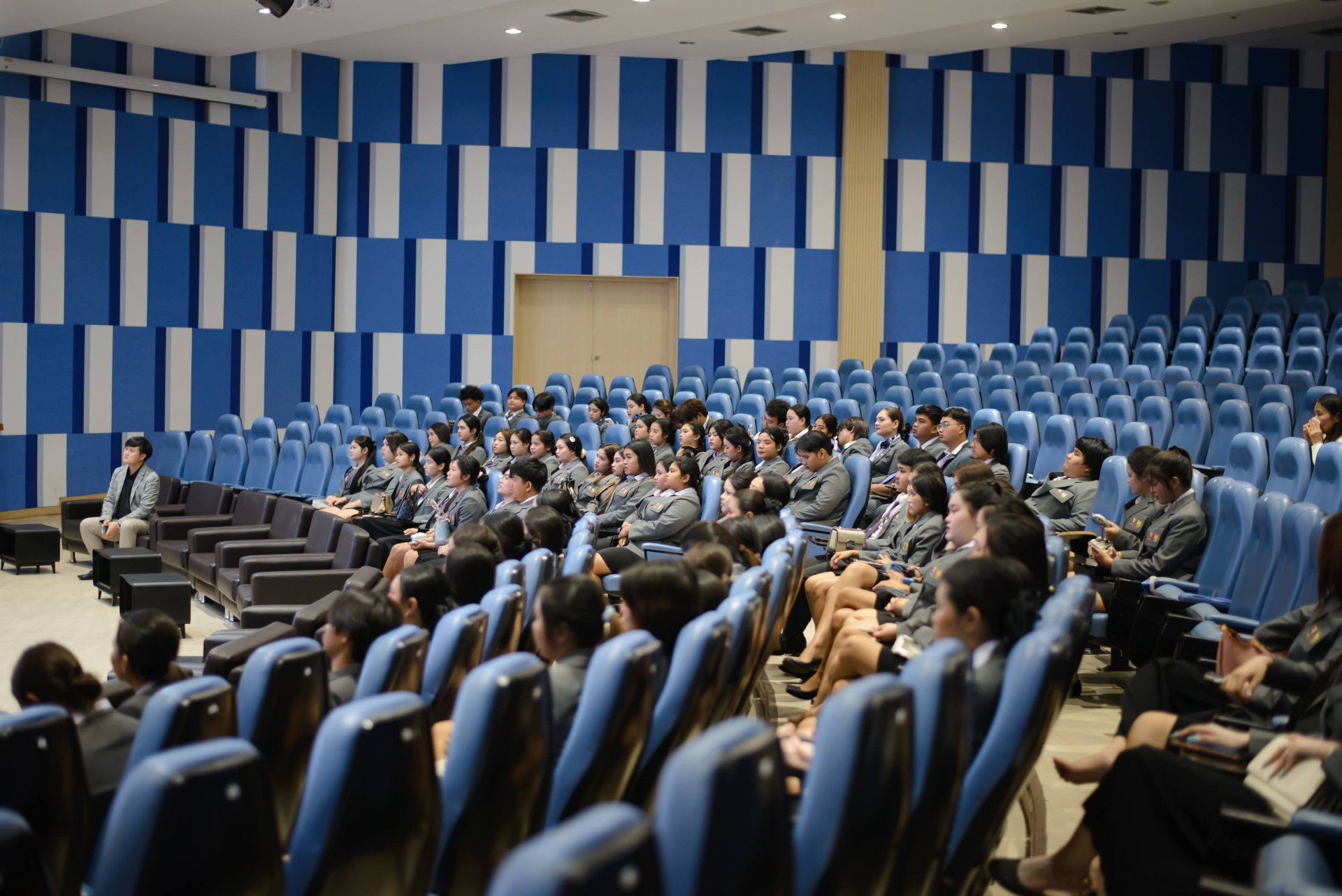
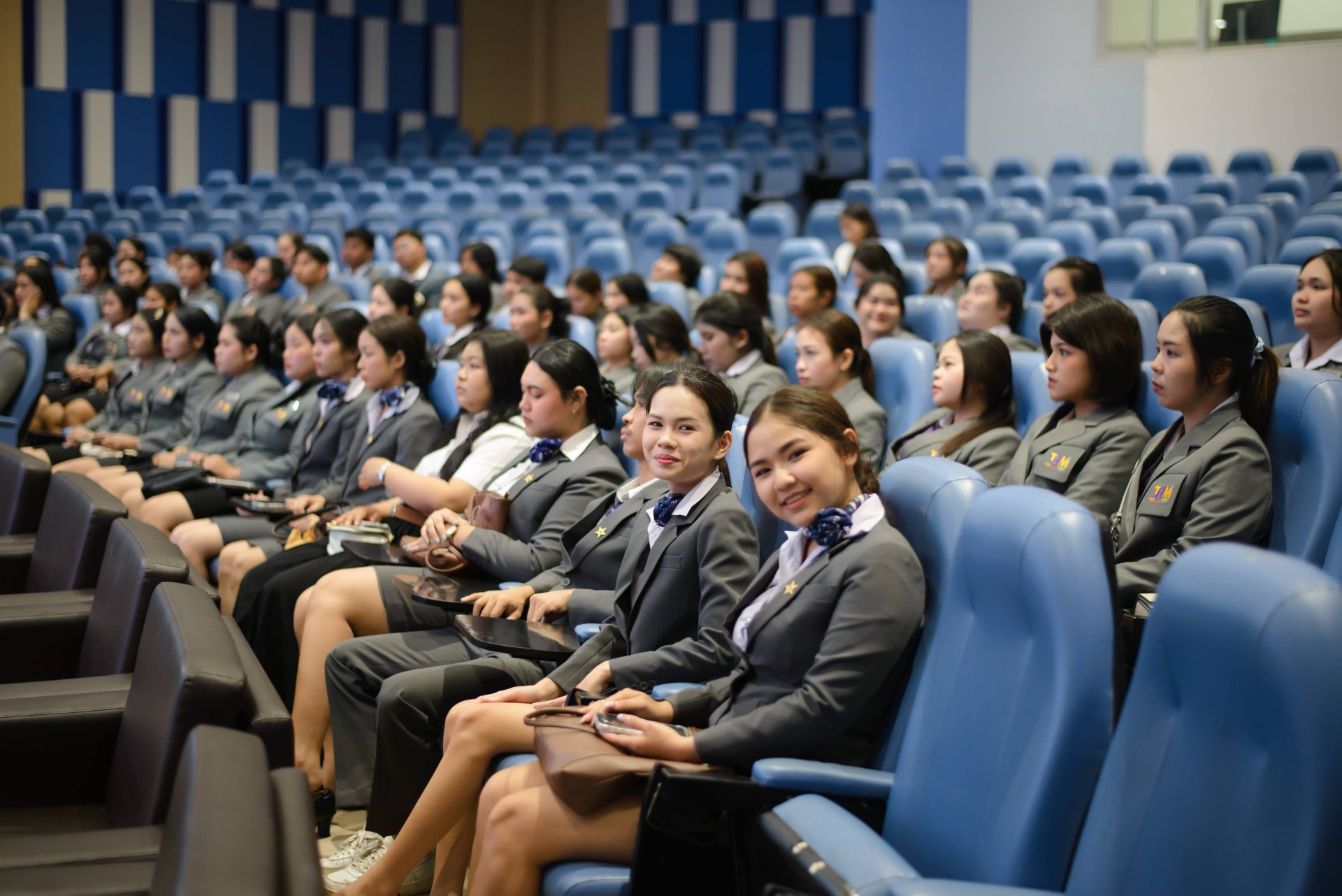
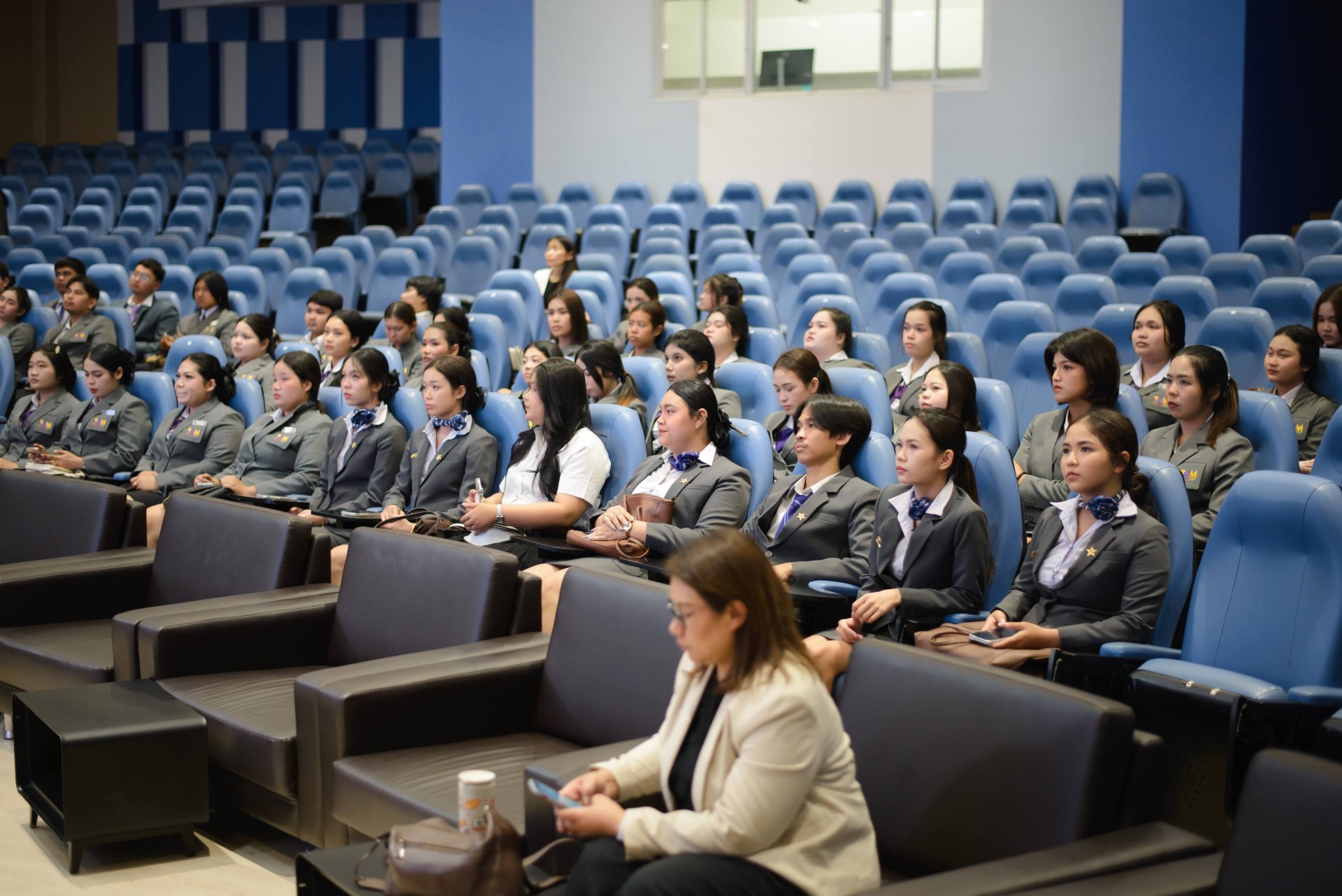
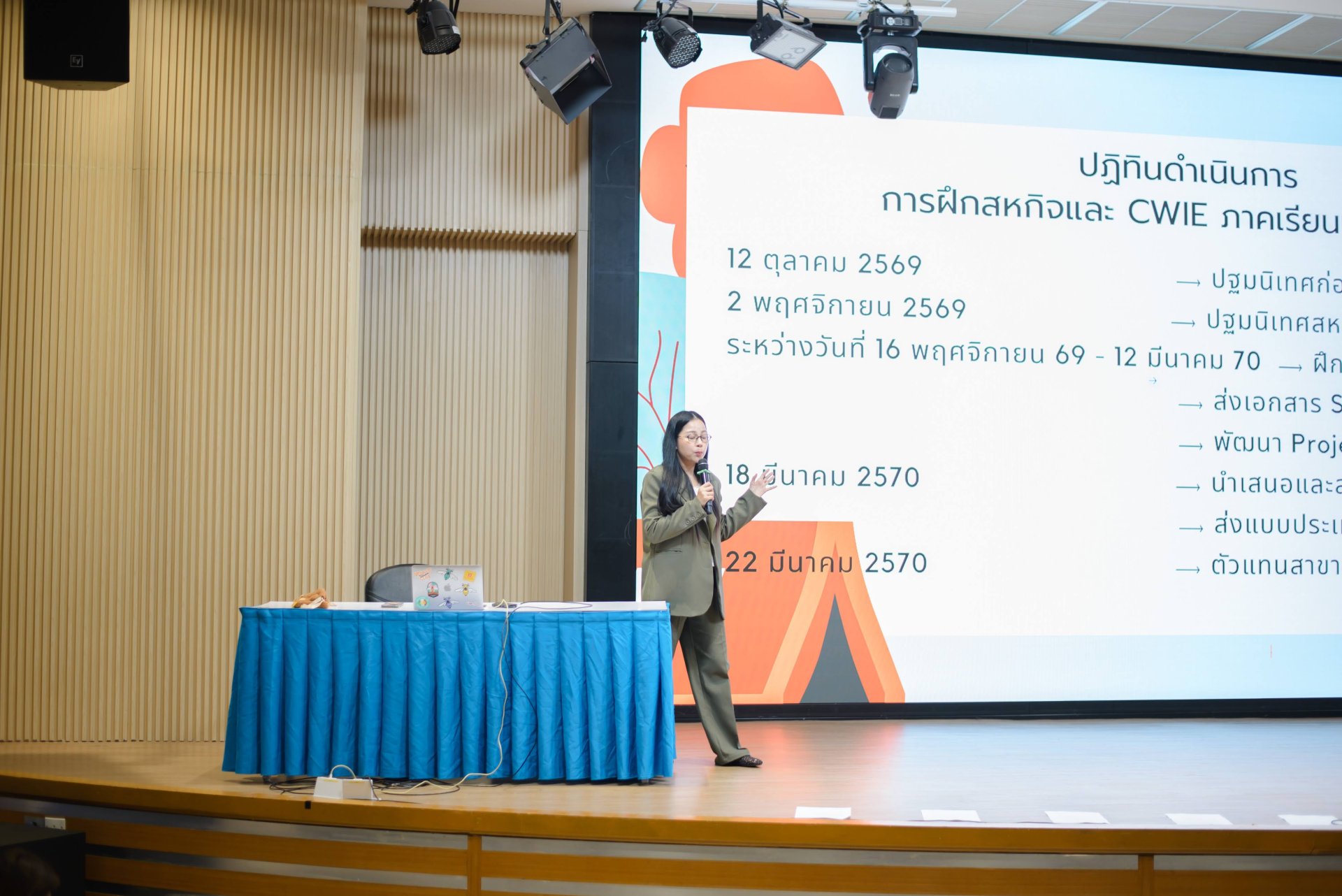
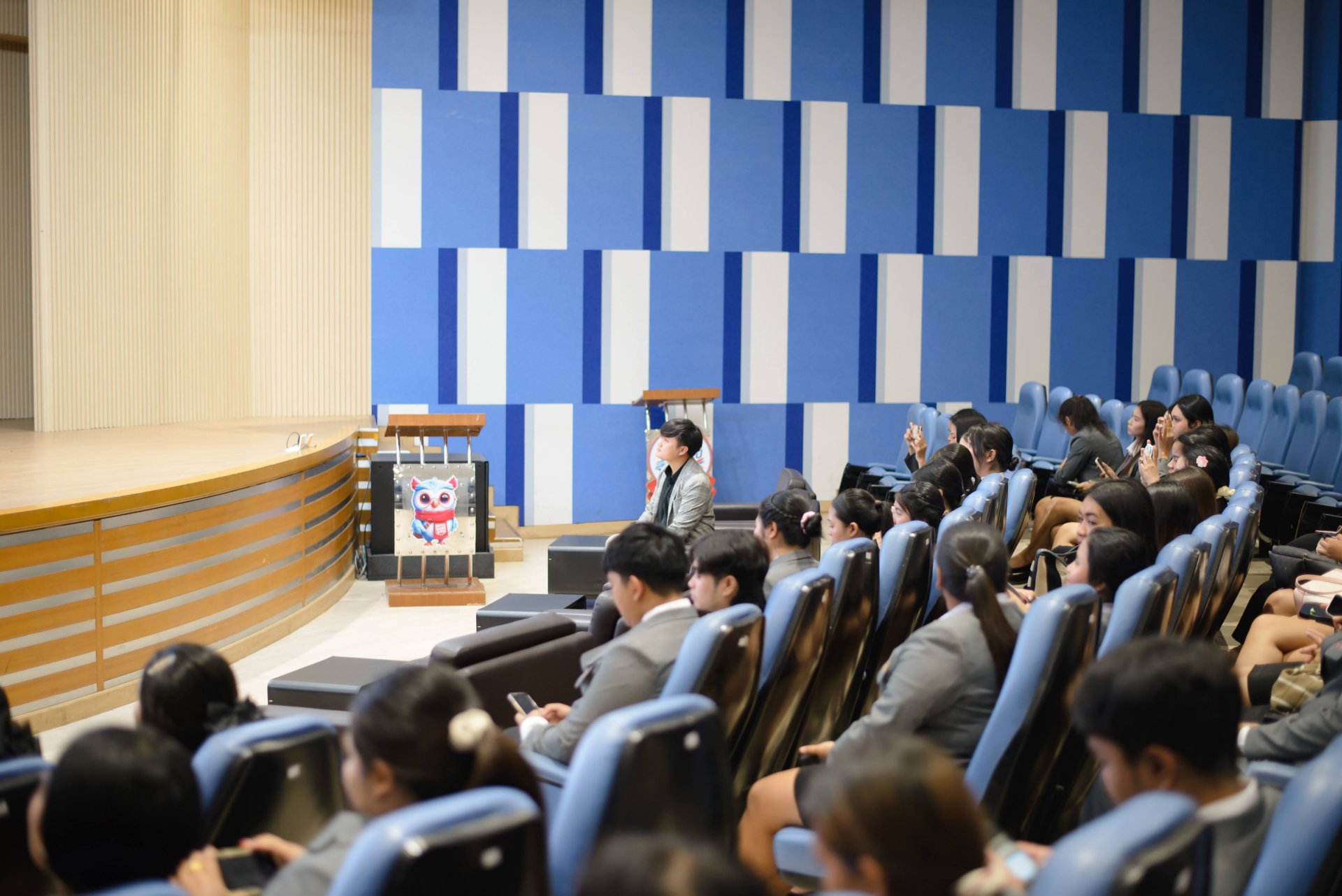
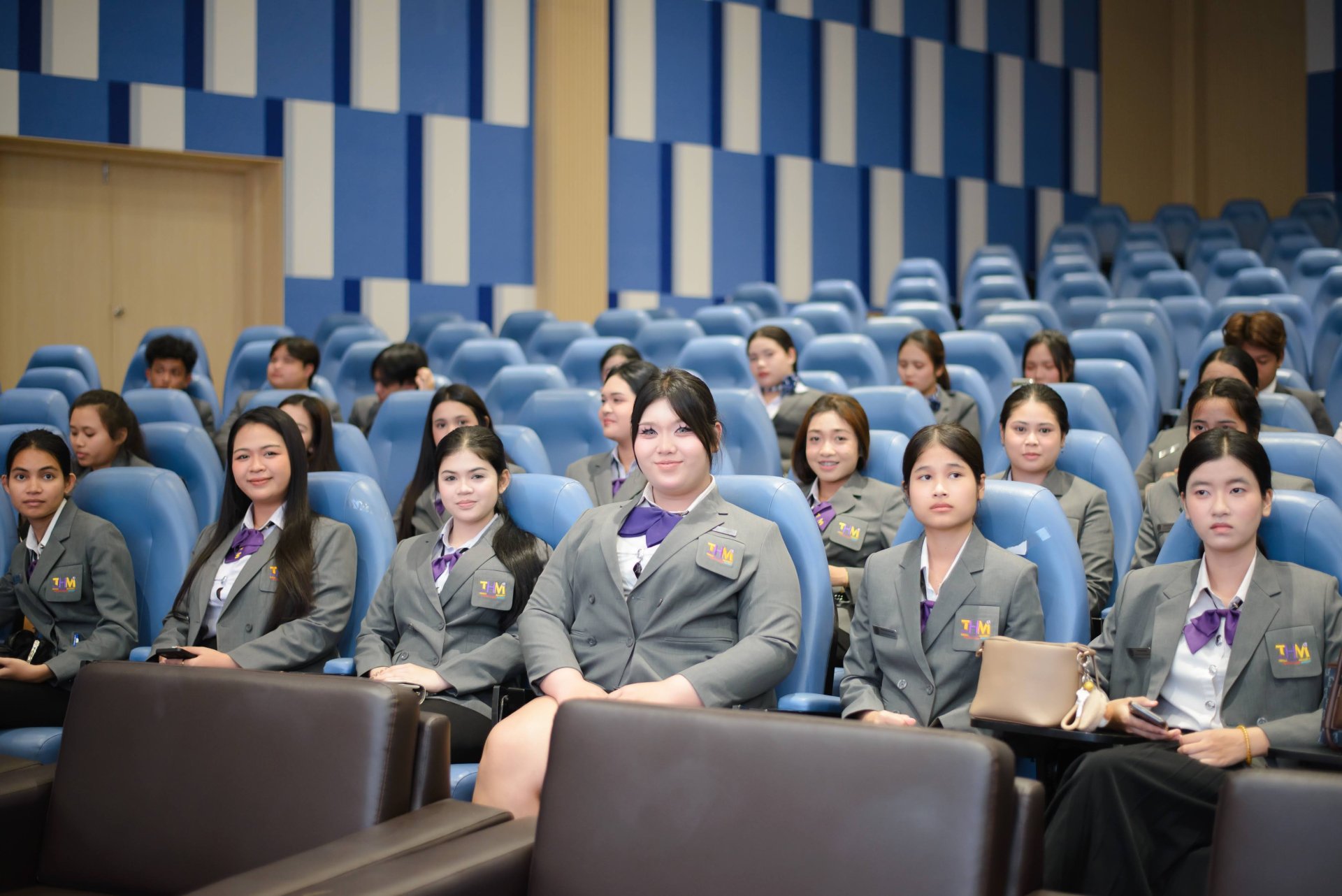
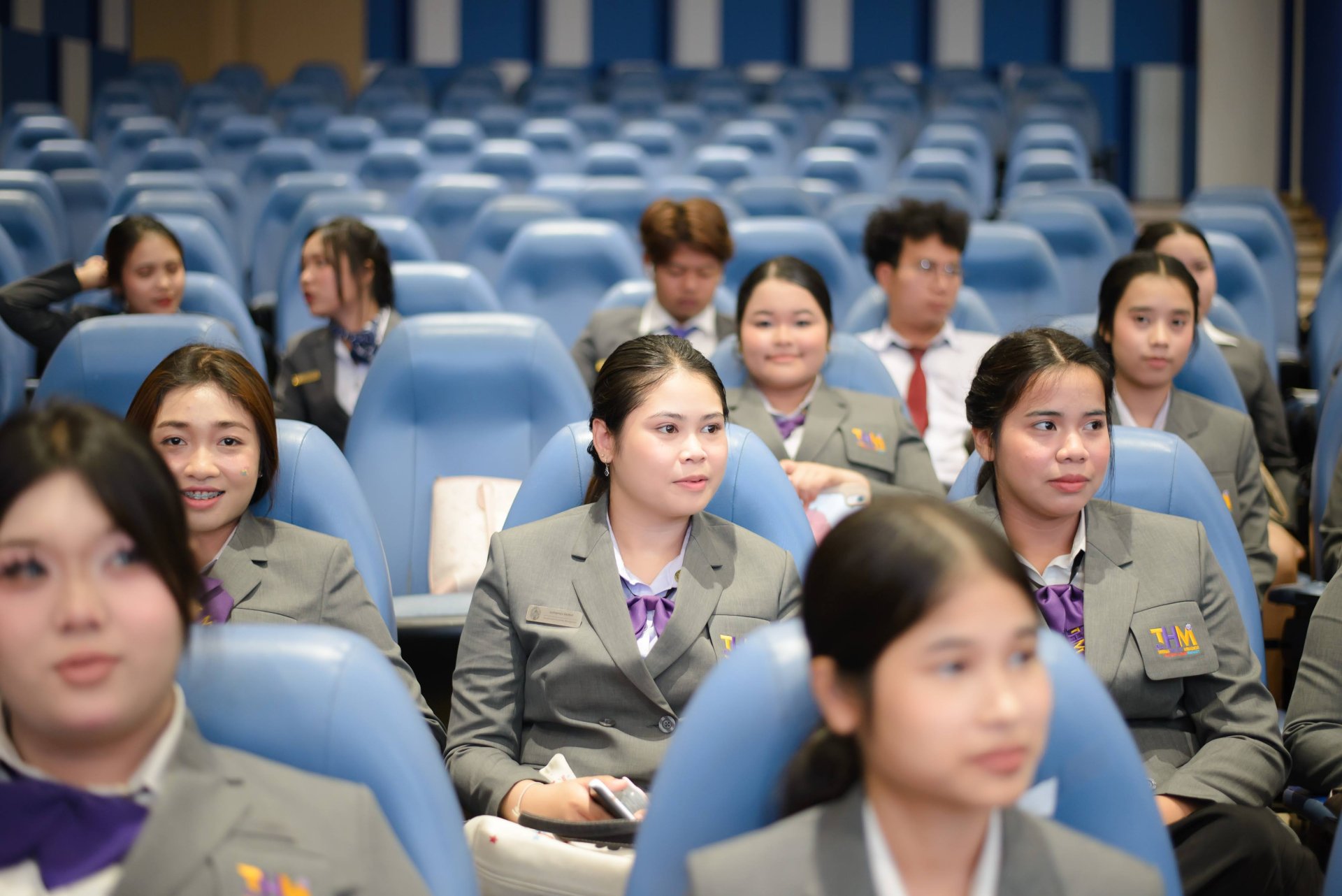
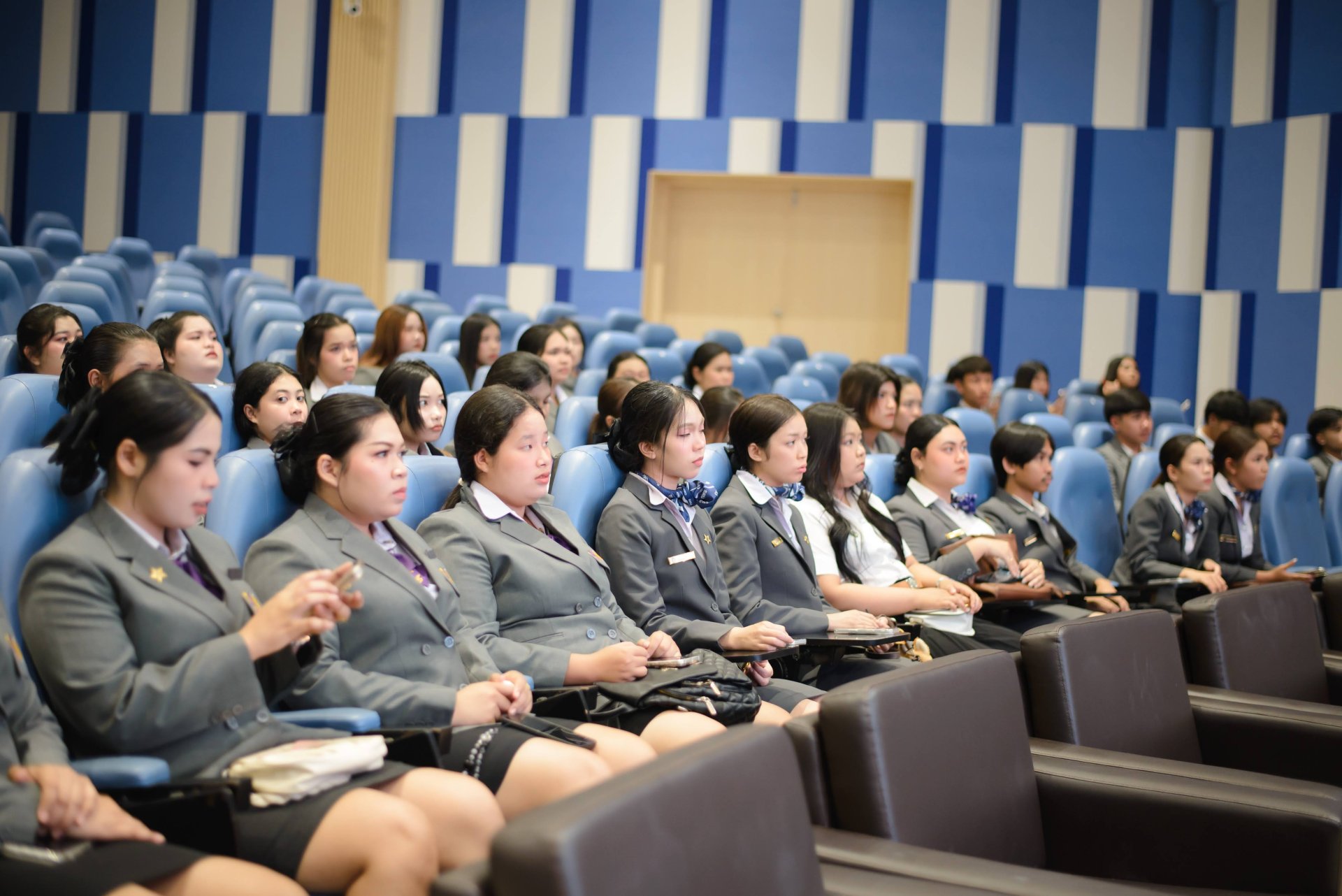
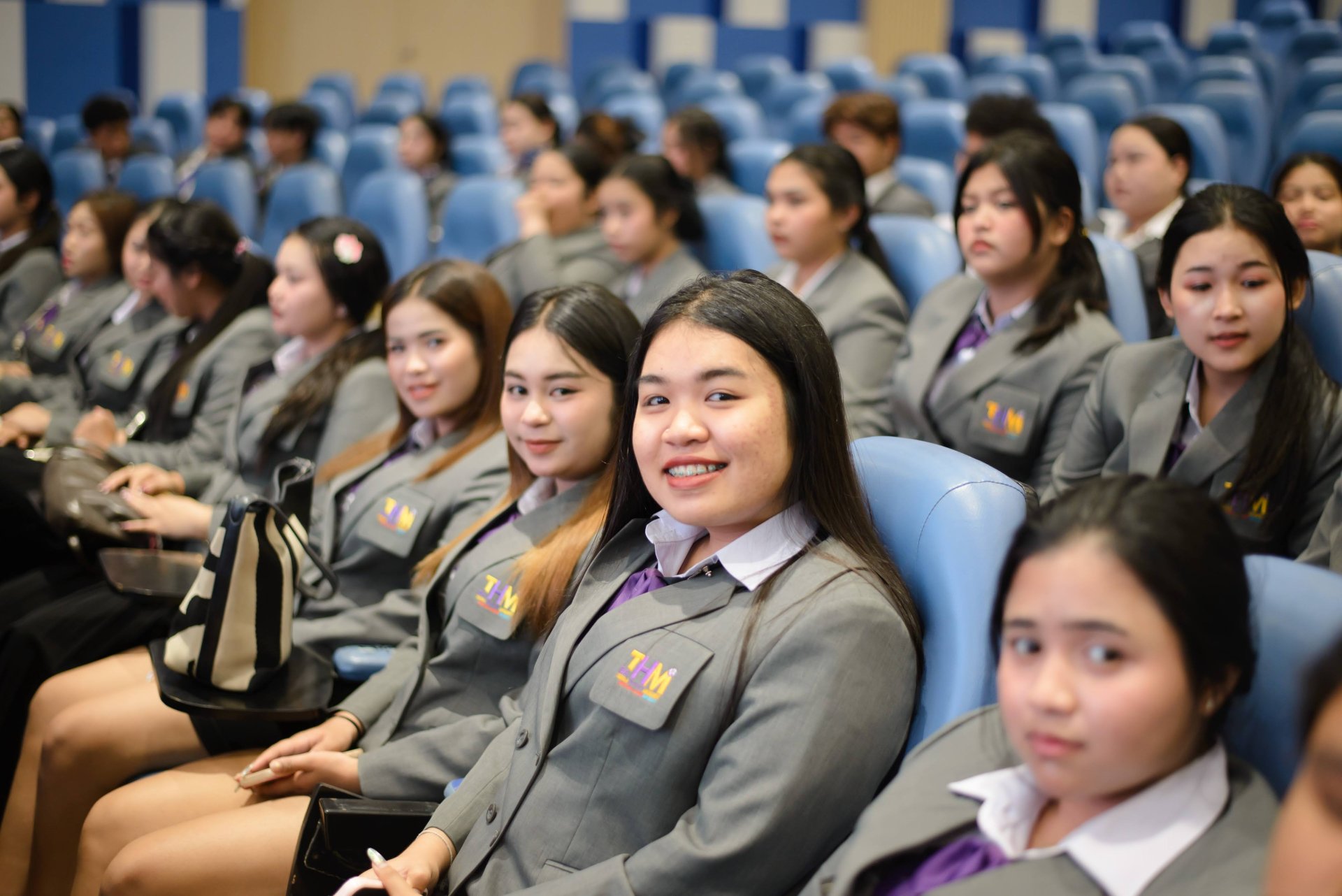
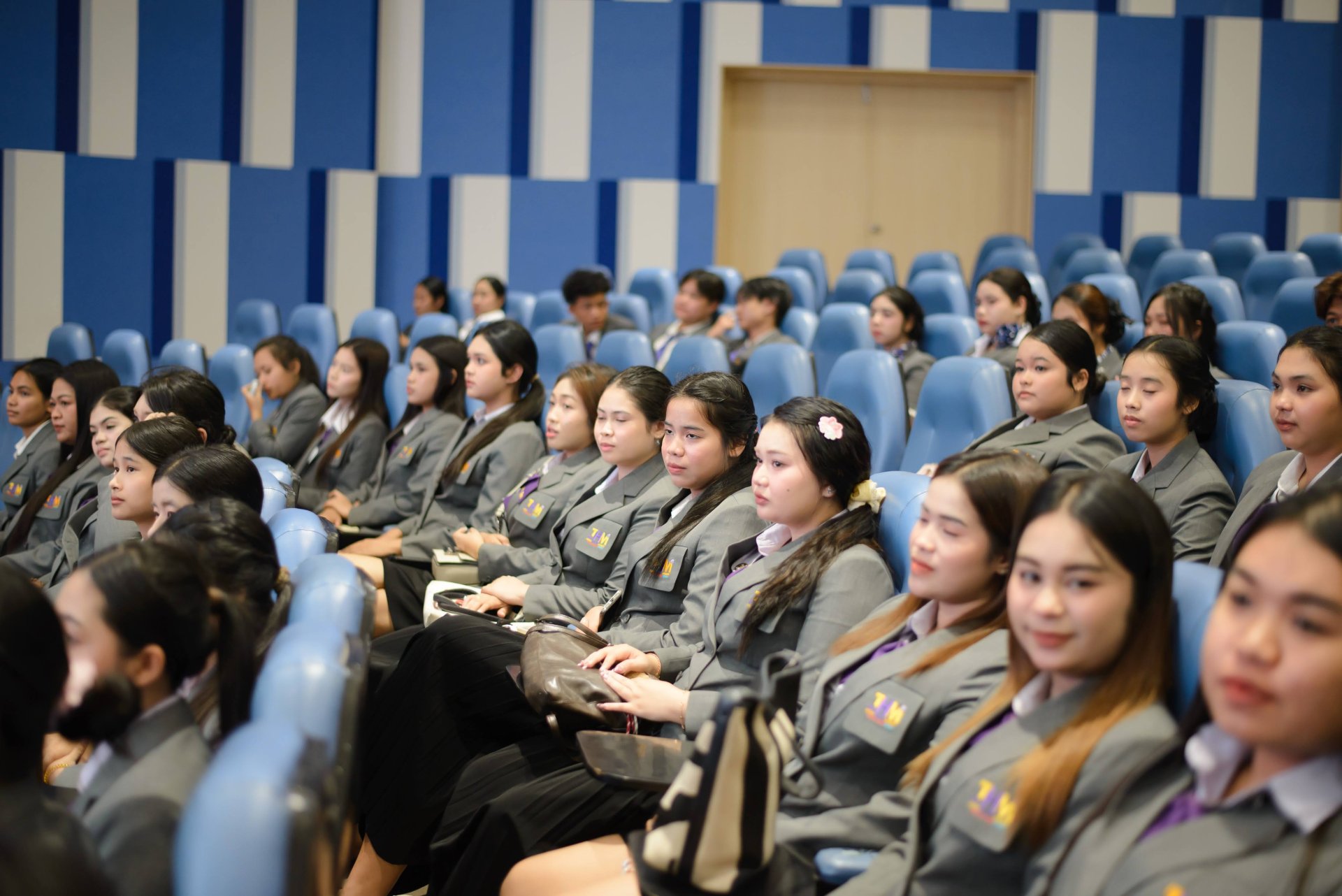
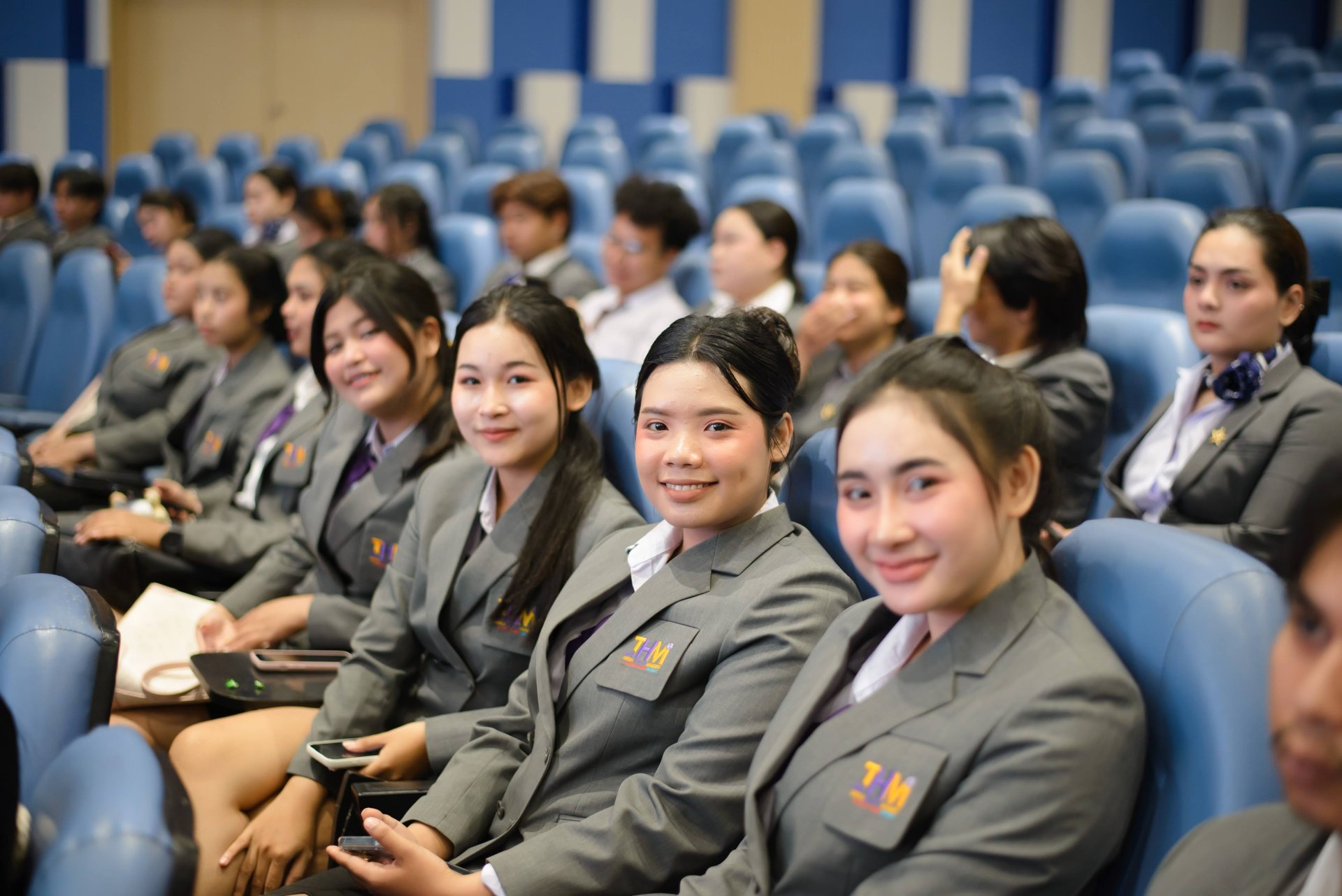
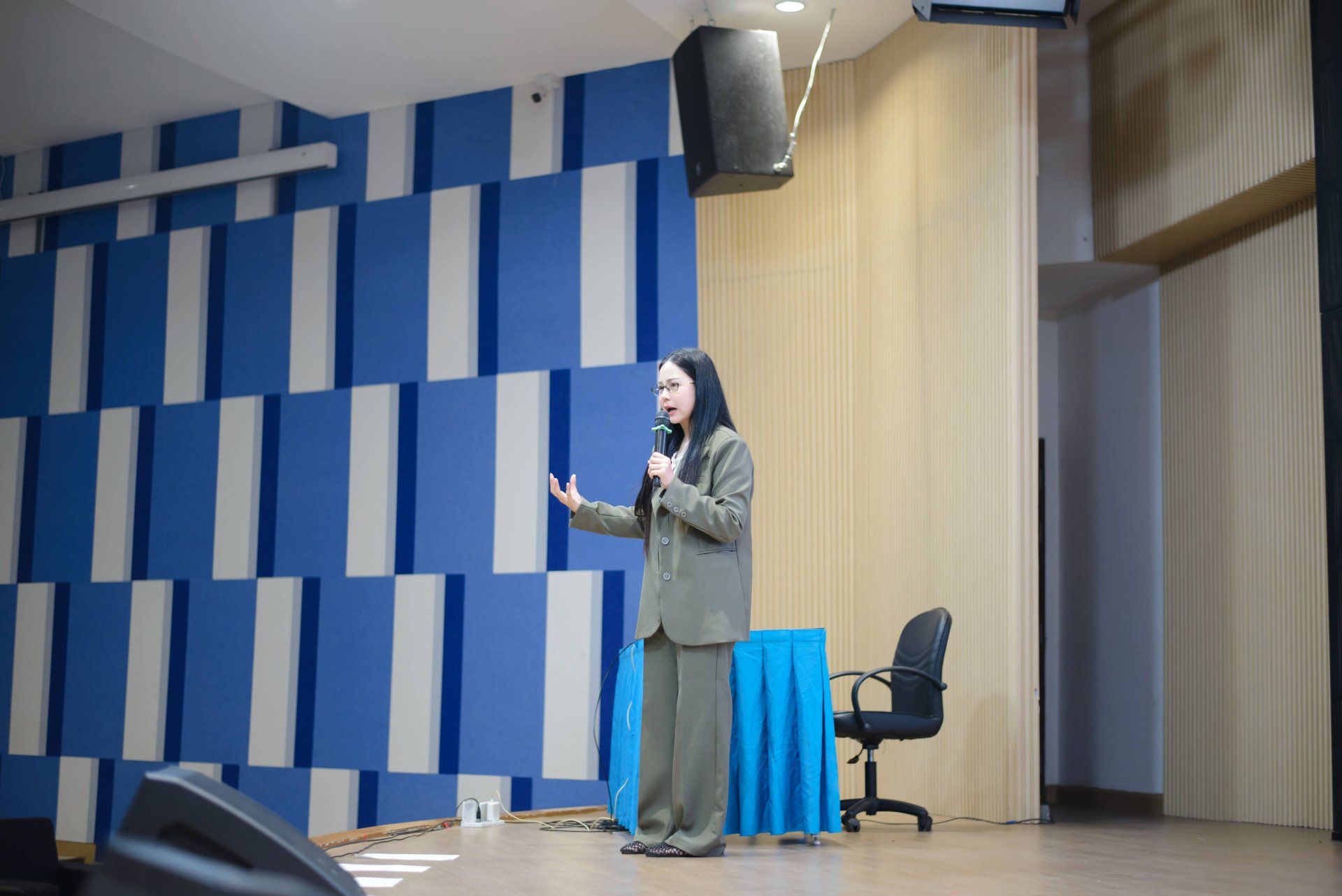
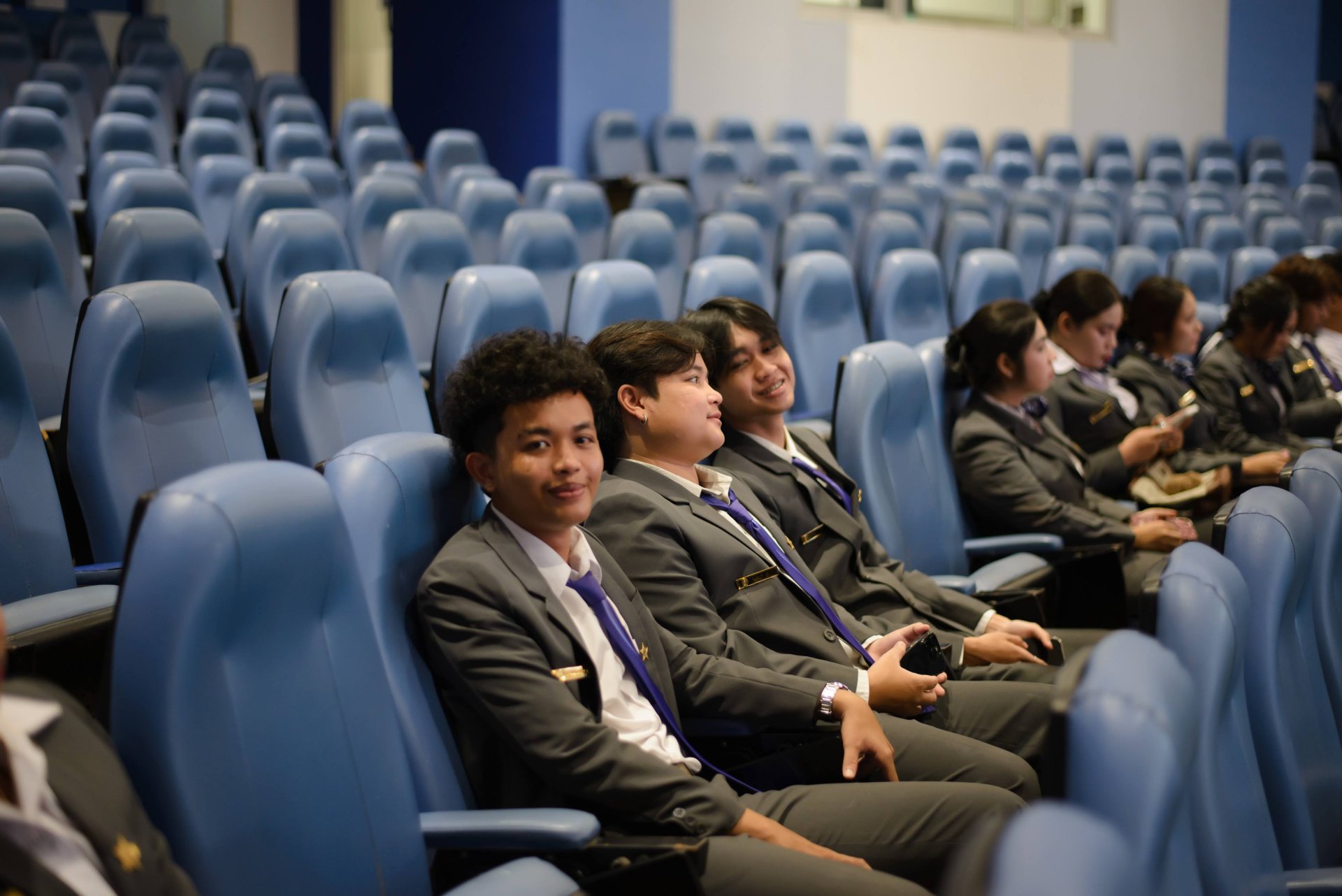
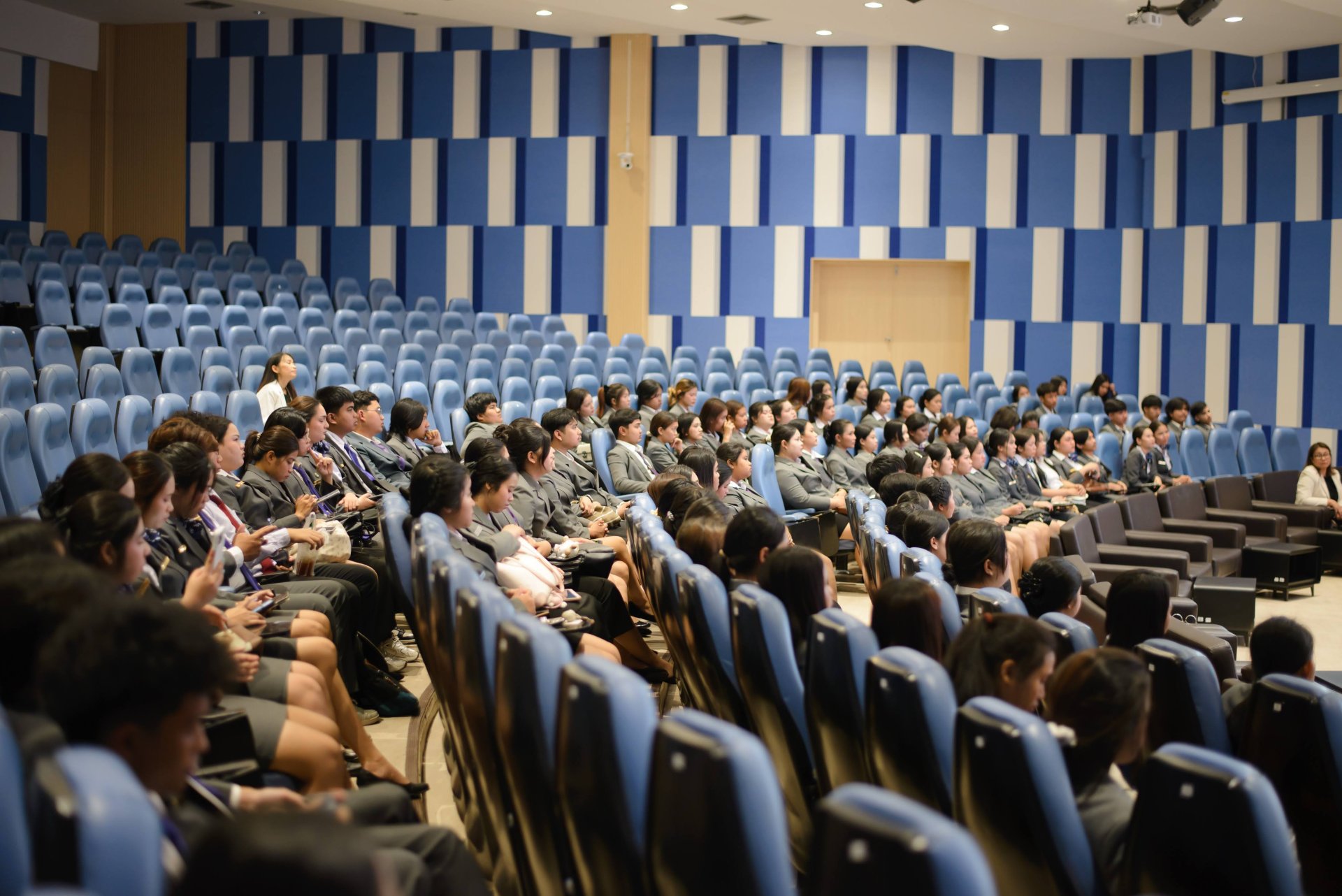
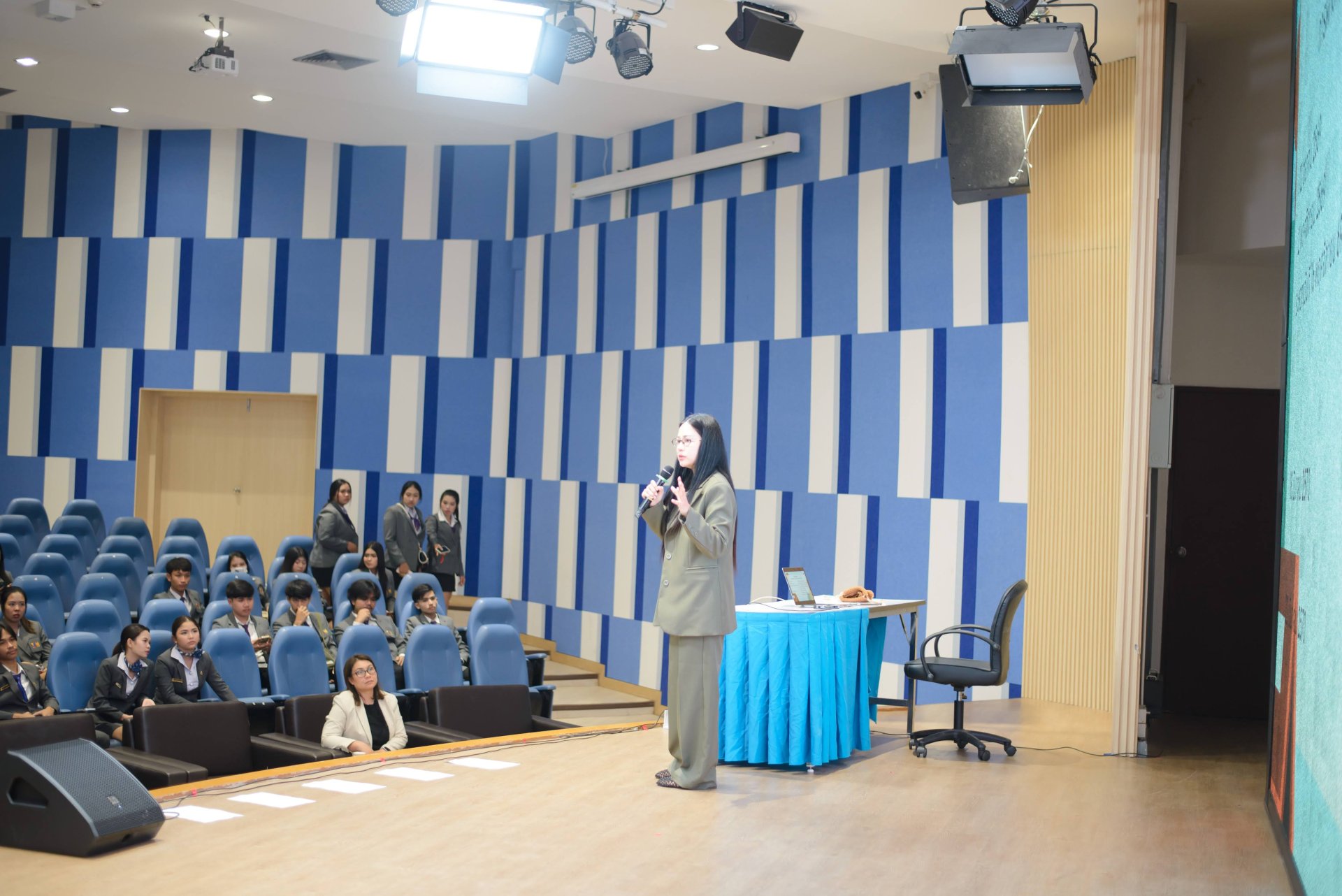
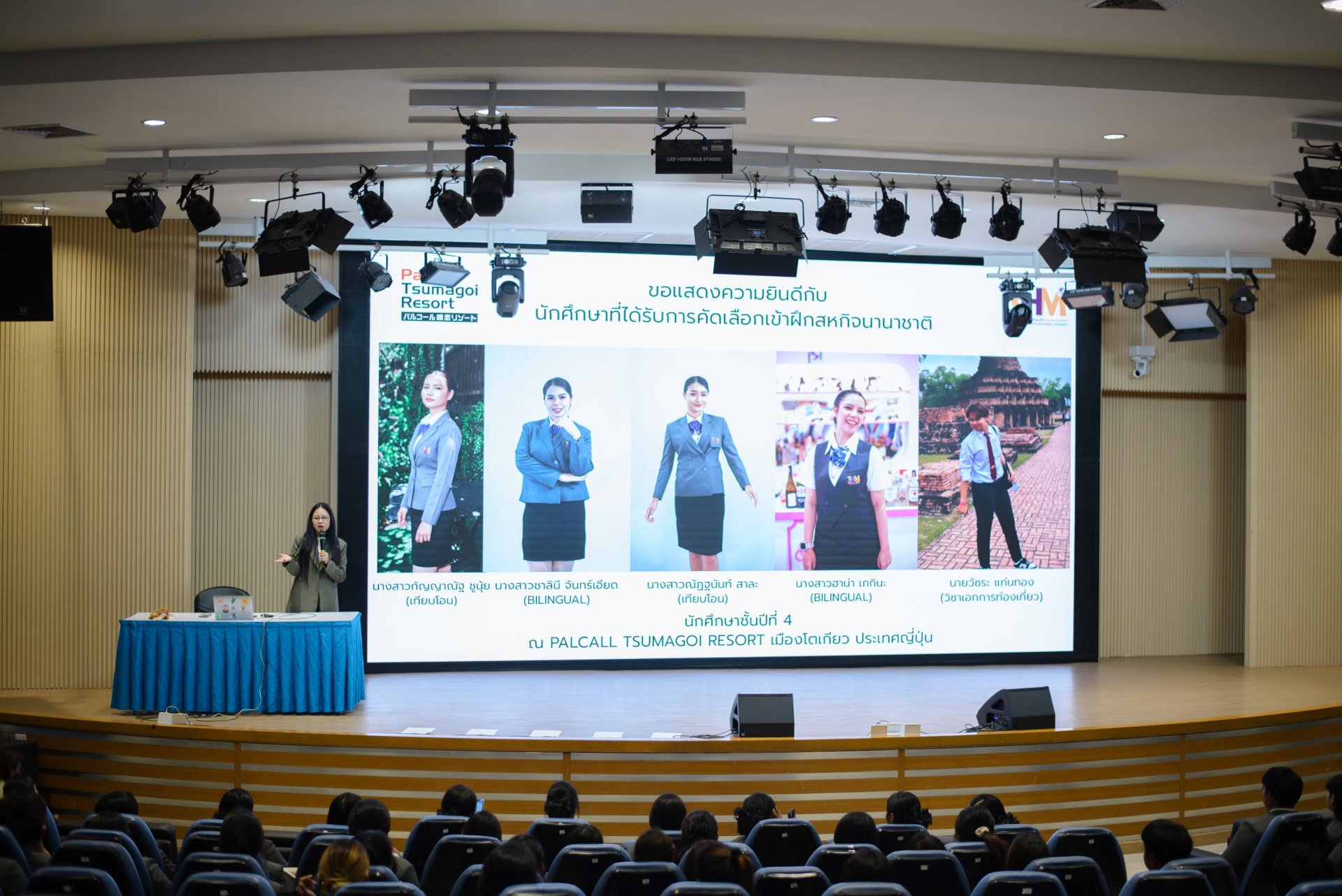
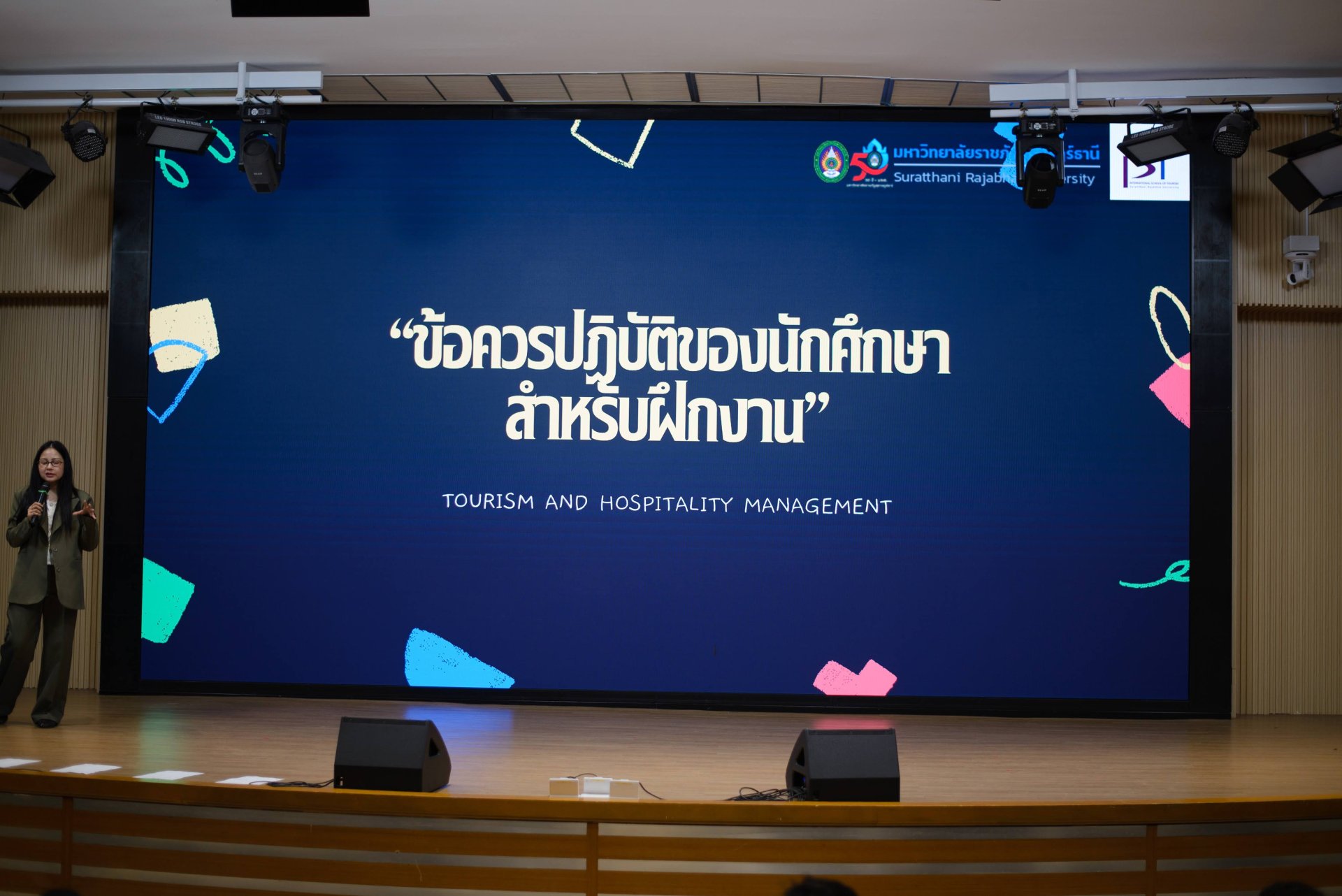
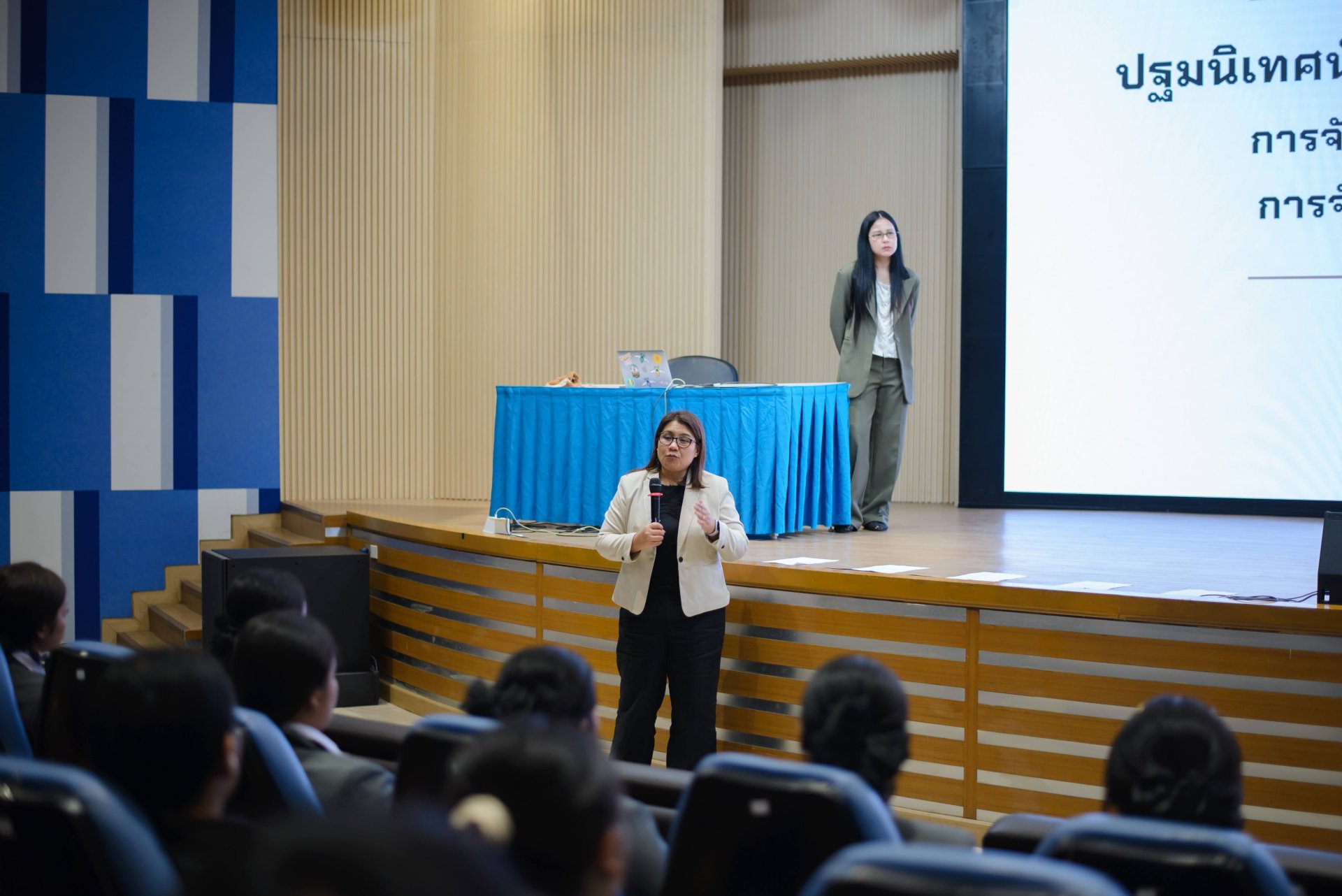
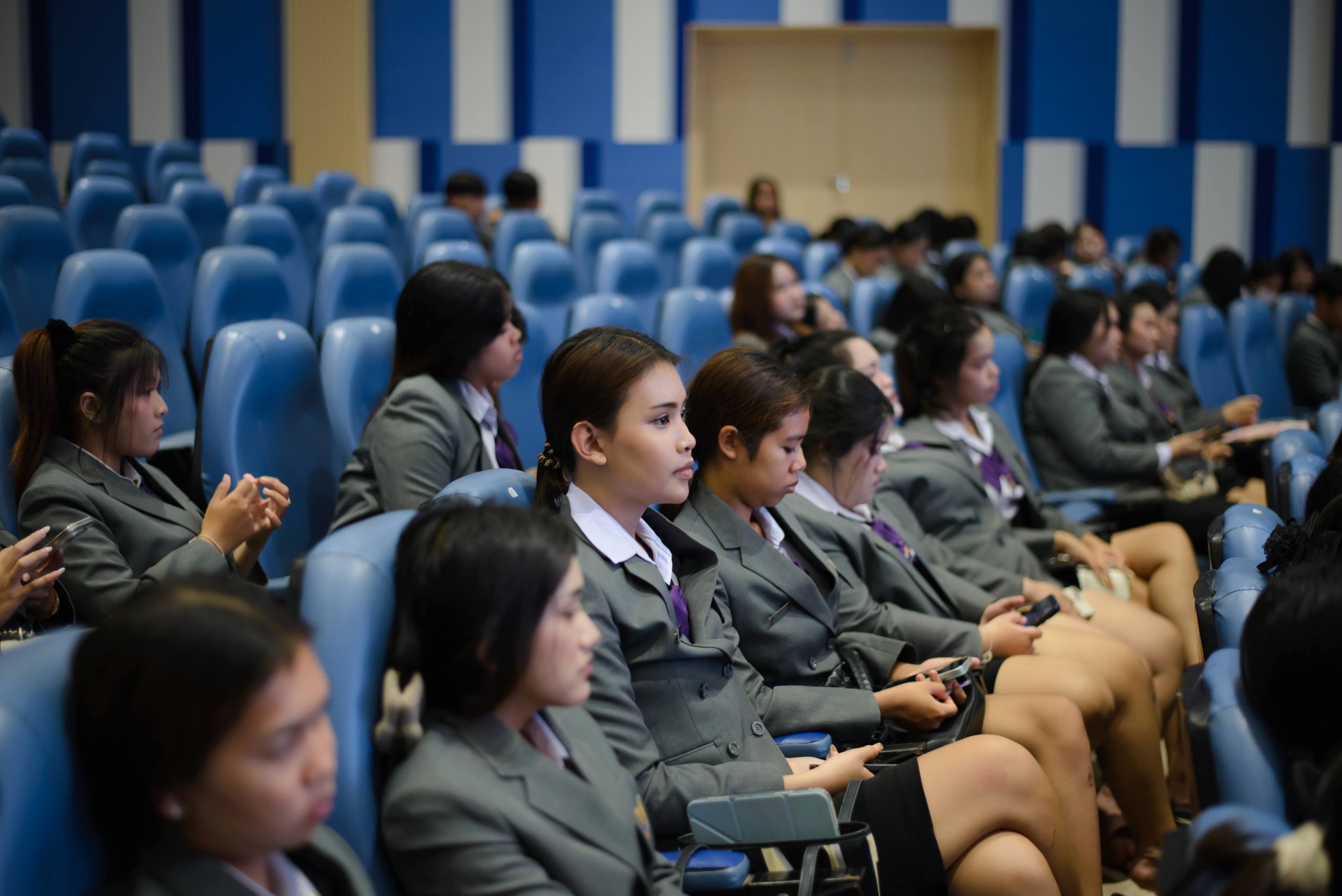
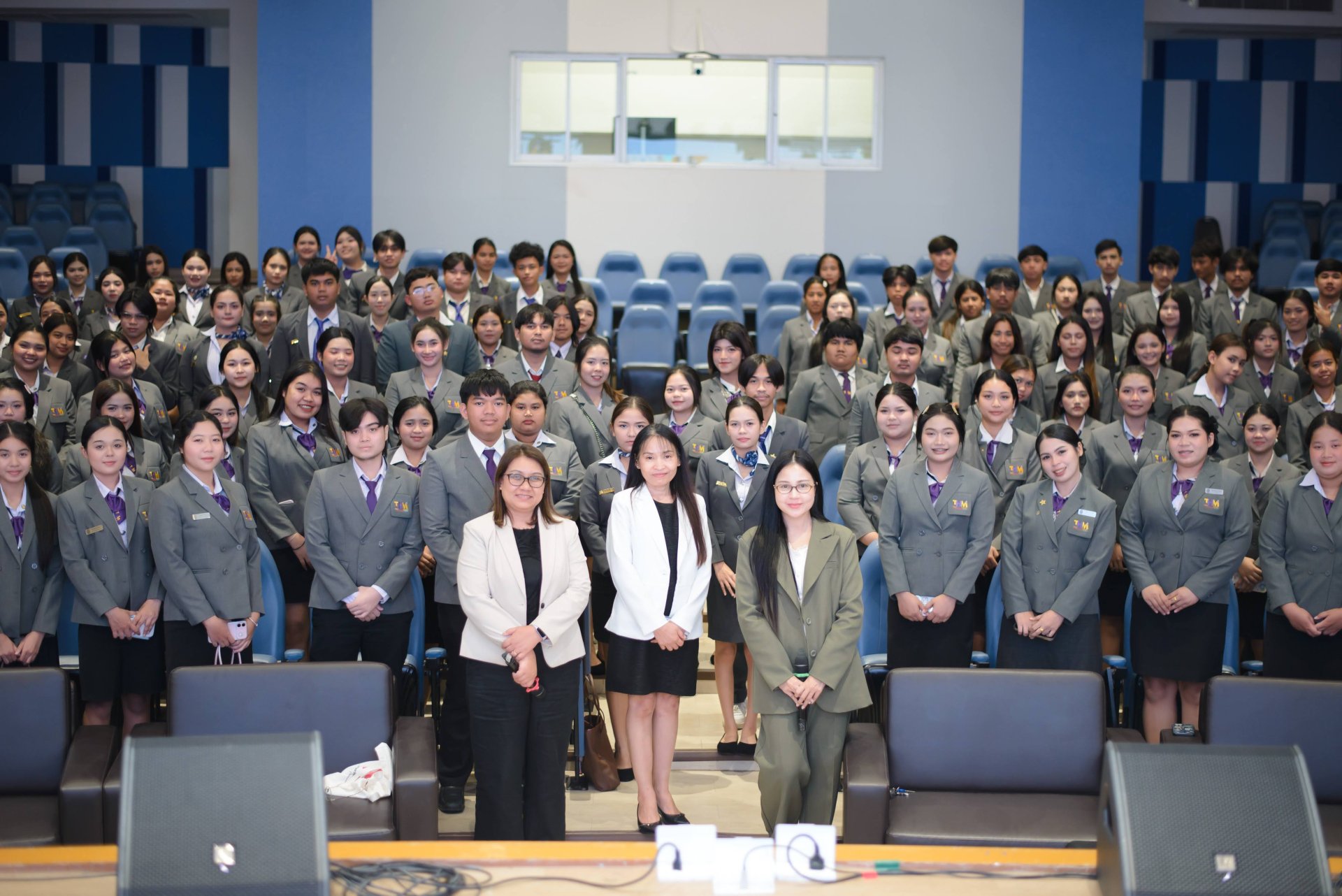
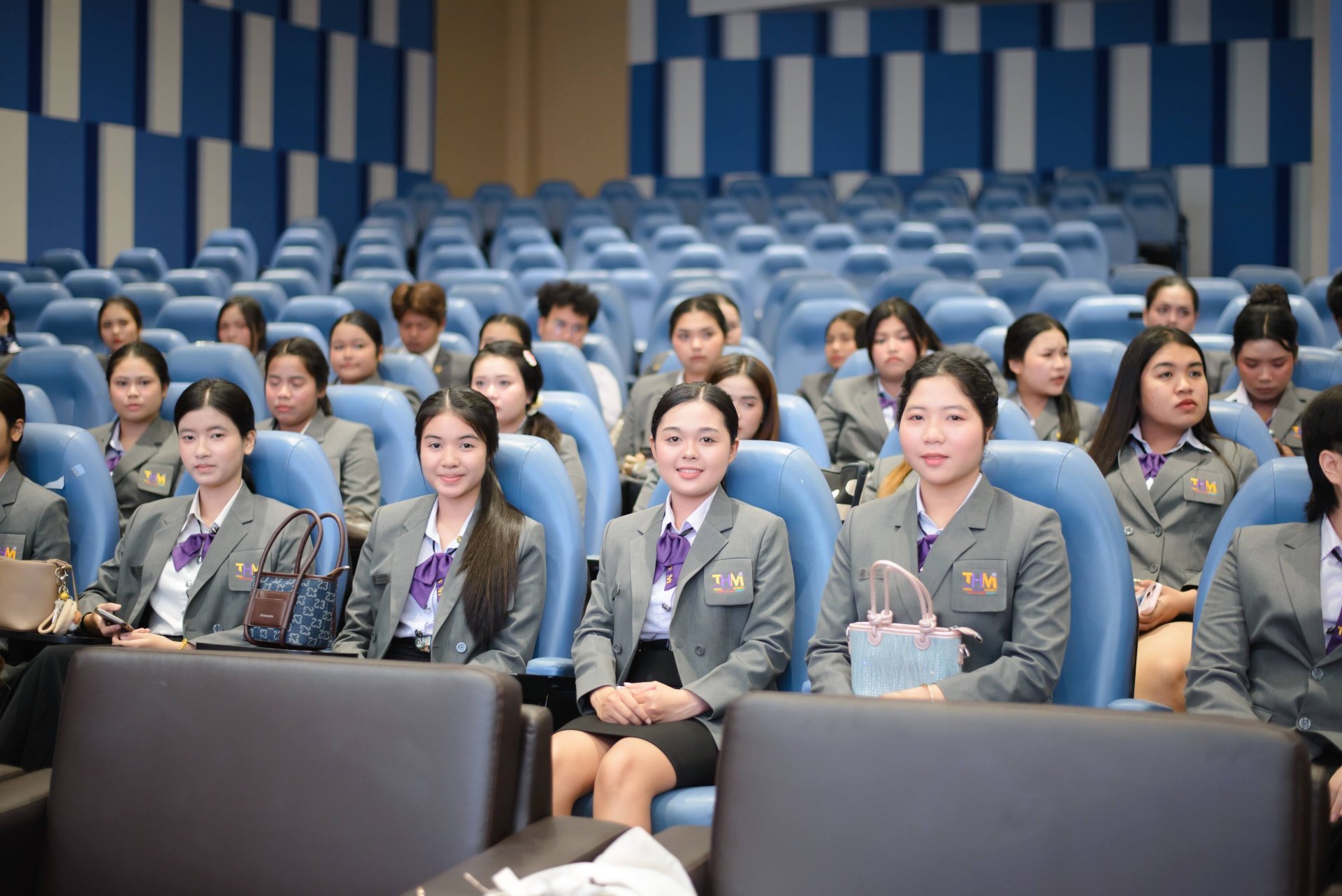
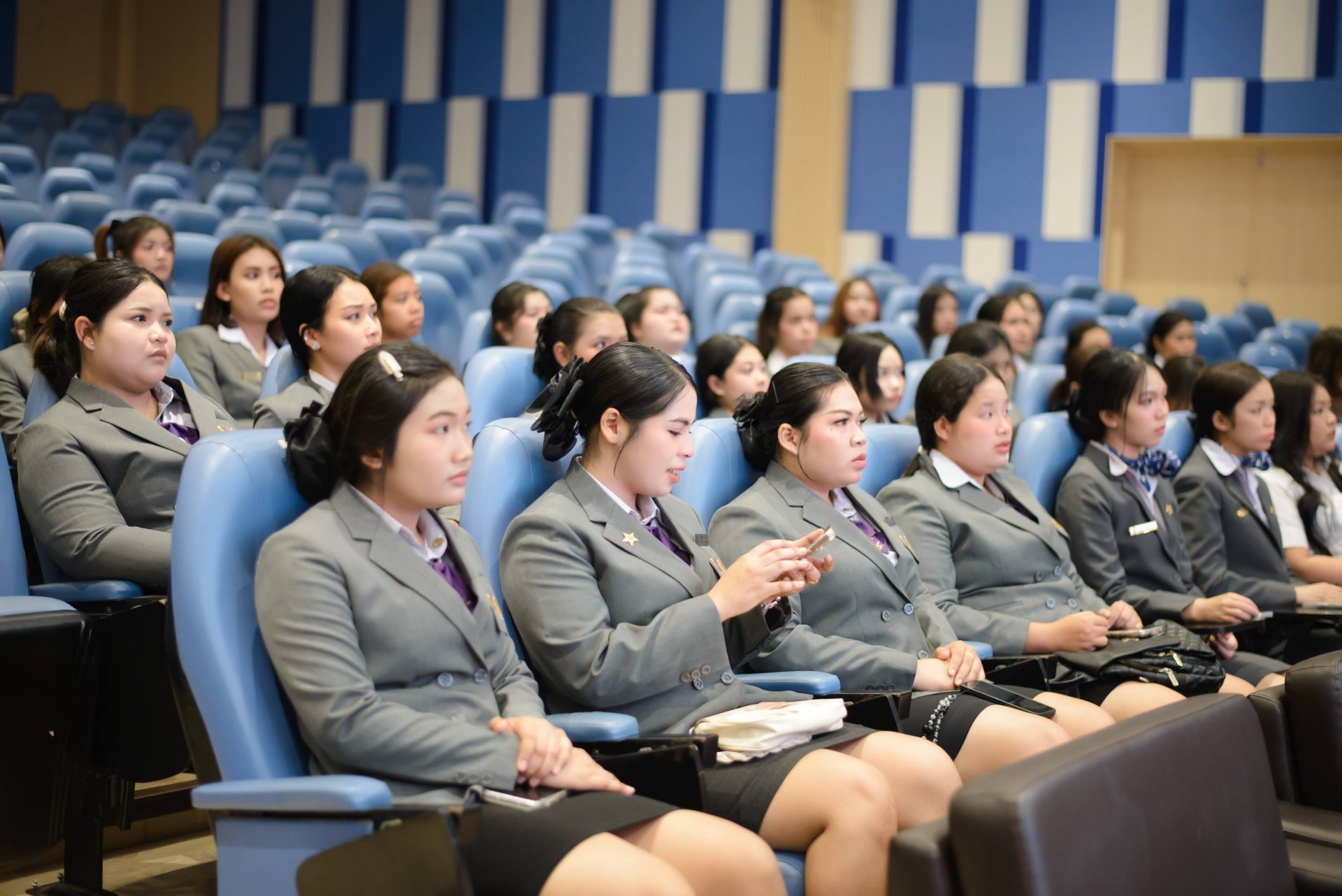
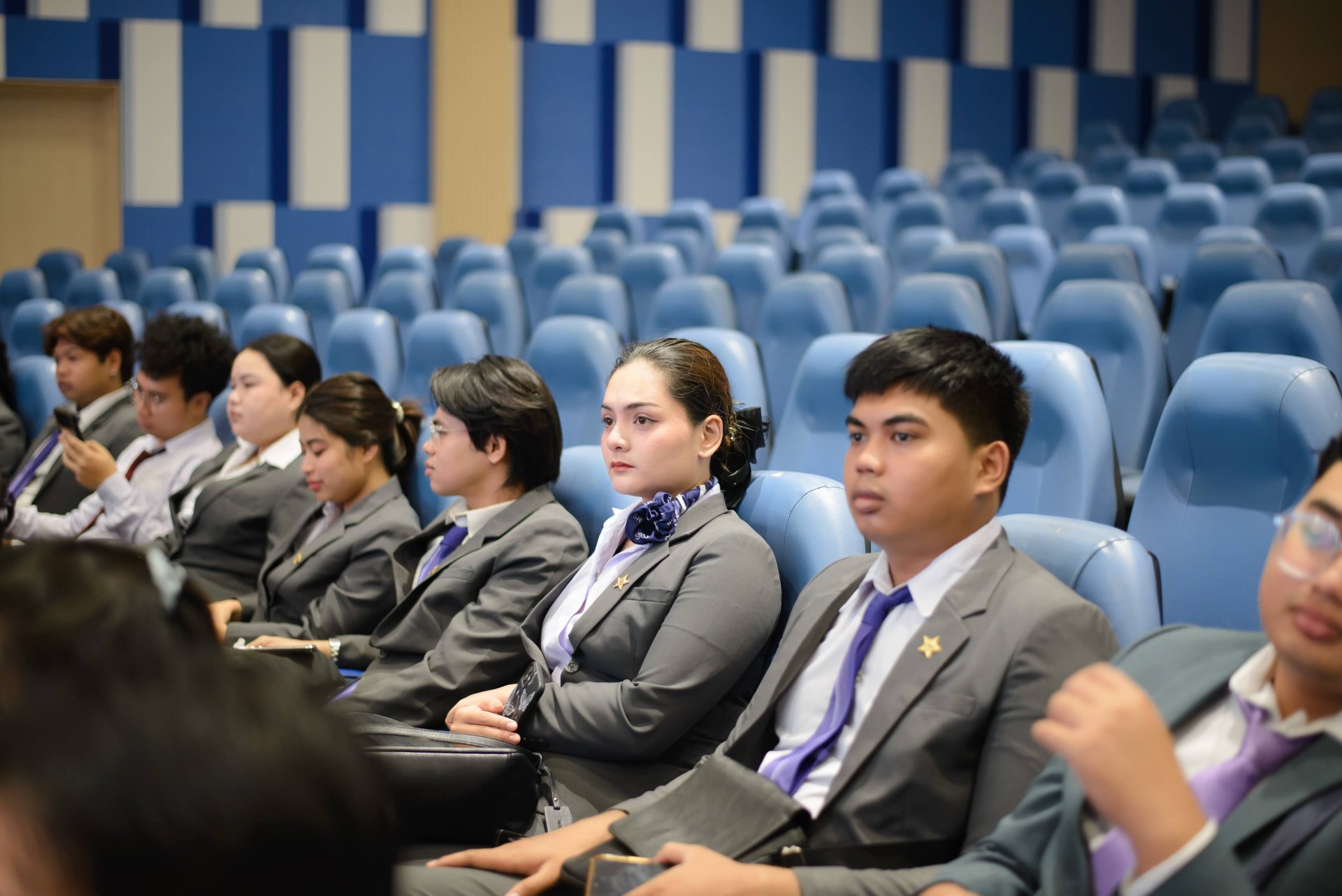
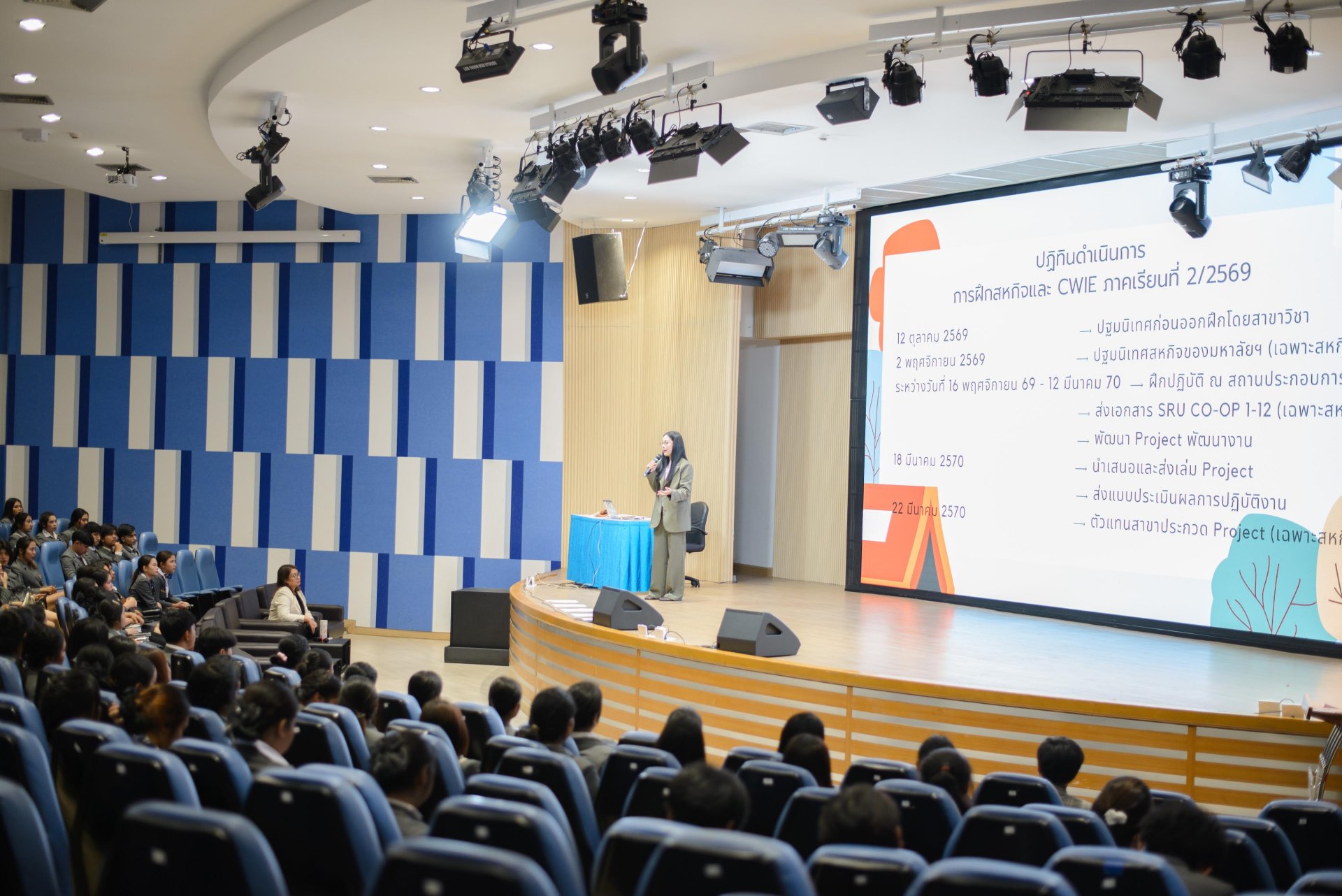
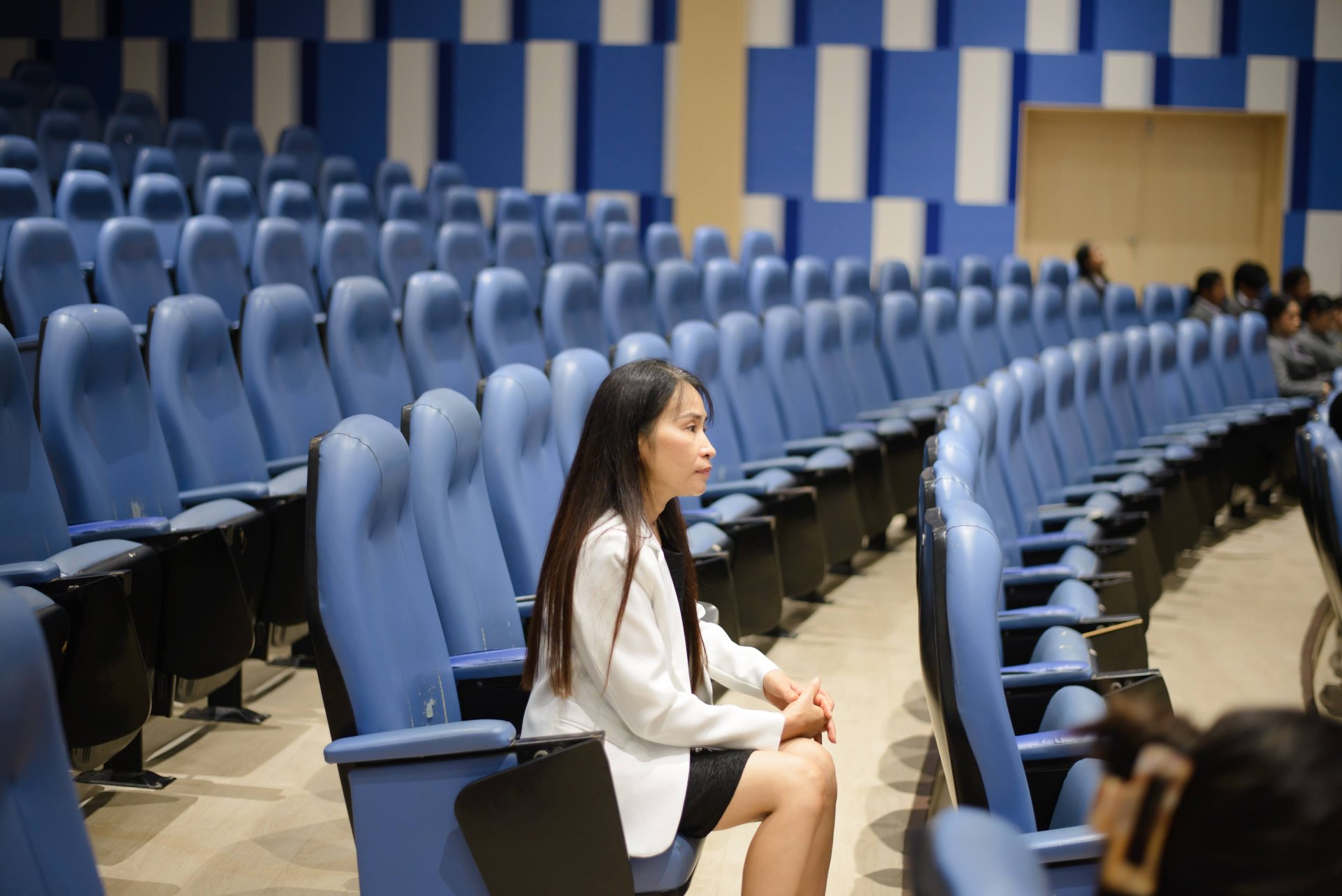
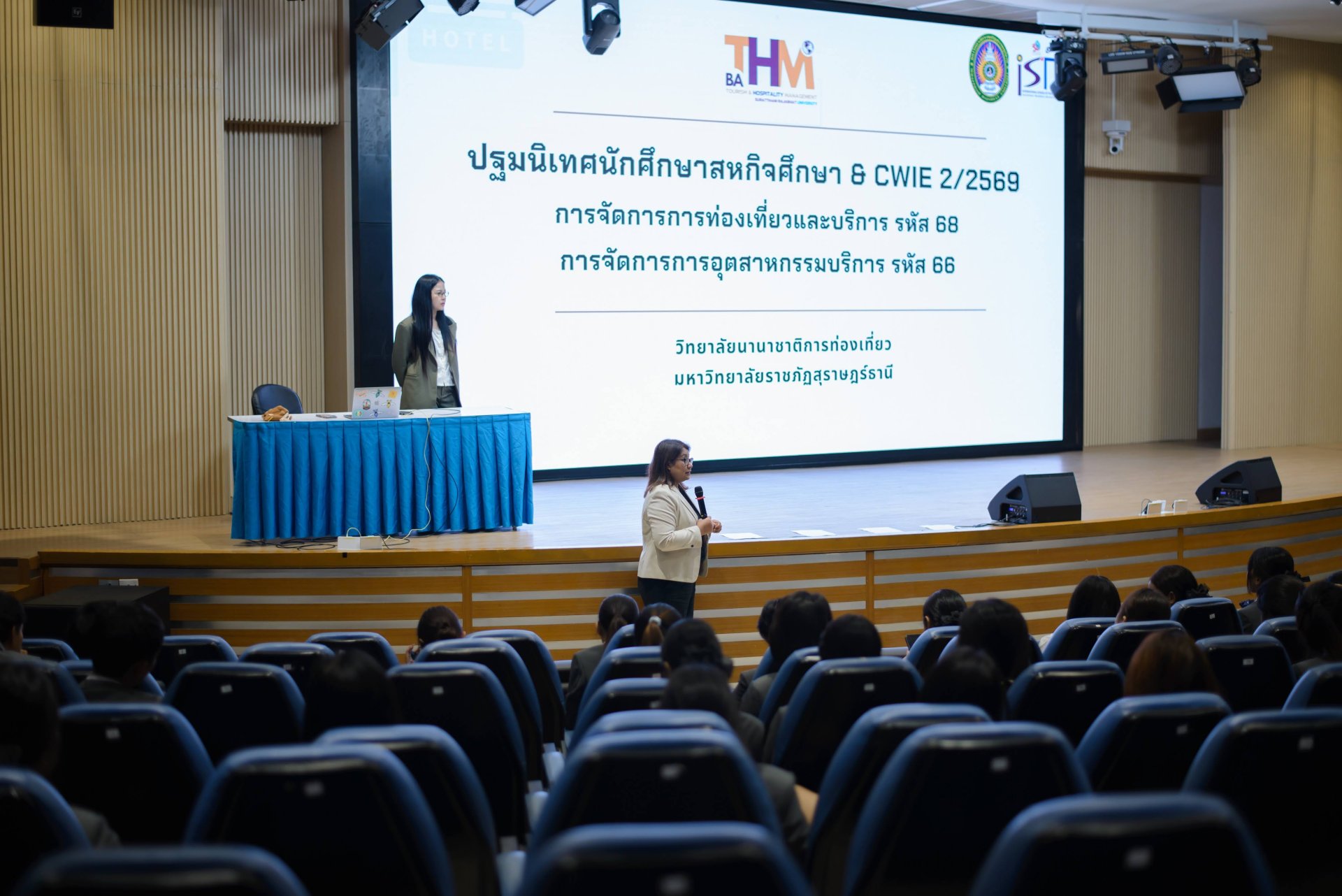
The Tourism and Hospitality Management Program at the International School of Tourism (IST), Suratthani Rajabhat University, organized an orientation activity for second- and fourth-year students preparing to participate in Cooperative and Work Integrated Education (CWIE) and cooperative education placements during the second semester of the 2026 academic year. The initiative aims to strengthen students' professional competencies through practical workplace experience with leading tourism and hospitality establishments.
Preparing Students for Real-World Professional Experience
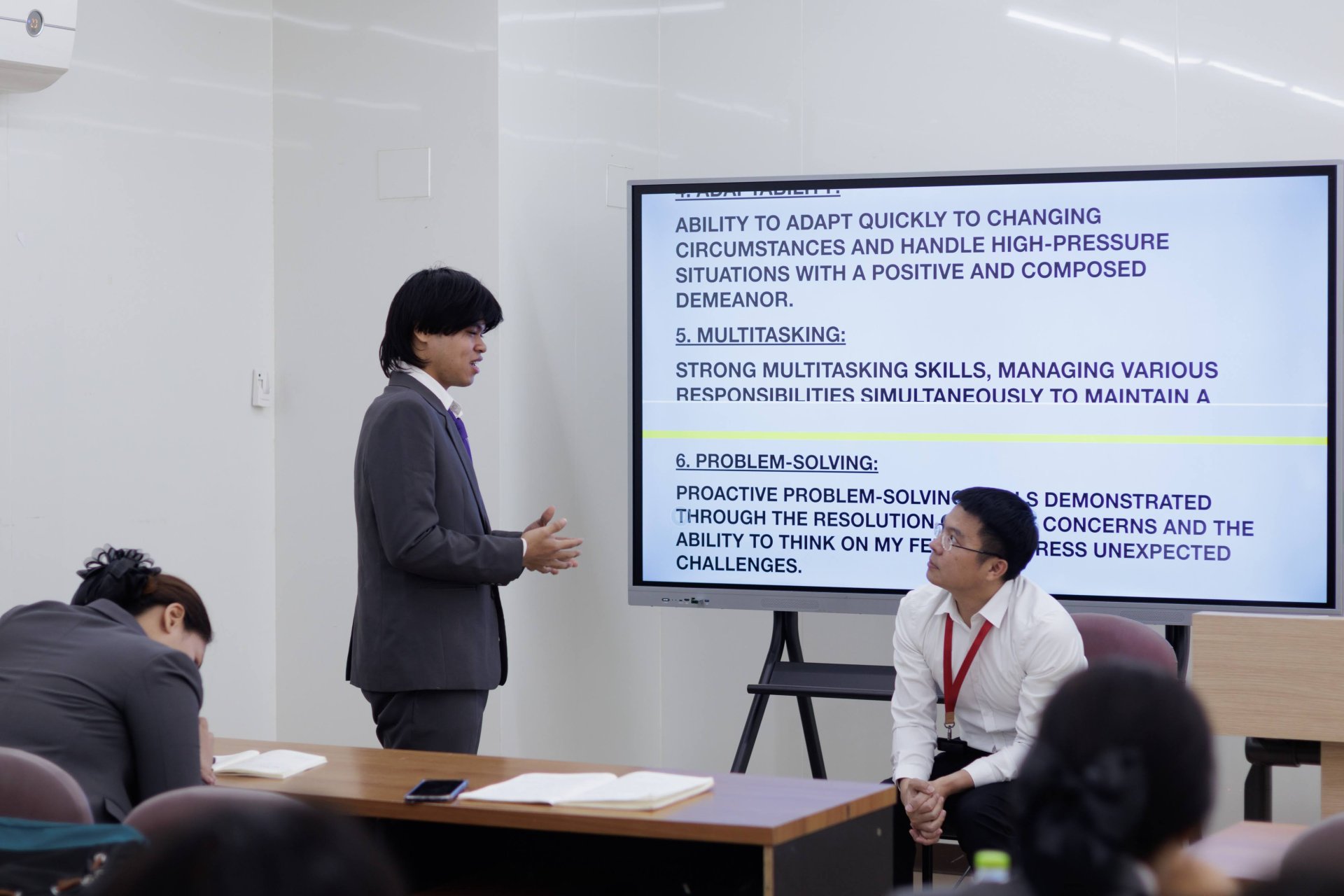
The orientation was designed to provide students with essential information and guidance before entering their workplace placements. Key topics included expected learning outcomes, professional conduct, workplace responsibilities, recommended practices and behaviors to avoid, as well as the respective roles of workplace mentors and academic supervisors.
Through this preparation, students are encouraged to develop a professional mindset and understand workplace expectations before beginning their practical training. The activity also emphasizes essential transferable skills, including teamwork, communication, adaptability, responsibility, and problem-solving, which are highly valued in the tourism and hospitality industry.
Second-Year Students Explore Personalized Career Pathways Through CWIE
The Tourism and Hospitality Management Program places strong emphasis on student-centered learning and the development of specialized professional skills. Second-year students are encouraged to select training pathways based on their individual interests and career aspirations.
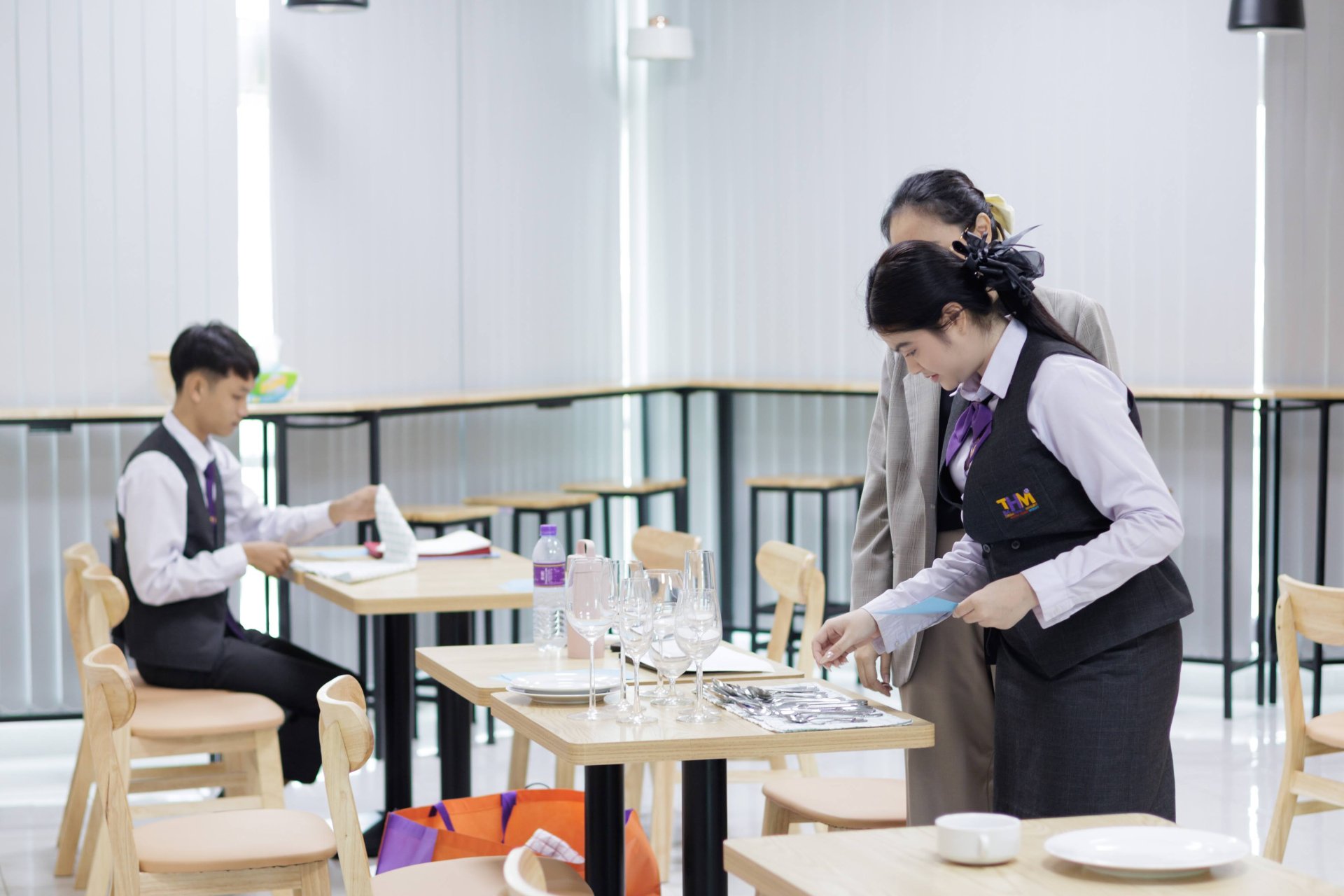
The available specializations include Food and Beverage Service and Bartending and Tour Guiding and Tourism Services. These pathways provide opportunities for students to develop industry-relevant competencies through structured workplace learning experiences.
During the second semester of the 2026 academic year, the program integrates classroom instruction with practical workplace learning through CWIE, enabling students to gain firsthand experience, understand professional service standards, and apply theoretical knowledge in authentic working environments.
Pathway 1: Premium Hotel and Hospitality Operations
Students specializing in hospitality operations have opportunities to develop professional skills through workplace learning at six leading hotels and resorts, including:
- Centara Reserve Samui
- Phuket Marriott Resort & Spa, Merlin Beach
- Twinpalms Phuket
- Andara Resort & Villas Phuket
- Meliá Koh Samui
- Courtyard Phuket, Patong Beach Resort
Workplace learning in these establishments focuses on food and beverage service, guest relations, operational procedures, and professional hospitality standards. Students gain valuable exposure to day-to-day hotel operations while developing practical service competencies essential for their future careers.
Pathway 2: Tour Operations and Tourist Services
Students pursuing the tourism pathway have opportunities to gain hands-on experience with leading tour operators and tourism service providers in Southern Thailand. Participating establishments listed by the program include:
- Blue Voyage Thailand
- Five-Star Marines
- Lomprayah High Speed Ferries Co., Ltd.
- Lomlahkkhirin High Speed Ferries Co., Ltd.
- Good Heart Group Co., Ltd.
- Green Planet Transport Co., Ltd.
This pathway emphasizes tourism operations, customer service, coordination, communication, and the management of real-world service situations. Students can develop the professional confidence and practical abilities needed to succeed in the tourism sector.
Fourth-Year Students Advance Their Careers Through Cooperative Education
For fourth-year students, cooperative education serves as a key component of professional development, allowing them to apply academic knowledge in actual workplace environments. The program is designed to strengthen industry-specific competencies, improve career readiness, and enhance students' employment prospects after graduation.
During the second semester of the 2026 academic year, students from the Tourism and Hospitality Management Program and the Hospitality Industry Management Program received placement acceptances from more than 20 establishments across Southern Thailand. These opportunities demonstrate the program's engagement with industry organizations and its commitment to practical education.
Through cooperative education, students gain firsthand experience of organizational operations, workplace responsibilities, and professional communication. These experiences also provide opportunities to build professional networks and potentially increase their chances of securing employment after graduation.
Strengthening Industry Partnerships to Develop Future-Ready Graduates
The orientation and workplace preparation activities reflect IST's commitment to bridging academic education with industry practice. By integrating practical learning opportunities with specialized academic training, the program aims to develop graduates equipped with the competencies and professional attitudes required by the tourism and hospitality sectors.
Collaboration between educational institutions and industry partners plays an important role in creating meaningful learning experiences. Such partnerships help students understand workplace expectations, develop professional confidence, and prepare for the evolving demands of the tourism and hospitality industry.
From Classroom Learning to Real-World Experience, From Practical Skills to Professional Careers. The International School of Tourism, Suratthani Rajabhat University, remains committed to developing knowledgeable, skilled, and career-ready graduates who can contribute to the future of the tourism and hospitality industry.
SDG Report & Relevant Goals
This activity contributes to the United Nations Sustainable Development Goals (SDGs) through the following areas:
| SDG Goal | Target Description | Connection to Activity |
|---|---|---|
|
SDG 4: Quality Education
Ensure inclusive and equitable
quality education and promote
lifelong learning opportunities for all.
Relevant Target: 4.4
|
The program promotes technical and vocational skill development through CWIE and cooperative education, integrating academic knowledge with practical workplace experience to prepare students for employment and professional career development. |
|
SDG 8: Decent Work and Economic Growth
Promote sustained, inclusive,
and sustainable economic growth,
productive employment,
and decent work for all.
Relevant Targets: 8.5 and 8.6
|
Workplace-based learning enhances students' employability, professional competencies, and career readiness. Practical training in hotels and tourism businesses helps students develop skills aligned with industry workforce requirements. |
|
SDG 17: Partnerships for the Goals
Strengthen the means of implementation
and revitalize partnerships
for sustainable development.
Relevant Target: 17.17
|
The initiative strengthens collaboration between higher education institutions and tourism and hospitality businesses through CWIE, workplace-based learning, and cooperative education. These partnerships support the development of graduates with industry-relevant skills and professional experience. |