IST and Faculty of Science and Technology Advance Sustainable Tourism in Khao Sok through Low-Carbon Accommodation Management
As tourism moves toward a more sustainable future, accommodation businesses have an important role to play in reducing environmental impacts. The International School of Tourism (IST), Suratthani Rajabhat University, is helping accommodation operators in Khao Sok translate climate awareness into practical business strategies.
Connecting Research with Sustainable Tourism Practices
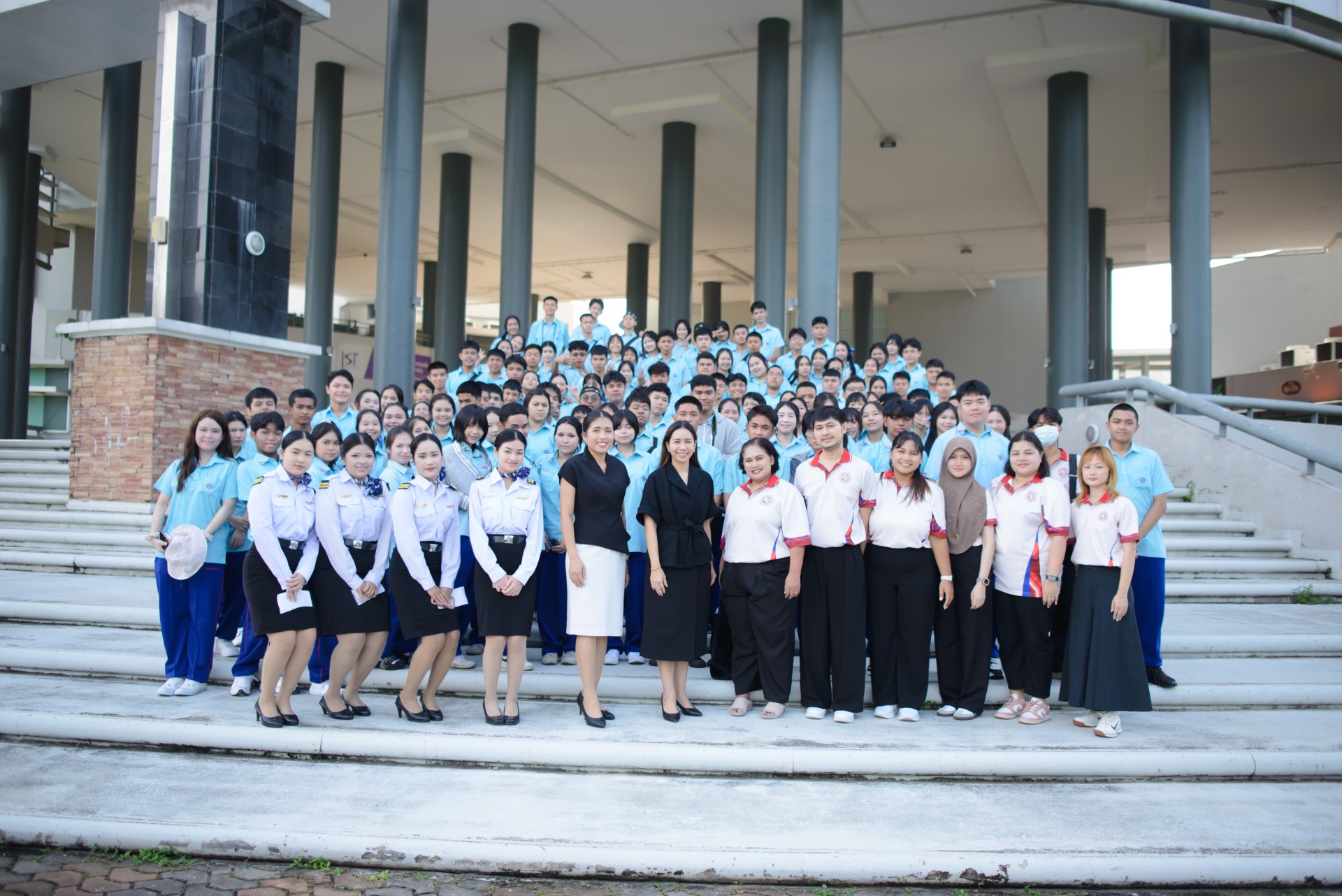
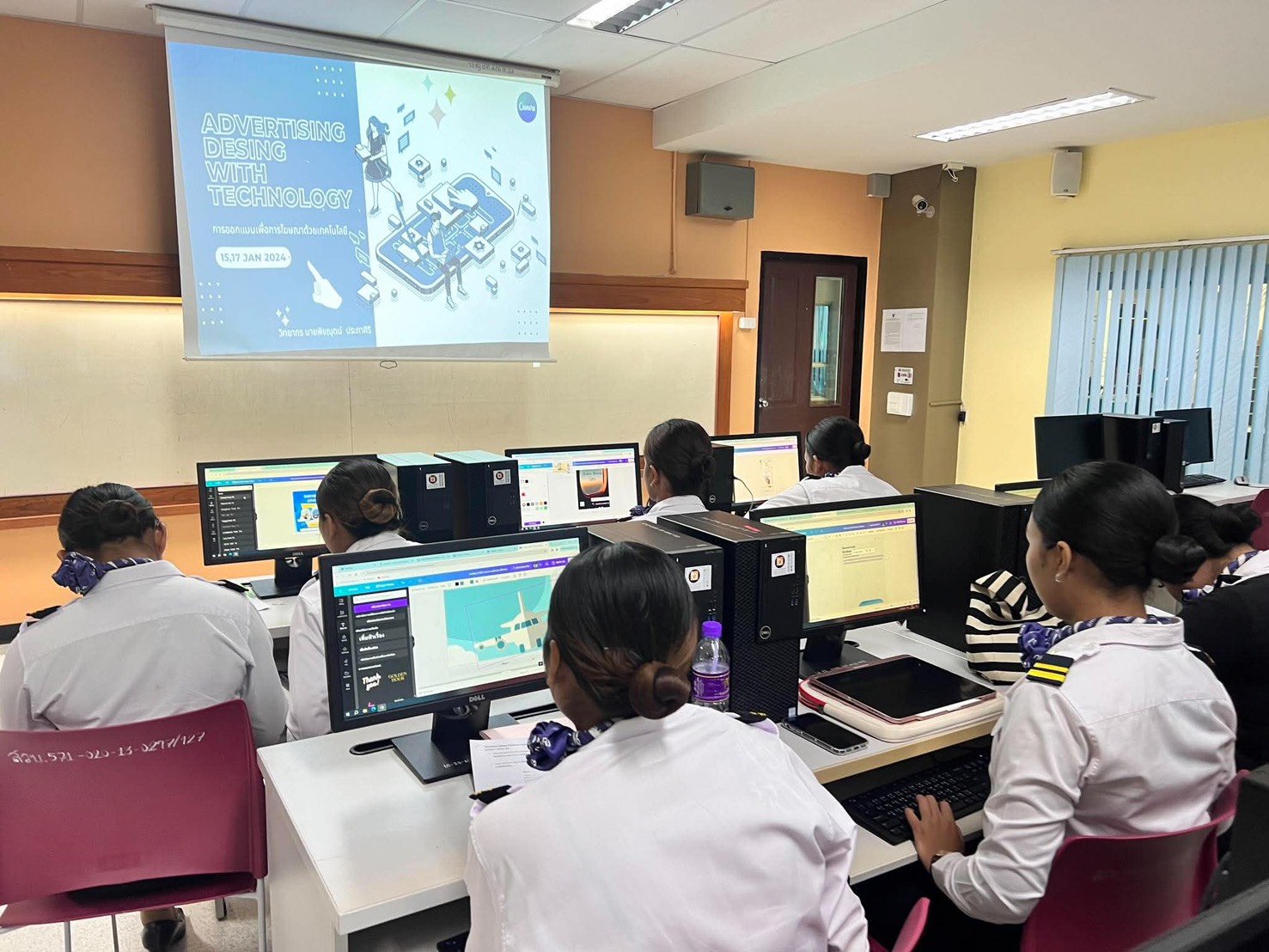
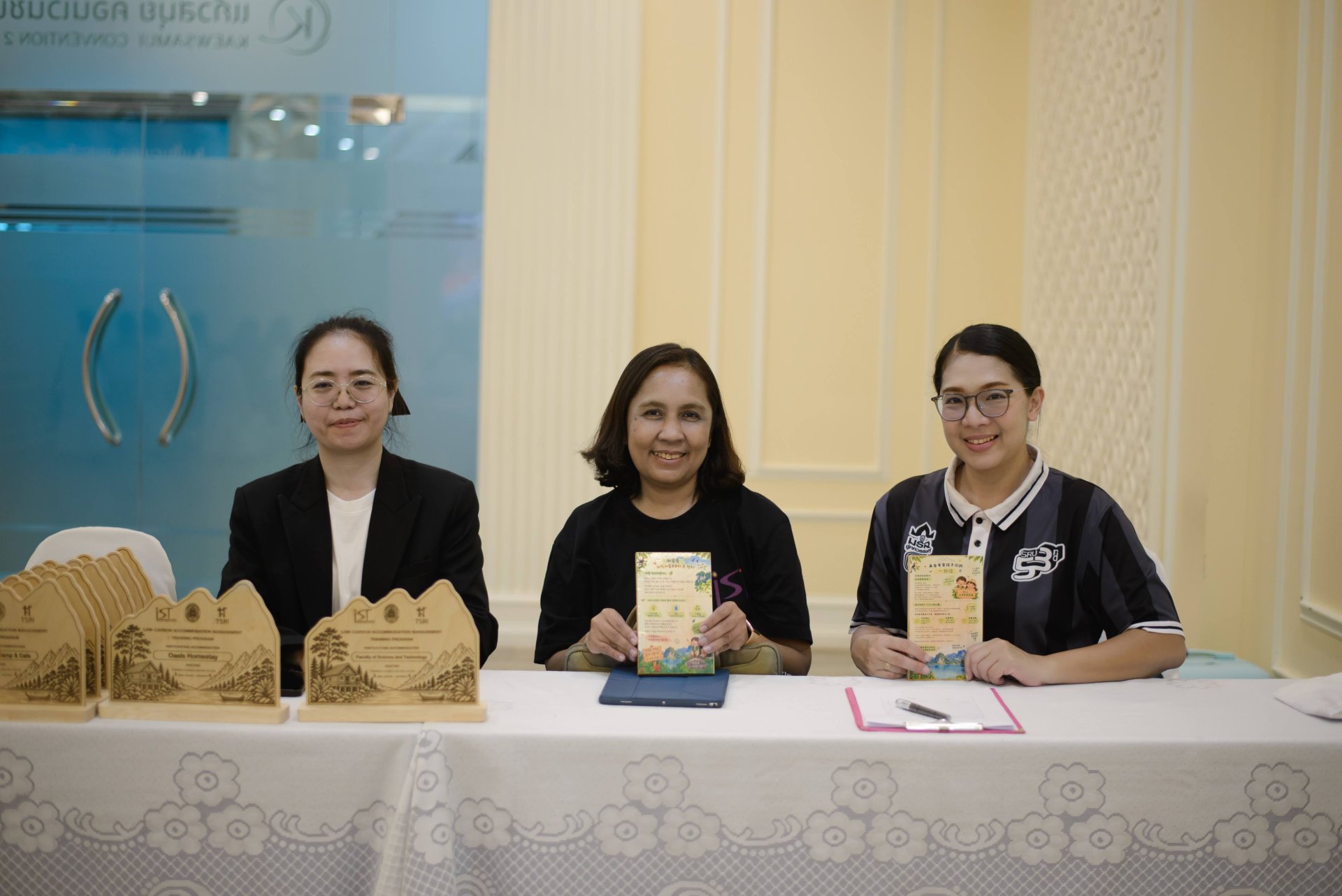
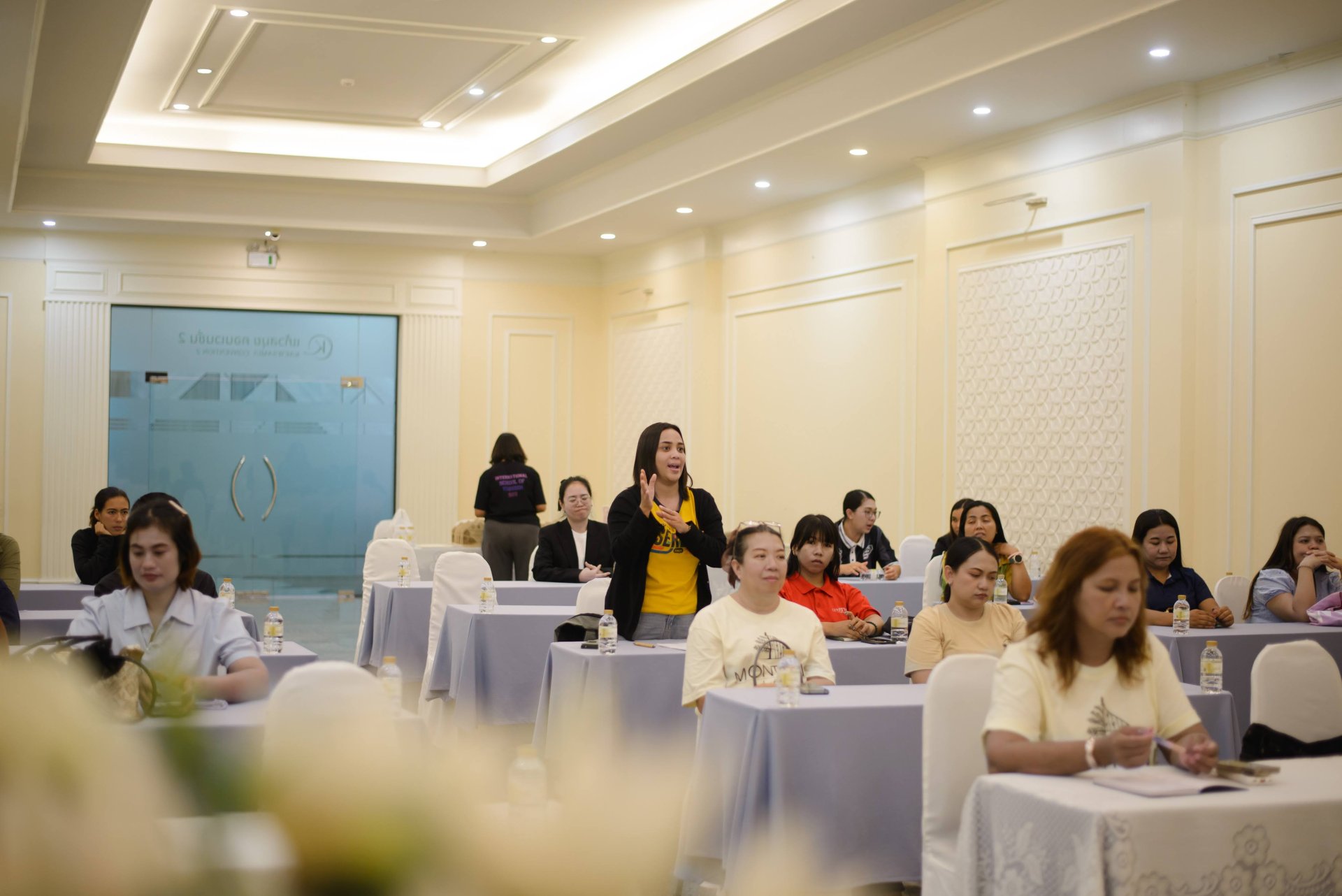
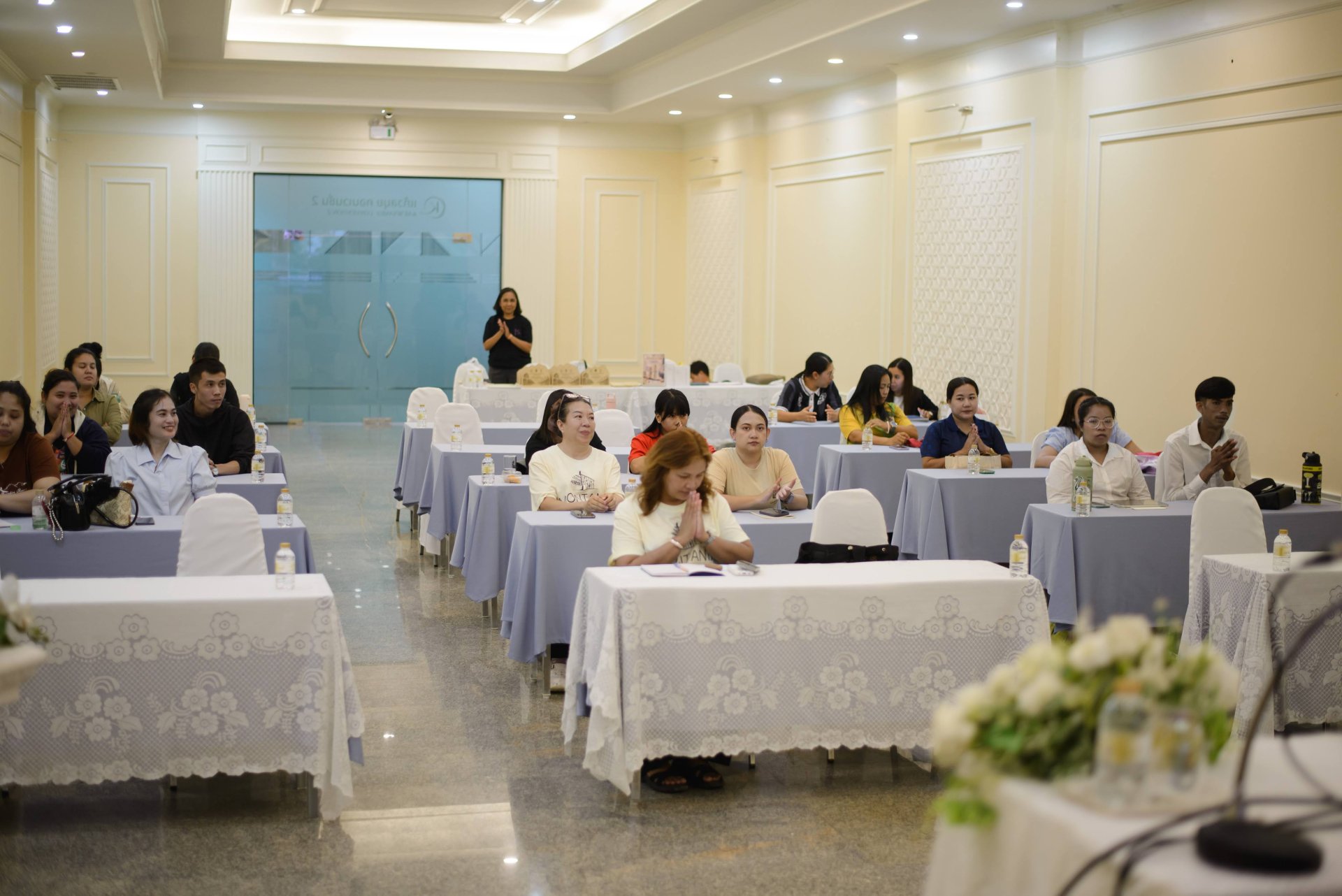
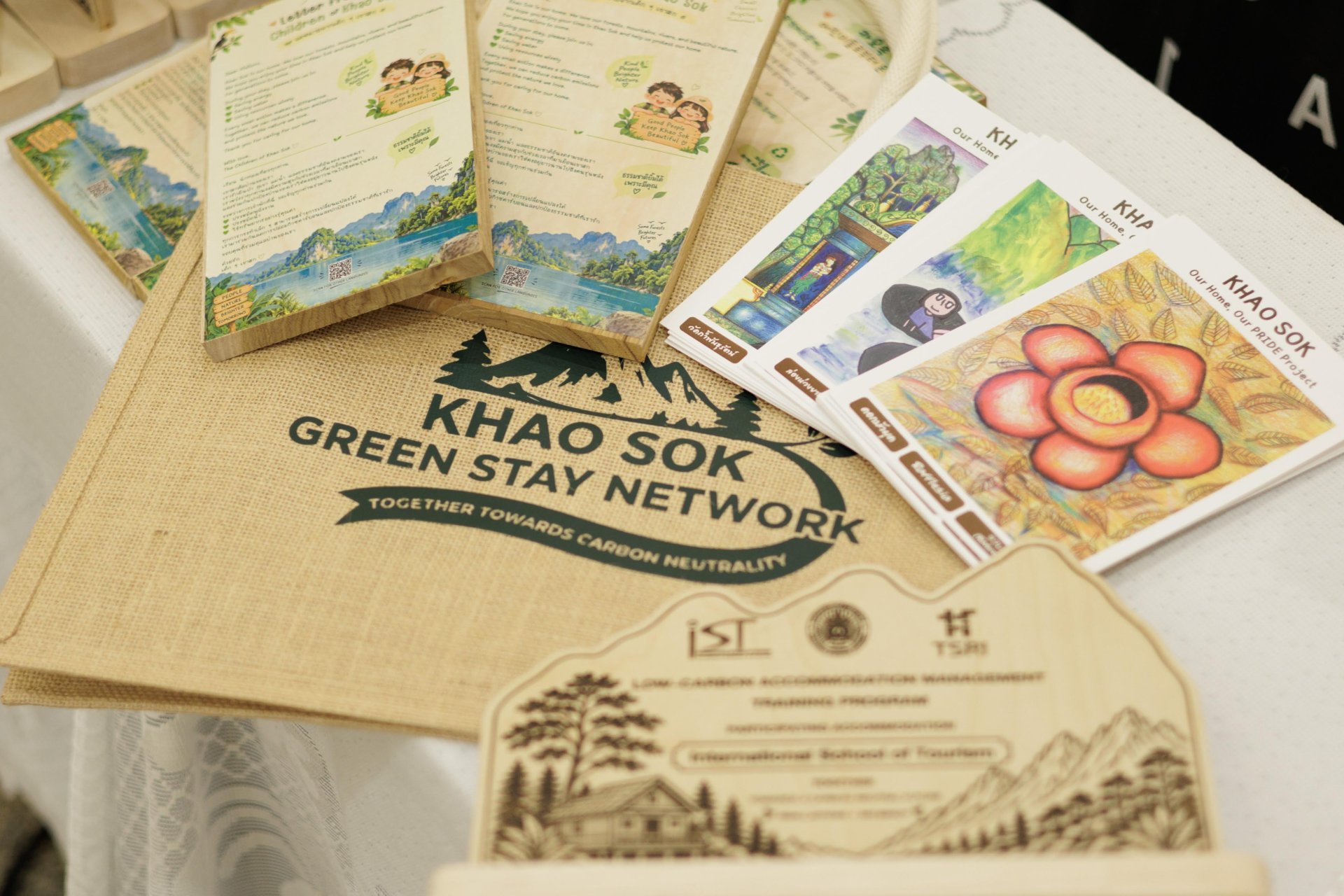
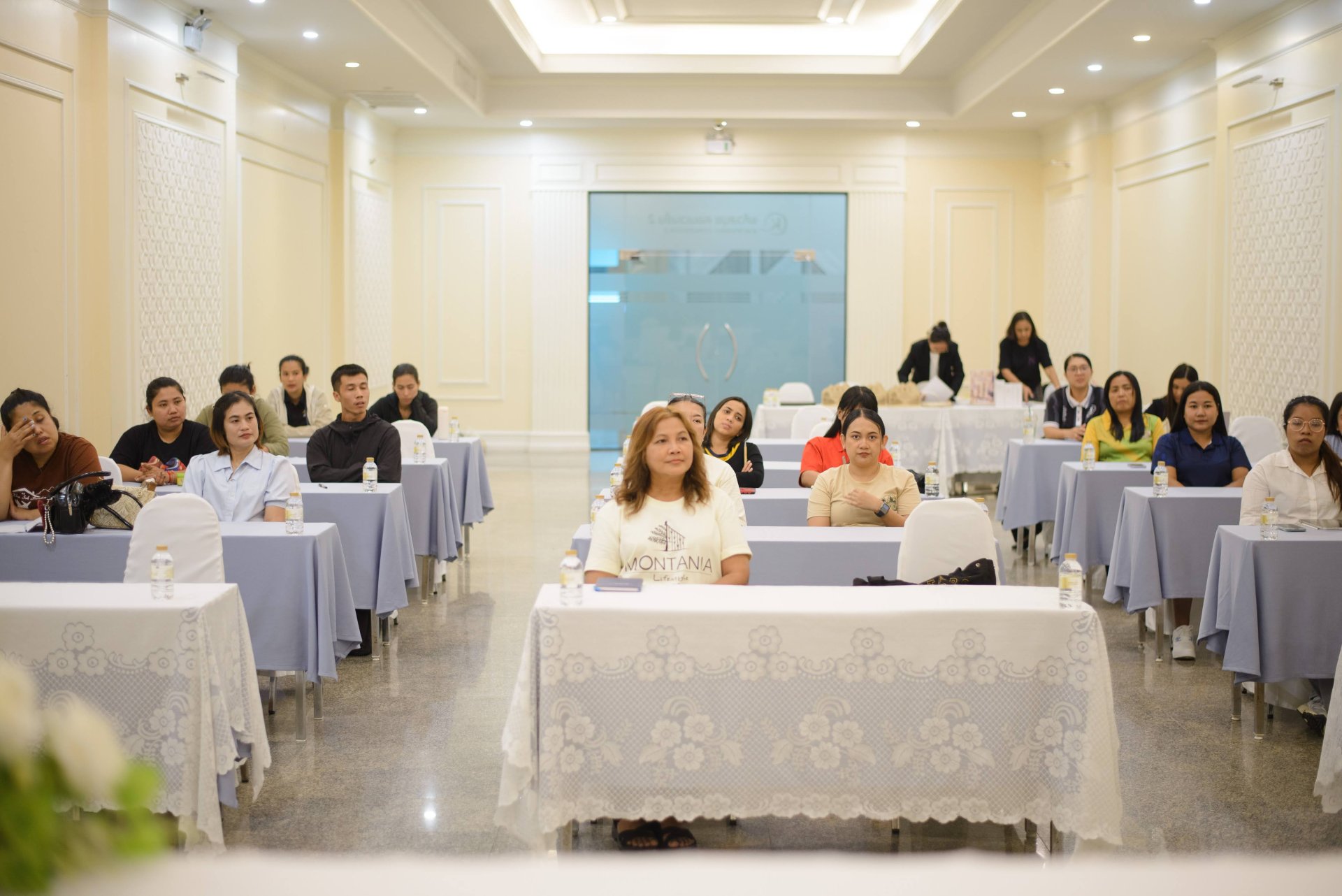
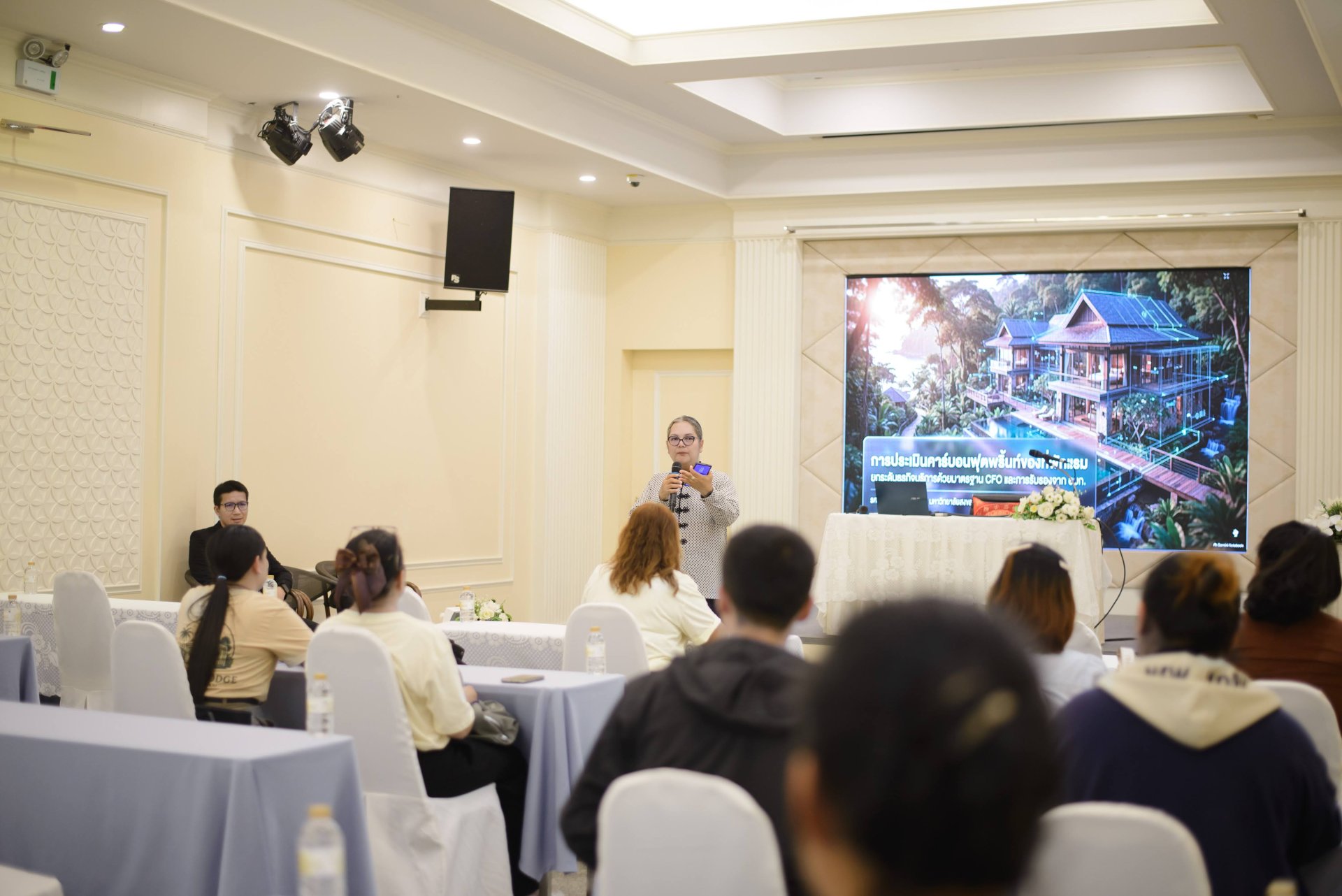
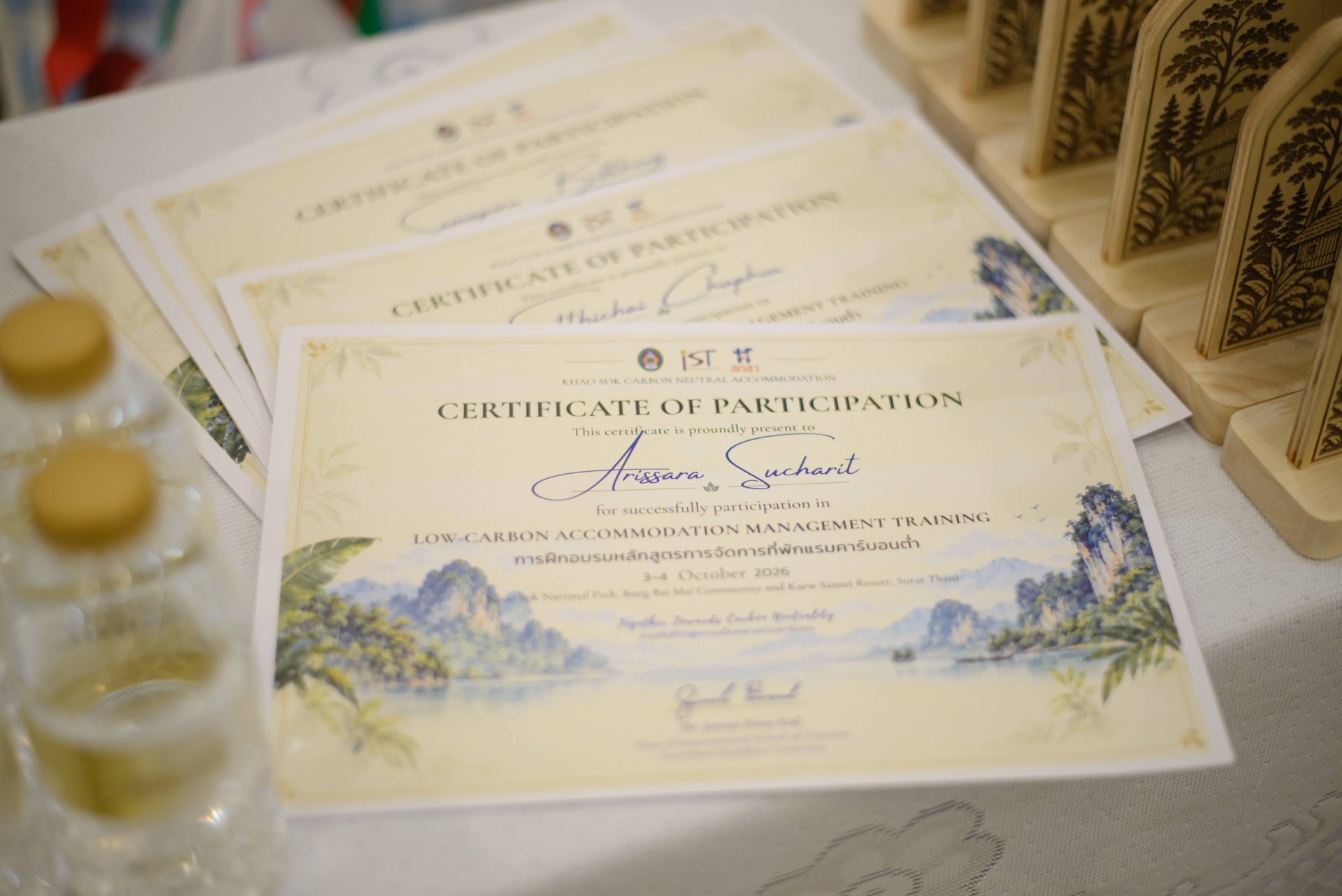
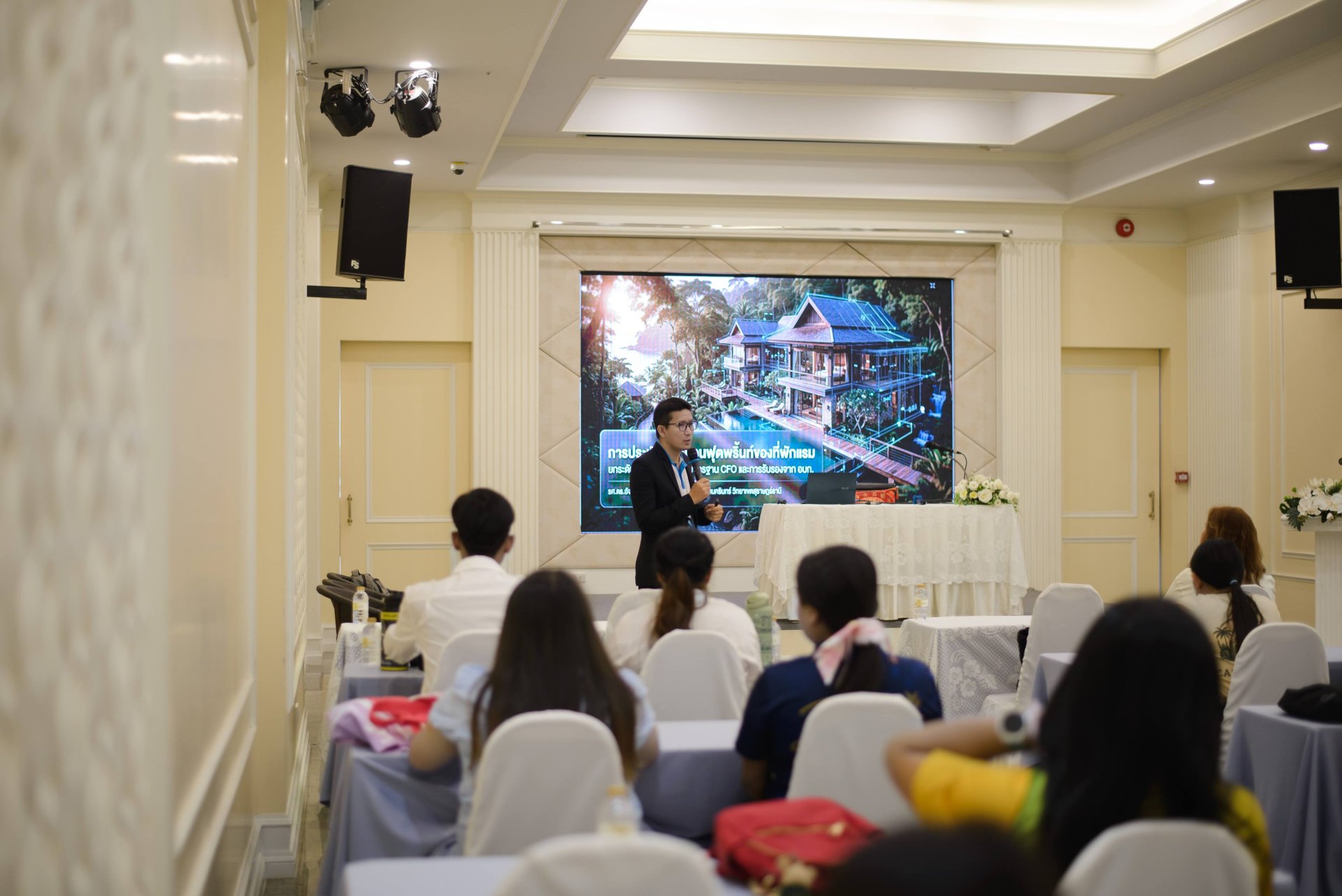
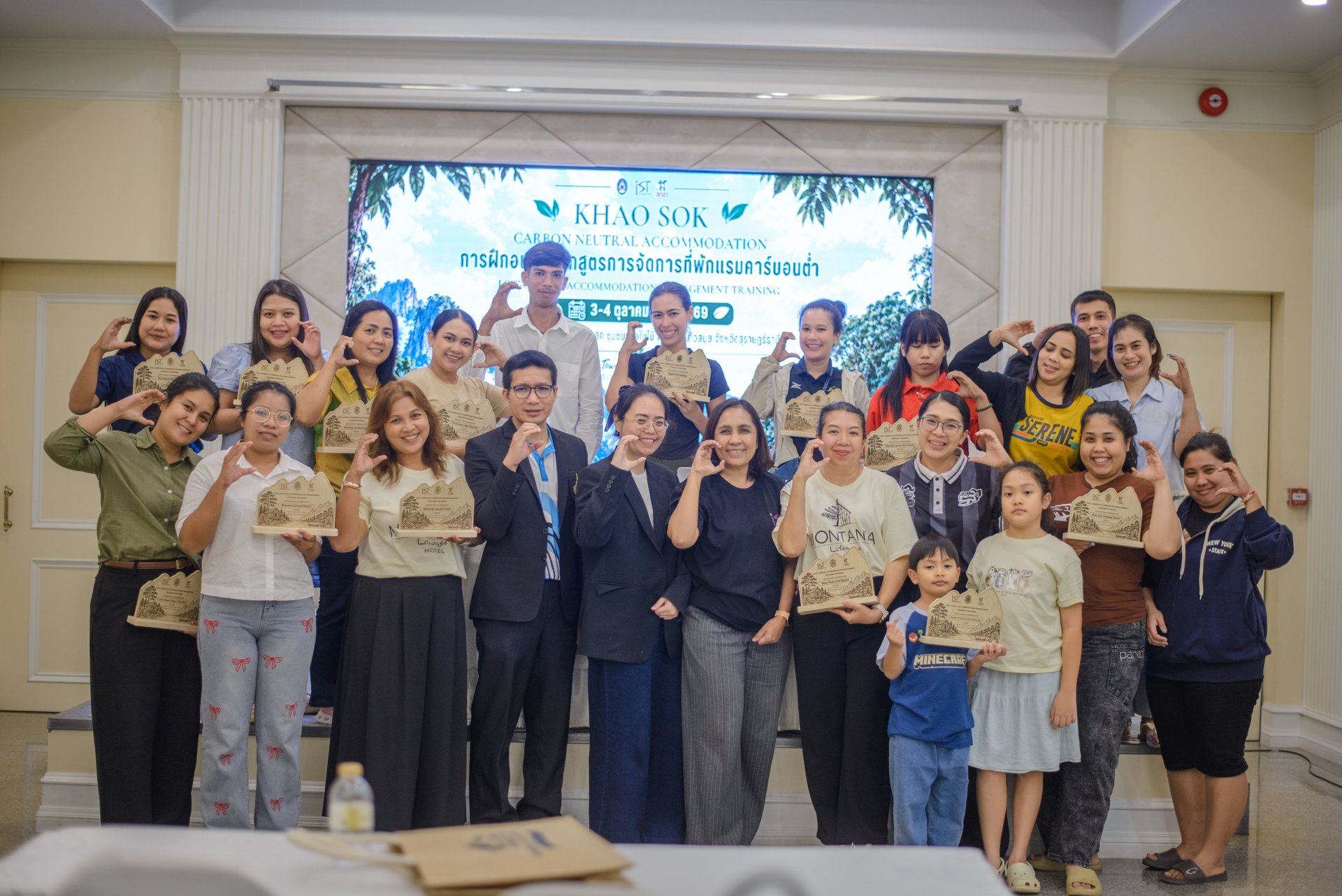
The International School of Tourism, in collaboration with the Faculty of Science and Technology, Suratthani Rajabhat University, organized a training program on Low-Carbon Accommodation Management .
The training was conducted under the research project entitled "Enhancing Participatory Accommodation Business Management to Promote Carbon Neutrality in Khao Sok, Surat Thani Province."
The initiative aims to equip accommodation operators in Khao Sok and surrounding areas with knowledge and practical approaches to identifying greenhouse gas emission sources, improving environmental management, and developing appropriate carbon reduction strategies for their businesses.
Four Learning Modules: From Awareness to Action
The program combines essential concepts, analytical techniques, and practical planning through four key learning modules.
These modules enable participants to connect theoretical knowledge with operational challenges and prepare practical action plans for their own accommodation establishments.
Learning from Communities, Hospitality Professionals, and Carbon Experts
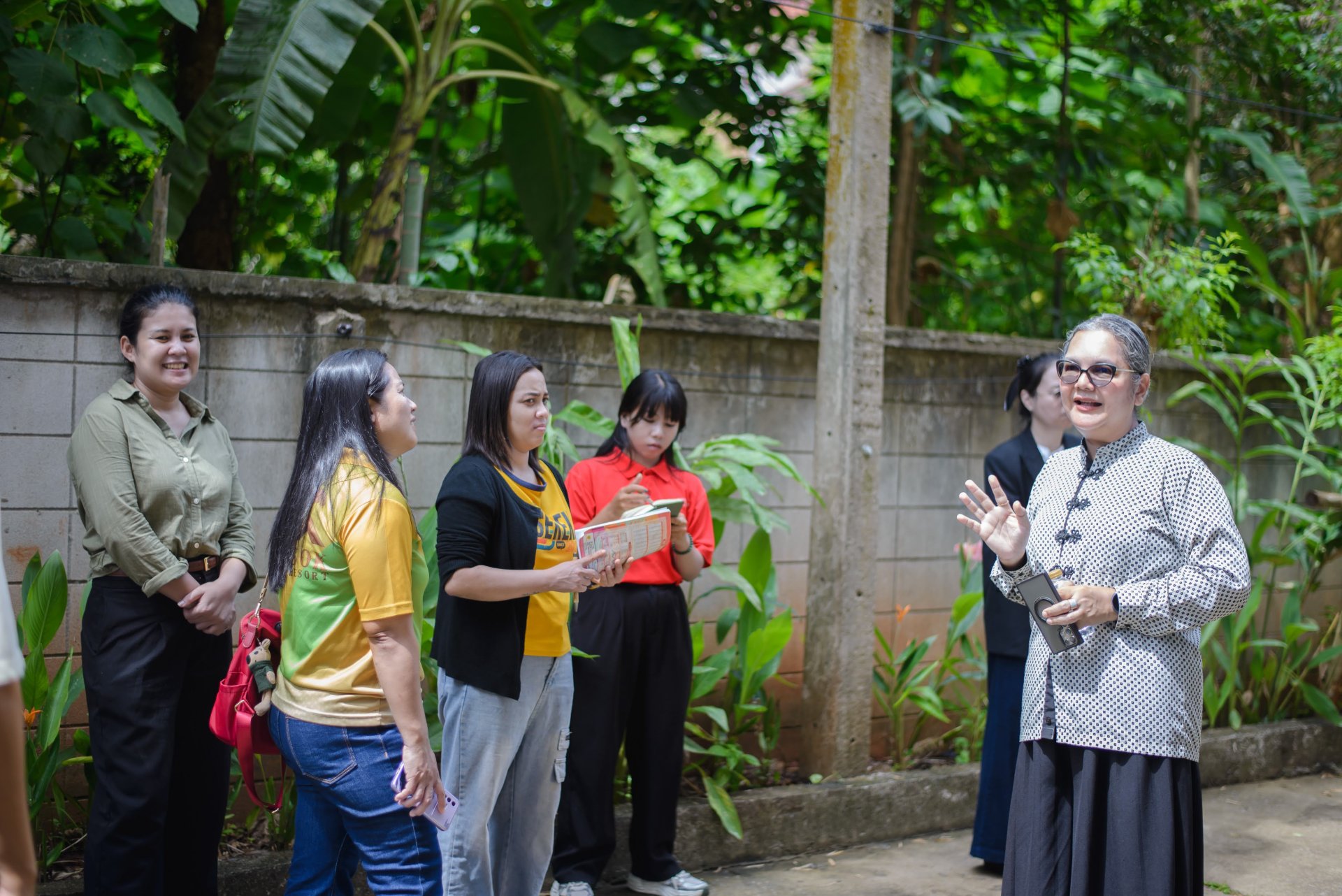
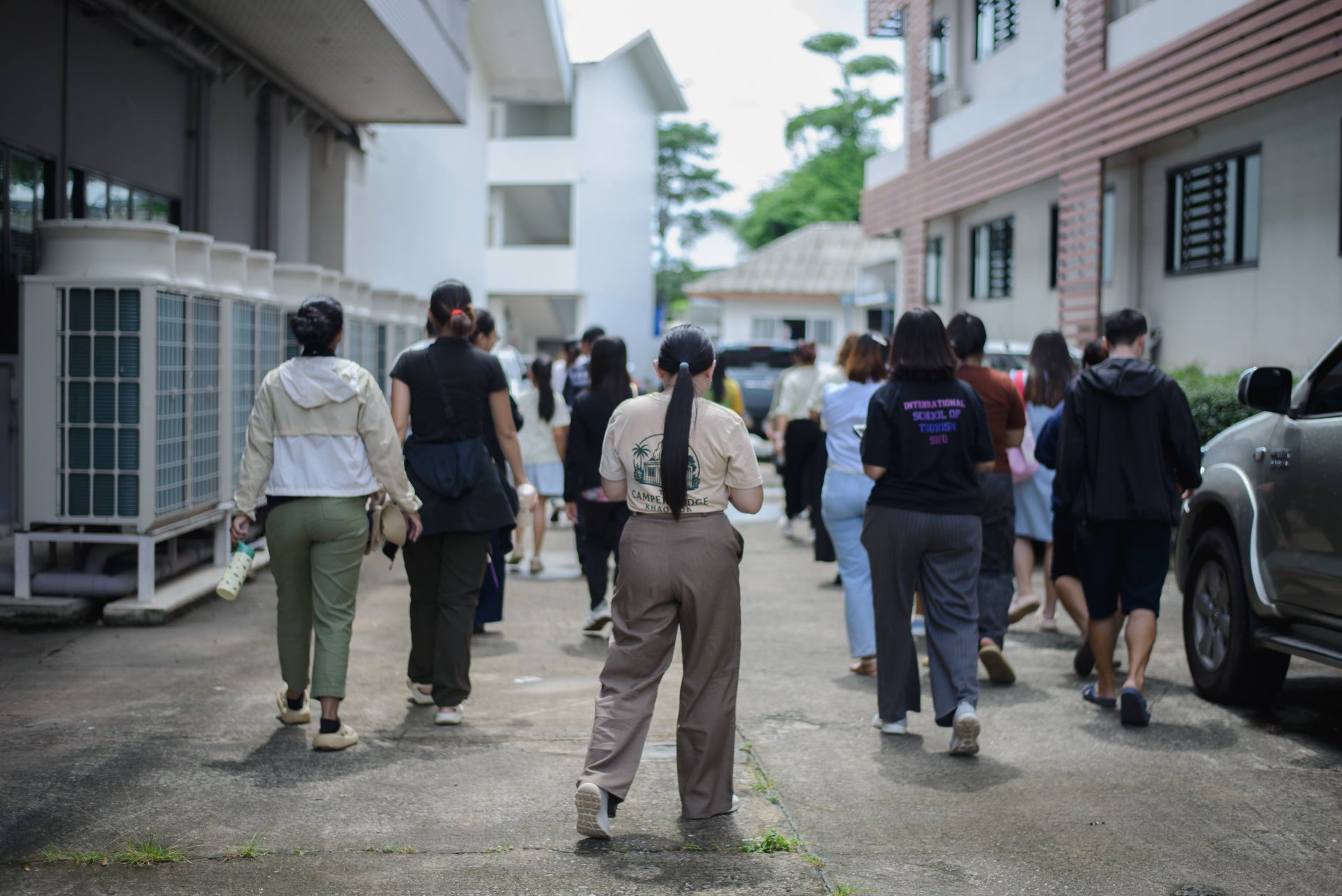
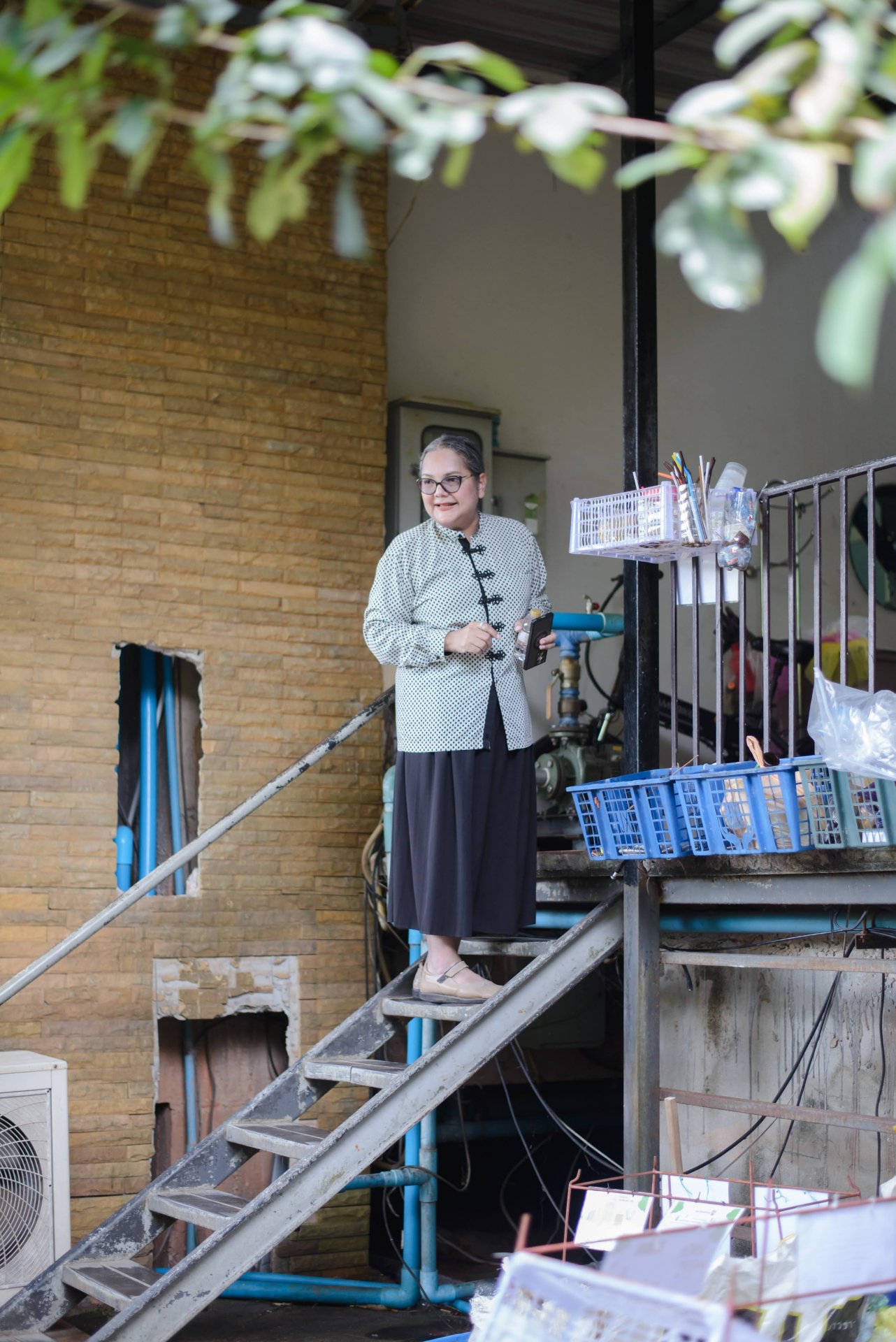
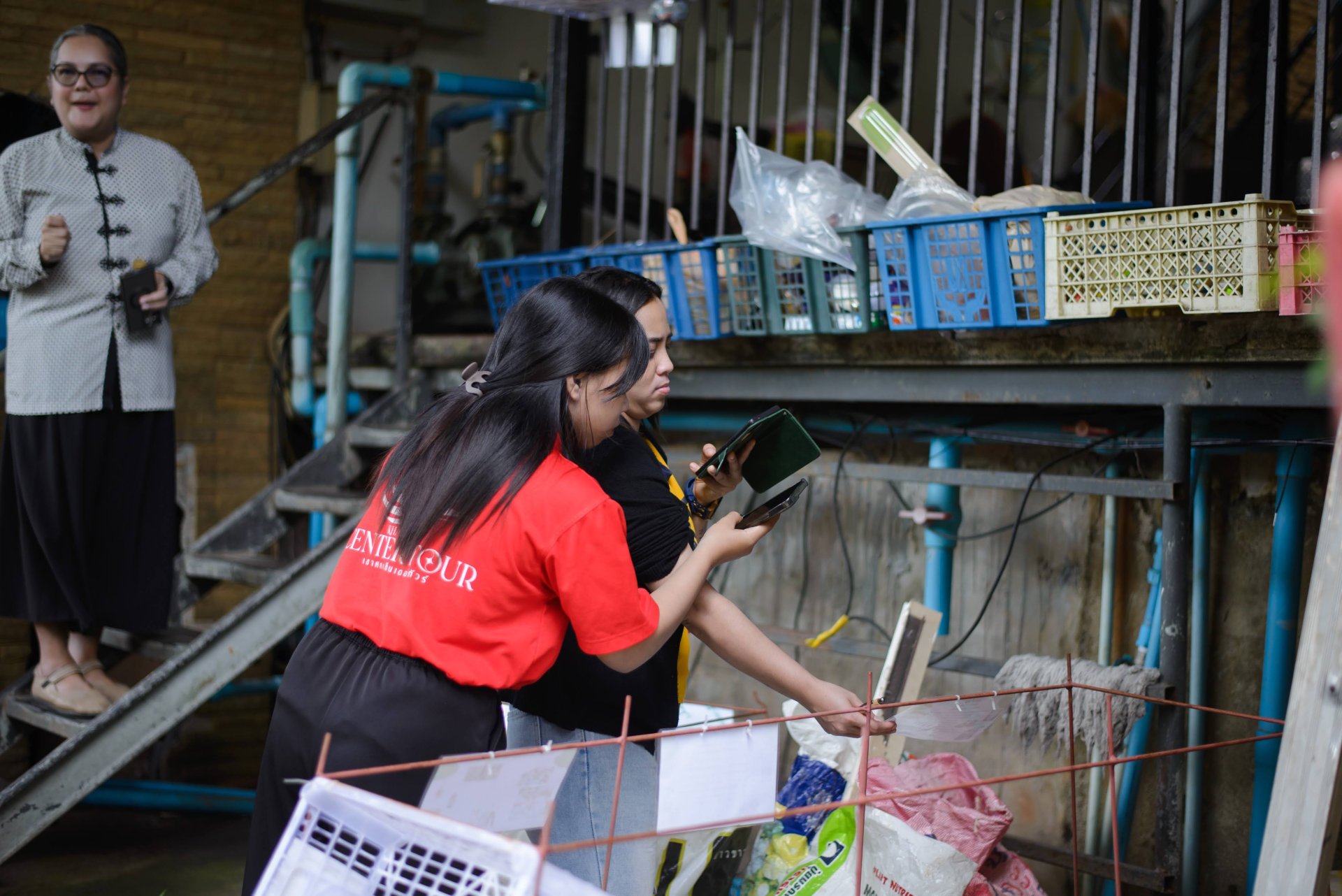
Beyond classroom learning and practical workshops, participants joined field study activities at Bang Bai Mai Pracharat Floating Market , where they received insights and guidance from Jaranya Srirak on tourism activities in a local community setting.
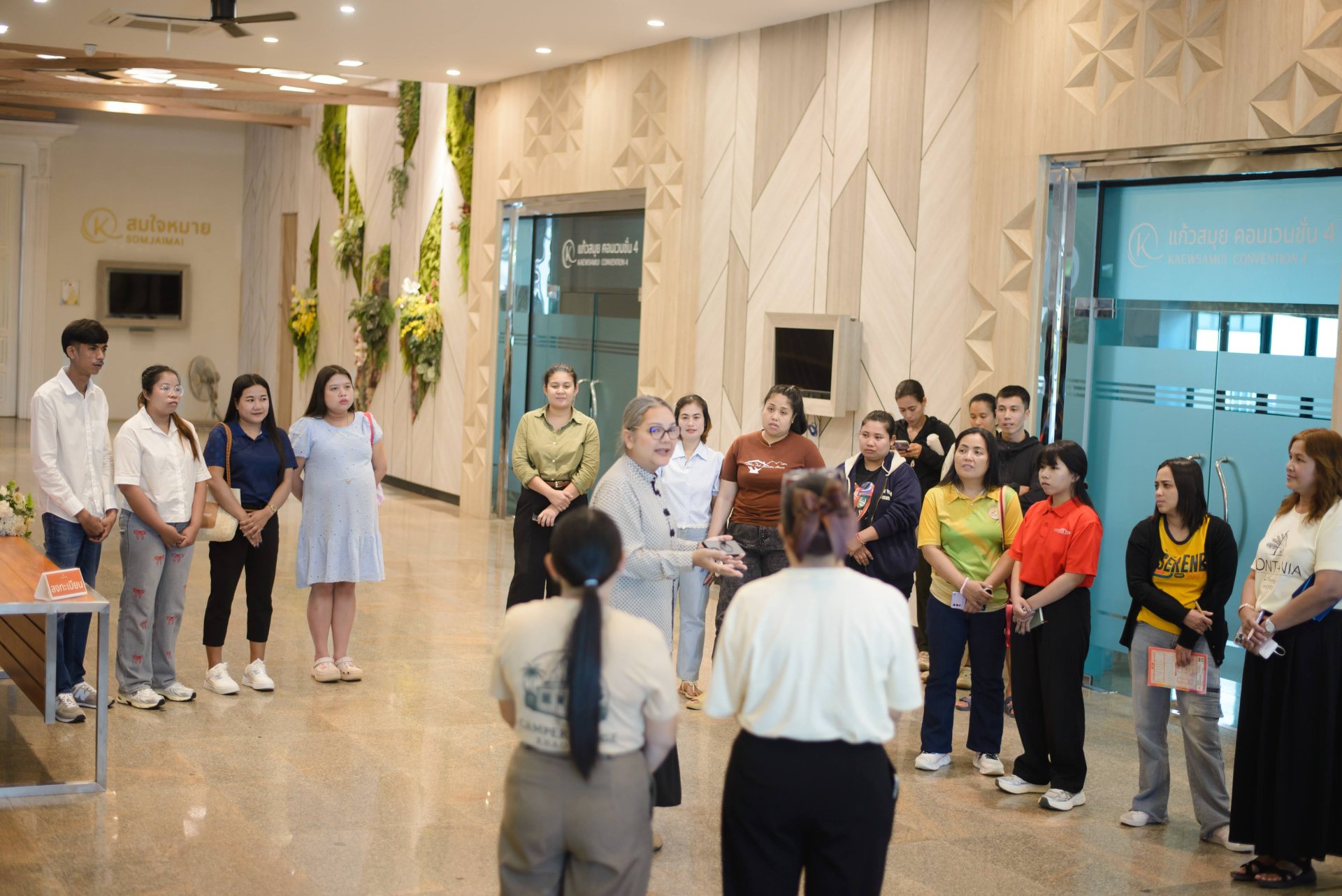
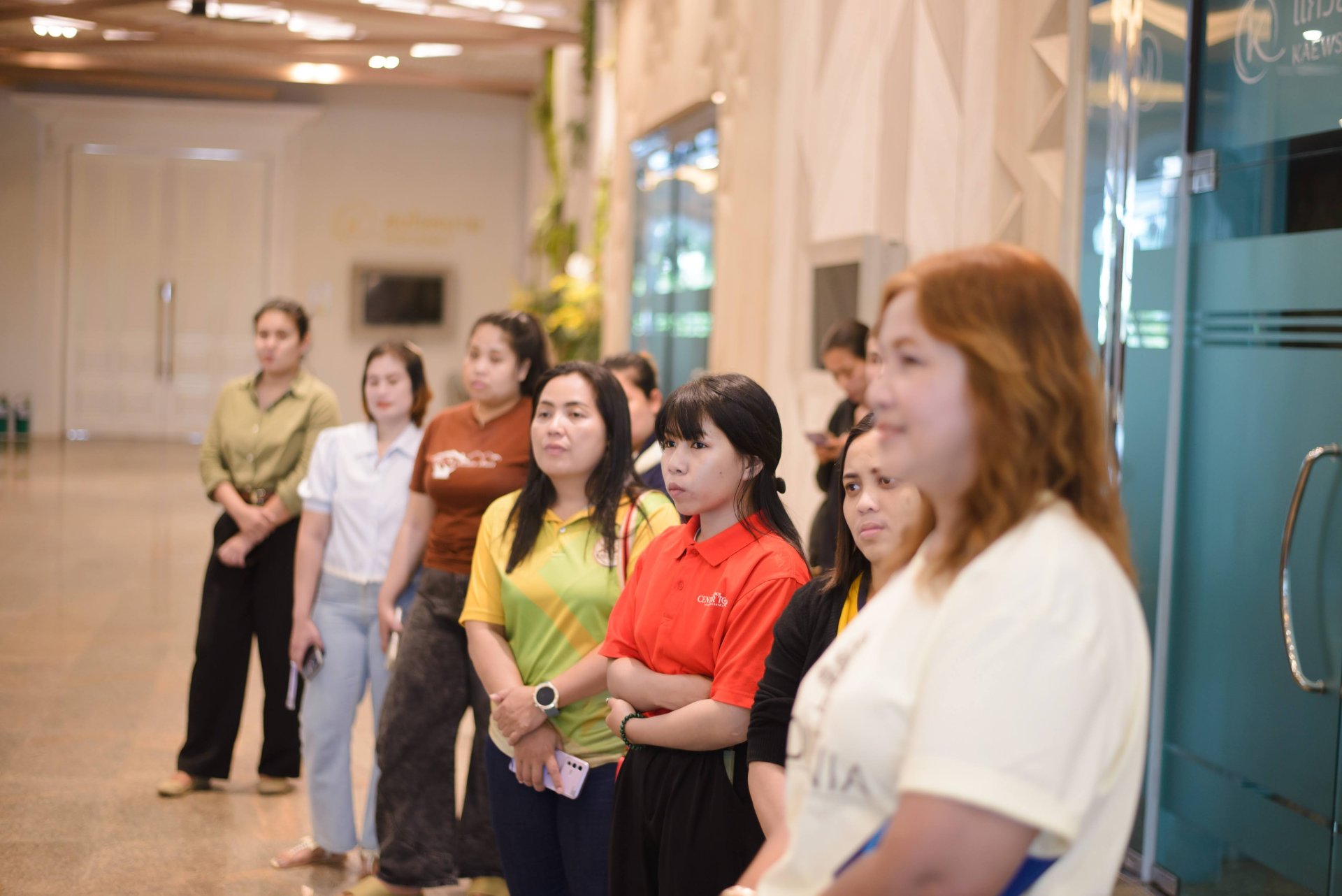
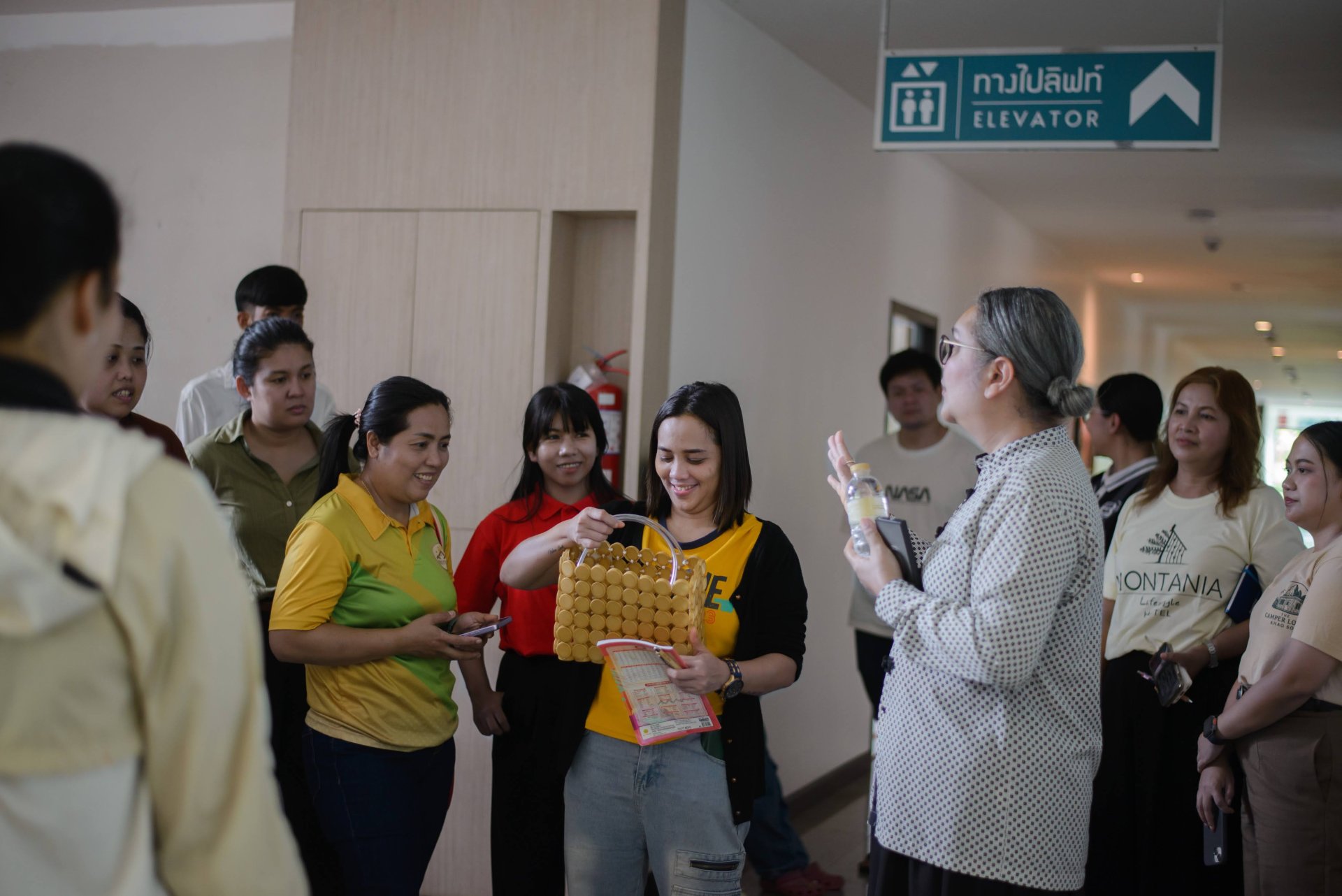
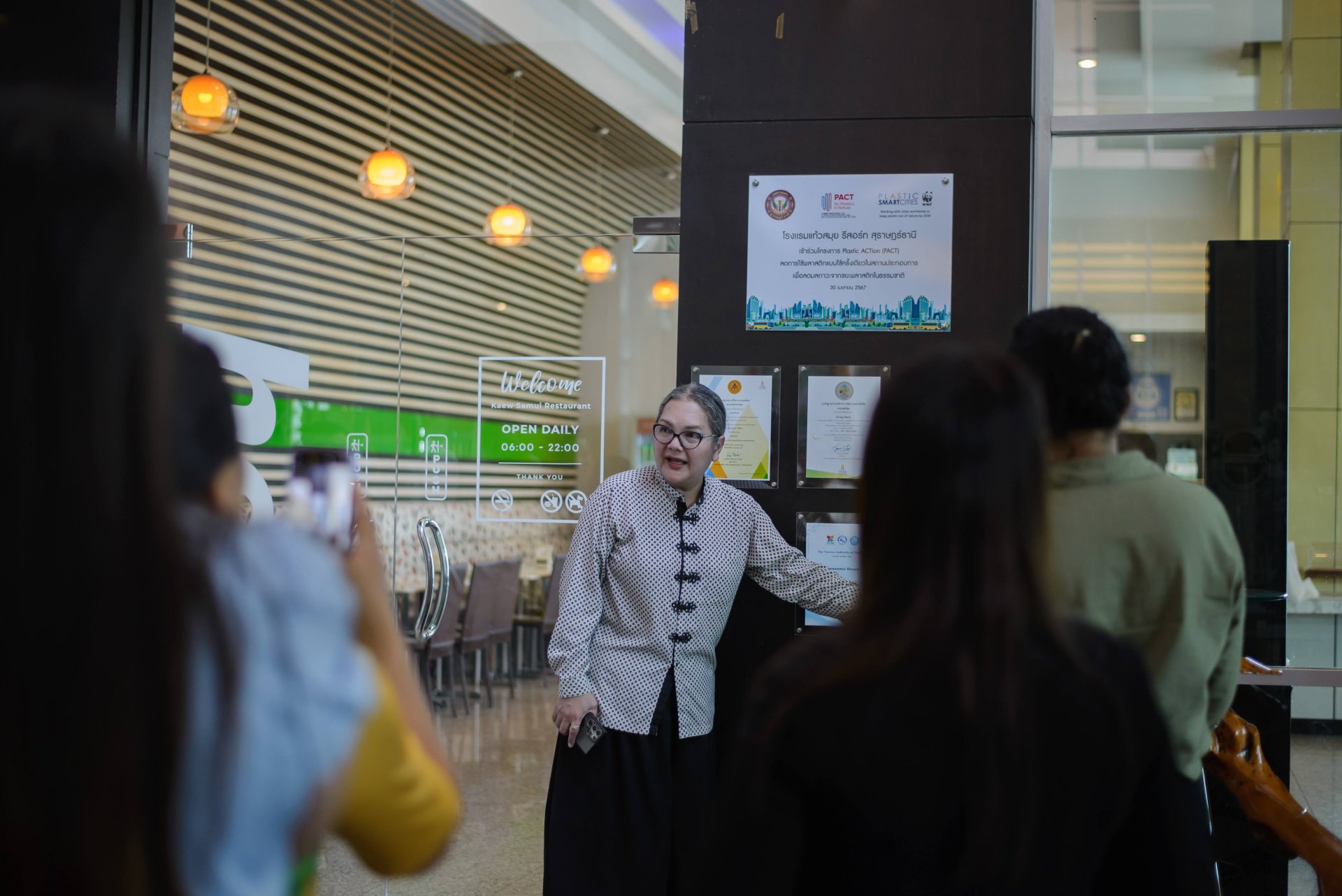
Participants also visited Kaew Samui Hotel, Surat Thani , where Phumjit Jinyakan, General Manager of Kaew Samui Hotel, shared professional experience and perspectives on accommodation business operations.
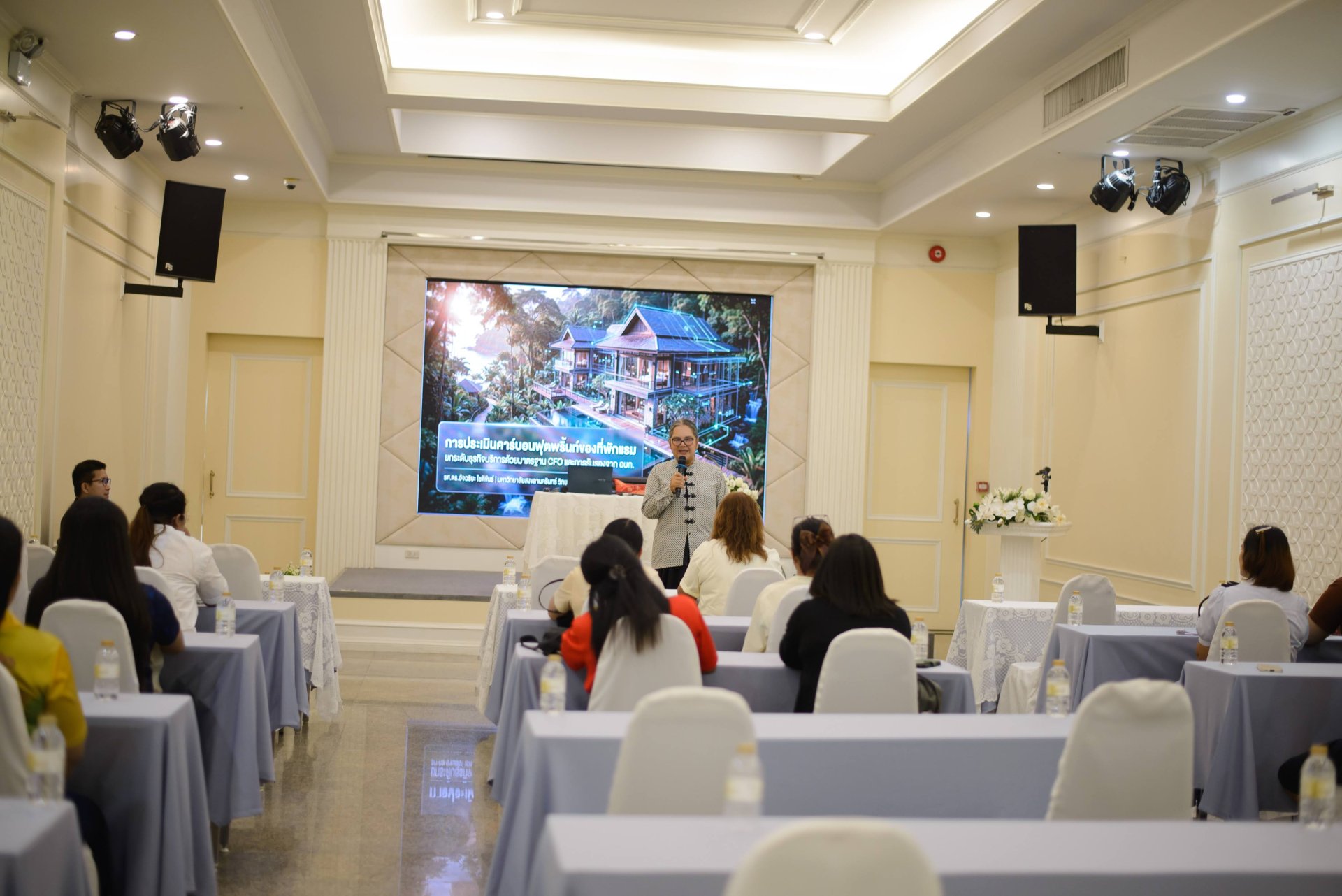
Additional expertise was provided by Associate Professor Dr. Atchariya Chotikhan , a registered carbon footprint assessment trainer with the Thailand Greenhouse Gas Management Organization (Public Organization). The session enhanced participants' understanding of greenhouse gas assessment and carbon management in business operations.
Building Partnerships for a Low-Carbon Tourism Future
The program reflects Suratthani Rajabhat University's commitment to integrating tourism, science, and environmental knowledge to support local business development. By combining theory, hands-on activities, and field-based learning, the initiative encourages accommodation operators to explore practical ways to reduce their environmental impacts.
The training also promotes collaboration among academic institutions, hospitality operators, experts, and local stakeholders. These partnerships can support more responsible accommodation management and strengthen the long-term sustainability of the regional tourism sector.
Through this initiative, IST aims to support the transition toward low-carbon accommodation practices and contribute to the long-term goal of carbon neutrality in Khao Sok, Surat Thani Province.
SDG Report & Relevant Goals
This initiative contributes to the following United Nations Sustainable Development Goals (SDGs).
| SDG Goal | Target Description | Connection to Project |
|---|---|---|
|
Goal 13: Climate Action | Strengthens knowledge of greenhouse gas emission sources, carbon reduction measures, and carbon action planning to support climate action. |
|
Goal 12: Responsible Consumption and Production | Promotes responsible accommodation operations and more efficient resource management to reduce environmental impacts. |
|
Goal 8: Decent Work and Economic Growth | Develops the capabilities of accommodation operators and supports more sustainable tourism business practices and local economic growth. |
|
Goal 4: Quality Education | Supports lifelong learning and professional skills development through workshops, expert knowledge sharing, and field-based education. |
|
Goal 17: Partnerships for the Goals | Encourages collaboration among academic institutions, experts, and accommodation operators to advance low-carbon tourism management. |