IST Takes Learning Across Borders: Preparing Students for International Tour Guiding on the Thailand–Malaysia Cultural and Economic Route
Turning classroom knowledge into professional experience through cultural, economic and tourism-based learning in Kuala Lumpur, Ipoh and Penang.
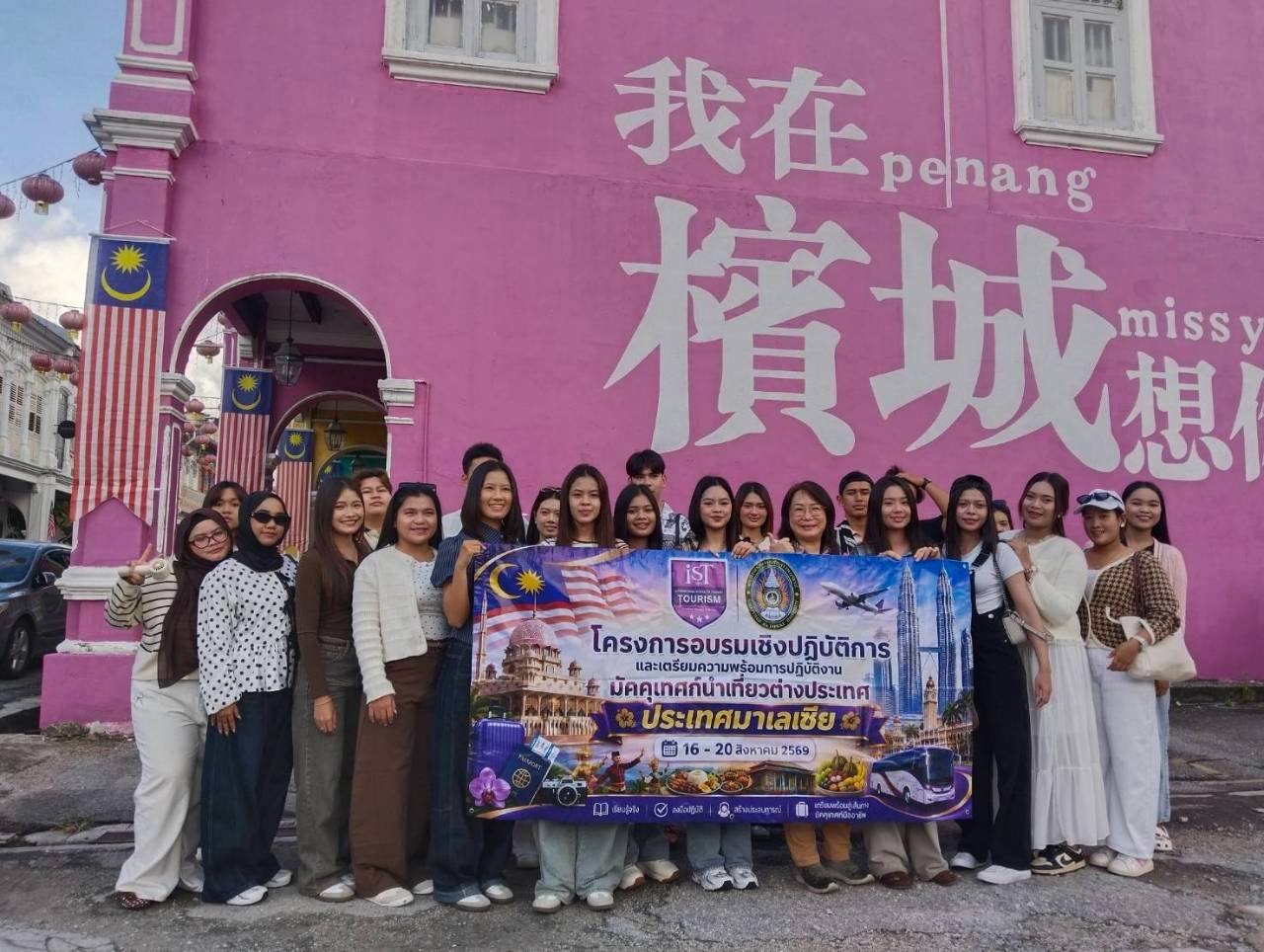
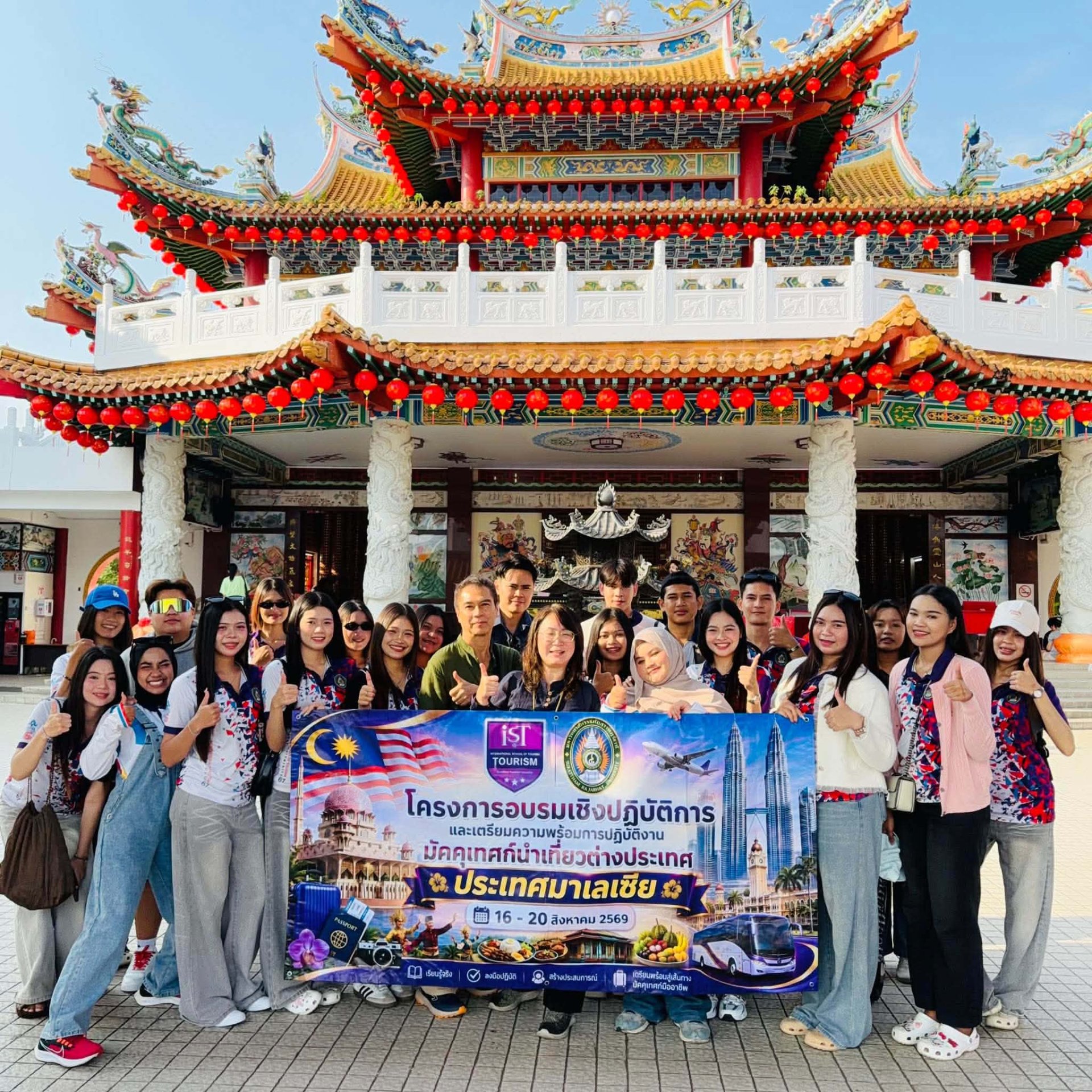
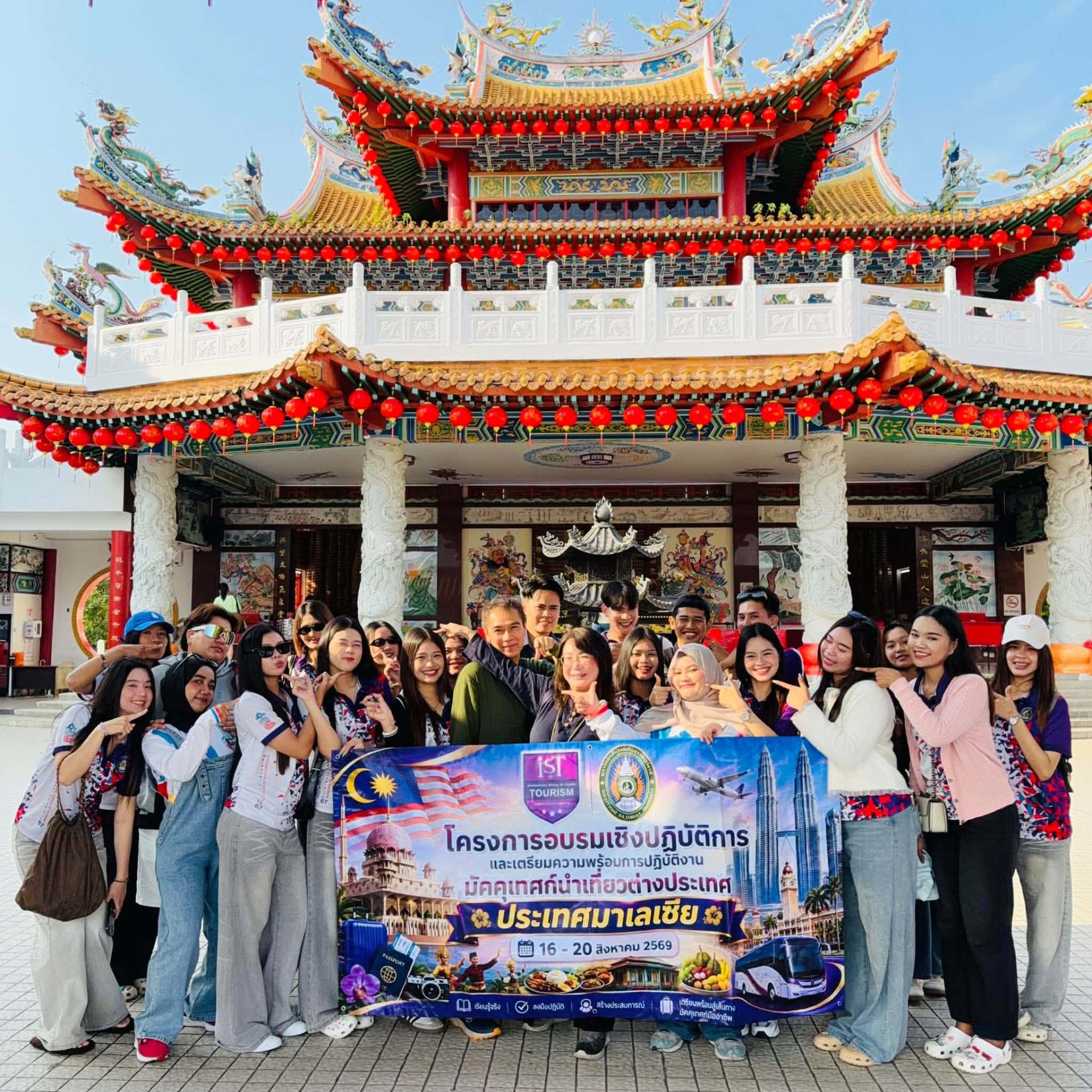
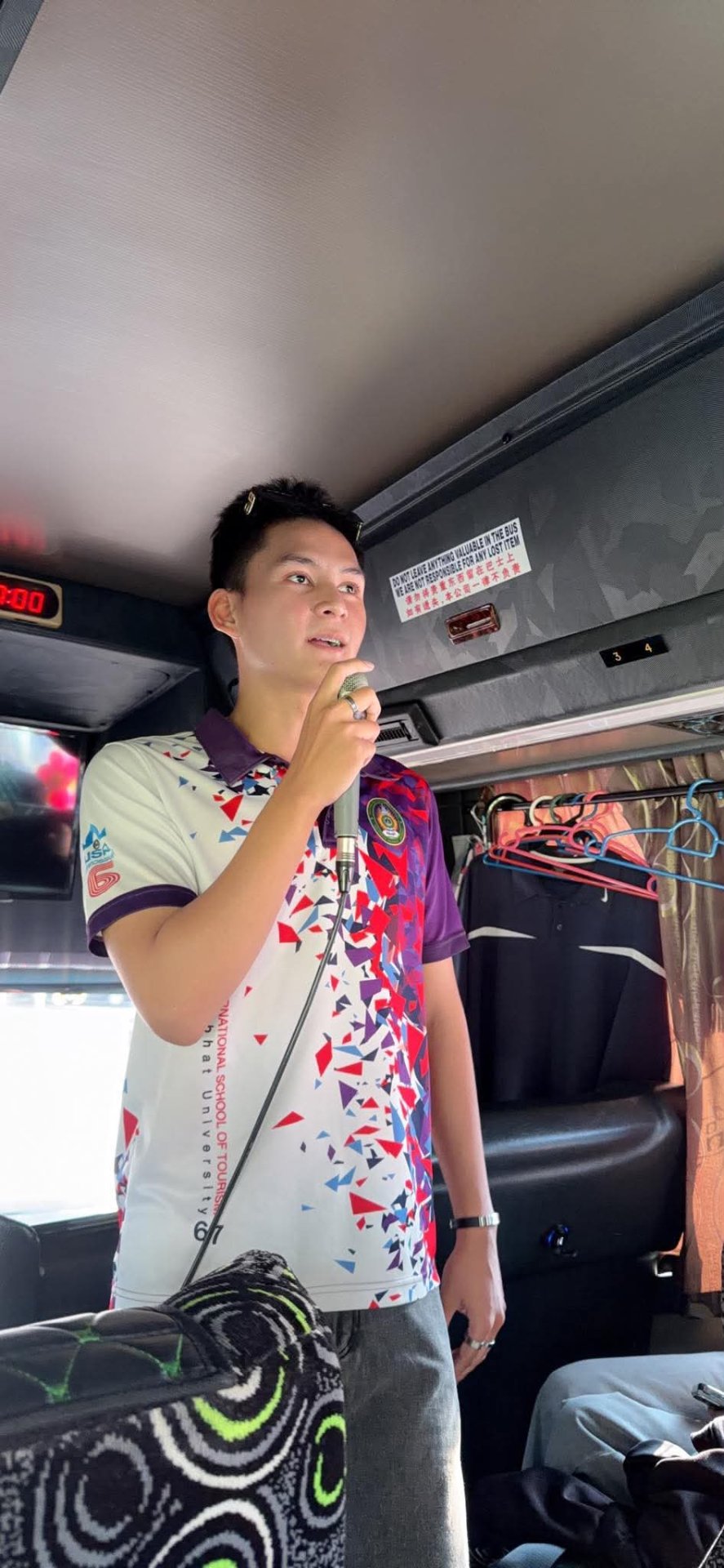
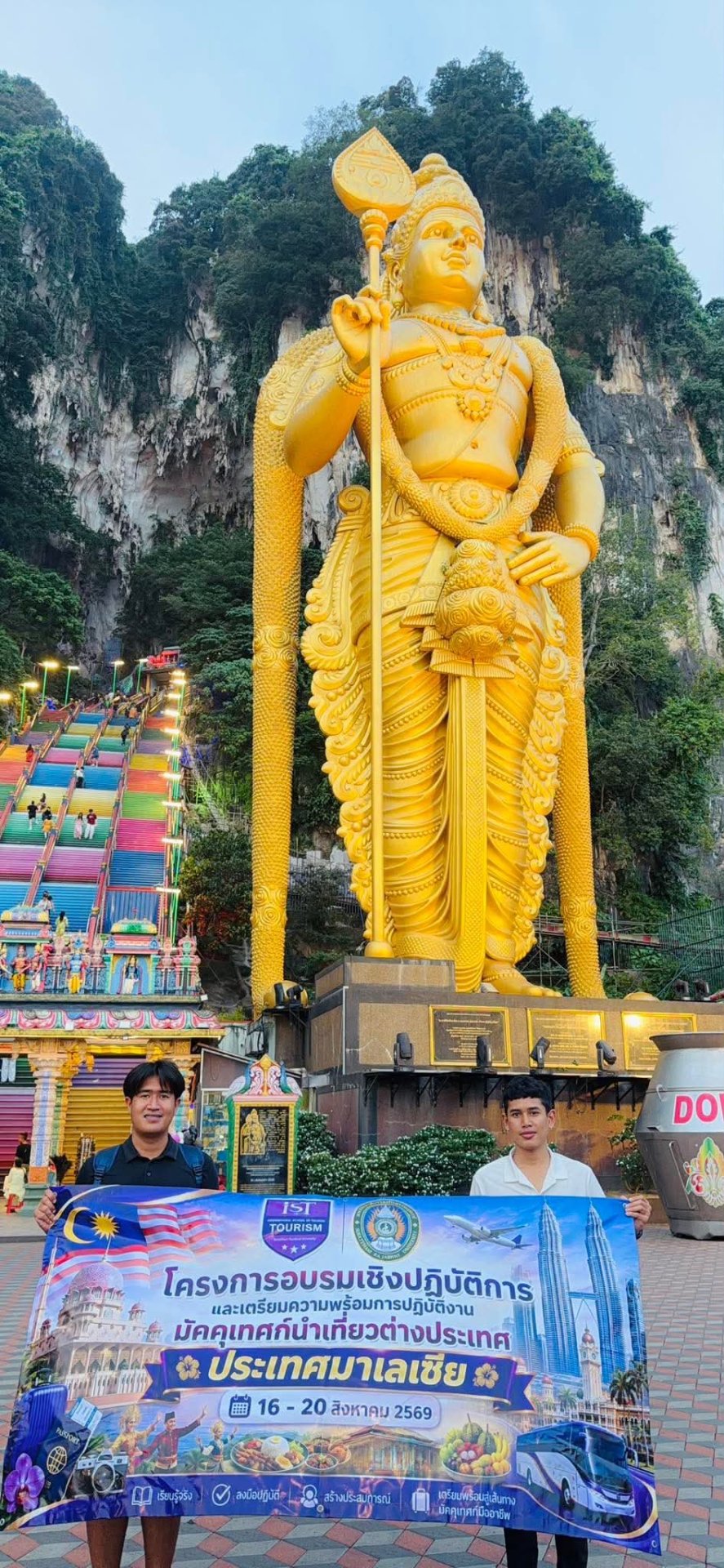
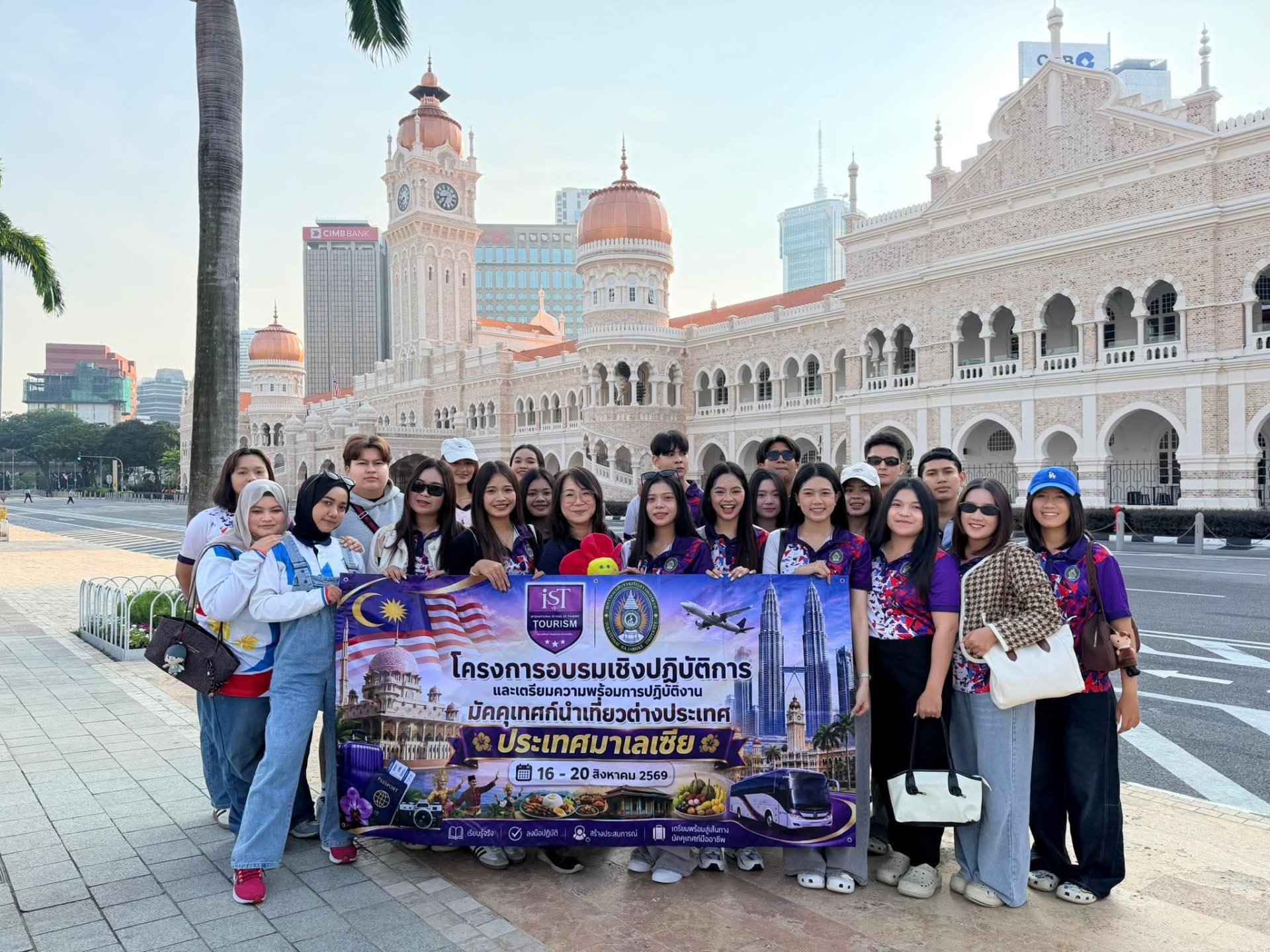
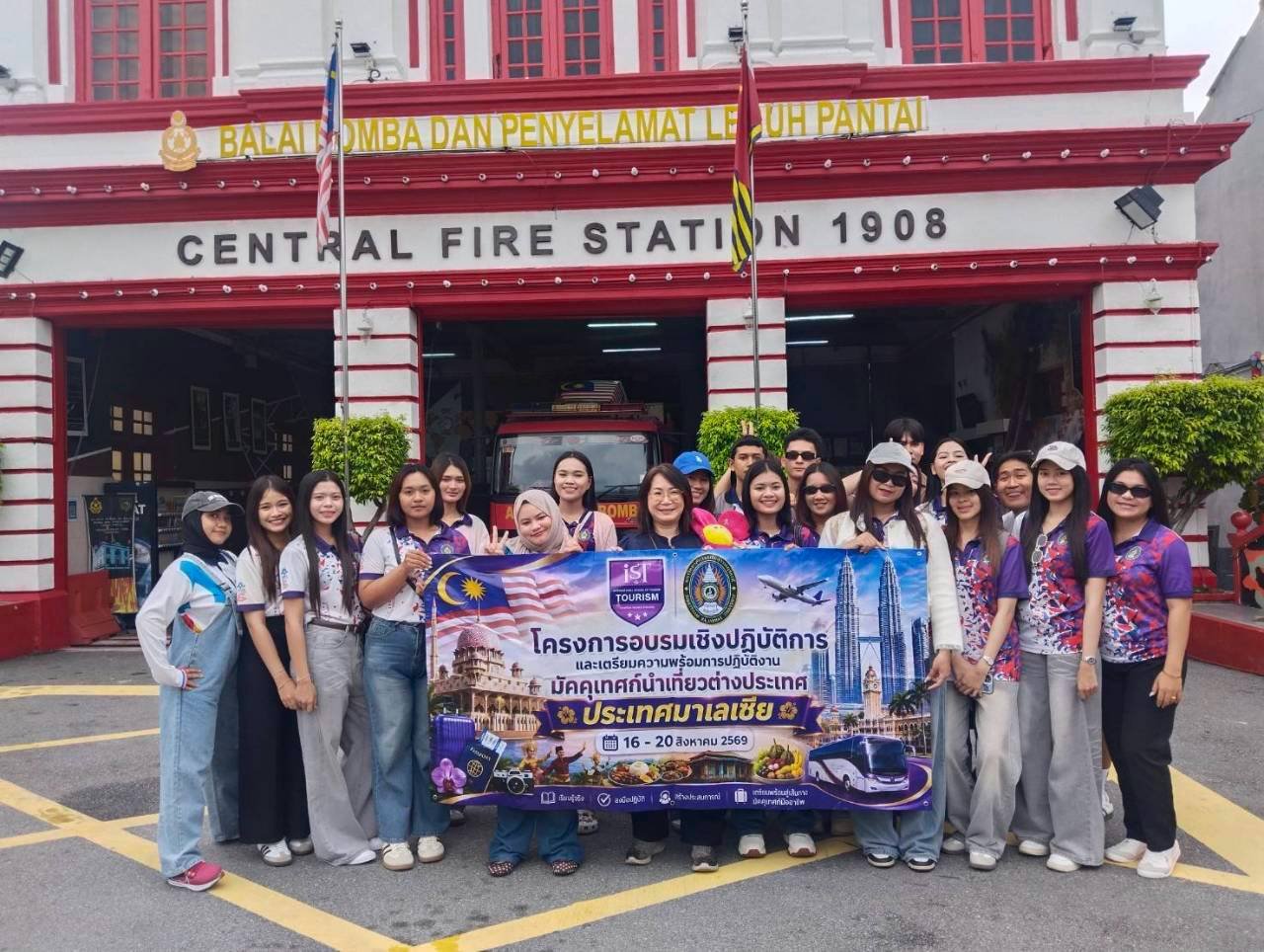
The International School of Tourism (IST), Suratthani Rajabhat University, organized a practical training and professional preparation project for international tour guiding along the cultural and economic route of Southern Thailand and Malaysia. The project provides students with field-based learning experiences while strengthening the competencies required for professional tour guiding in an international environment.
From the Classroom to a Real International Tourism Environment
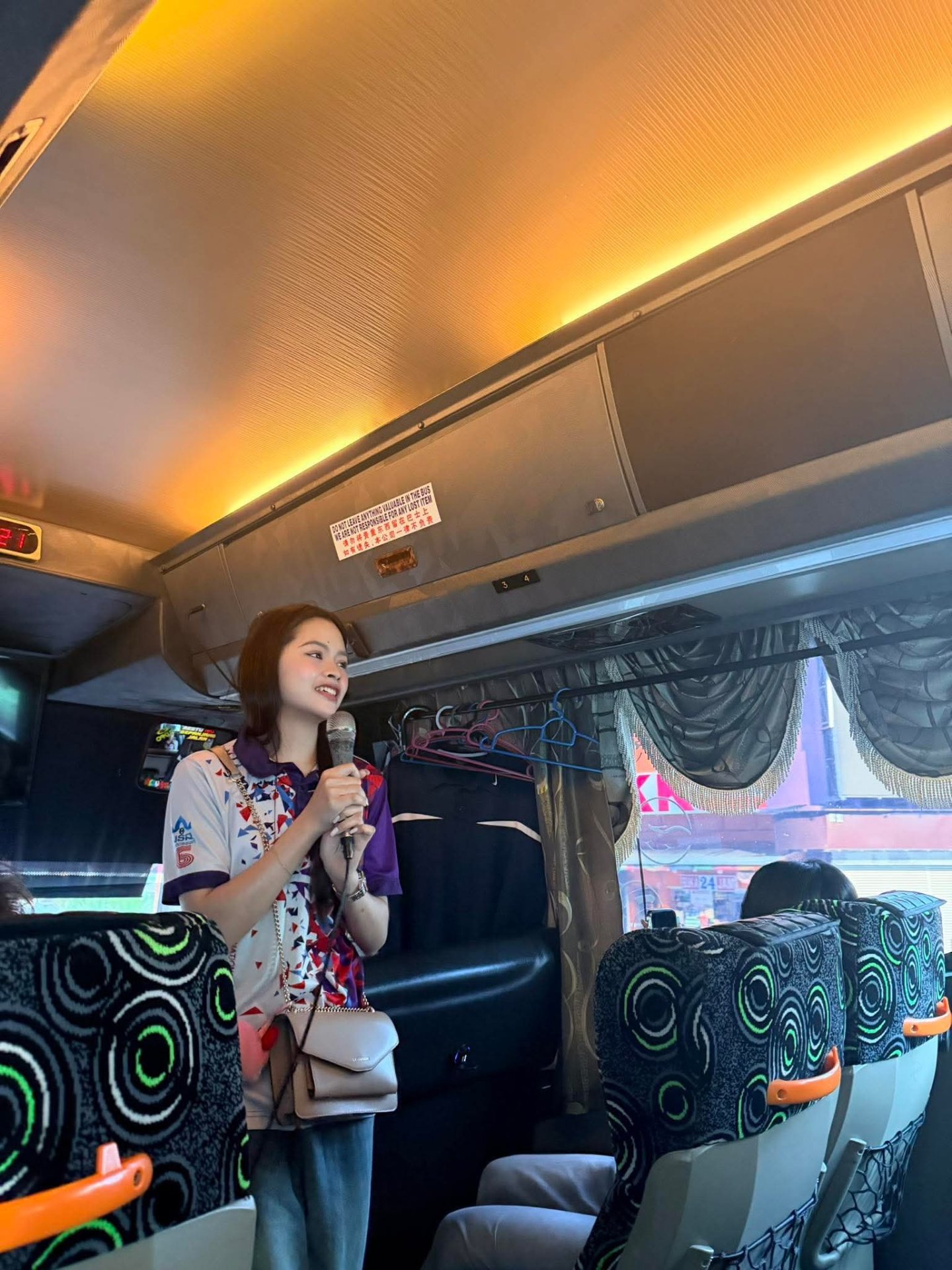
Professional international tour guiding requires more than knowledge of tourist attractions. Tour guides must be capable of managing travel arrangements, communicating and interpreting stories effectively, assisting travellers, responding to unexpected situations, and understanding the social and cultural differences encountered across destinations.
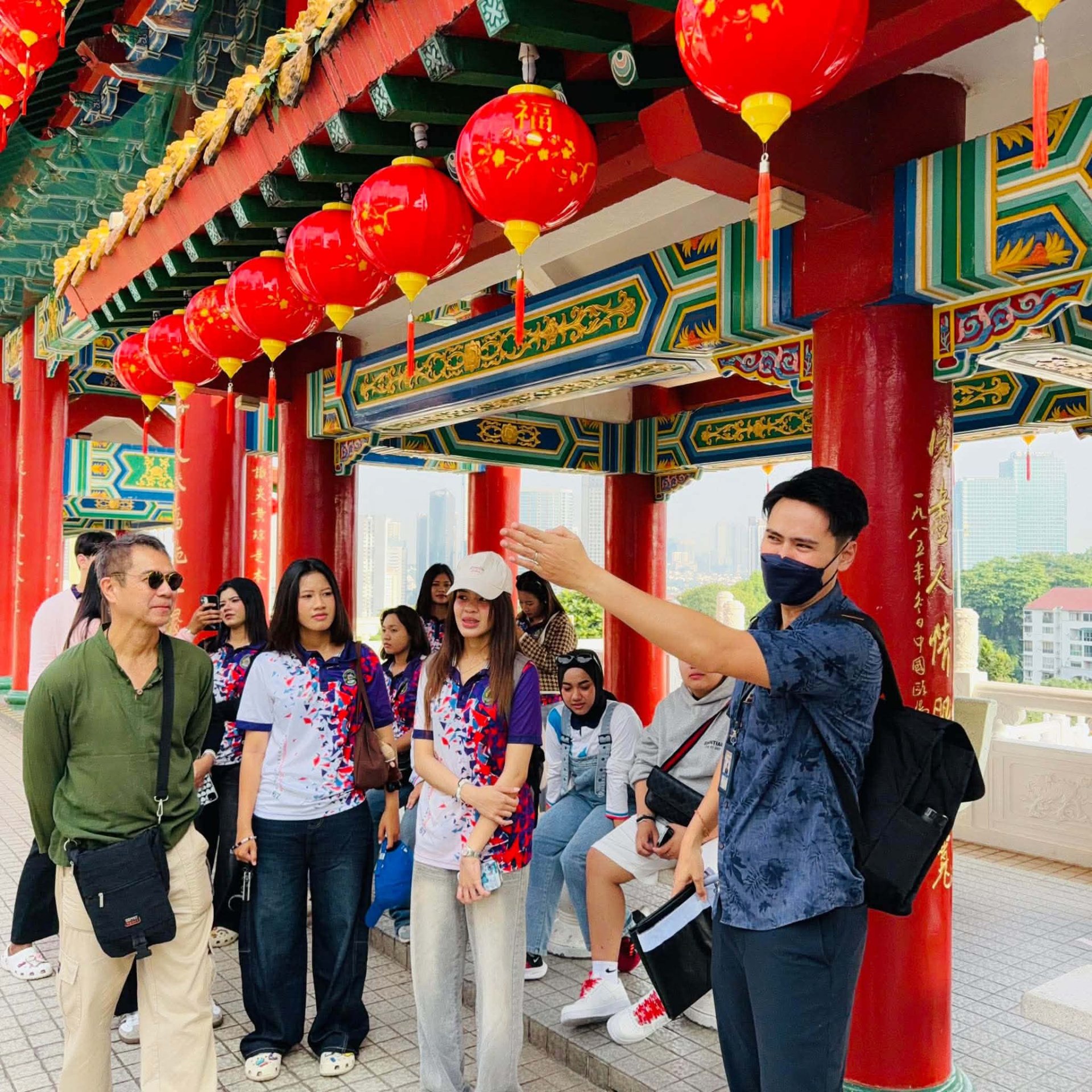
The project therefore transforms the cross-border route between Southern Thailand and Malaysia into an extended learning environment. Students are encouraged to observe and analyse tourism destinations from multiple perspectives, including culture, society, economics, transportation, attractions and visitor services.
🇹🇭 ✈ 🇲🇾 Learning Across the Route
Understanding Destinations and Communicating Their Stories
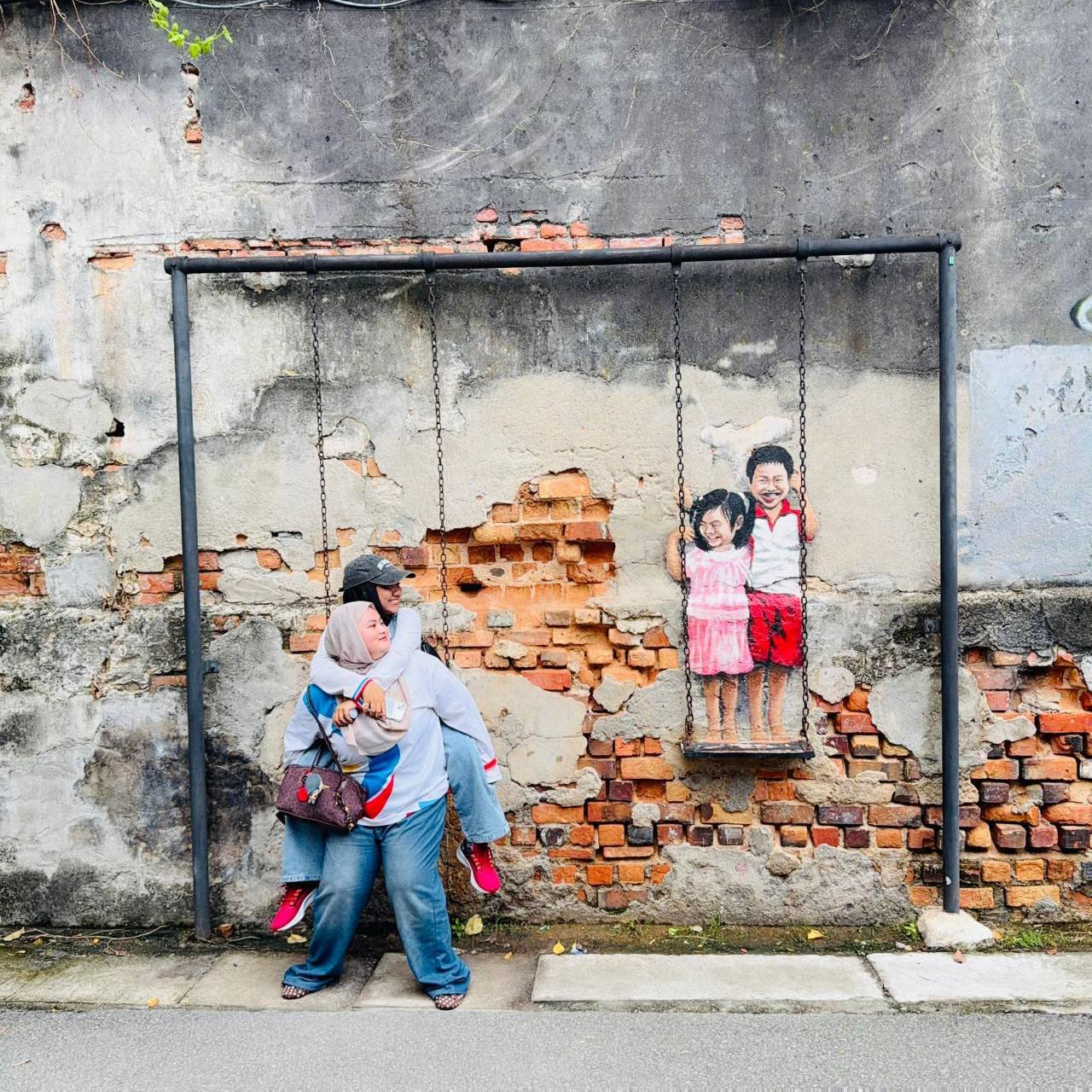
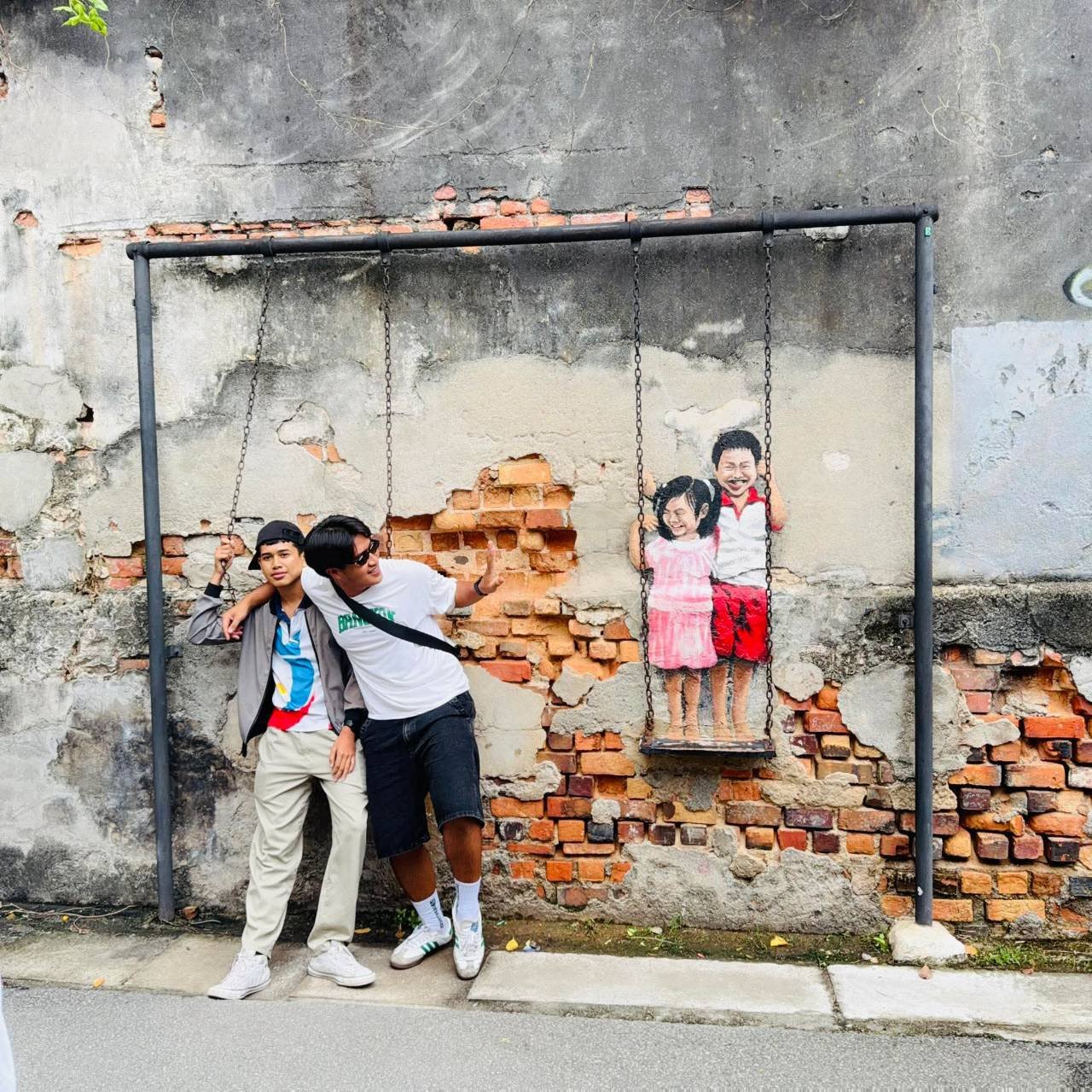
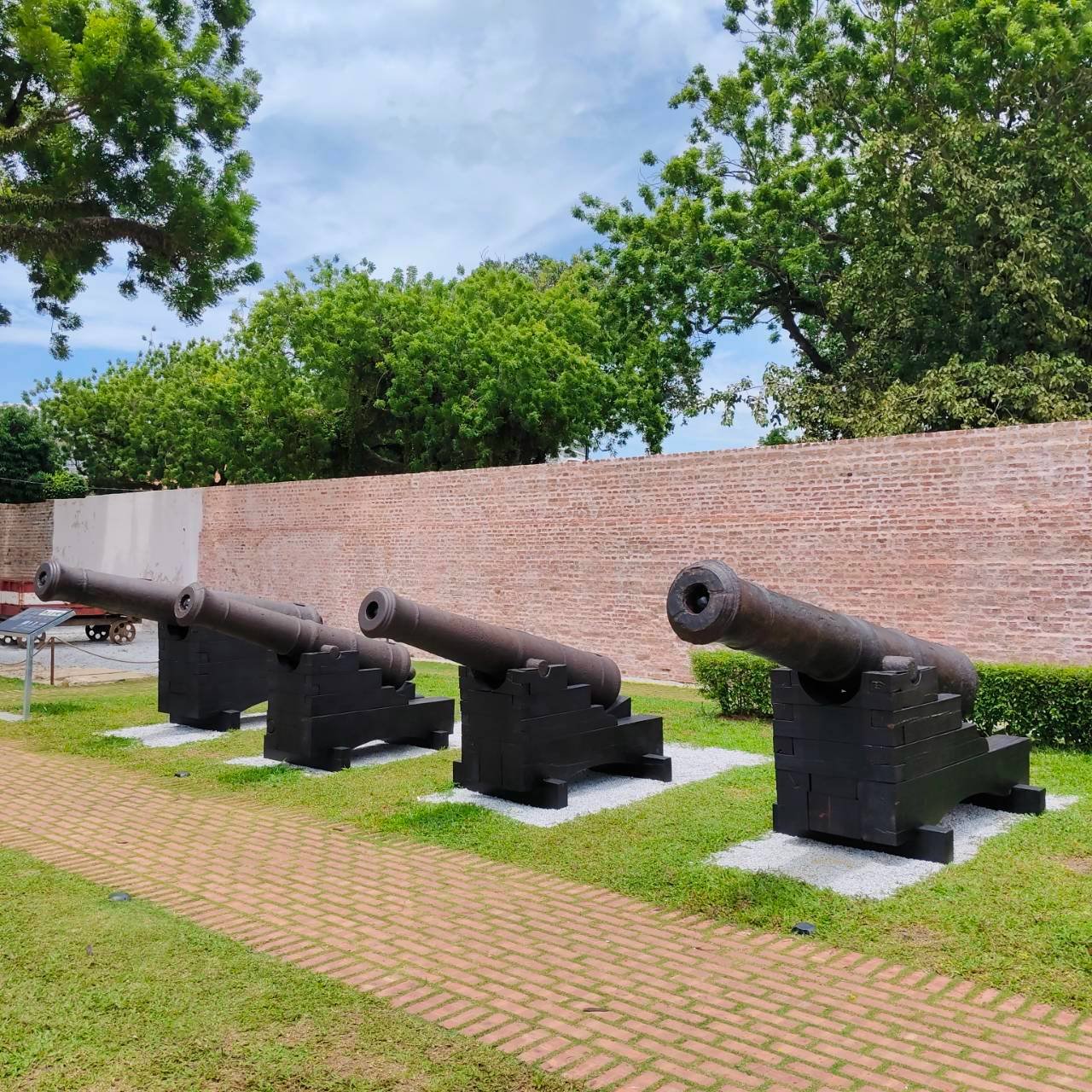
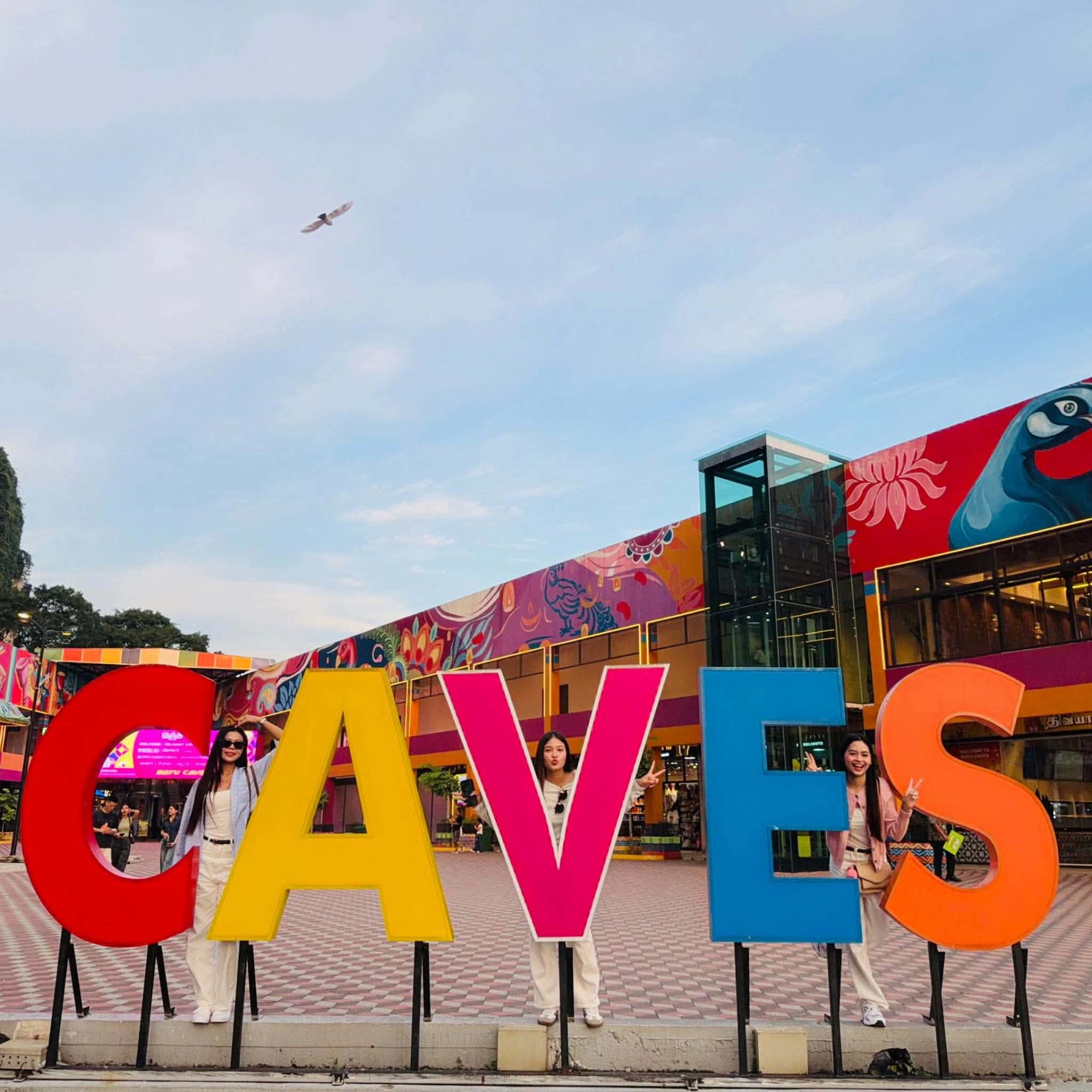
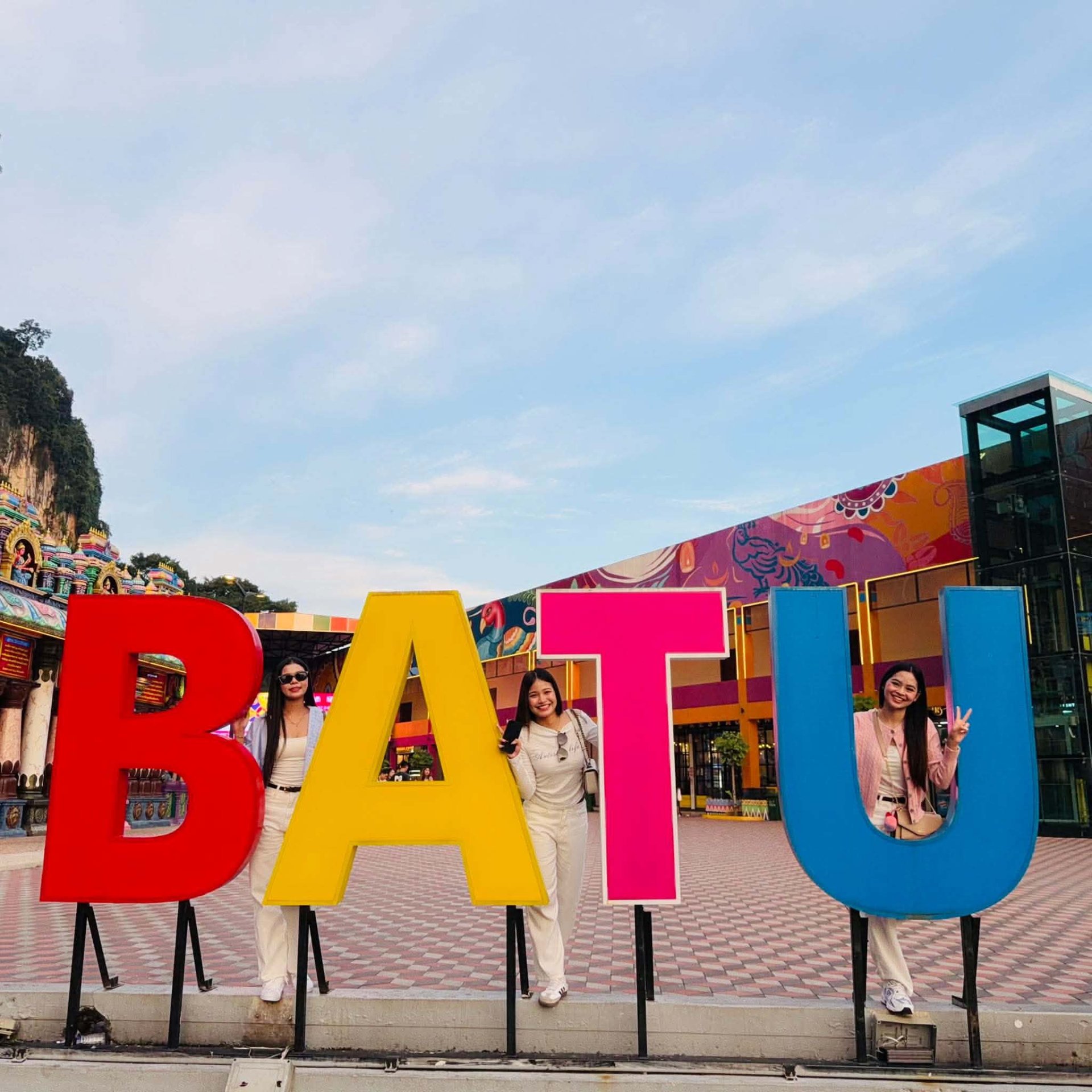
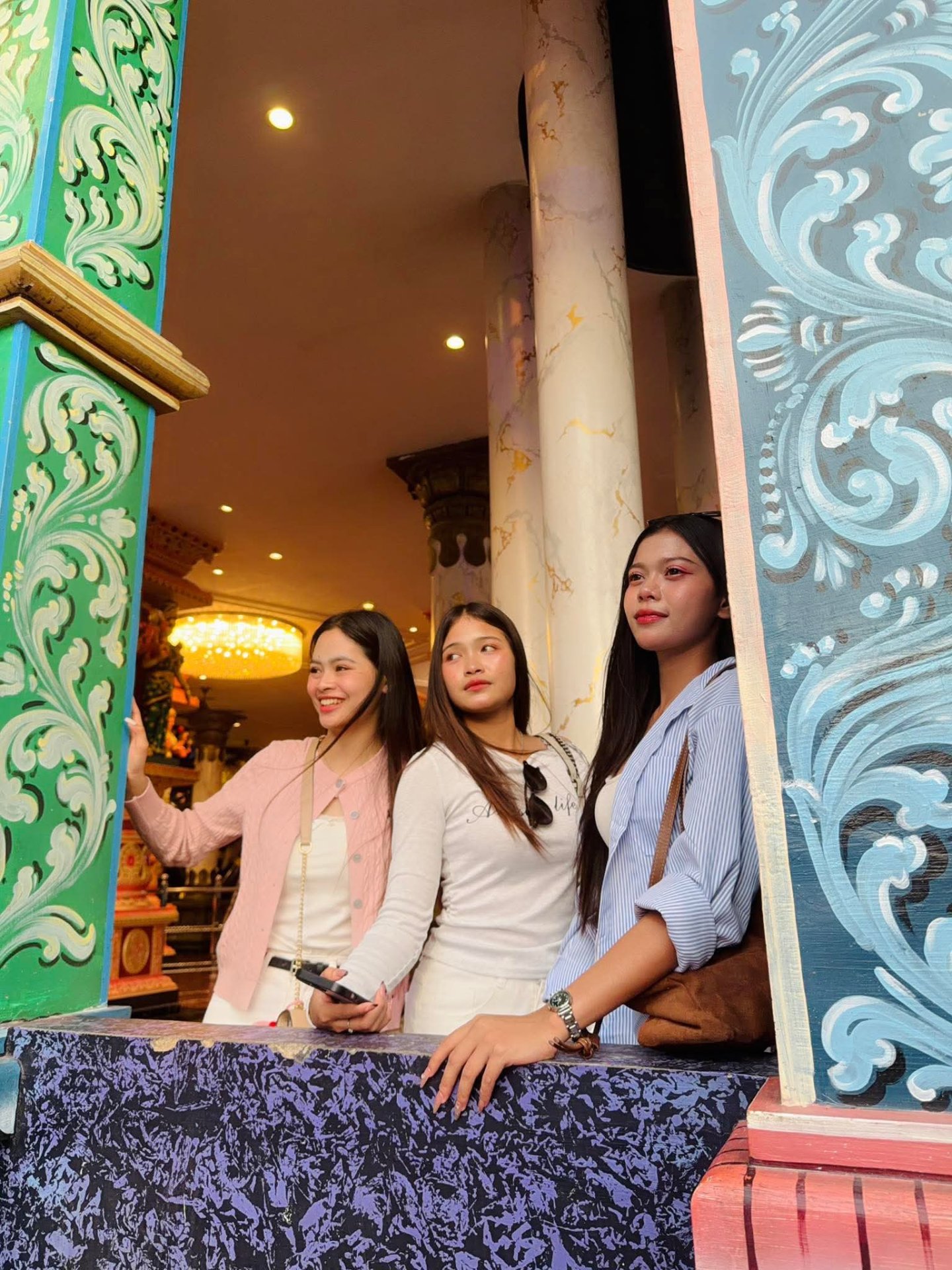
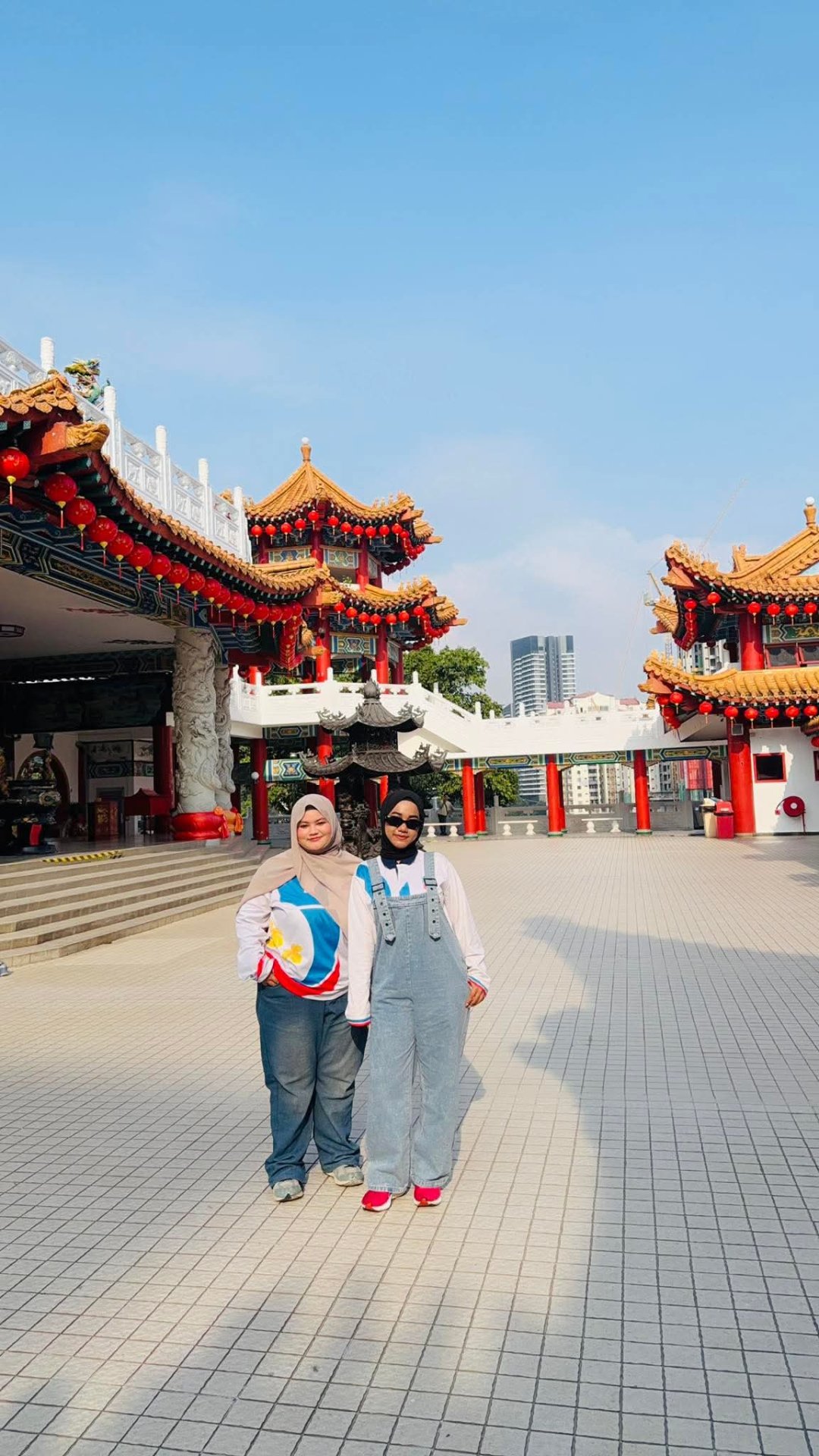
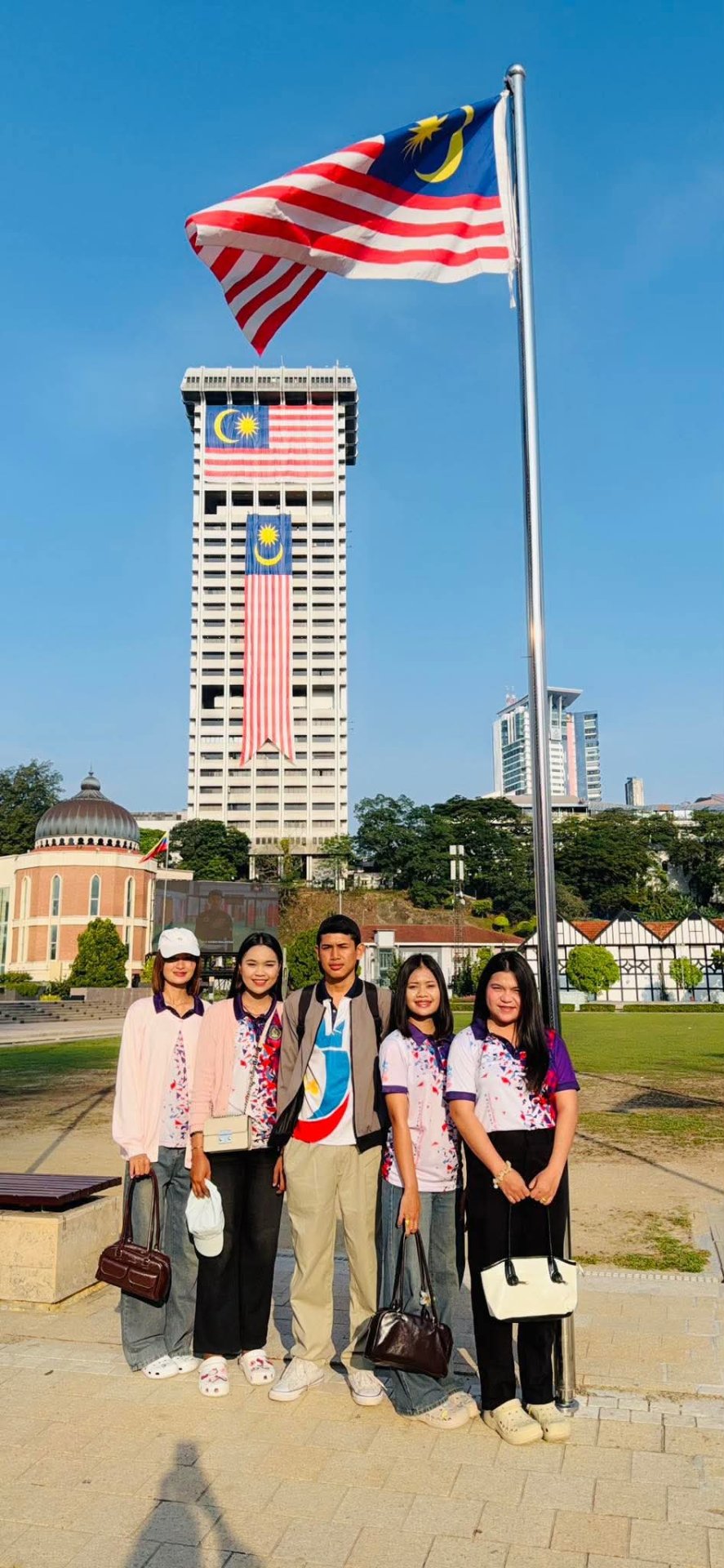
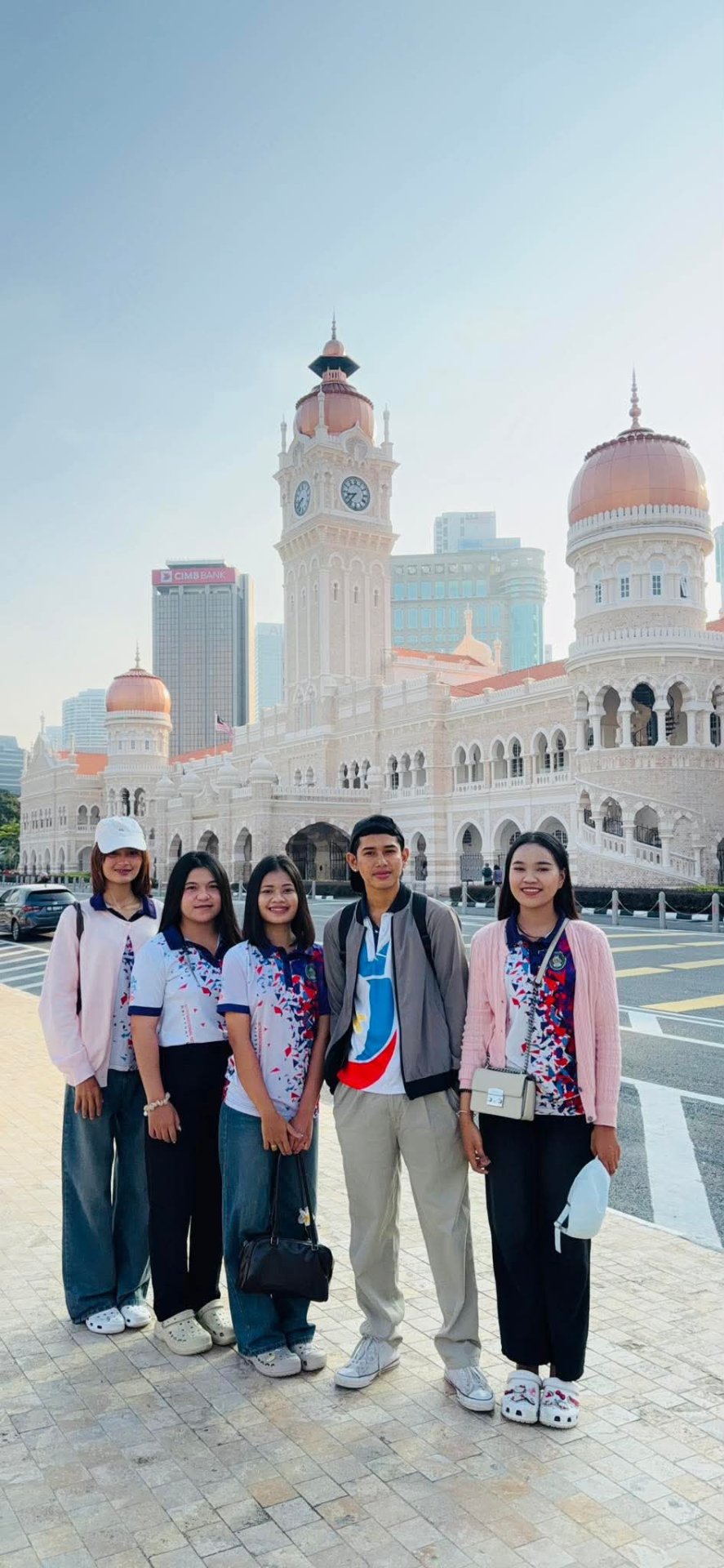
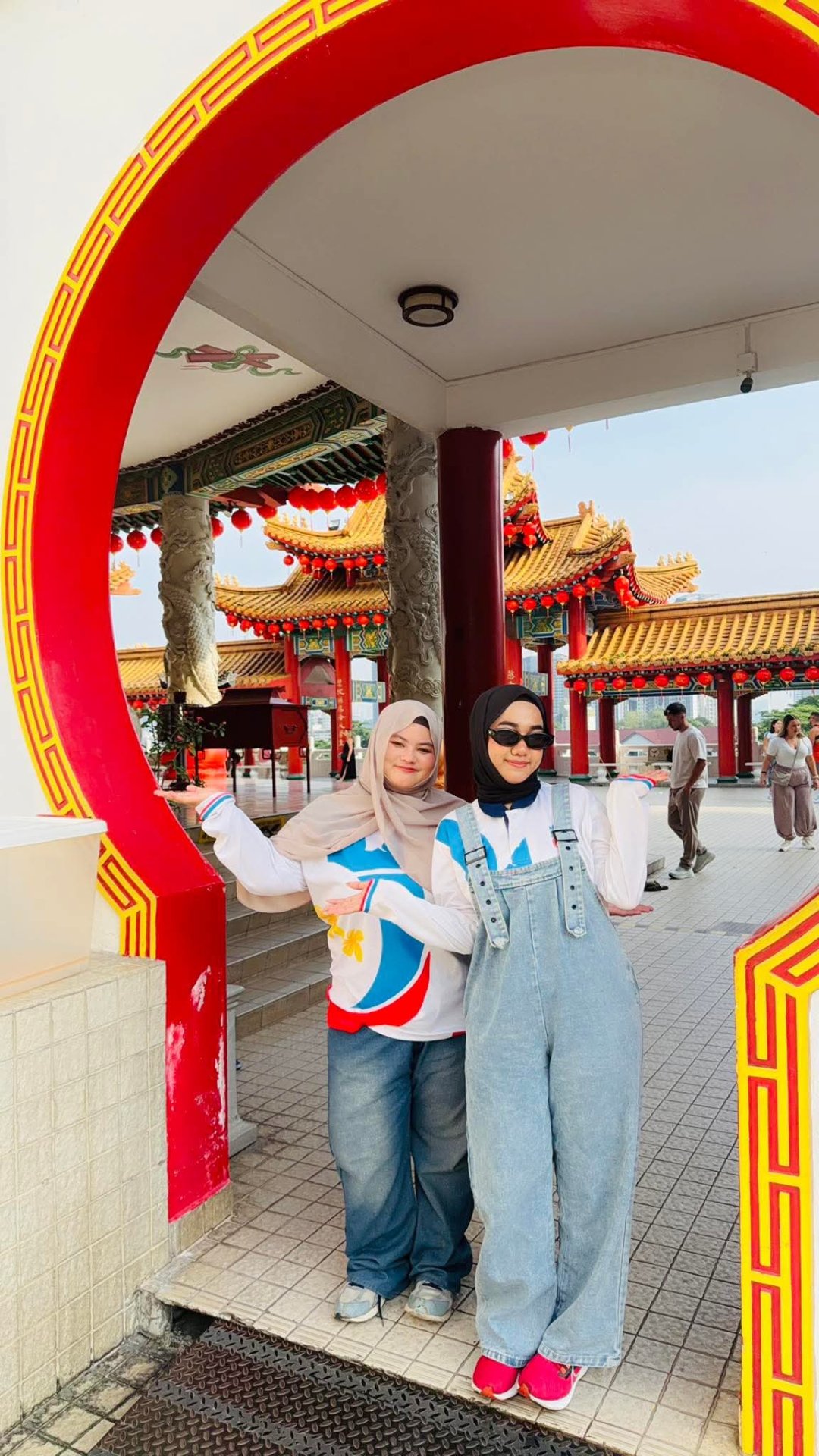
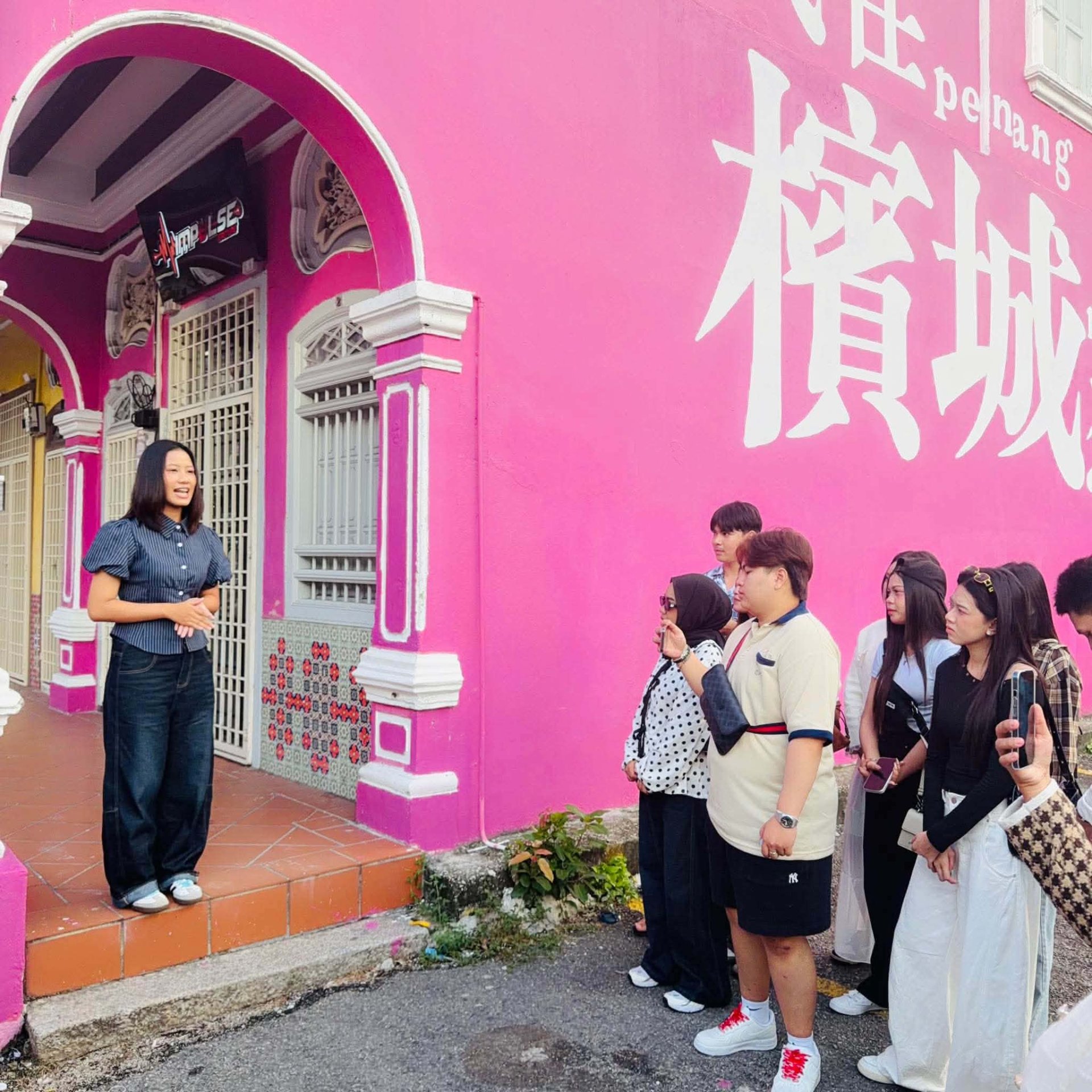
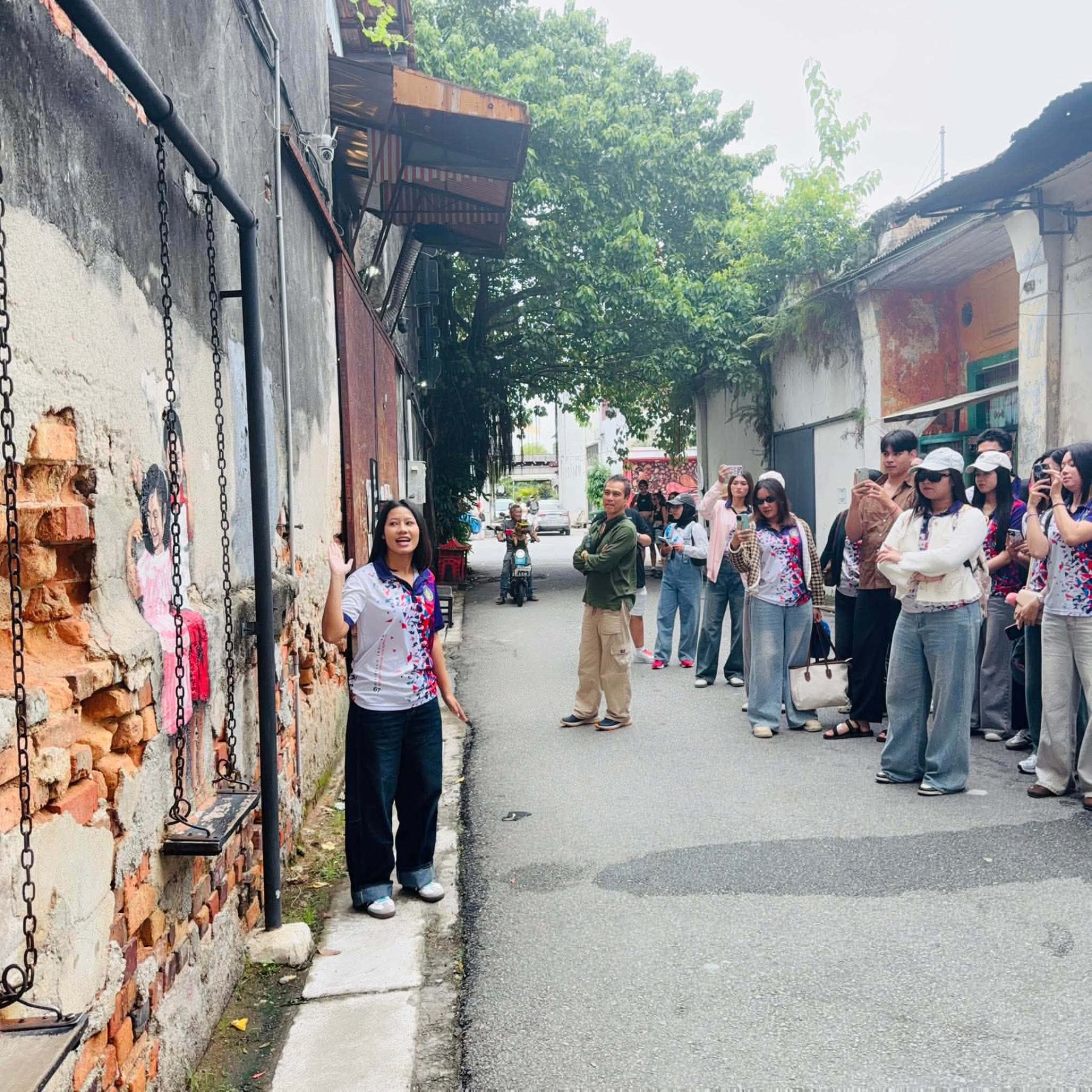
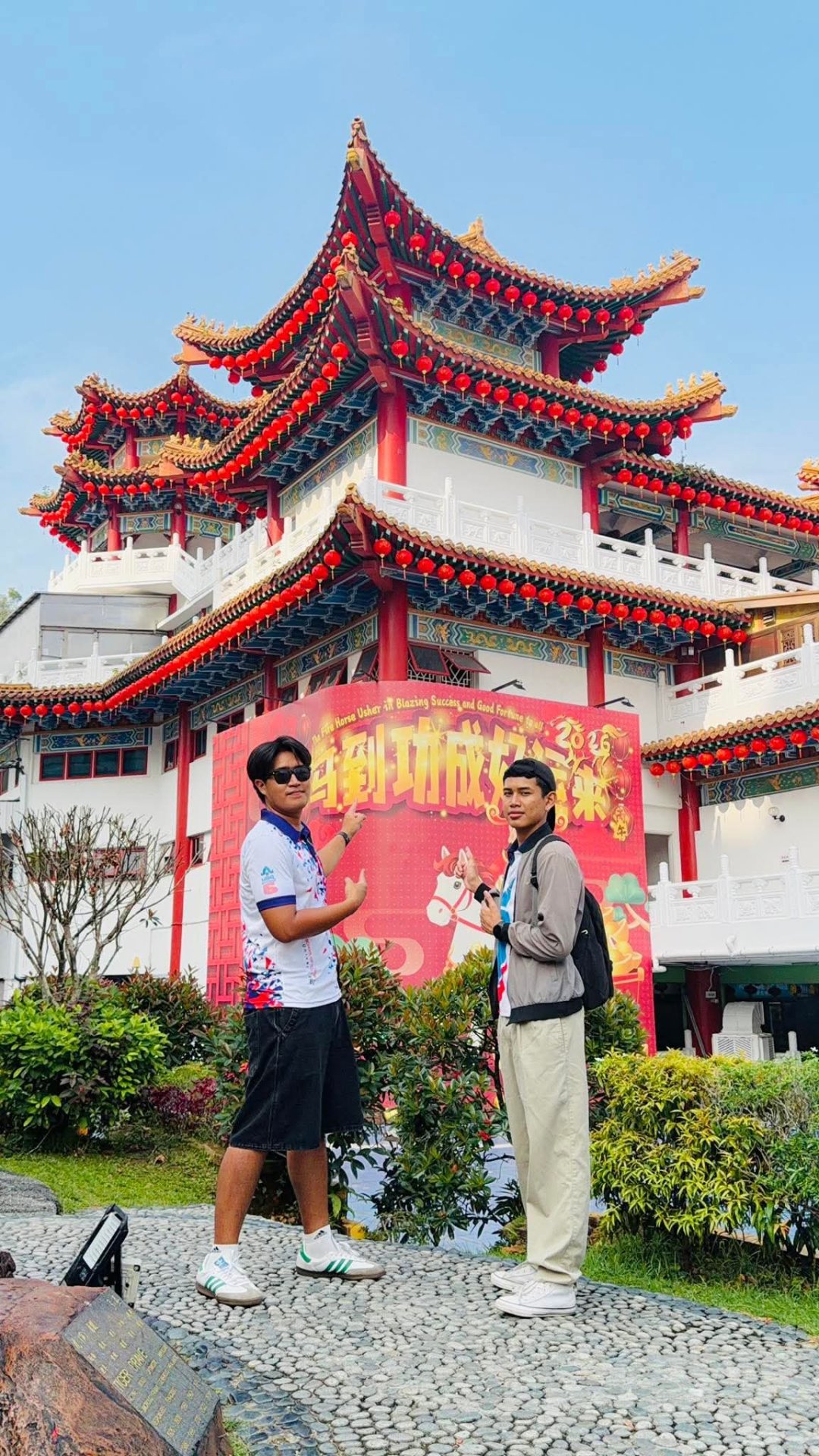
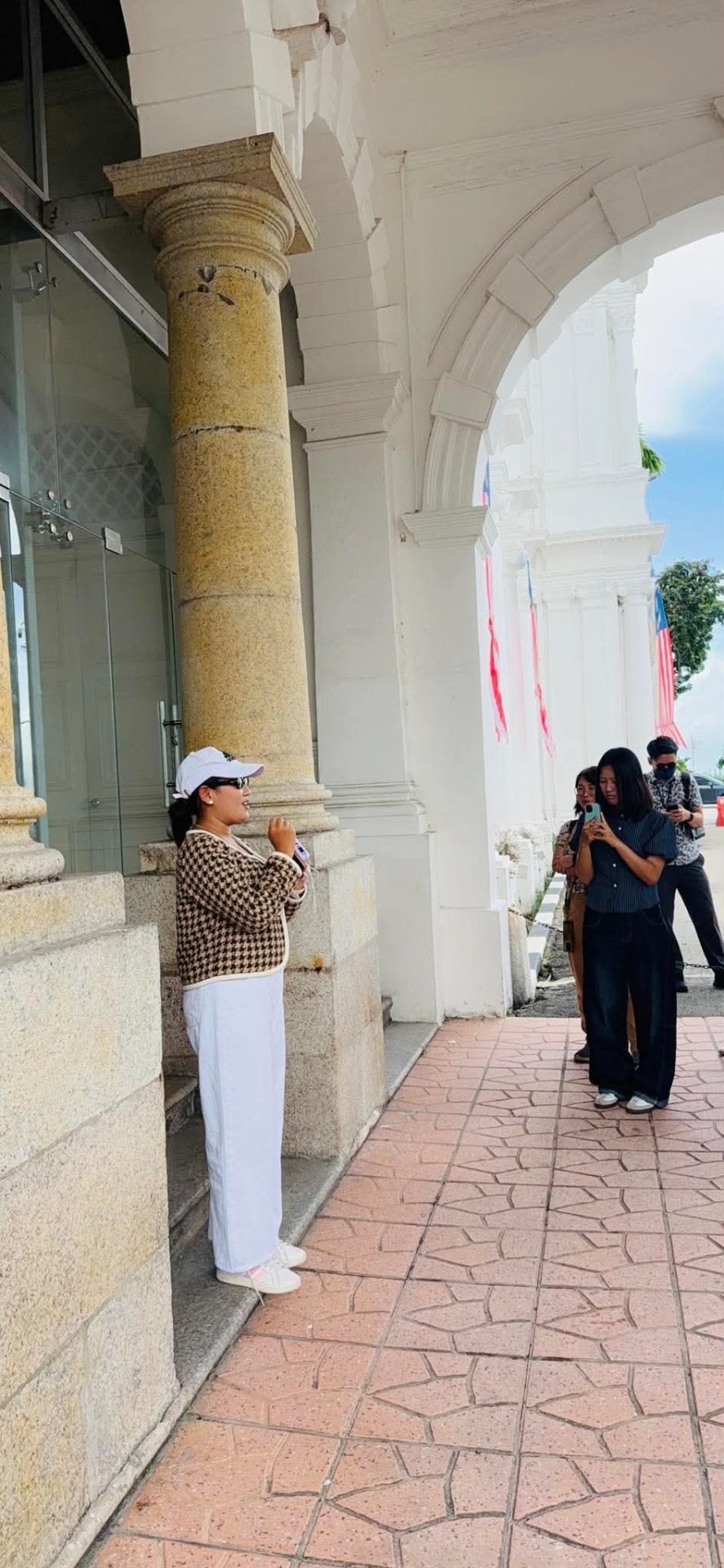
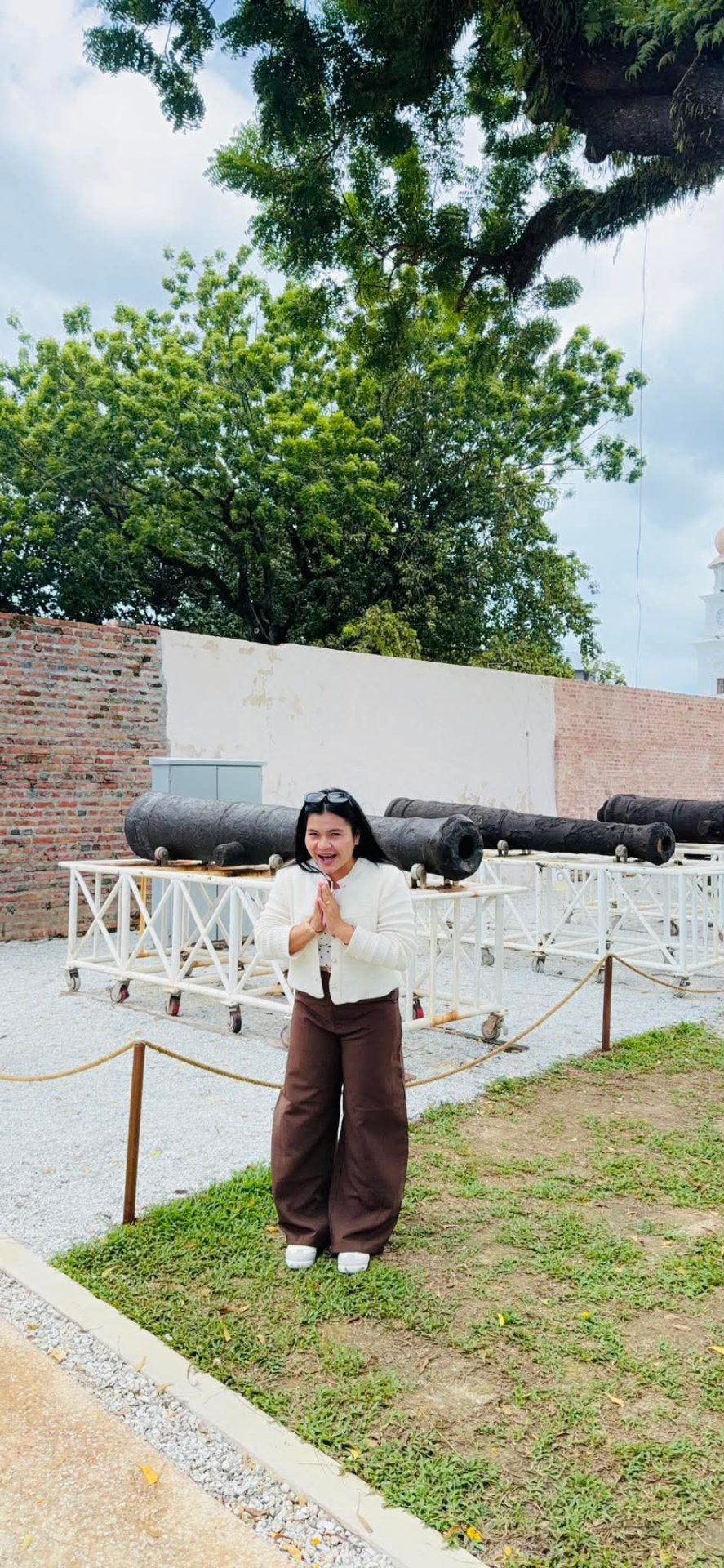
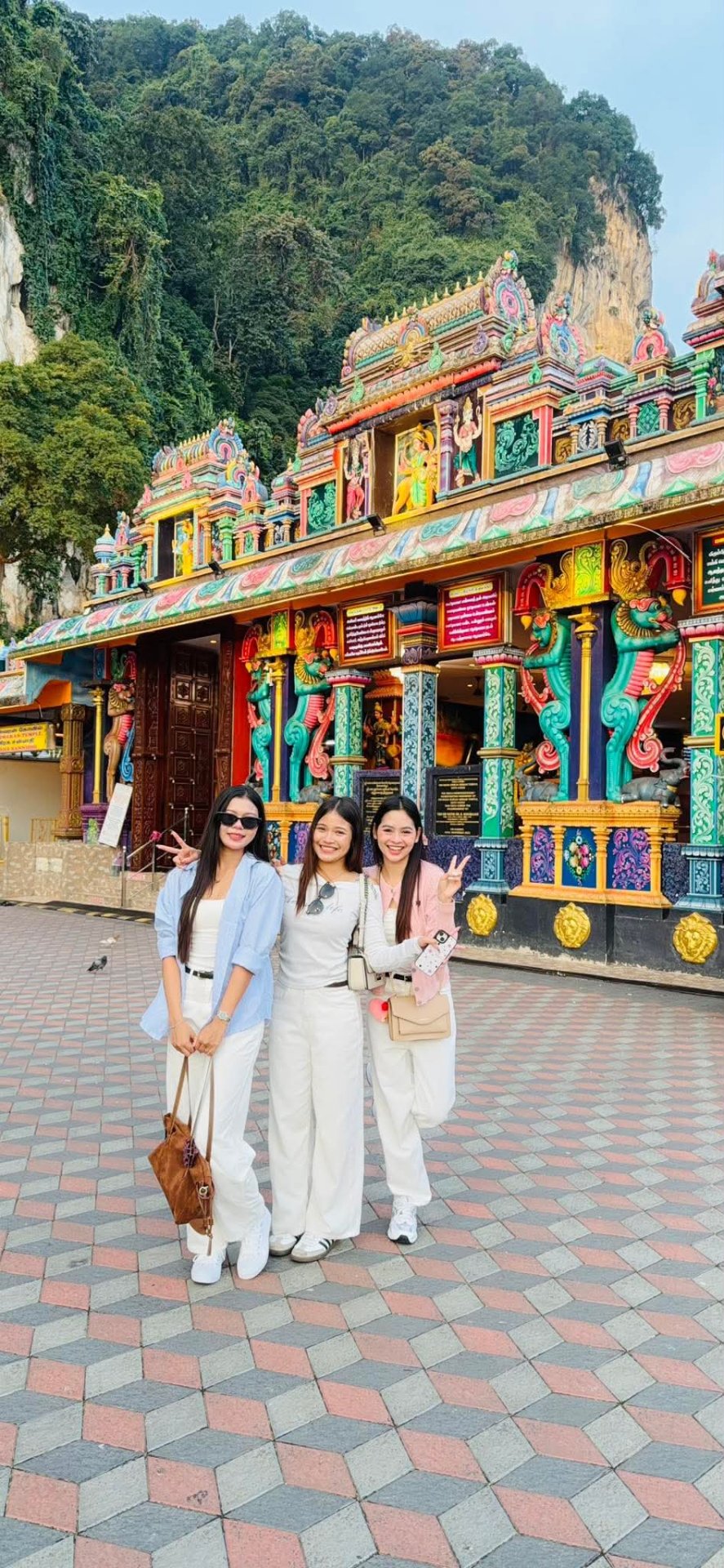
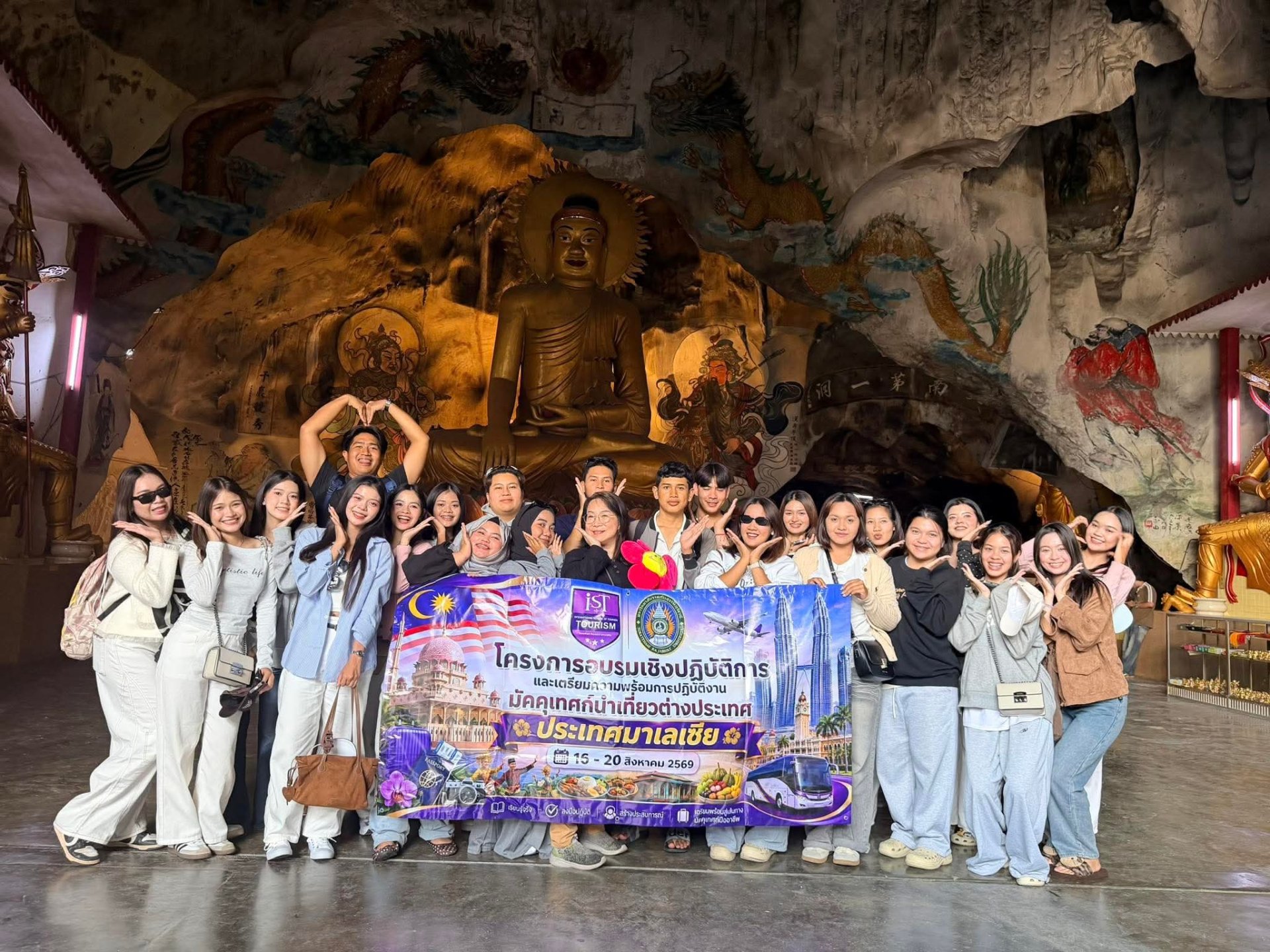
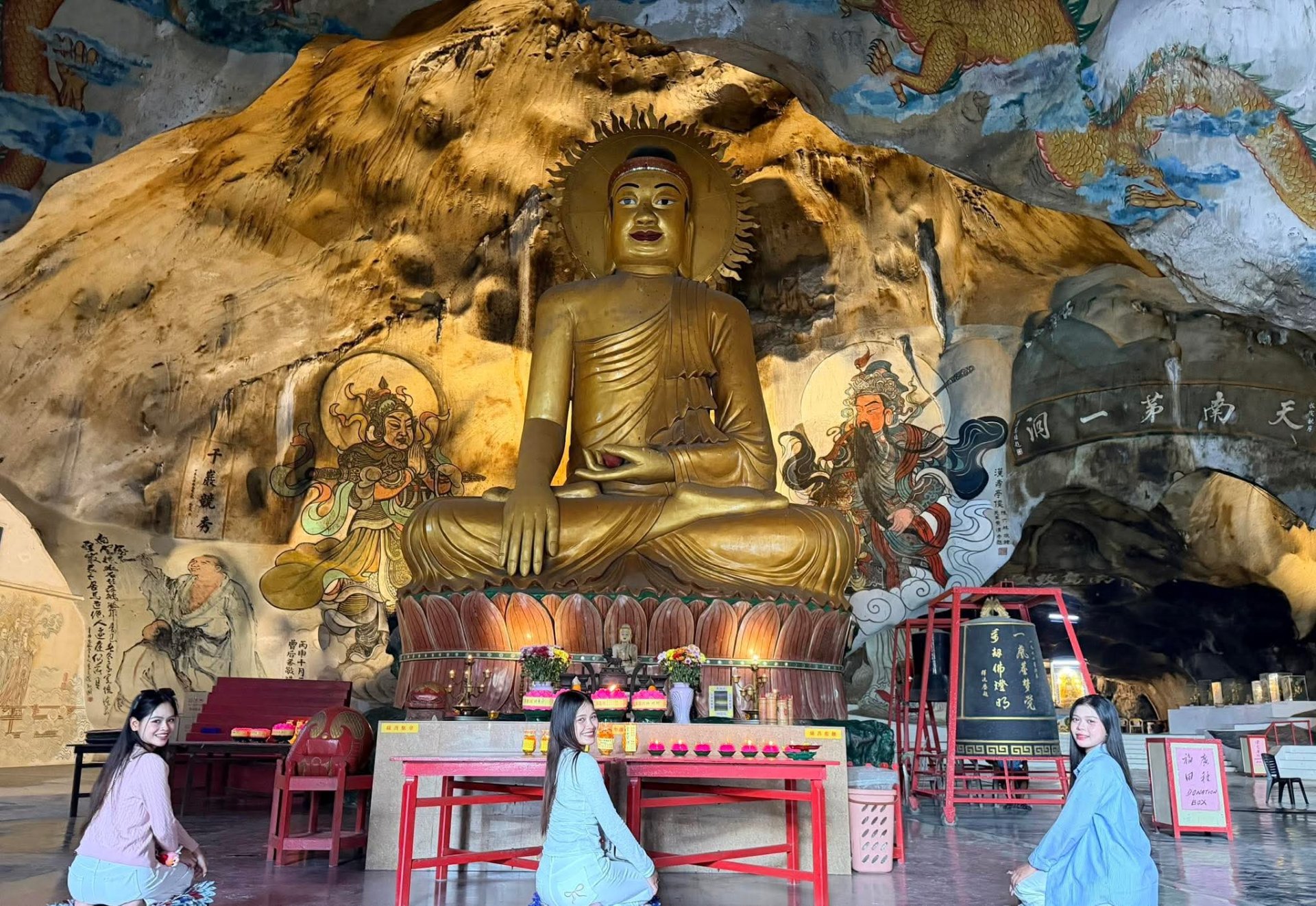
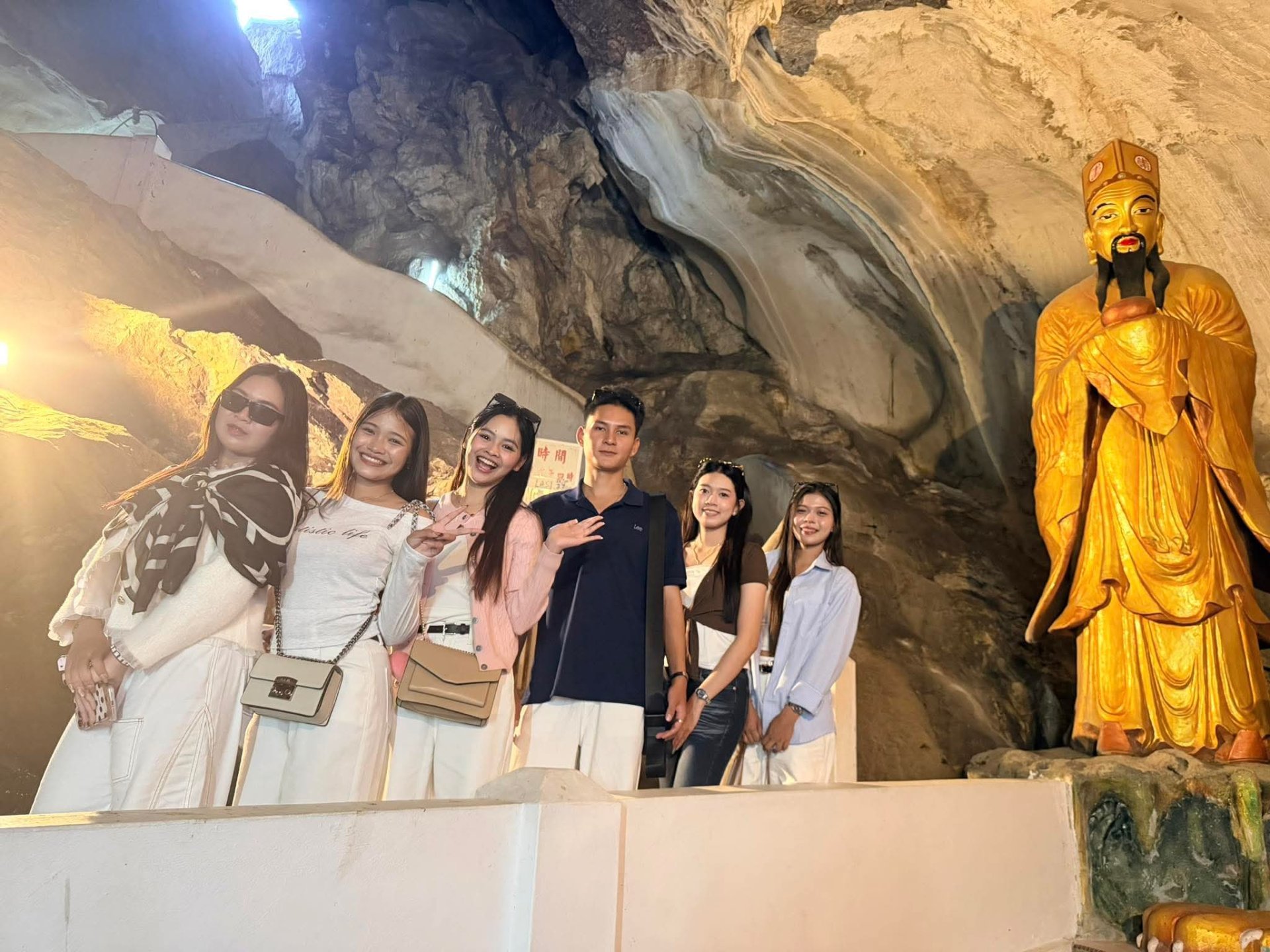
Throughout the Kuala Lumpur – Ipoh – Penang route, students gain experience from actual destinations ranging from modern architecture and economic centres to cultural attractions and historic urban areas. This provides opportunities to apply tourism and tour-guiding knowledge in authentic environments.
The experience enables students to understand the relationship between places, people, culture and the economy—key elements in creating meaningful travel experiences. These insights also form an important foundation for interpreting and communicating the values and identity of destinations to visitors accurately, appropriately and engagingly.
Building Professional Competencies for Future Careers
The practical training project is designed to strengthen students' professional tour-guiding competencies through direct experience, increase their confidence in working outside the classroom environment, and develop their ability to adapt to diverse situations associated with international travel and tourism.
International field-based learning is therefore more than a journey to major tourist destinations. It serves as a professional learning process that turns academic knowledge into practical competencies, contributing to the development of high-quality graduates who are ready for professional careers and capable of competing at both regional and international levels.
Alignment with the Sustainable Development Goals (SDGs)
The project supports experiential education, professional career preparation and learning about cultural heritage, contributing to the following Sustainable Development Goals:
| SDG Goal | Goal | Connection to the Project |
|---|---|---|
|
SDG 4: Quality Education | Promotes experiential education and develops the knowledge, professional skills and competencies required for international tour guiding. The project connects classroom learning with real-world situations and improves students' readiness for future careers. |
|
SDG 8: Decent Work and Economic Growth | Strengthens students' professional competencies and career readiness for employment in the tourism and service industries while enhancing graduates' competitiveness in regional and international labour markets. |
|
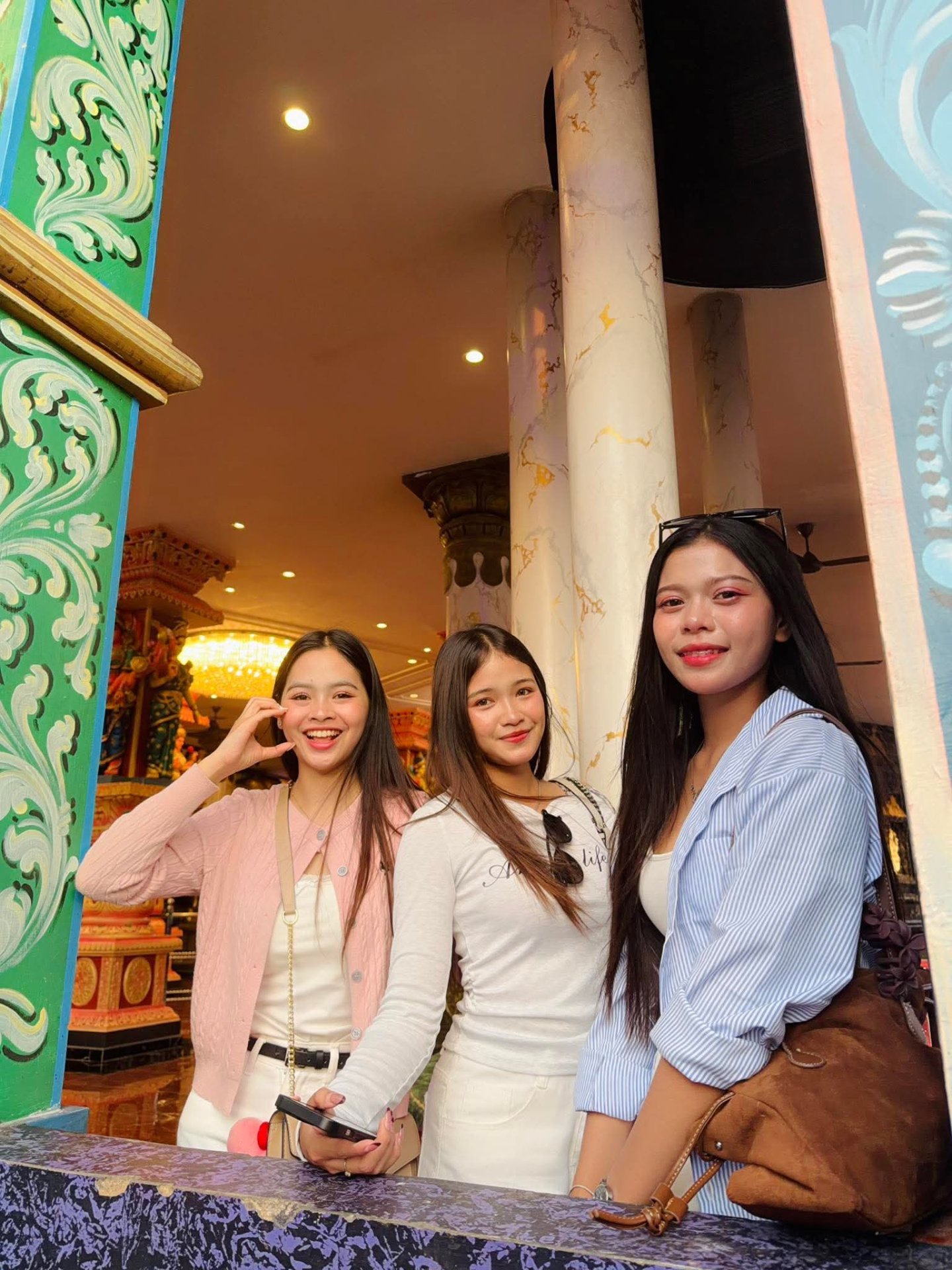
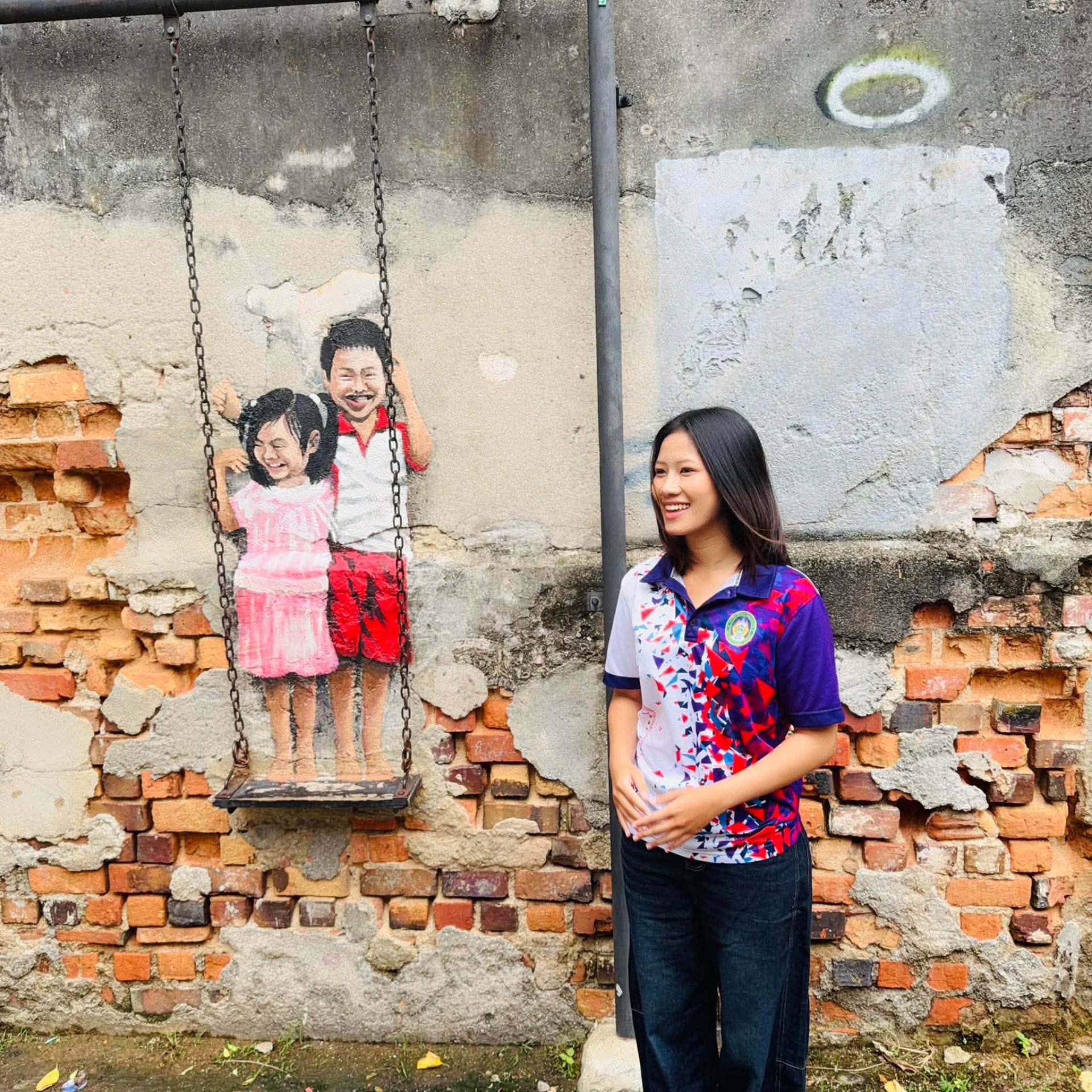
SDG 11: Sustainable Cities and Communities | Encourages students to understand and appreciate cultural heritage, history and local identity through direct learning at significant cultural and historic destinations, including George Town, while developing the ability to interpret tourism resources responsibly. |