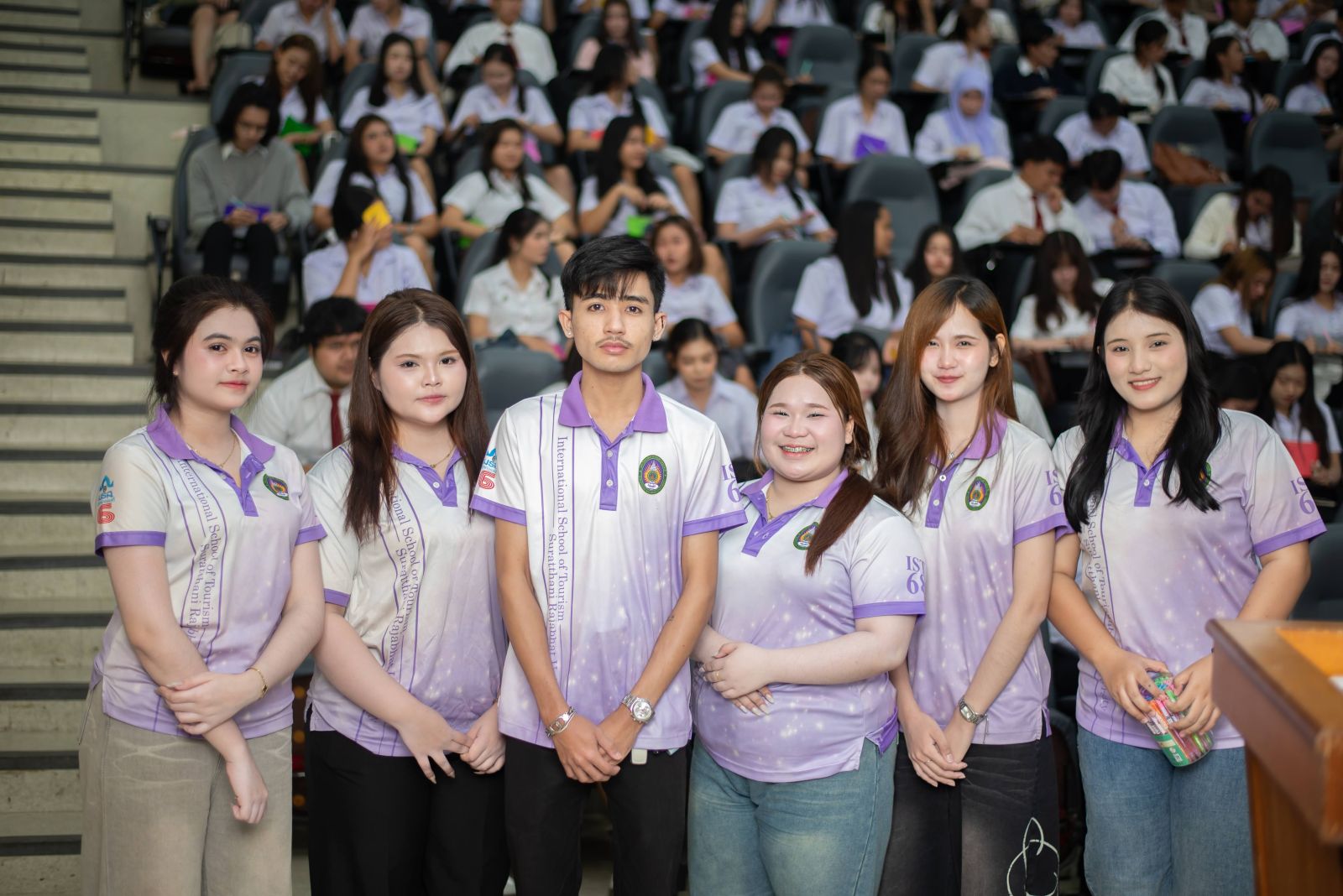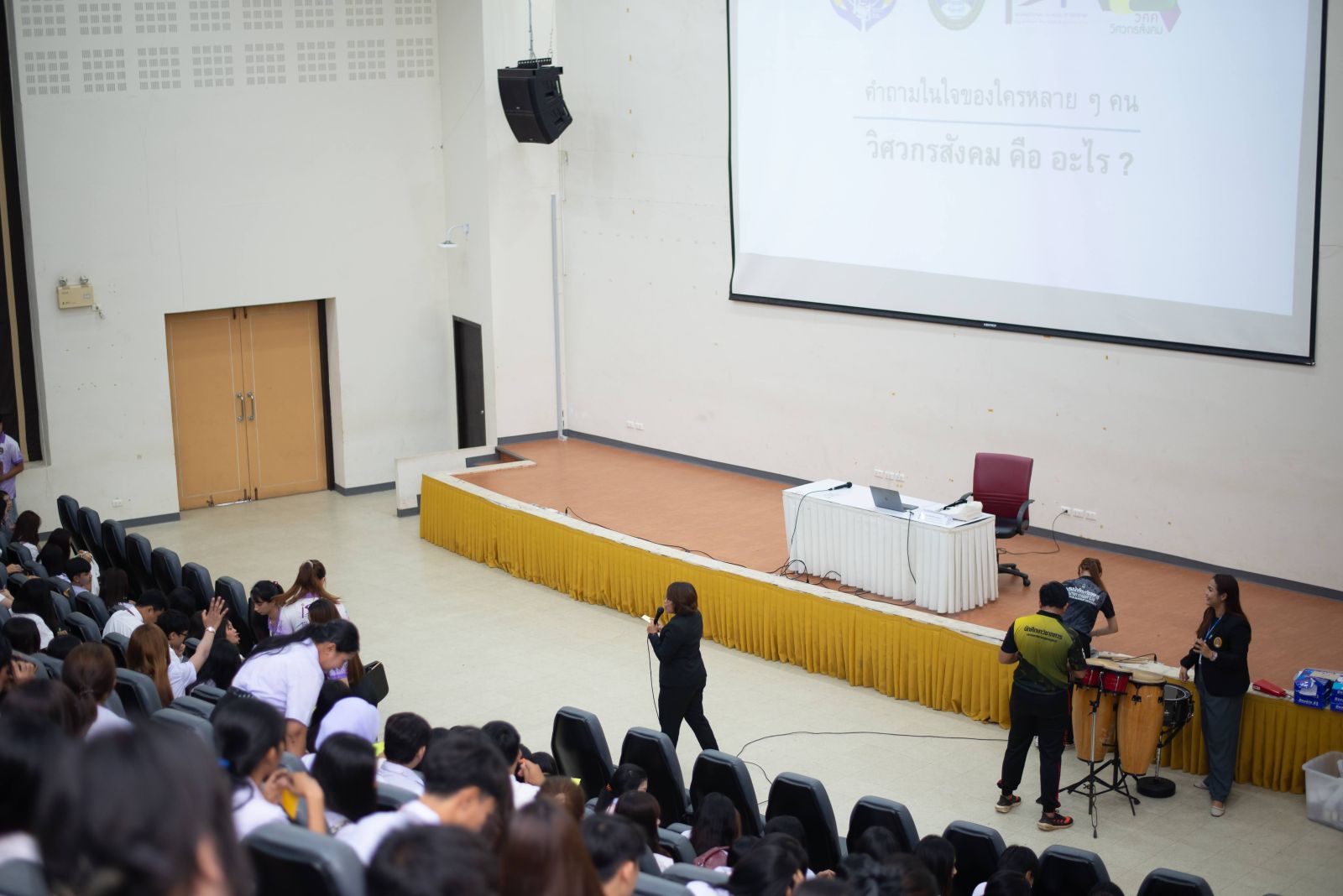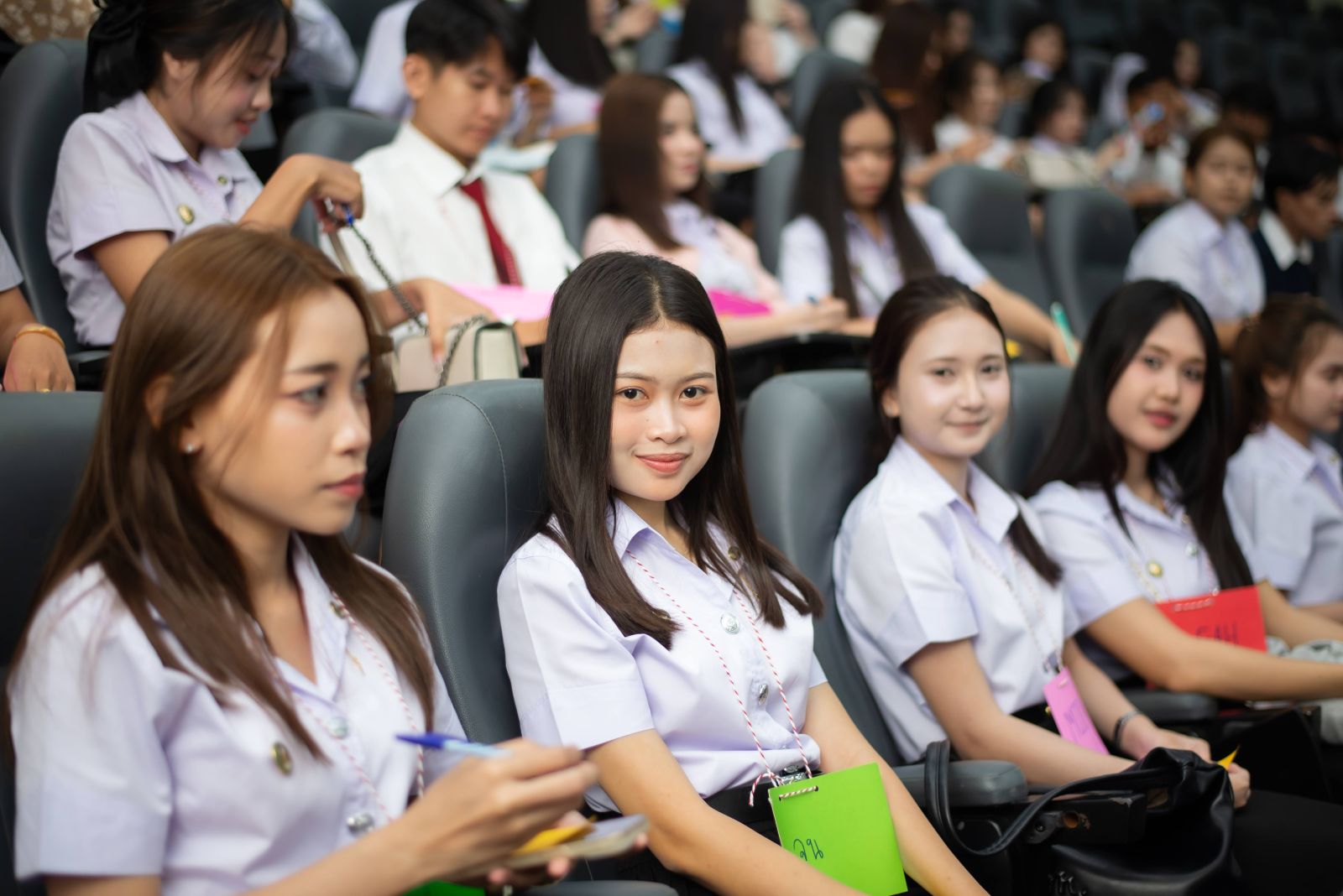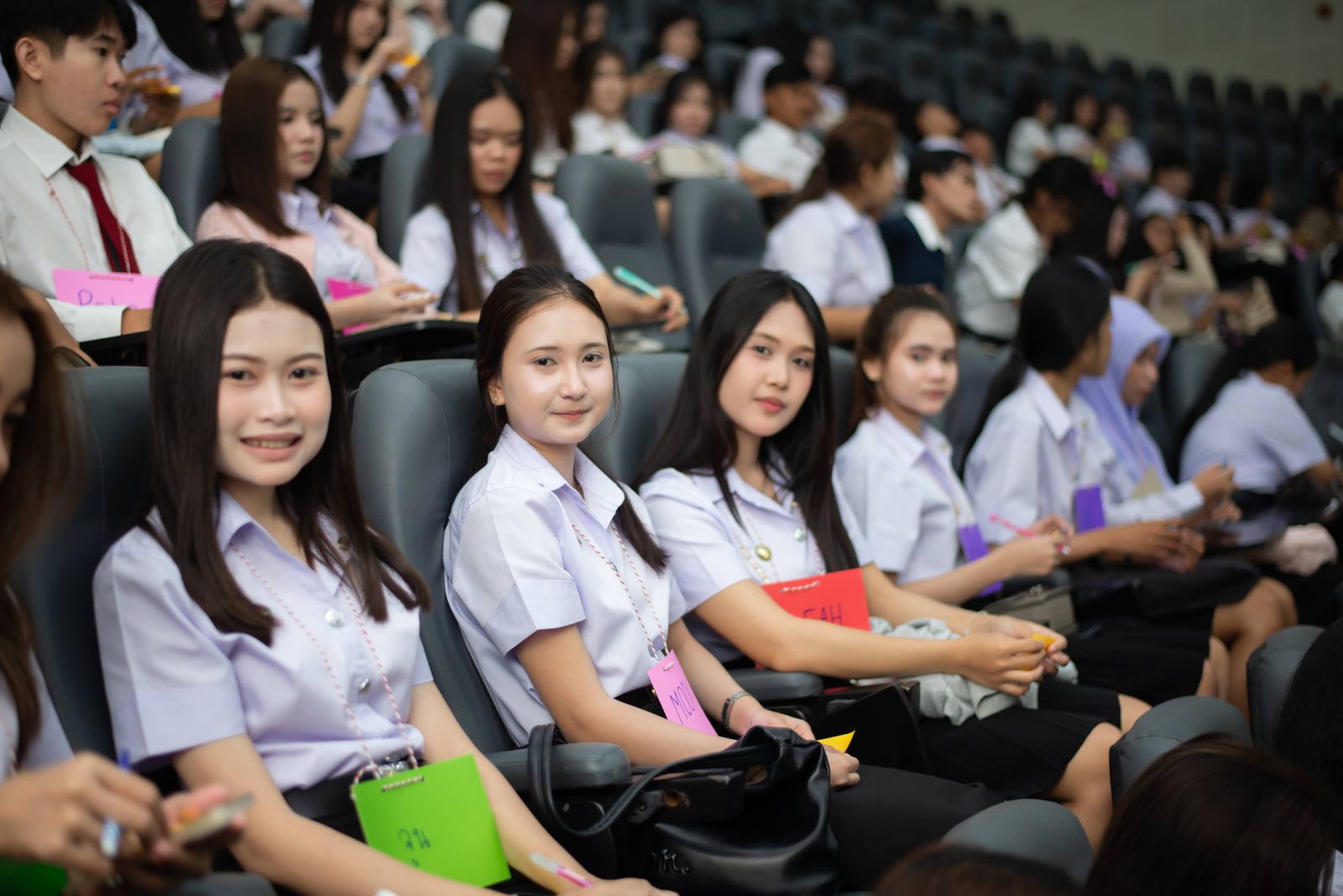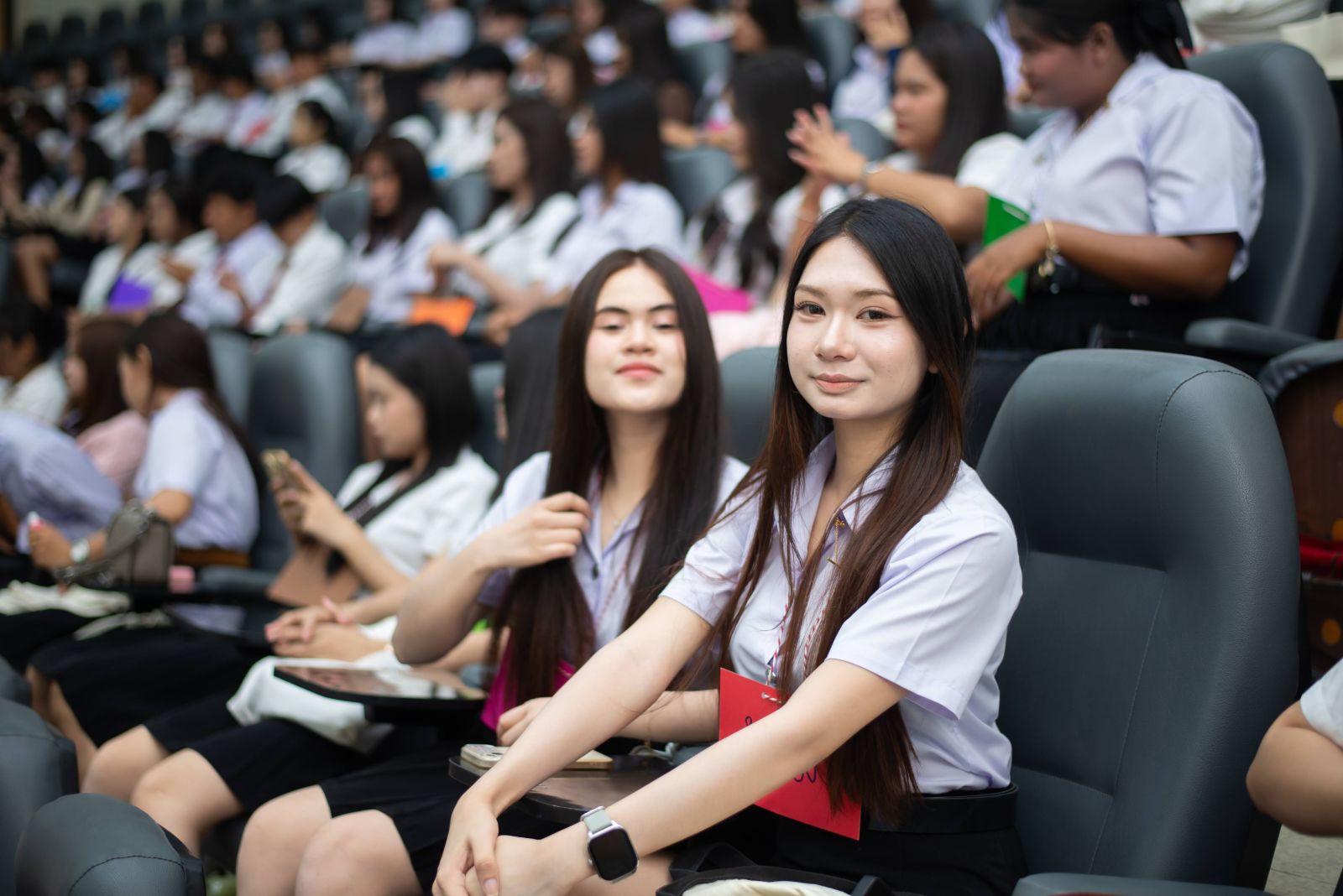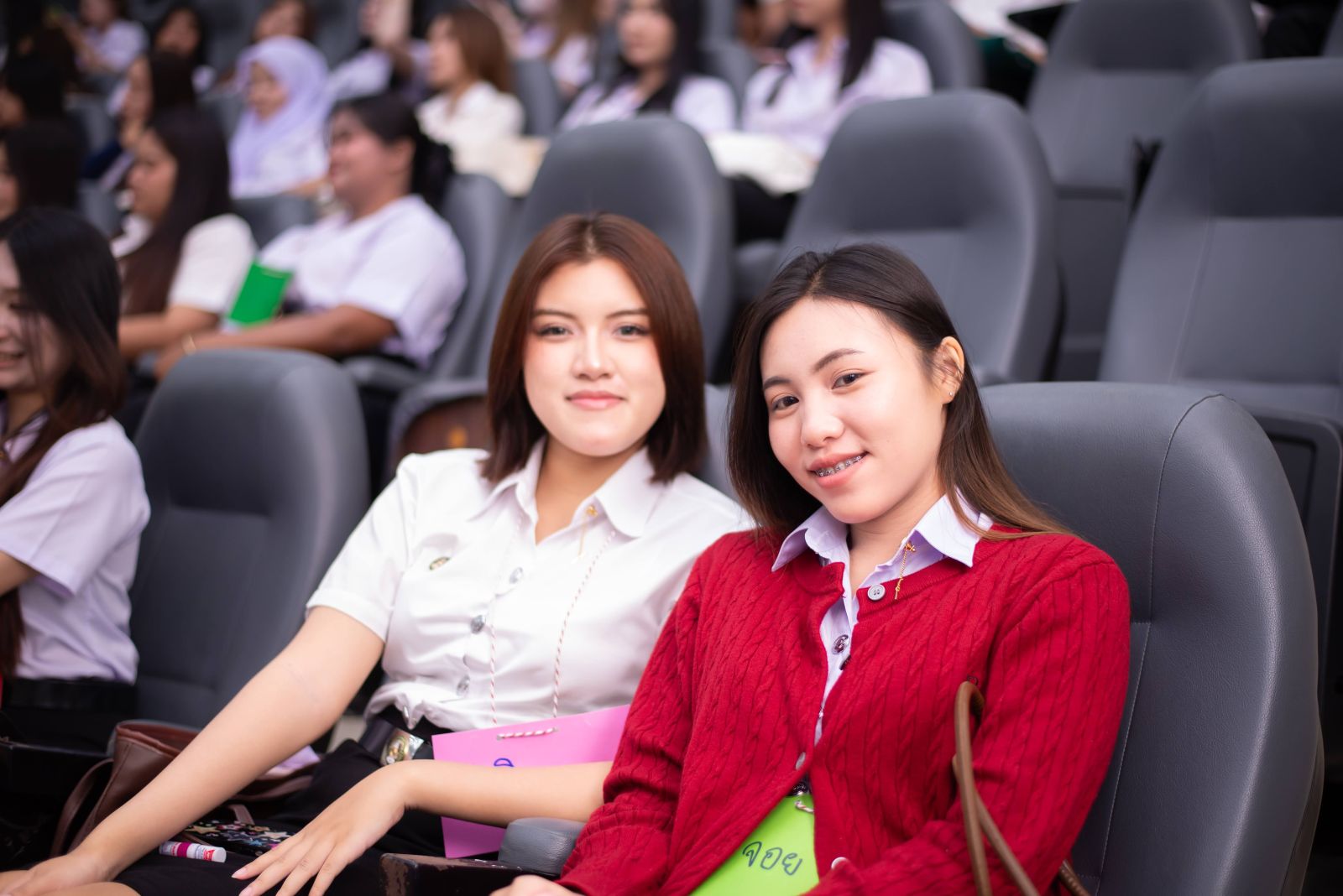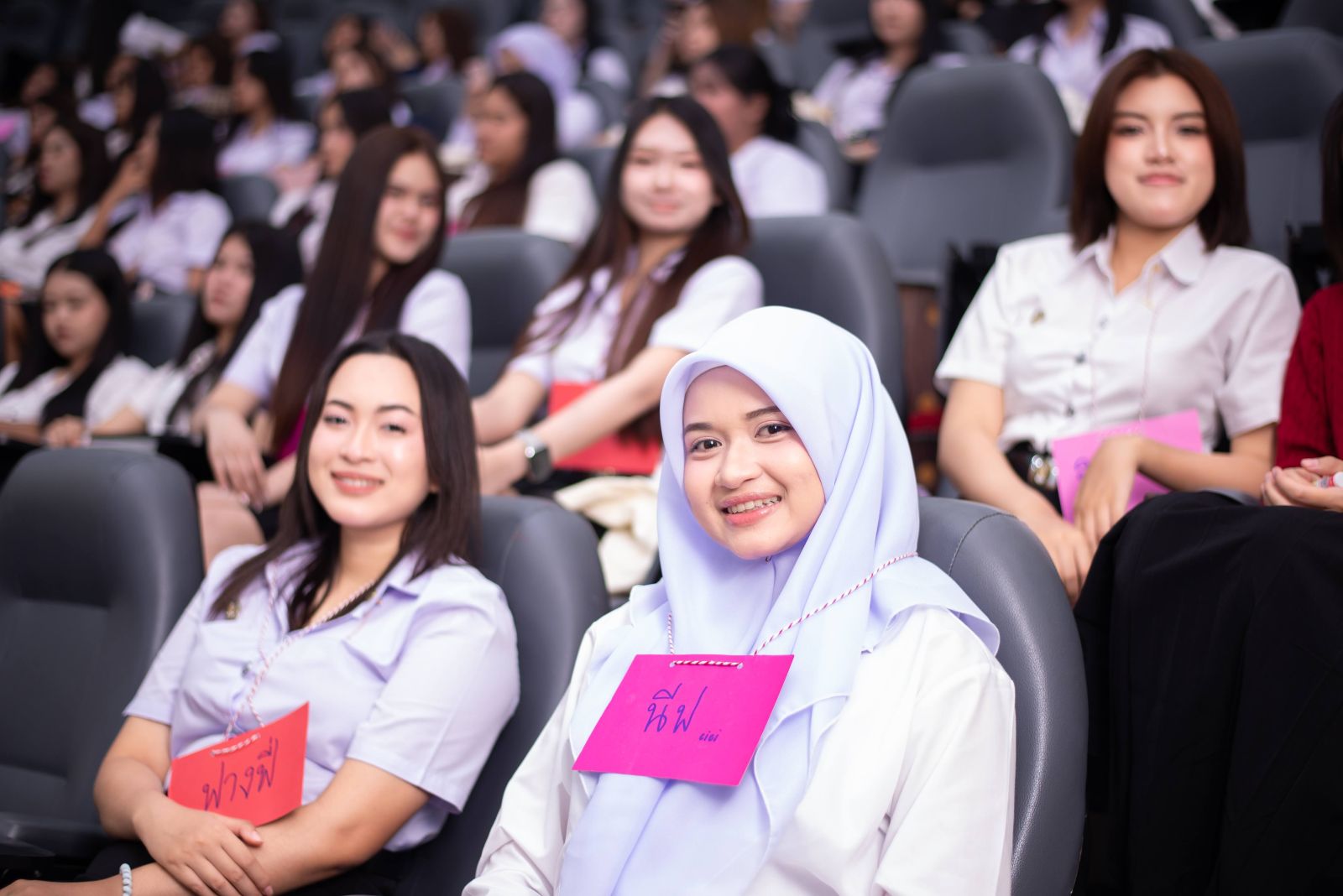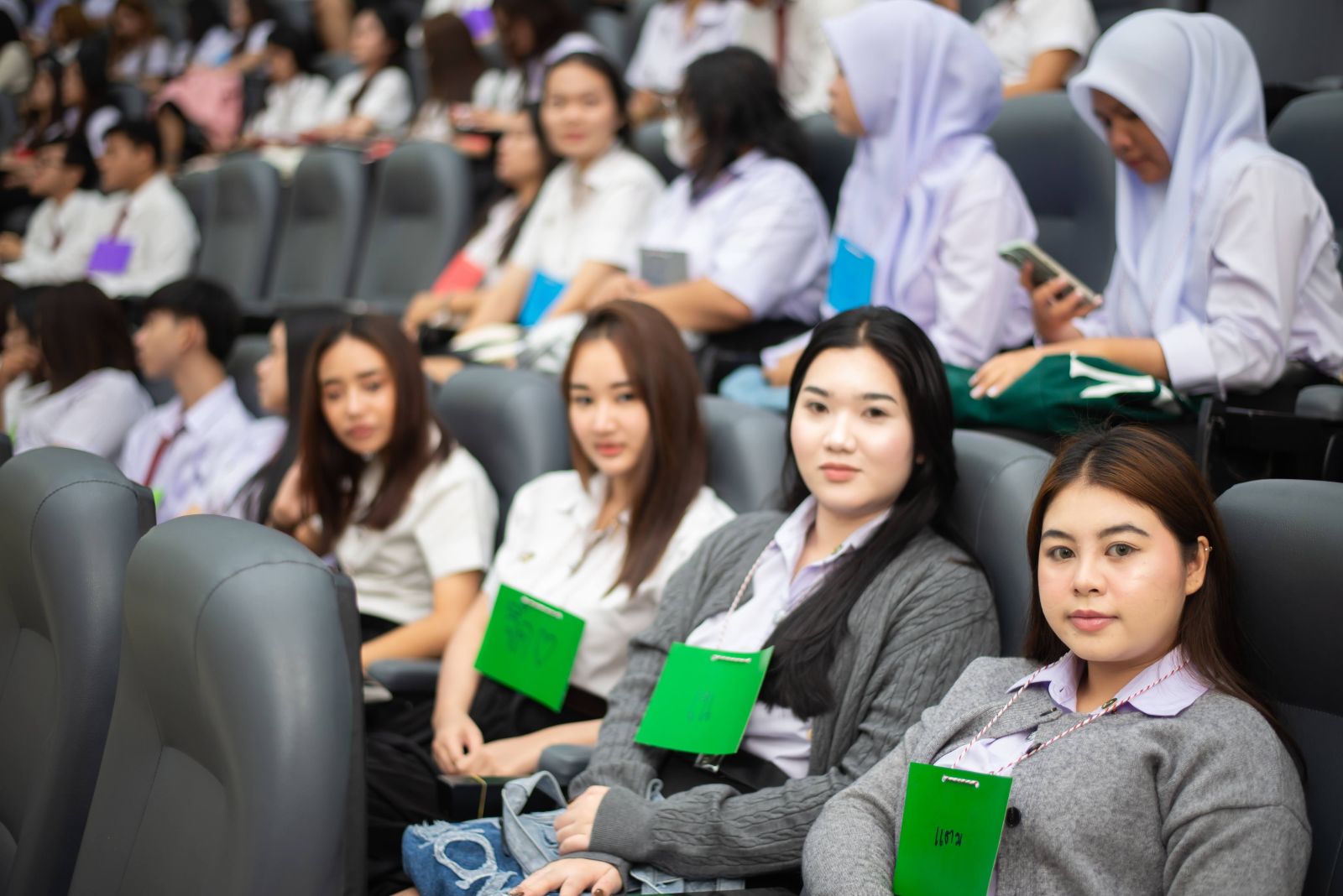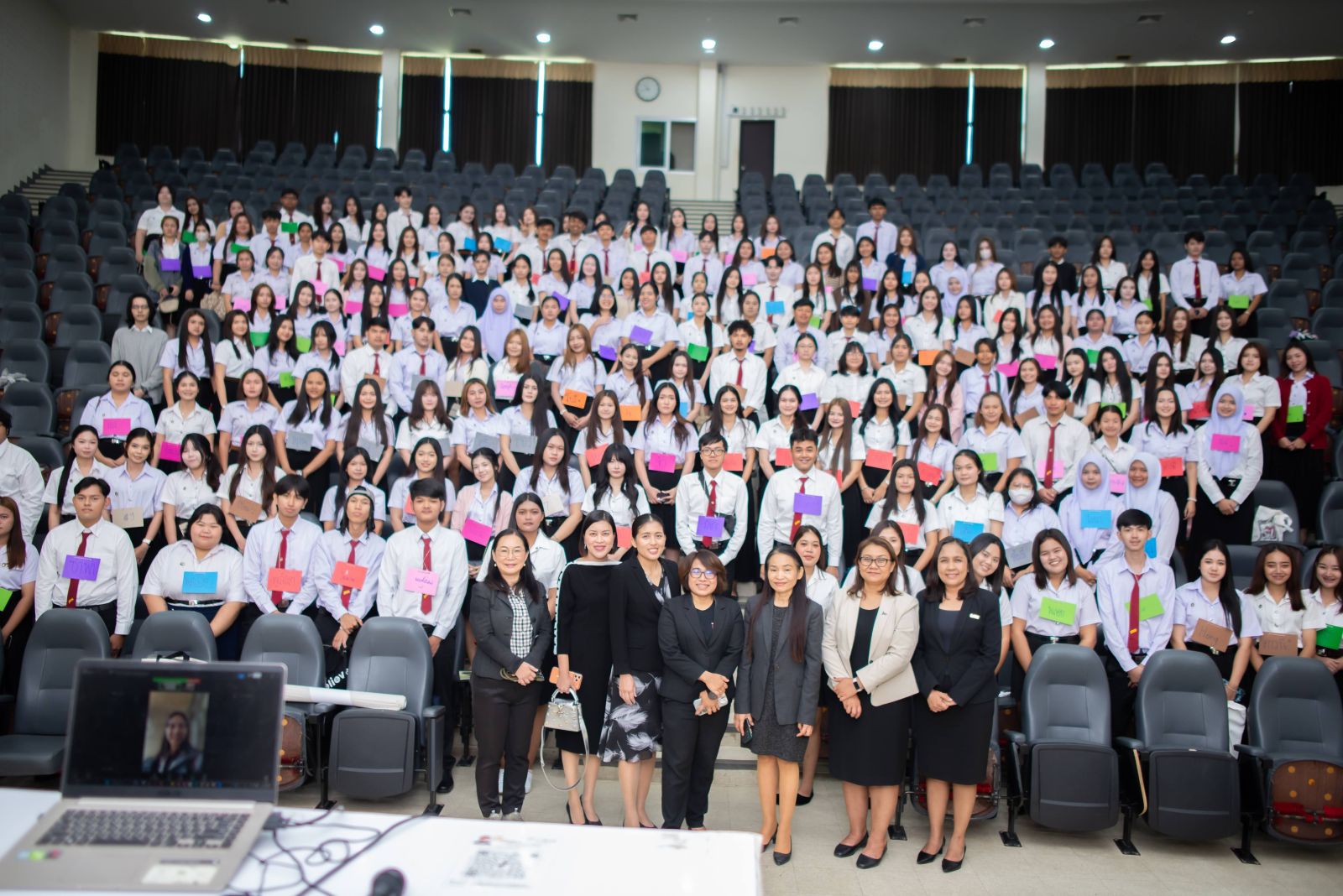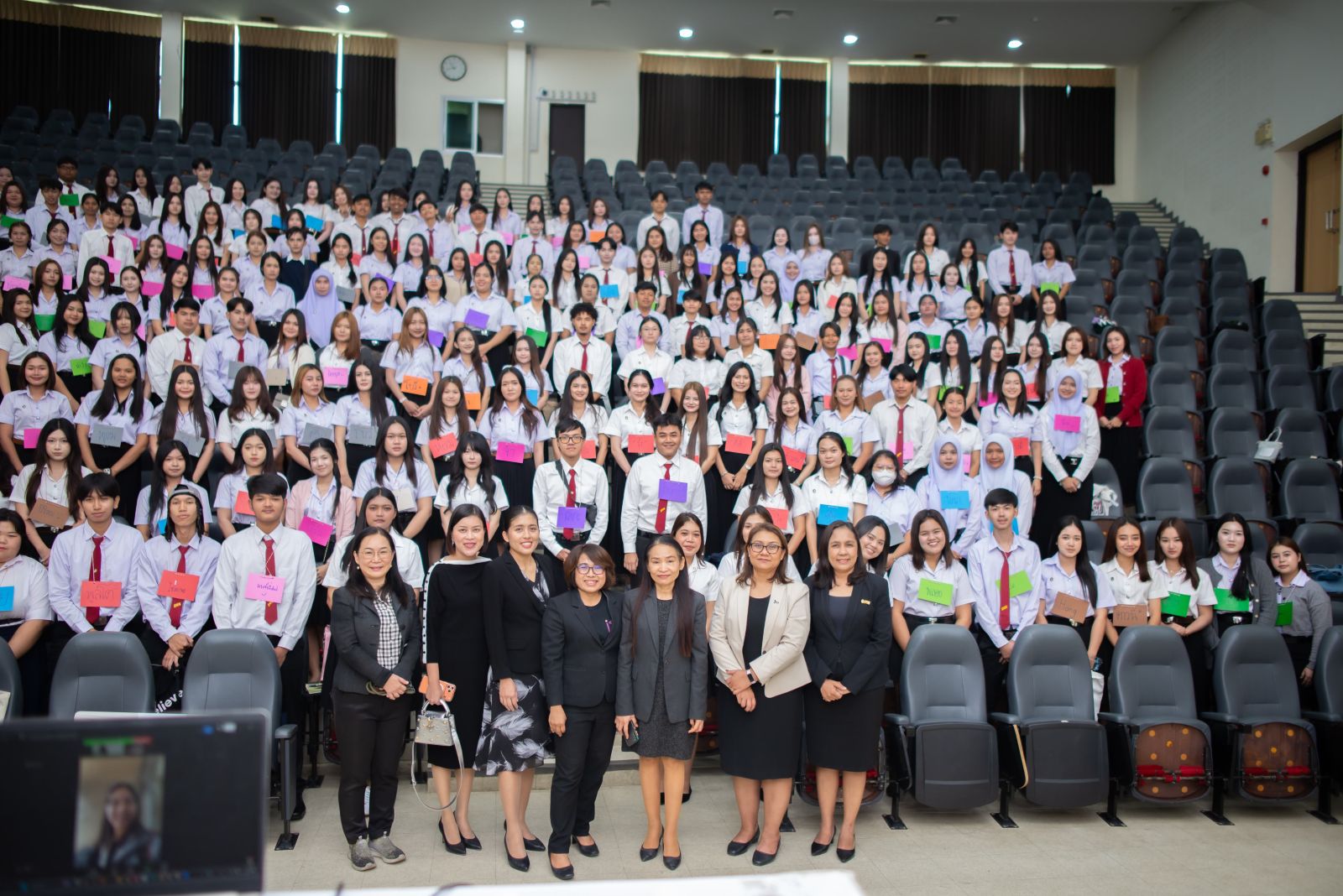
Freshy IST’s First Step Toward Becoming Future Changemakers Through Social Engineering Learning
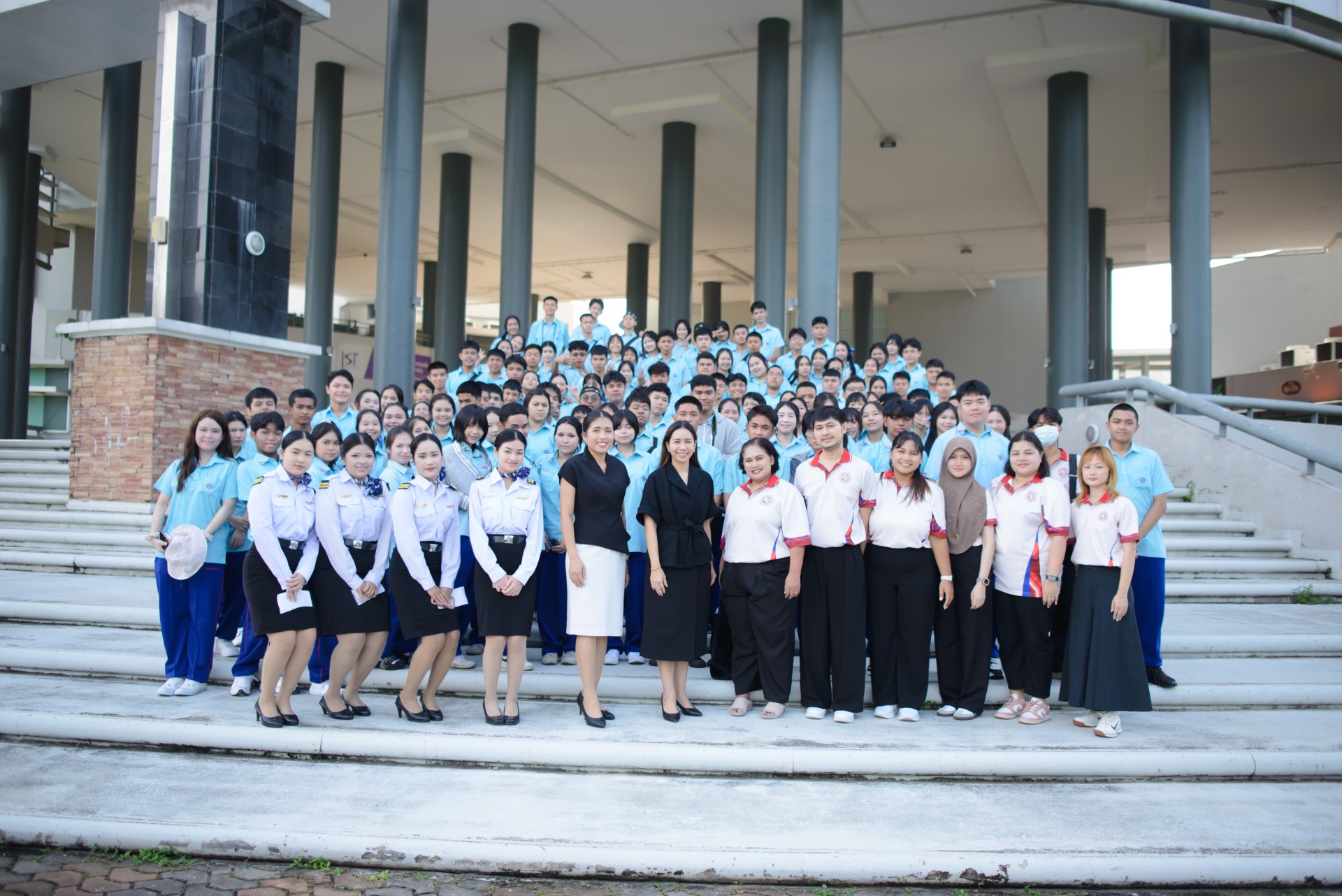
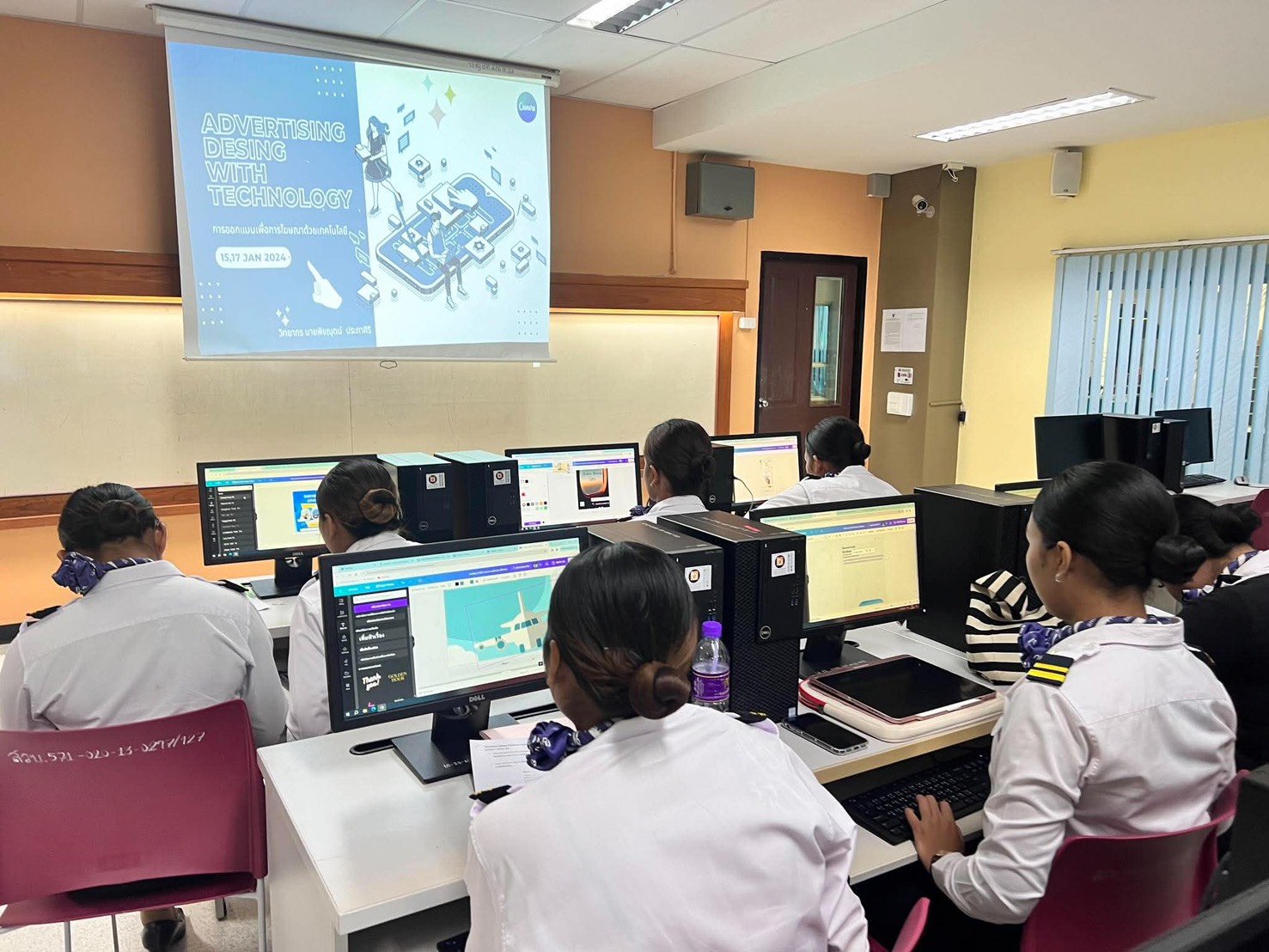
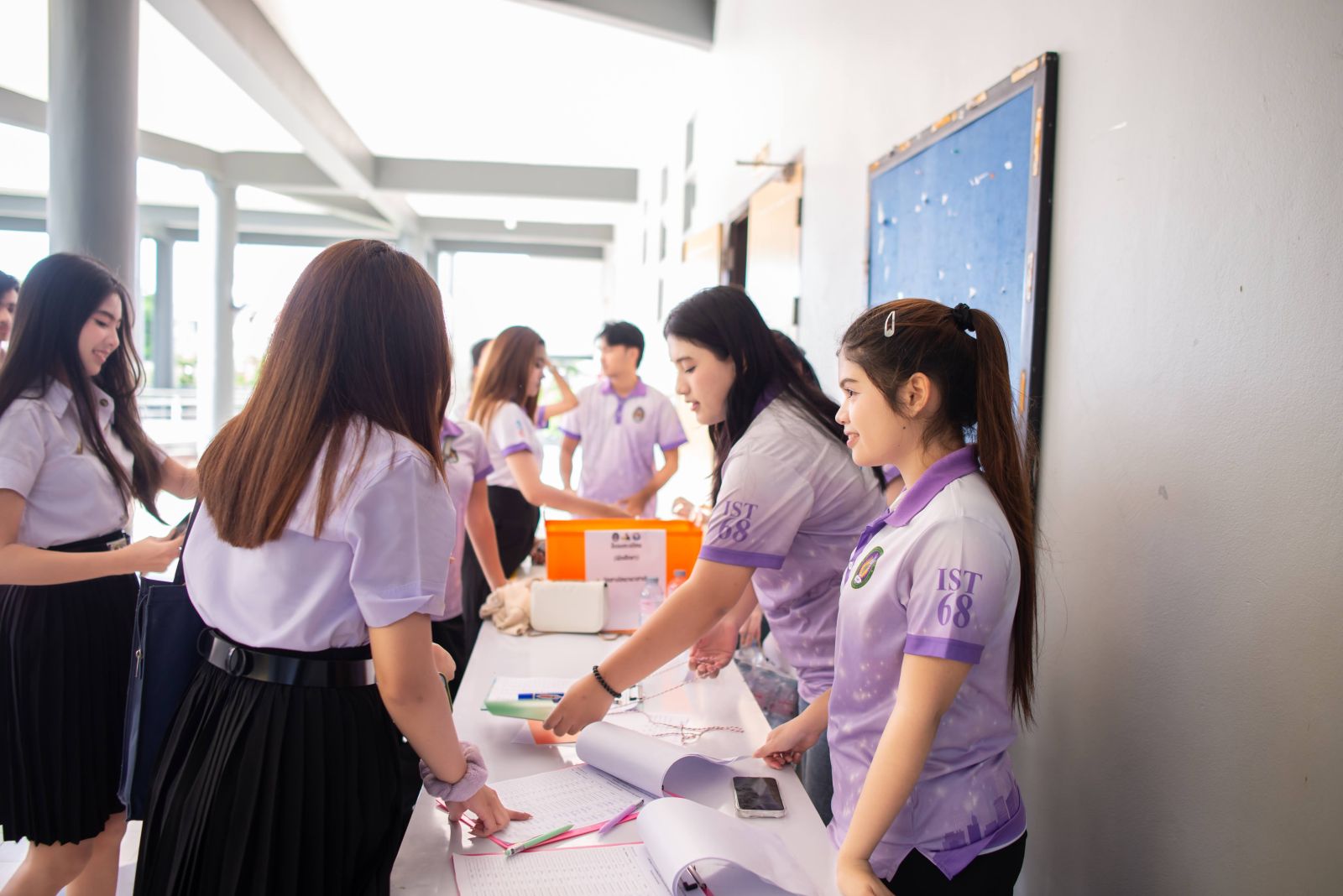
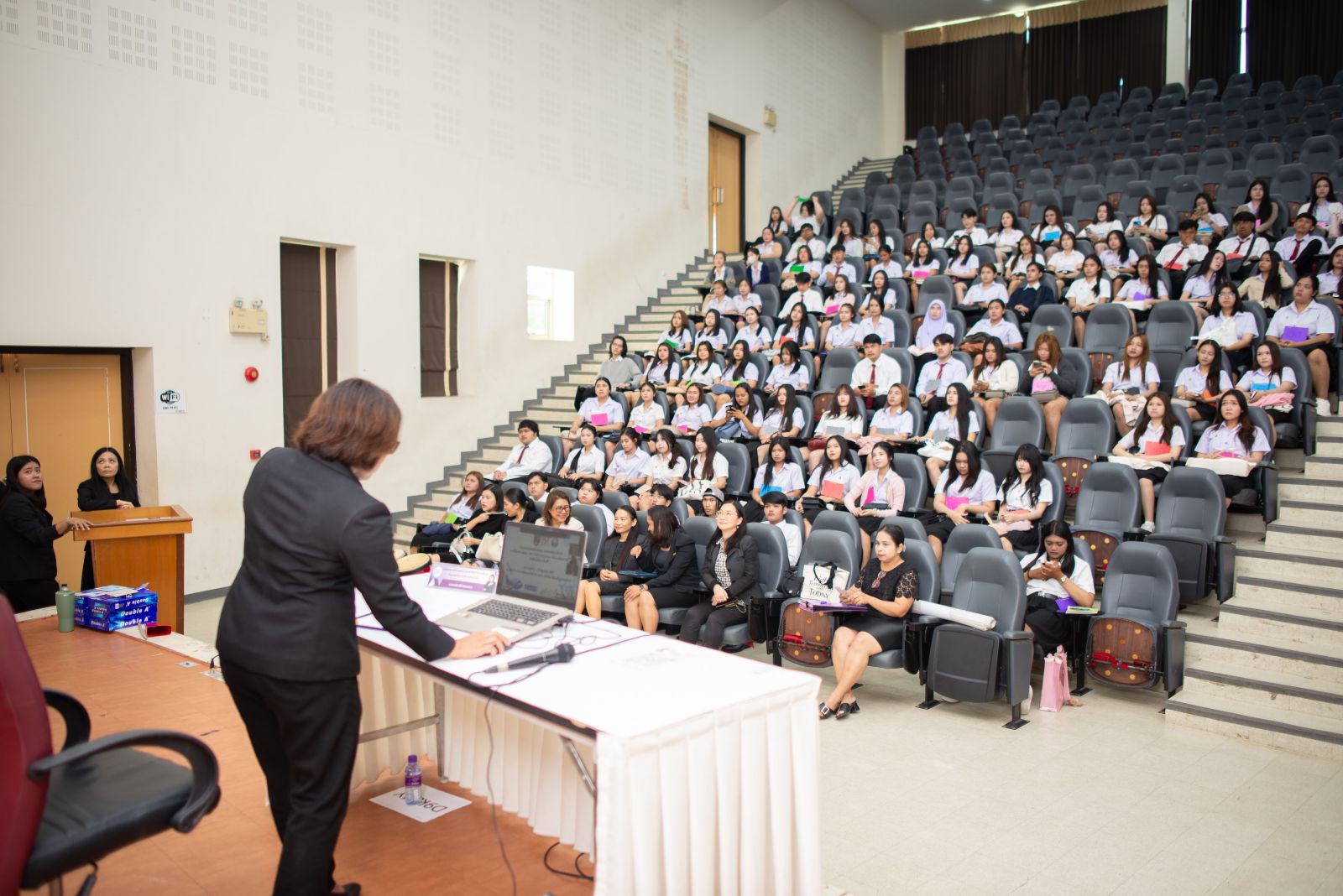
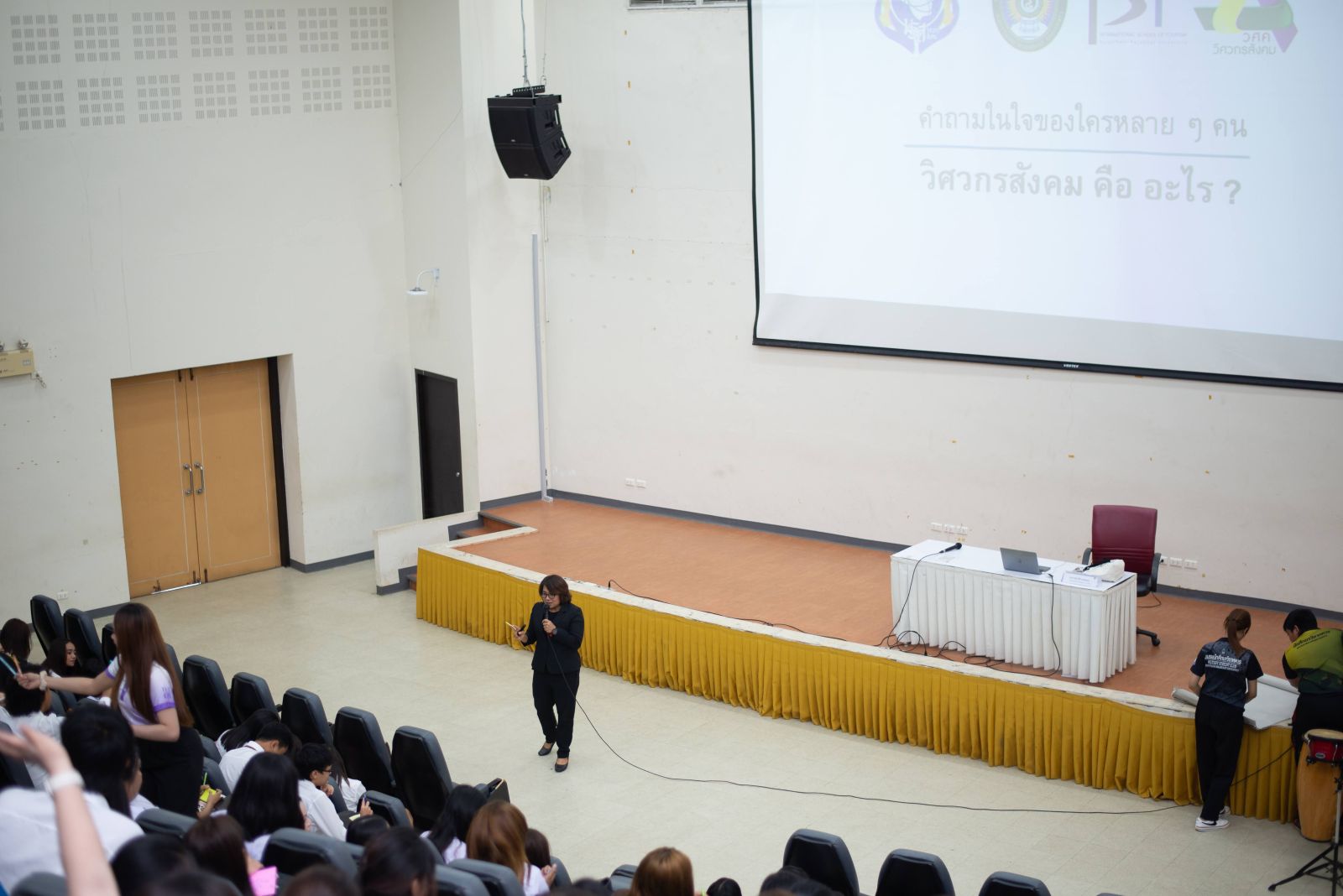
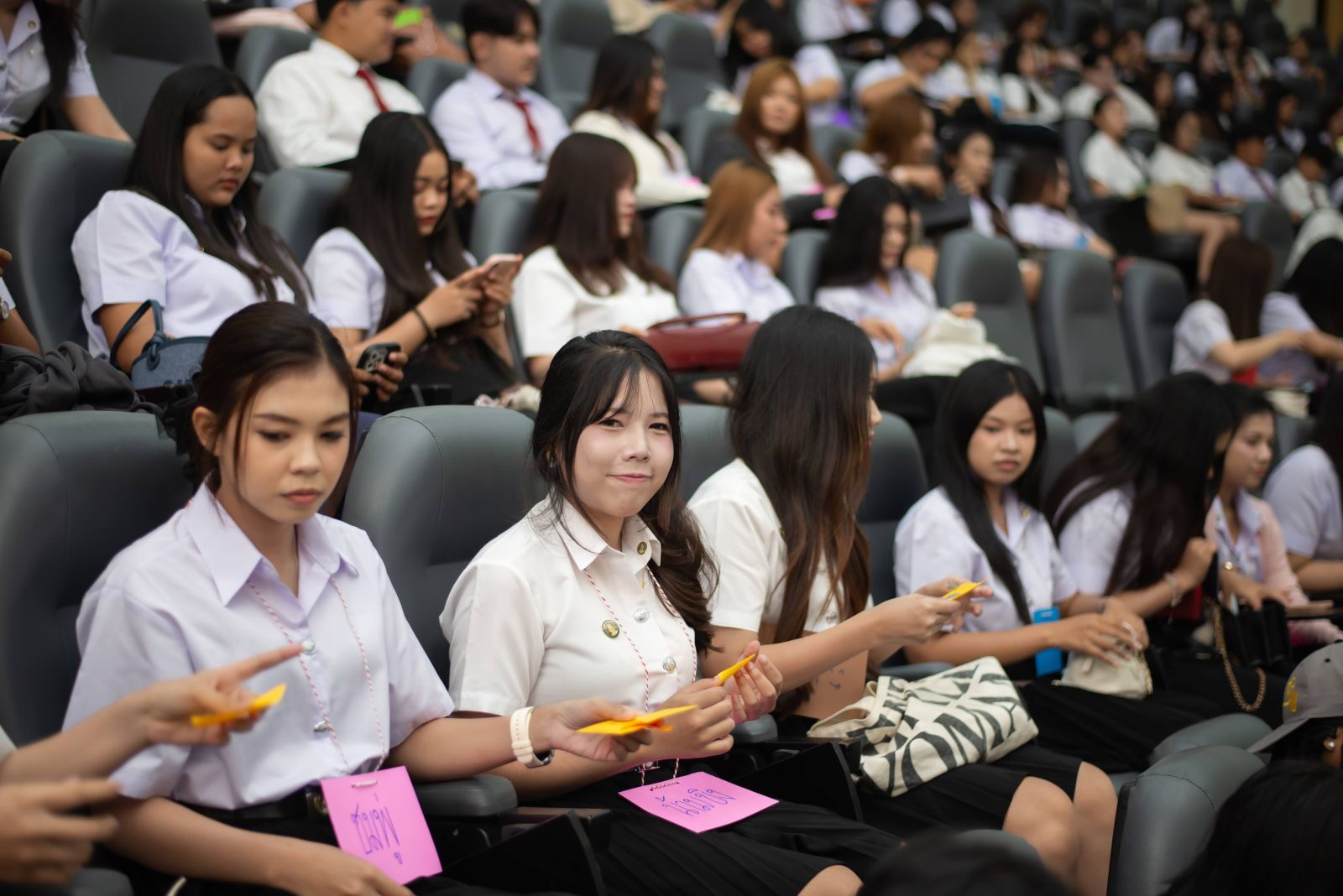
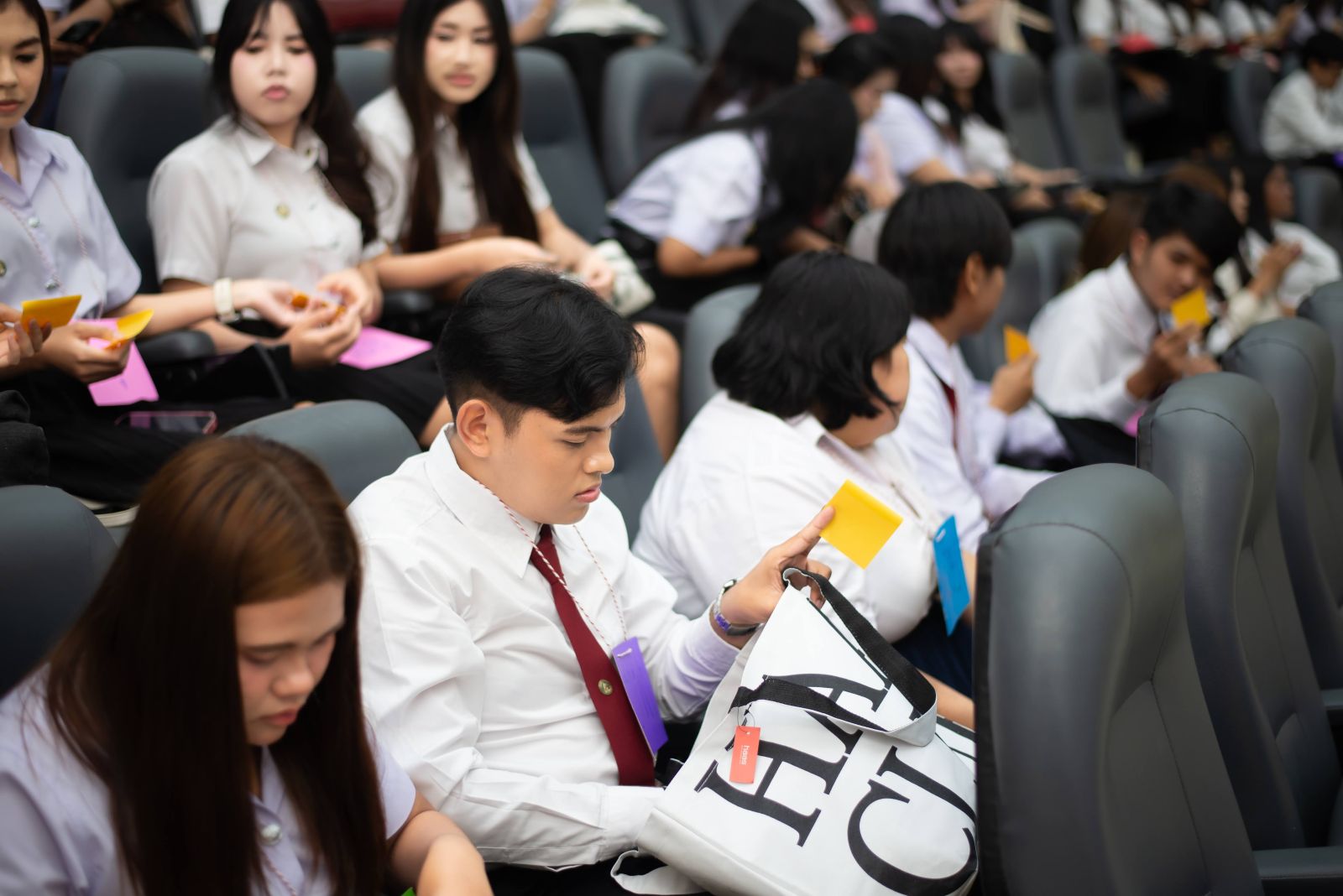
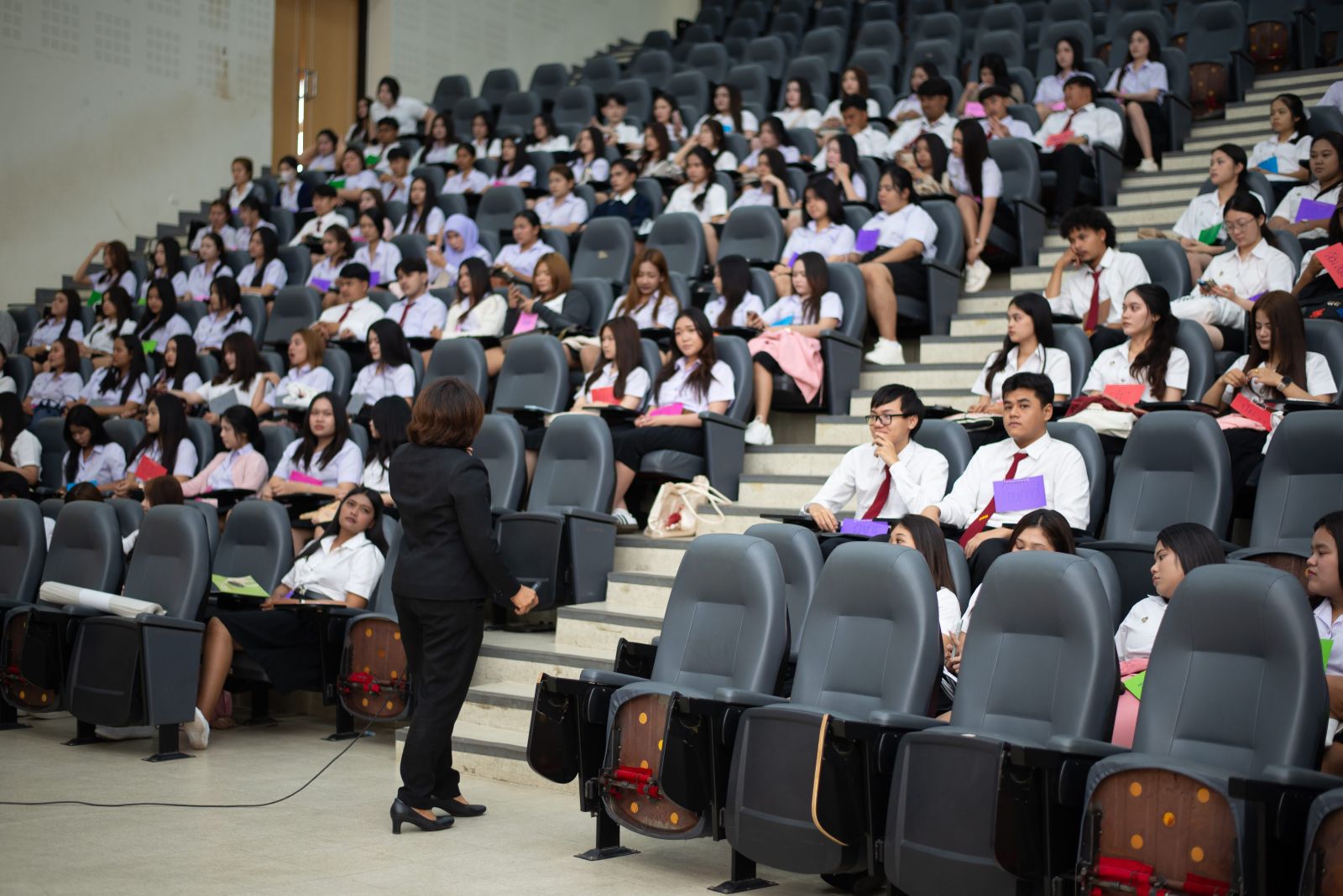
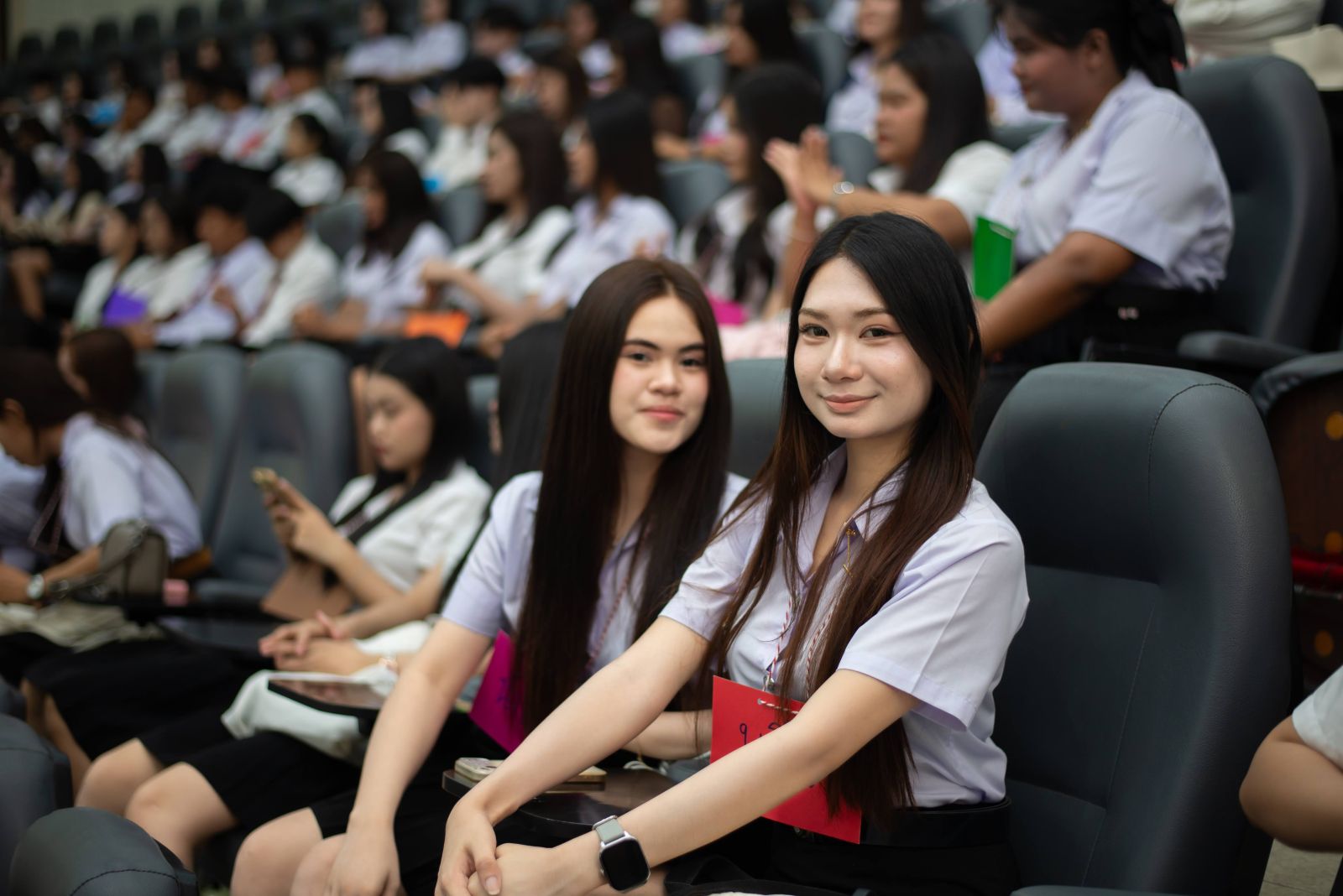
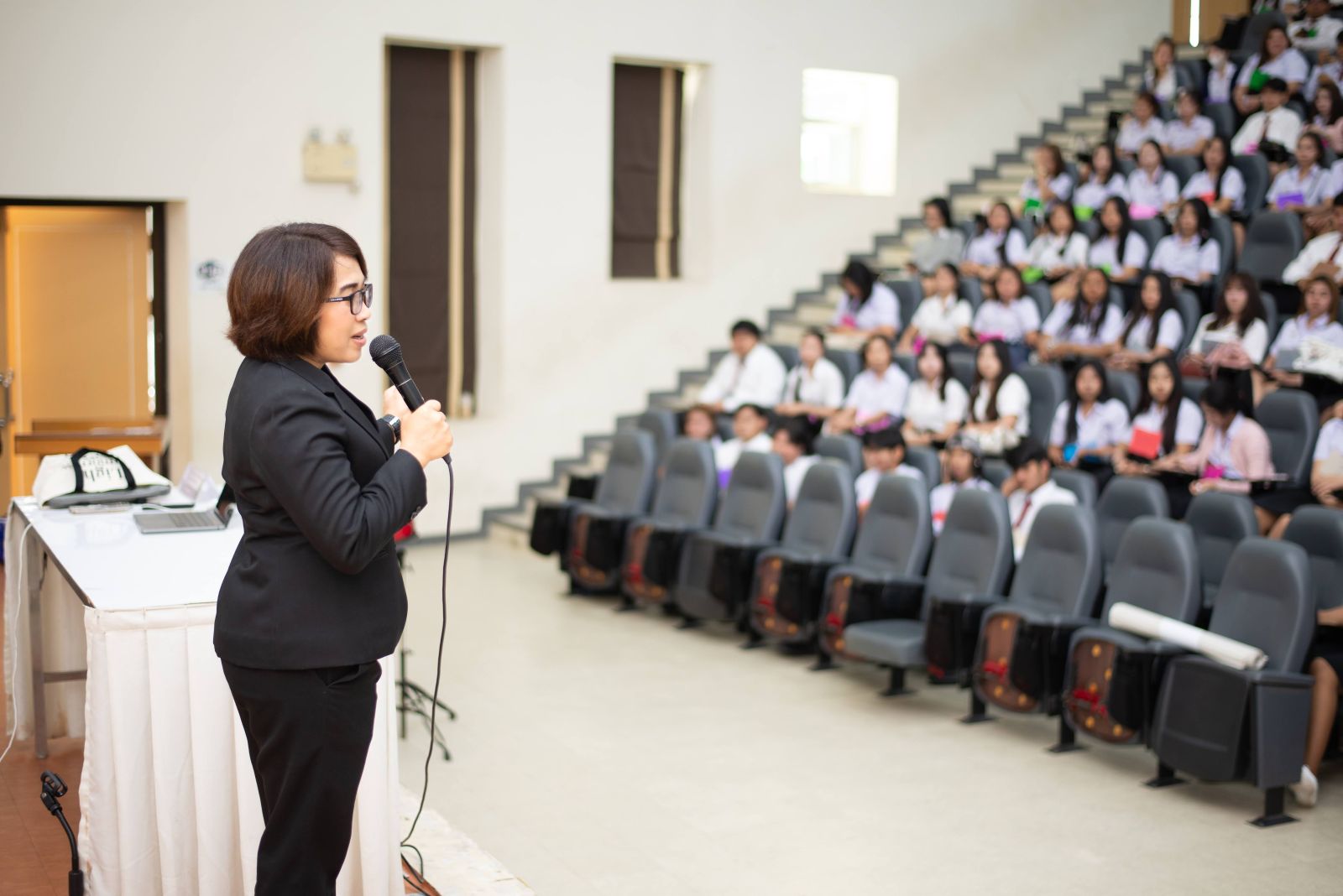
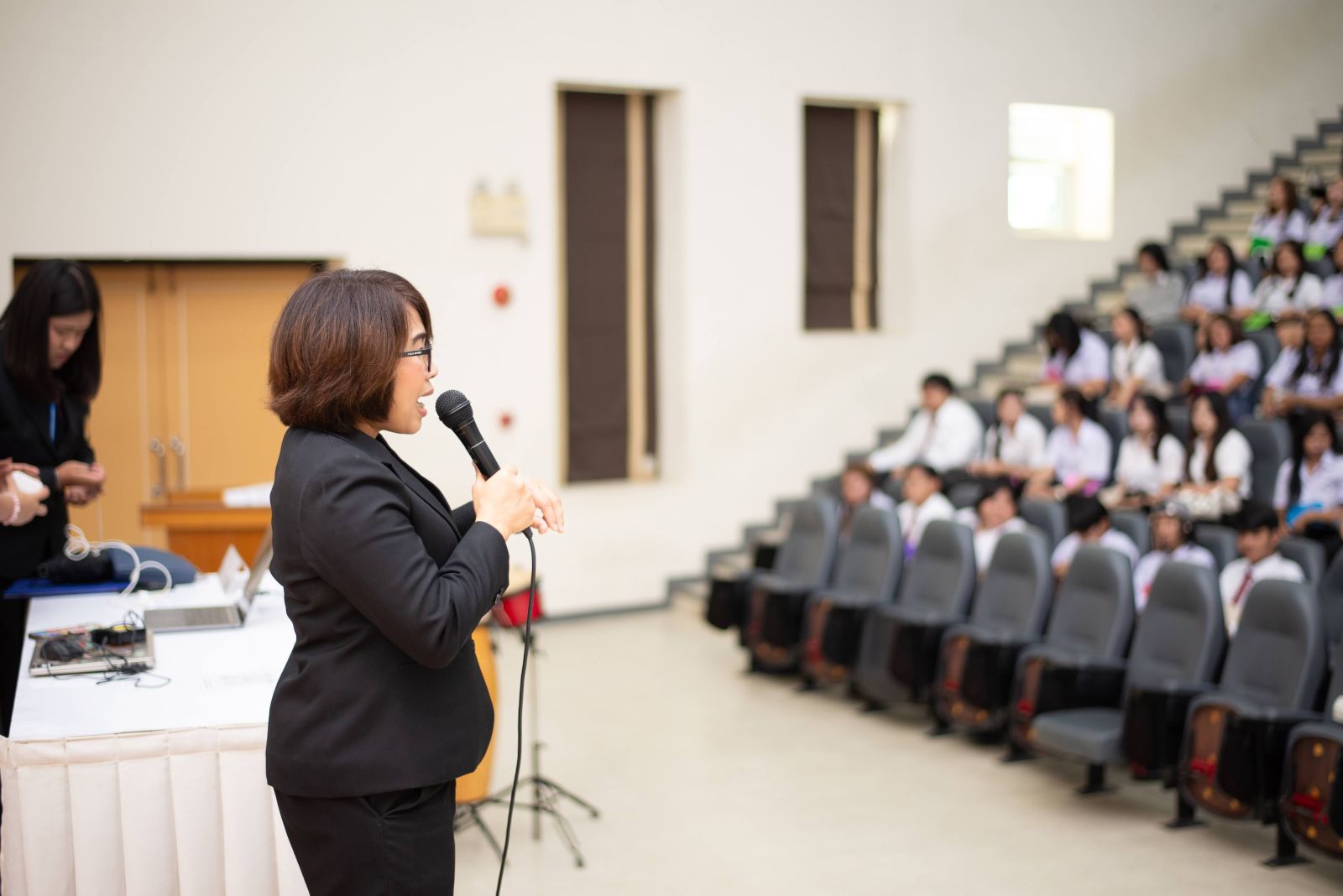
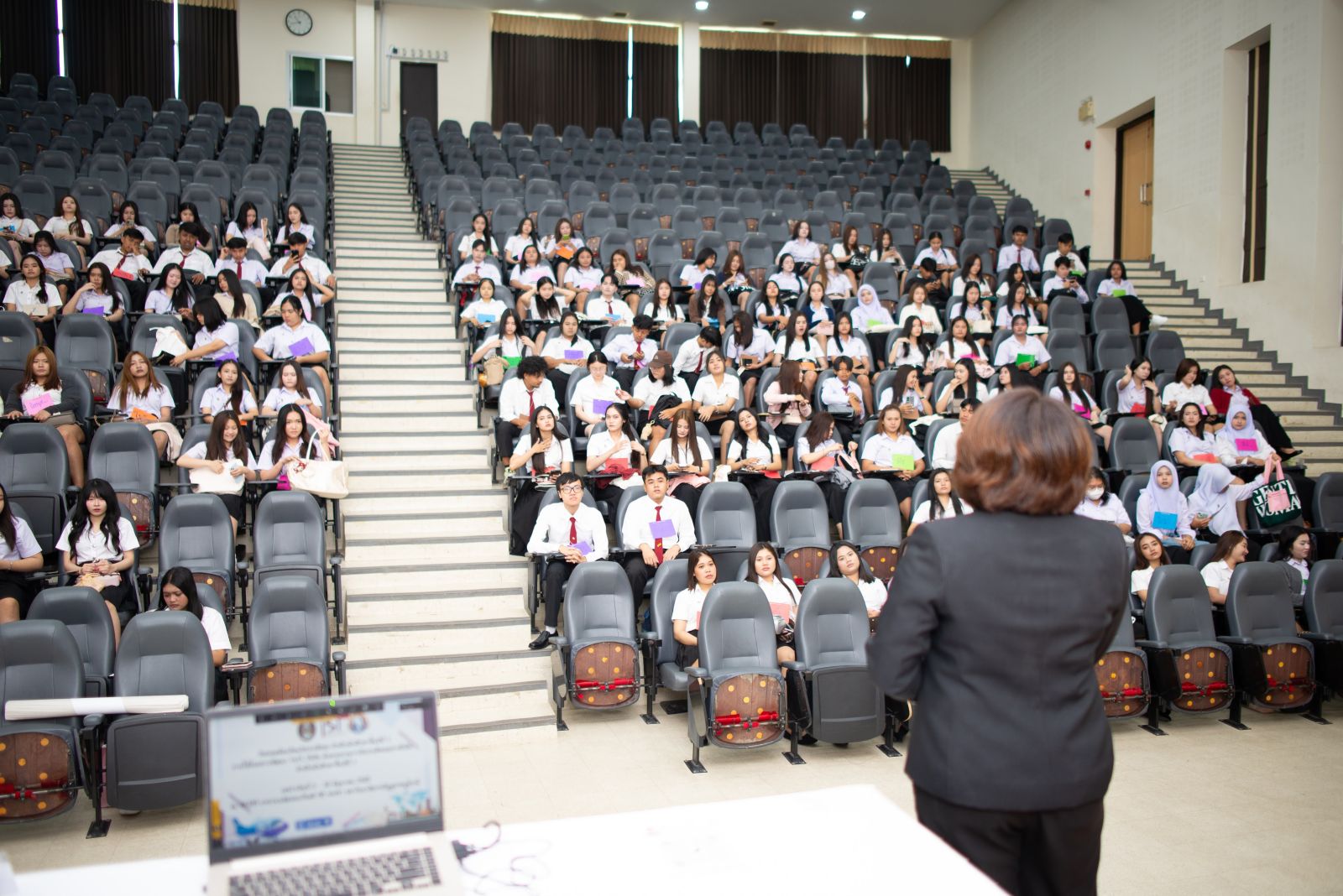
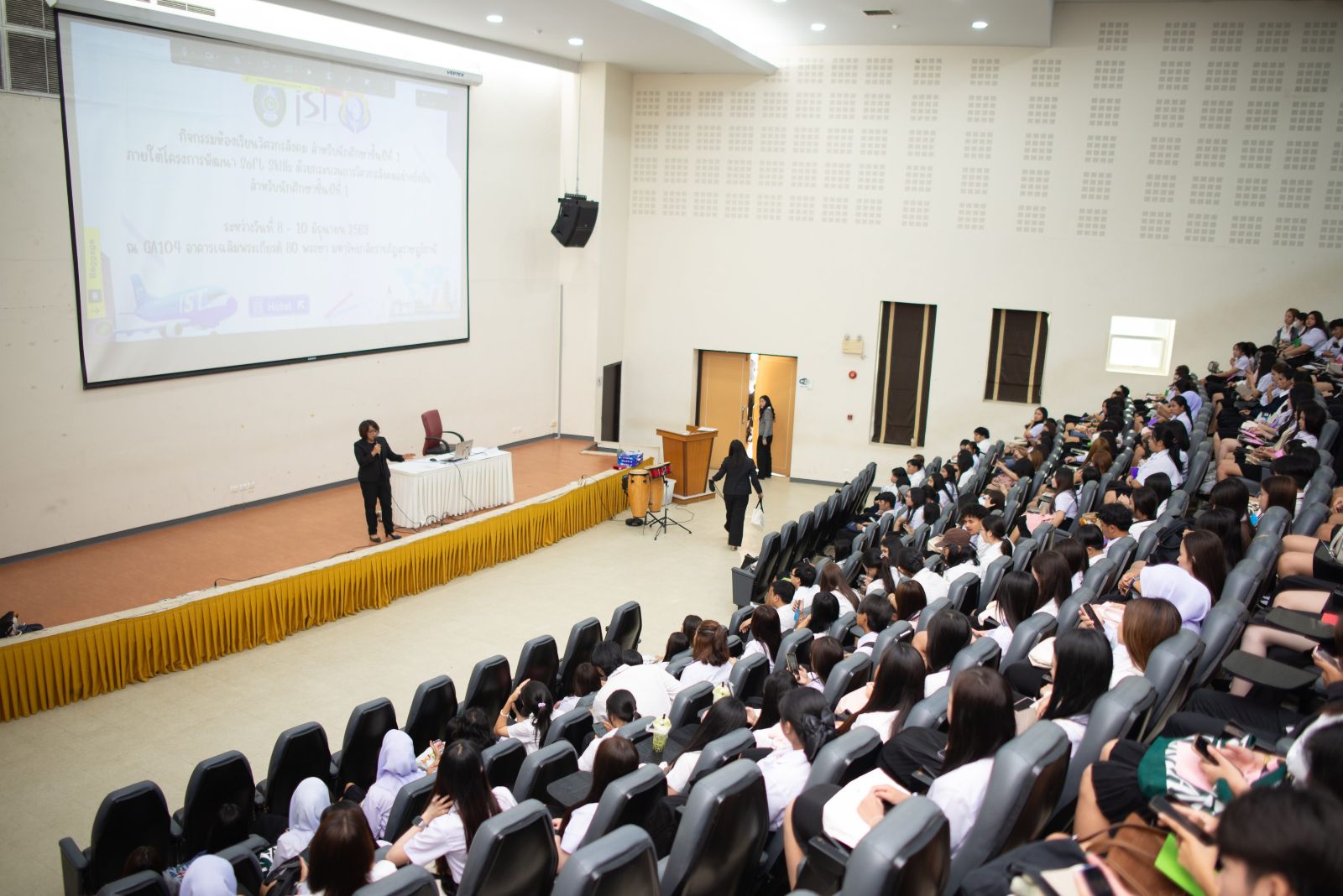
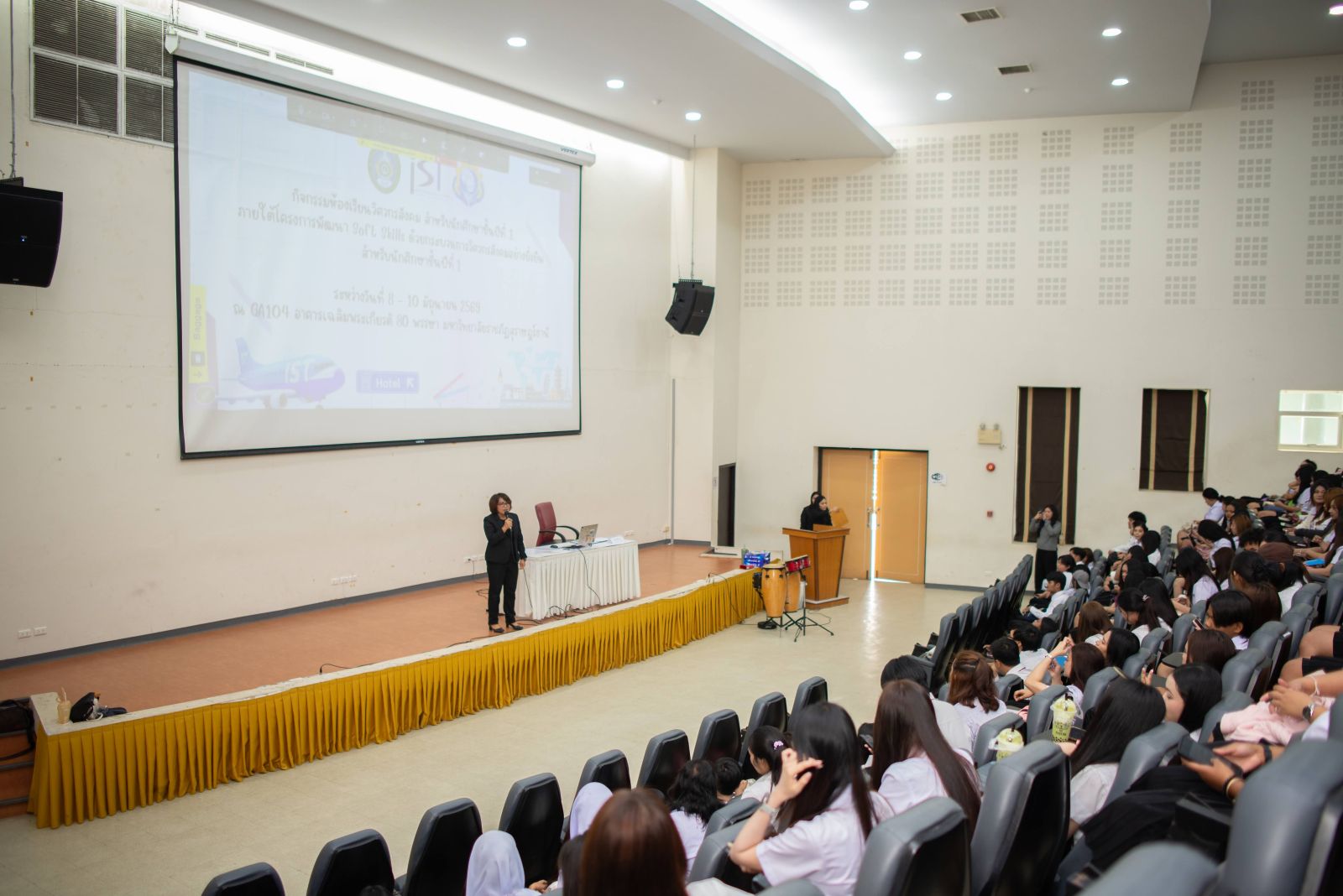
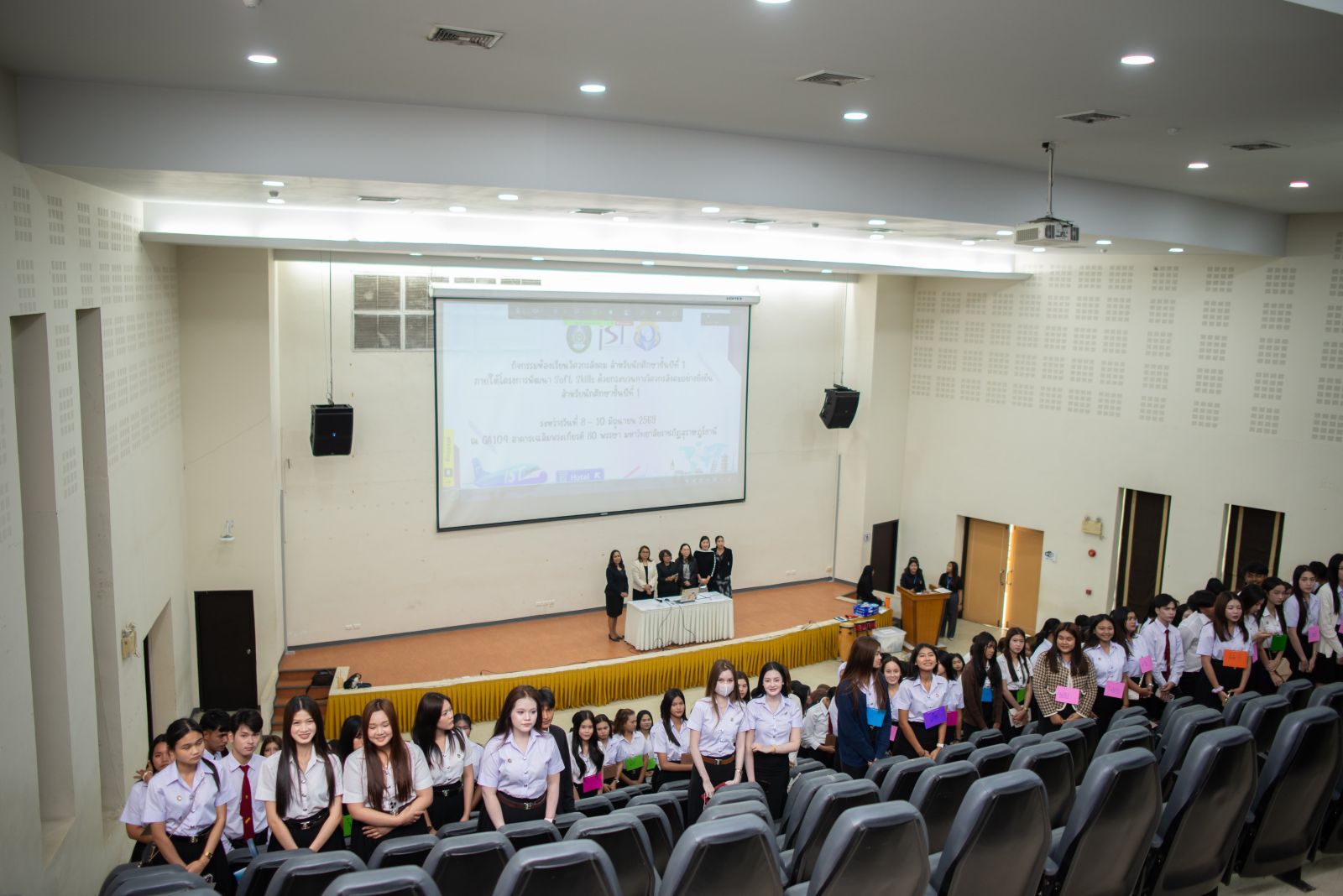
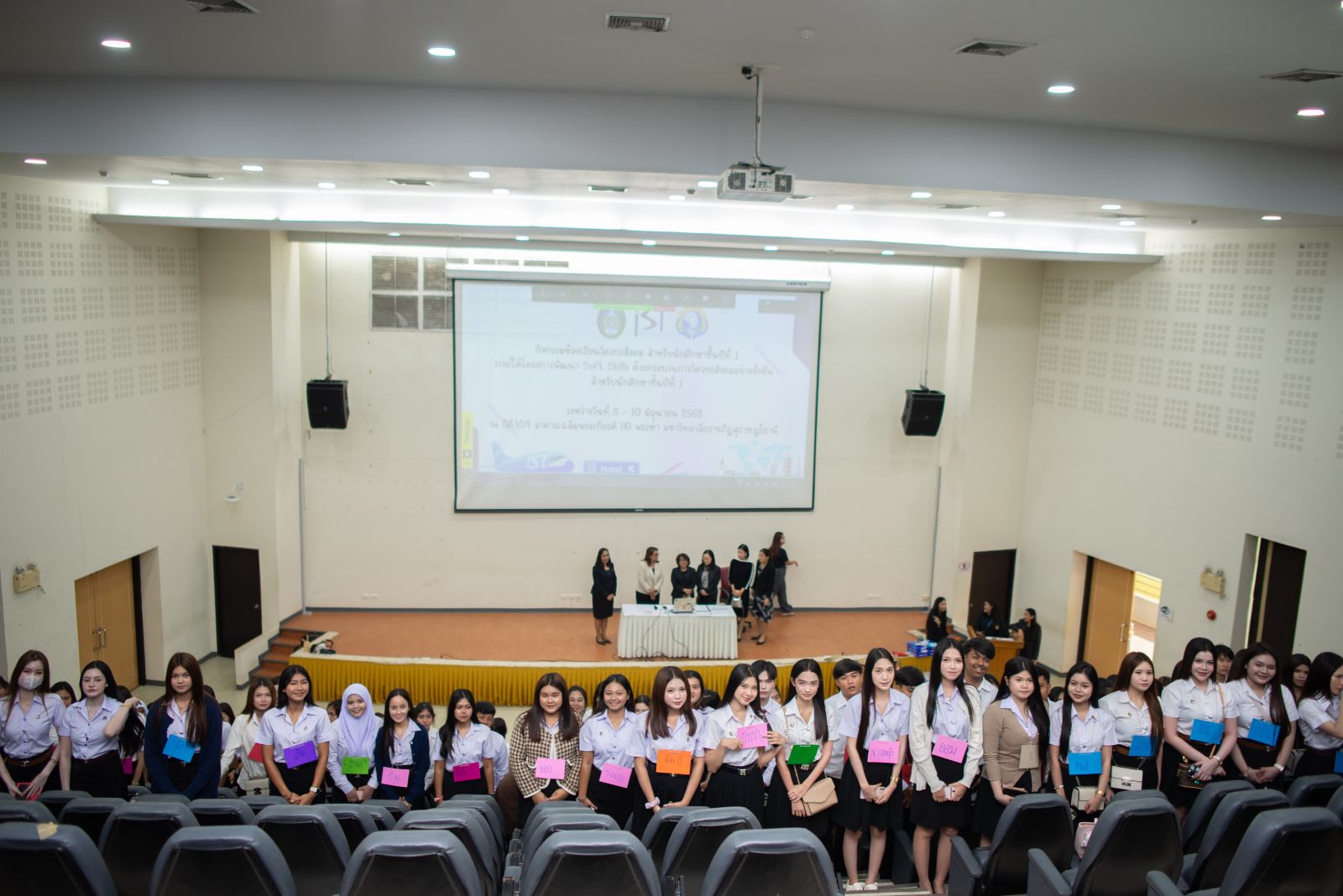
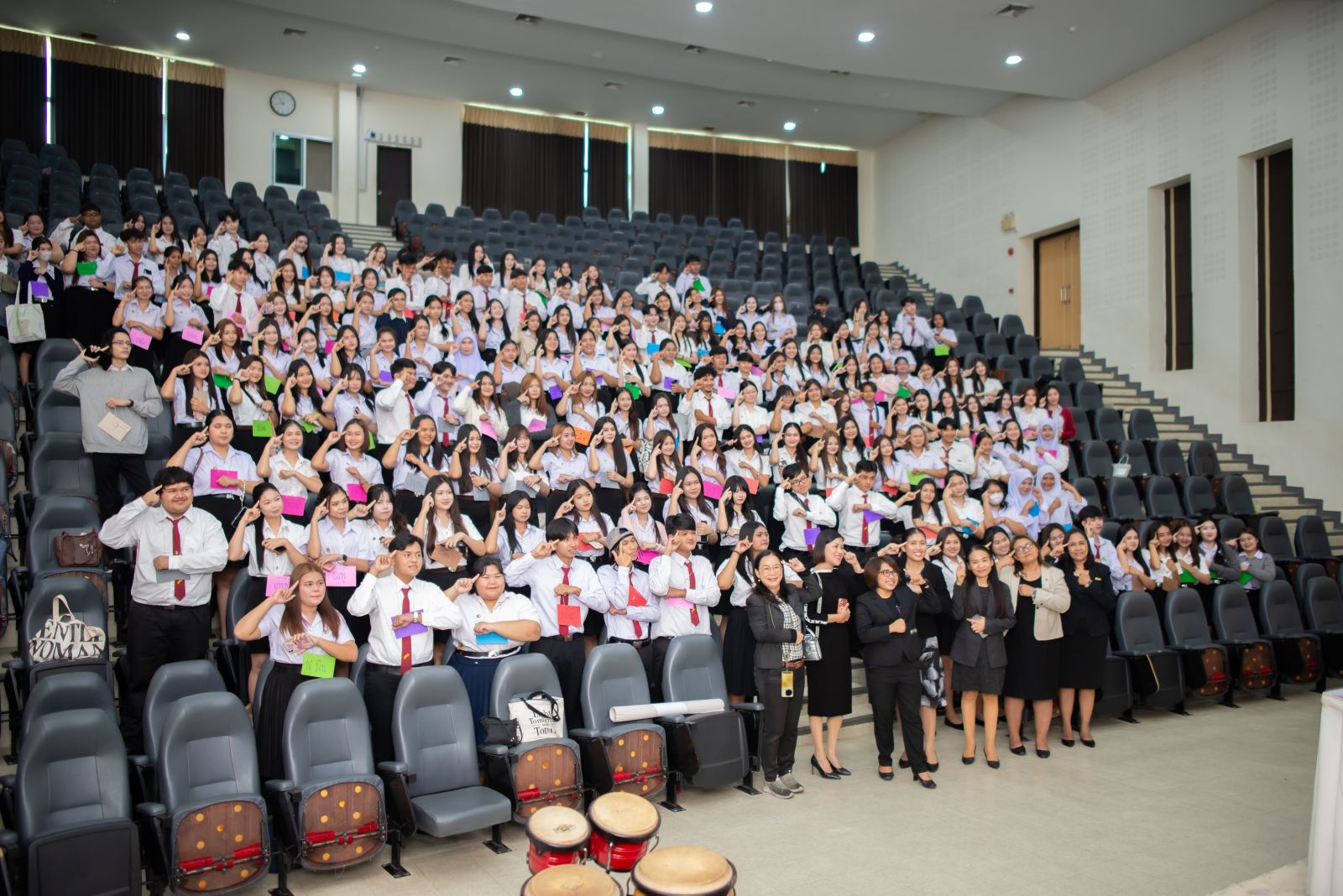
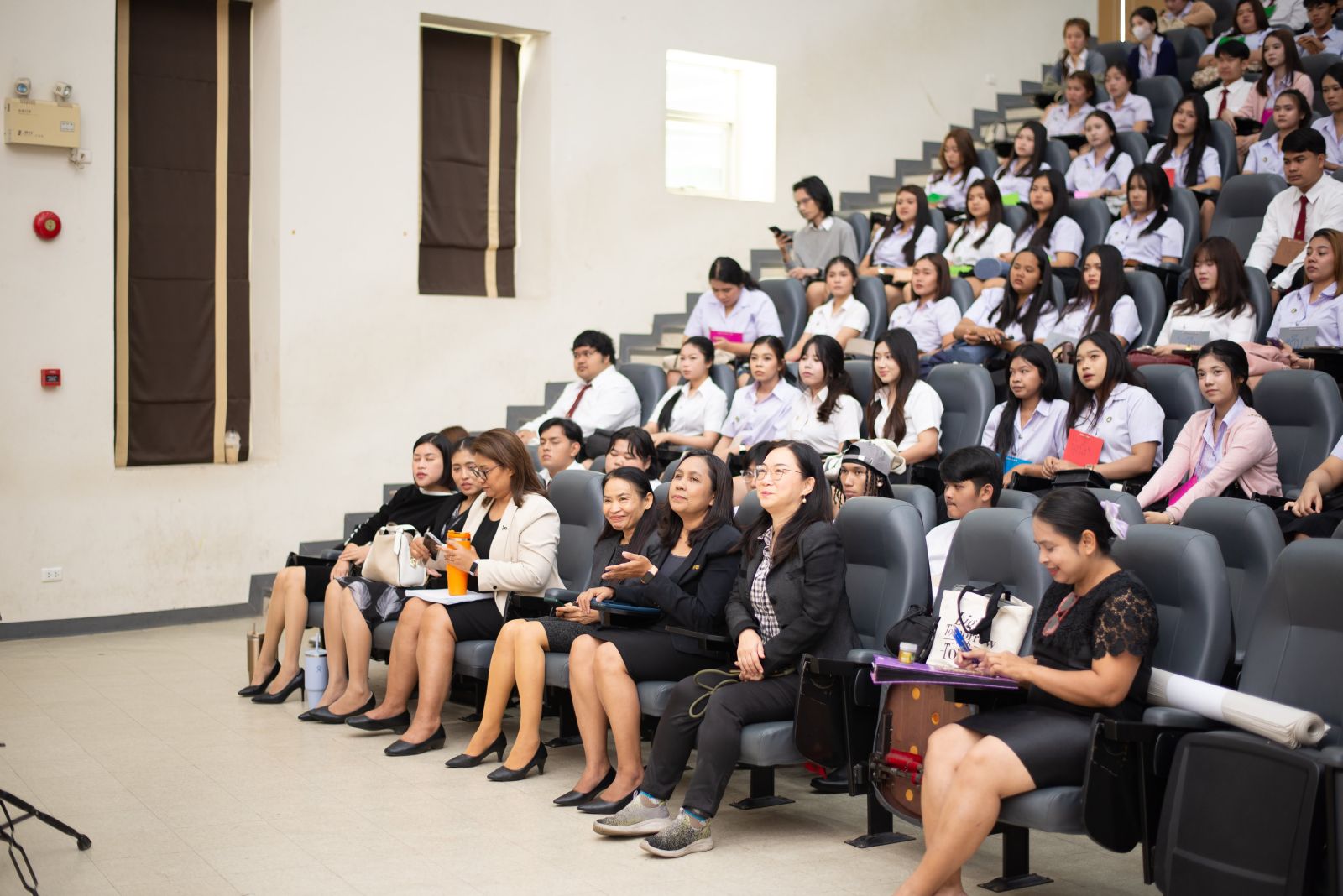
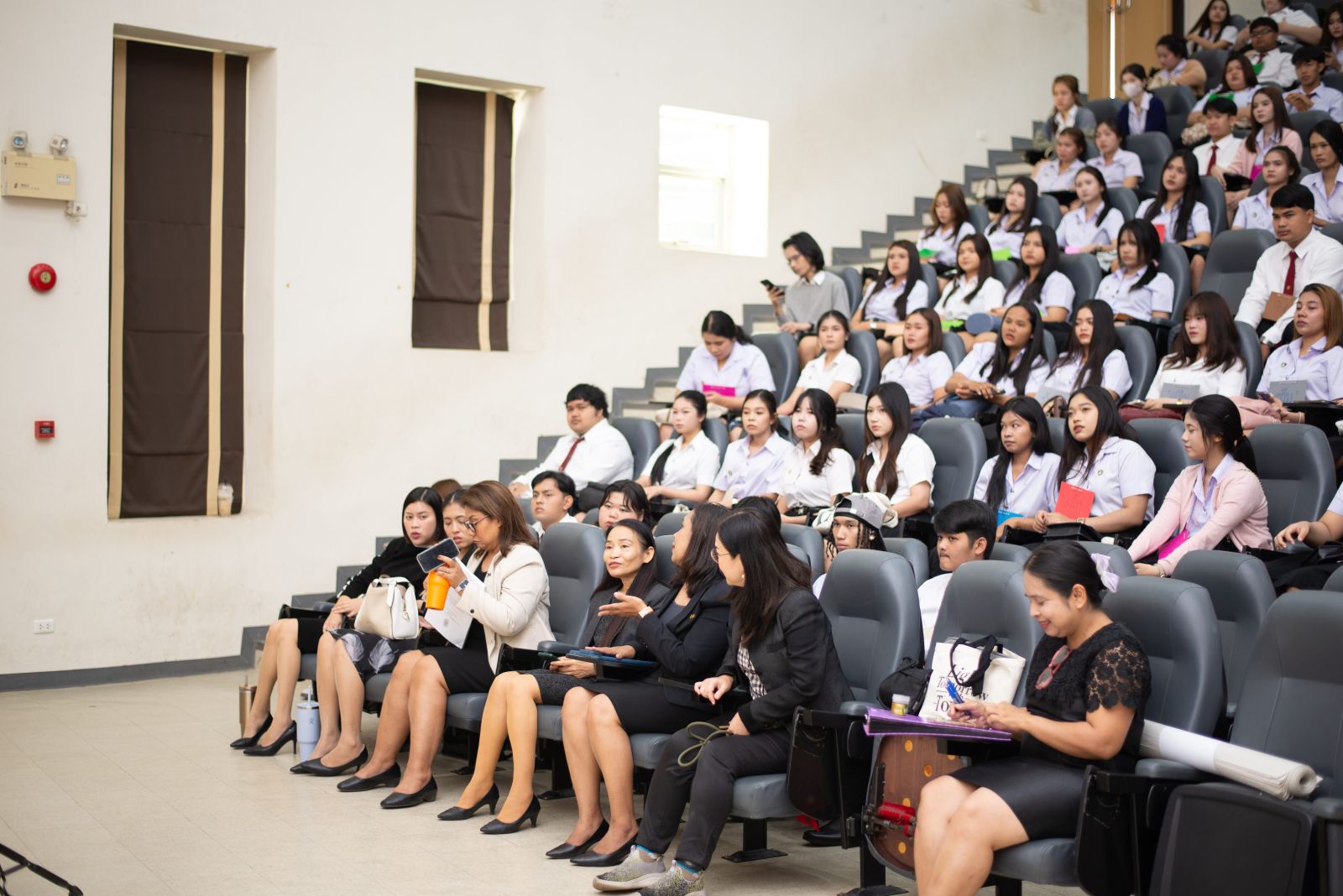
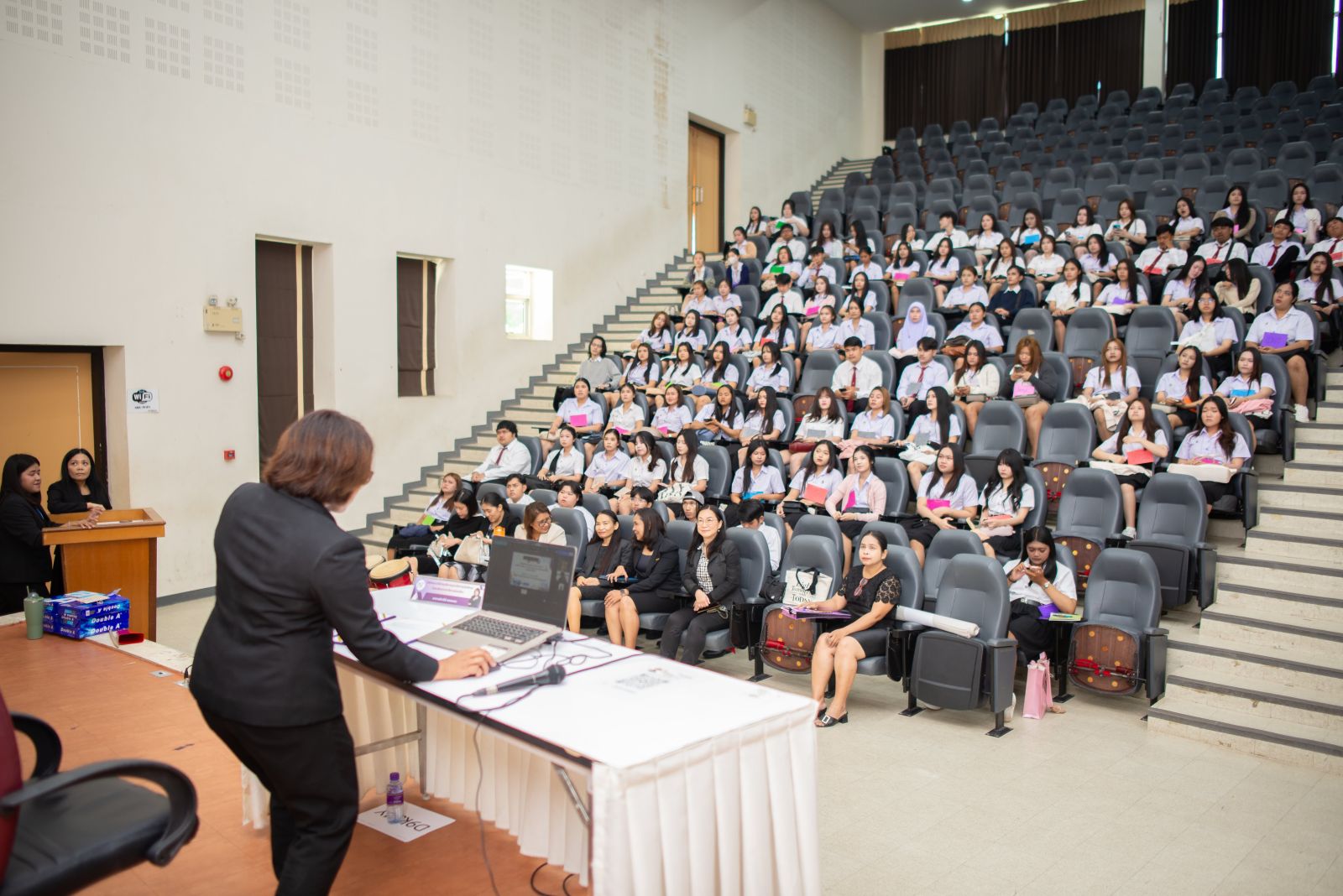
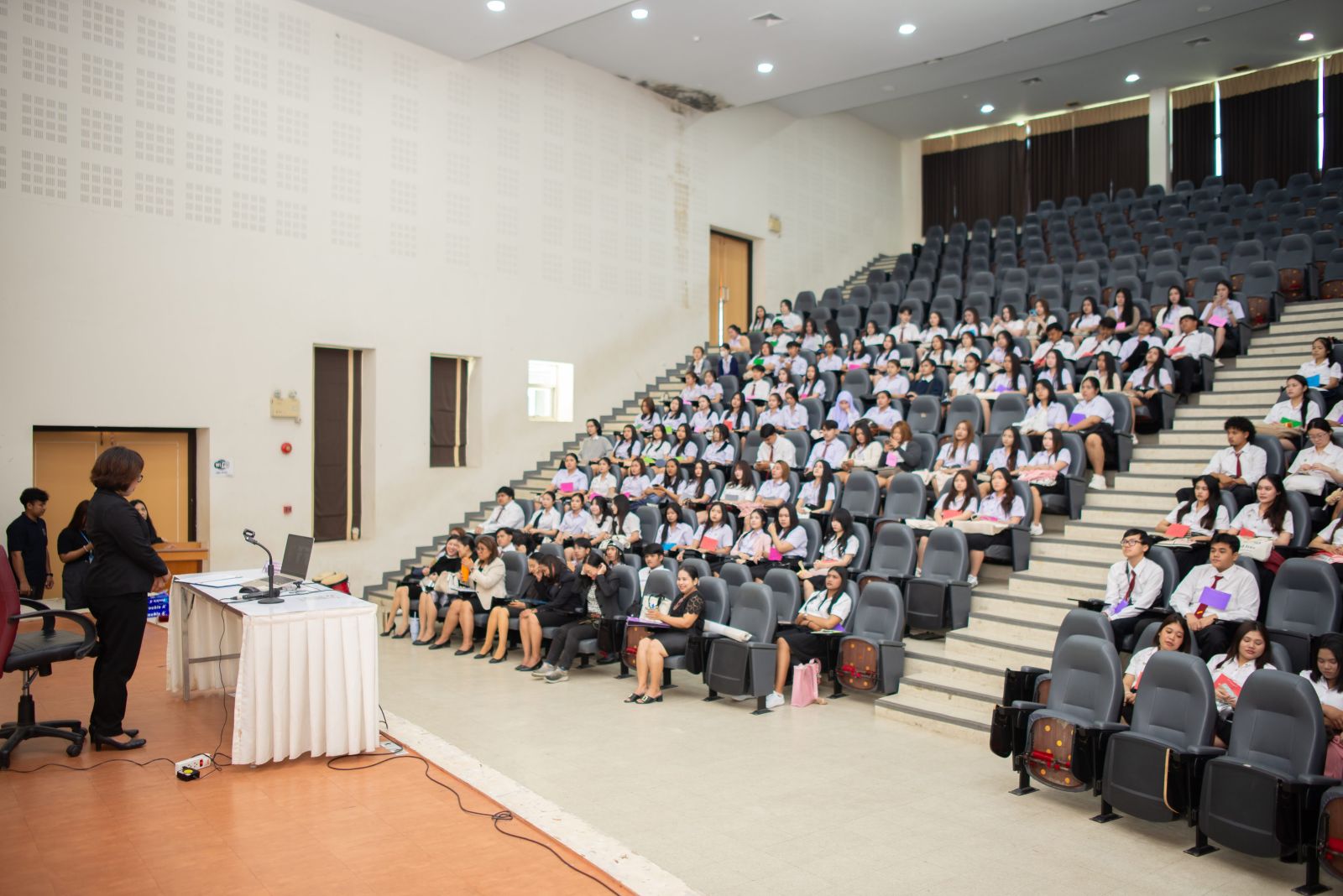
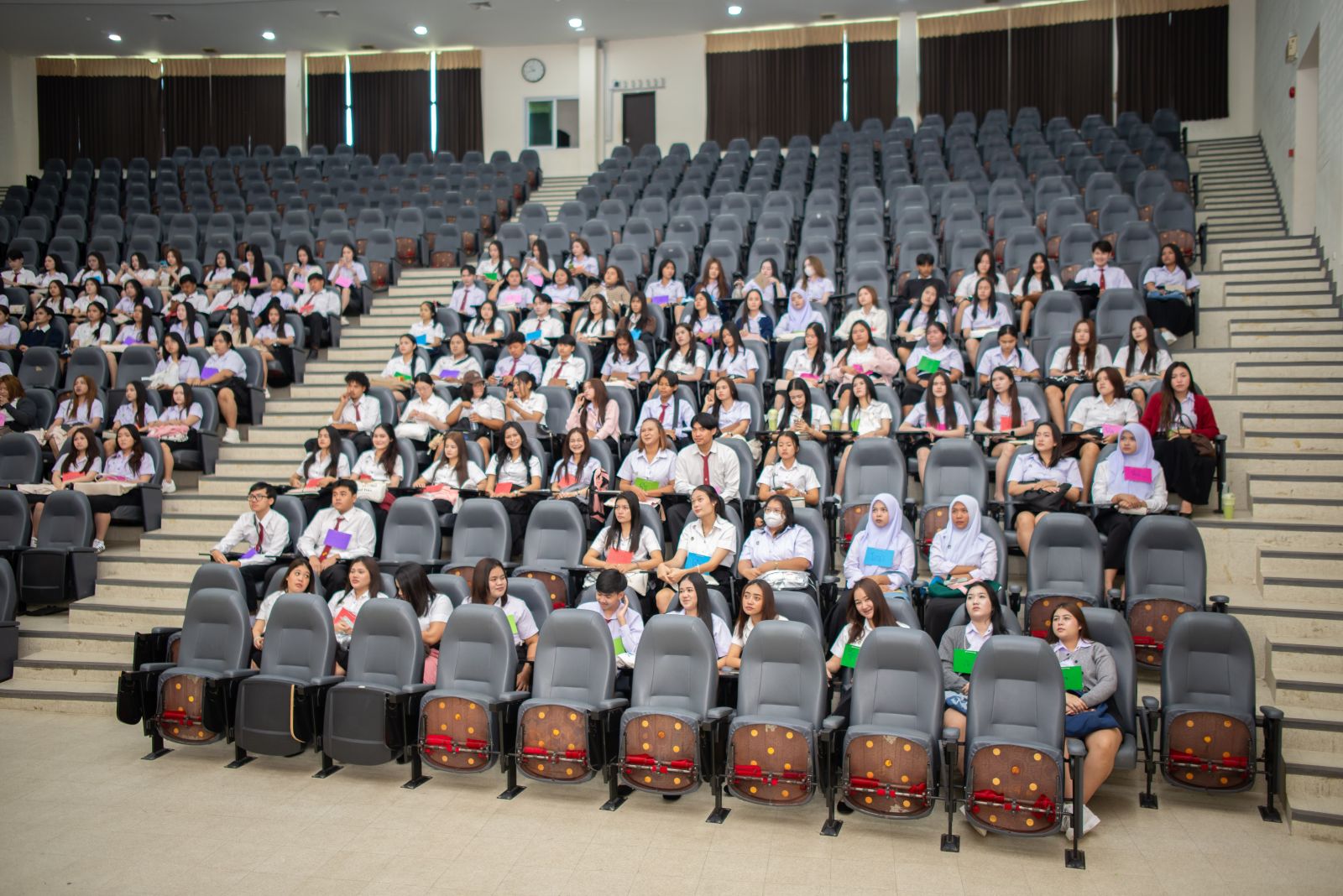
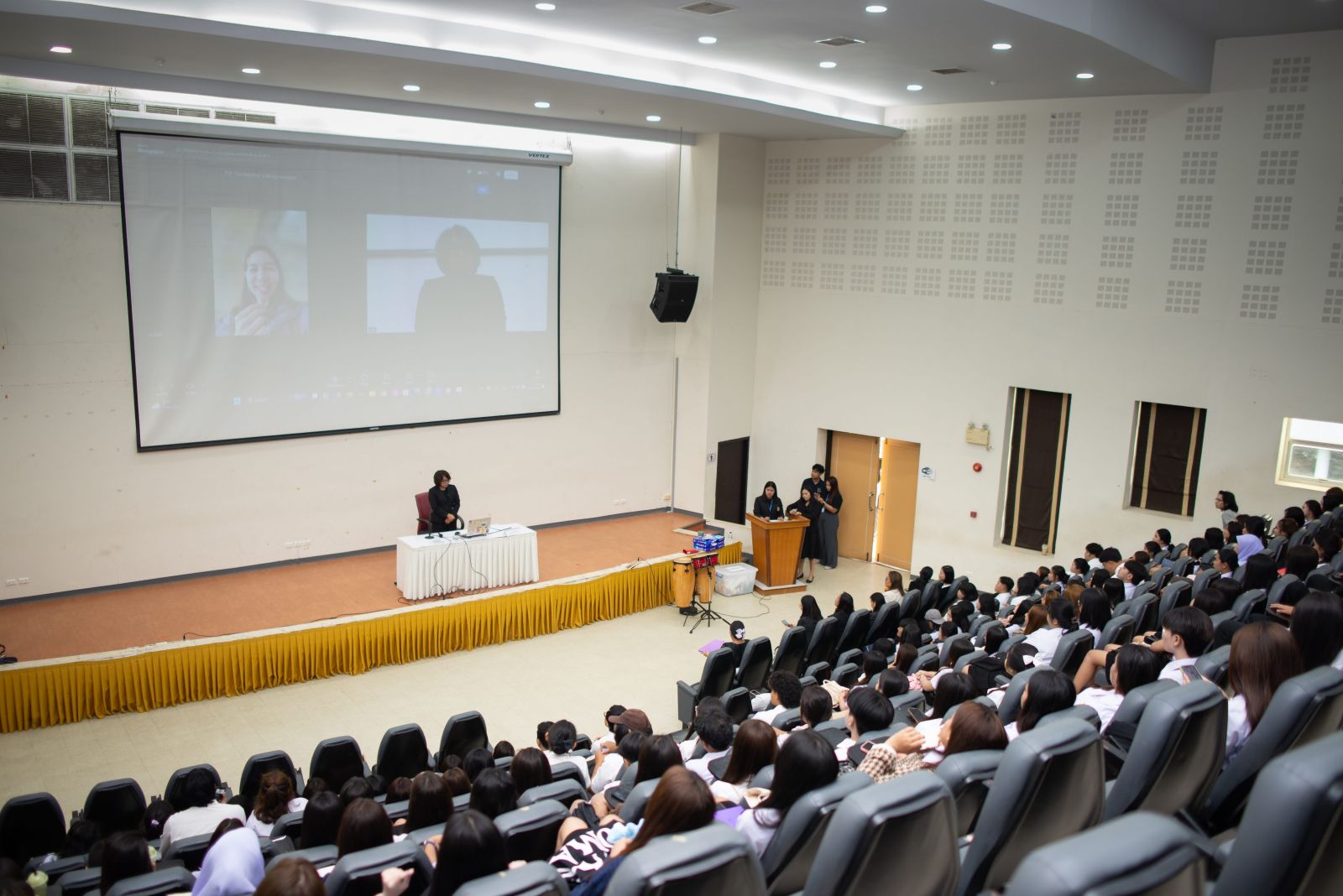
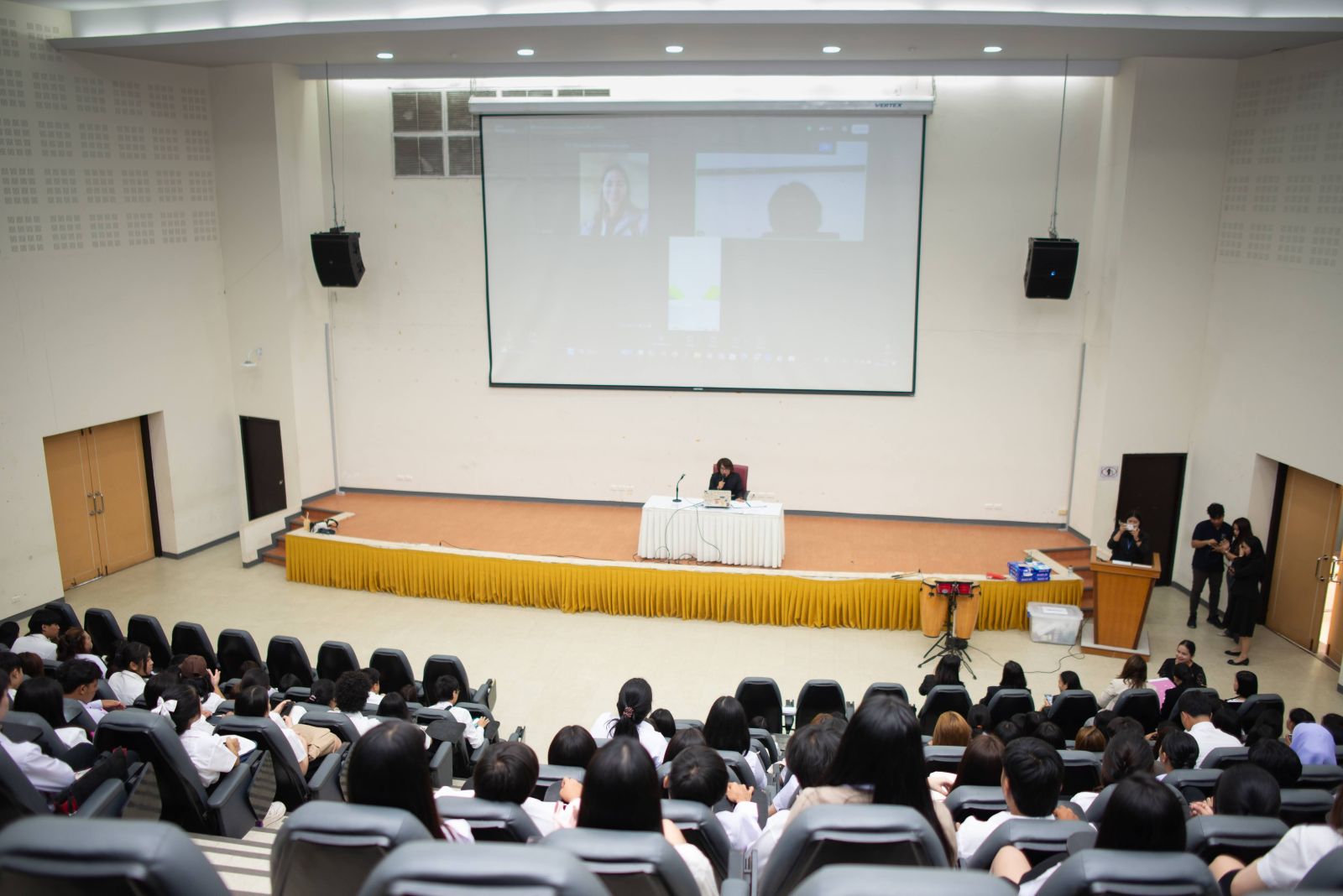
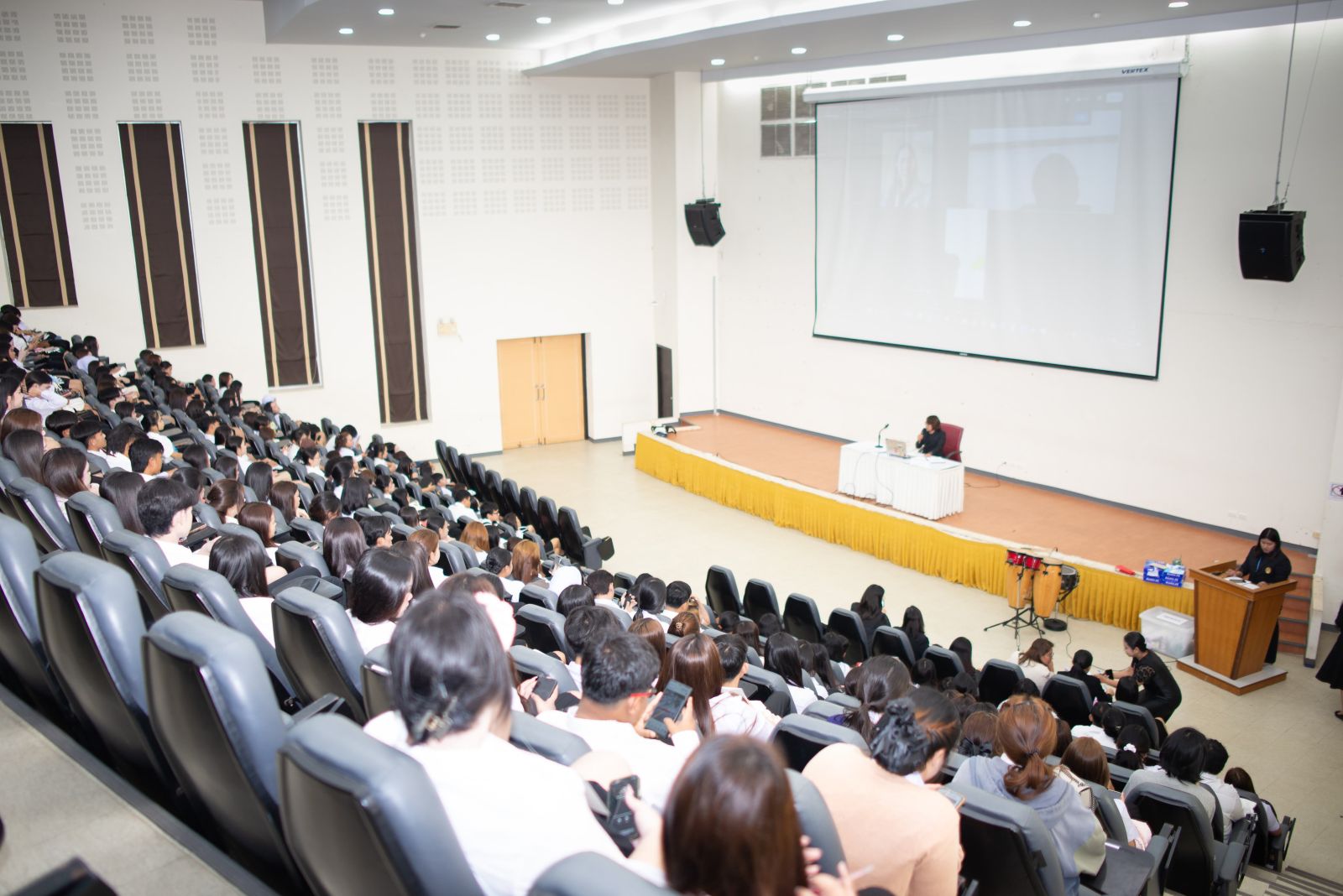
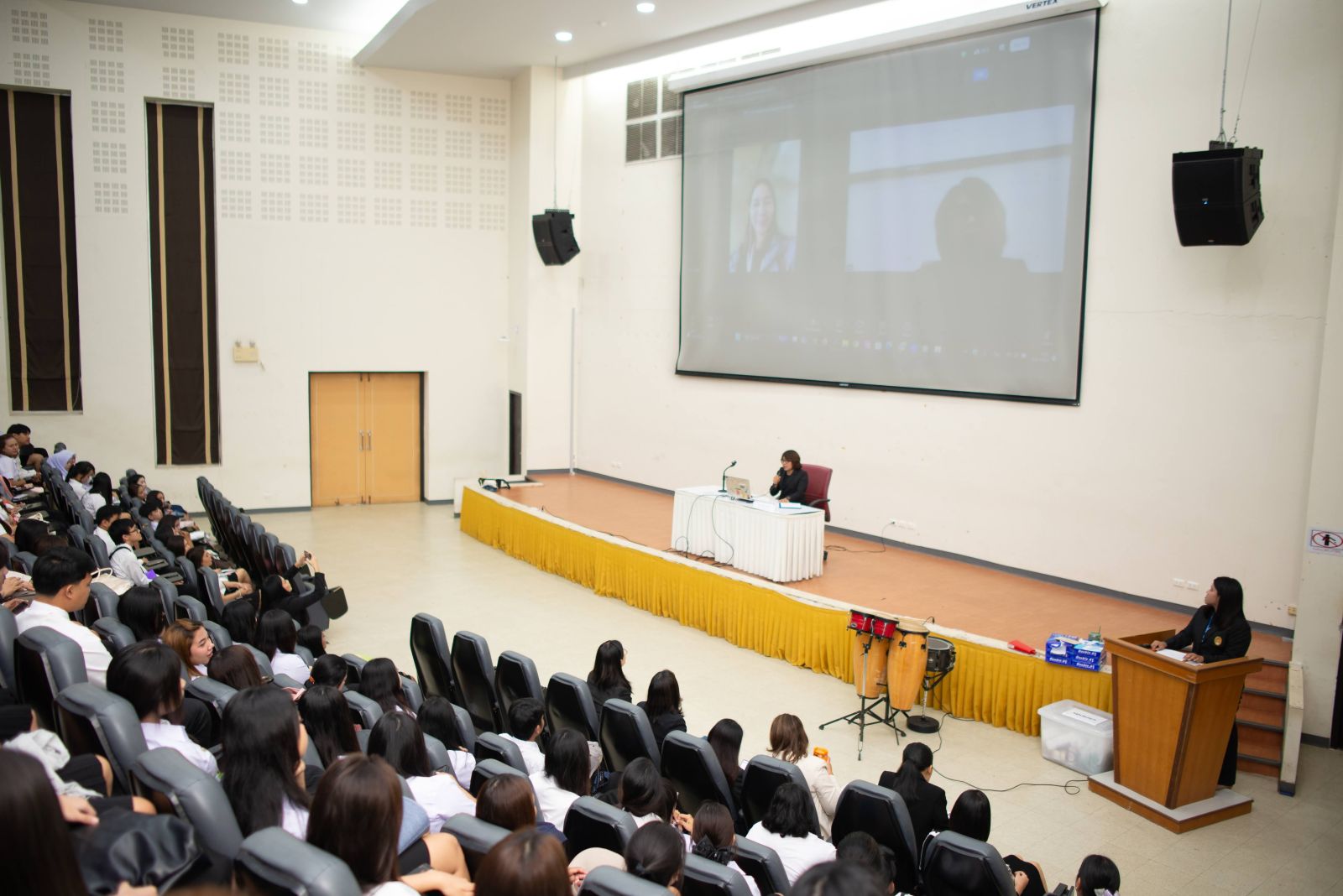
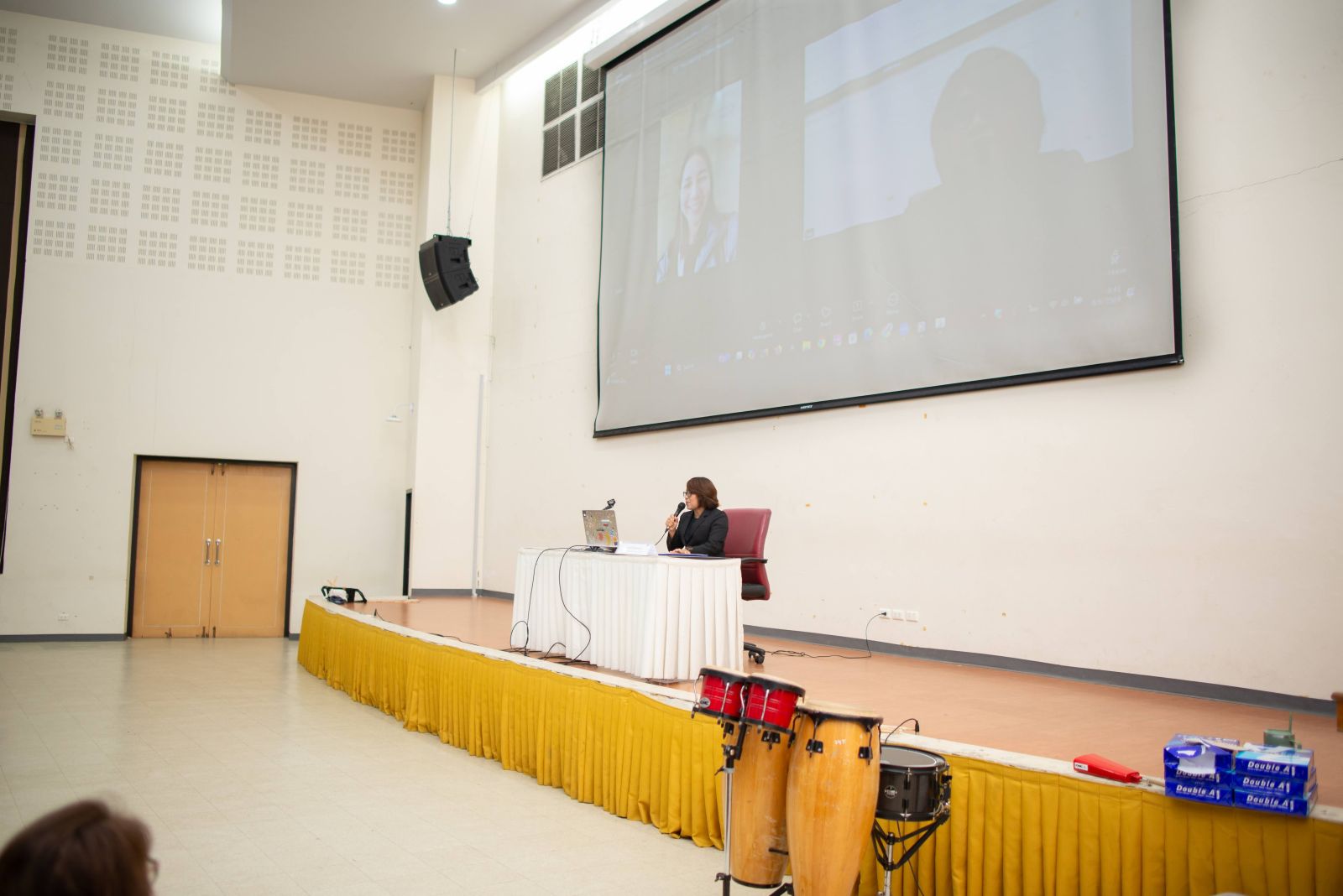
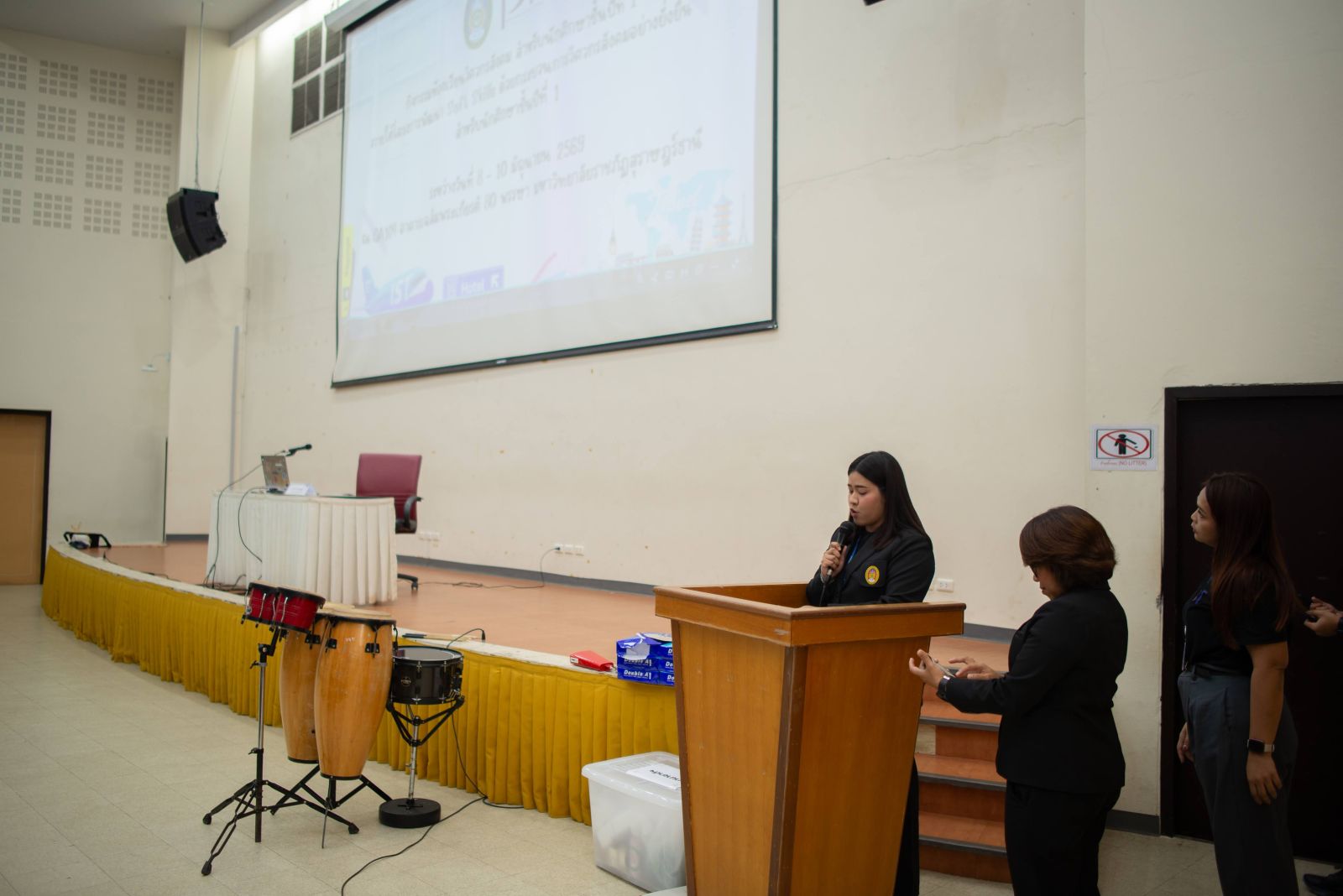
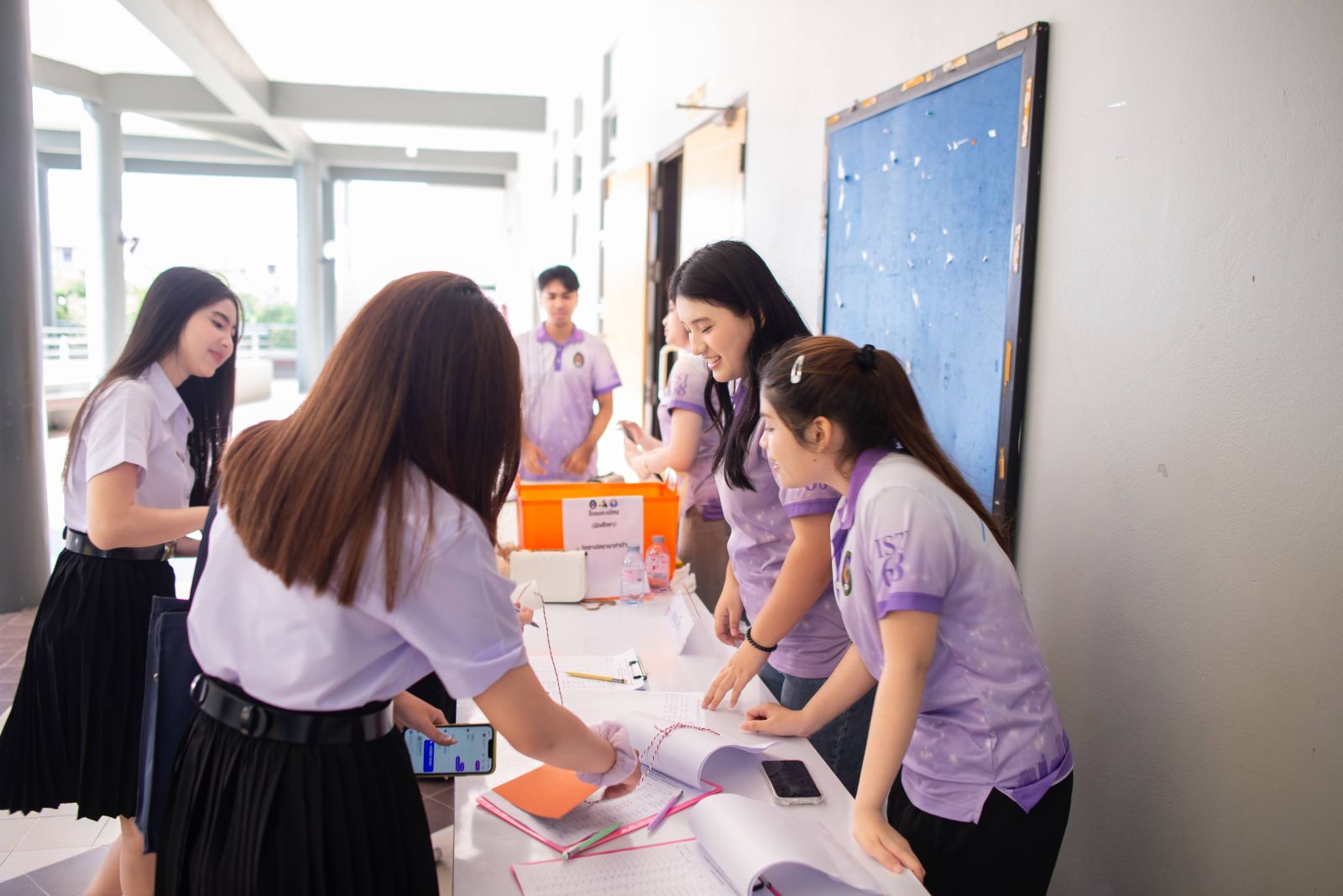
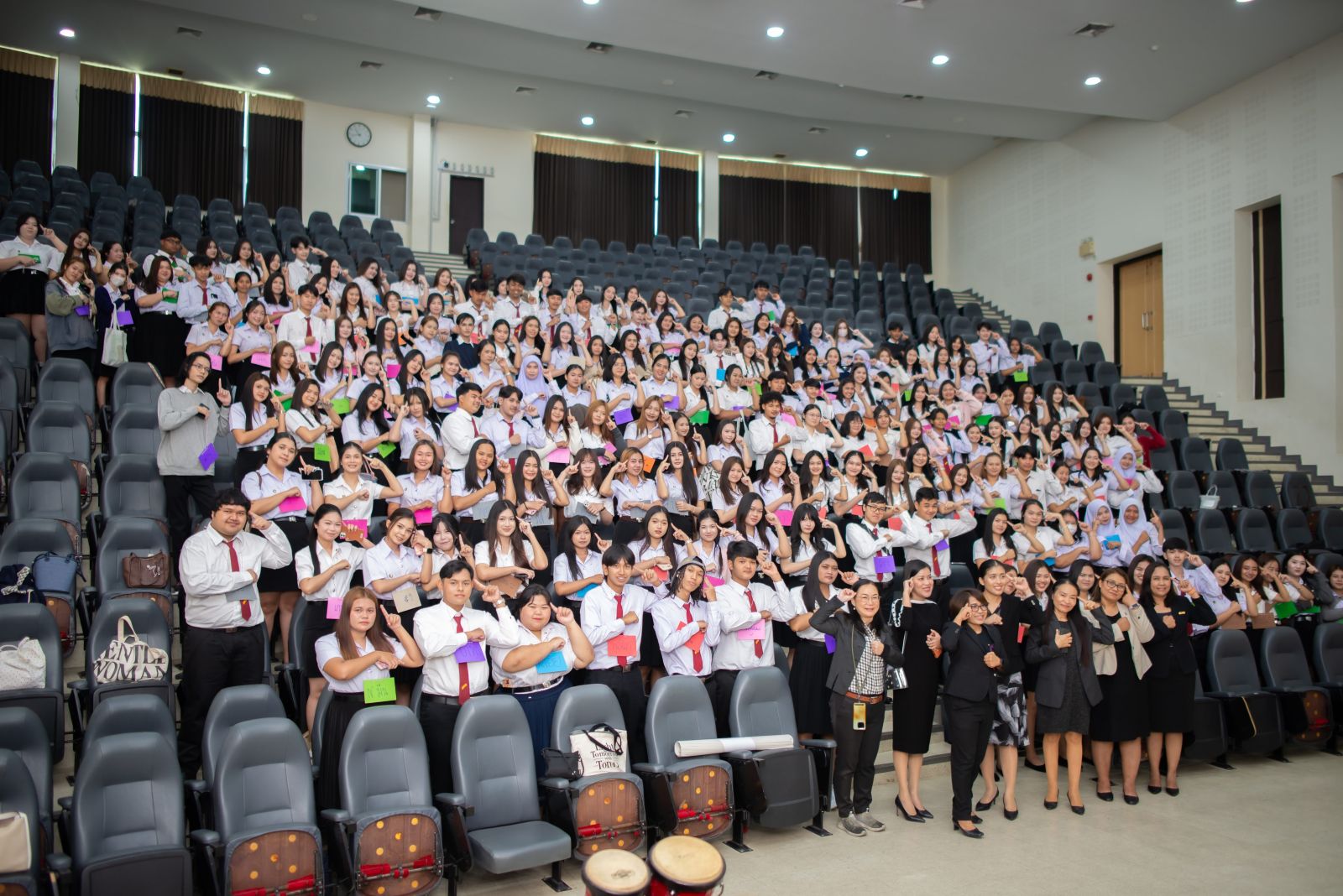
The International School of Tourism, Suratthani Rajabhat University, launched its “Social Engineering Classroom Program” for first-year students as part of the Sustainable Soft Skills Development Project. The program provides an active learning environment where students develop critical thinking, communication, collaboration, and problem-solving skills through the Social Engineering process.
Held from June 8–10, 2026, at Room GA104, 1st Floor, 80th Anniversary Commemoration Building, the program aims to equip freshmen with essential competencies for university life while preparing them to become responsible citizens and future professionals capable of contributing to society.
The initiative focuses on empowering students through the Social Engineering framework, which encourages systematic thinking, community engagement, problem analysis, and innovative solution design. Through this approach, students learn how to identify local challenges and transform ideas into meaningful actions that benefit communities and society.
The program emphasizes the development of four core Social Engineering competencies: Thinker, Communicator, Coordinator, and Innovator—key attributes for future leaders and changemakers in the 21st century.
Throughout the three-day program, participants engage in both theoretical and practical learning activities. They are introduced to essential Social Engineering tools, including the Heaven Map (Fa Prathan), Life Clock, Development Timeline, Process Timeline, and the M.I.C. Innovation Model.
These tools enable students to better understand community contexts, analyze problems systematically, identify opportunities, and develop innovative solutions that address real-world needs.
Developing Soft Skills for Future Tourism Professionals
The International School of Tourism is committed to producing graduates who are ready to thrive in a rapidly changing world. In addition to academic excellence and professional competencies, the School places strong emphasis on developing soft skills that are essential for success in the tourism and hospitality industry.
Students participating in this program gain valuable experience in critical thinking, effective communication, teamwork, leadership, problem-solving, and innovation—competencies increasingly demanded by employers and industry stakeholders worldwide.
The Social Engineering Classroom serves as an important starting point for nurturing future changemakers who can apply their knowledge and skills to support tourism development, community empowerment, and sustainable social progress.
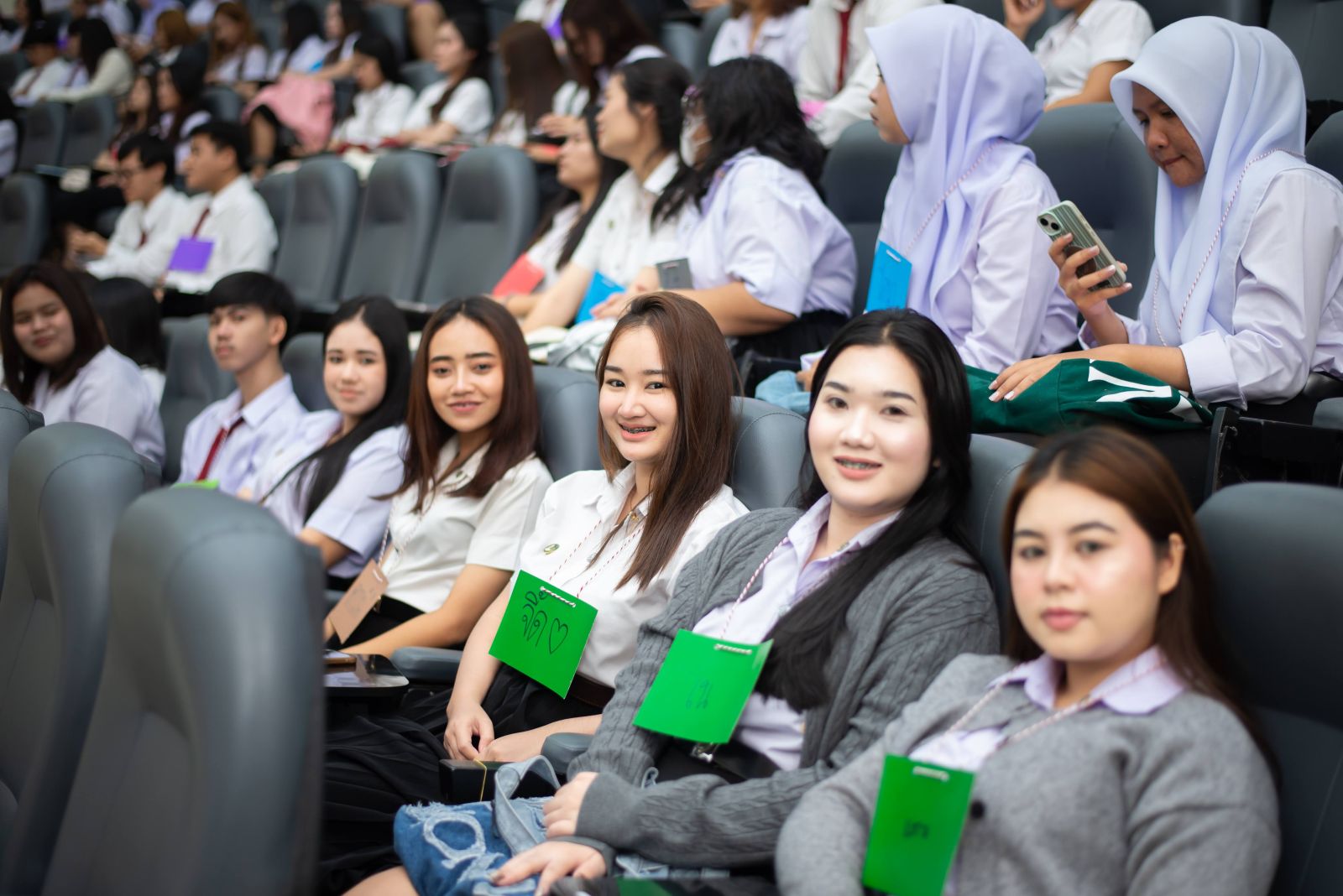
Furthermore, the program provides an opportunity for freshmen to build relationships with peers, faculty members, and staff, fostering a sense of belonging within the School while contributing to the development of a Social Engineering student database for future mentoring and capacity-building initiatives.
Learning Topics Throughout the Program
SDG Report & Relevant Goals
This program contributes to the United Nations Sustainable Development Goals (SDGs) by promoting quality education, future workforce readiness, community engagement, and collaborative learning for sustainable development.
| SDG Goal | Target Description | Connection to Project |
|---|---|---|
|
Goal 4: Quality Education | The program enhances students’ critical thinking, communication, collaboration, and problem-solving abilities through experiential learning and Social Engineering methodologies. It supports lifelong learning and equips first-year students with essential competencies for academic and professional success. |
|
Goal 8: Decent Work and Economic Growth | By developing soft skills, leadership, teamwork, innovation, and community-based problem-solving capabilities, the program prepares students for future employment opportunities in the tourism and hospitality industry and contributes to the development of a skilled workforce. |
|
Goal 11: Sustainable Cities and Communities | Students learn to understand community contexts, identify local challenges, and design sustainable solutions through Social Engineering tools. The program encourages active participation in community development and sustainable tourism initiatives. |
|
Goal 17: Partnerships for the Goals | The program fosters collaboration among students, faculty members, university staff, and community stakeholders. These partnerships strengthen knowledge exchange, collective learning, and long-term capacity building for sustainable development. |