IST SRU Advances the Social Engineer Classroom through Experiential Learning to Empower Community Product Development
Integrating teaching, academic services, and community engagement to create sustainable value for local communities.
The International School of Tourism, Suratthani Rajabhat University (IST SRU), led by Lecturer Jaree Prommana, implemented the "Social Engineer Classroom: Community Product Development for the Aviation Industry" project under the Social Engineer University Initiative. The project integrated classroom learning with academic services and local development, enabling students from the International School of Tourism to gain practical experience while creating meaningful value for local communities.
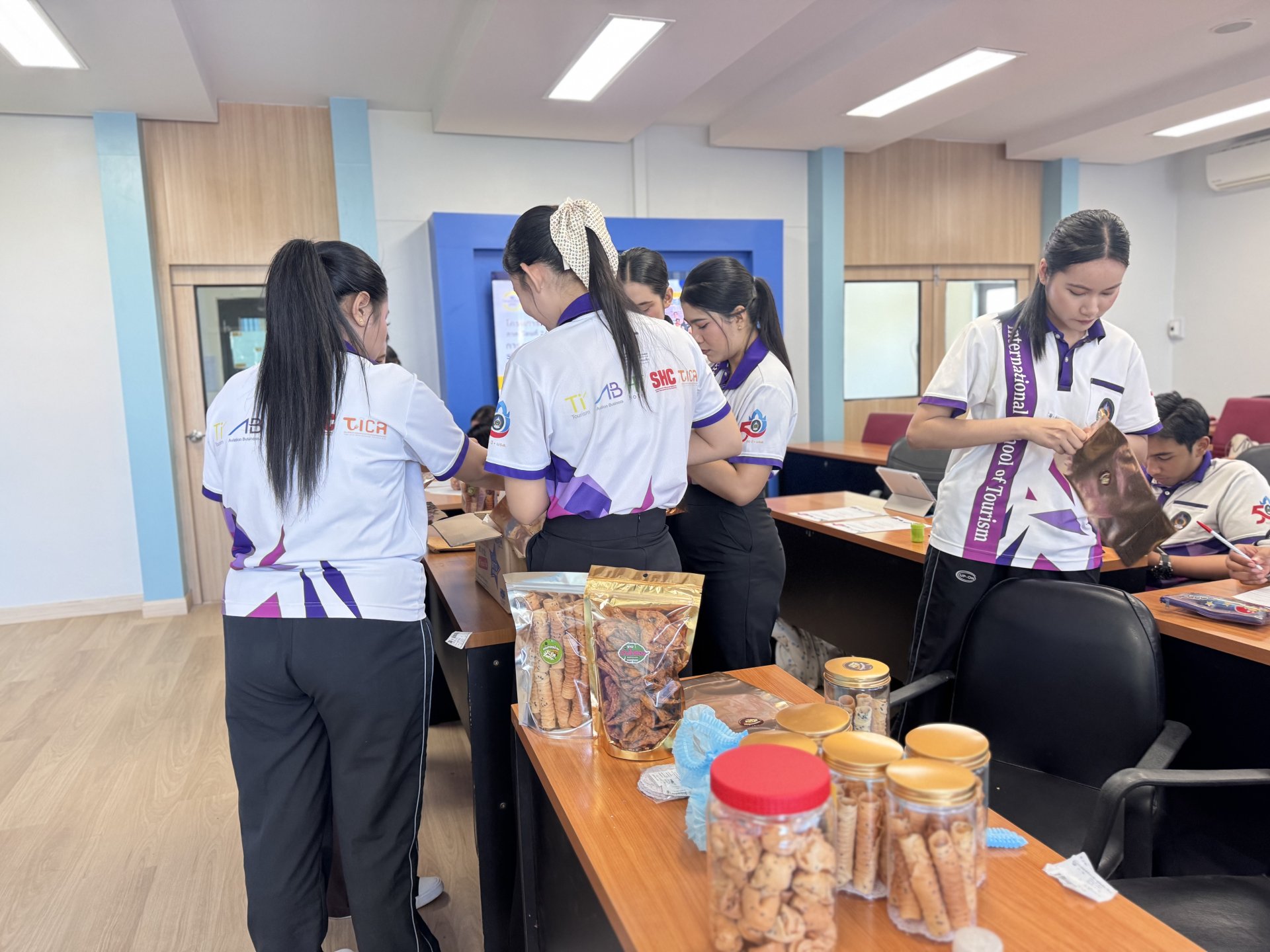
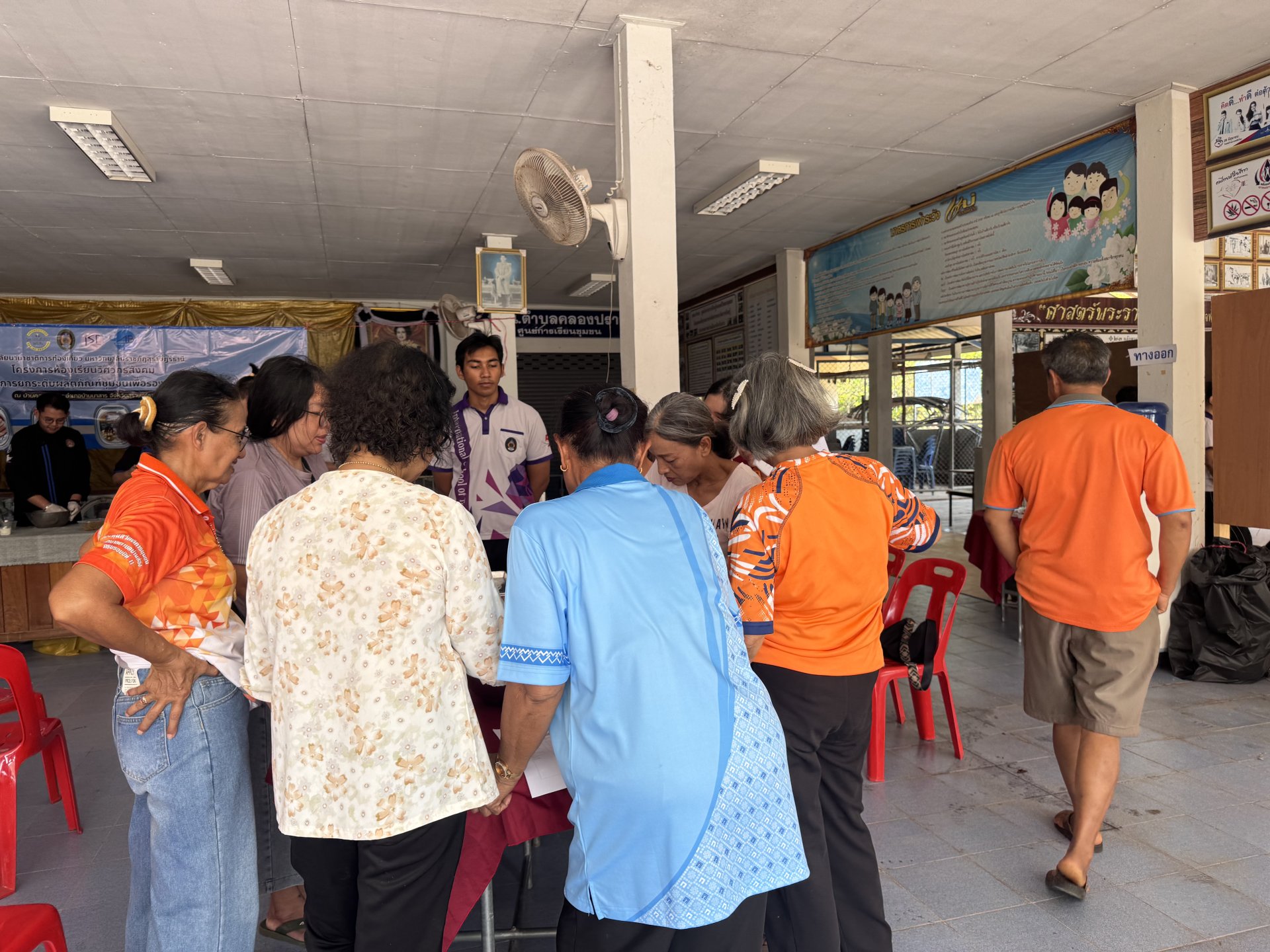
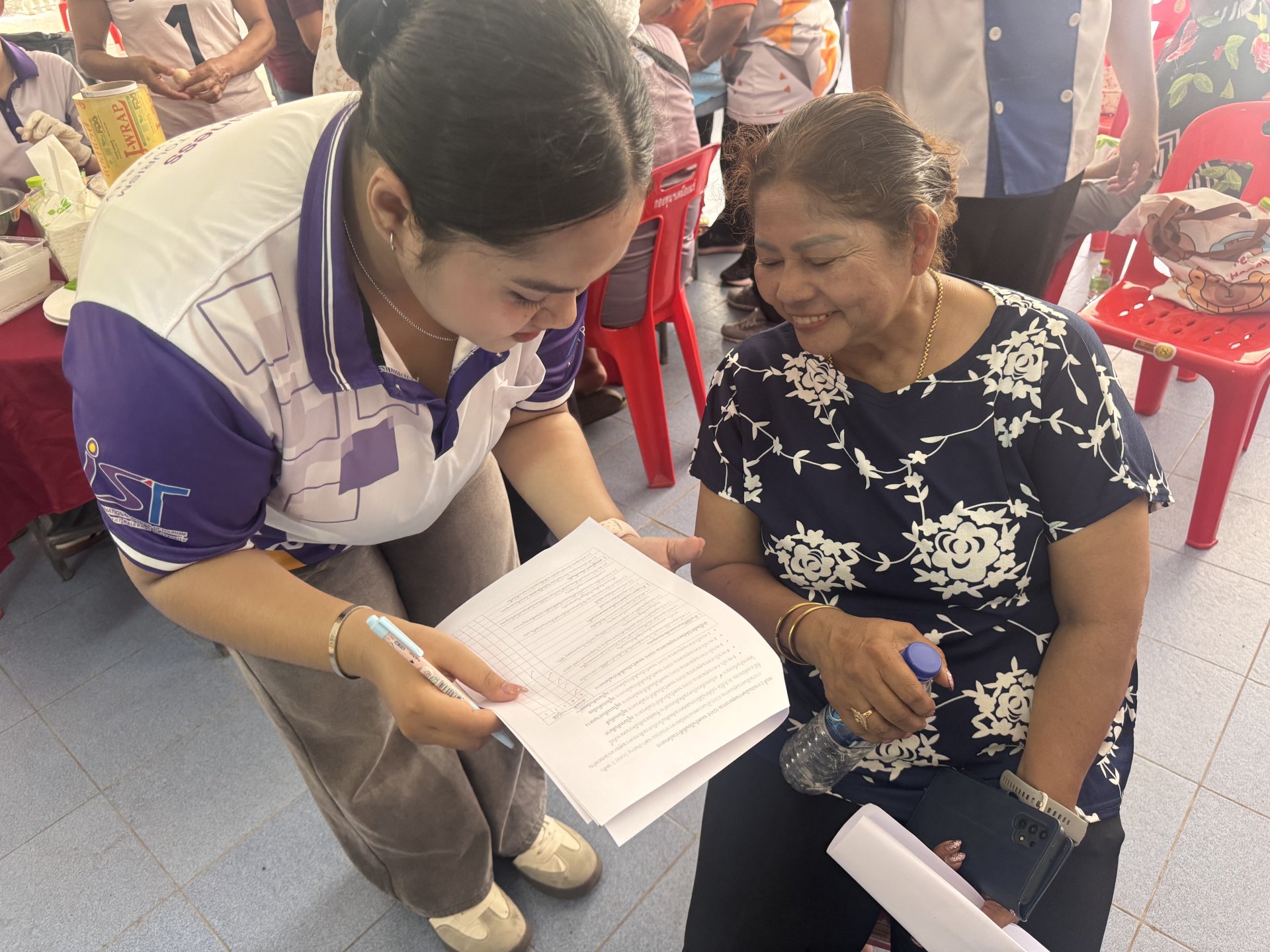
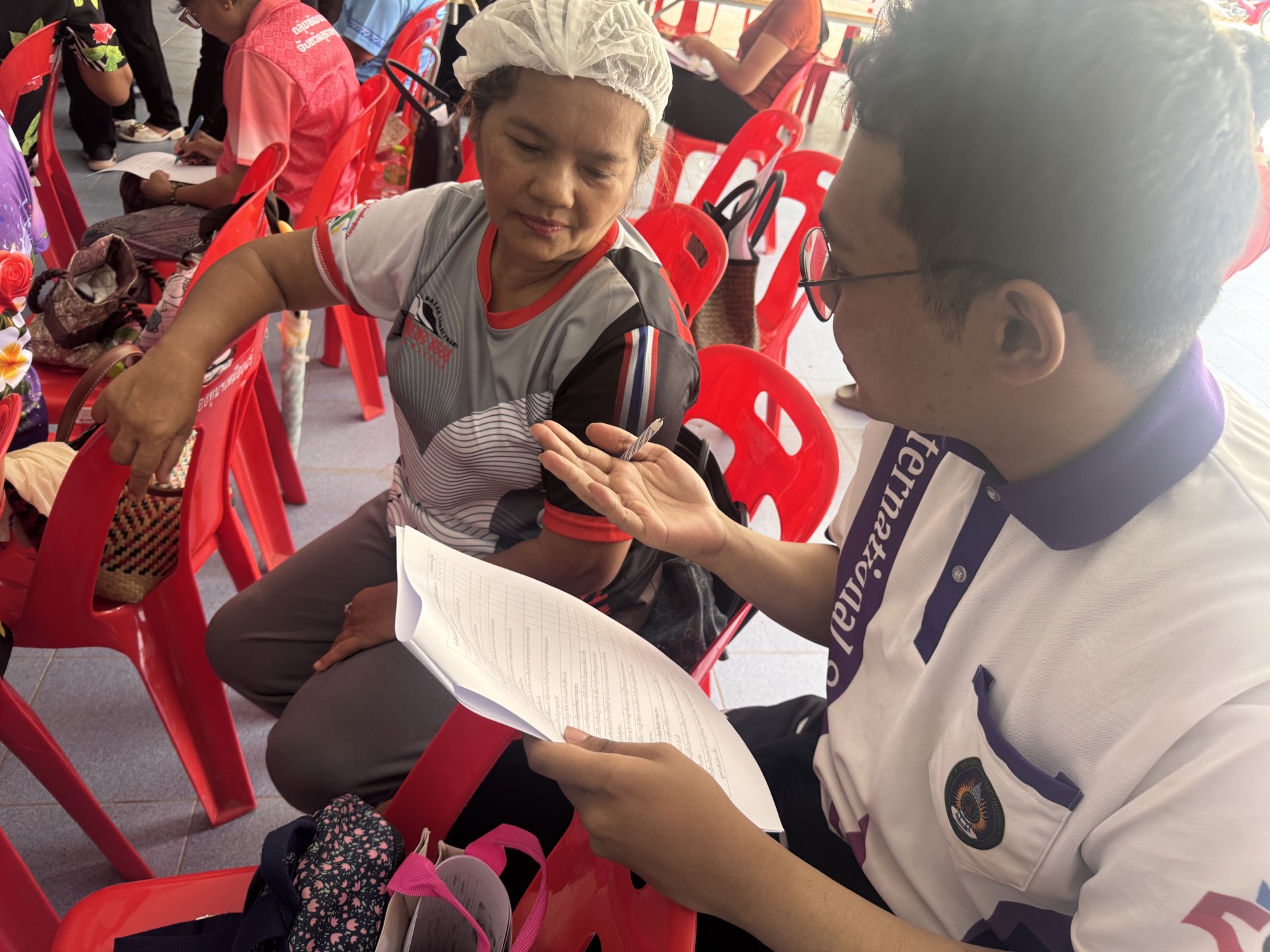
Conducted throughout the second semester of the 2025 academic year, the project engaged students in continuous fieldwork within Khlong Prap Subdistrict, Ban Na San District, Surat Thani Province. Through the principles of Experiential Learning, students explored community products, analyzed their market potential, developed value-added concepts, redesigned packaging and product labels, and tested prototype products in real market environments. Consumer feedback collected during the process was later used to refine and improve the products.
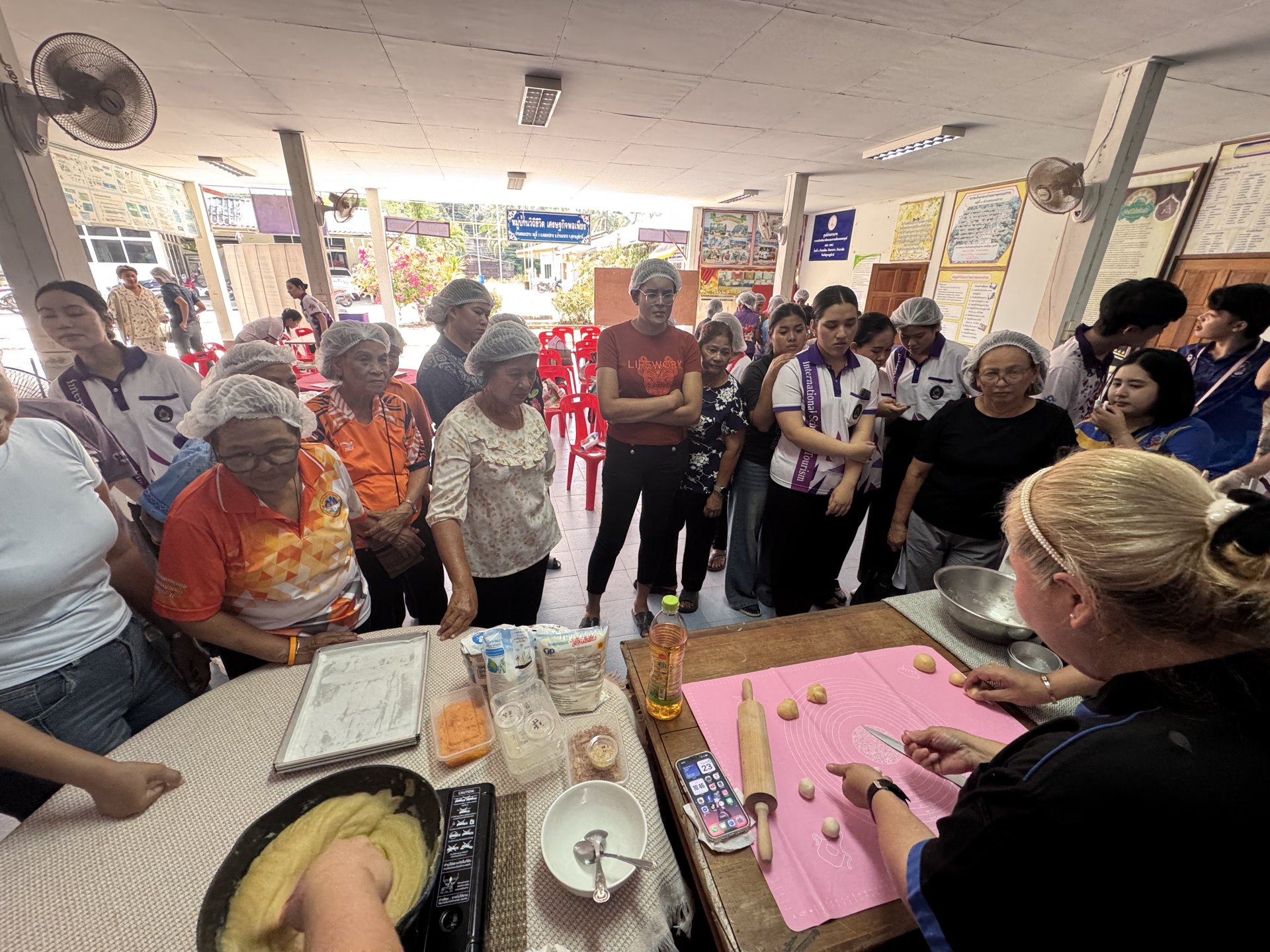
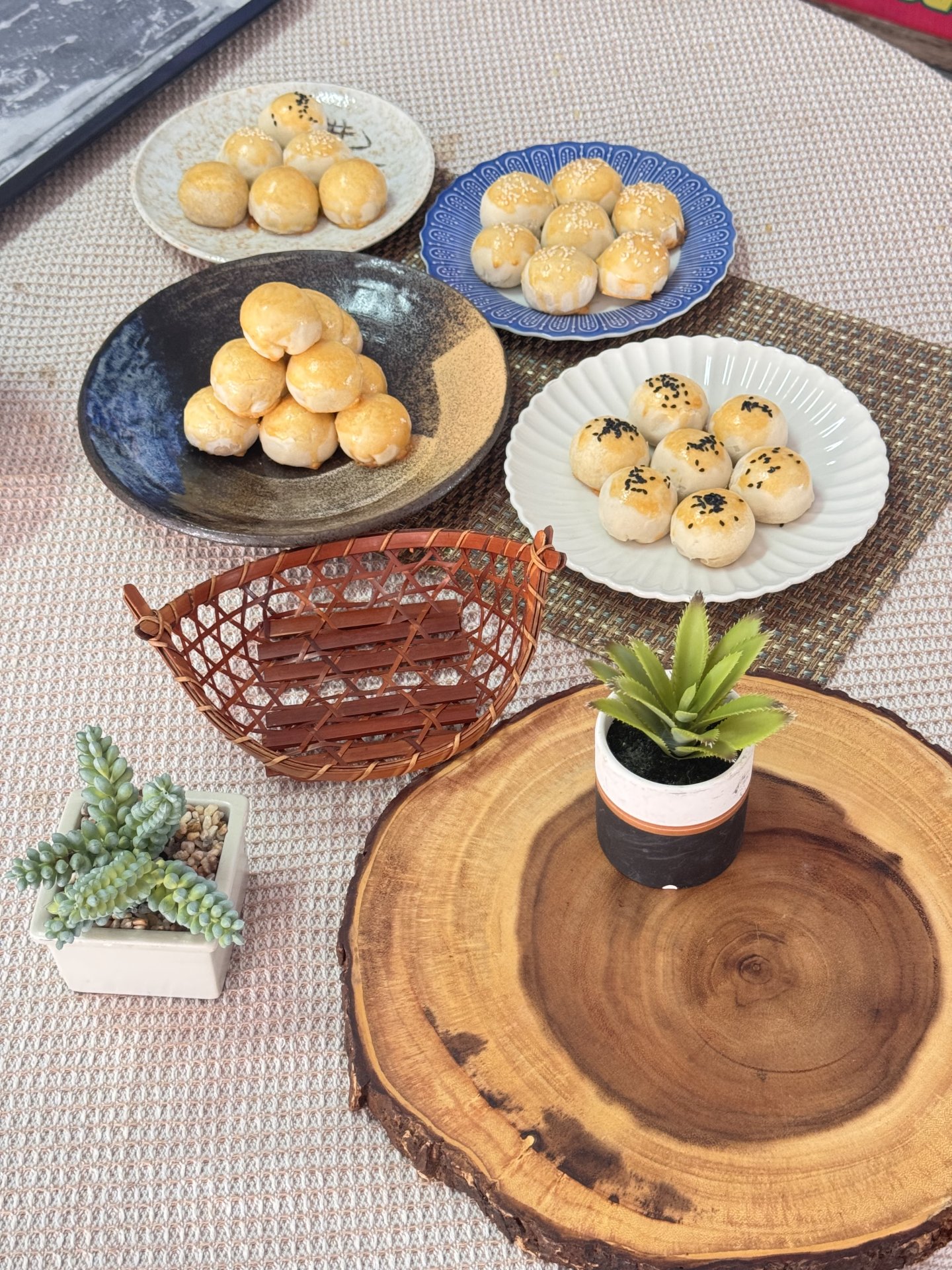
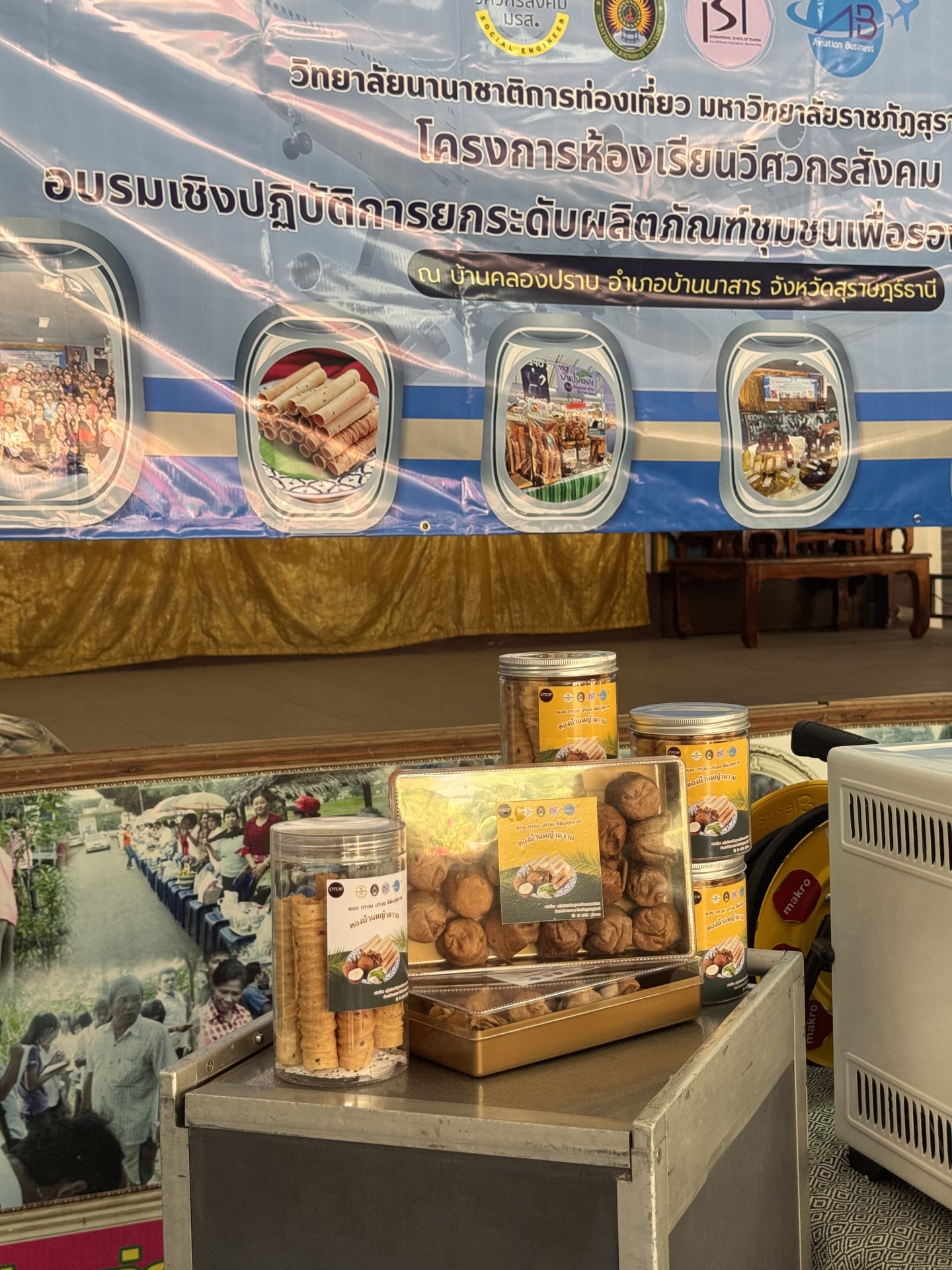
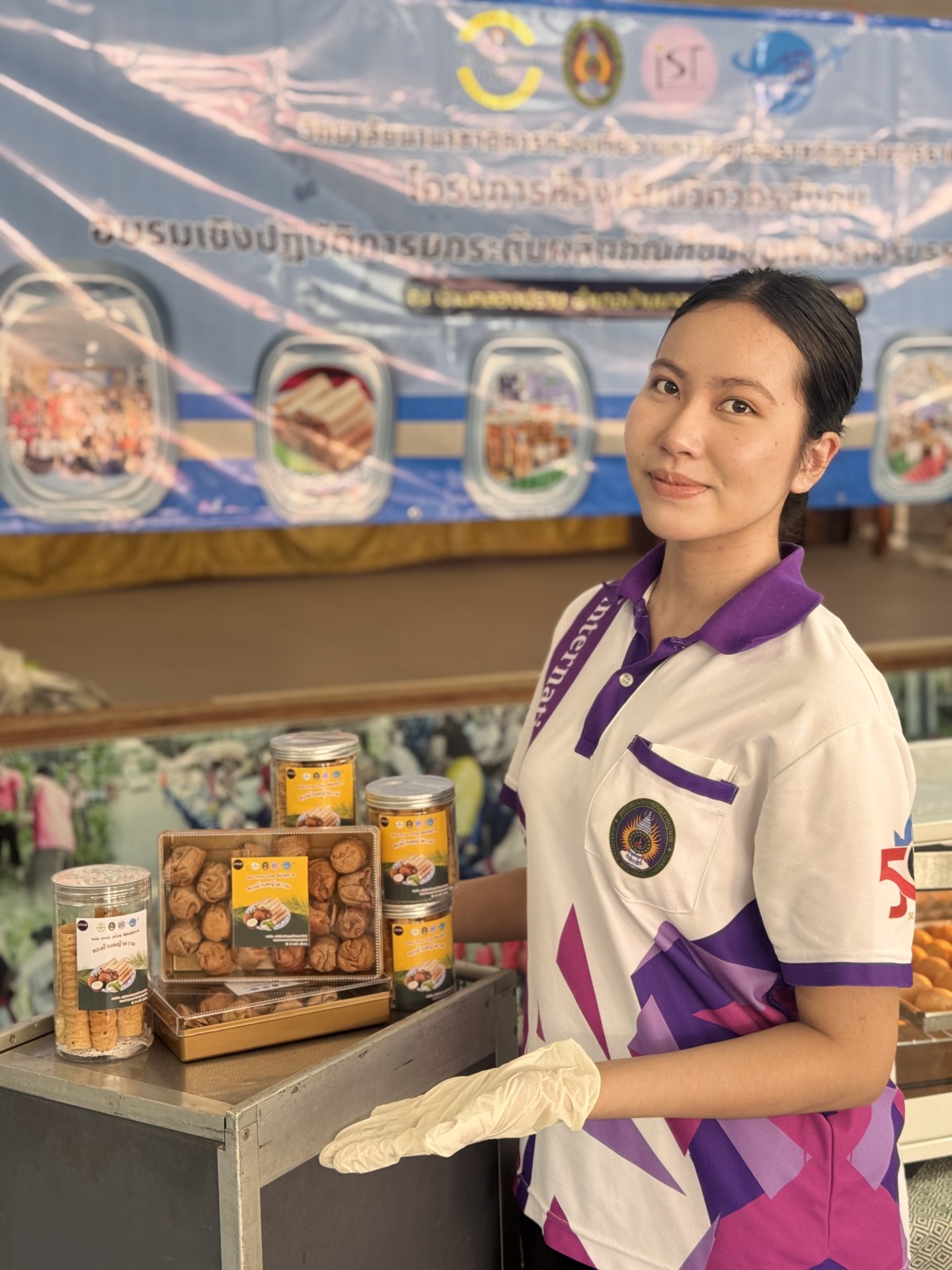
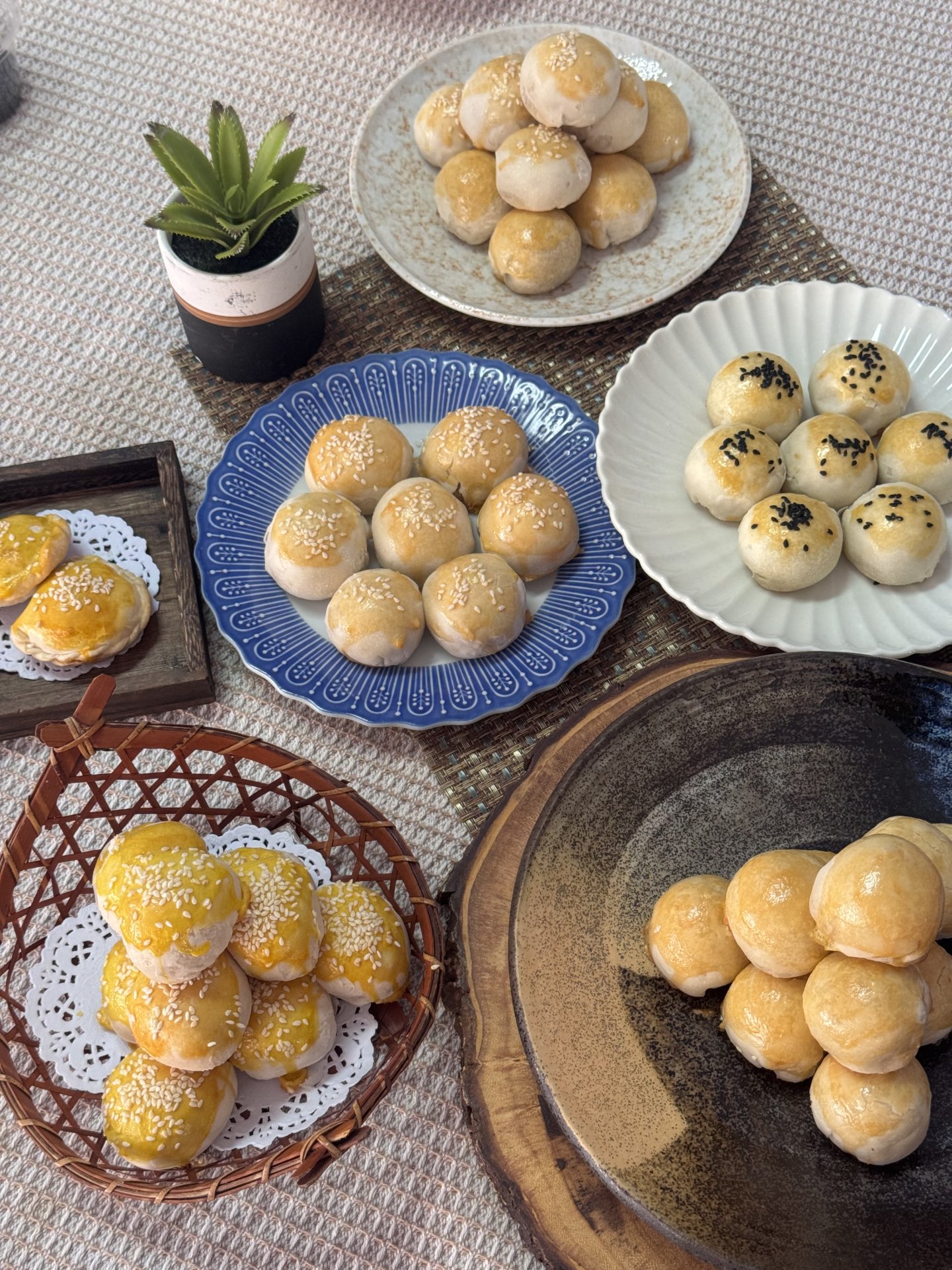
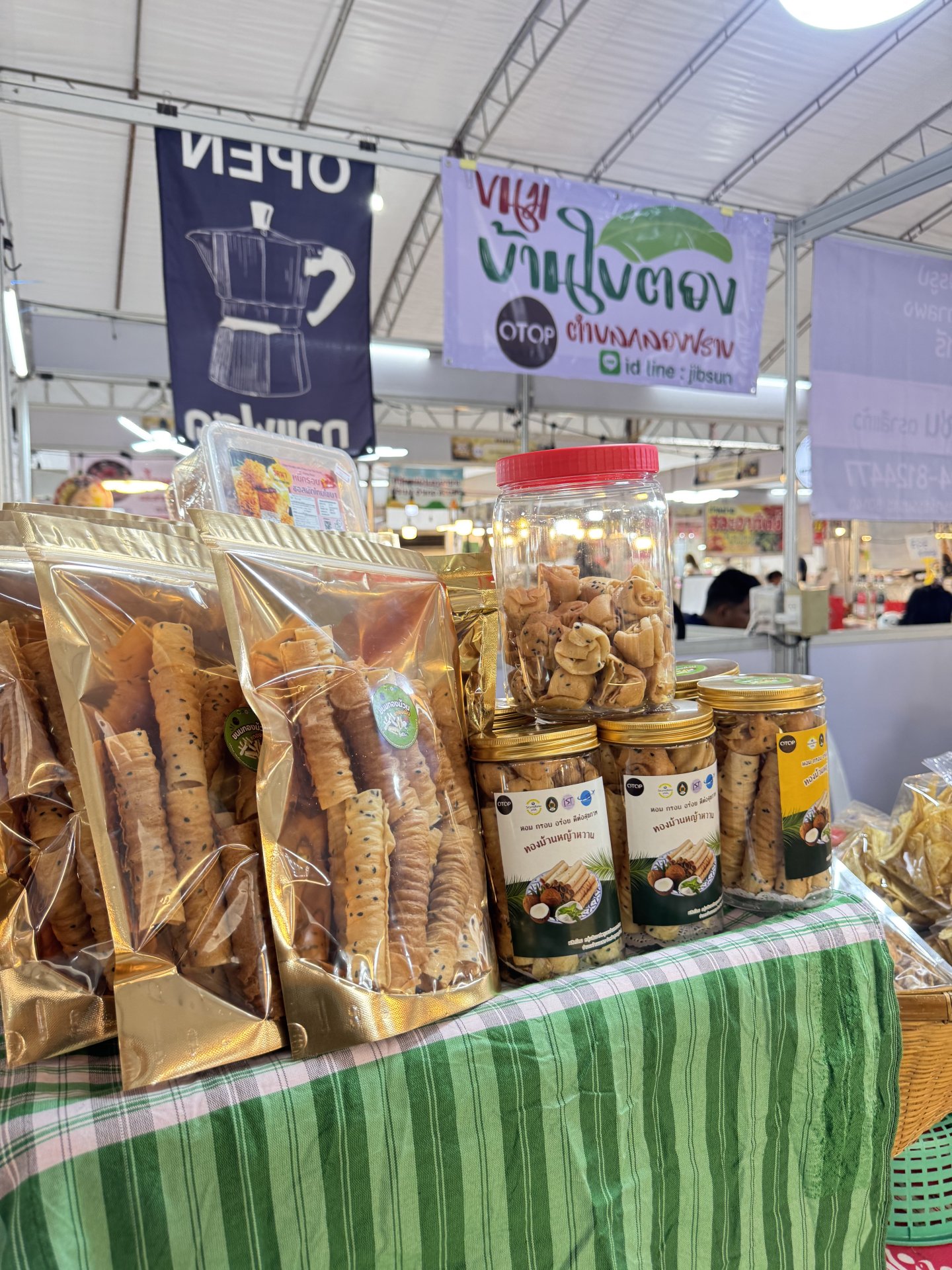
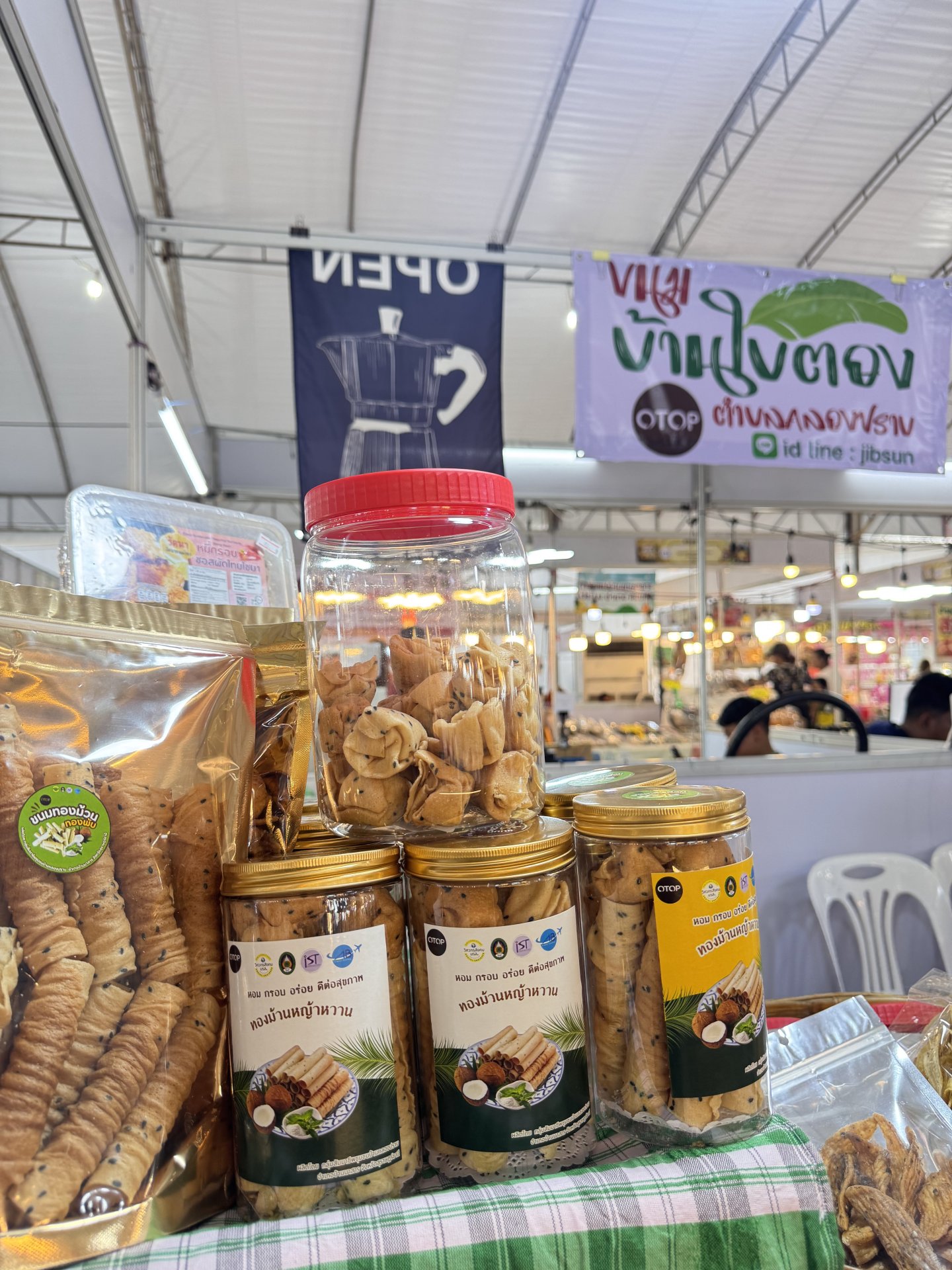
Rather than limiting learning to the classroom, the project transformed local communities into authentic learning environments where students developed essential competencies in analytical thinking, communication, collaboration, innovation, and community engagement. Local products—including crispy rolled wafers, healthy sweet-grass rolled wafers, and Chinese pastries—served as practical case studies for product improvement and creative value creation.
Project Highlights
Learning Journey through Three Major Activities
Activity 1: Community Product Assessment
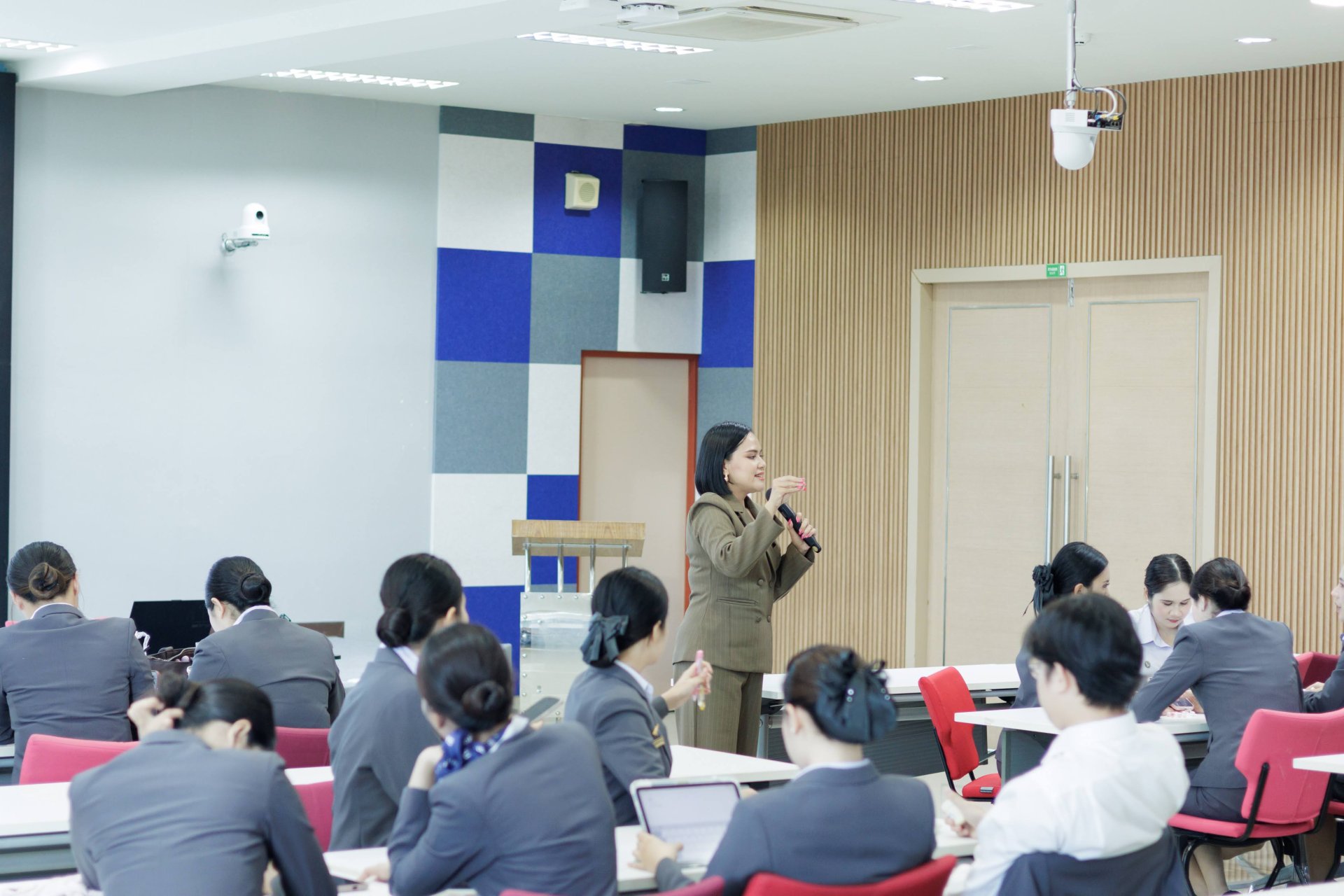
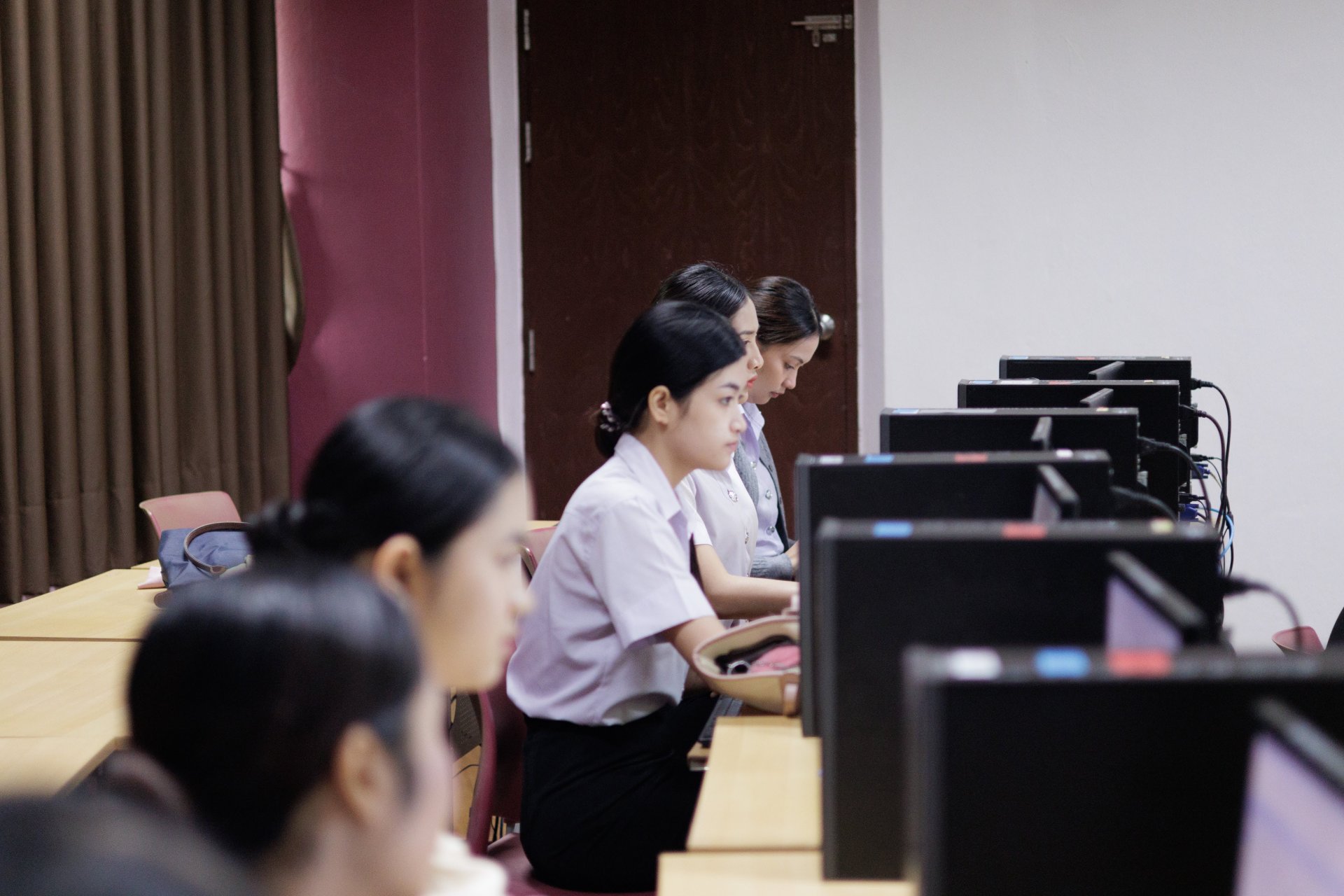
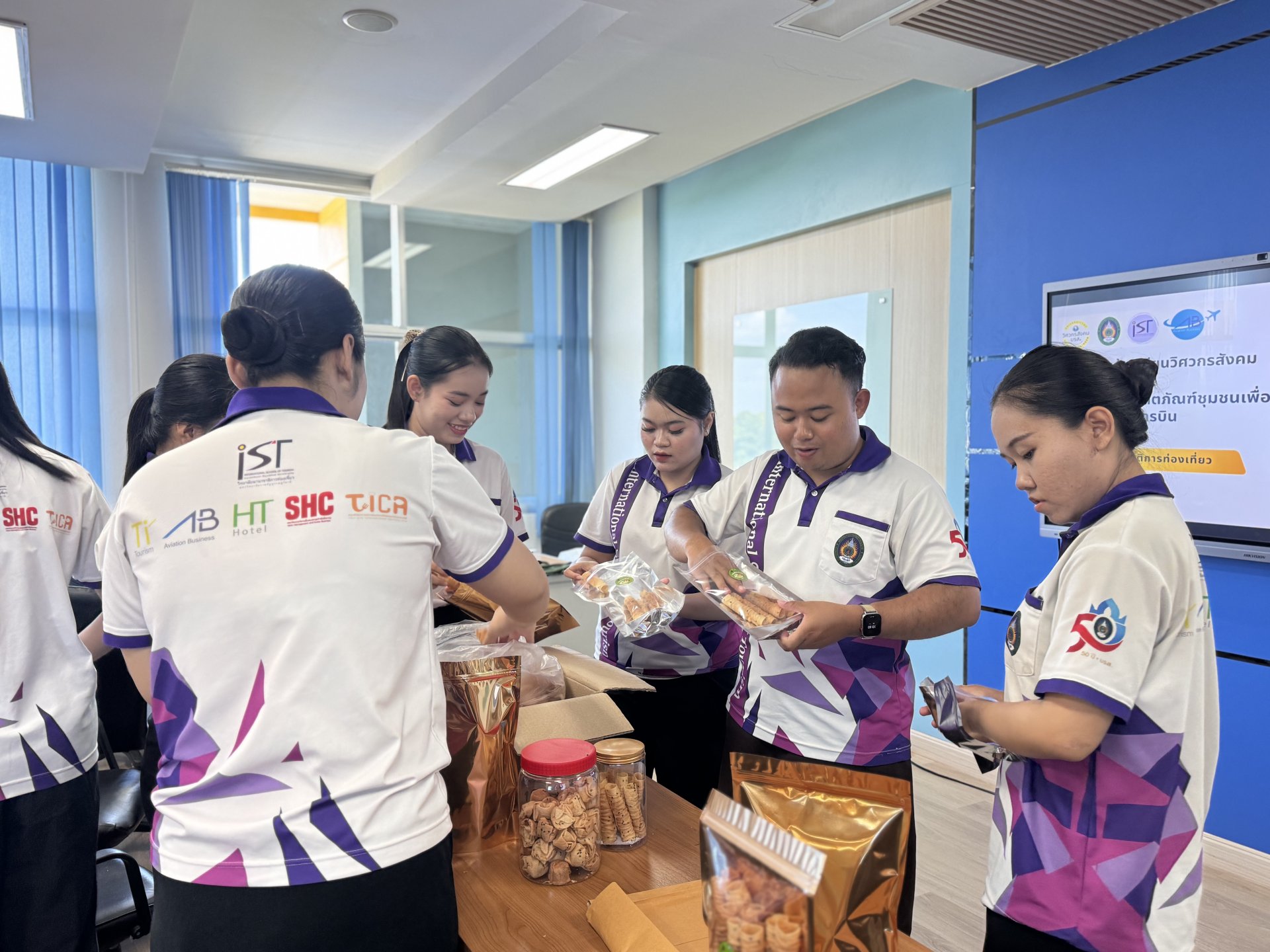
Held on 28 January 2026 at the International School of Tourism, students learned systematic approaches to evaluating community products. Using product development timeline analysis, they identified strengths, weaknesses, development opportunities, and market expectations before formulating improvement strategies.
Activity 2: Community Product Development Workshop
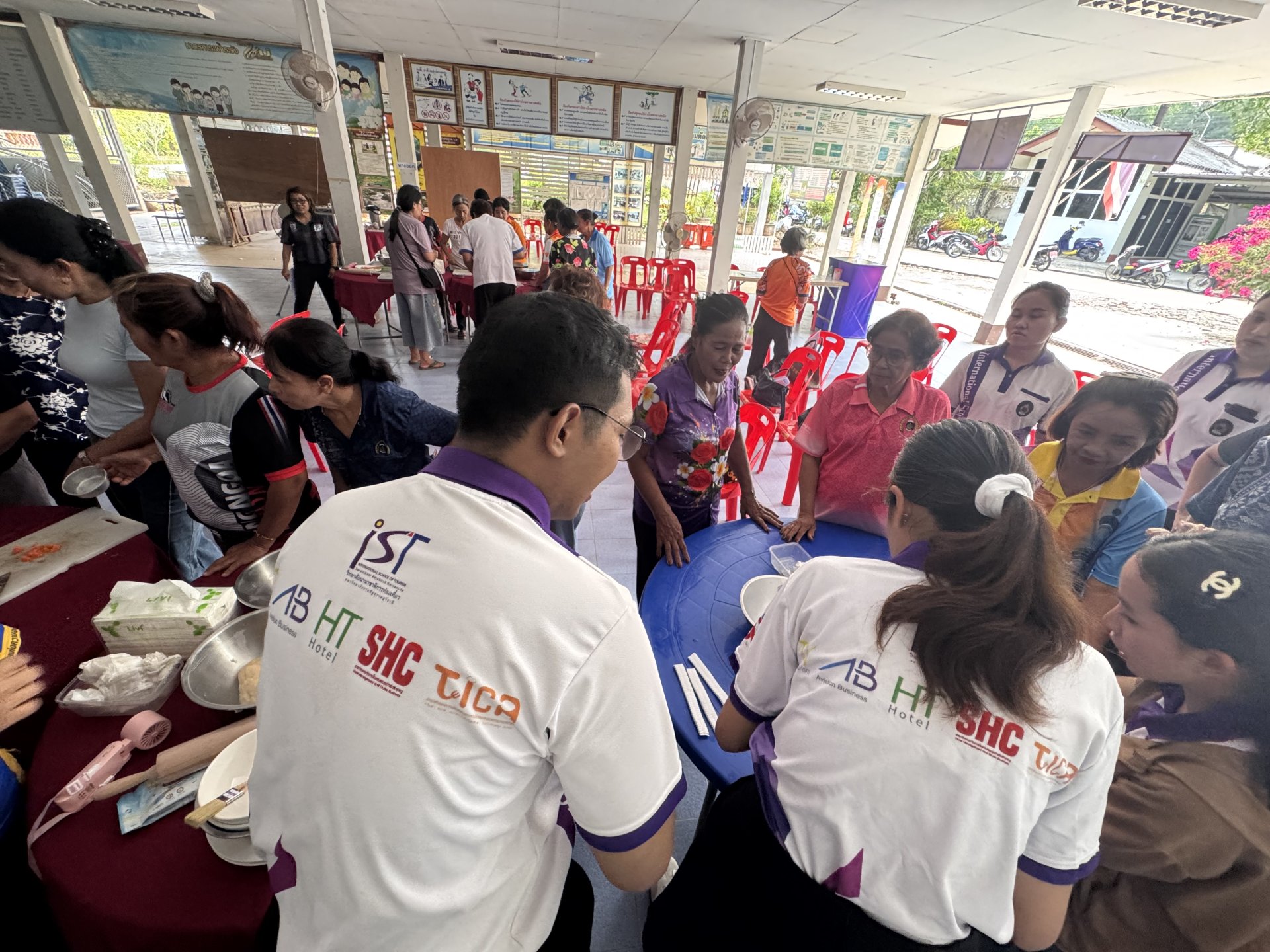
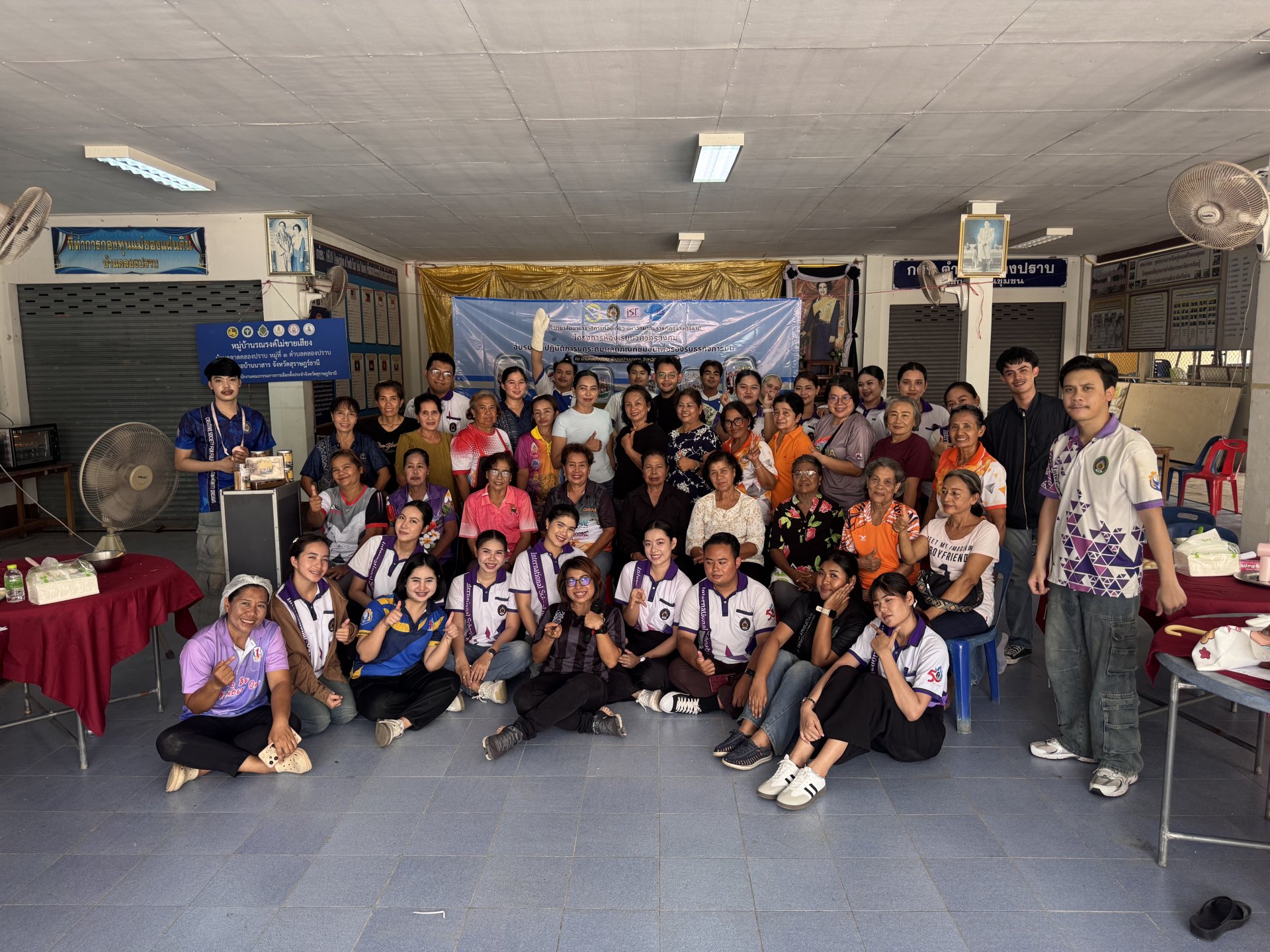
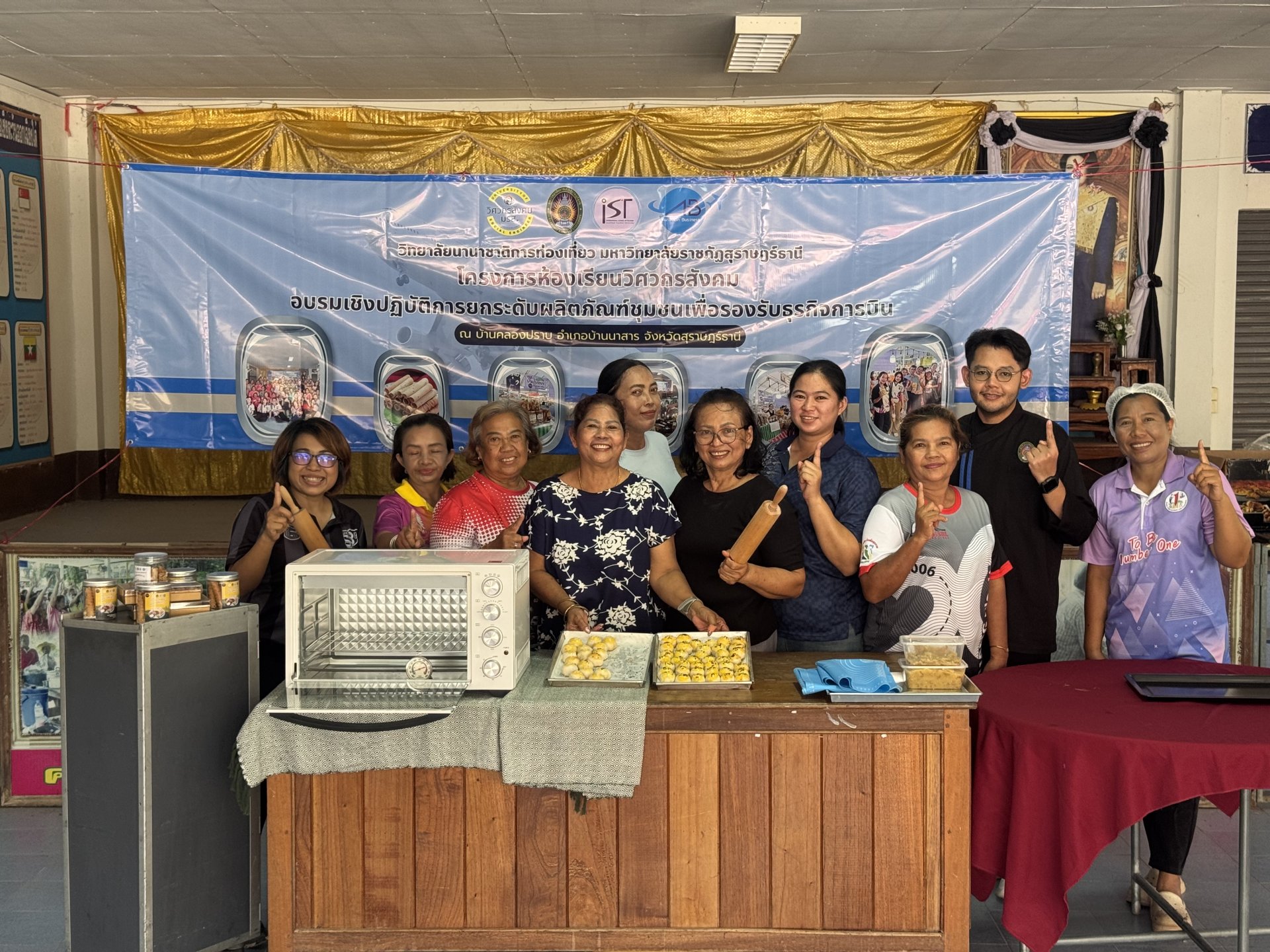
Conducted on 1 and 7 March 2026 at Khlong Prap Community Hall, Ban Na San District, students collaborated closely with local residents to improve traditional products through creative packaging design, product labeling, branding concepts, and prototype development that better matched current consumer preferences.
Activity 3: Product Market Testing
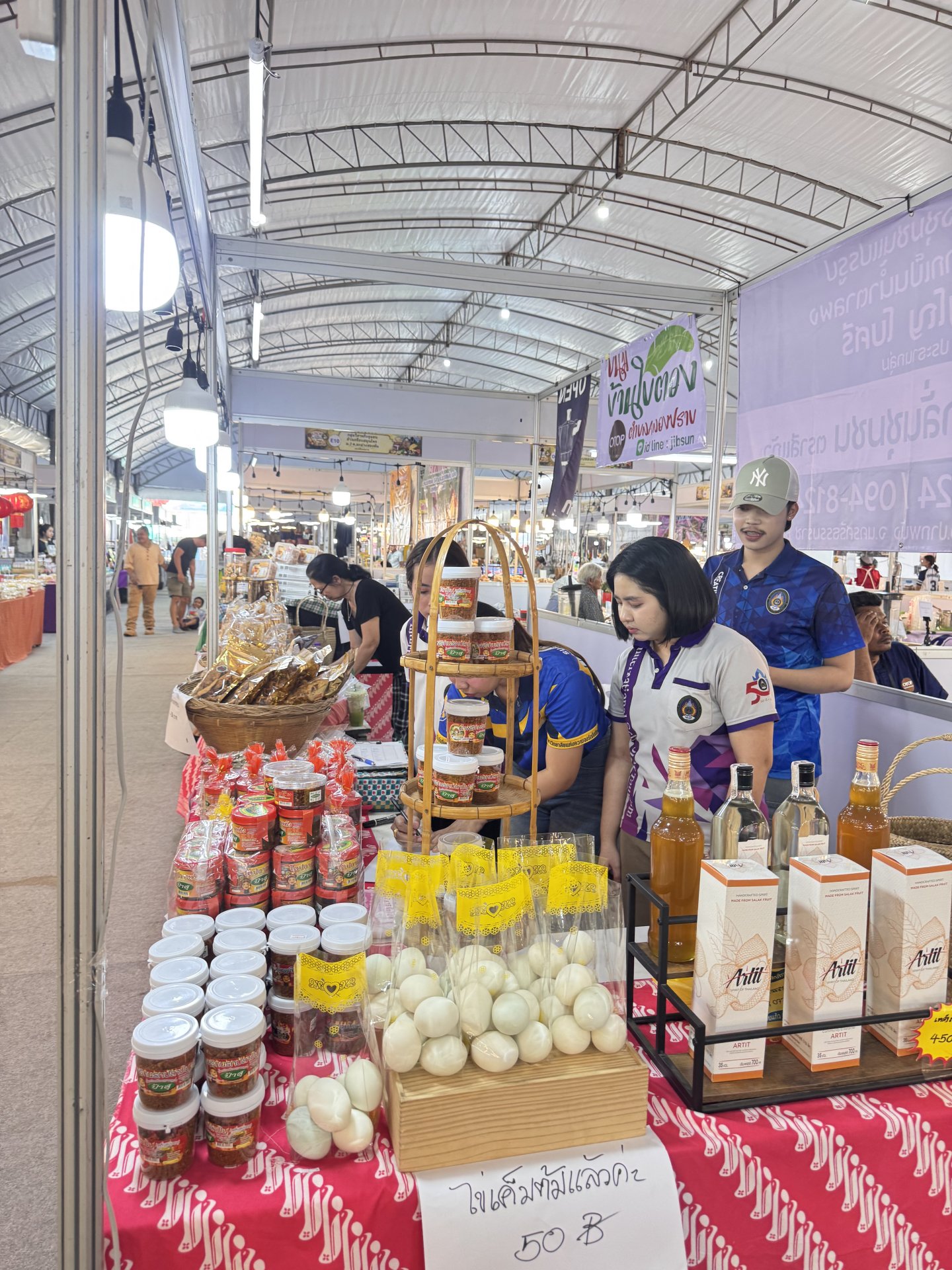
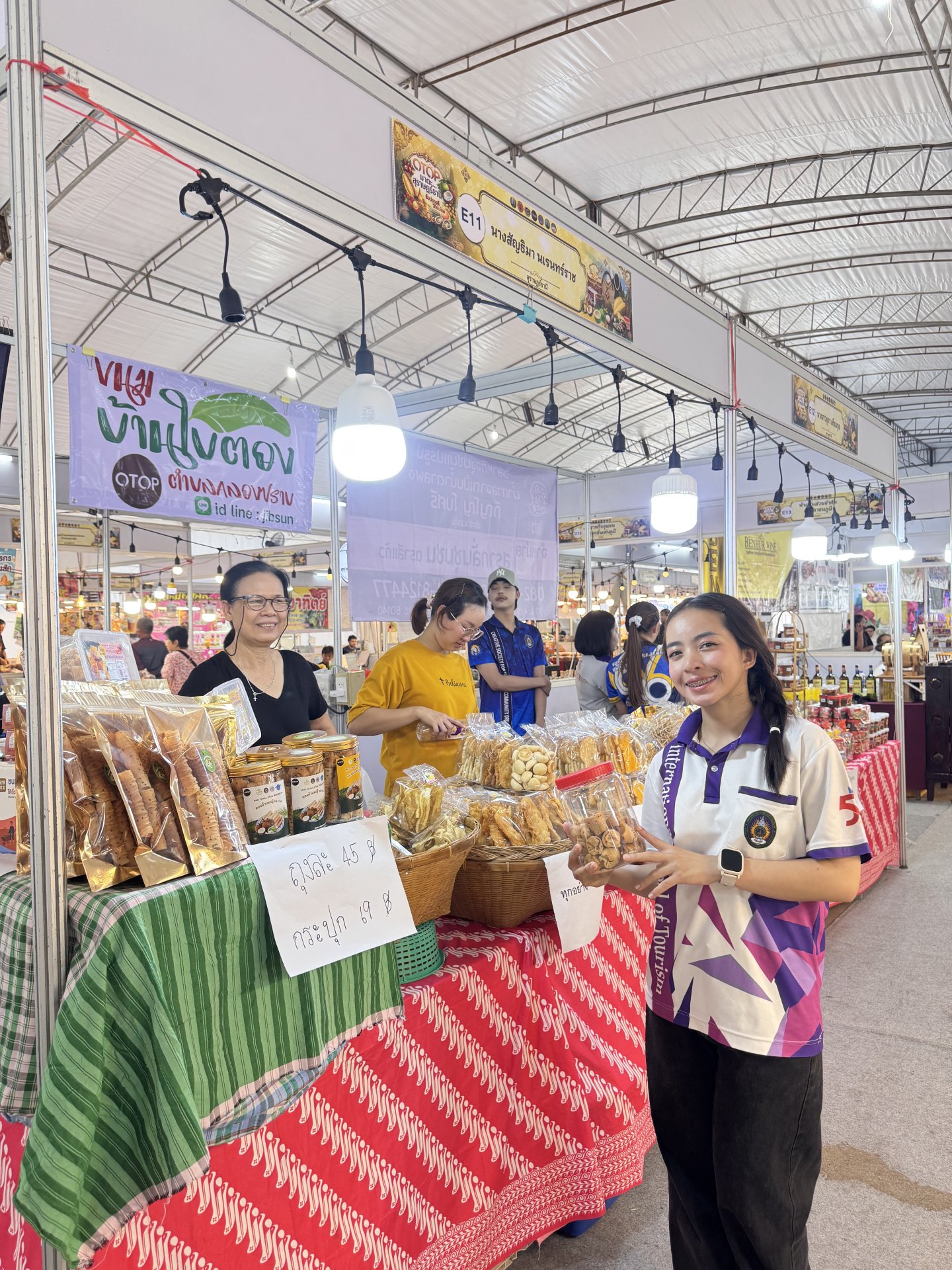
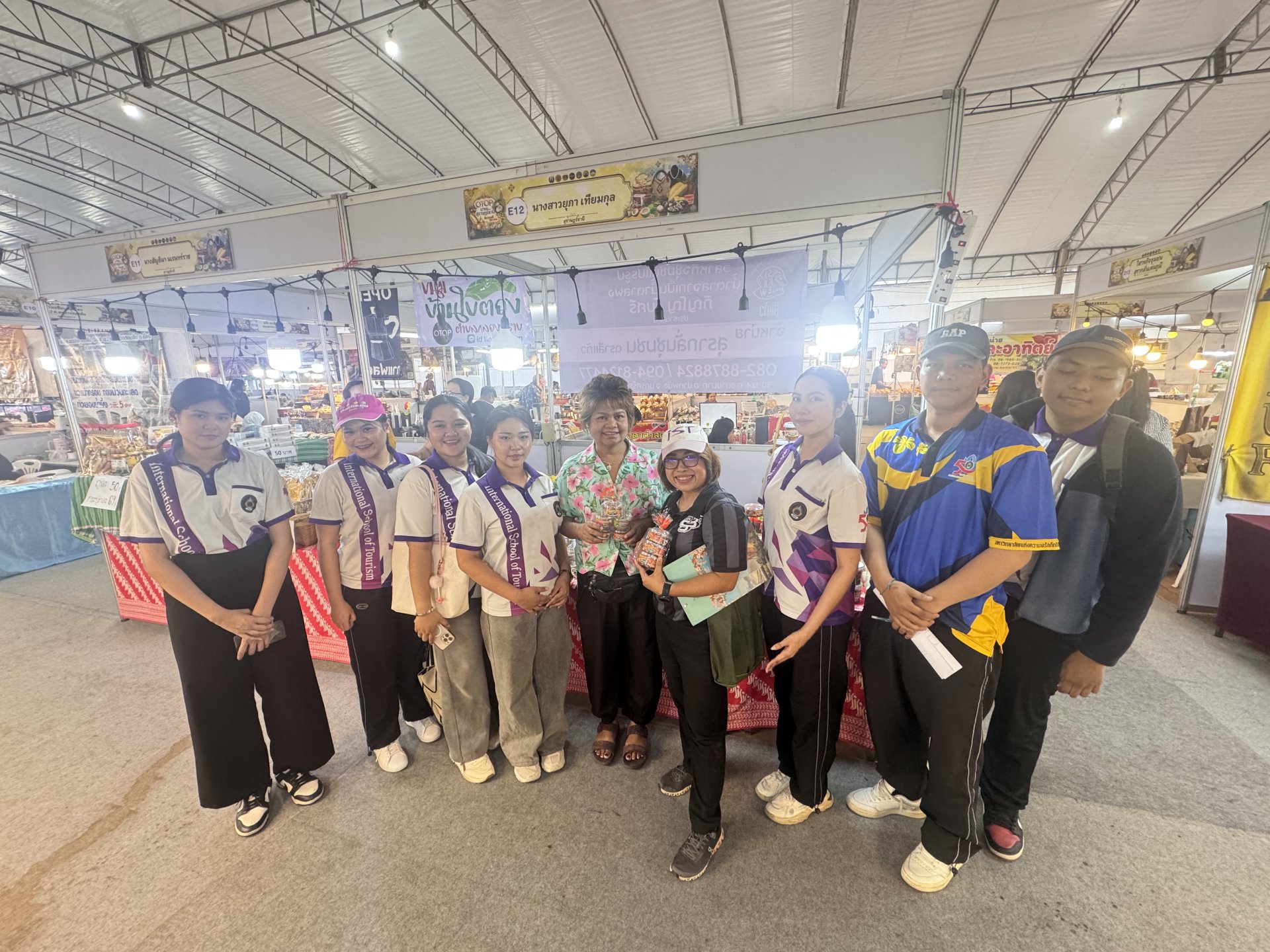
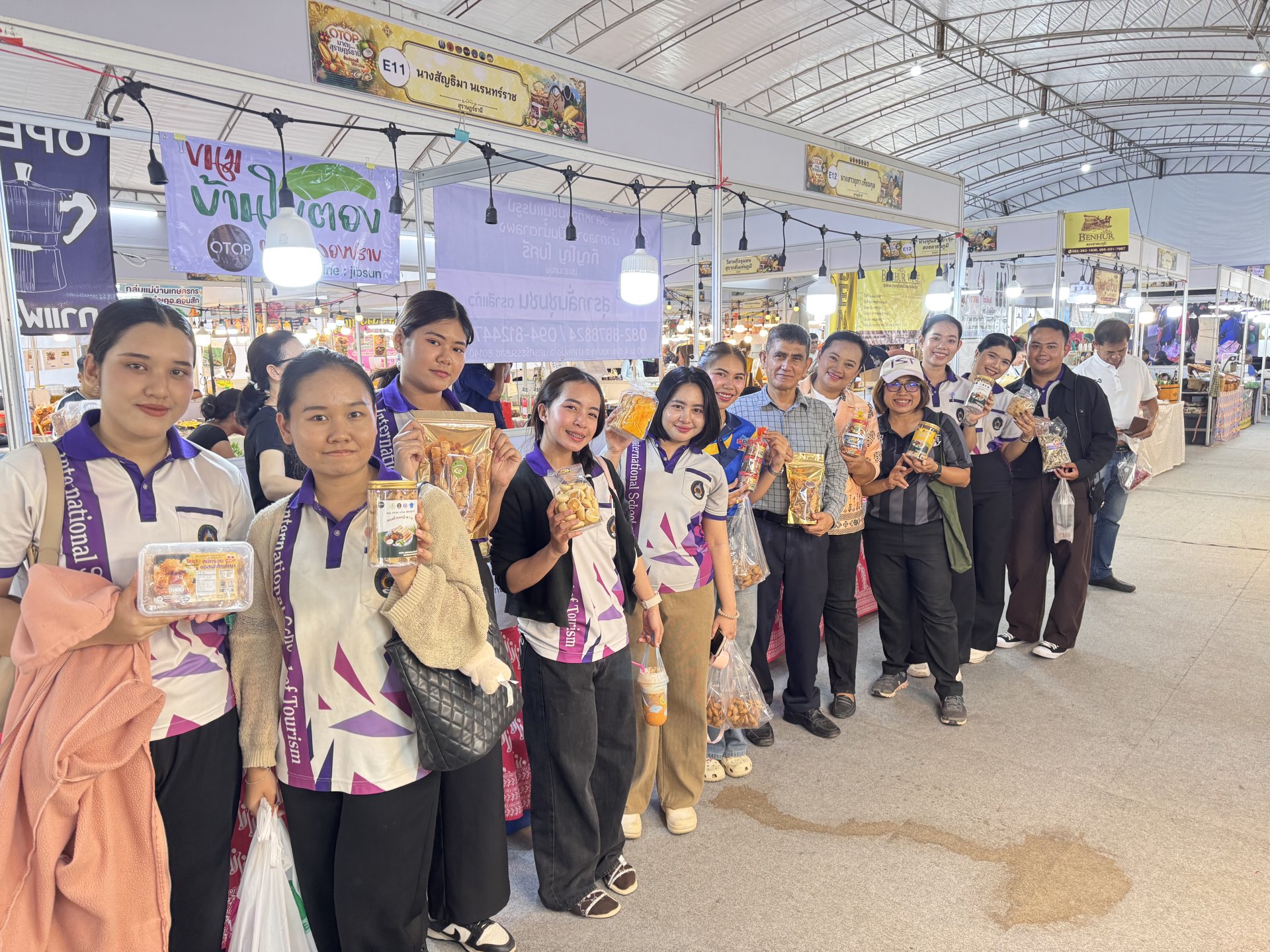
On 9 April 2026, prototype products were introduced to consumers during the Surat Thani OTOP Fair 2026, "Mata Surat Thani: Shop the Best of the Gulf Coast." Students and community members jointly presented their products, conducted tasting sessions, gathered customer feedback, and evaluated purchasing behavior to further enhance product quality and market readiness.
From the Classroom to Community Impact
The project demonstrated that meaningful learning extends beyond the classroom. By working directly with local communities, students experienced every stage of community product development—from identifying local potential and understanding consumer needs to redesigning products, creating prototype packaging, and evaluating market responses. This hands-on approach enabled students to transform academic knowledge into practical solutions while contributing tangible value to community enterprises.
Throughout the project, students strengthened a wide range of professional competencies, including analytical thinking, creative problem-solving, teamwork, communication, stakeholder engagement, and innovation. More importantly, they developed a deeper understanding of how higher education can actively contribute to sustainable community development through collaborative learning.
Project Outcomes
The project successfully produced two prototype community products together with two prototype packaging and label designs that better reflected market demands while preserving local identity. These prototypes were later introduced to consumers during a real marketplace event, allowing students and community members to receive direct customer feedback and evaluate commercial potential before further product improvement.
According to the project evaluation, consumer satisfaction reached approximately 90 percent, while the pilot sales generated 1,590 Baht. Beyond the financial outcome, the project provided valuable insights into consumer behavior, product presentation, pricing strategies, and marketing communication that can support future commercialization of community products.
The Social Engineer Classroom also enhanced students' competencies through experiential learning. Participants gained confidence in applying interdisciplinary knowledge, working collaboratively with community stakeholders, and proposing practical solutions for local development. The project reinforced the university's commitment to producing graduates who possess not only academic knowledge but also social responsibility, leadership, and the ability to create positive impacts within society.
Strengthening Future Social Innovators
The Social Engineer Classroom represents one of Suratthani Rajabhat University's key educational approaches for cultivating graduates who are capable of integrating academic knowledge with community engagement. Through authentic learning experiences, students become problem solvers, innovators, effective communicators, and collaborative leaders who contribute to sustainable local development while preparing themselves for future professional careers.
SDG Report & Relevant Goals
This activity contributes to the following United Nations Sustainable Development Goals (SDGs):
| SDG Goal | Target Description | Connection to the Activity |
|---|---|---|
|
Goal 4: Quality Education | The project promotes experiential learning by enabling students to engage directly with community-based development. Through real-world practice, participants strengthened critical thinking, communication, teamwork, innovation, and problem-solving competencies beyond the traditional classroom environment. |
|
Goal 8: Decent Work and Economic Growth | By enhancing local products, developing prototype packaging, and testing products in real markets, the project supports community entrepreneurship, increases product value, and contributes to sustainable local economic growth. |
|
Goal 17: Partnerships for the Goals | The initiative demonstrates strong collaboration among the university, students, community enterprises, local residents, and public organizations. These partnerships create shared knowledge, encourage community participation, and establish sustainable networks for future local development. |