IST SRU Strengthens Multi-sector Partnerships to Advance GI Nasan Rambutan through Soft Power and the BCG Economy
Connecting universities, communities, government agencies, and private organizations to strengthen the sustainable development of GI products and local economies.
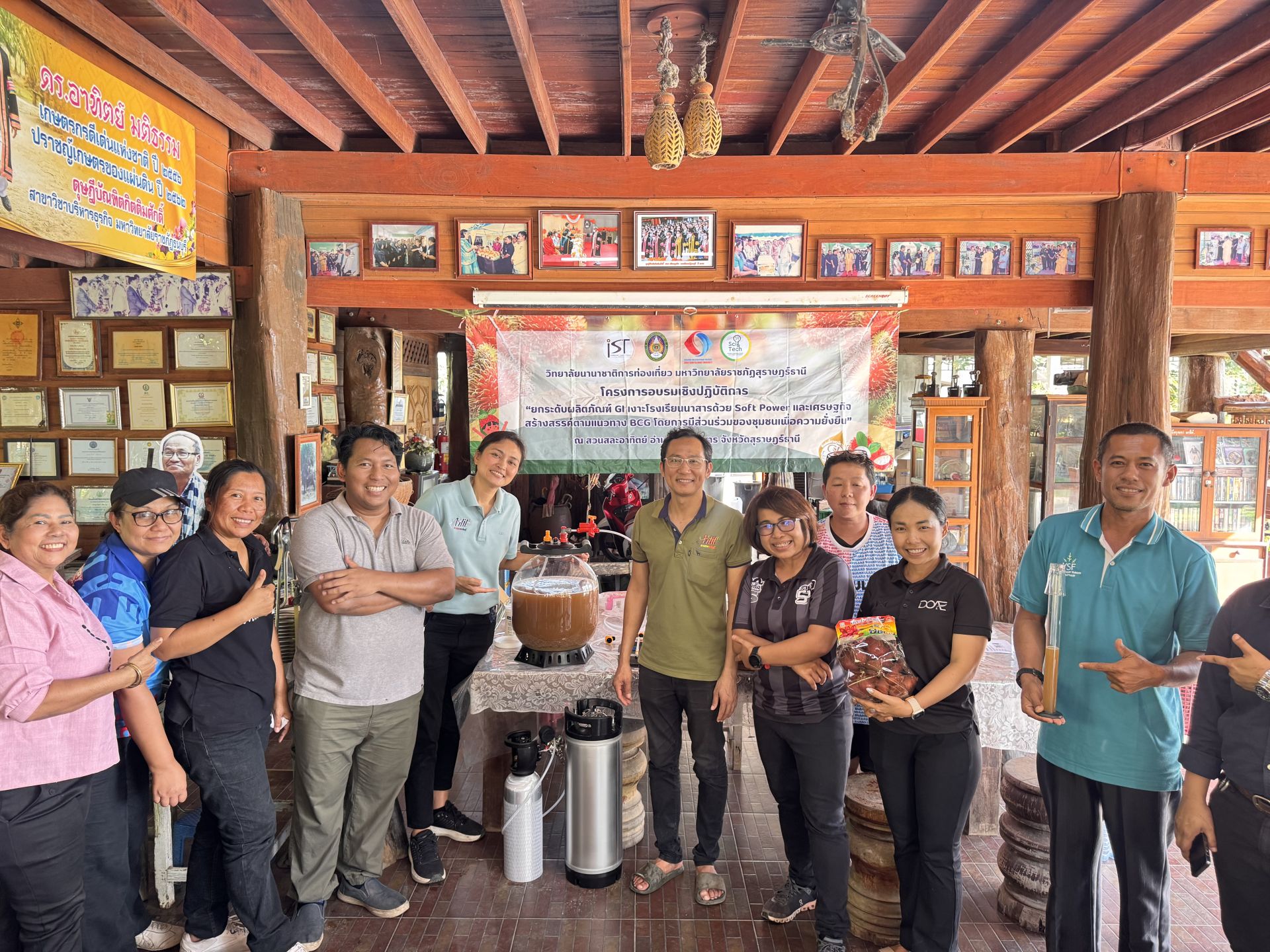
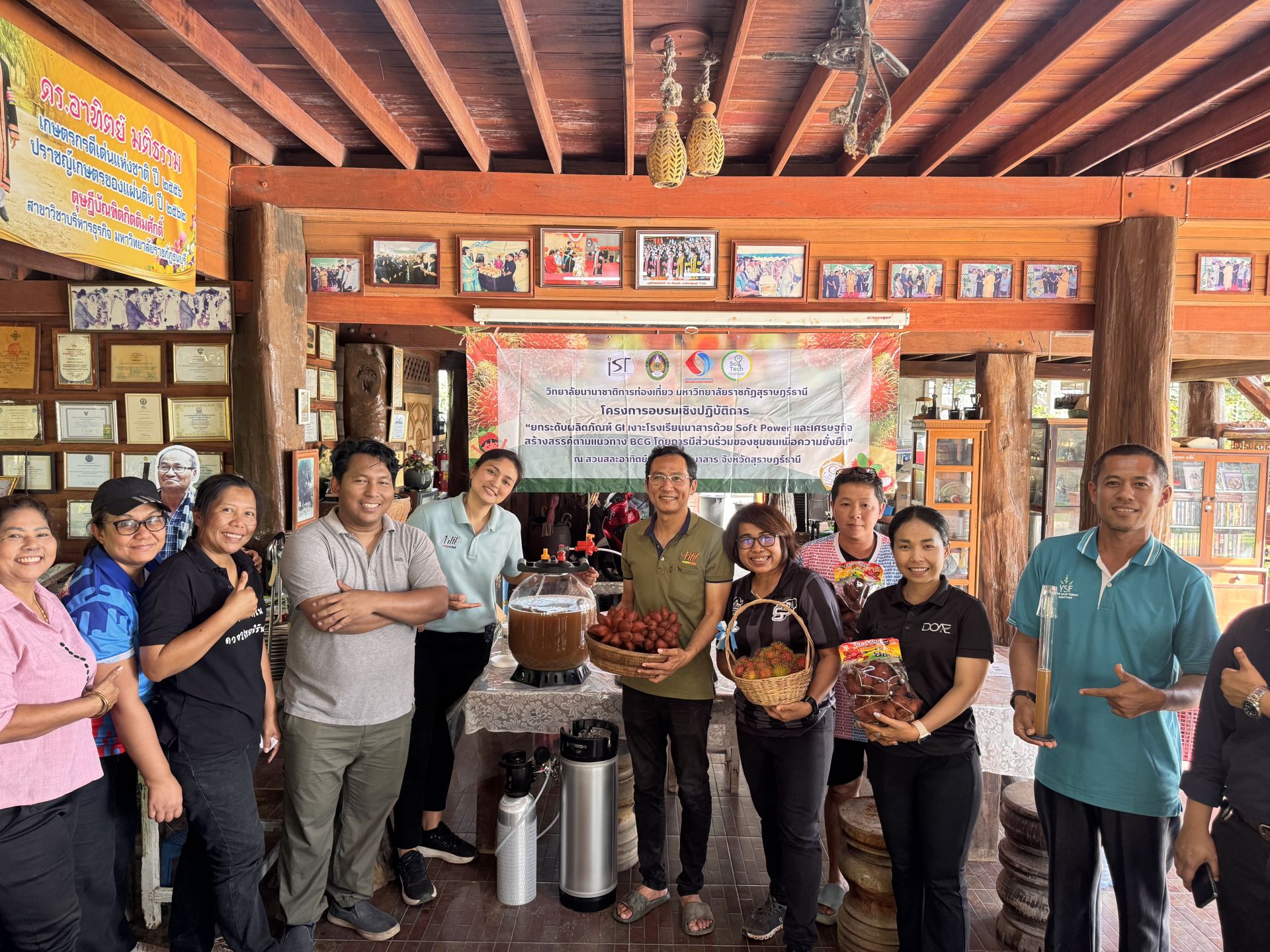
The International School of Tourism, Suratthani Rajabhat University (IST SRU), organized the workshop "Strengthening Partnership Networks for the Development and Management of GI Nasan Rambutan through Soft Power" on 21–22 May 2026 at Suan Sala Athit, Ban Na San District, Surat Thani Province. The workshop aimed to establish strong collaboration among government agencies, private organizations, community enterprises, and academic institutions to enhance the value of GI products while promoting sustainable community economic development.
This workshop was designed as a continuation of IST SRU's previous GI product development initiative. The project focused on creating a sustainable partnership mechanism that integrates academic knowledge, research, innovation, and local wisdom into the creative economy through the concepts of Soft Power and the Bio-Circular-Green (BCG) Economy.
The initiative reflects the university's mission as a higher education institution dedicated to local development by connecting research, innovation, and community engagement to strengthen the management of GI products and increase their competitiveness.
Workshop Activities — 21 May 2026
Stakeholder Analysis
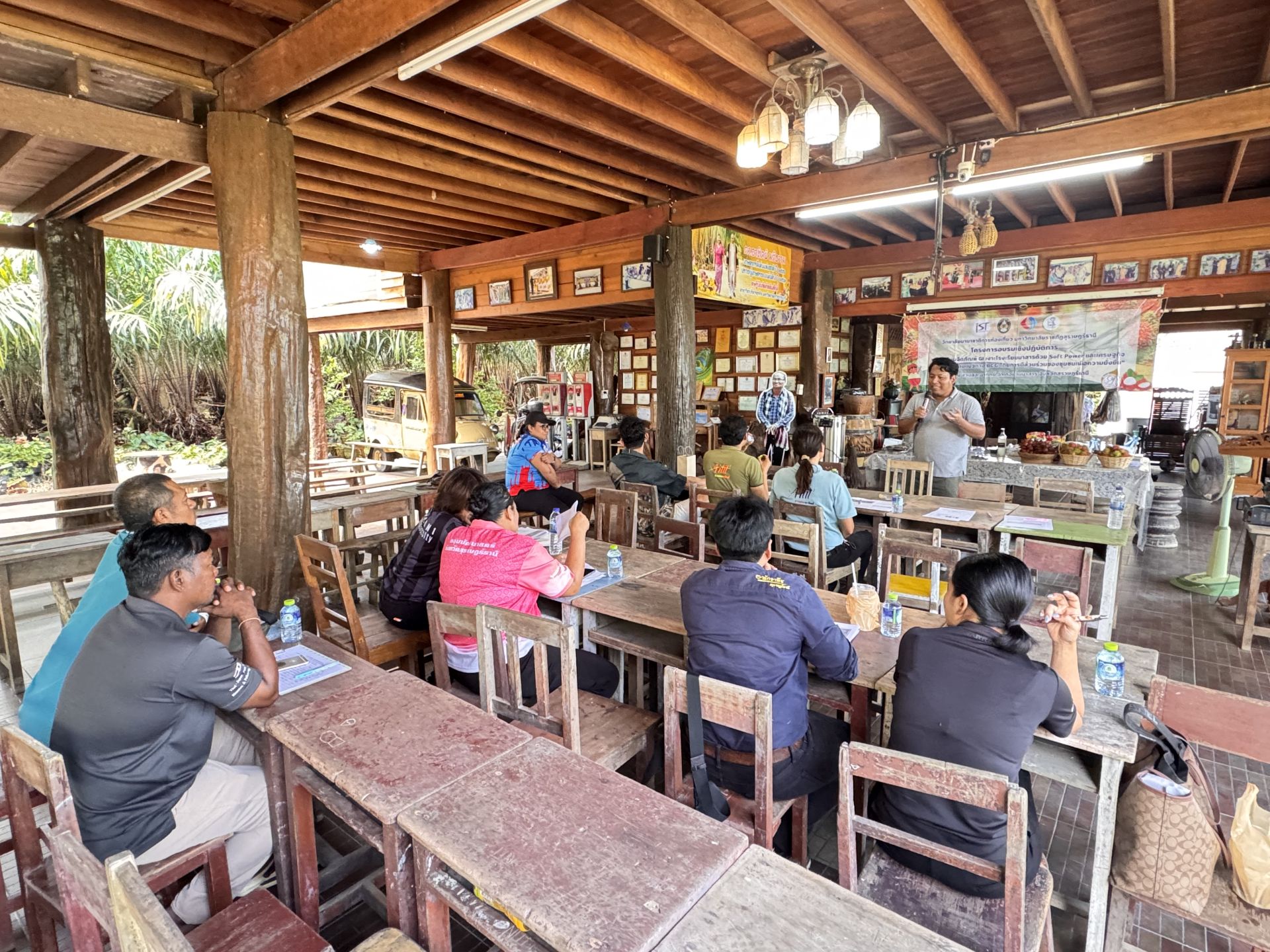
Farmers, entrepreneurs, community enterprises, government agencies, private organizations, and university academics jointly analyzed the roles and relationships of stakeholders throughout the GI Rambutan value chain. The activity enabled participants to identify opportunities for collaborative development that benefits every sector.
Network Collaboration Model
Participants worked together to design an effective collaboration framework that connects public, private, community, and academic sectors. The model aims to establish a sustainable management system capable of supporting the long-term development of GI Nasan Rambutan products.
Knowledge Sharing by Experts
The workshop featured distinguished experts including Mr. Yutthapong Matitham, Assistant Professor Dr. Yoksamon Jeheng, Ms. Sunthima Narenraj, and Lecturer Tuangkarn Watbun, who shared their expertise in partnership management, stakeholder analysis, and collaborative governance tailored to the context of Ban Na San community. Their sessions encouraged practical cooperation and sustainable local development.
Workshop Activities — 22 May 2026
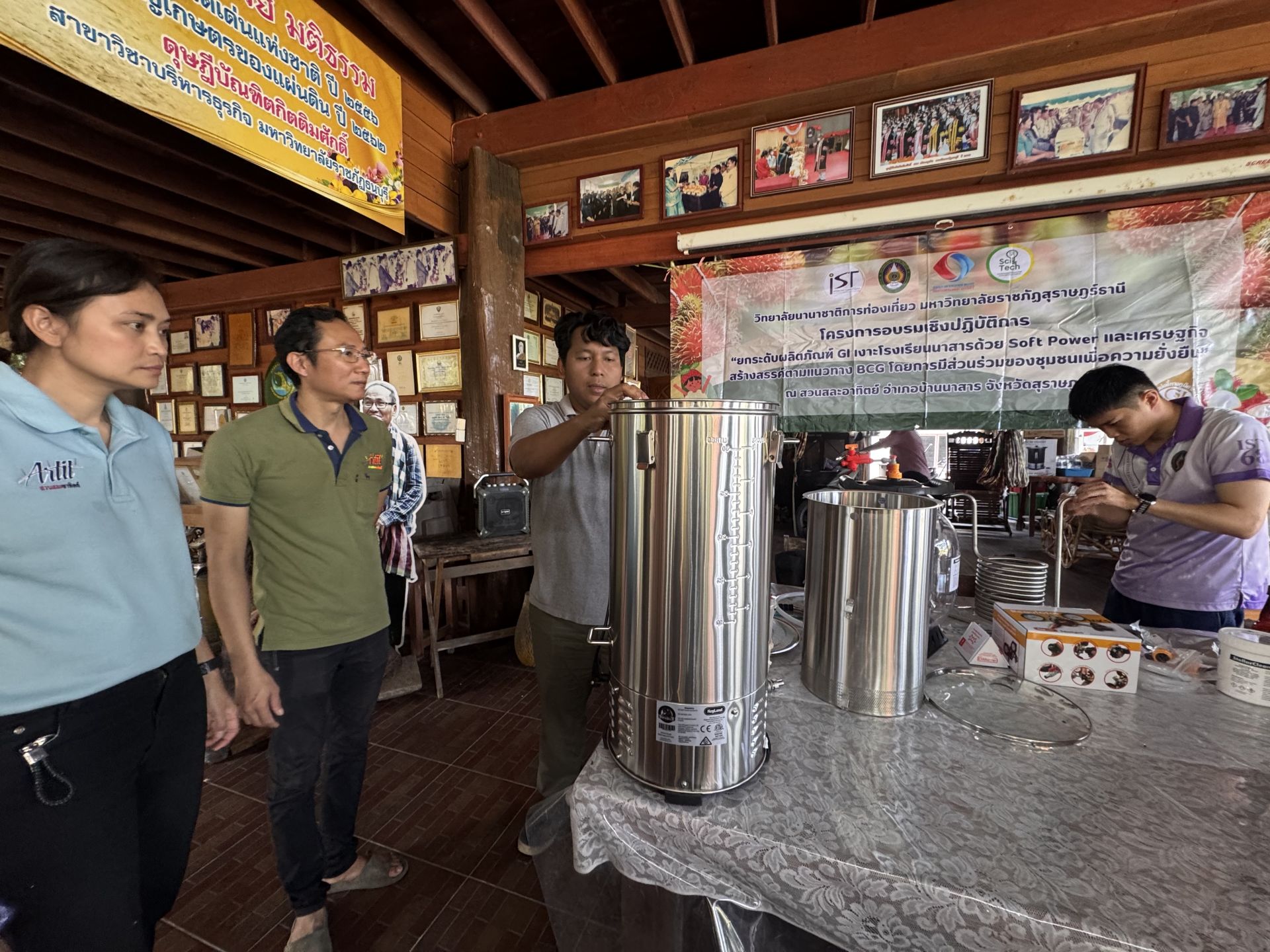
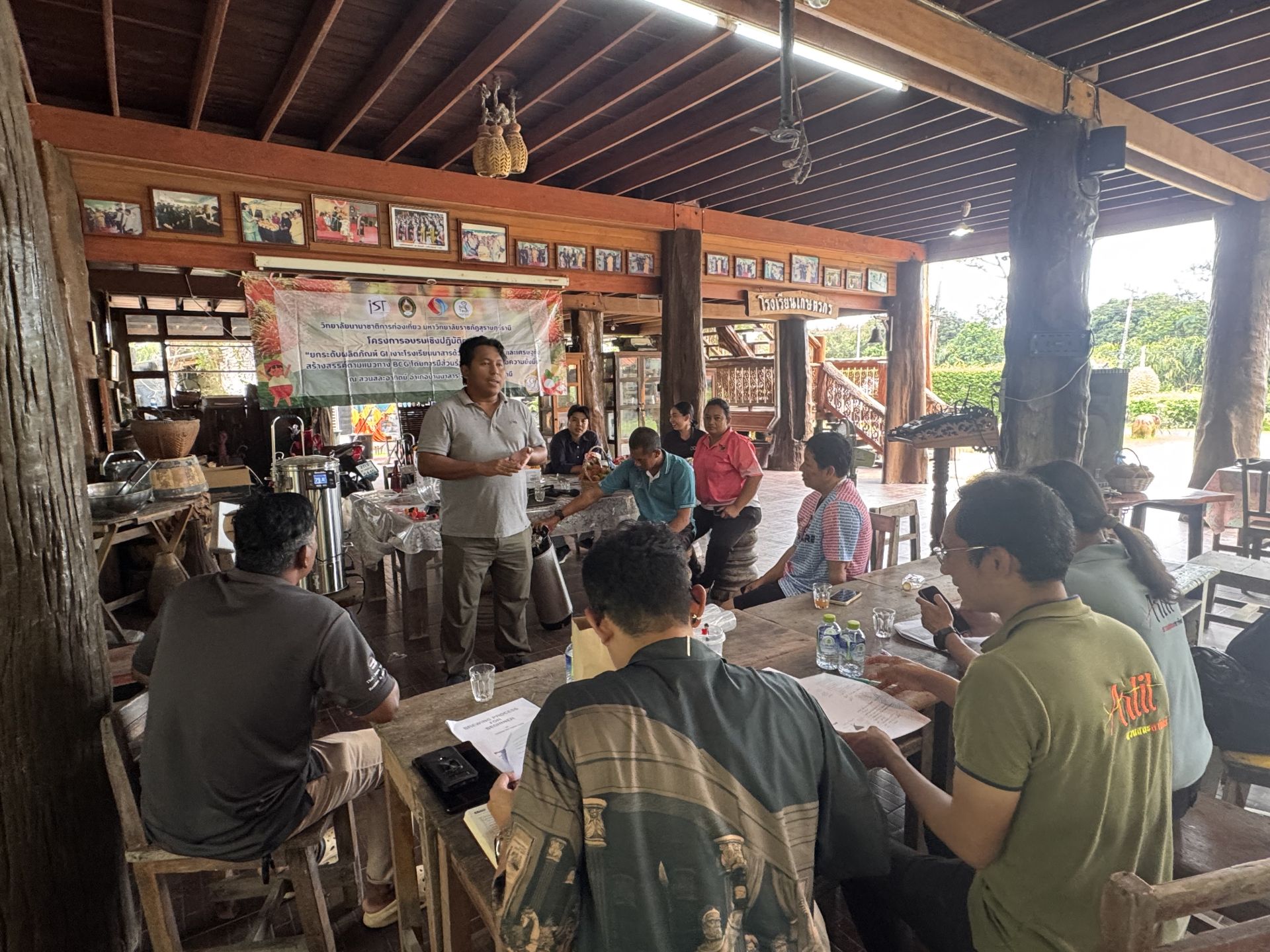
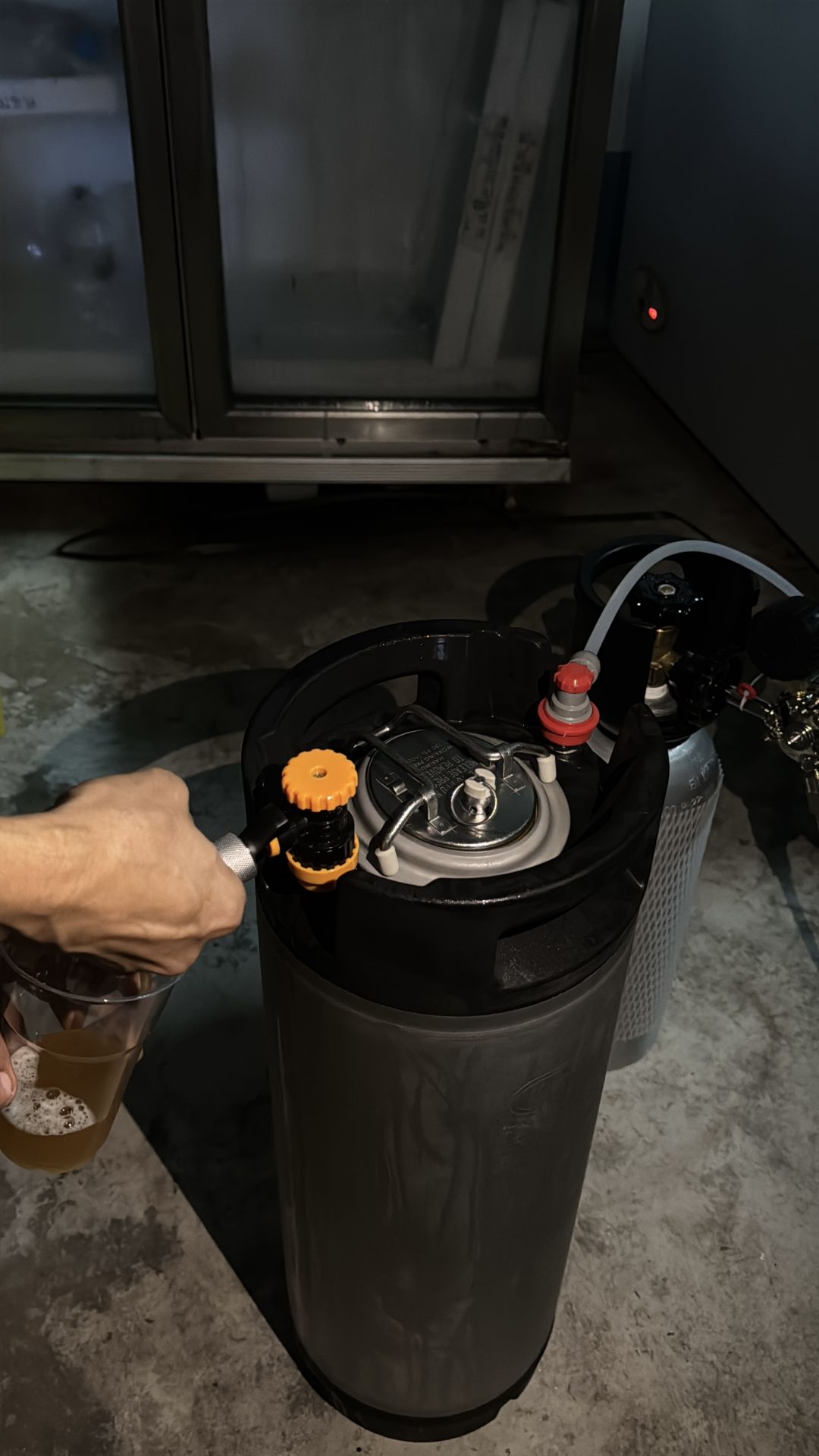
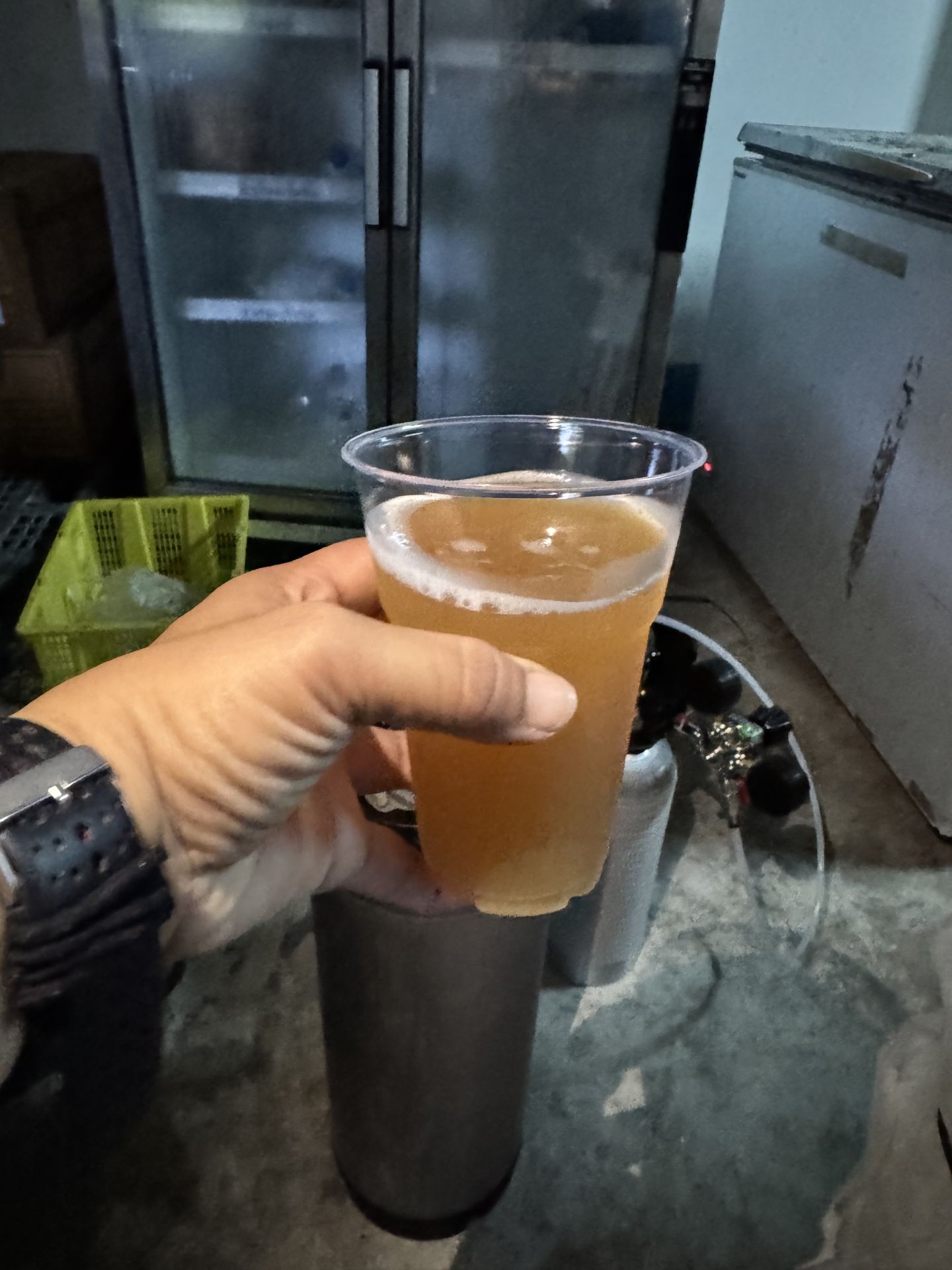
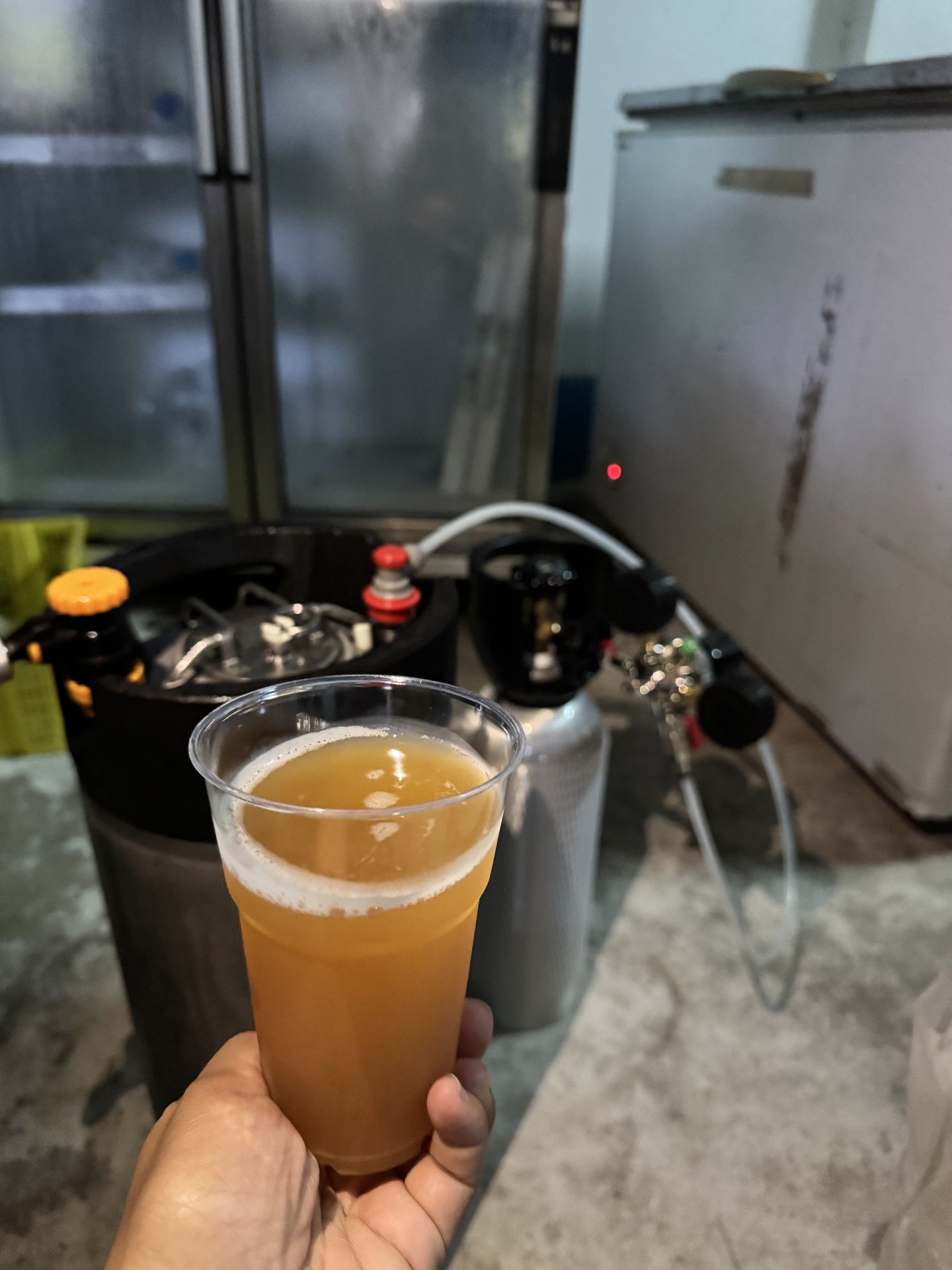
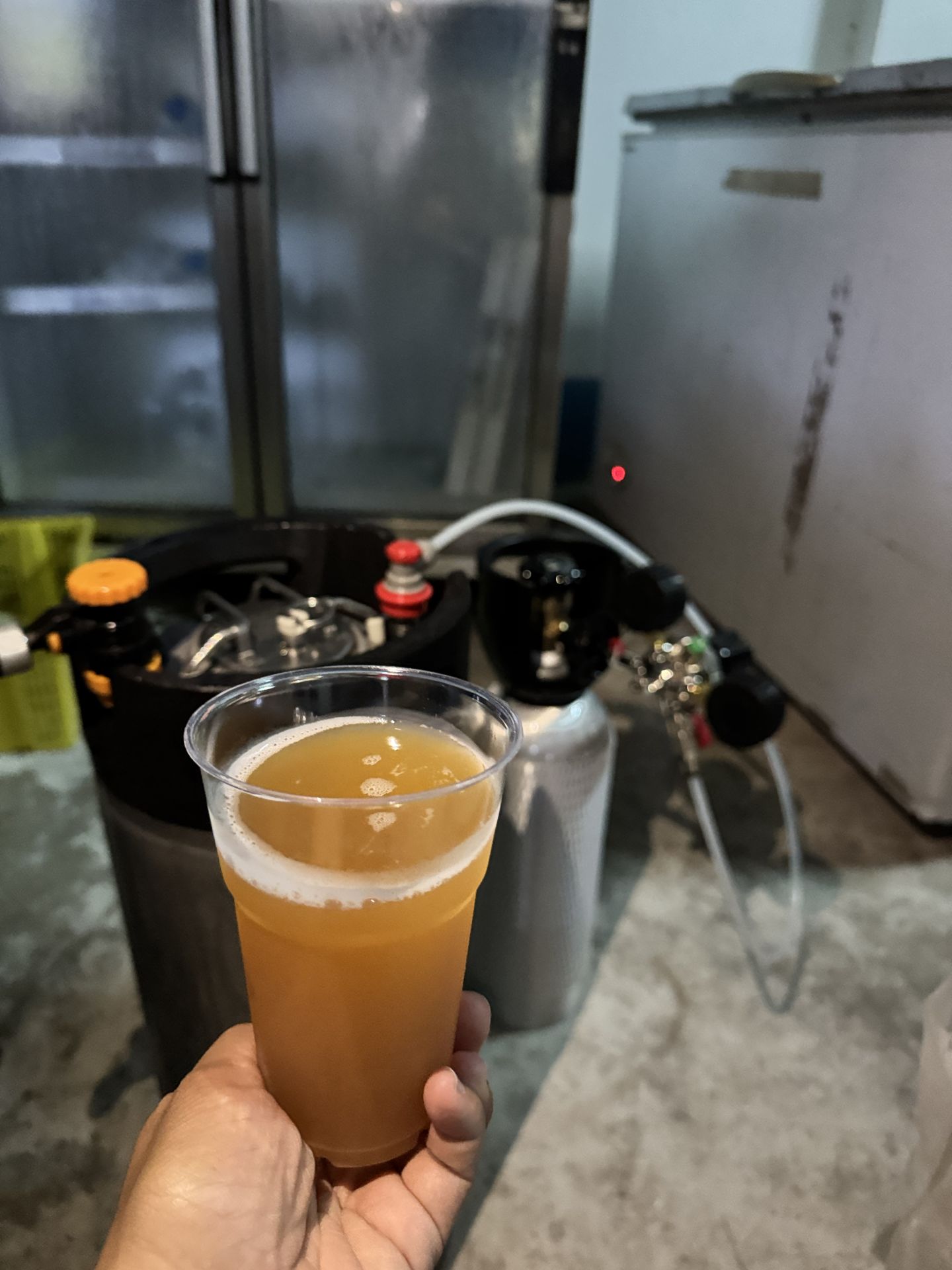
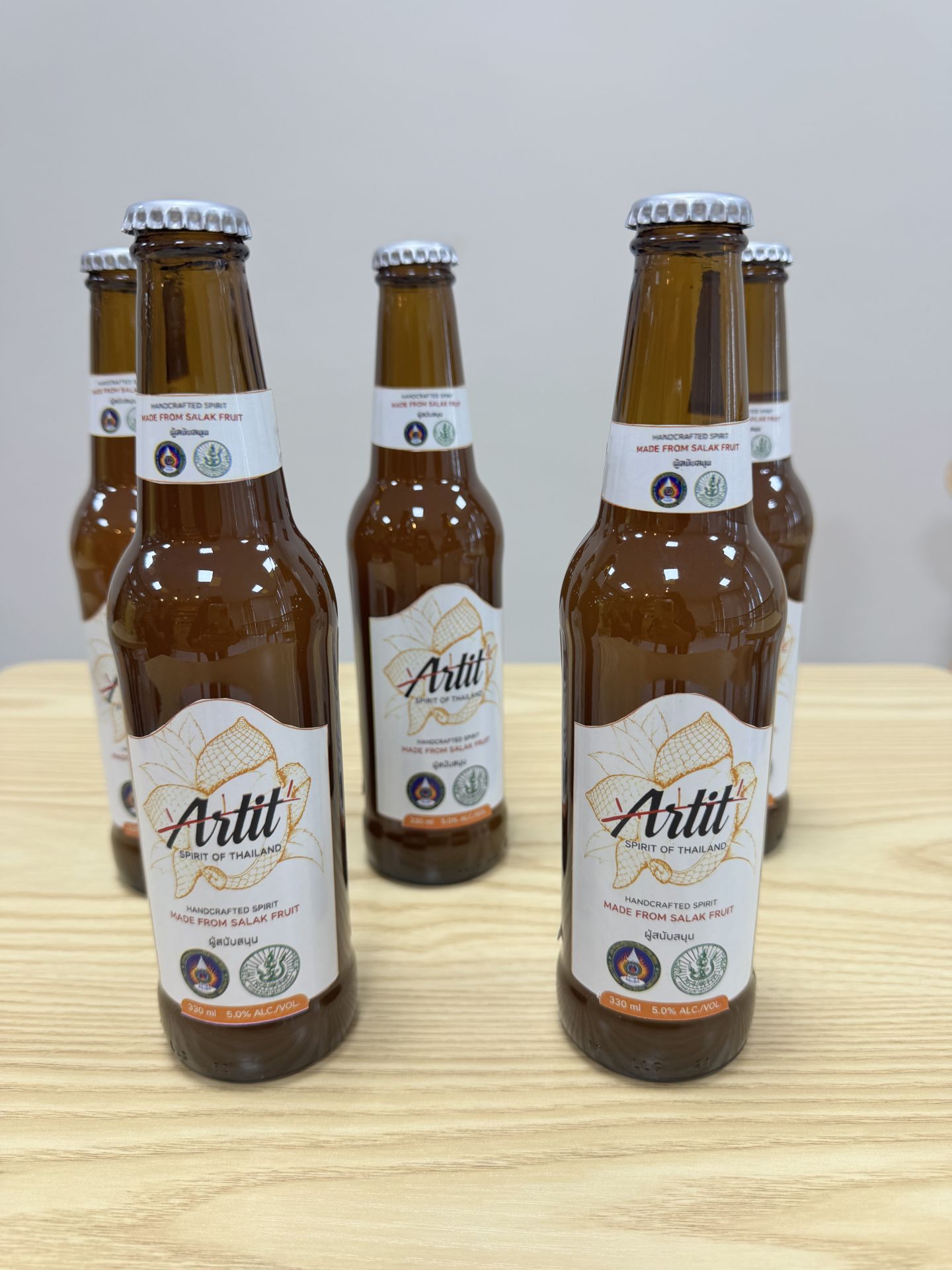
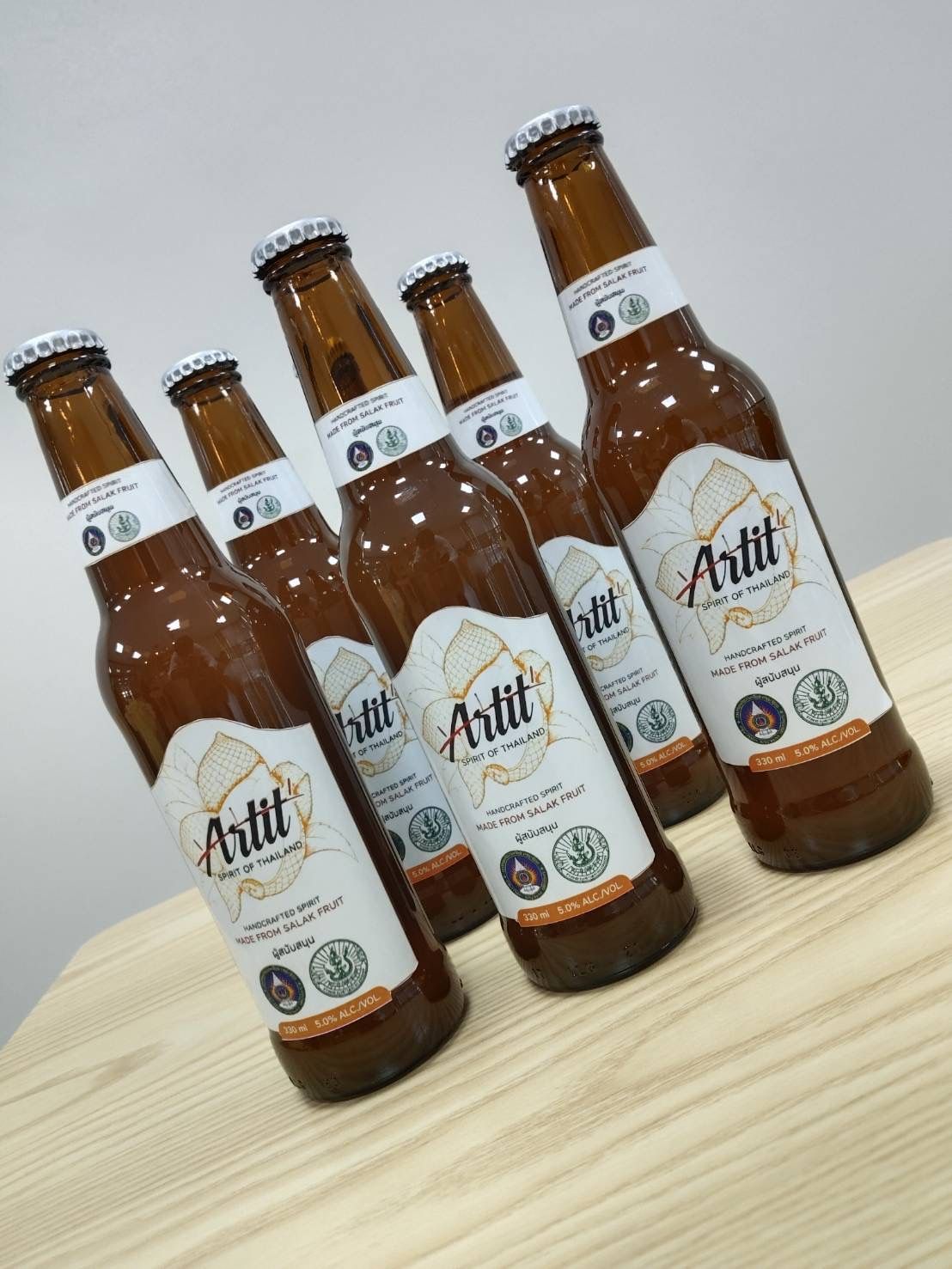
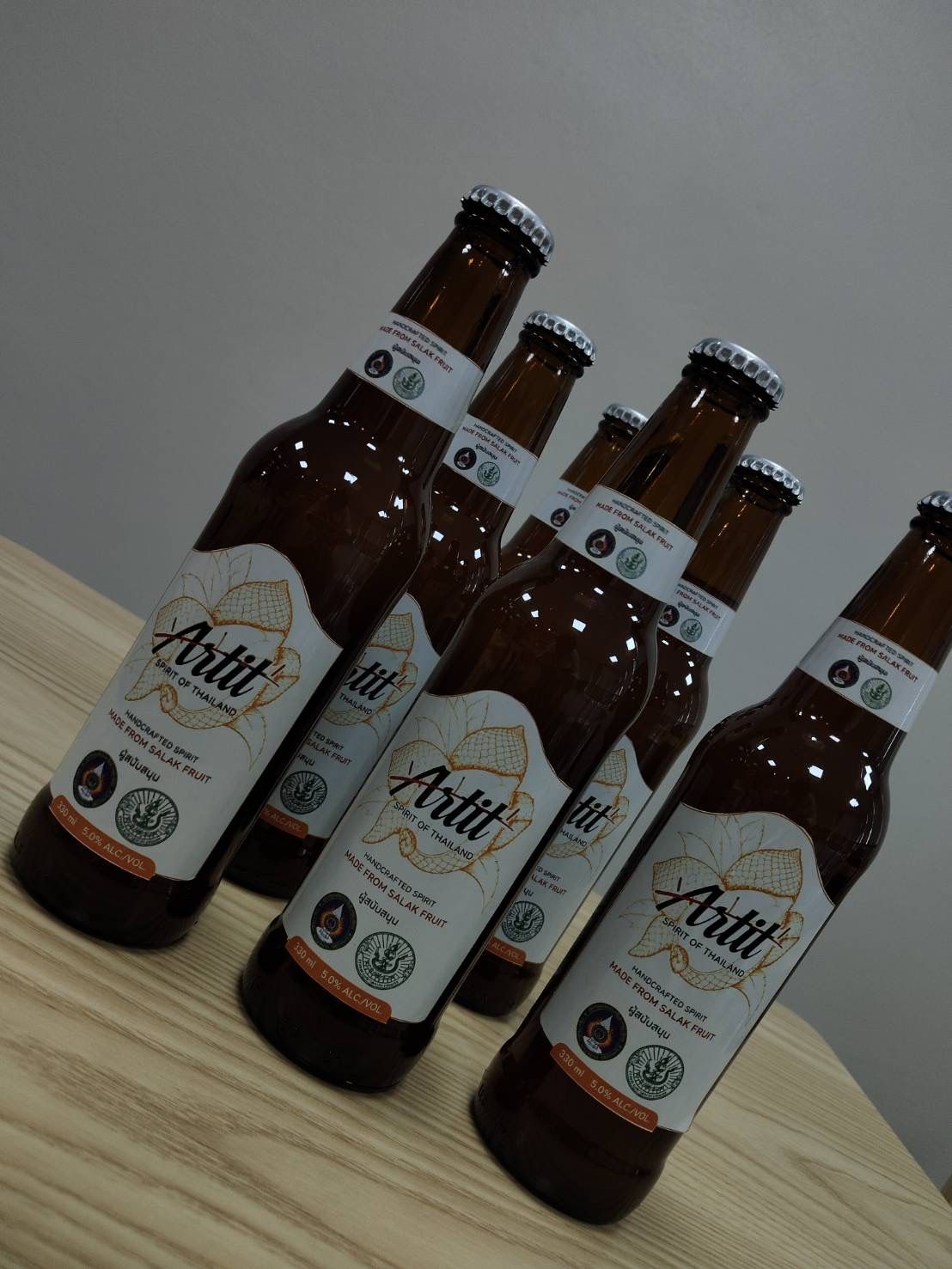
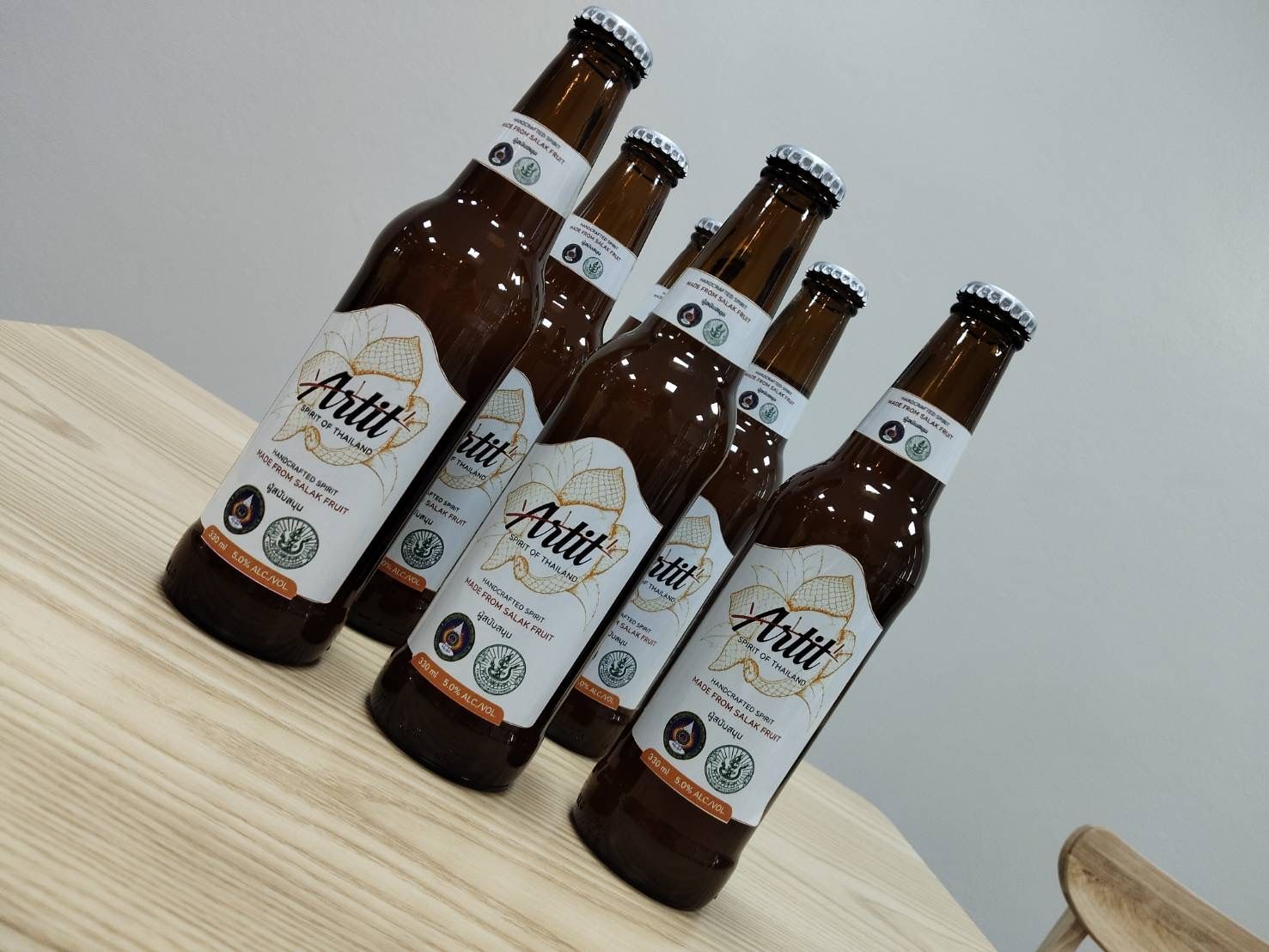
On 22 May 2026, the workshop expanded from partnership development to practical implementation. Participants learned techniques for selecting and preparing GI Nasan Rambutan as a raw material for value-added processing. They also participated in demonstrations and hands-on training on producing rambutan syrup, creating prototype products with commercial potential while increasing the value of local agricultural produce.
The practical sessions enabled participants to gain first-hand experience in production processes, ingredient selection, quality control, and product development. The activities also encouraged knowledge exchange among farmers, entrepreneurs, community enterprises, and university experts, allowing participants to apply the acquired knowledge within their own communities.
Building Partnerships for Sustainable Development
Throughout the project, participants collaboratively assessed the strengths of local partnership networks and developed strategic collaboration plans covering production, product development, marketing, and public relations. These collaborative frameworks are expected to strengthen the competitiveness of GI Nasan Rambutan products while establishing a sustainable management system that can continue beyond the project period.
Project Outcomes
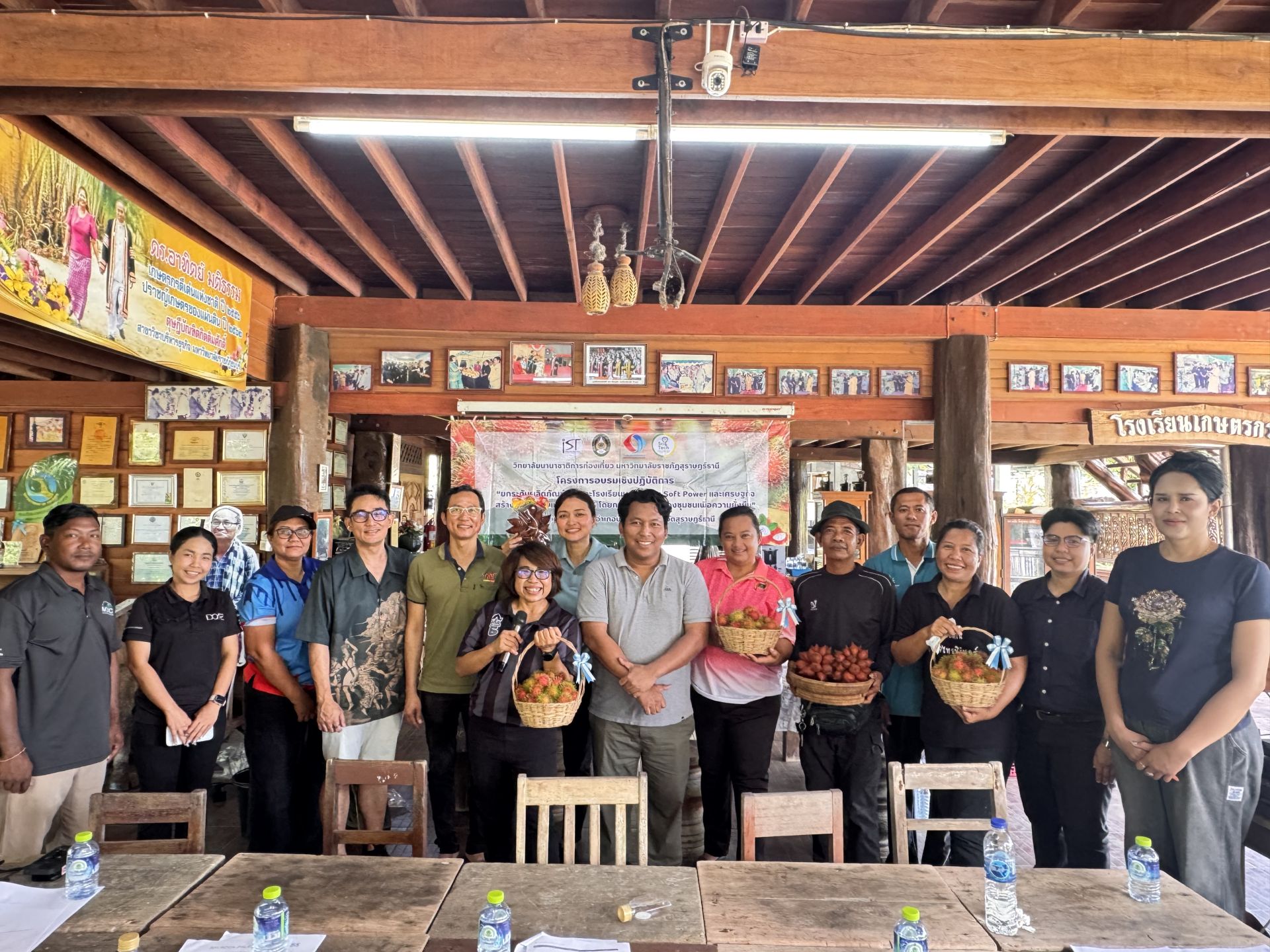
The project successfully established tangible collaboration among government agencies, private organizations, academic institutions, and local communities. Participants enhanced their knowledge and practical skills in stakeholder analysis, partnership management, and value-added product development using GI Nasan Rambutan.
In addition, stakeholders jointly formulated long-term development strategies for product management and collaborative governance that respond to both market demands and community needs. The project laid a solid foundation for the continued development and commercialization of GI products from Surat Thani Province.
The University's Role in Local Development
This initiative demonstrates the International School of Tourism, Suratthani Rajabhat University's commitment to serving as a hub for academic knowledge, research, innovation, and community engagement. Through collaborative partnerships, the university continues to enhance the value of local GI products, strengthen grassroots economies, and promote sustainable regional development under the principles of Soft Power and the BCG Economy.
SDG Report & Relevant Goals
This activity contributes to the following United Nations Sustainable Development Goals (SDGs):
| SDG Goal | Target Description | Connection to the Activity |
|---|---|---|
|
Goal 8: Decent Work and Economic Growth | Creates opportunities for local entrepreneurs by increasing the value of GI agricultural products, strengthening community enterprises, and supporting sustainable economic growth. |
|
Goal 9: Industry, Innovation and Infrastructure | Promotes innovation through collaborative product development, stakeholder engagement, partnership management, and the integration of academic knowledge with community-based innovation. |
|
Goal 12: Responsible Consumption and Production | Supports the efficient utilization of local resources by encouraging sustainable processing, value-added production, and responsible use of agricultural products following the BCG Economy principles. |
|
Goal 17: Partnerships for the Goals | Serves as the project's core objective by strengthening partnerships among universities, local communities, government agencies, and the private sector to ensure the long-term sustainable development of GI Nasan Rambutan products. |