International School of Tourism Organizes Faculty Orientation and Development Program
Advancing OBE-based teaching and strengthening faculty understanding of the new undergraduate education regulations, B.E. 2566, to enhance academic quality in the digital era.
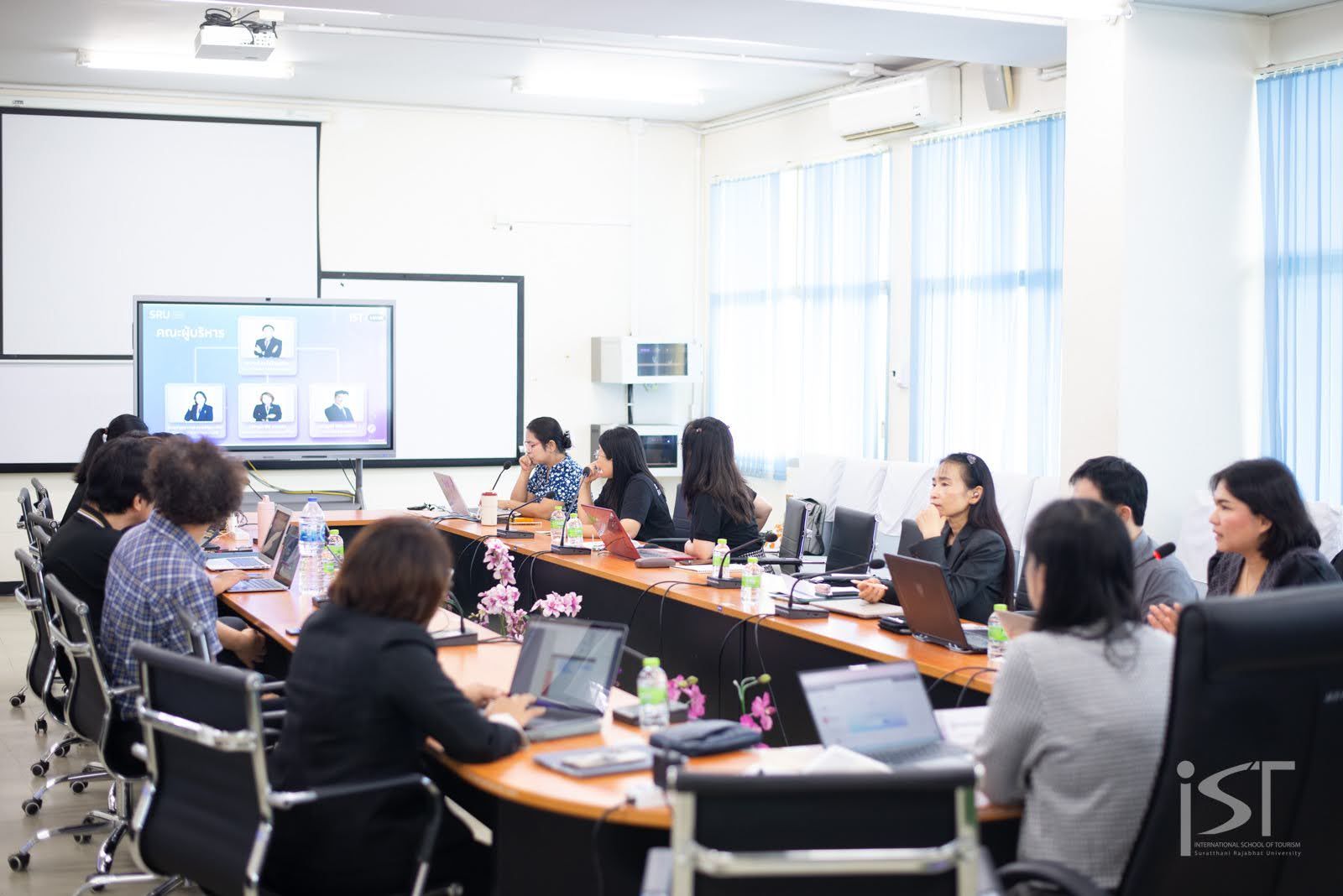
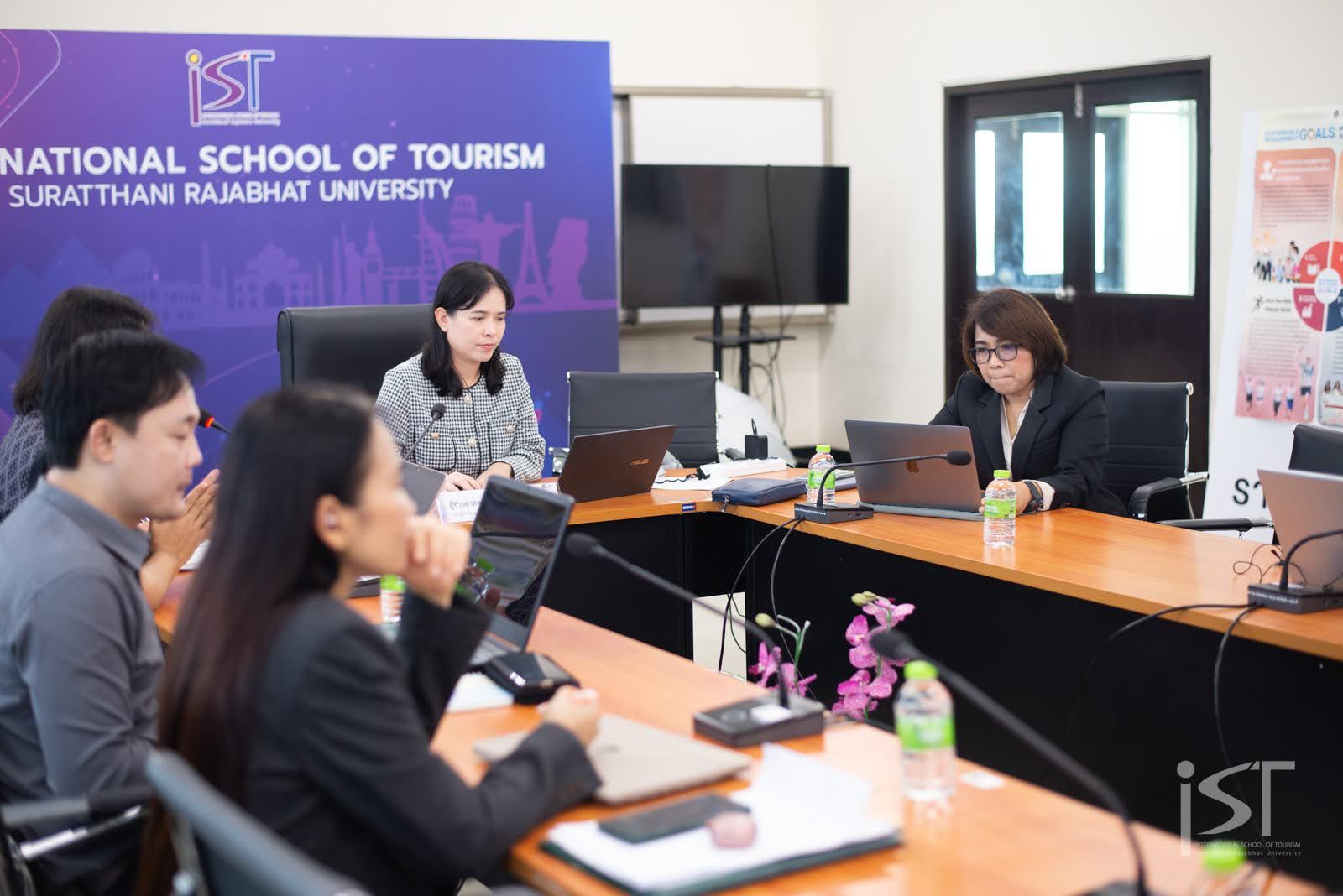
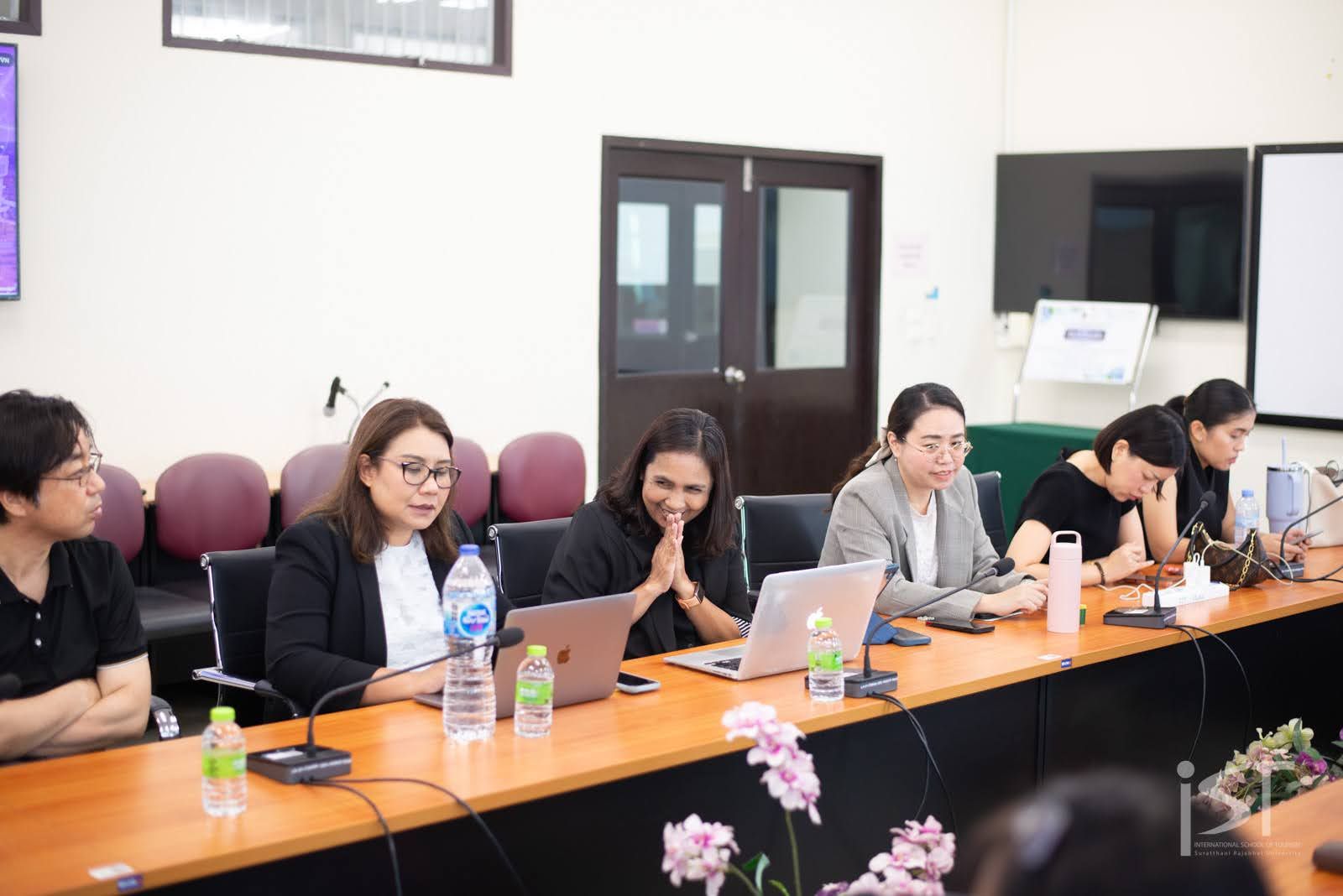
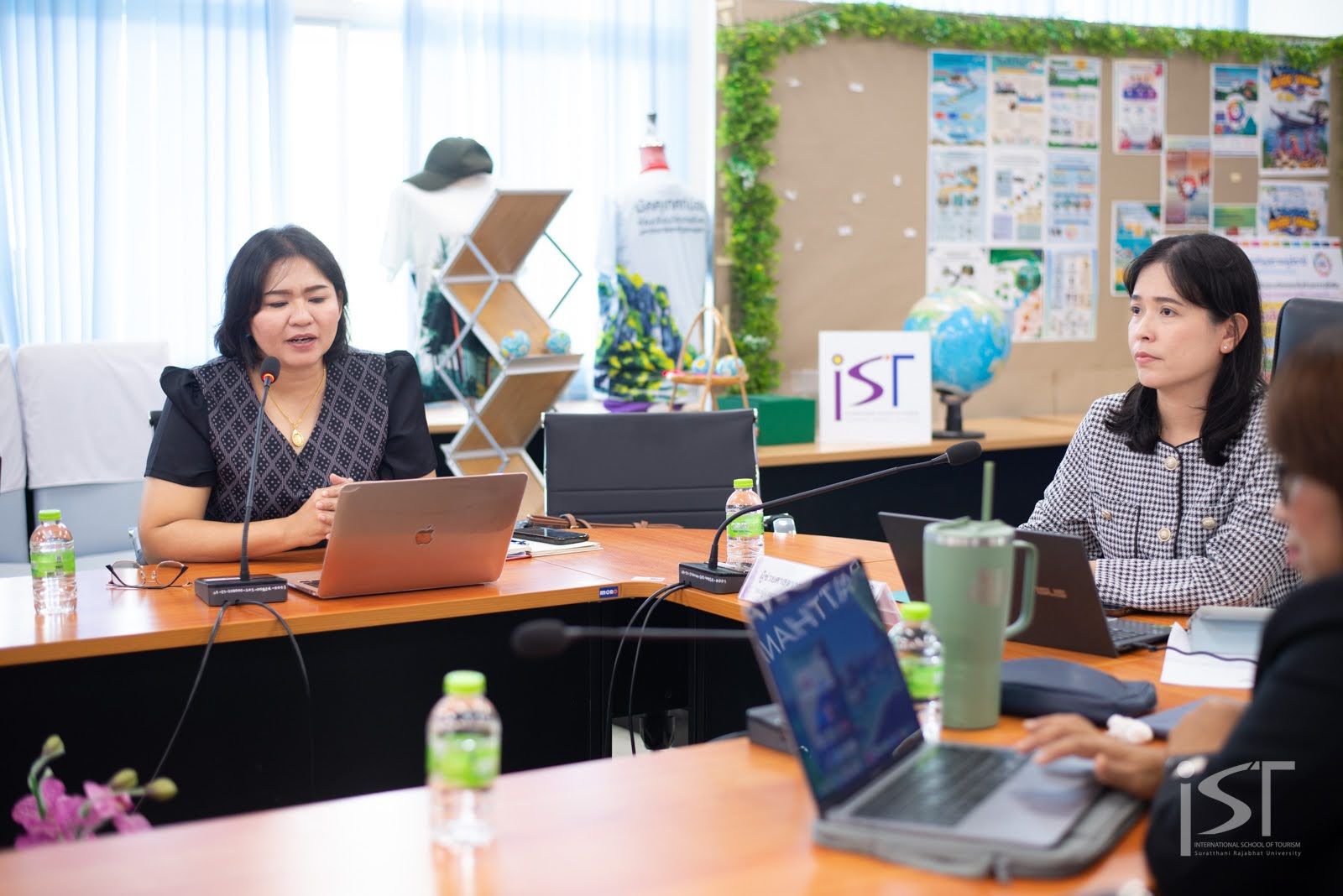
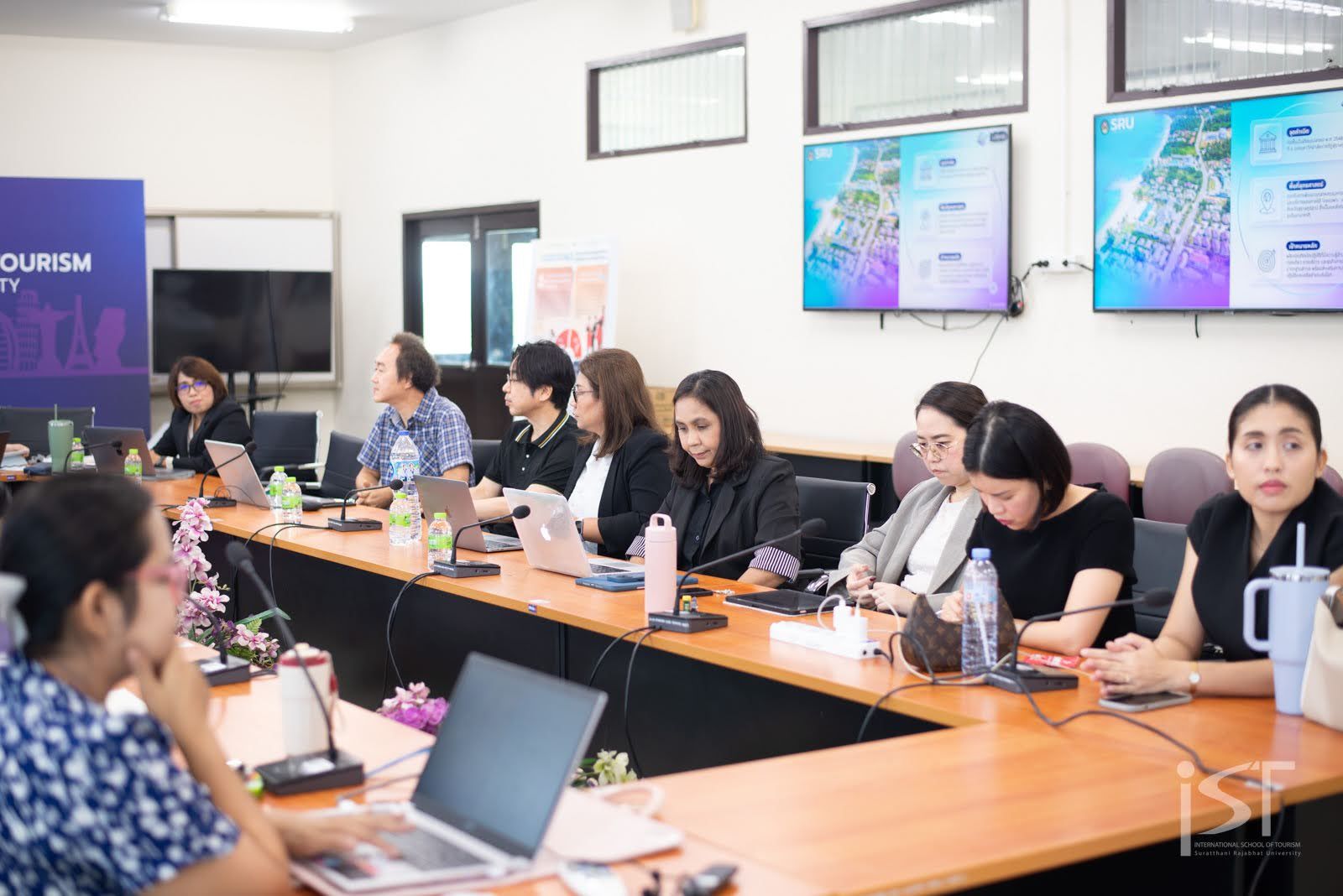
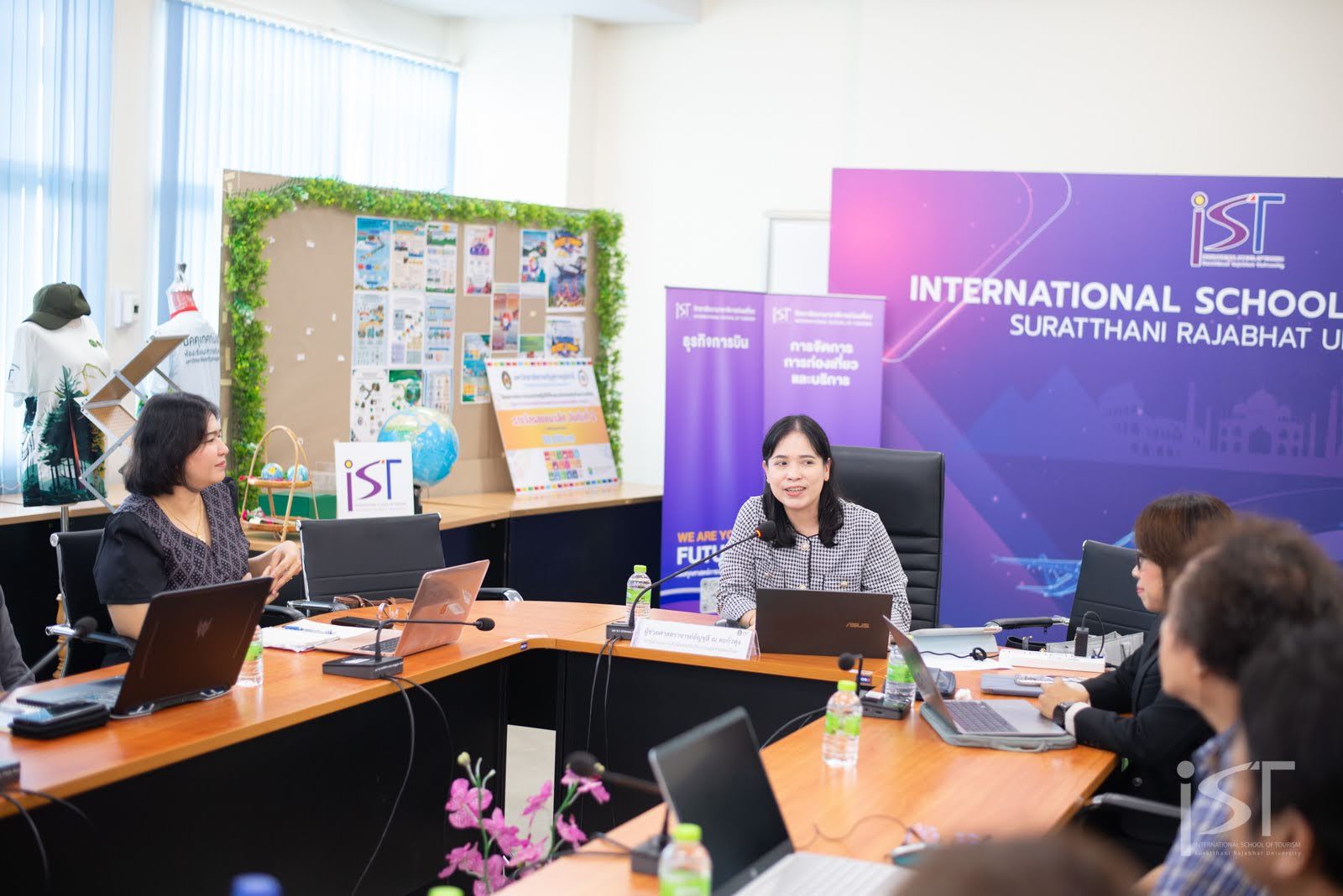
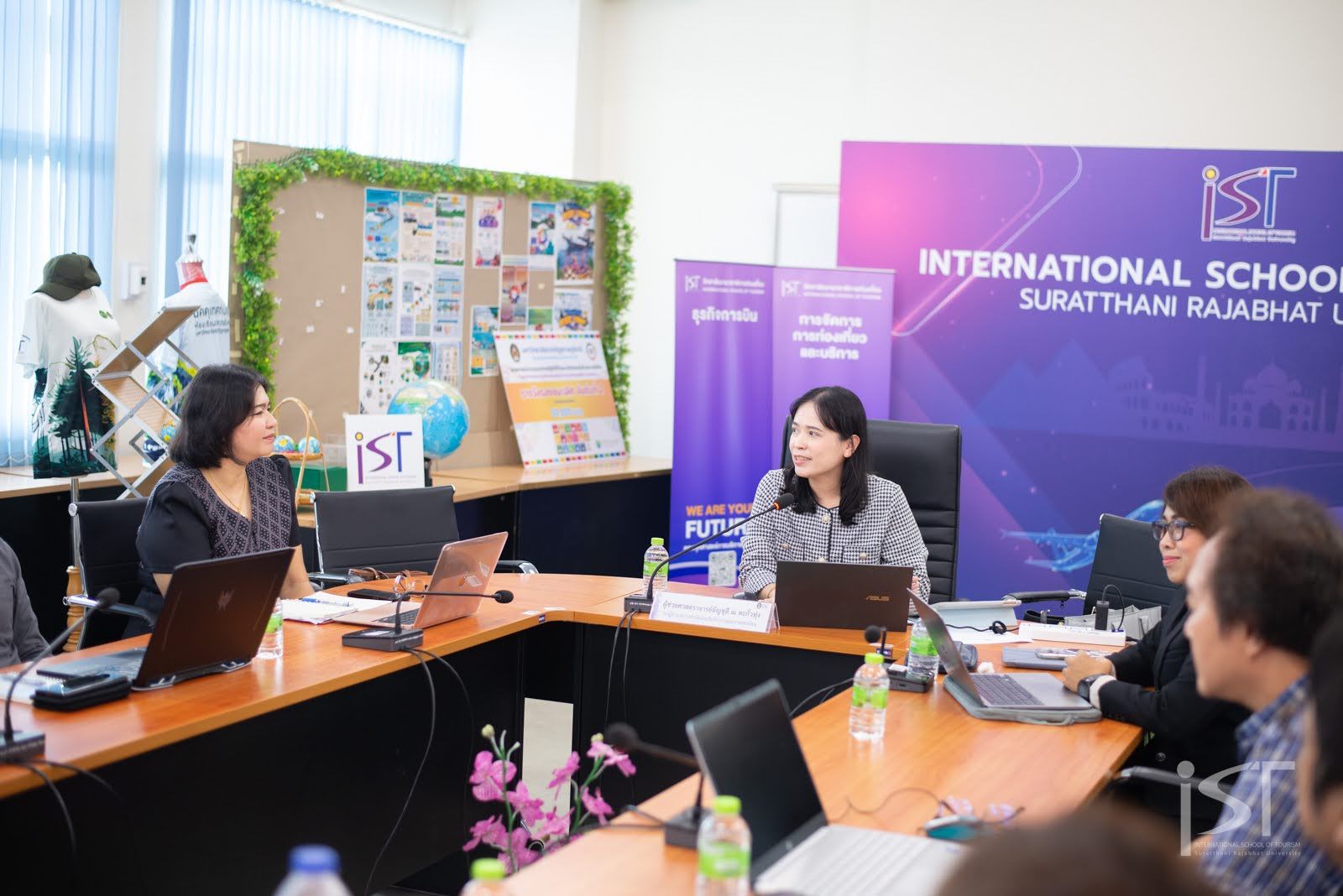
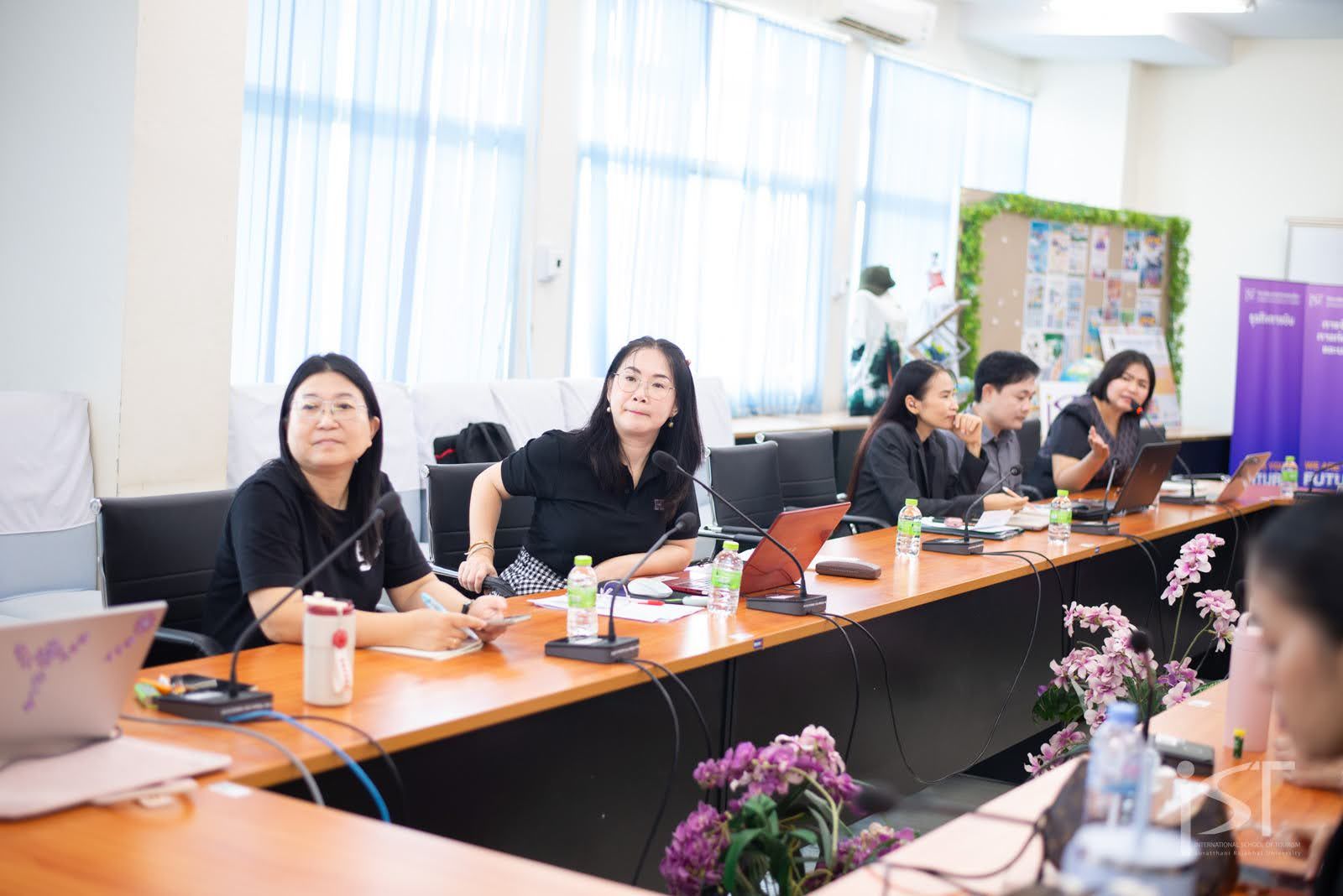
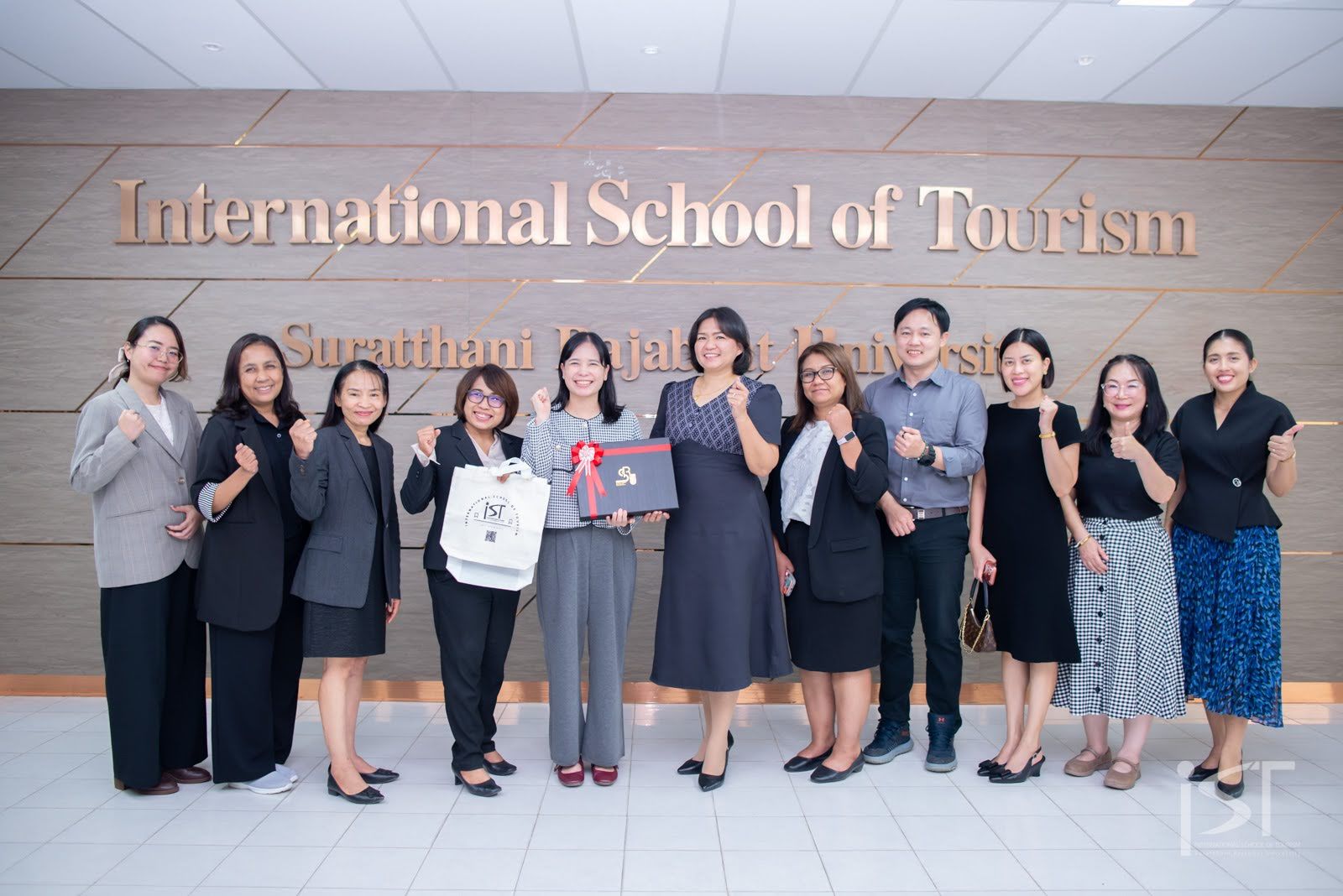
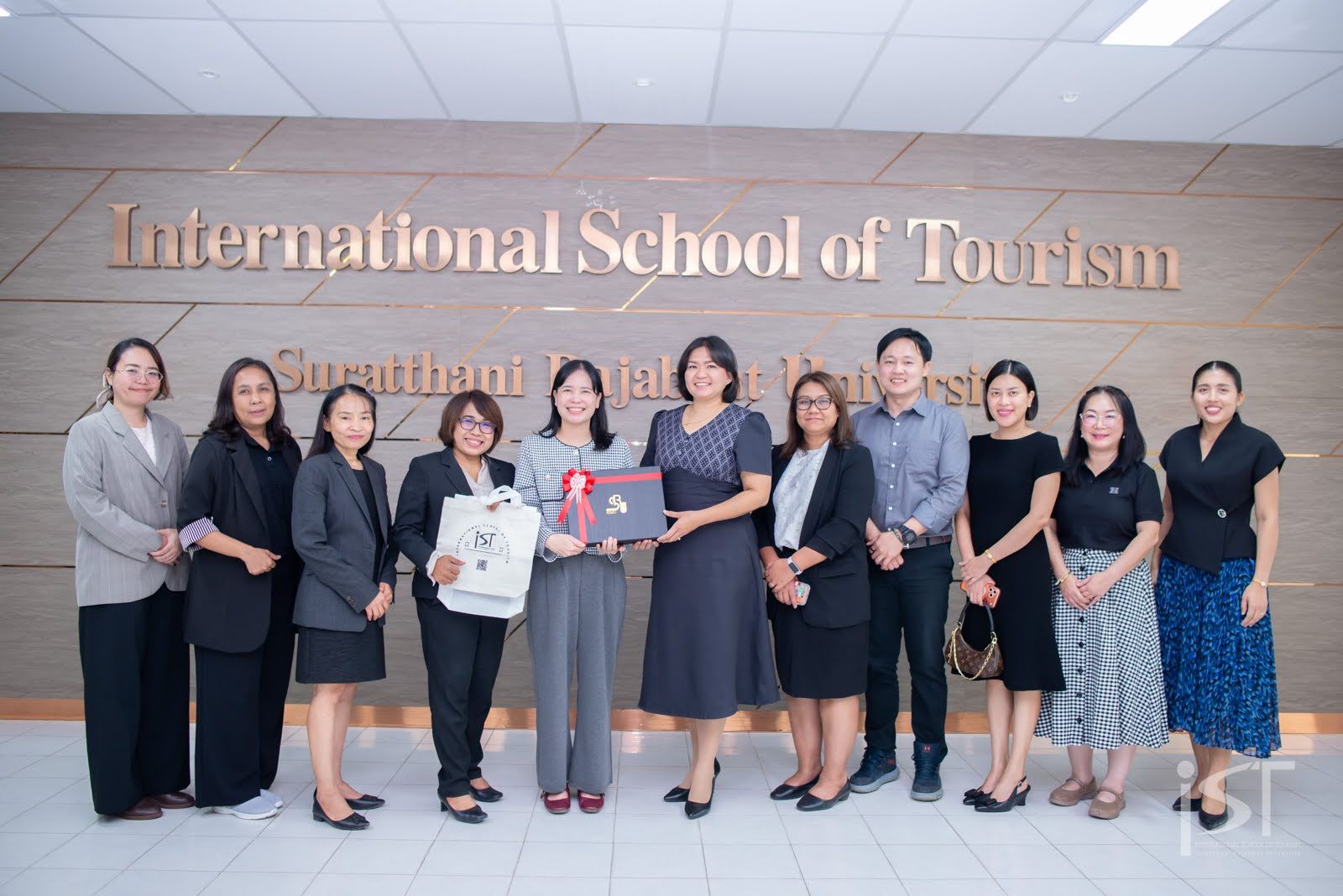
The International School of Tourism continues to drive educational quality through the “Faculty Orientation and Development Program of the International School of Tourism,” aiming to prepare and strengthen faculty competencies. The program enables new lecturers to adapt to the organizational context, understand work systems, and develop modern teaching skills effectively.
Empowering Faculty as a Key Driver of Educational Quality
The International School of Tourism recognizes that an educational institution is a strategic mechanism that directly influences the quality of teaching and learning. Lecturers play a crucial role in bringing knowledge, innovation, and academic advancement into the institution. Therefore, this training program was designed to support new lecturers in adapting to the organizational environment, understanding academic operations, and enhancing modern instructional skills.
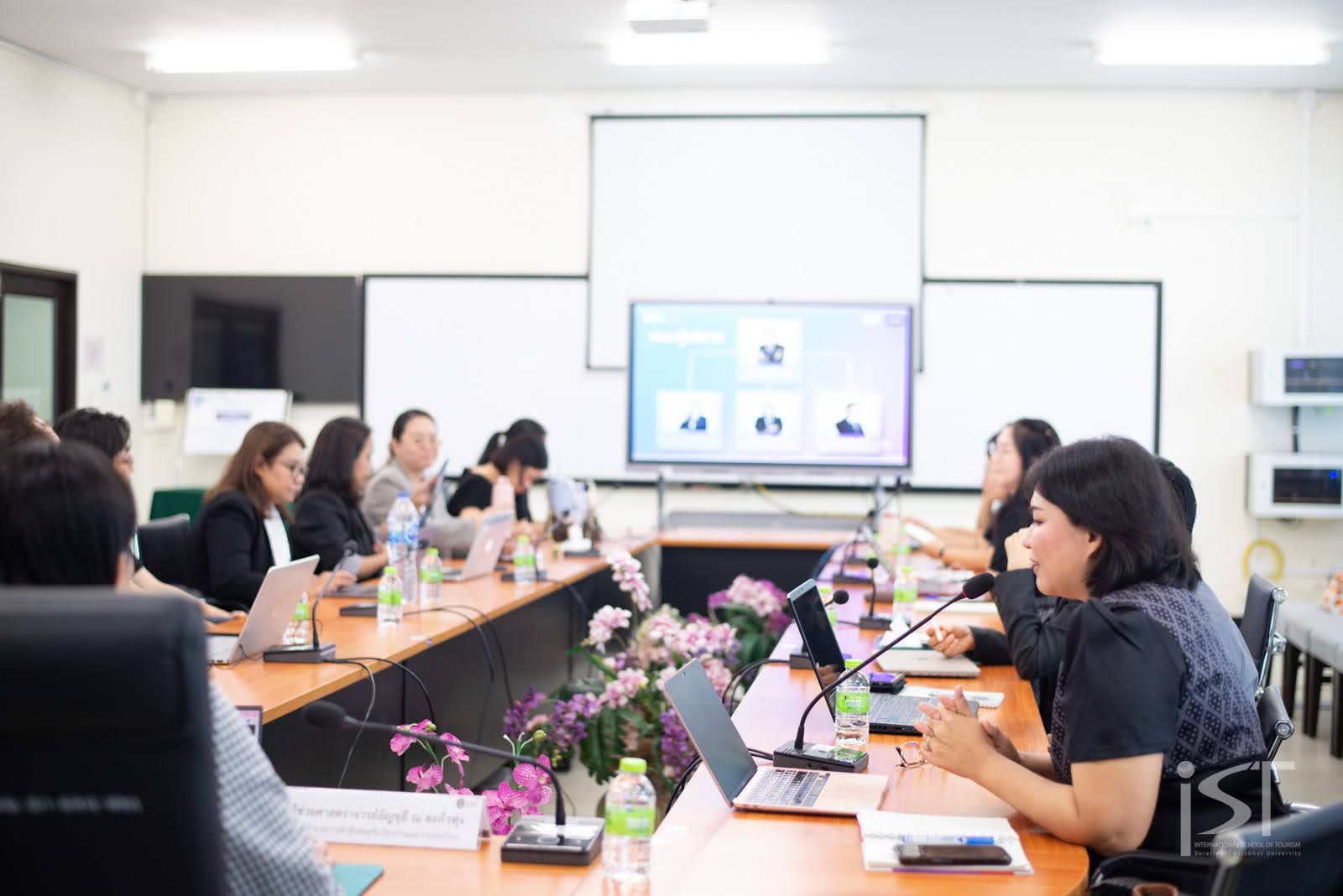
The program featured lectures and knowledge-sharing sessions on key issues essential to the duties of higher education lecturers. The content was divided into two main areas: strengthening understanding of academic regulations and educational management systems, and enhancing teaching and learning quality through the Outcome-Based Education, or OBE, approach.
Strengthening Understanding of Academic Regulations and Education Systems
To ensure that academic operations move in the same direction and comply with institutional standards, faculty members studied the “Suratthani Rajabhat University Regulations on Undergraduate Education, B.E. 2566.” The session covered the scope of duties and responsibilities of lecturers, including roles as program lecturers, program-responsible lecturers, and course instructors.
In addition, faculty members learned about the semester system, credit calculation, criteria for learning assessment and evaluation, grading symbols and grade values from A to E, as well as graduation requirements and honors criteria. These fundamental elements are essential for lecturers to provide accurate academic advice and student support.
Faculty Roles
Clarifying the responsibilities of program lecturers, program-responsible lecturers, and course instructors.
Education System
Understanding the semester system, credit calculation, assessment criteria, graduation requirements, and honors criteria.
Advancing Teaching Quality through the OBE Approach
The college emphasizes the transformation from traditional content-centric teaching to student-centered learning through Outcome-Based Education, or OBE. This approach focuses on clearly defined learning outcomes as the foundation of educational design.
Faculty members learned the Backward Design process, which begins with identifying expected learning outcomes before planning instruction. This ensures that learning activities, teaching methods, and assessment processes are systematically aligned with the intended outcomes.
The program also included practical training on defining learning outcomes across the four dimensions of the KSEC framework: Knowledge, Skills, Ethics, and Character. This framework supports holistic student development in academic knowledge, professional skills, ethical awareness, and desirable personal attributes.
Faculty members also learned techniques for writing Course Learning Outcomes, or CLOs, in alignment with SMART principles. This enables learning outcomes to be measurable, verifiable, and applicable to continuous curriculum improvement through the PDCA cycle, or Plan-Do-Check-Act.
KSEC Framework
Designing learning outcomes that cover Knowledge, Skills, Ethics, and Character.
SMART CLOs & PDCA
Developing measurable and verifiable CLOs for continuous curriculum improvement.
Preparing for Education in the Digital Era
The International School of Tourism believes that this Faculty Orientation and Development Program is an important step in supporting faculty career planning, promoting collaboration, and, most importantly, preparing lecturers to apply technology and modern assessment methods in the classroom. These efforts will contribute to producing highly competent graduates of the International School of Tourism who can respond to the needs of society in the digital era.
SDG Report & Relevant Goals
This program contributes to the following Sustainable Development Goals (SDGs):
| SDG Goal | Goal Description | Connection to the Program |
|---|---|---|
|
Goal 4: Quality Education | The program strengthens faculty capacity in teaching design, learning outcome development, and OBE-based assessment, contributing to improved quality in higher education. |
|
Goal 8: Decent Work and Economic Growth | The program supports curriculum and teaching development aimed at producing graduates with competencies that meet labor market and digital society needs. |
|
Goal 16: Peace, Justice and Strong Institutions | The program strengthens understanding of academic regulations, institutional rules, and educational management systems, supporting transparent, effective, and standards-based academic administration. |