IST-SRU Students Join Khlong Yan Community to Develop Tourism Routes and a Tourism Map through the Social Engineer Process
Learning in the field, working with the community and creating solutions from real local needs to strengthen Khlong Yan's grassroots economy sustainably.
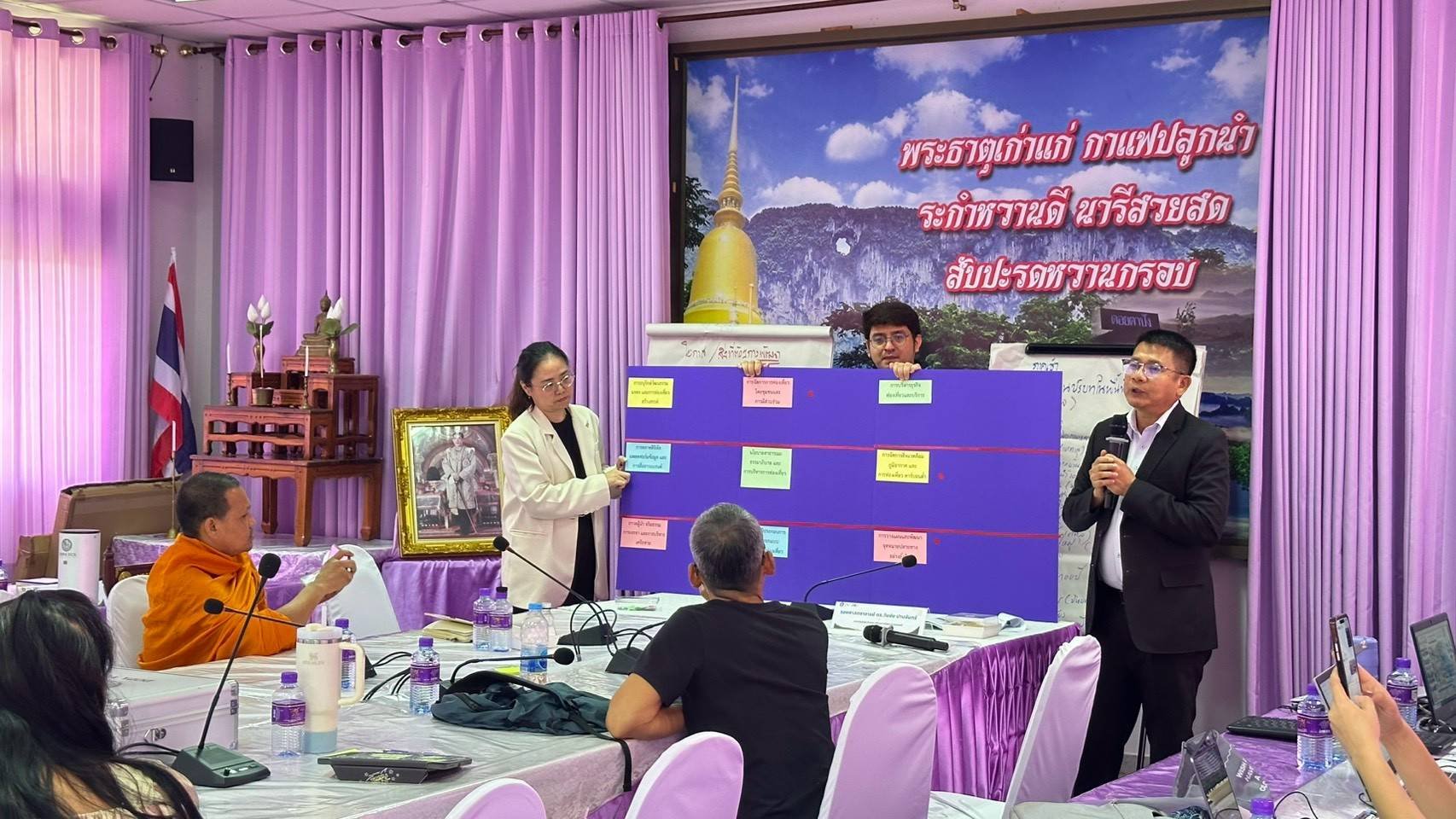
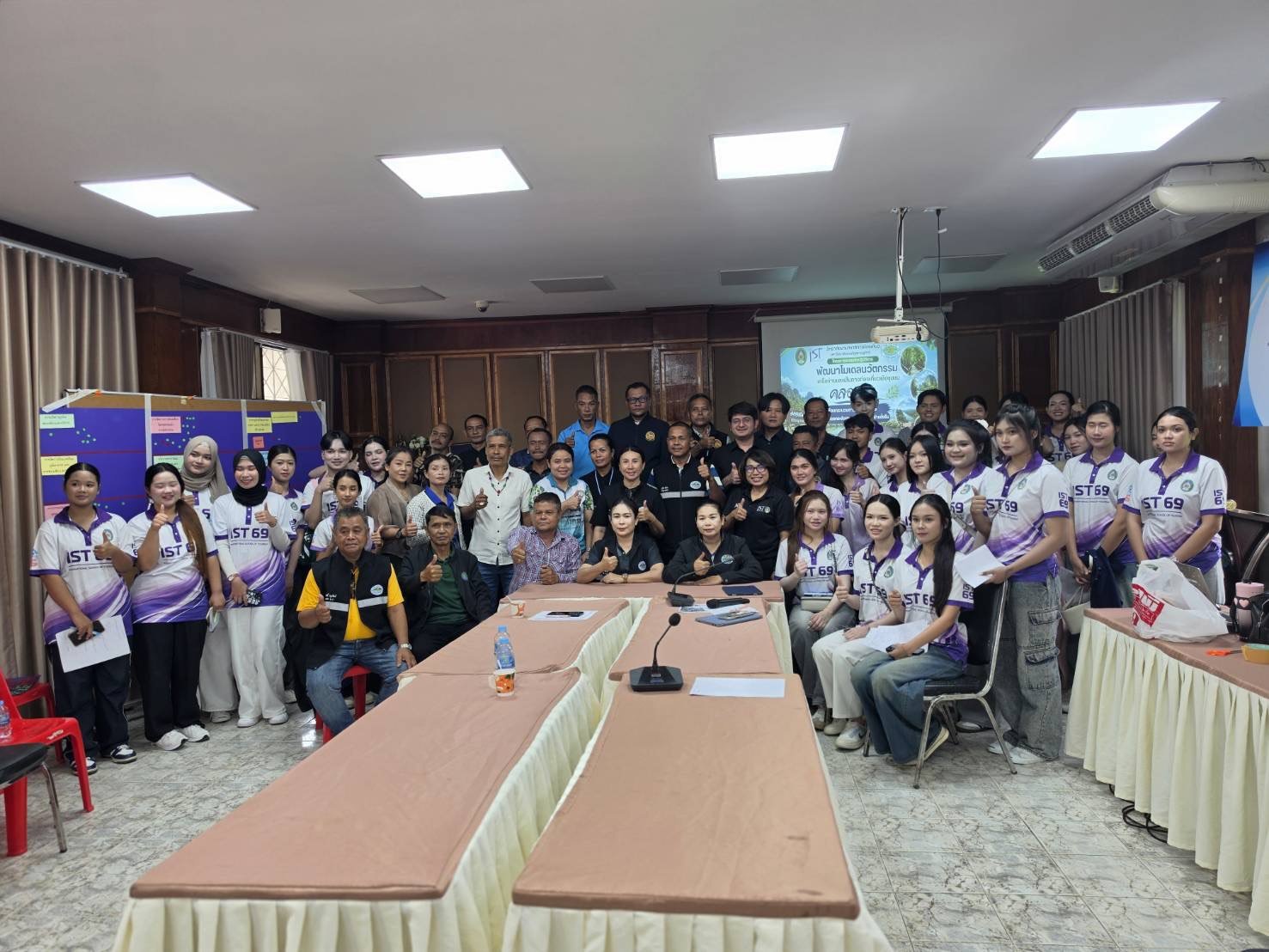
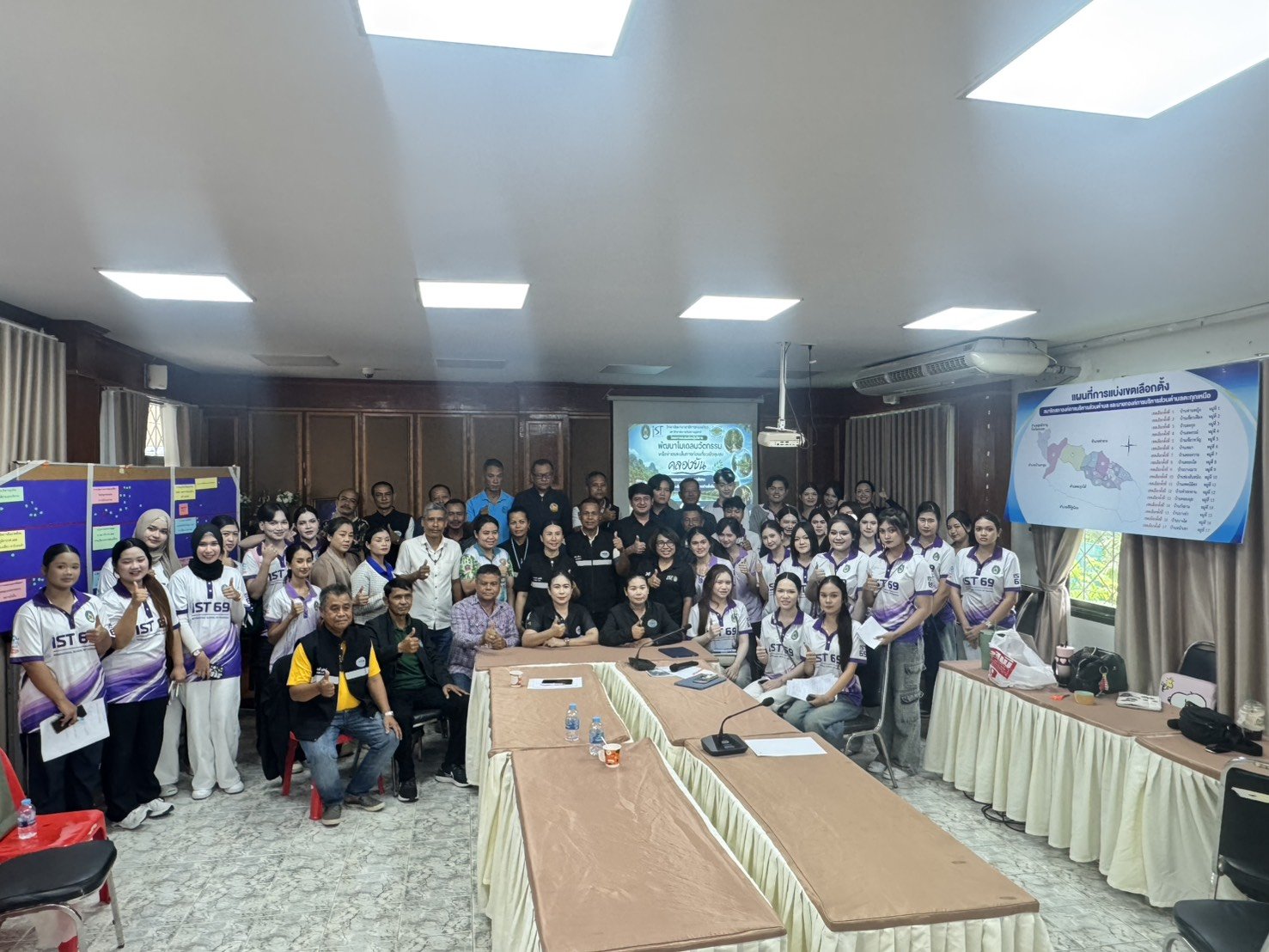
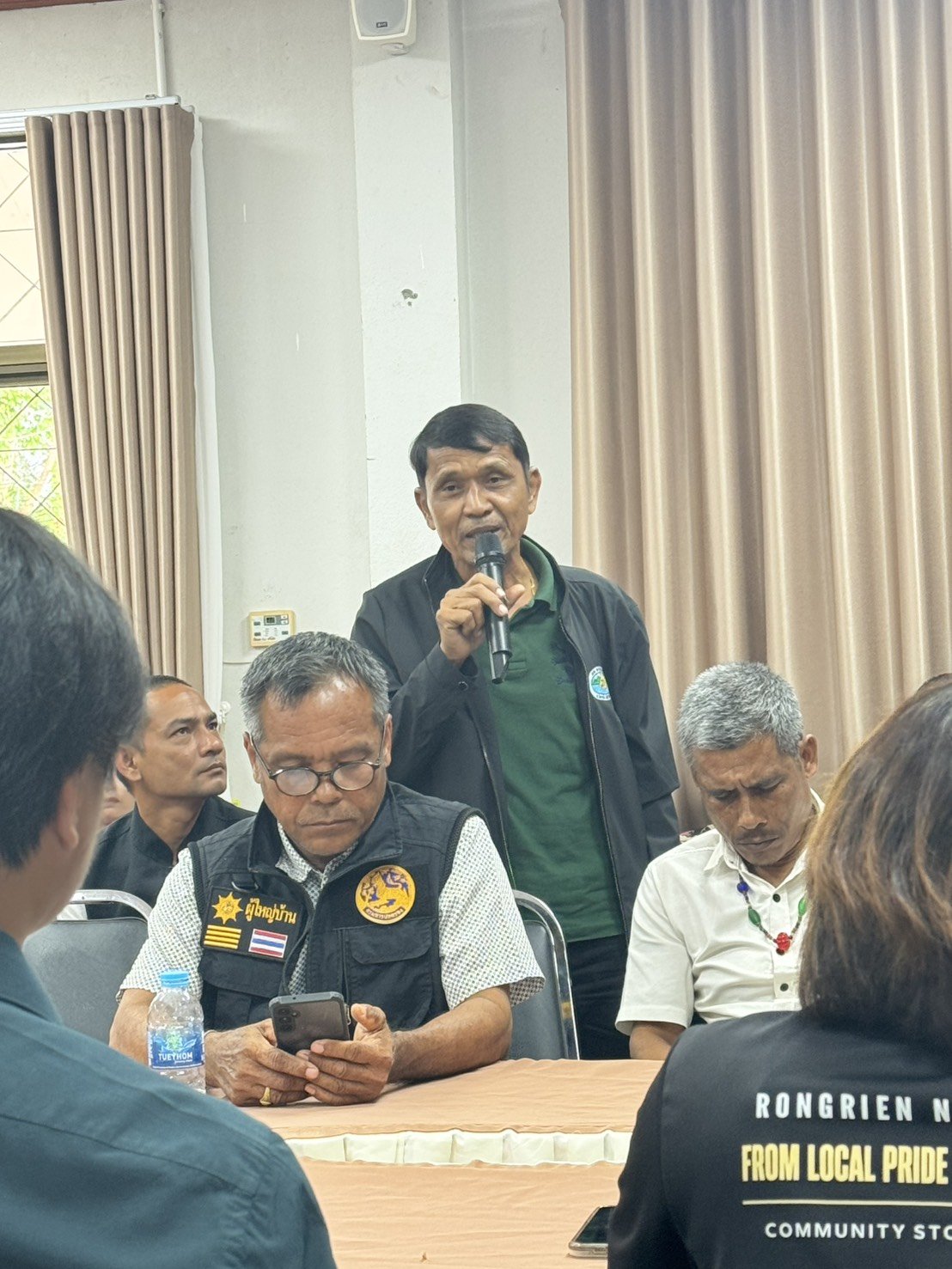
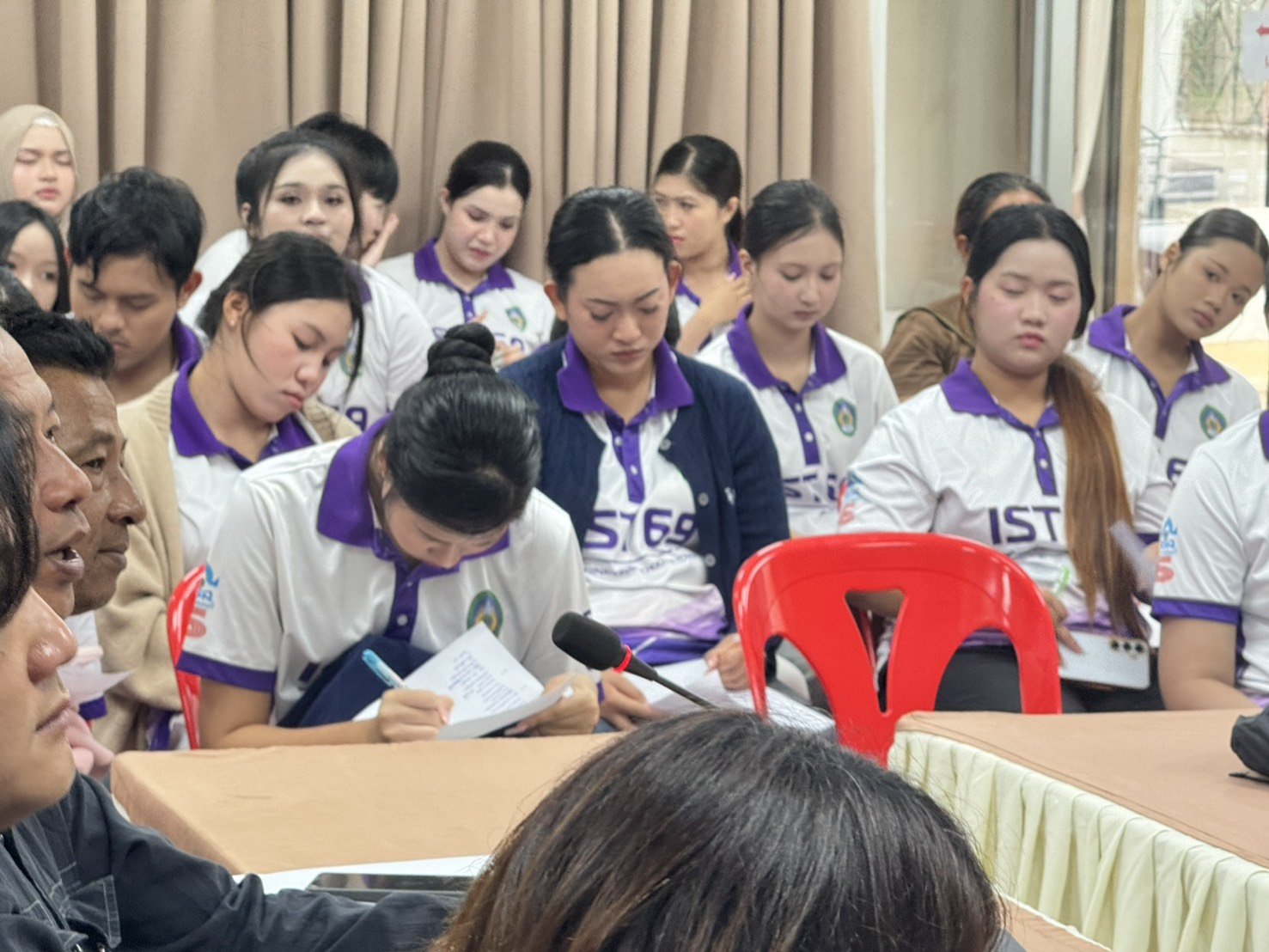
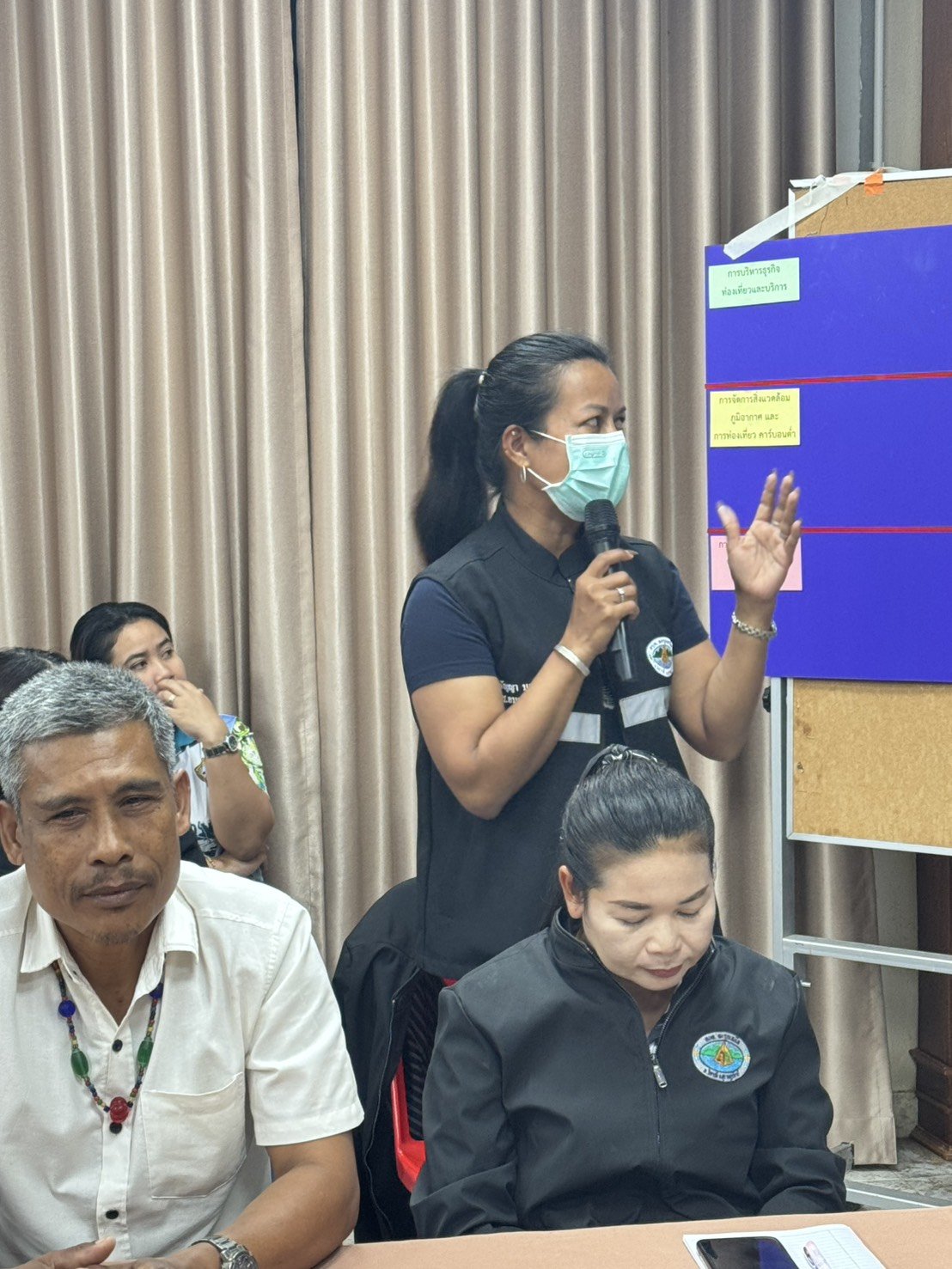
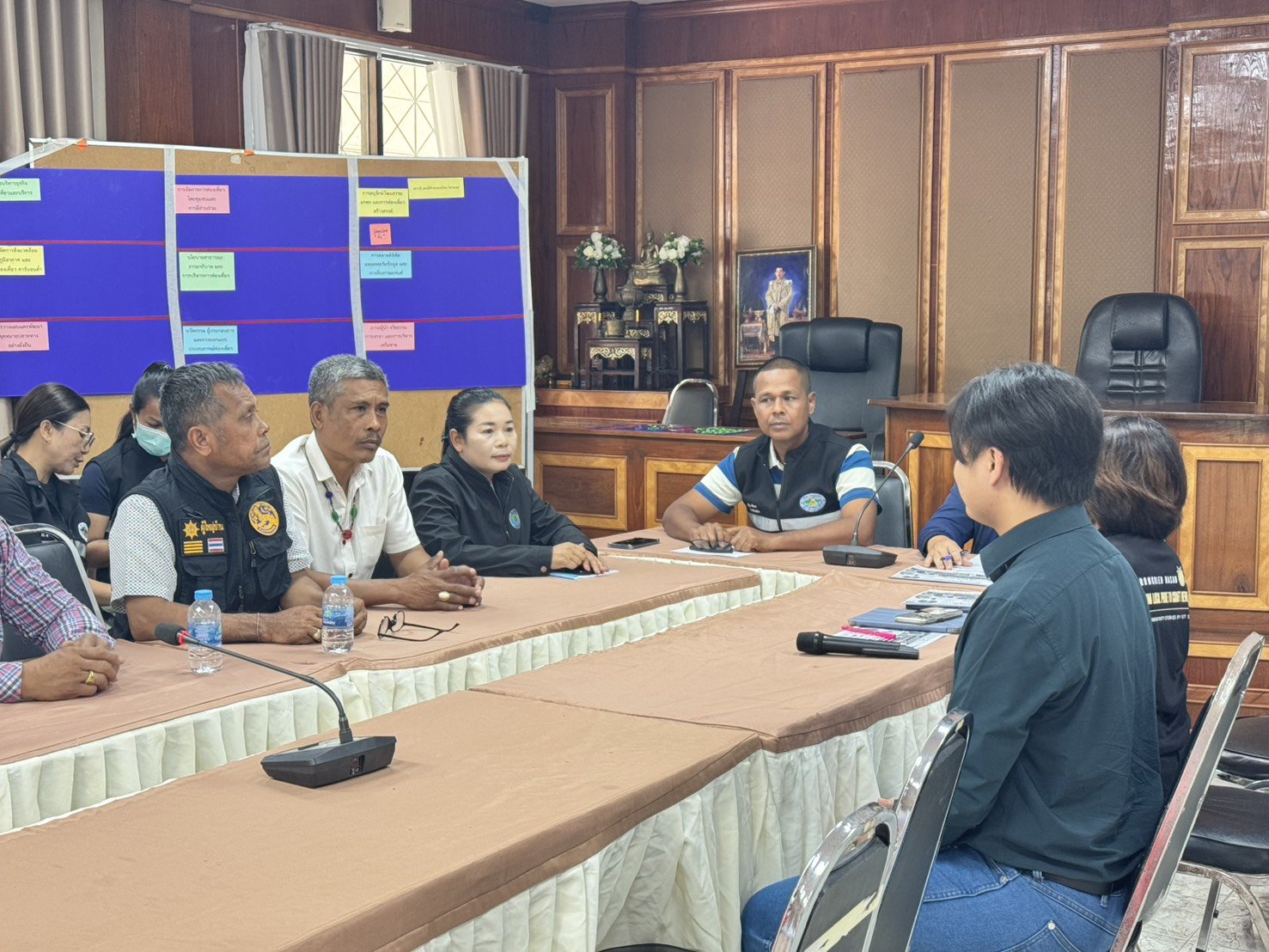
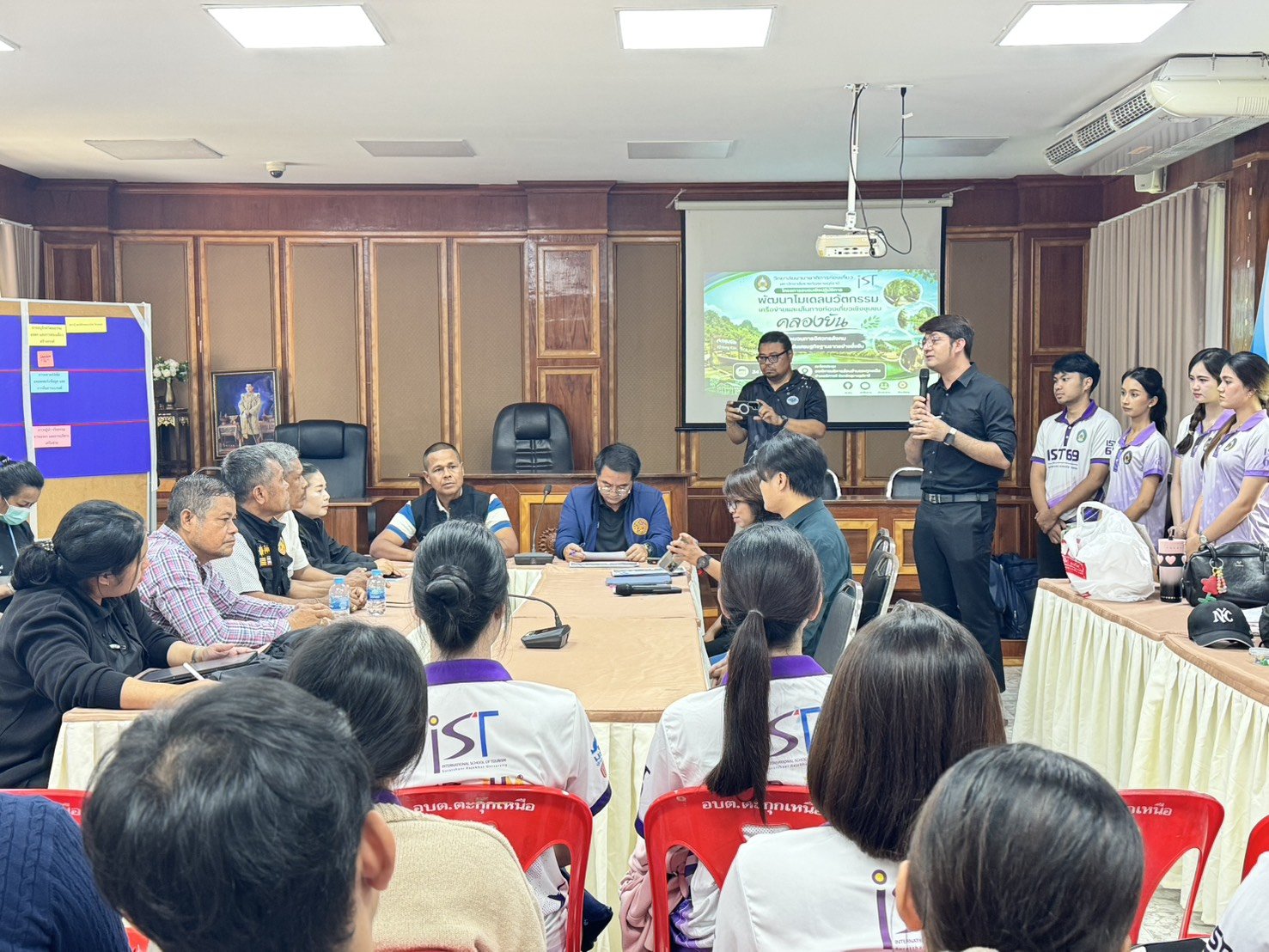
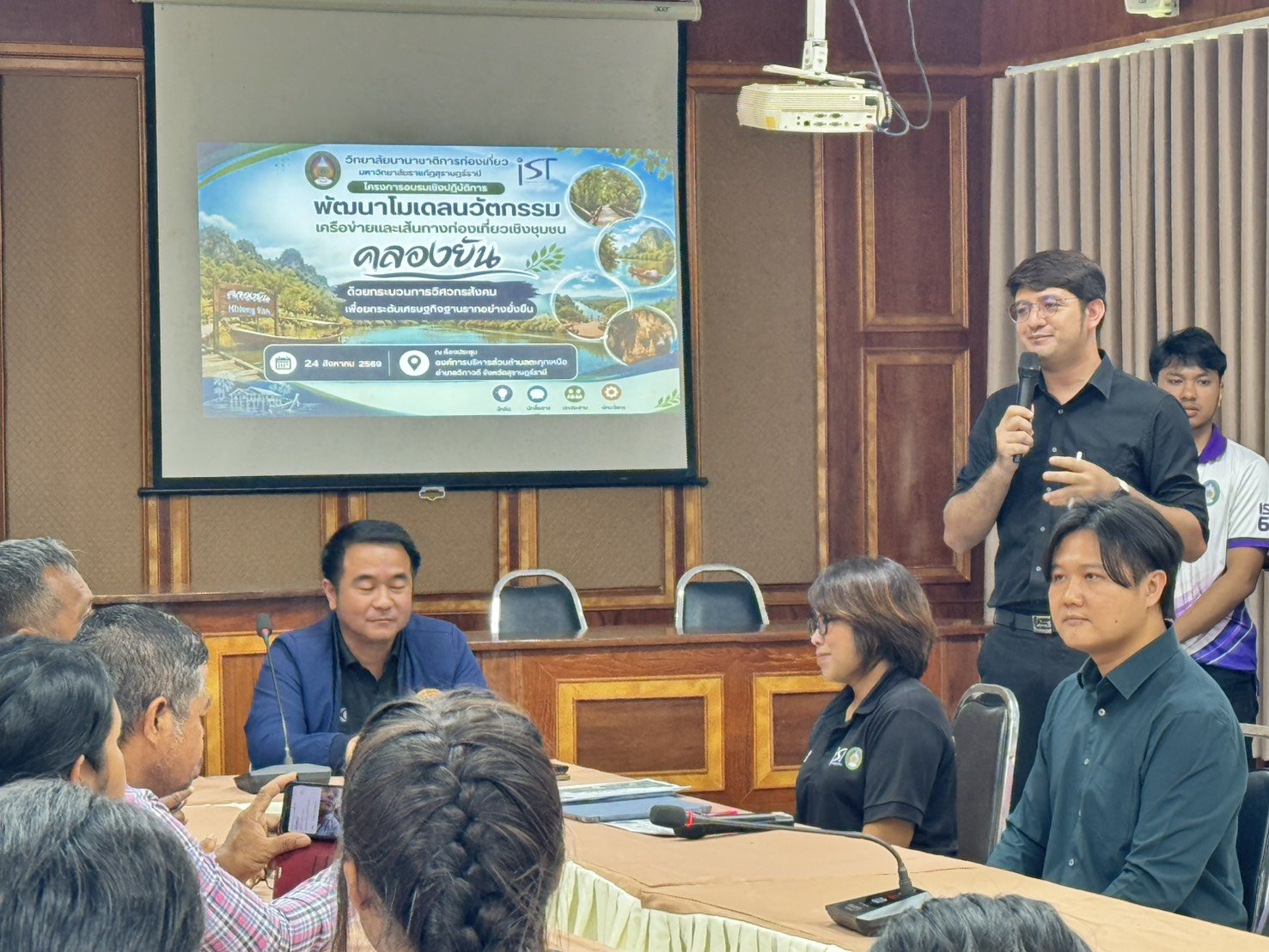
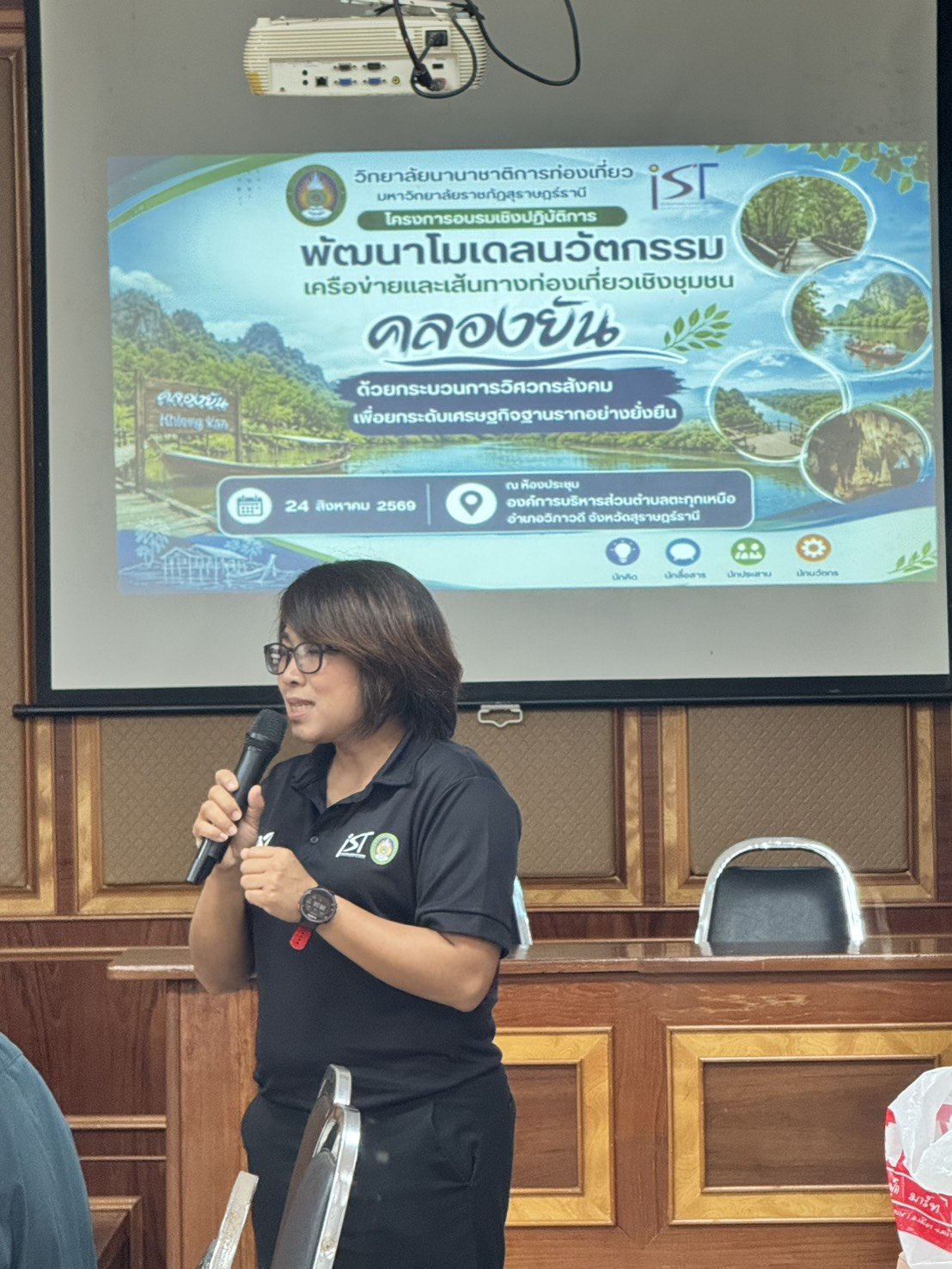
On 24 August 2026, the International School of Tourism (IST), Suratthani Rajabhat University, organized a workshop on developing an innovative network model and community-based tourism routes for Khlong Yan through the Social Engineer process to sustainably strengthen the grassroots economy. Held under the activity “Innovation Models for Solving Community Problems,” the programme took place at the Takuk Nuea Subdistrict Administrative Organization meeting room and in Khlong Yan community, Vibhavadi District, Surat Thani Province.
The activity created an experiential classroom where students could “learn in the field, work with the community and co-create innovation from real local needs.” They applied four Social Engineer roles—thinker, communicator, coordinator and innovator—to explore and analyse local issues, develop participatory solutions, and connect tourism knowledge with Khlong Yan's assets and identity.
Exploring Community Assets and Co-designing Tourism Routes
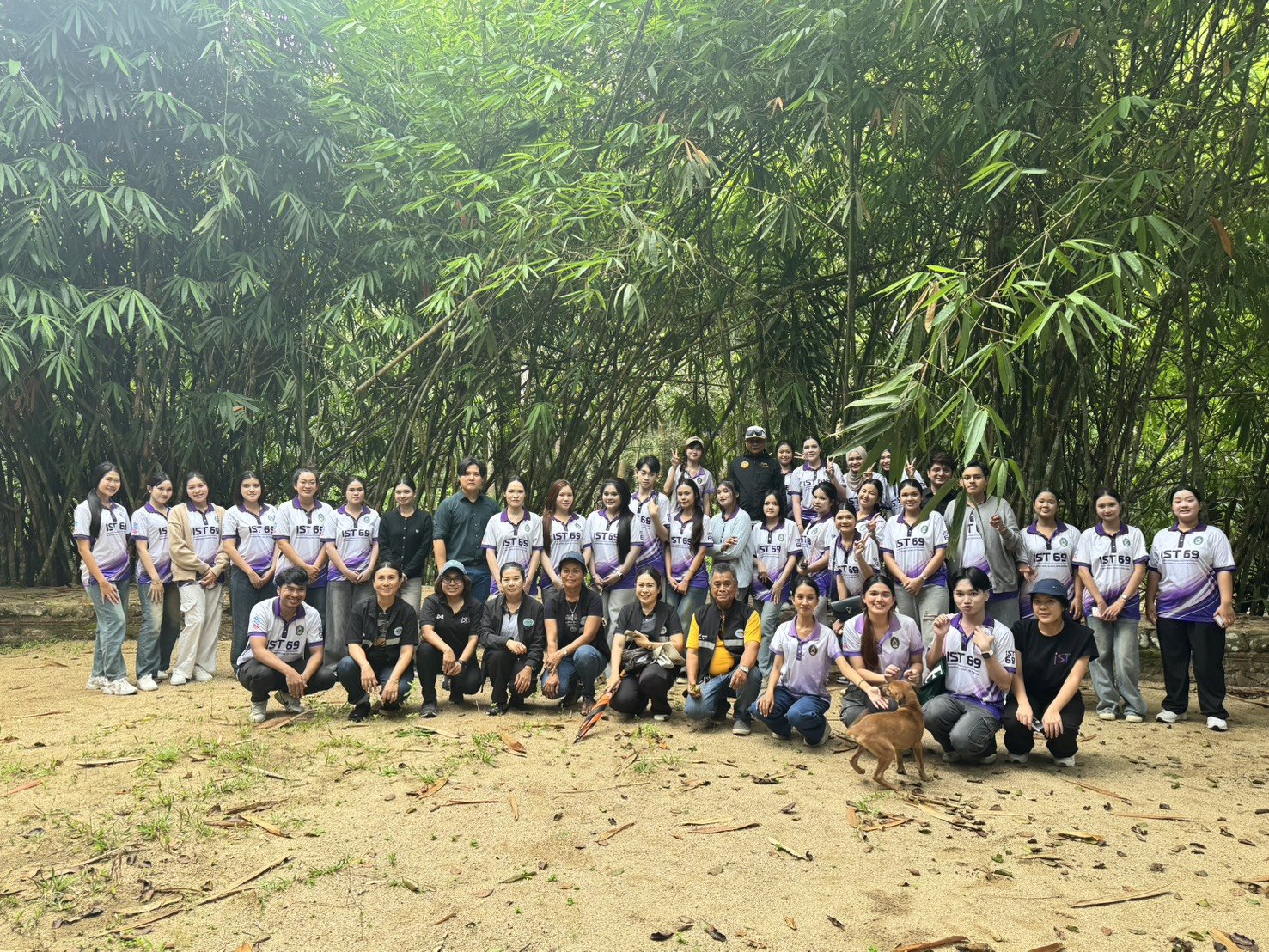
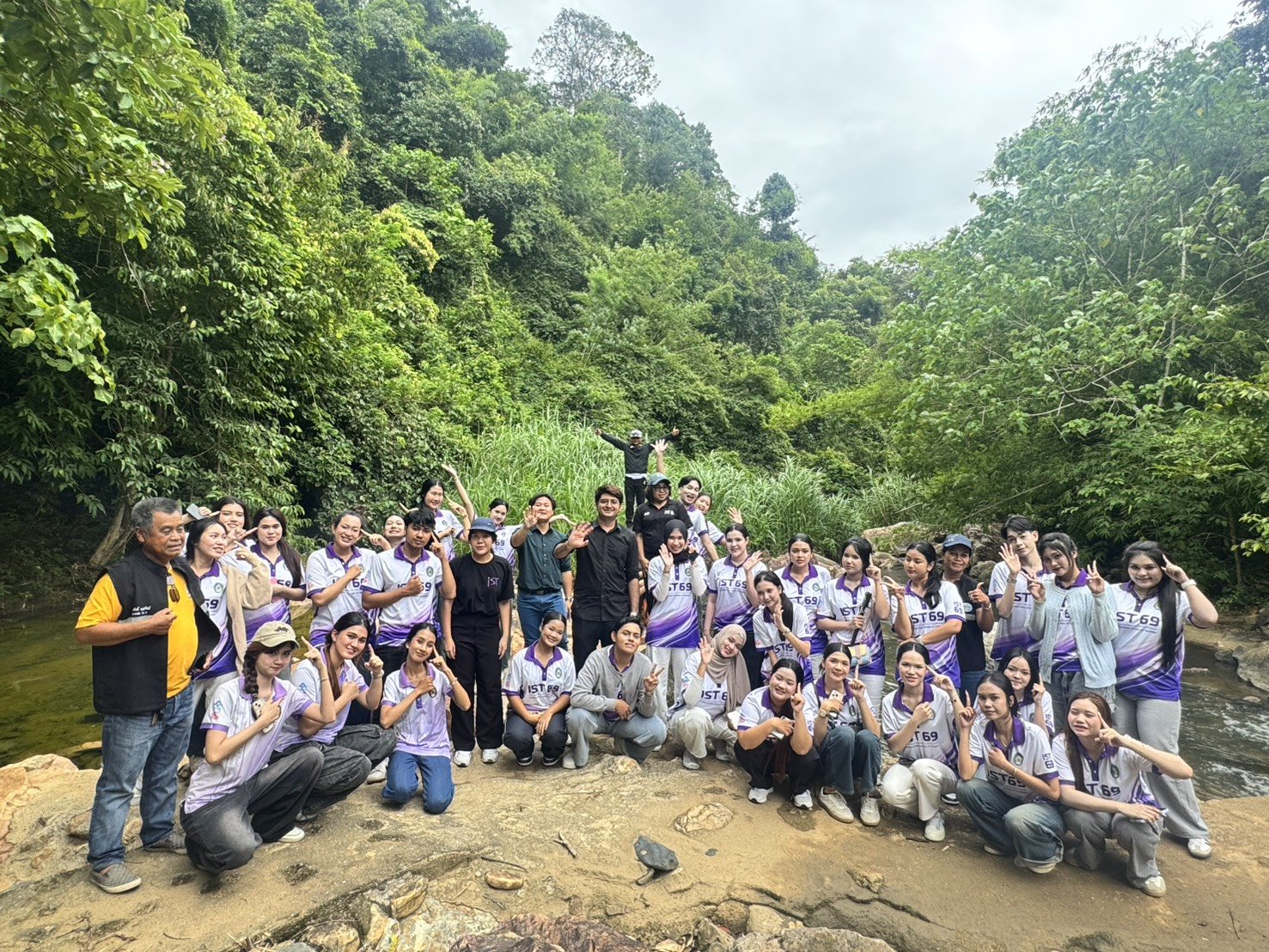
The morning began with a workshop entitled “Social Engineers, Community Assets and Sustainable Tourism Development,” followed by the “Social Engineer Field Challenge: Explore Khlong Yan, Discover Assets, Create Routes.” Divided into three groups, students worked with community leaders, entrepreneurs and residents, conducting interviews and collecting first-hand information throughout the area.
Community assets explored
- Tourism attractions and learning sites
- Local ways of life and traditional knowledge
- Community products and visitor activities
- Stories and distinctive elements of Khlong Yan's identity
The process viewed the community as more than a tourism destination. It focused on discovering community assets and stories that could generate further value. Students practised asking questions, listening to local perspectives, analysing information, coordinating with residents and exploring how individual sites could be connected into tourism routes that authentically reflect Khlong Yan.
Turning Field Data into the Khlong Yan Tourism Map
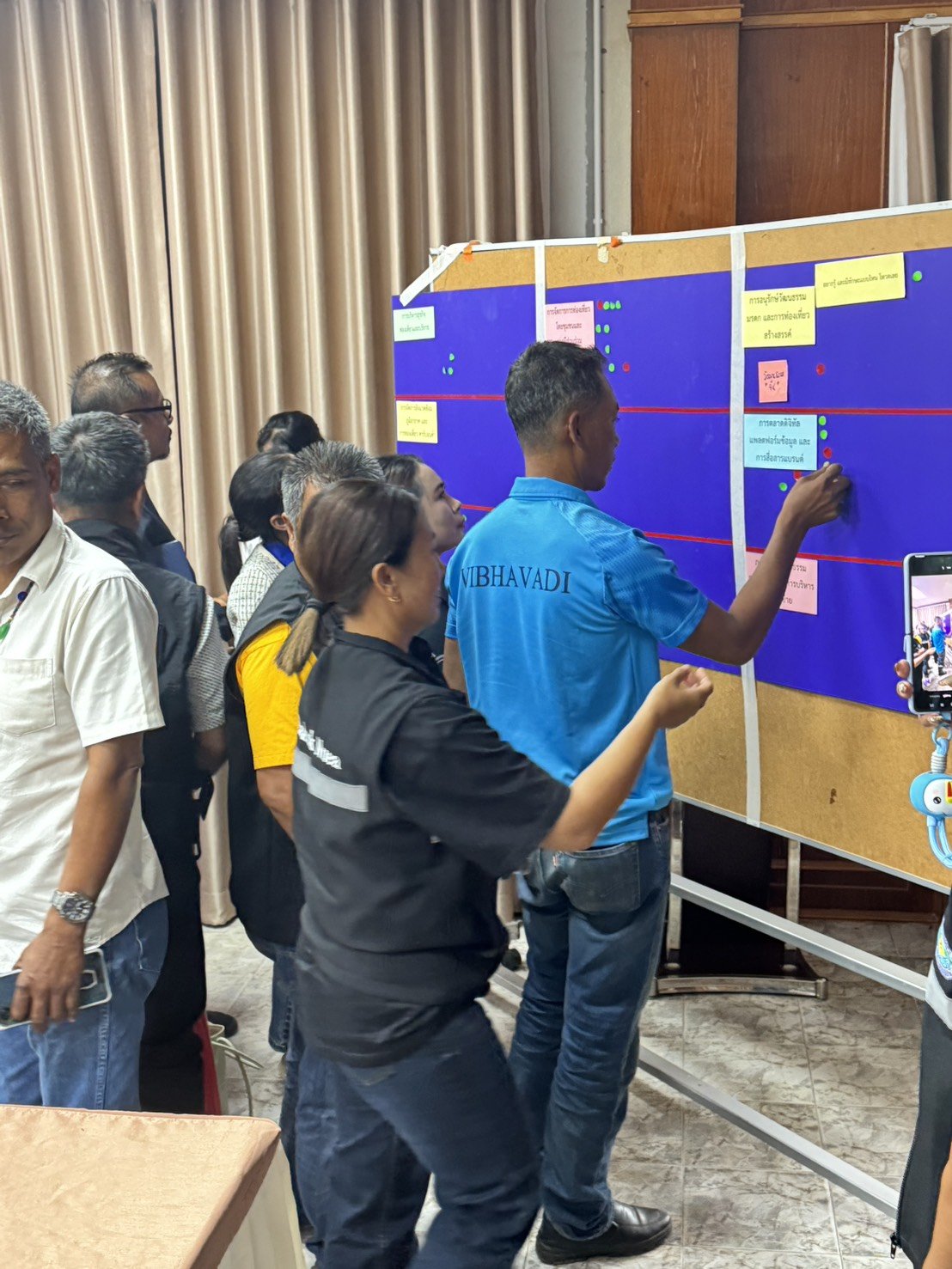
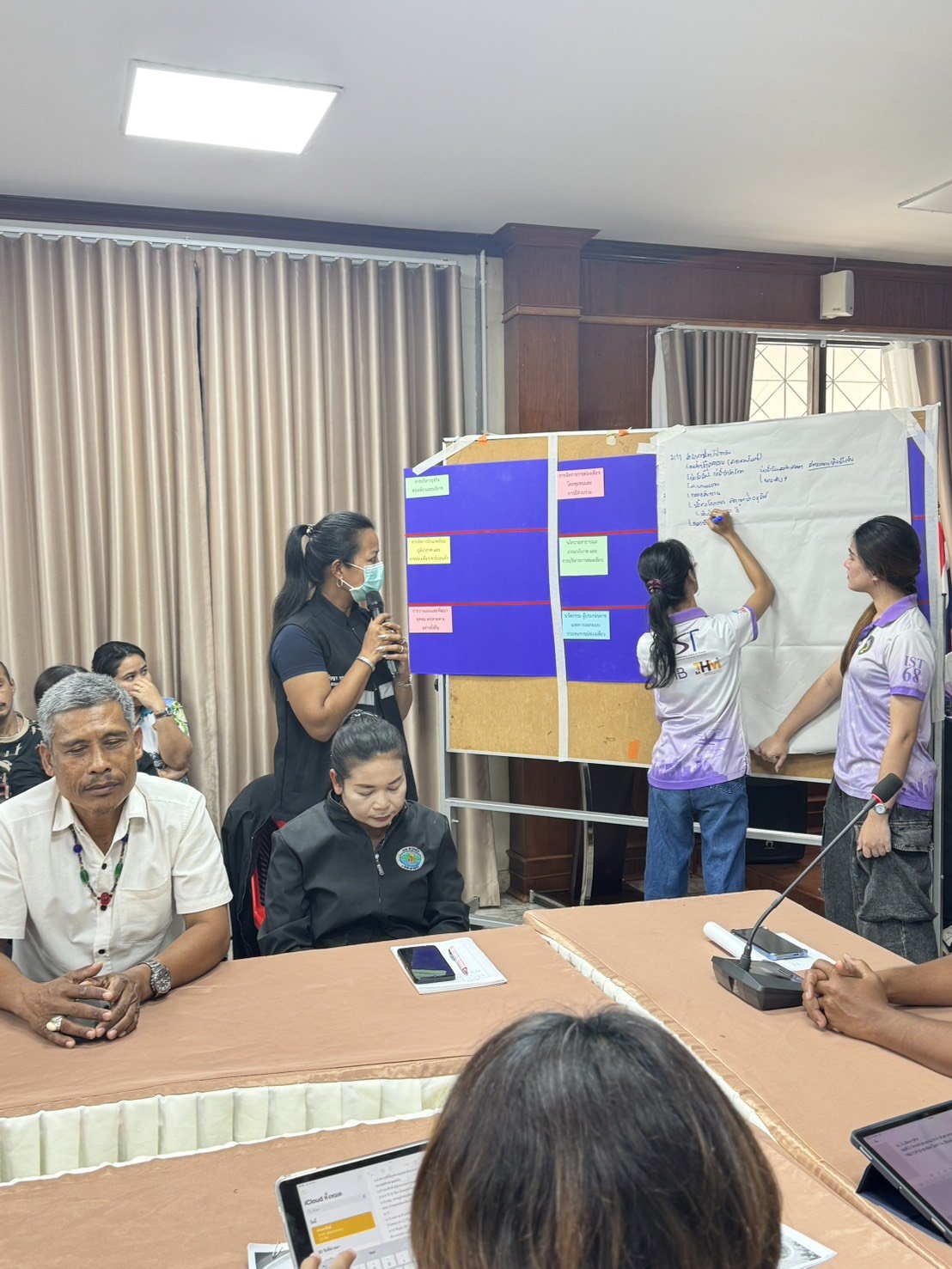
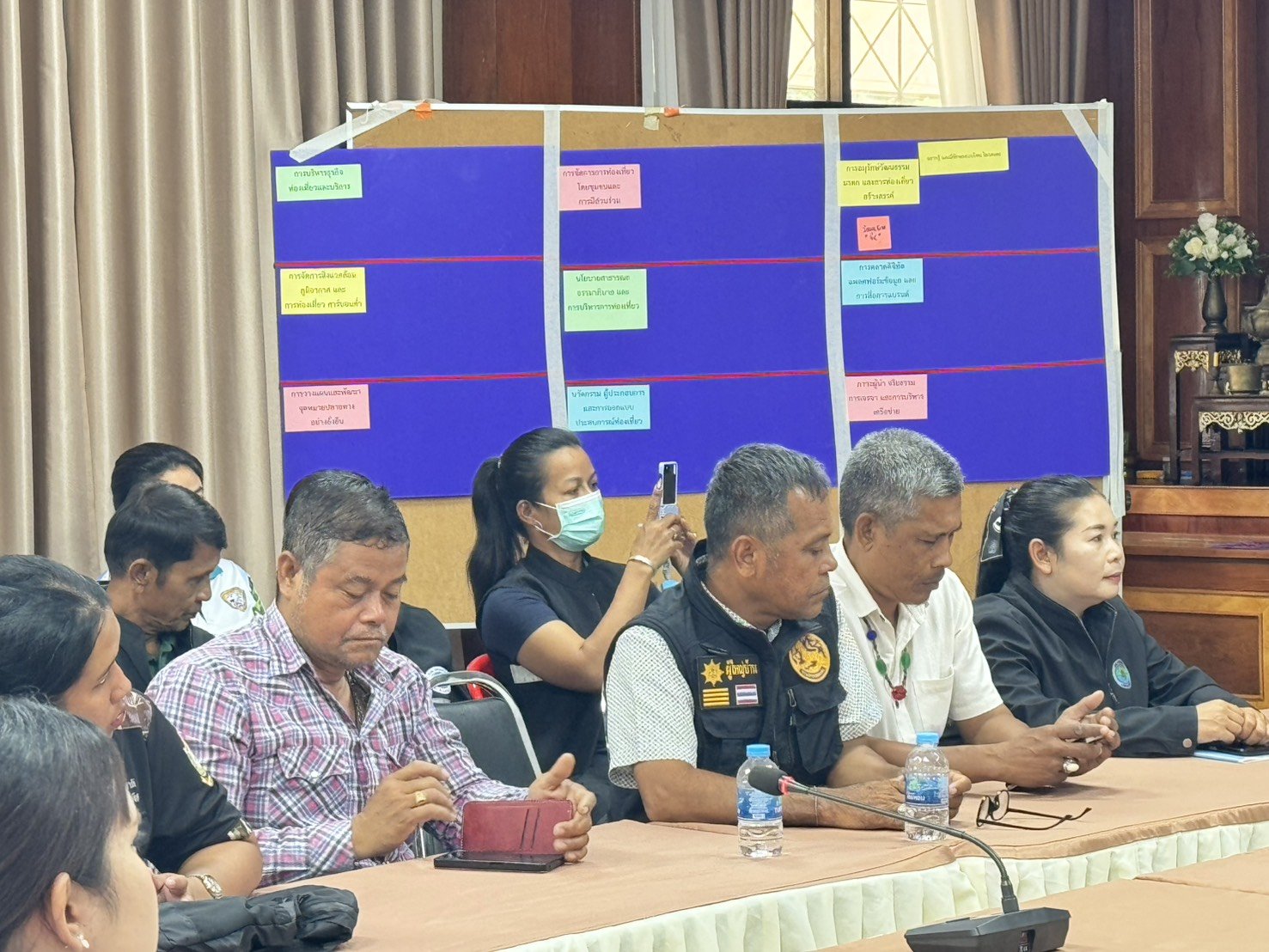
In the afternoon, students and community members brought their findings into the “Khlong Yan Tourism Map Innovation Lab.” Together, they transformed field data and local stories into practical prototypes by defining tourism routes, attractions and learning points, and developing storytelling for each location. The combined information will support development of the Khlong Yan Community Tourism Map.
Practical outcomes for community use
Information contributed by local residents, students and network partners was used to connect tourism resources, ways of life, local wisdom, community products and identity into community-based routes. The work will also inform a Khlong Yan Community Tourism Map sign that can promote the area, communicate its stories and help visitors navigate local attractions.
Facilitators Supporting the Learning Process
The programme was closely facilitated by Asst. Prof. Ayub Sadat Khan, Asst. Prof. Dr. Yoksamon Cheheng and Dr. Satayu Romyen, with Ms. Srisuda Kaewamarat and Ms. Arisara Khunin serving as assistant facilitators. The team guided the learning process, field exploration and prototype development undertaken by each student group.
More than a workshop, the activity became a community classroom in which students developed competencies through practice while residents participated at every stage—from sharing information and expressing needs to designing routes and creating tourism tools. It reflected an approach that works not merely for the community, but thinks, acts and develops together with the community.
SDG Report & Relevant Goals
This activity contributes to the following Sustainable Development Goals (SDGs):
| SDG Goal | Target Description | Connection to Activity |
|---|---|---|
 | Goal 4: Quality Education | Advances experiential learning through field research, community collaboration and the development of Social Engineer competencies in thinking, communication, coordination and innovation. |
 | Goal 8: Decent Work and Economic Growth | Develops tourism routes and connects community products with visitor experiences, creating local income opportunities while strengthening students' tourism-related career skills. |
 | Goal 11: Sustainable Cities and Communities | Uses a participatory process to develop Khlong Yan's identity, ways of life, local wisdom and resources while preserving local value and creating community-owned tourism tools. |
 | Goal 17: Partnerships for the Goals | Builds collaboration among the university, students, residents, local leaders, entrepreneurs, local government and network partners. |
The “Innovation Models for Solving Community Problems” activity strengthens the university's role in local development by empowering students as Social Engineers. They bring knowledge, skills and creativity into collaboration with residents, create locally relevant innovation, and help Khlong Yan grow as a community-based tourism destination with authentic stories, a distinctive identity, and sustainable economic and social value.