IST-SRU Strengthens Service Personnel Development to Advance Quality Tourism in Southern Thailand’s National Parks
Sharing professional knowledge and practical hospitality skills to enhance service standards and create meaningful visitor experiences in protected natural areas
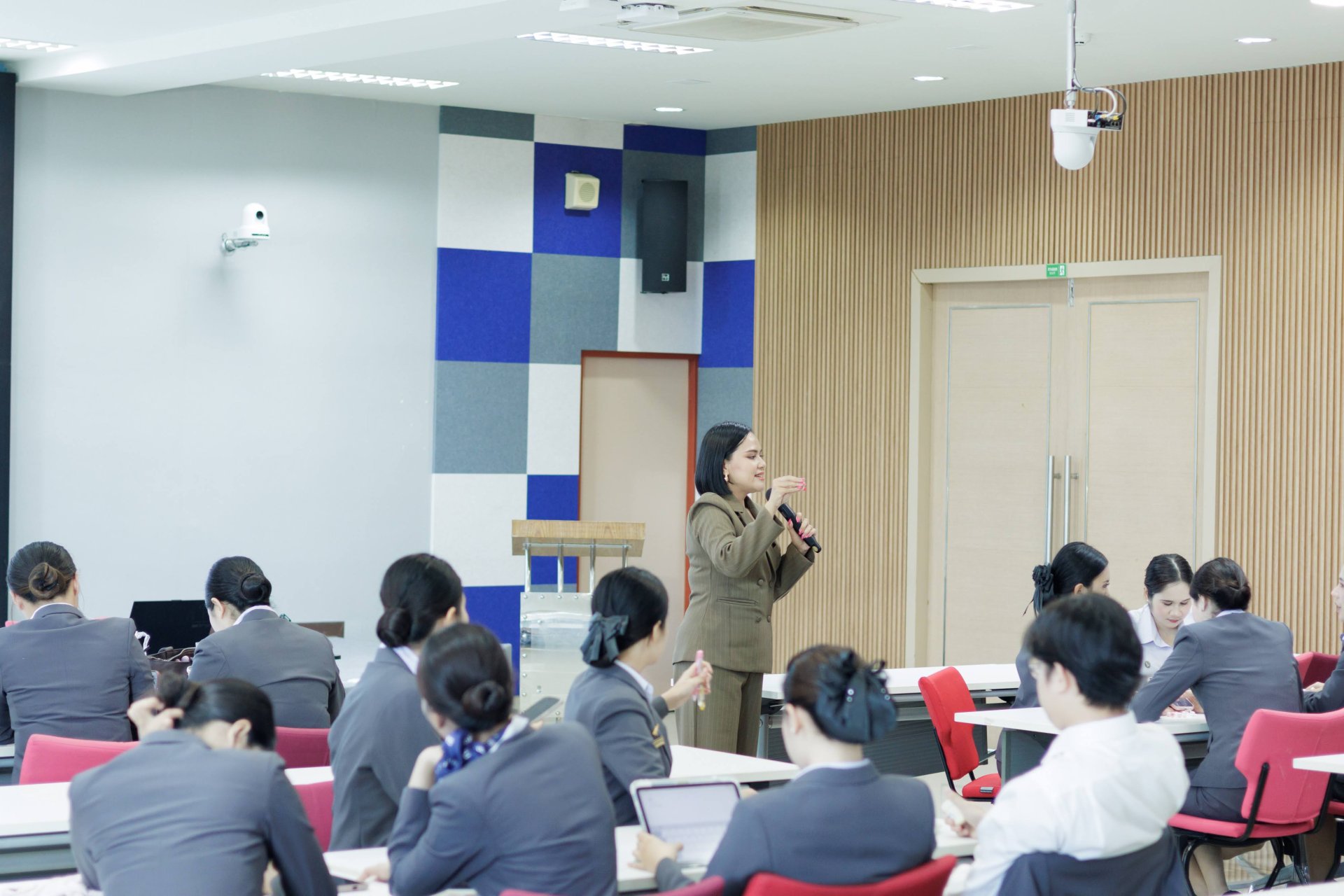
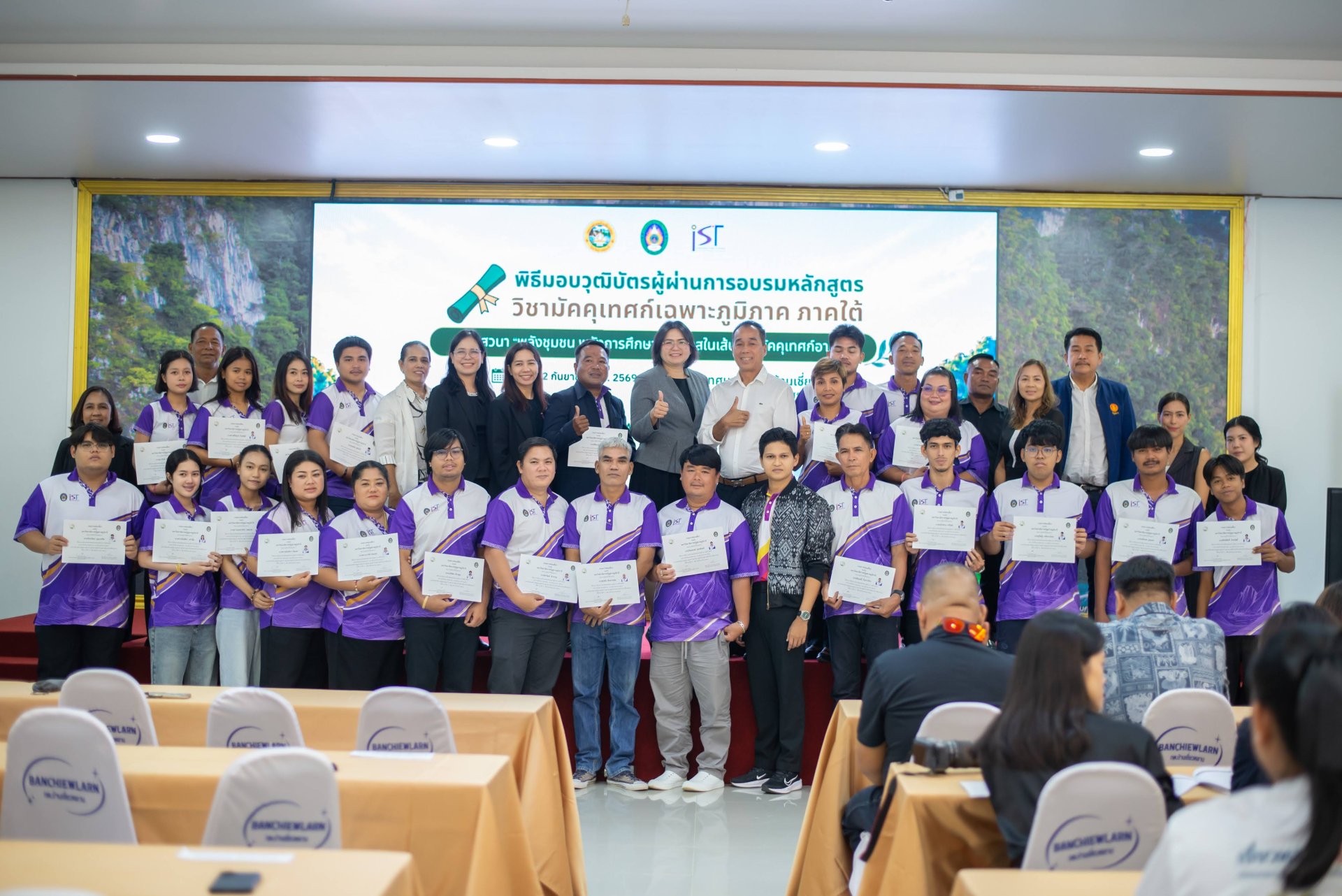
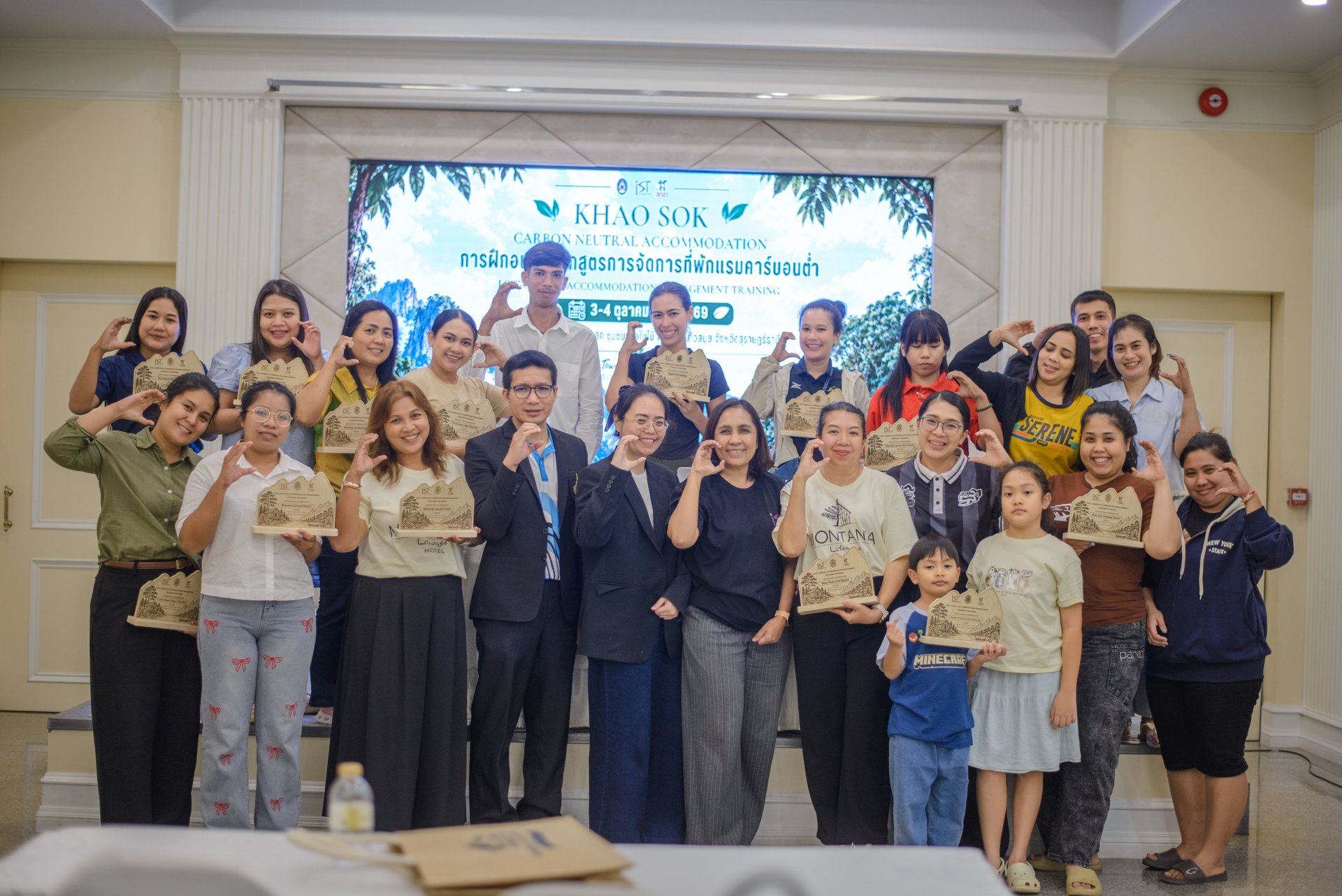
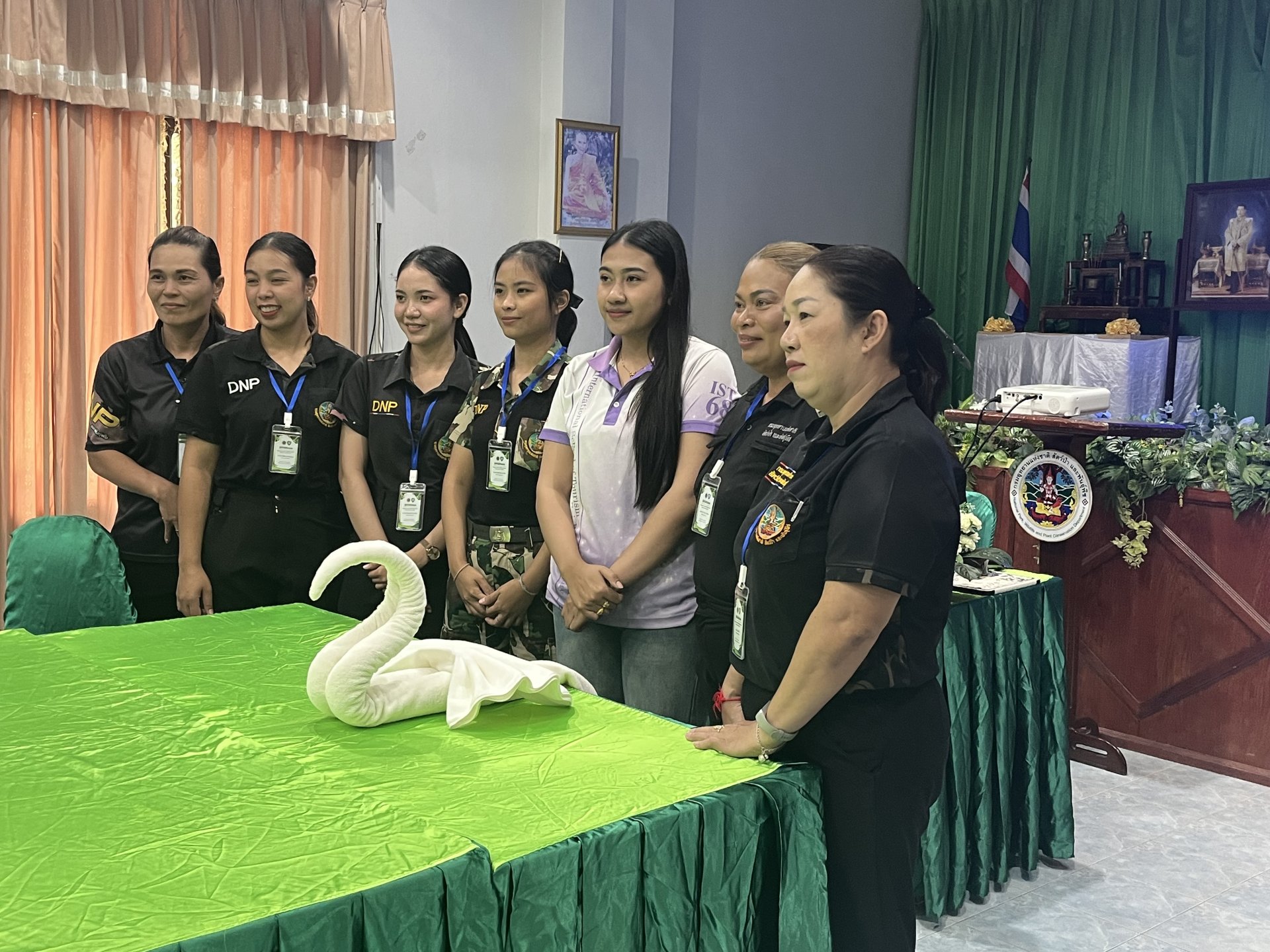
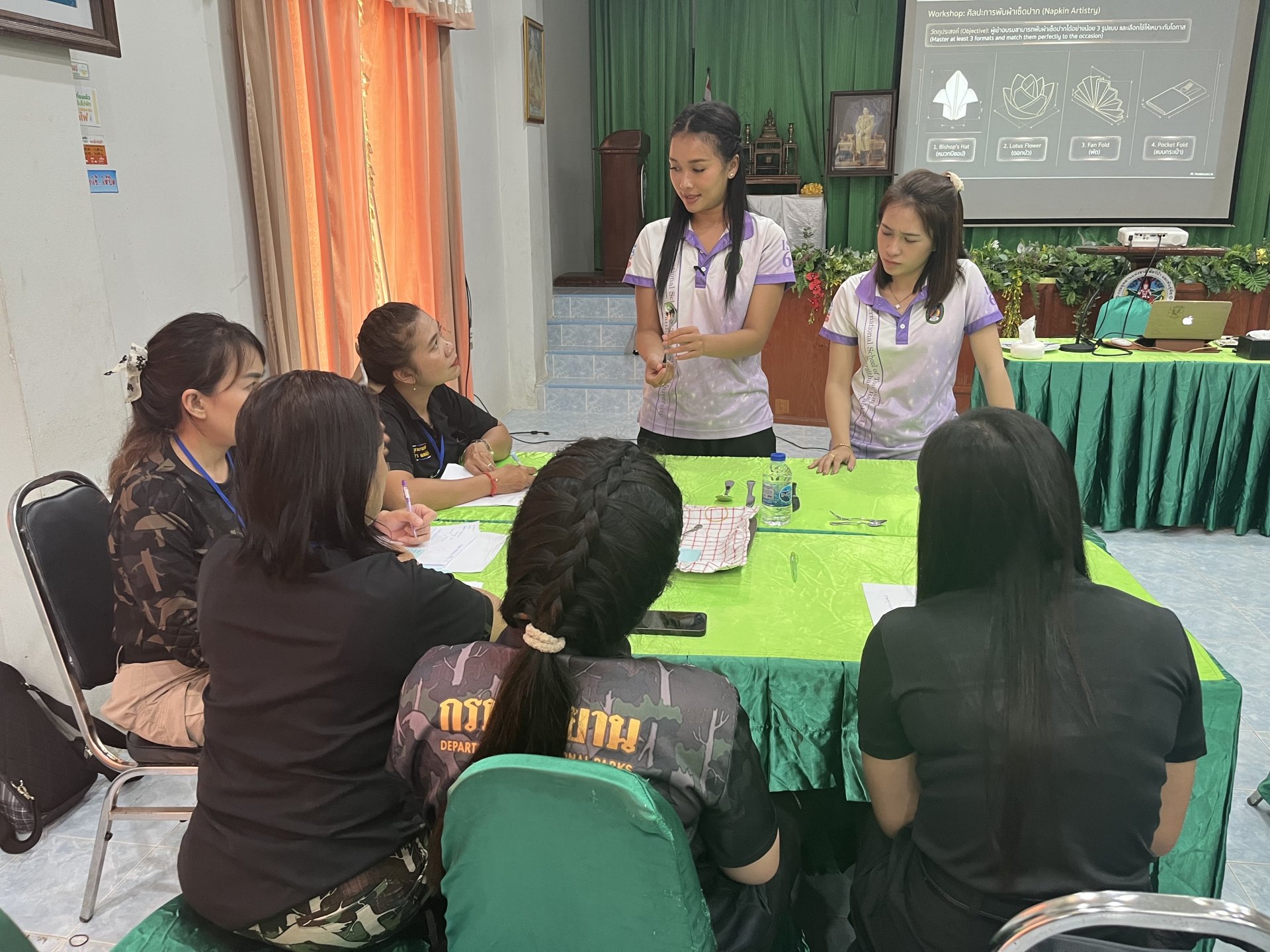
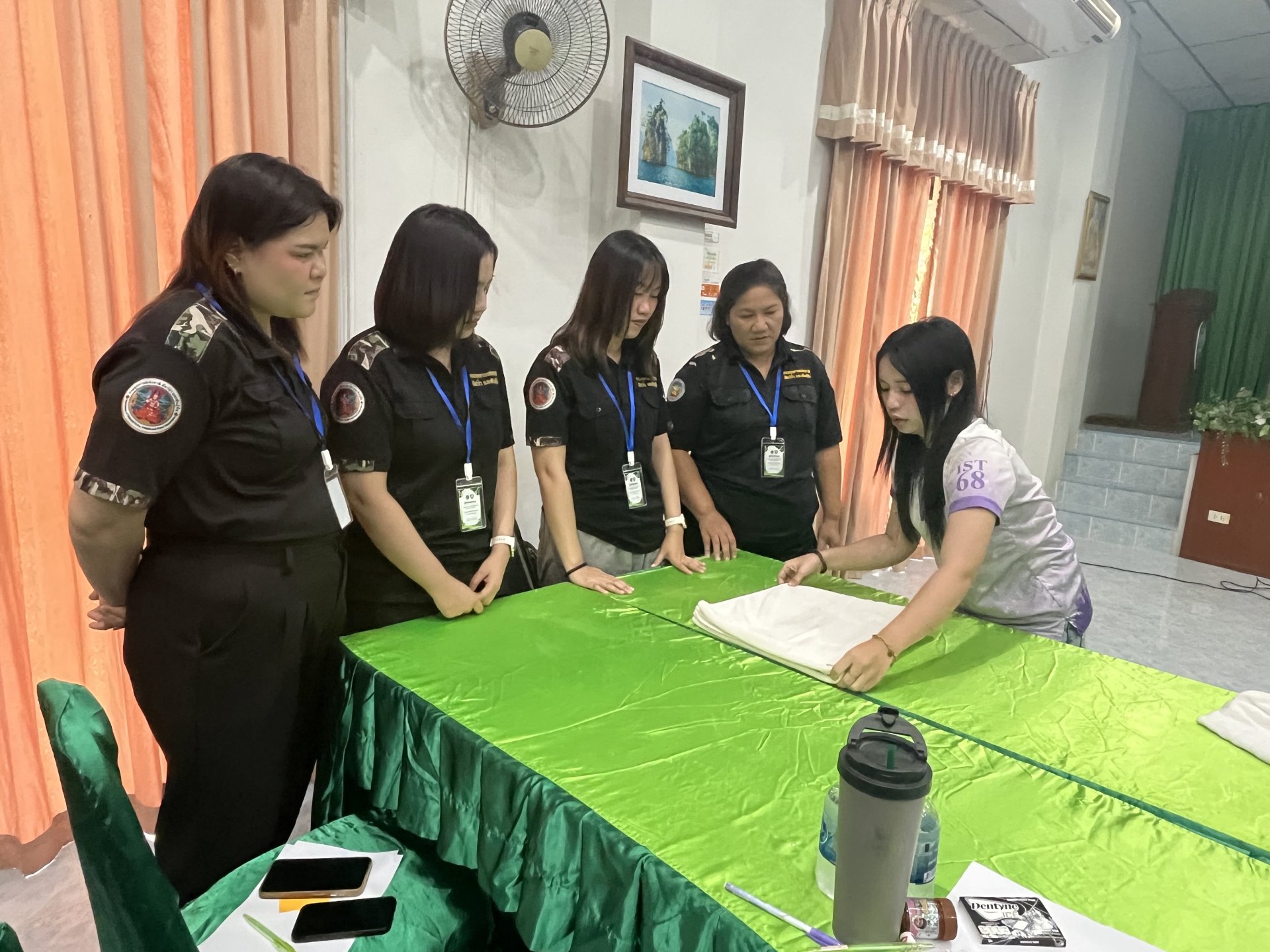
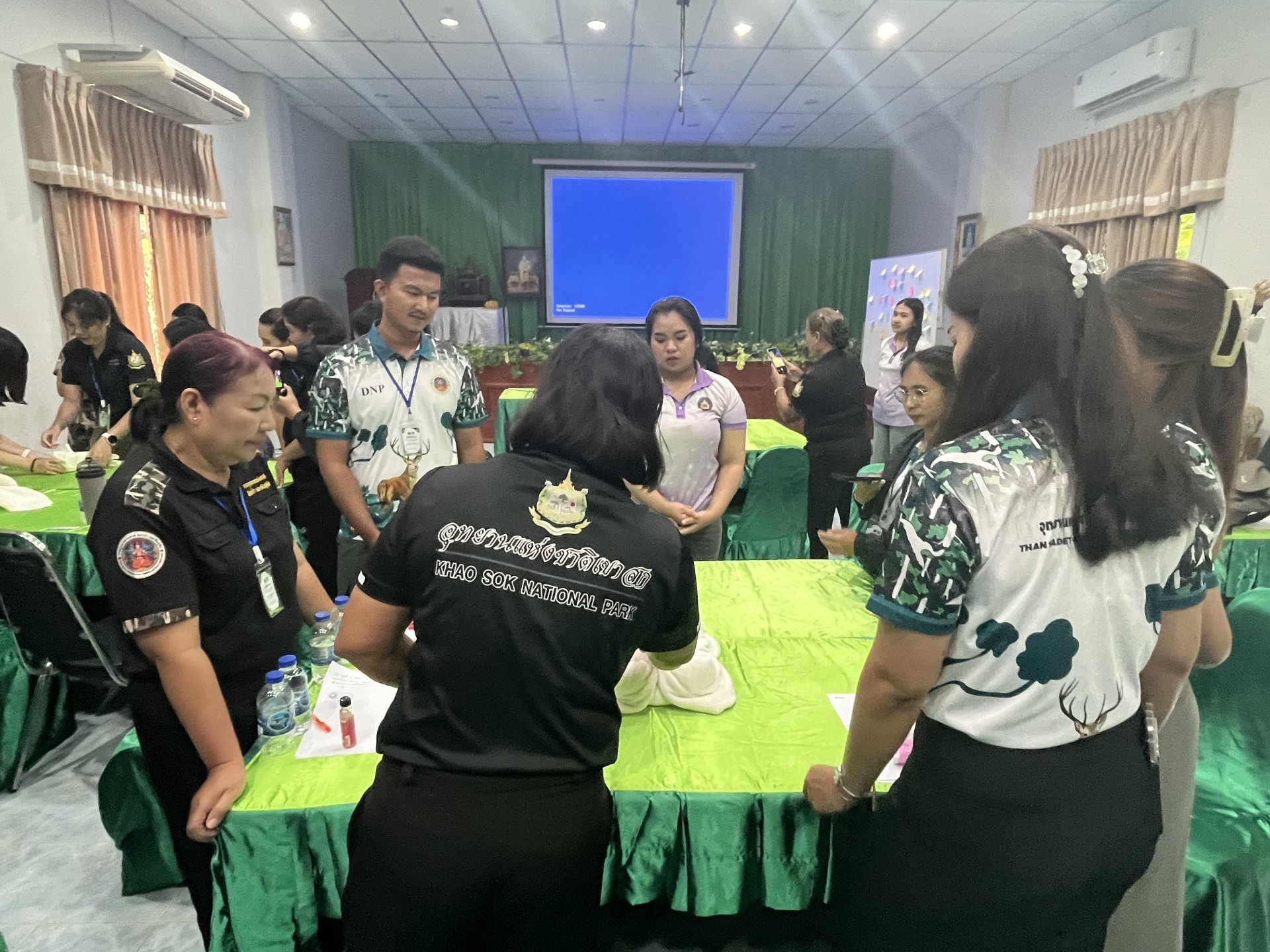
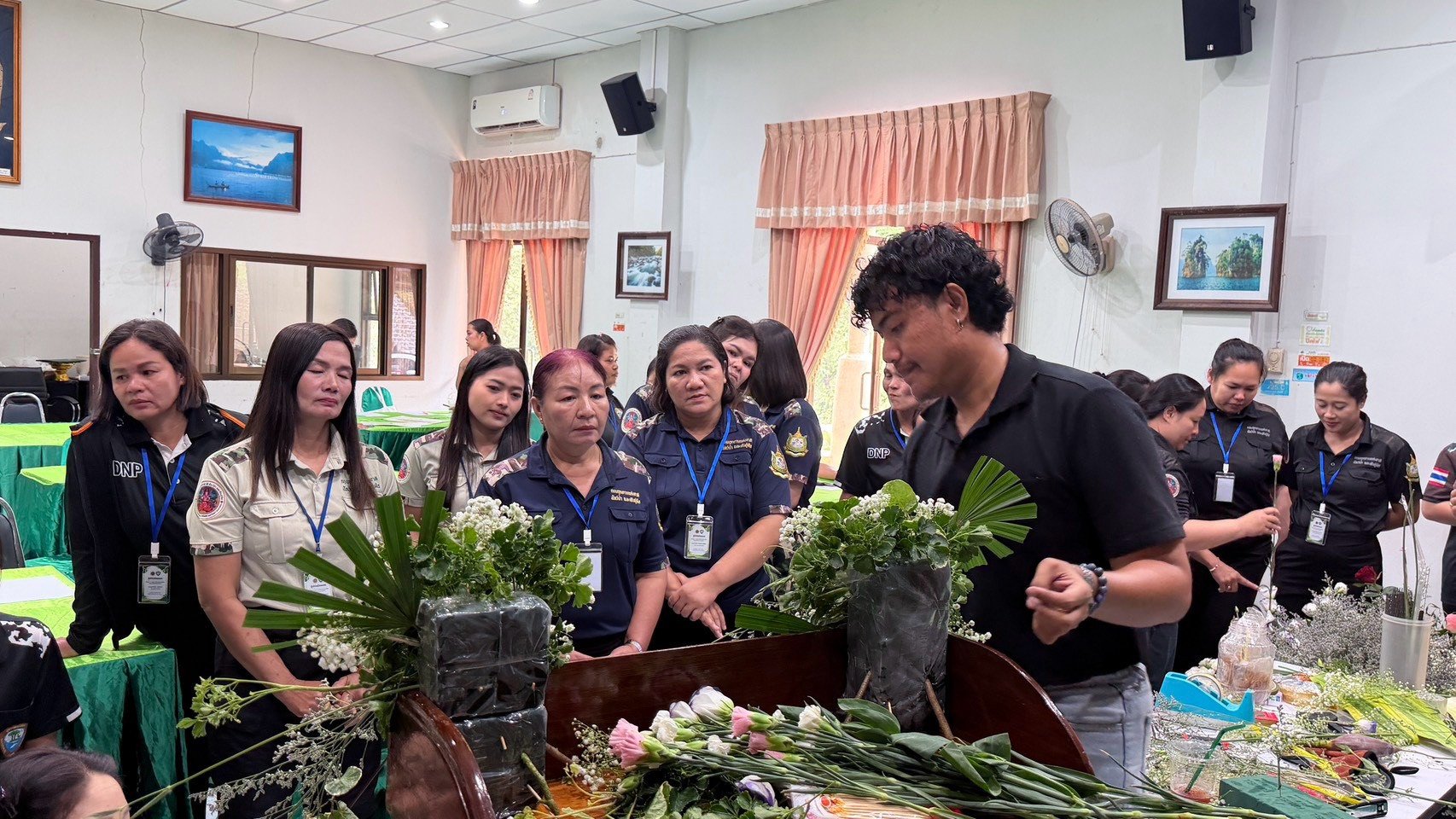
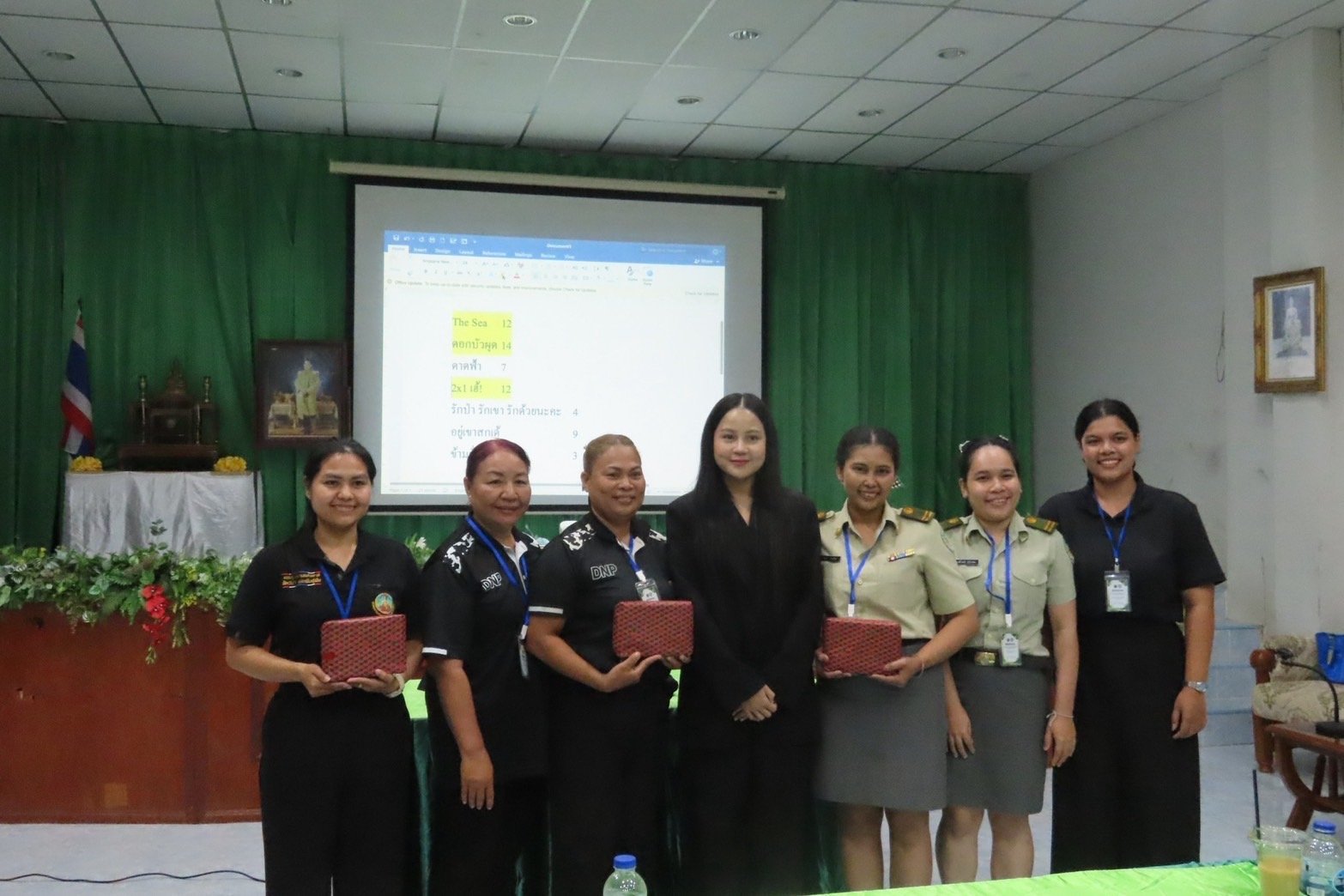
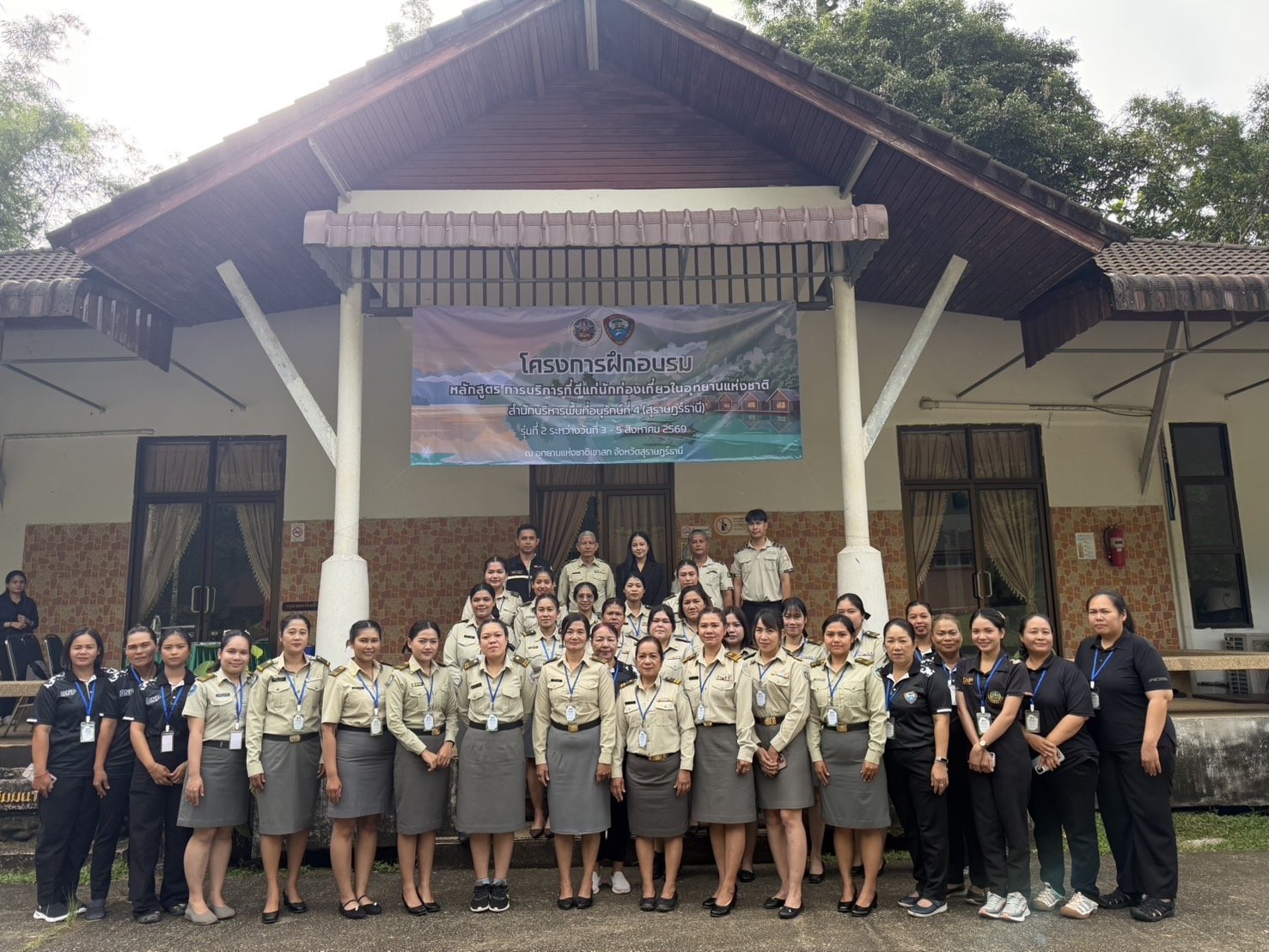
The International School of Tourism, Suratthani Rajabhat University, participated as a co-organizer of a service personnel development program for tourism destinations located within national parks. Faculty members, students, and alumni served as trainers, sharing professional knowledge and practical experience to enhance service standards and support quality tourism in protected natural areas.
The program aimed to strengthen the skills and capabilities of personnel working at tourism destinations, enabling them to provide appropriate, professional, and context-sensitive services. Faculty members, students, and alumni of the International School of Tourism jointly delivered academic knowledge, professional experience, and practical approaches that could be applied to real service situations.
Participating National Park Network
Essential Hospitality Skills for Tourism Destinations
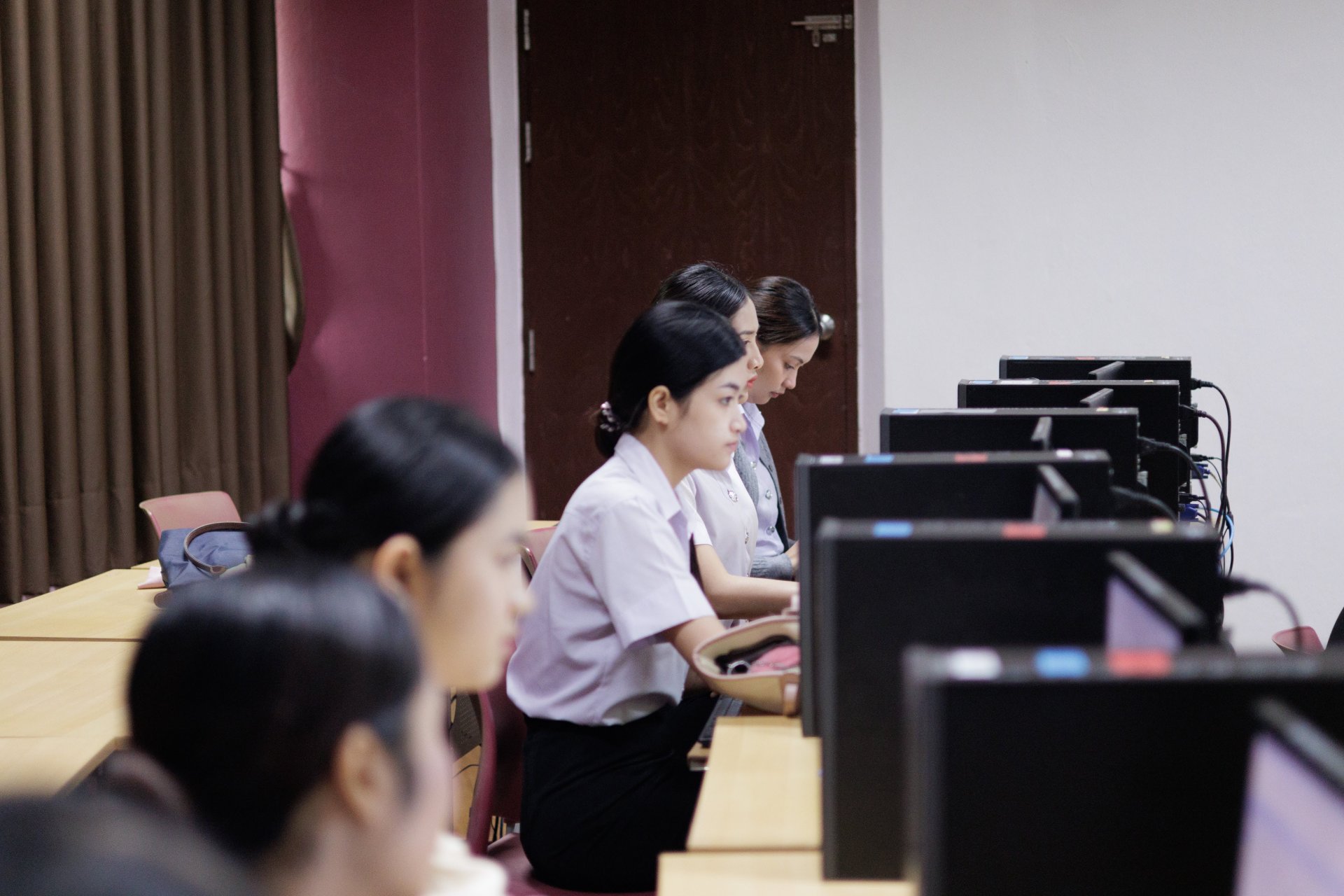
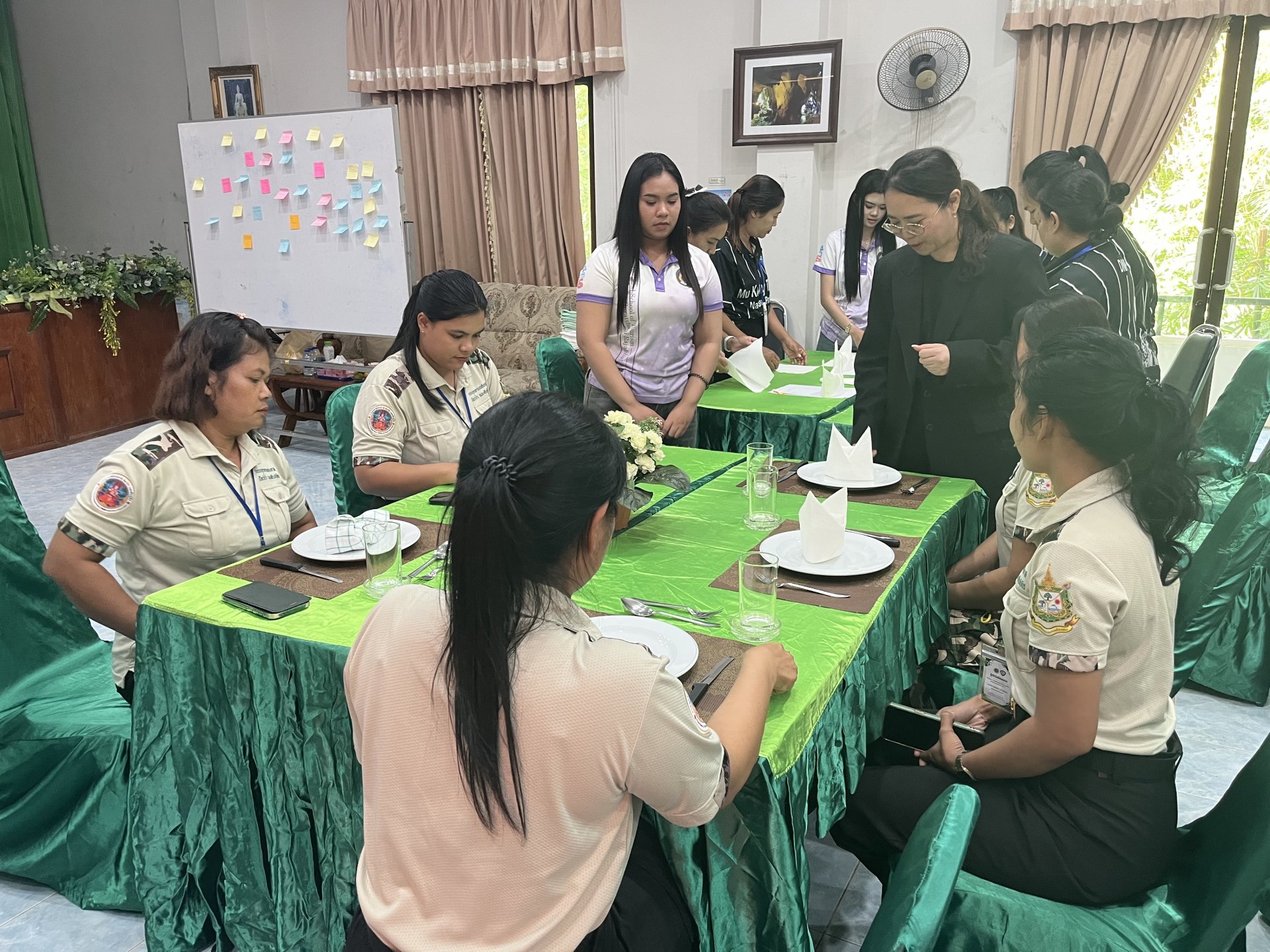
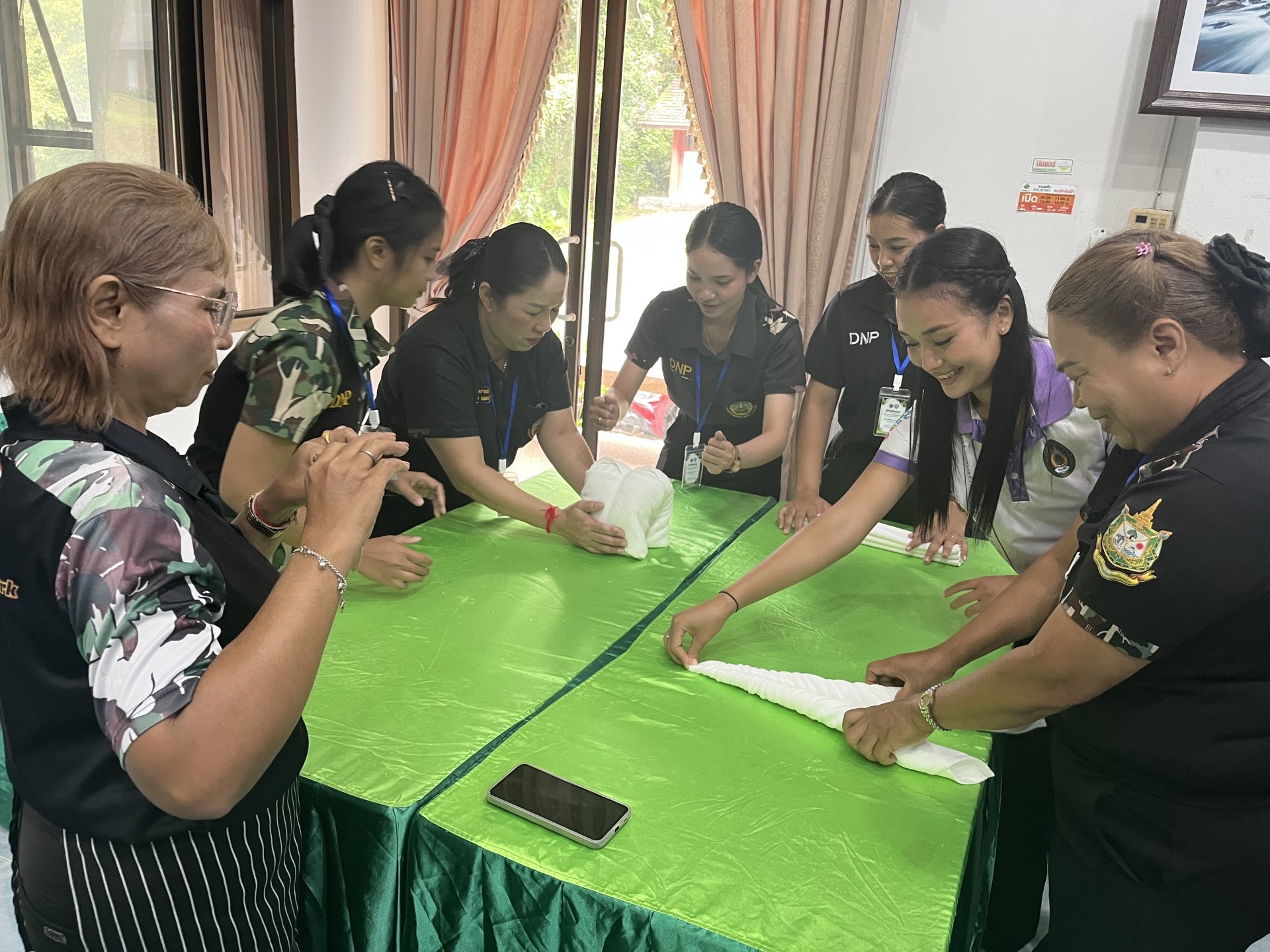
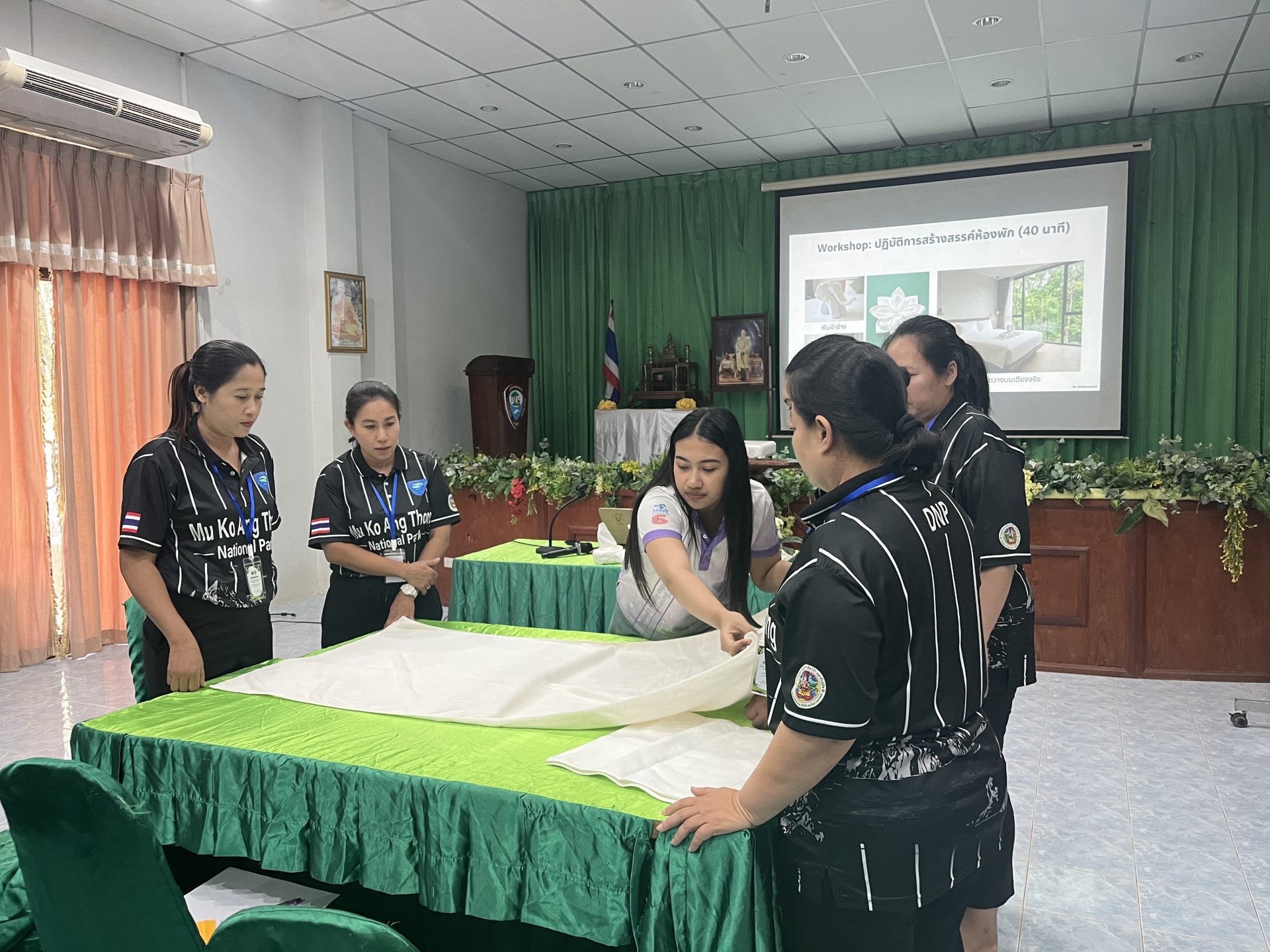
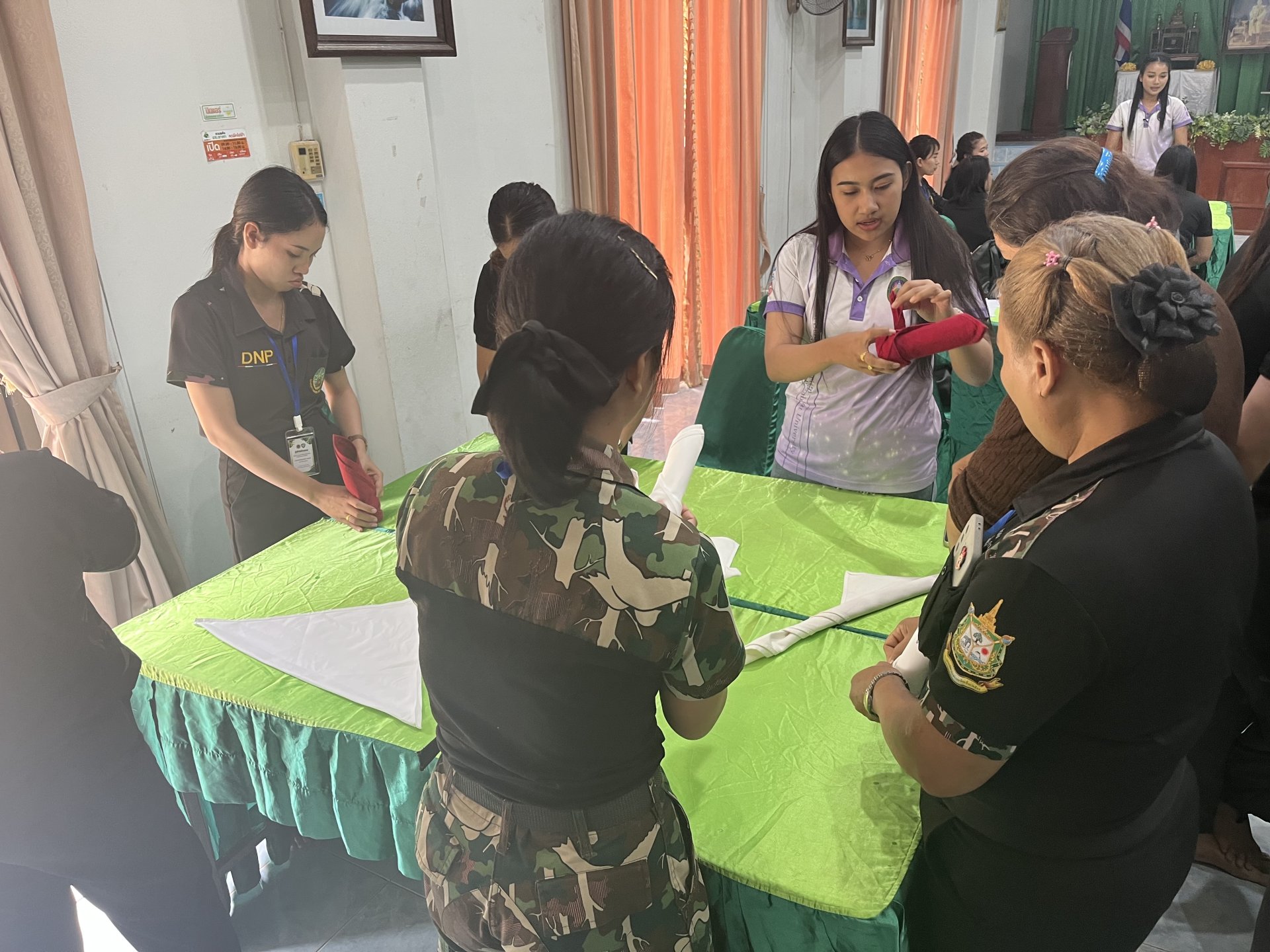
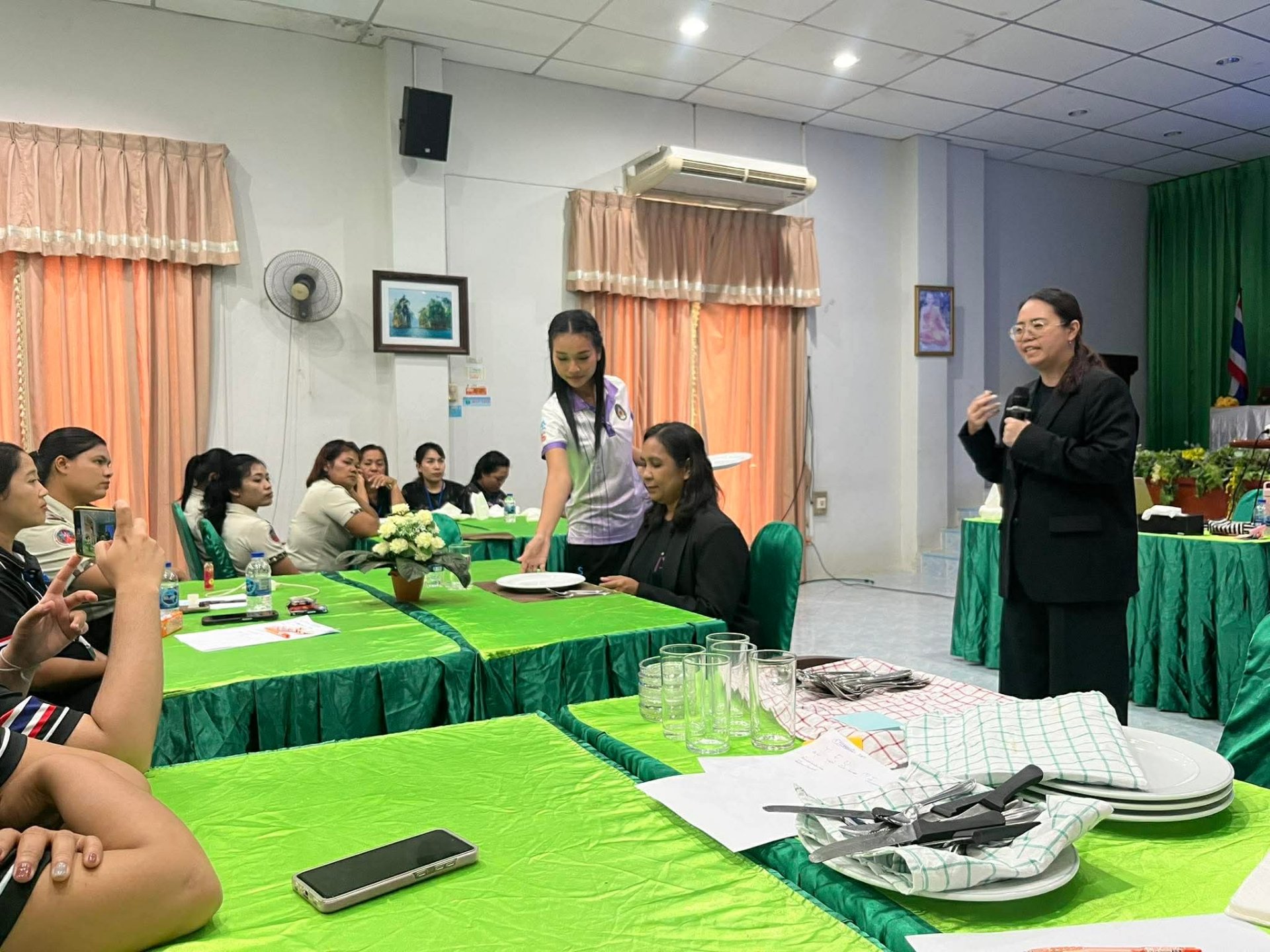
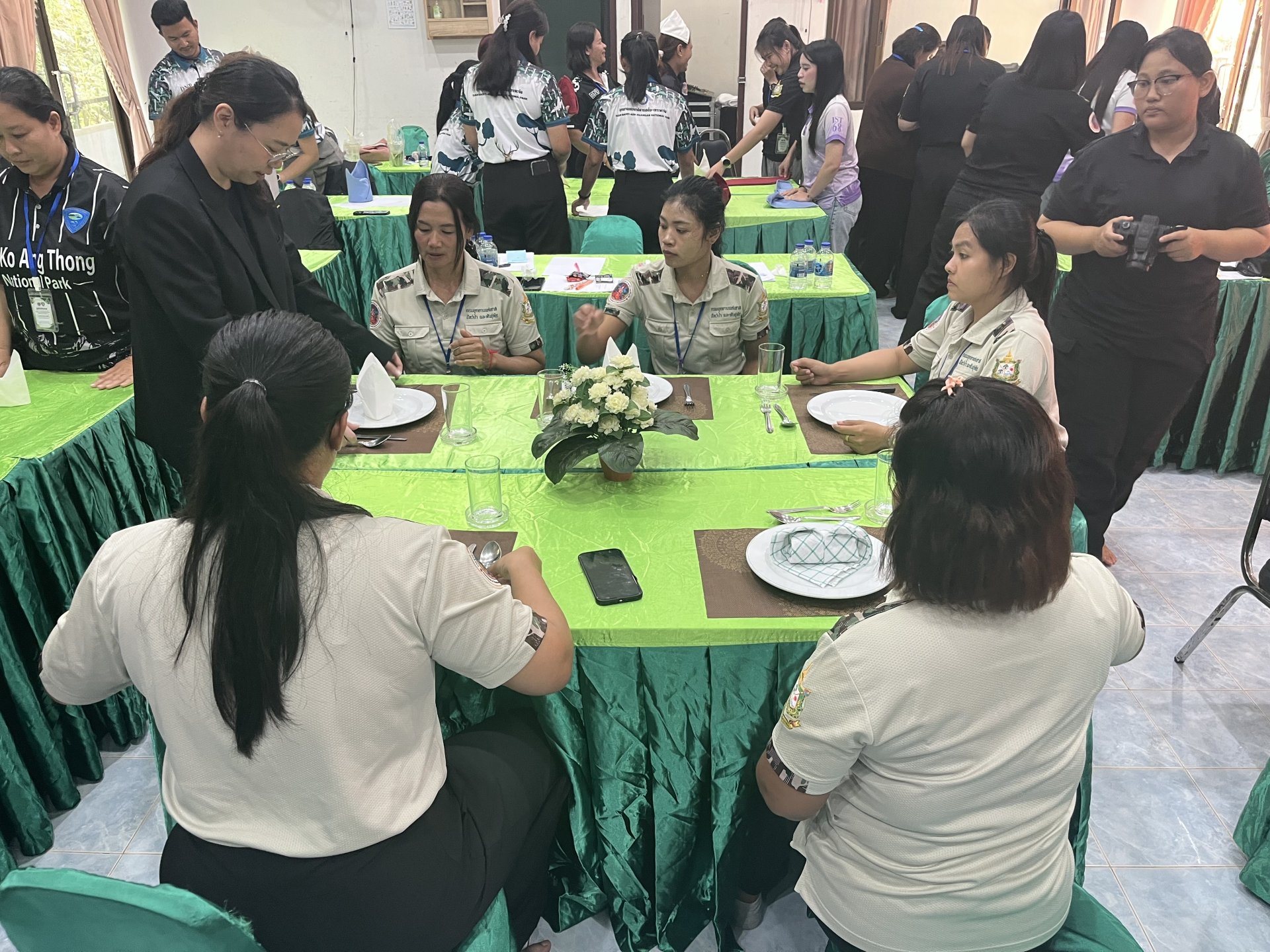
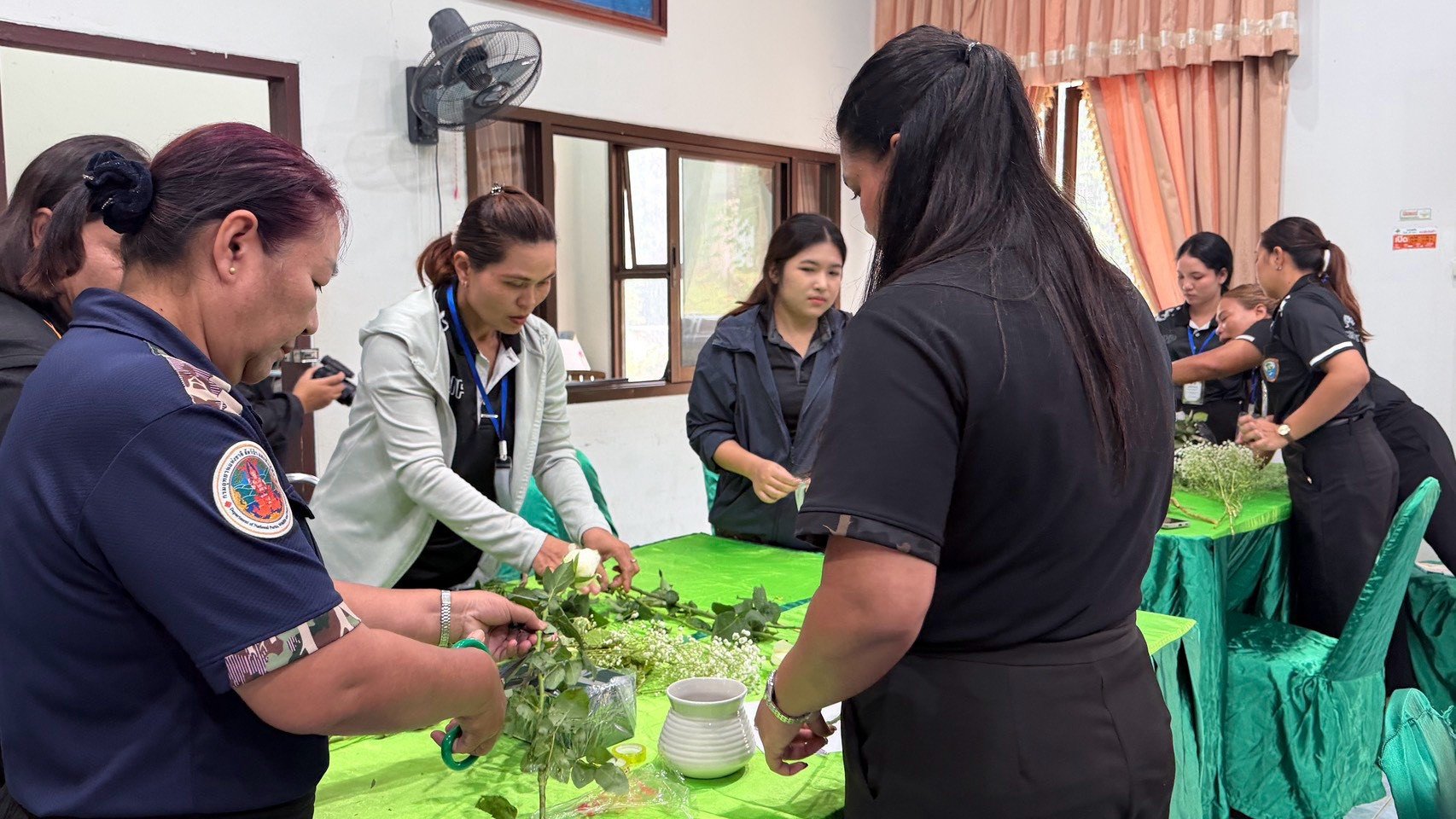
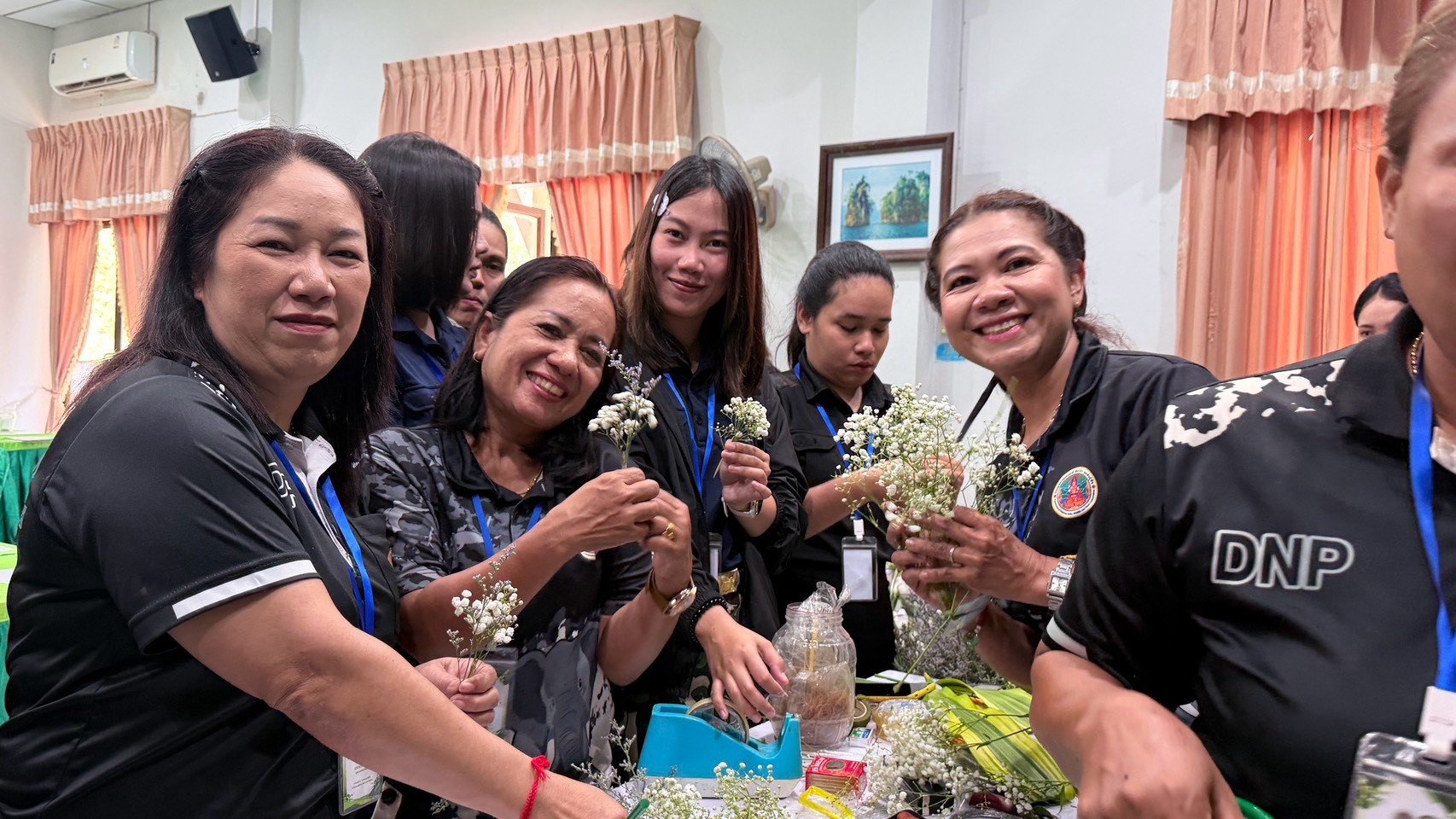
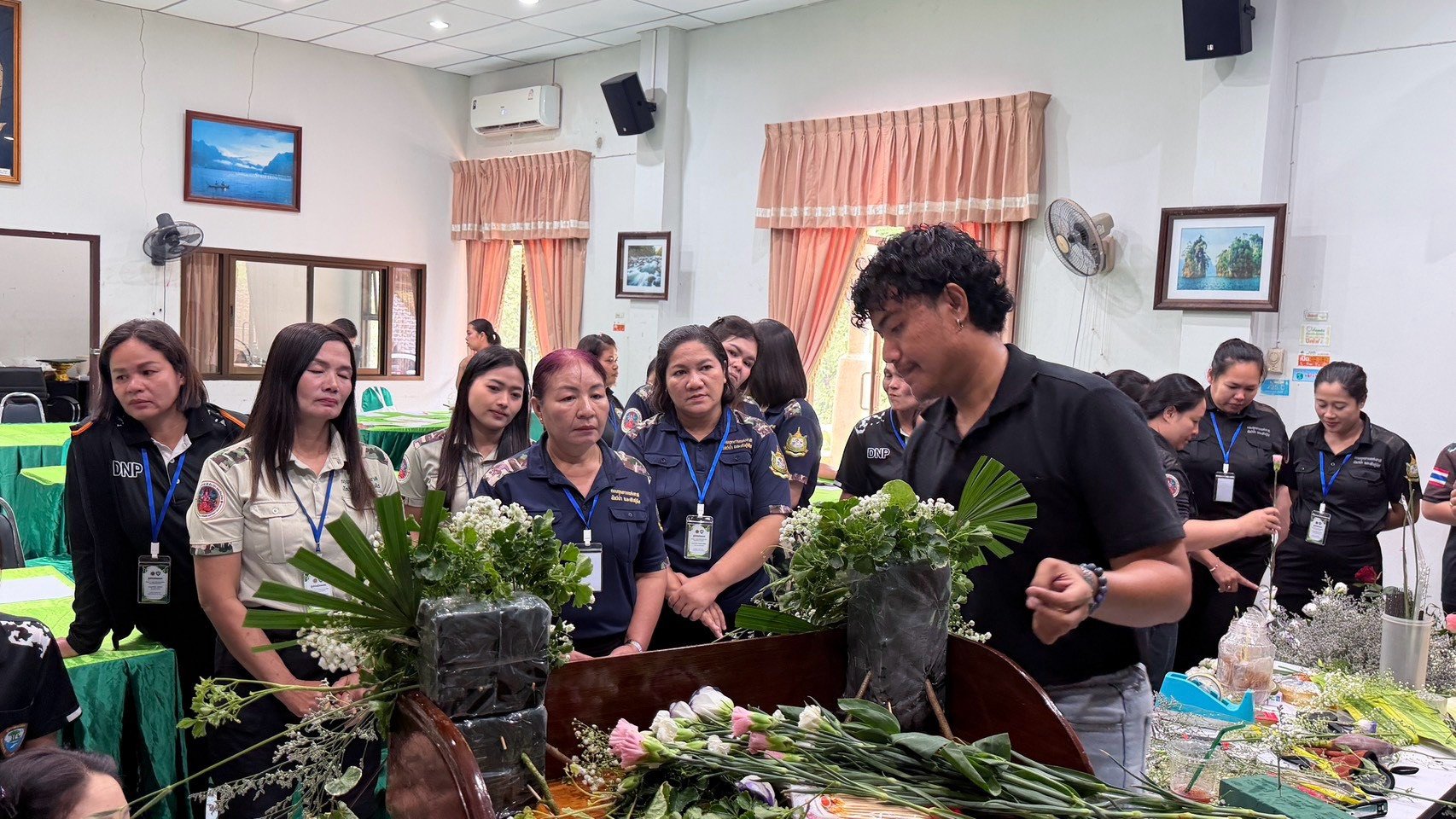
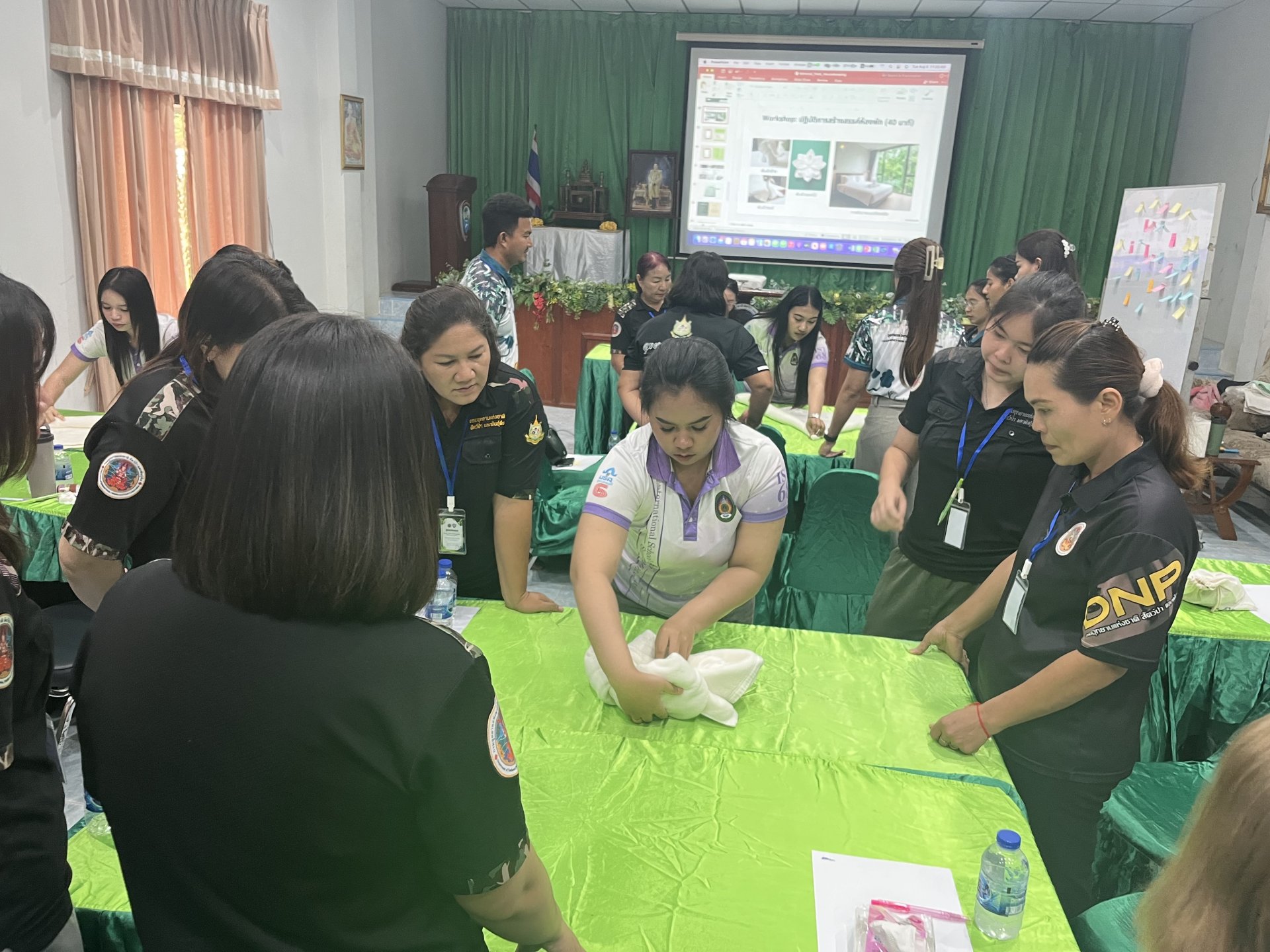
The knowledge-sharing activities covered essential hospitality and service disciplines required for tourism operations. The program emphasized knowledge exchange, demonstrations, hands-on practice, and the application of skills suited to the responsibilities and operational context of each national park.
The training process allowed participants to learn through practical examples and real situations, helping them build confidence and adapt their service knowledge to different visitor groups, facilities, operational requirements, and environmental conditions.
Integrating Education with Academic Service
The initiative reflects the International School of Tourism’s role in extending classroom knowledge to academic service for society. It also provided opportunities for students and alumni to work alongside faculty members, share knowledge based on professional experience, and learn directly with personnel from field-based organizations.
This collaboration integrated teaching and learning, professional skill development, academic service, and partnership building between the university and agencies responsible for natural tourism destinations. The process strengthened the capacities of service personnel, students, alumni, and partner organizations.
Improving service quality also contributes to positive visitor experiences, strengthens the image of national parks, and supports tourism management that respects the long-term value of local areas, surrounding communities, and natural resources.
“Learn through real experience, practise professional skills, and create value for society.” The identity of the International School of Tourism under the Social Engineer concept
The activity demonstrates the School’s commitment to developing graduates who can apply knowledge and professional skills for the benefit of communities and society. It also encourages students to understand local contexts, collaborate with stakeholders, and contribute to the sustainable growth of Thailand’s quality tourism sector while supporting the conservation of natural resources.
SDG Report & Relevant Goals
This activity contributes to the United Nations Sustainable Development Goals in the following areas:
| SDG Goal | Target Description | Connection to Project |
|---|---|---|
 | Goal 4: Quality Education | Promotes lifelong learning and develops hospitality skills among service personnel, students, and alumni through knowledge sharing, practical training, and experience-based learning. |
 | Goal 8: Decent Work and Economic Growth | Strengthens professional skills and service standards, improves the quality of work, and supports decent employment and tourism-related economic development at the local level. |
 | Goal 11: Sustainable Cities and Communities | Supports quality, safe, and visitor-friendly management of natural tourism and recreational areas while creating value for local communities and surrounding destinations. |
 | Goal 15: Life on Land | Supports quality tourism in national parks by improving visitor services within protected natural areas and promoting awareness of tourism development alongside ecosystem conservation. |
 | Goal 17: Partnerships for the Goals | Builds collaboration among the university, faculty members, students, alumni, and national park agencies to exchange knowledge, develop personnel, and jointly advance sustainable tourism. |