IST and Koh Paluai Community Drive Local Economy through Squid Fest & Music Camp
Squid Fest & Music Camp @ Koh Paluai uses the power of event tourism and community-based tourism to create jobs, generate income, strengthen local identity, and promote inclusive and sustainable economic growth on Koh Paluai.
Driving a Target Community toward Sustainable Community-Based Tourism
Koh Paluai, located in Ang Thong Subdistrict, Koh Samui District, is one of Suratthani Rajabhat University’s target areas and has been a continuous development area of the International School of Tourism for more than five years. The school has focused on area-based community development, knowledge transfer, and quality-of-life improvement for local residents through sustainable development approaches.
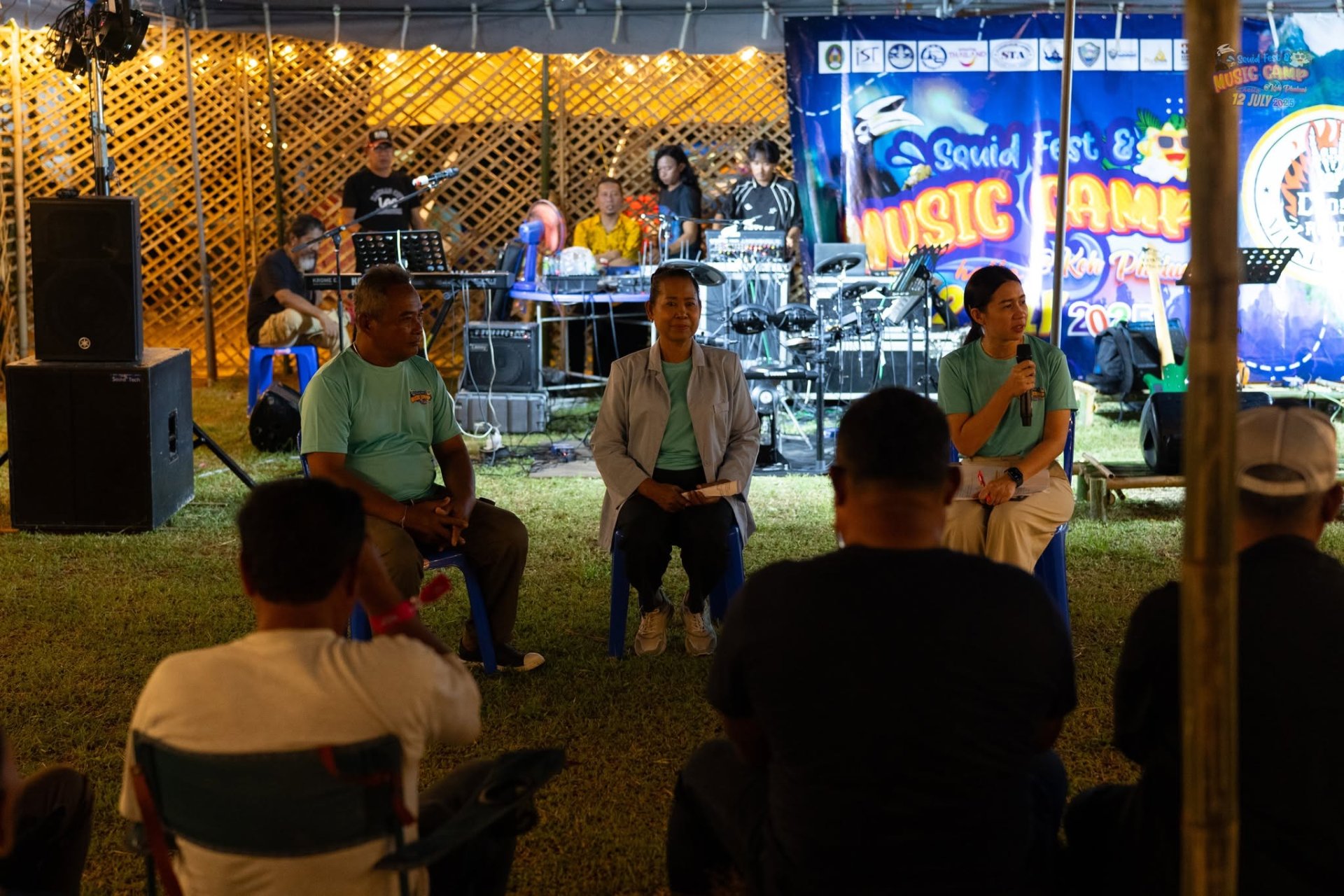
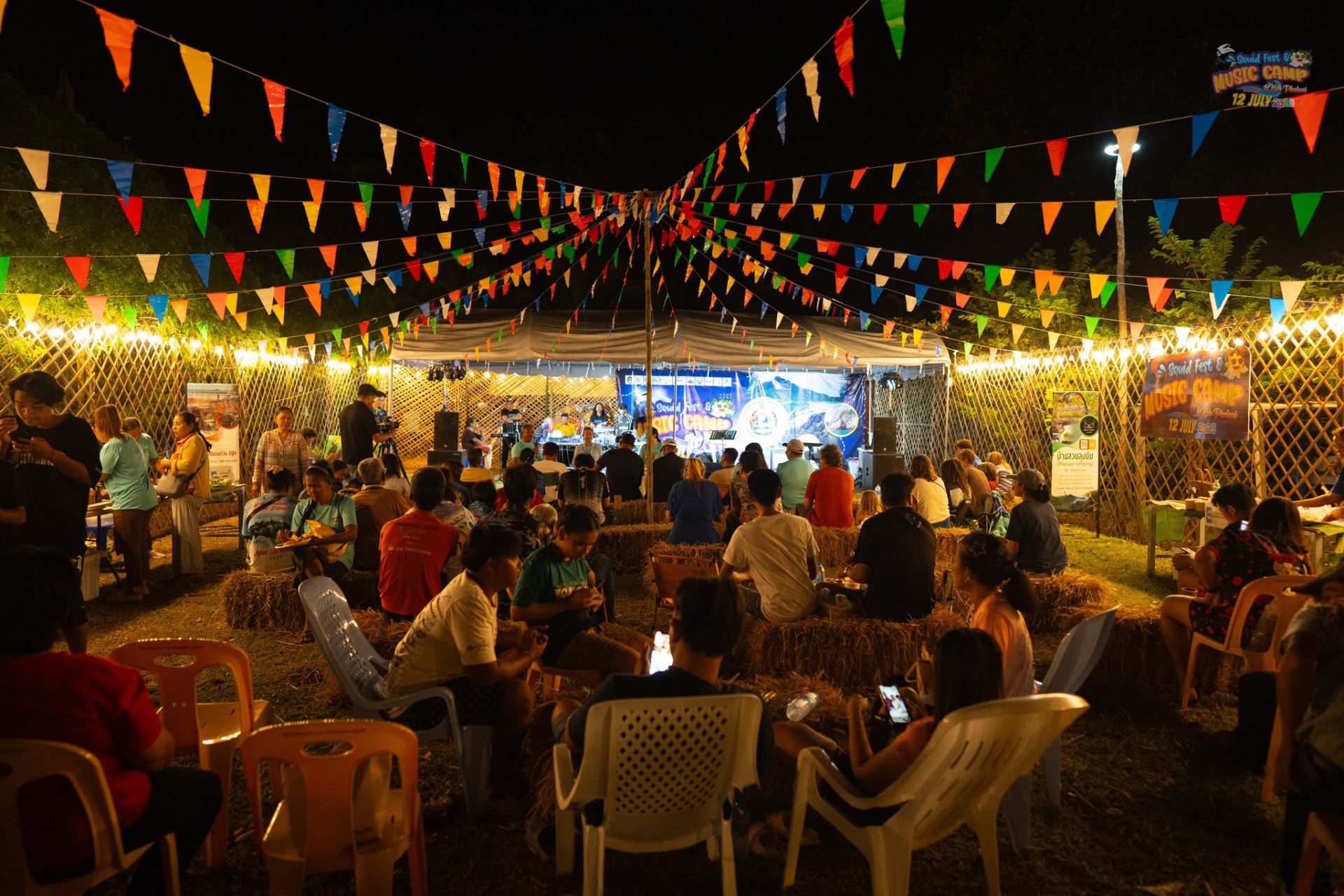
The International School of Tourism organized “Squid Fest & Music Camp @ Koh Paluai” under the strategic project for promoting community tourism through festivals and events in fiscal year 2025. The event was held on Saturday, 12 July 2025, at the beachfront area of Ban Plai Laem Homestay, Koh Paluai, Koh Samui District, Surat Thani Province, using a community festival as a tool to stimulate the local economy and enhance eco-tourism development.
This project demonstrates that event tourism is not merely a festive activity. It can serve as a community development tool that creates employment, generates income, and enables local people to become organizers, entrepreneurs, and owners of their own tourism experiences.
Collaboration among the University, Community, and Partner Networks
The event was made possible through collaboration among the International School of Tourism, the Academic Service Division, the Faculty of Humanities and Social Sciences of Suratthani Rajabhat University, the Koh Paluai Community-Based Eco-Tourism Enterprise, and a wide range of partner networks.
Partners included the Surat Thani Tourism Promotion Association, the Surat Thani Professional Tourist Guides Association, the Federation of Professional Tourist Guides of Thailand, the Surat Thani Office of Tourism and Sports, the Tourism Authority of Thailand Surat Thani Office, the Young Entrepreneur Chamber of Commerce or YEC, the Surat Thani Chamber of Commerce, Moc Biz Club Suratthani, Muang Thai Insurance, Bangkok Hospital Surat, and other related agencies.
A Festival Designed from Community Needs
Squid Fest & Music Camp emerged from the community’s need to stimulate tourism activity in the area. Community members participated in designing the event format, selecting the activity venue, organizing performances, and providing tourism and hospitality services. As a result, the event was strongly rooted in community participation and clearly reflected the identity of Koh Paluai.
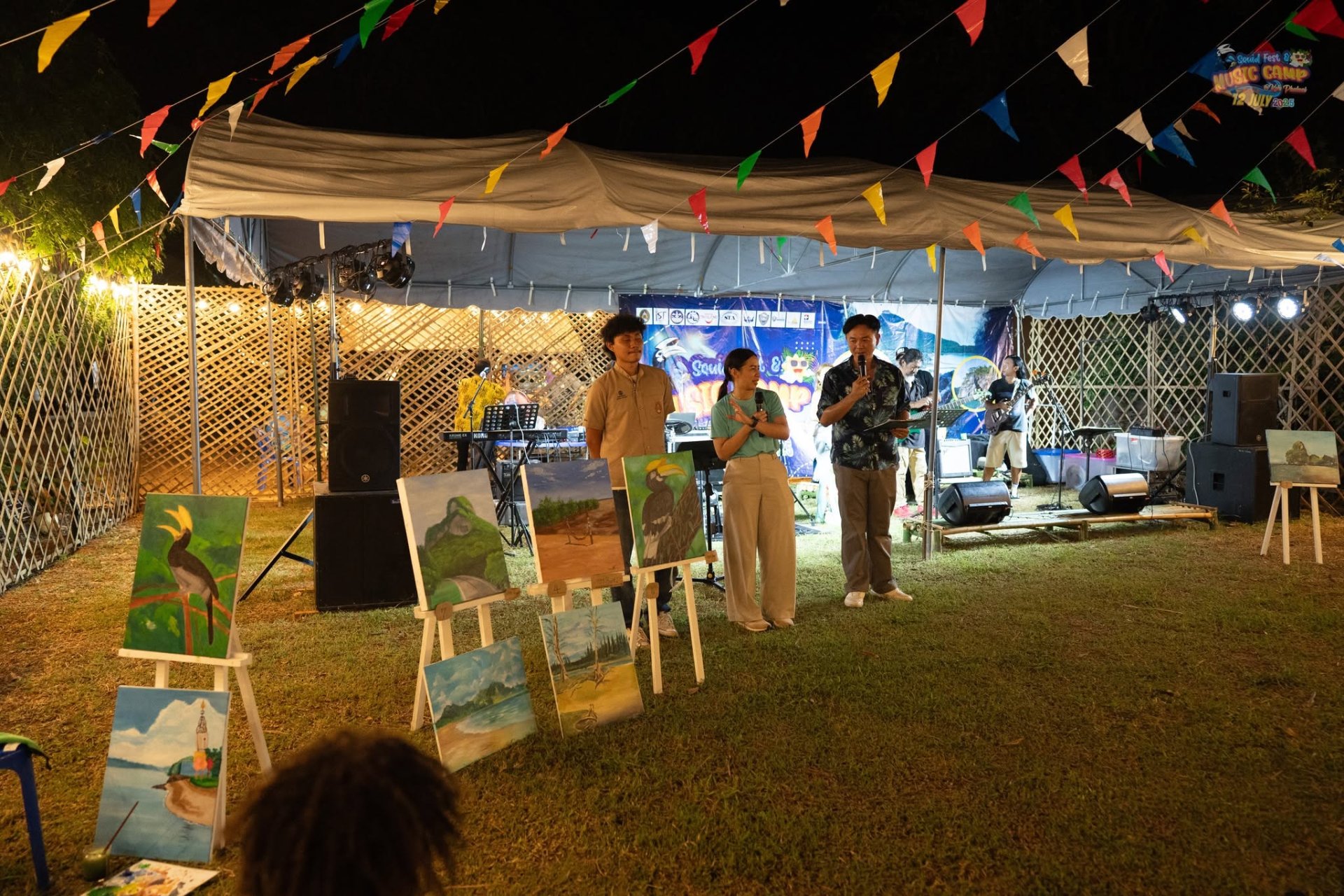
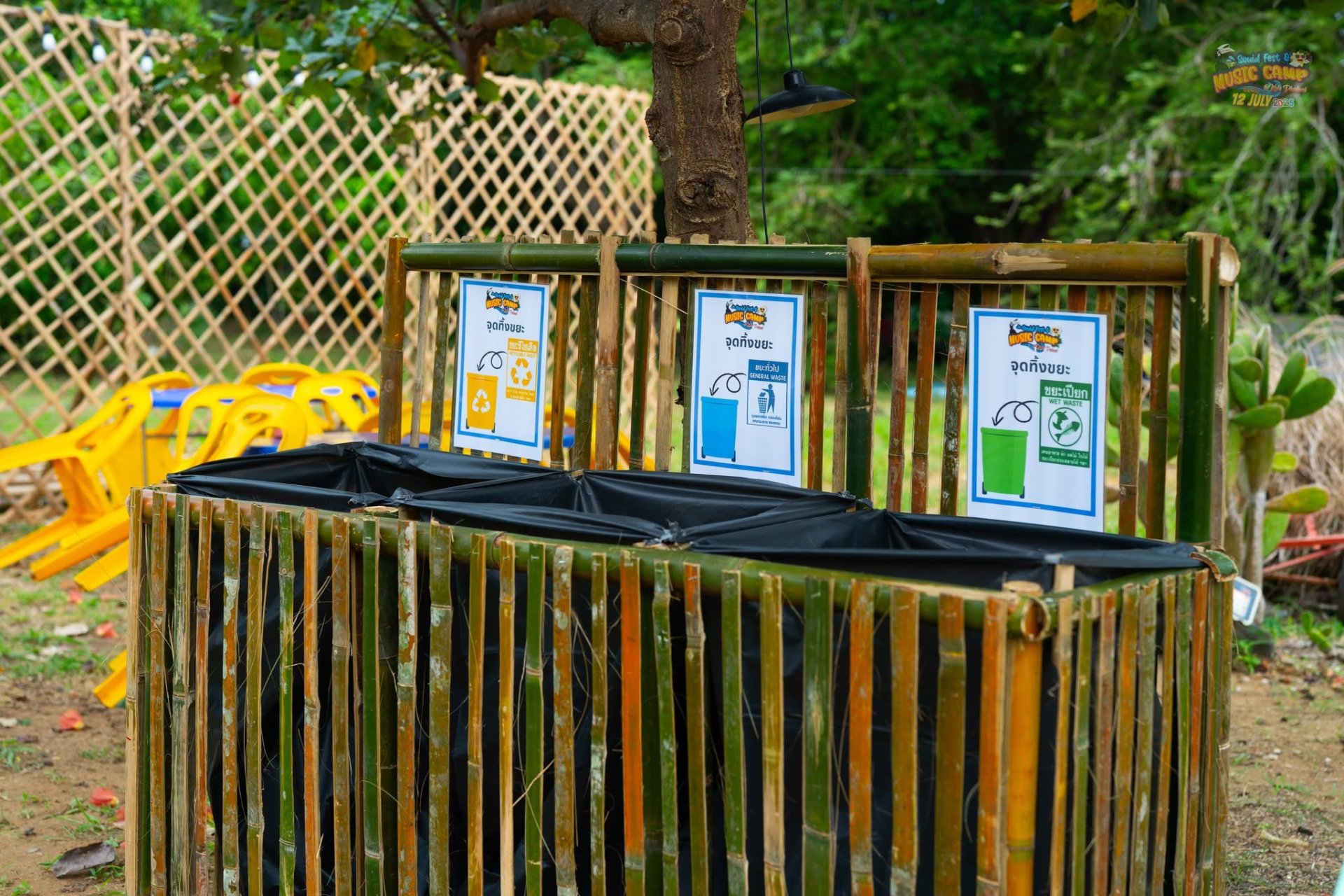
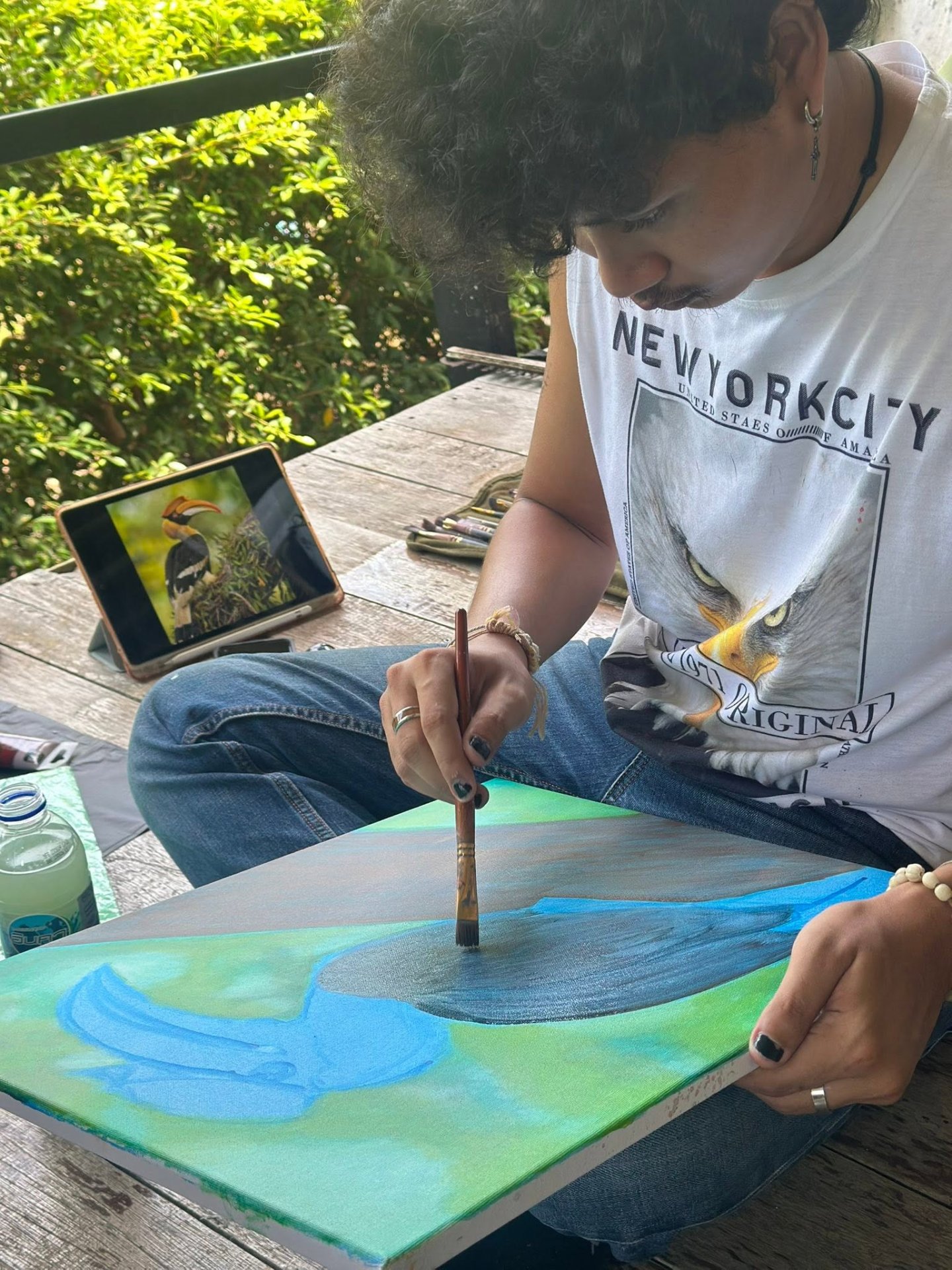
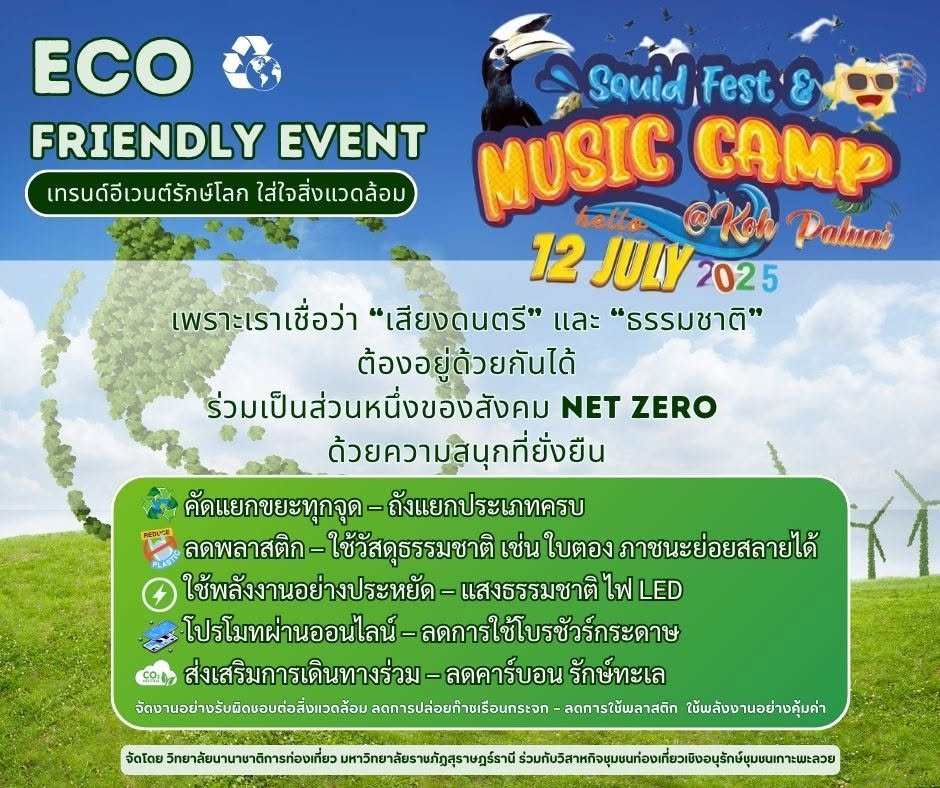
Activities included a mini concert by local artists, an auction of nature-inspired artworks representing community identity created by school and university students, such as hornbills, Ang Thong Sea, and the mountains of Paluai, which are key symbols of the island. The event was also organized under environmental principles, including plastic reduction and waste separation.
Tangible Outcomes from the Festival
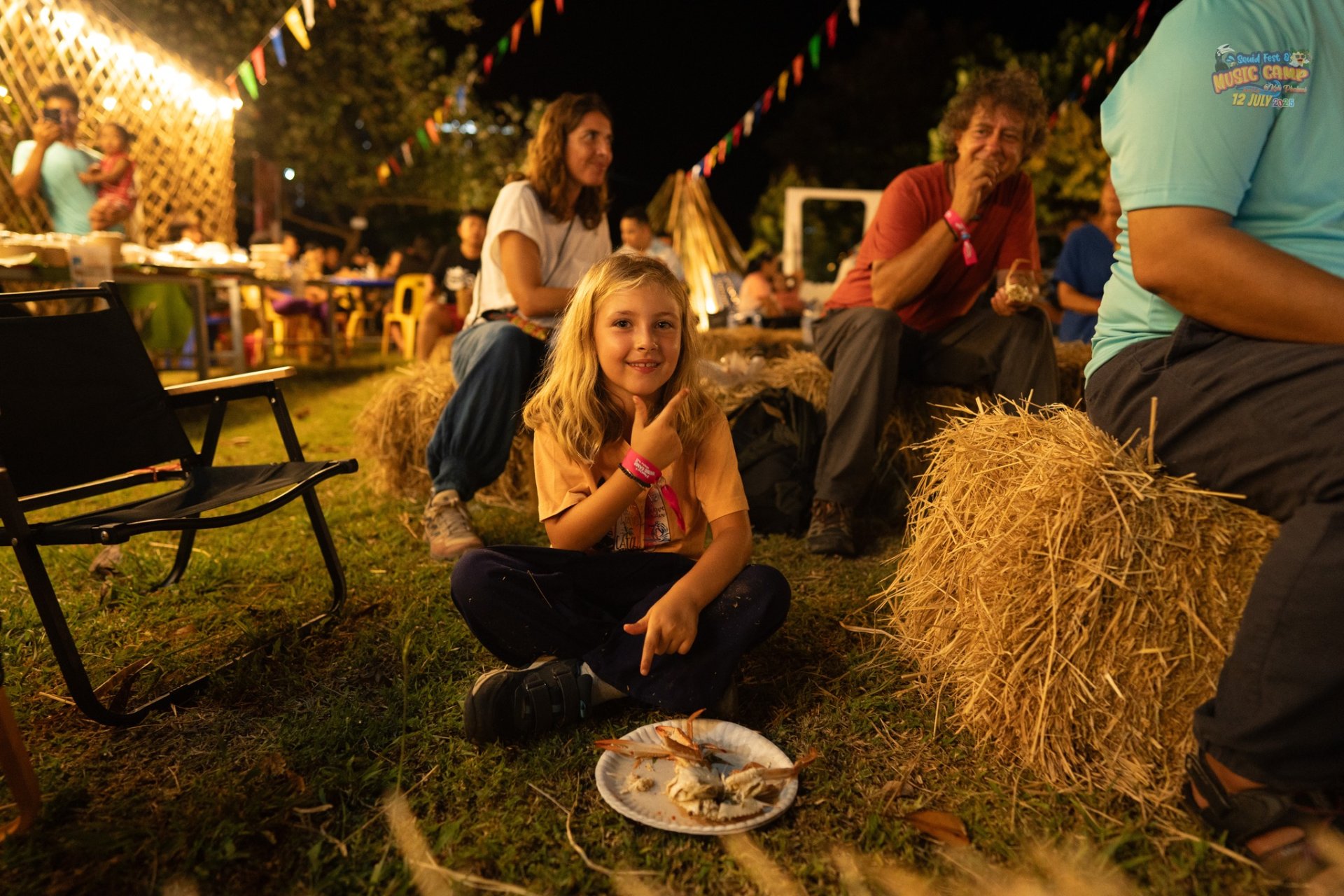
The event generated clear participation and economic impact in the local area. More than 200 Thai and international tourists joined the event, more than 50 participants took part in island tour activities, and more than 150 event tickets were sold.
After deducting expenses, the event revenue was returned to support the community through scholarships for students at Ban Koh Paluai School and through local waste management activities. This reflects an event design that not only generated short-term income but also returned benefits to the community and local environment.
Generating Income, Expanding Opportunities, and Strengthening the Local Economy
The economic outcomes of the project show that Koh Paluai community gained additional income channels in several dimensions, including community-based accommodation, boat and tour services, seafood and local product sales, and community product booths during the festival. These activities helped distribute income directly to local households.
Part of the event revenue was also allocated back to the community as scholarships for students at Ban Koh Paluai School and as revolving funds for the island’s community-based eco-tourism enterprise. These contributions support tourism capacity development and strengthen the local grassroots economy.
Local People as Organizers, Entrepreneurs, and Experience Creators
The project provided opportunities for youth and community members to develop new skills, including event organization, tourist service, communication of culture and environmental values, and music and performance skills. These skills help increase local labor productivity while creating decent work connected to both income and pride in local identity.
In addition, the development of the “Koh Paluai” brand through Squid Fest & Music Camp and the online communication channels of the university and partner networks helped position the island as an eco-tourism destination. This increases the opportunity to attract quality tourists and creates long-term structural benefits for the local tourism economy beyond one-time event income.
Creating Jobs and Income
Income was generated through community accommodation, seafood, boat services, guided tours, and local product booths.
Strengthening Local Skills
Community members practiced event management, hospitality services, local storytelling, and tourism experience design.
Protecting the Environment
The event promoted plastic reduction, waste separation, and reinvestment of part of the revenue into local waste management.
Building the Koh Paluai Brand
The festival helped communicate Koh Paluai’s image as a distinctive eco-tourism destination.
Transferring Tools and Networks for Long-Term Community Development
The implementation successfully promoted activities that stimulated the community economy while transferring event design models, processes, and event tourism management approaches to the local community. As a result, the community gained practical tools, knowledge, and networks for long-term tourism economy development.
The project aligns with the use of tourism as a value chain that strengthens economic impact and decent work. It enables people in Koh Paluai to move beyond the role of tourism recipients and become organizers, entrepreneurs, and owners of tourism experiences. This development enhances local capacity in management, marketing, and experience creation while increasing income and pride in local identity.
SDG Report & Relevant Goals
This project aligns with the Sustainable Development Goals selected in the SDGs: Best Practice project form.
| SDG Goal | Target Description | Connection to Project |
|---|---|---|
|
SDG 8: Decent Work and Economic Growth | The project uses event tourism as a tool to create jobs, generate income, promote independent occupations, and strengthen the capacity of local people. It supports sustainable tourism that creates employment and promotes local culture and products, aligning with SDG 8.9. |
|
SDG 12: Responsible Consumption and Production | The event was organized under environmental conservation principles, including plastic reduction, waste separation, local waste management support, and responsible consumption of local products and seafood from the community. |
|
SDG 17: Partnerships for the Goals | The project was driven by collaboration among the university, Koh Paluai community, community enterprise, tourism agencies, private sector partners, professional associations, and multi-sector networks to support sustainable local economic and eco-tourism development. |
Squid Fest & Music Camp @ Koh Paluai demonstrates how festivals and events can creatively drive community-based tourism by connecting the grassroots economy, environmental responsibility, local identity, and multi-sector partnerships, helping Koh Paluai grow as a sustainable eco-tourism destination.