IST Strengthens Tourism and Hospitality Networks through Chinese Language and AI Training for Sustainable Industry Development
22–23 August 2026 • Sea Seeker Krabi Resort, Krabi, Thailand
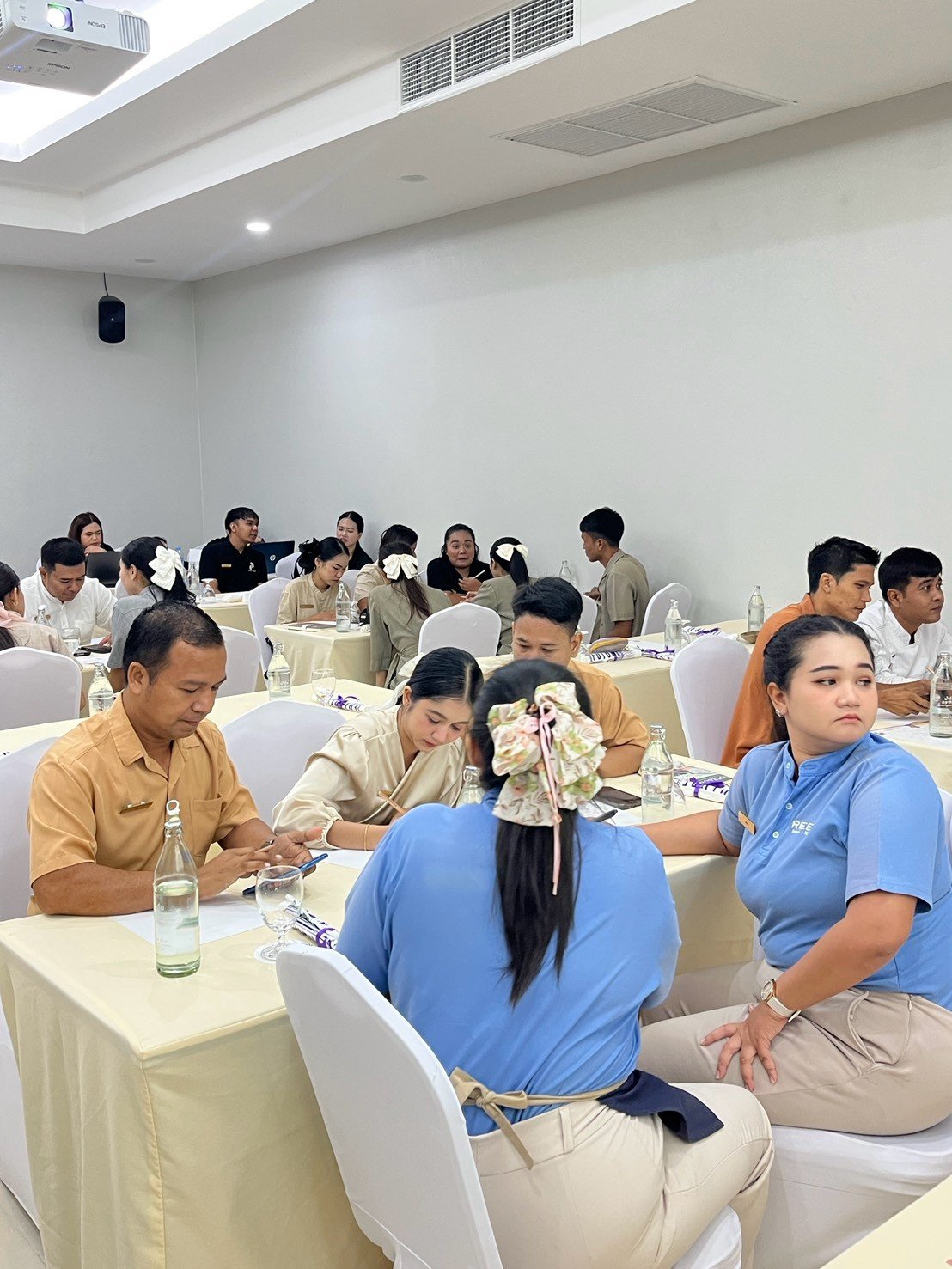
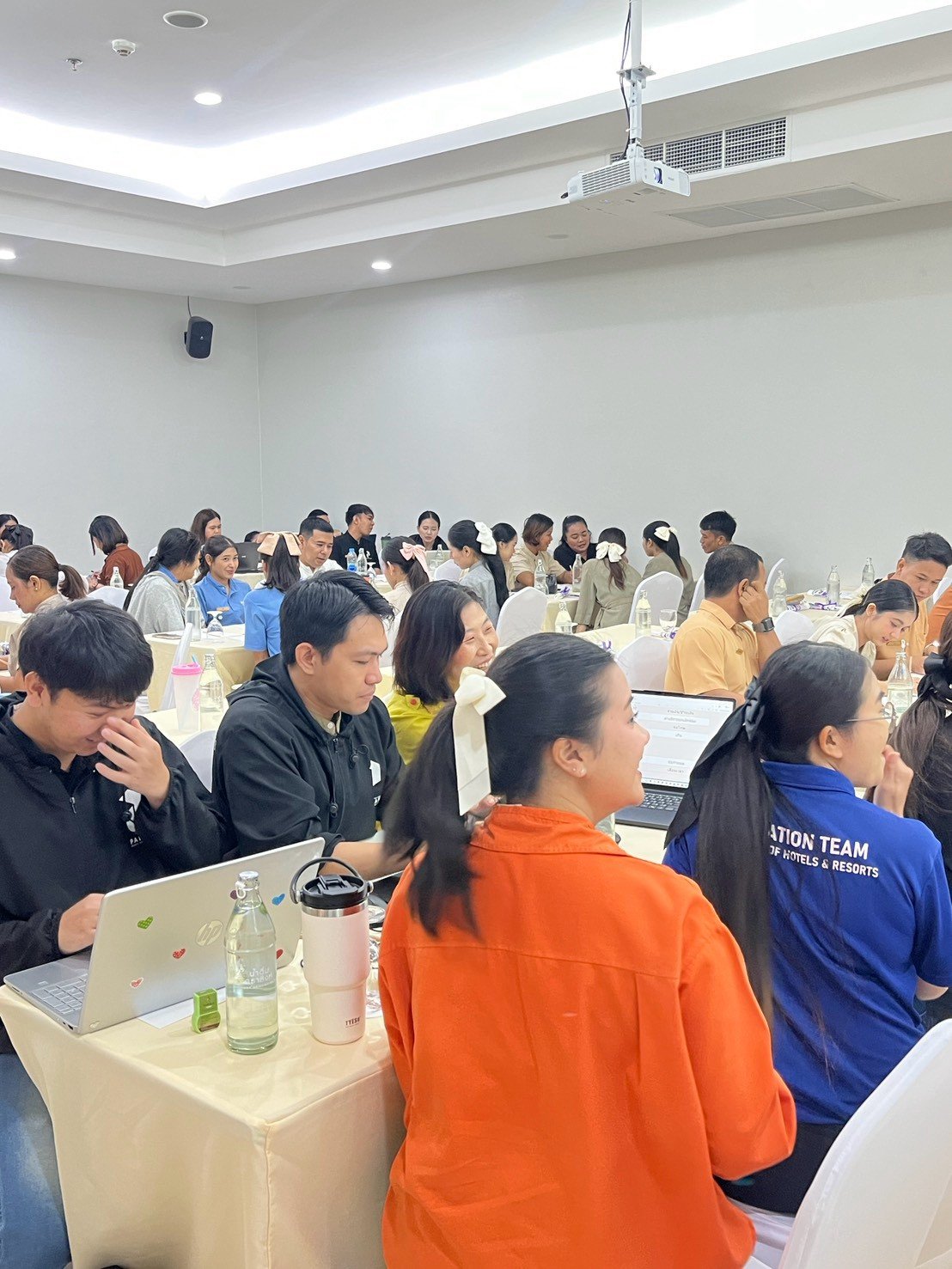
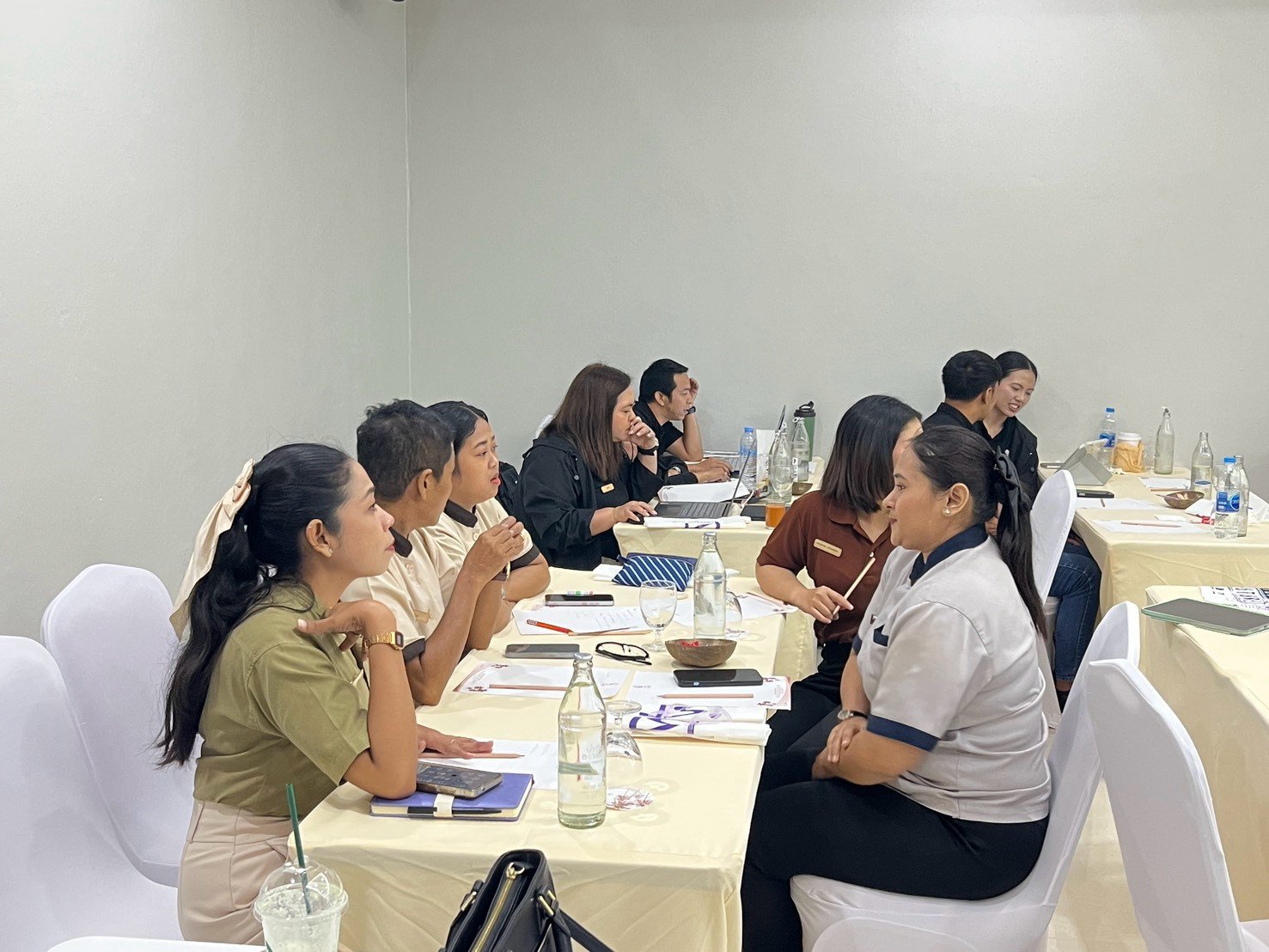
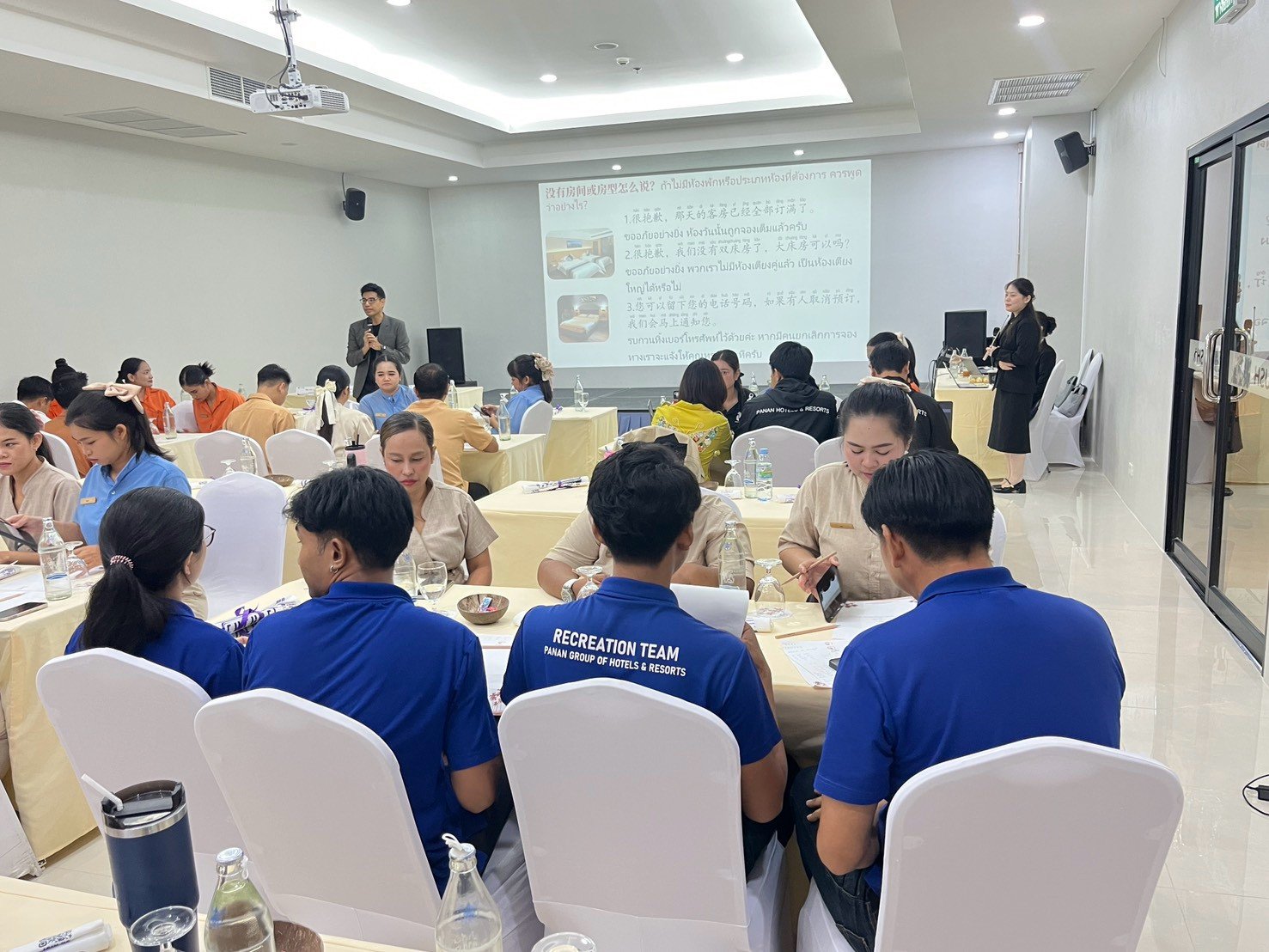
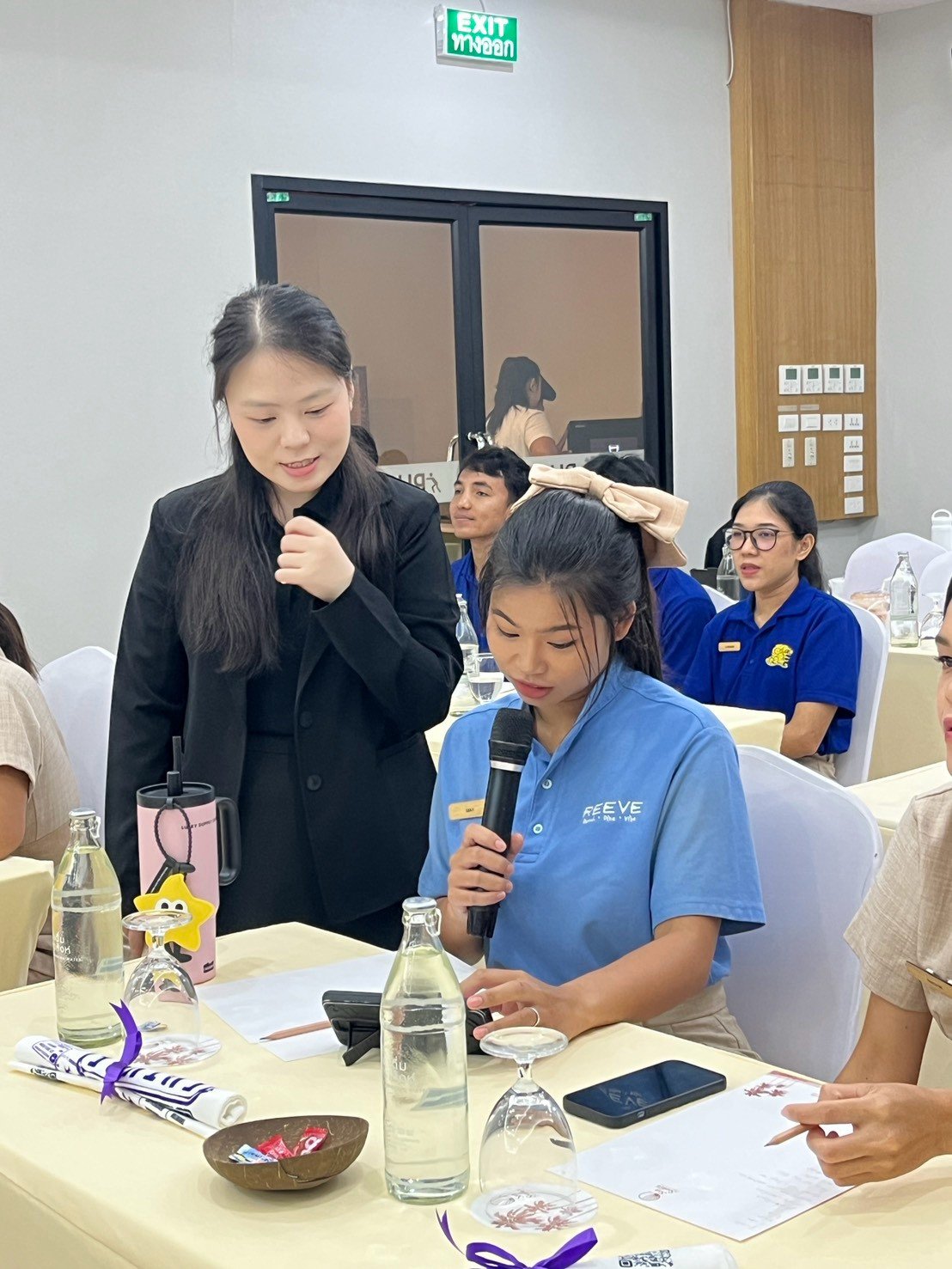
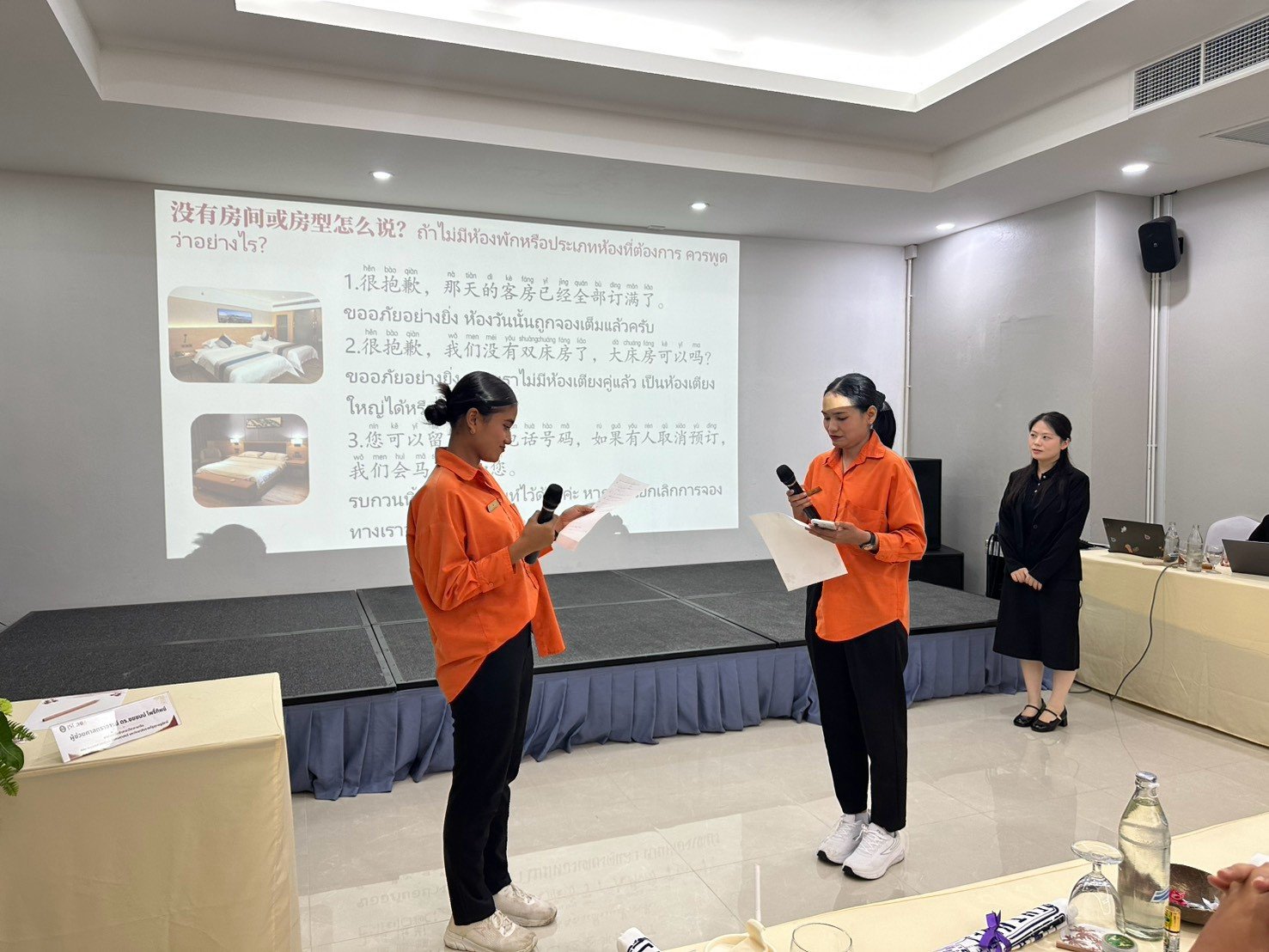
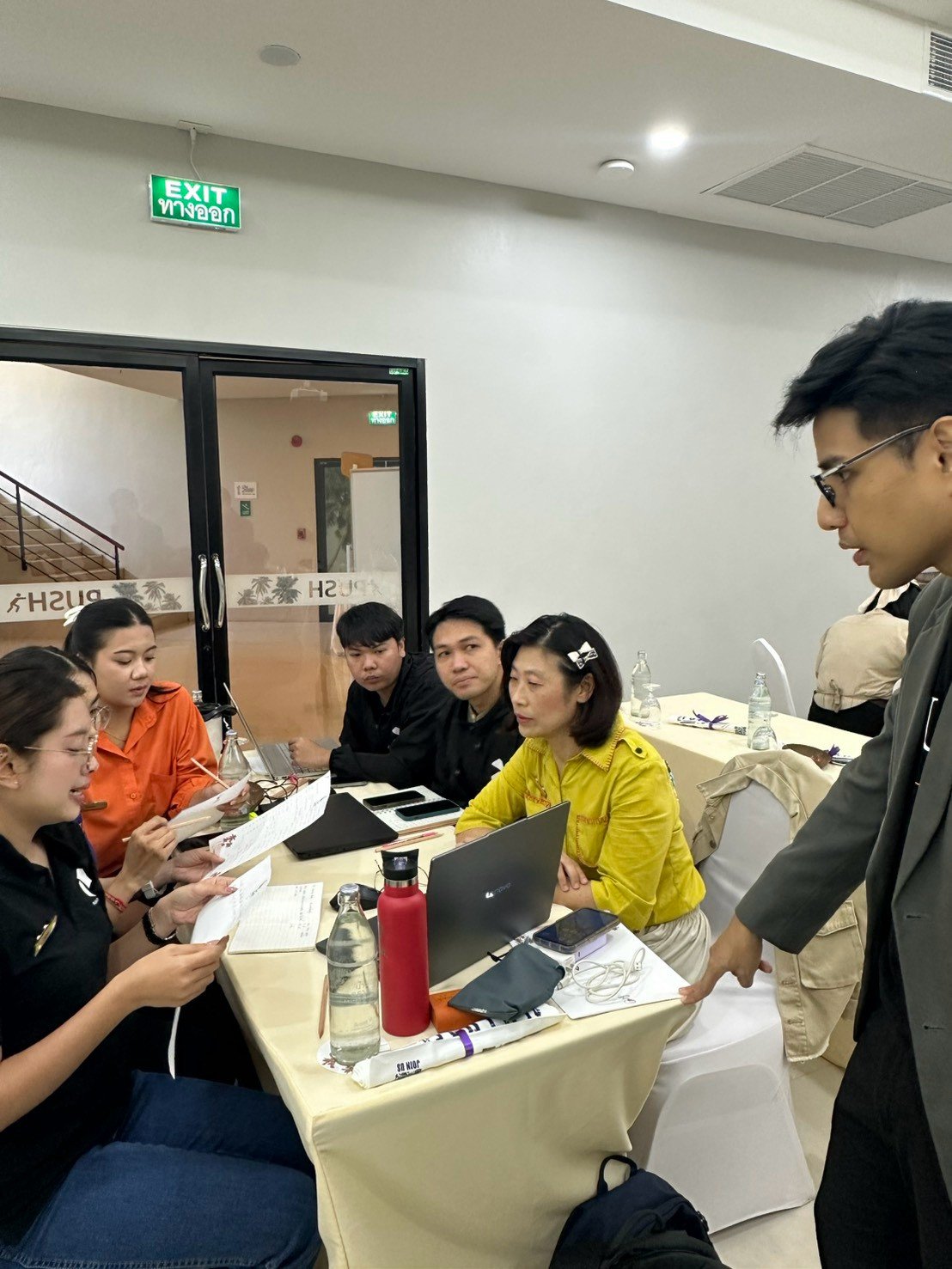
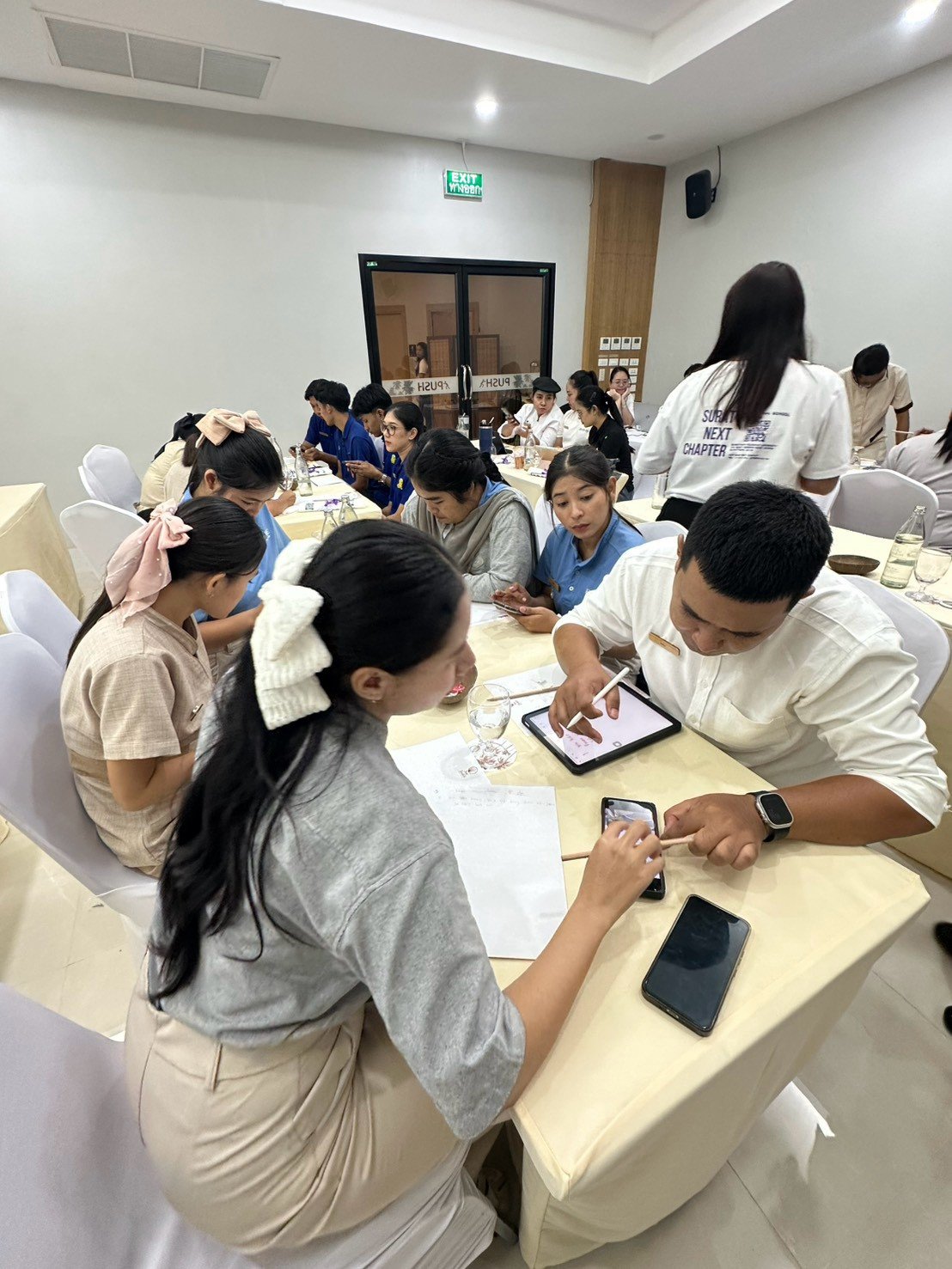
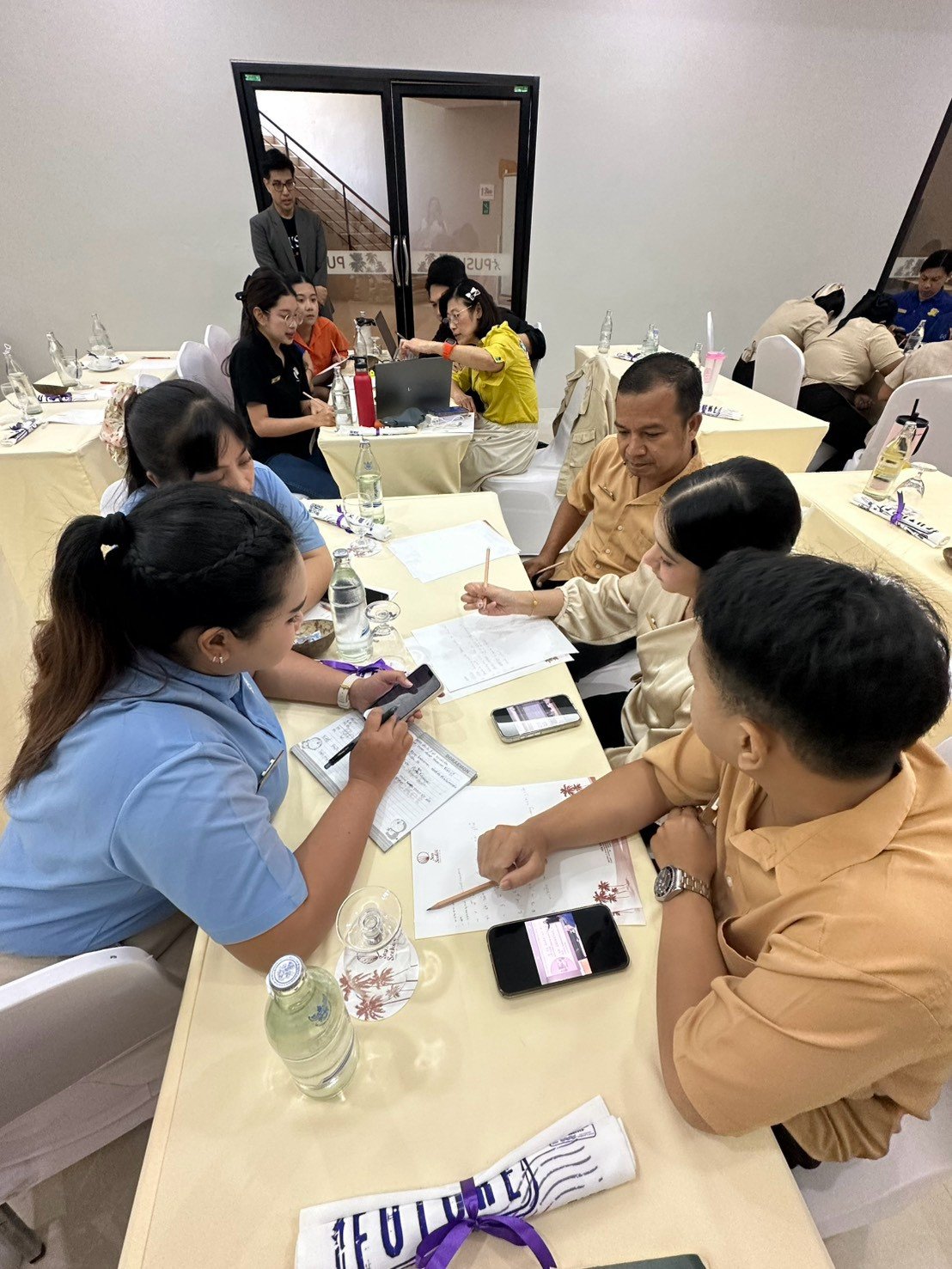
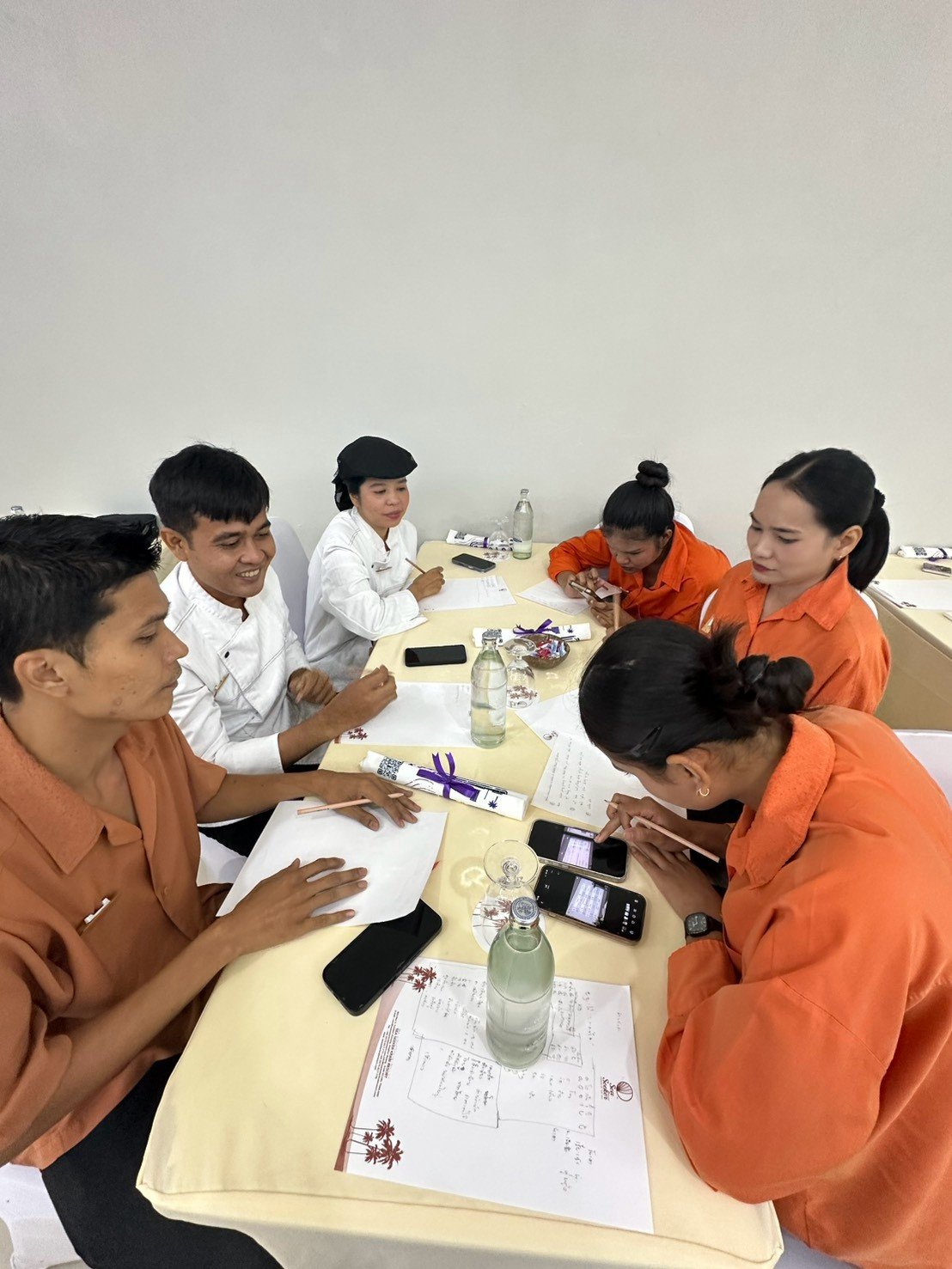
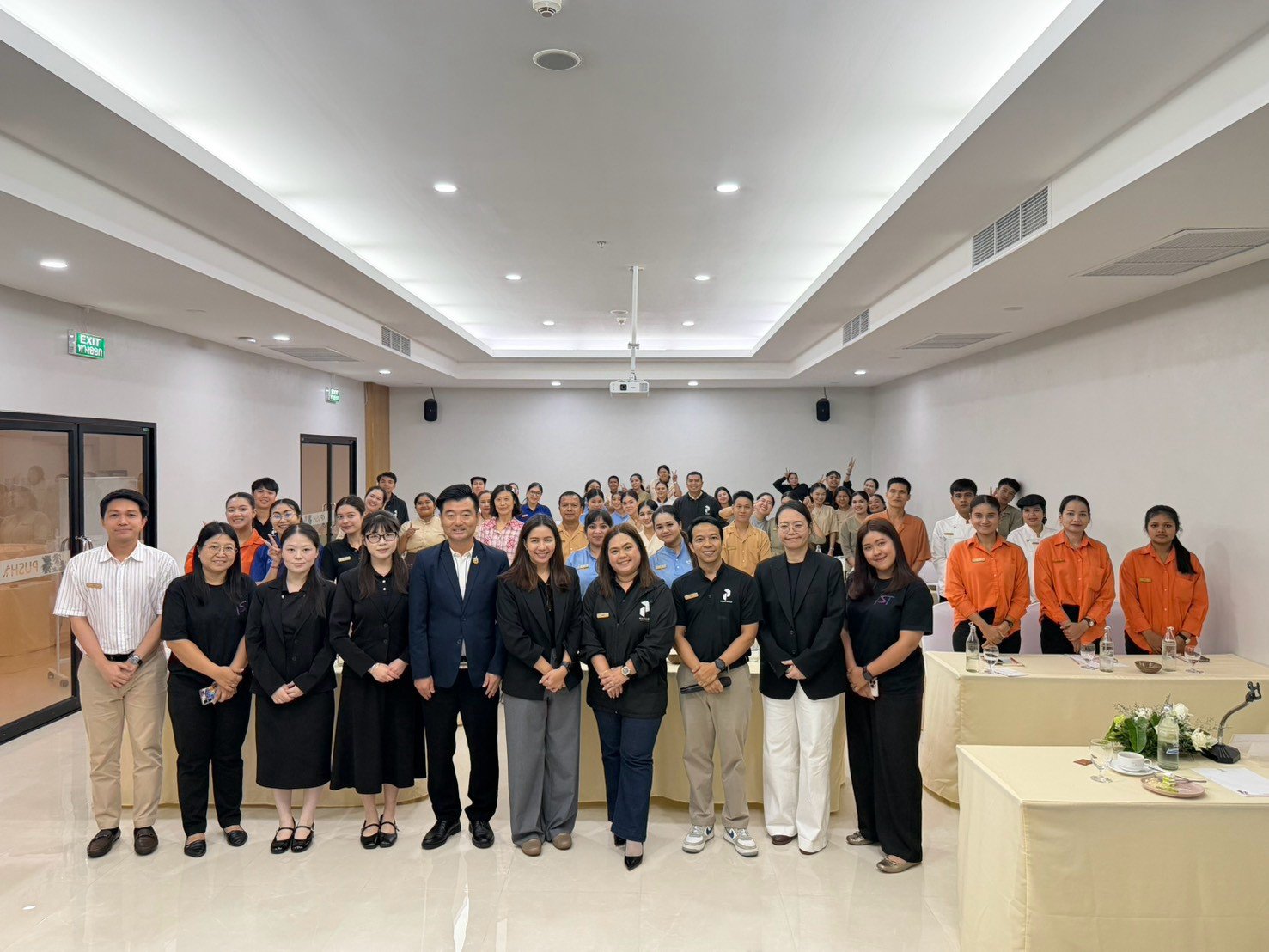
The International School of Tourism (IST), Suratthani Rajabhat University, strengthened its engagement with the tourism and hospitality industry through a practical professional development programme focusing on Chinese communication, cross-cultural service, complaint handling, and the application of AI and digital technology in hospitality services.
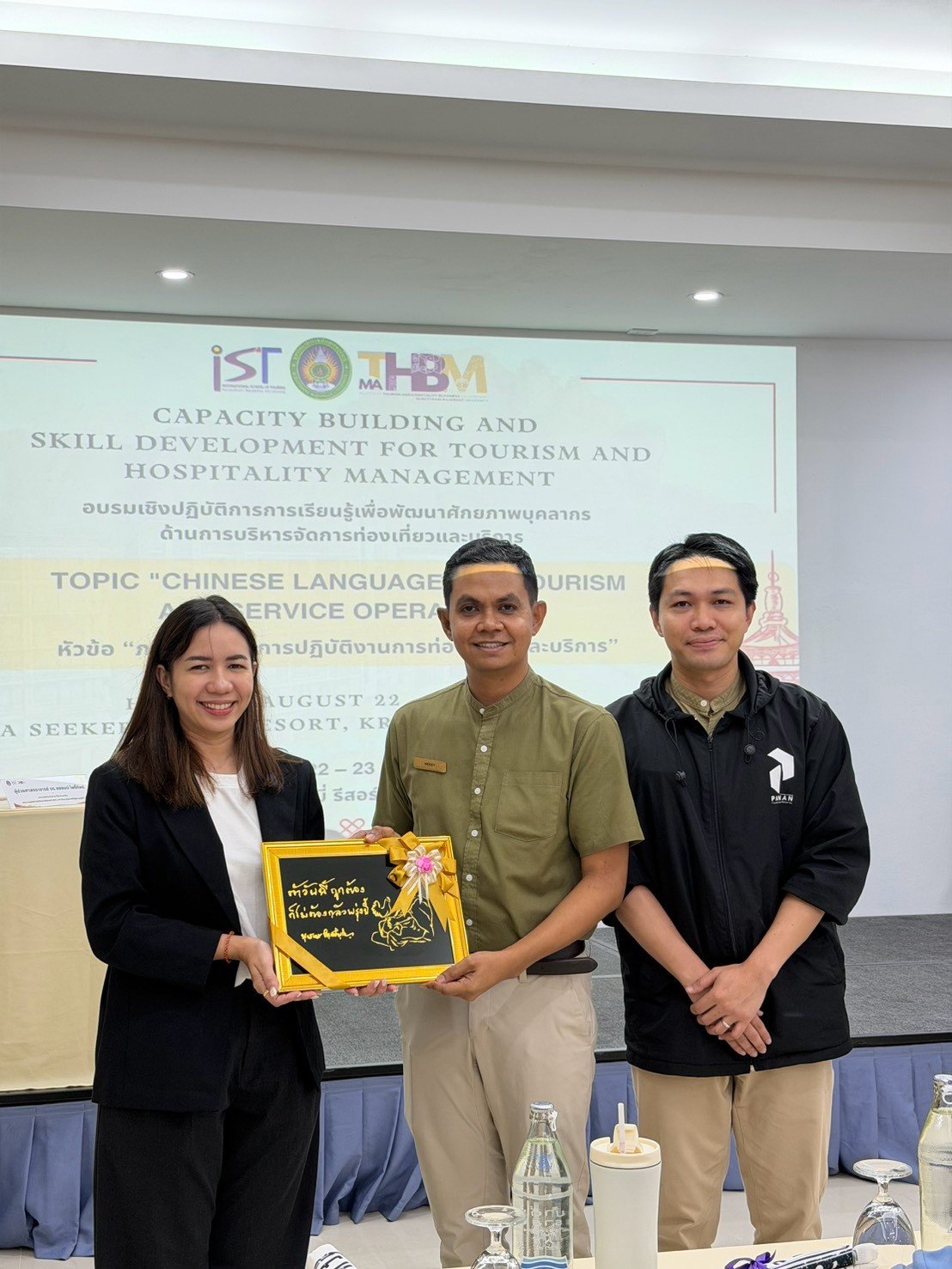
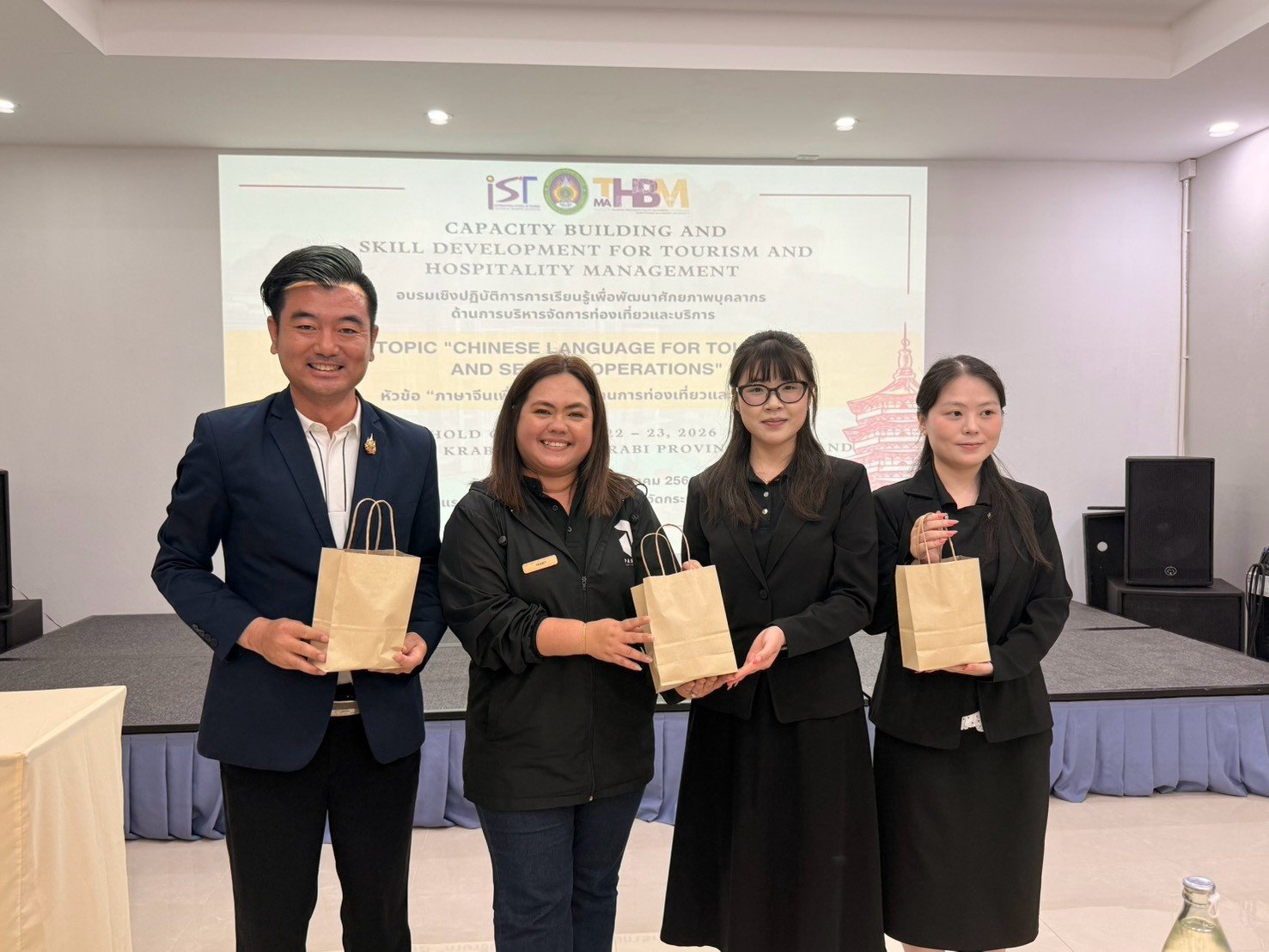
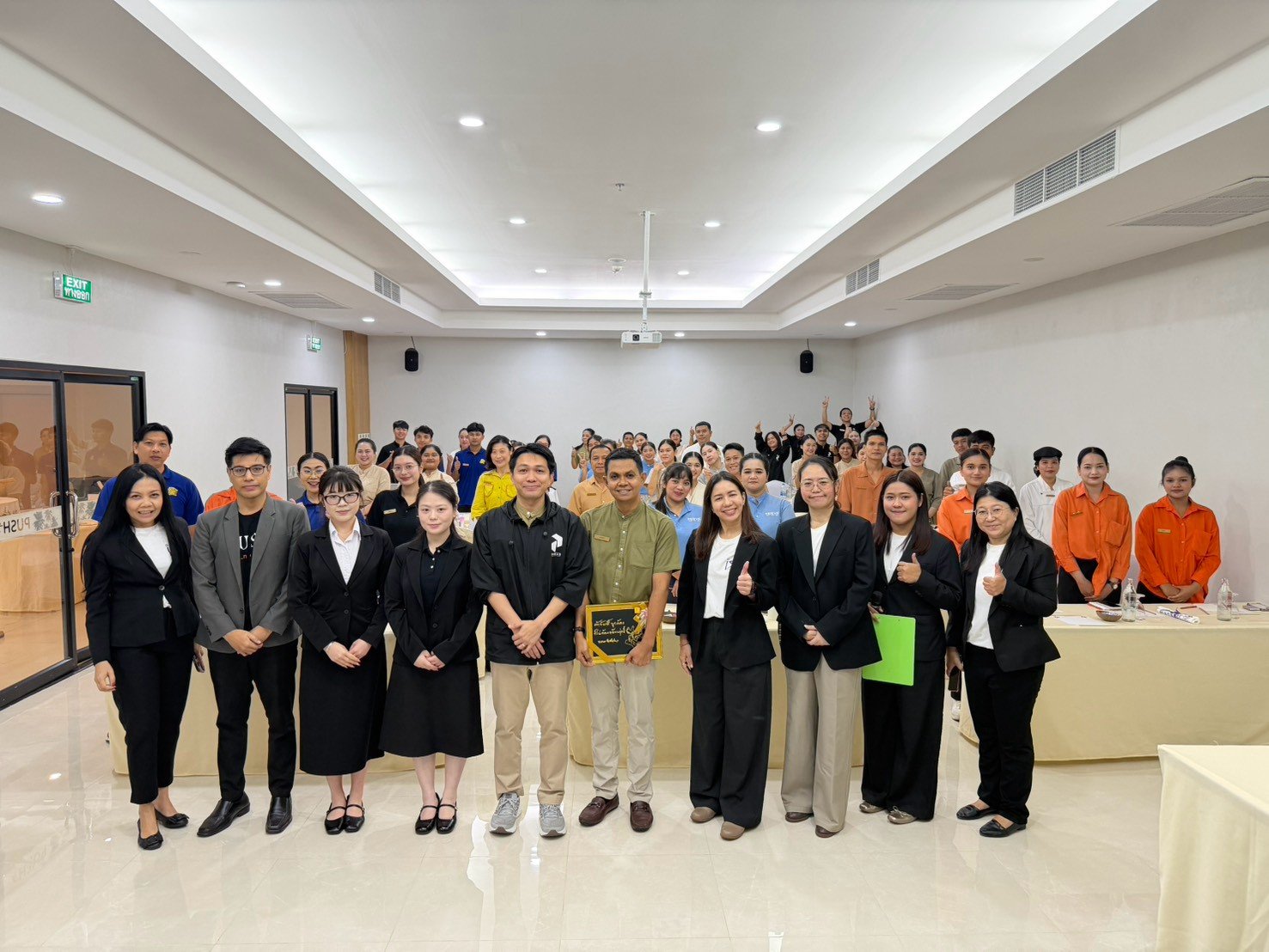
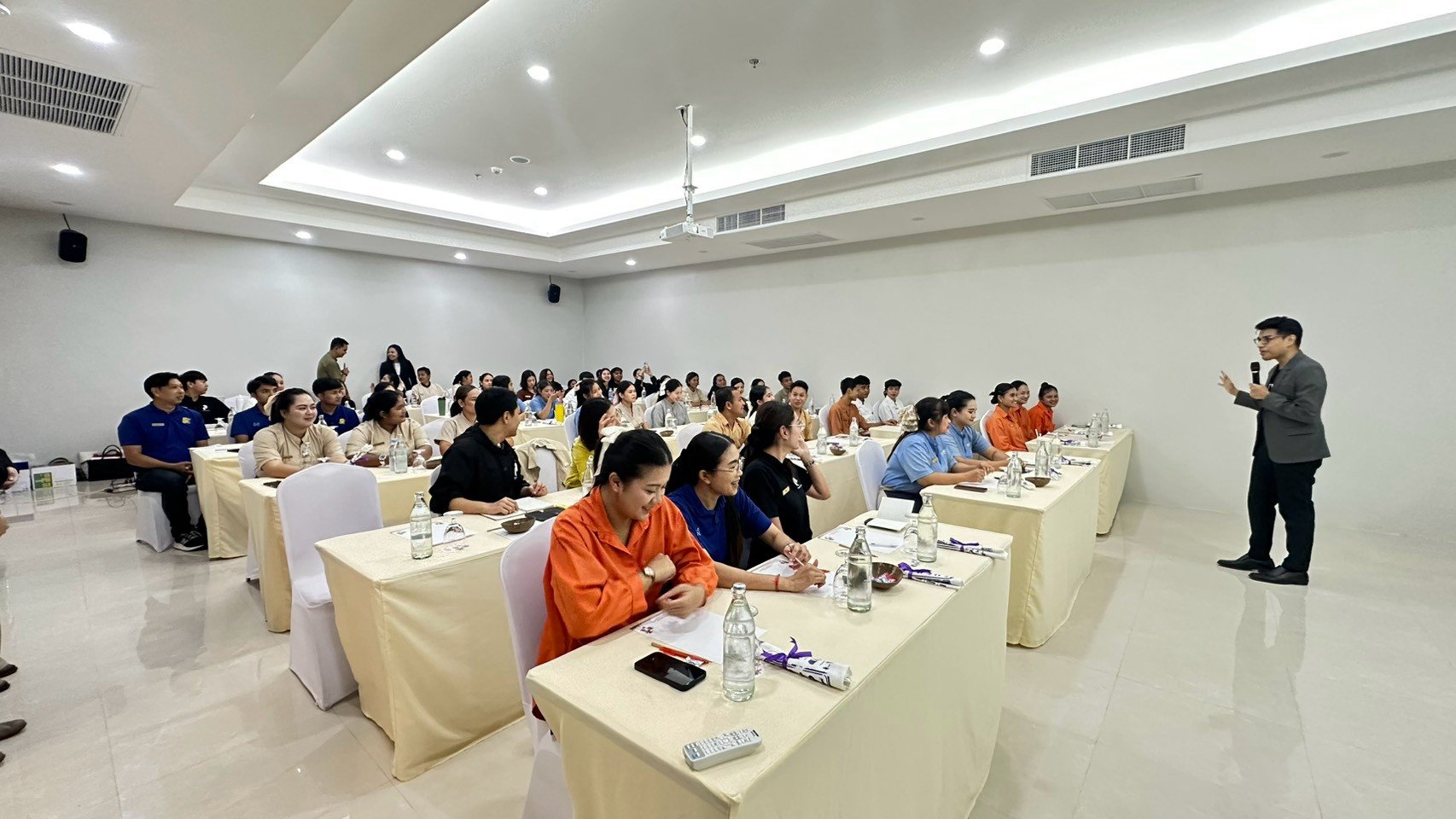
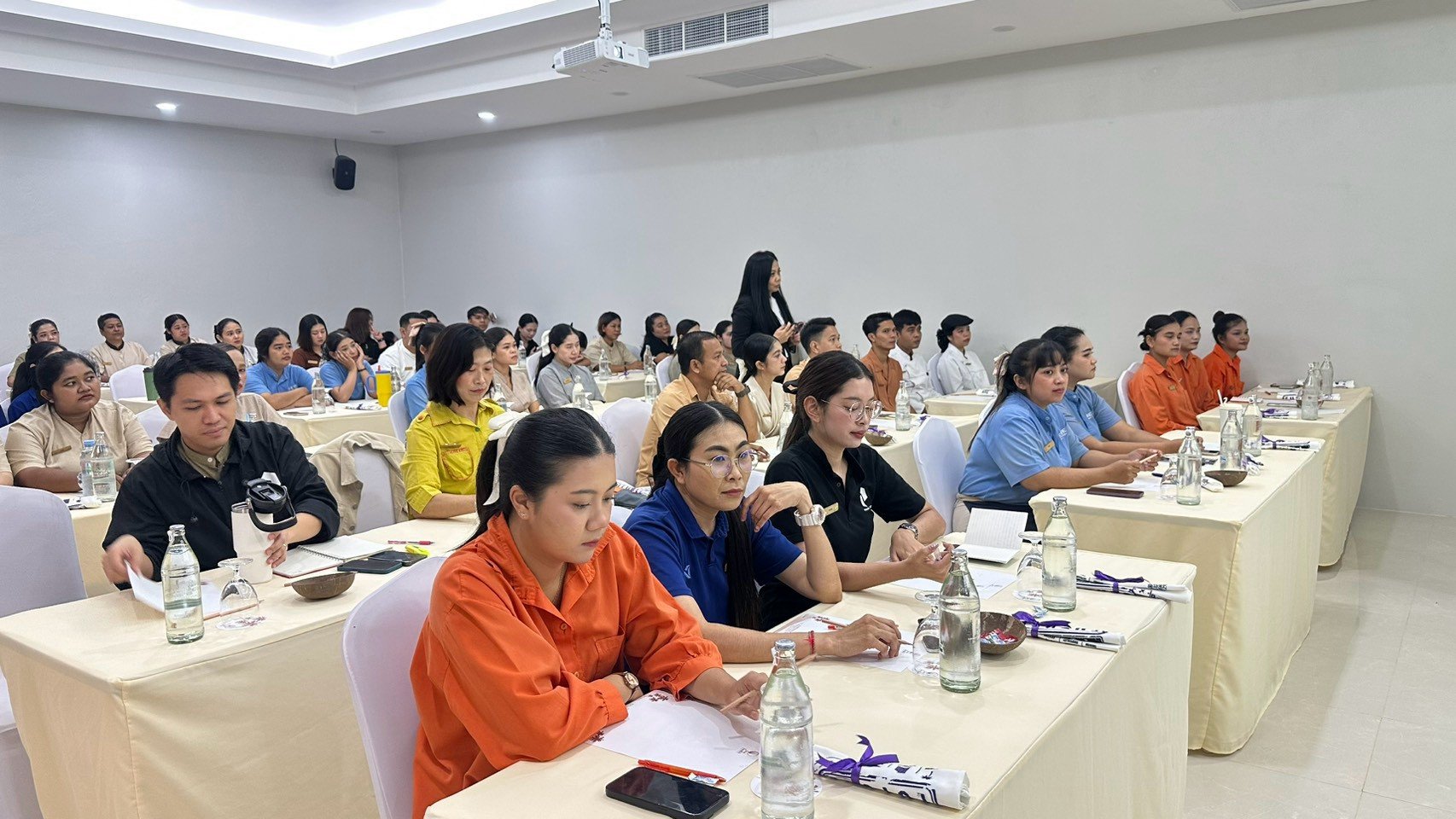
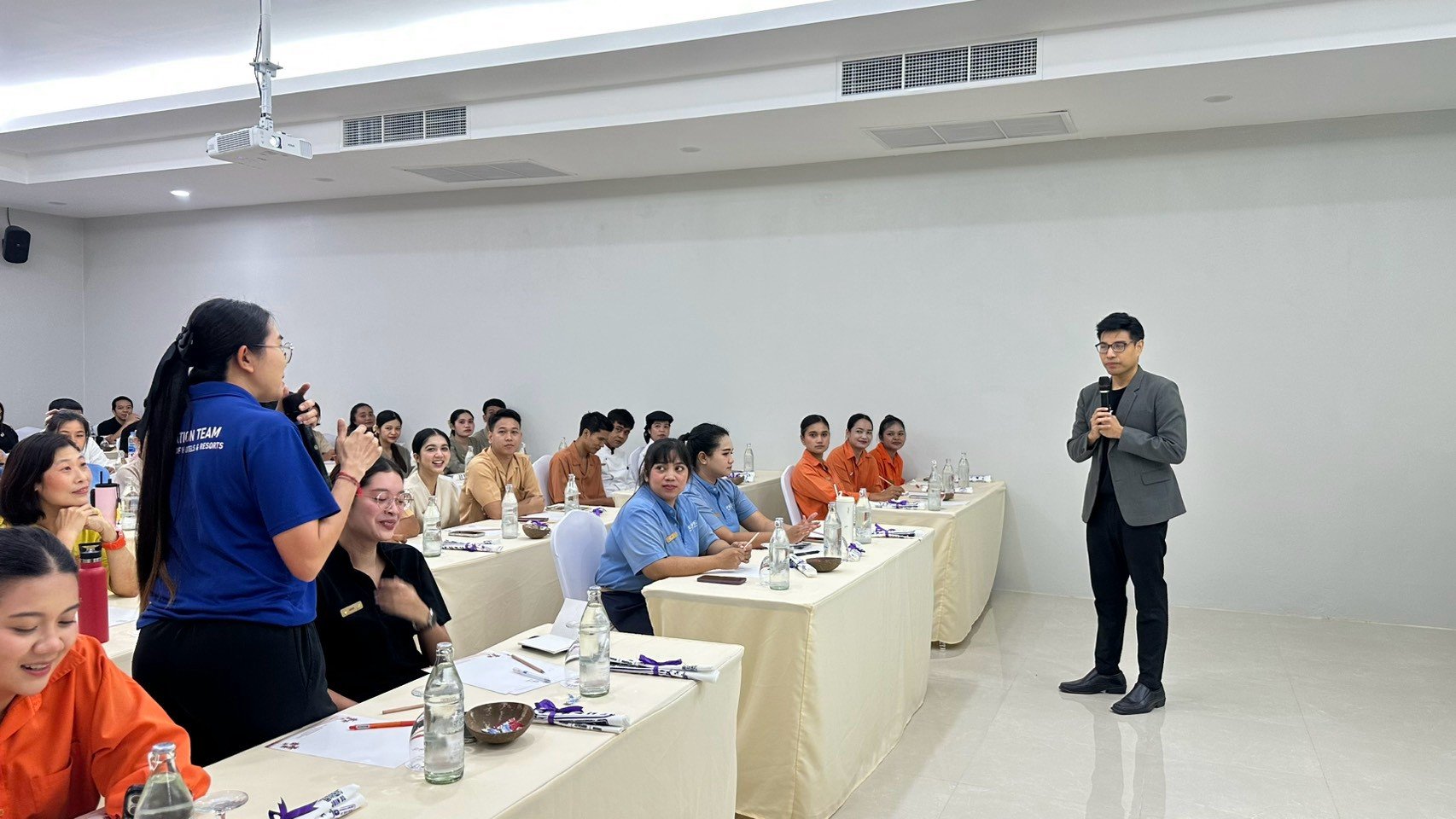
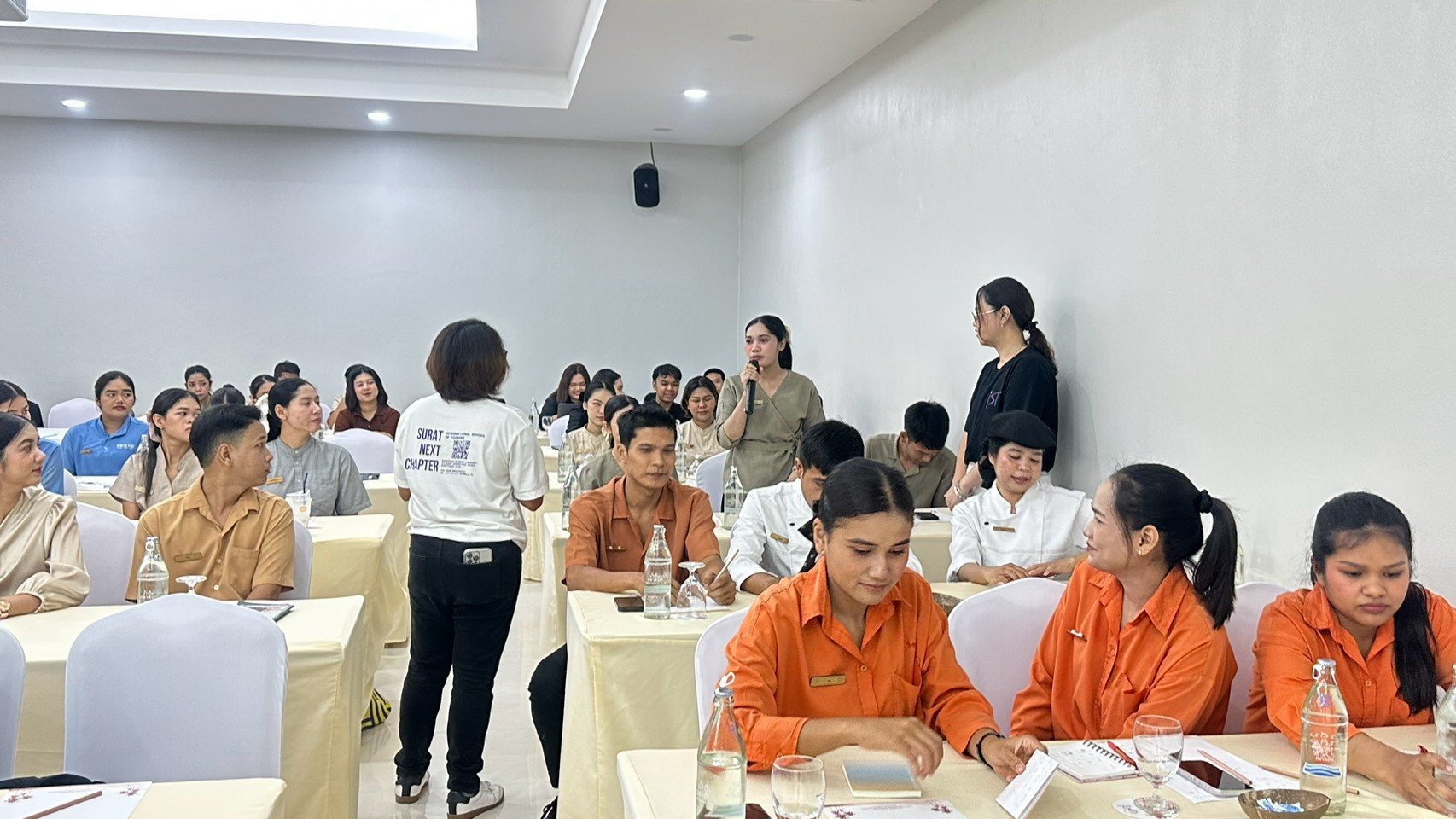
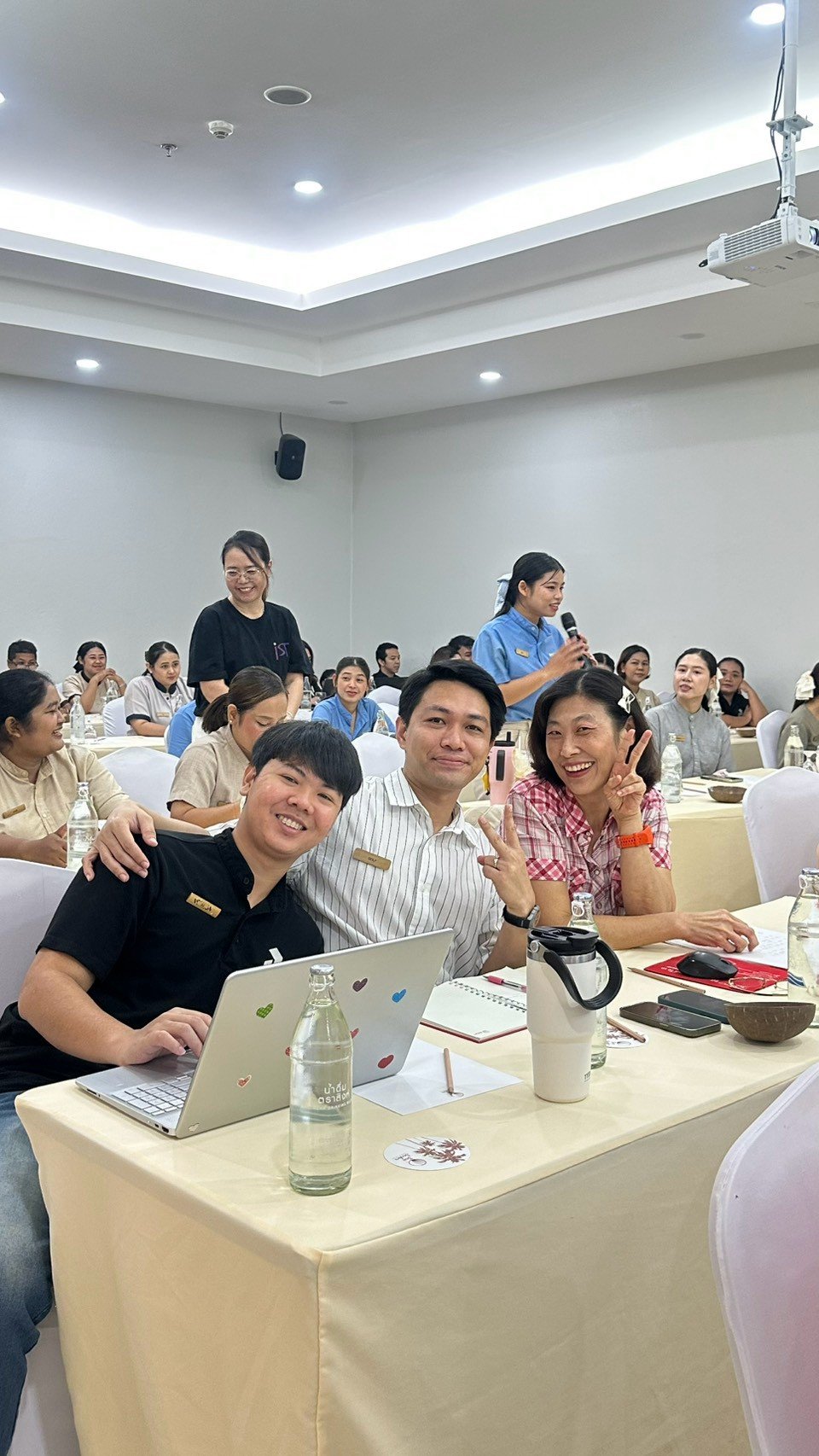
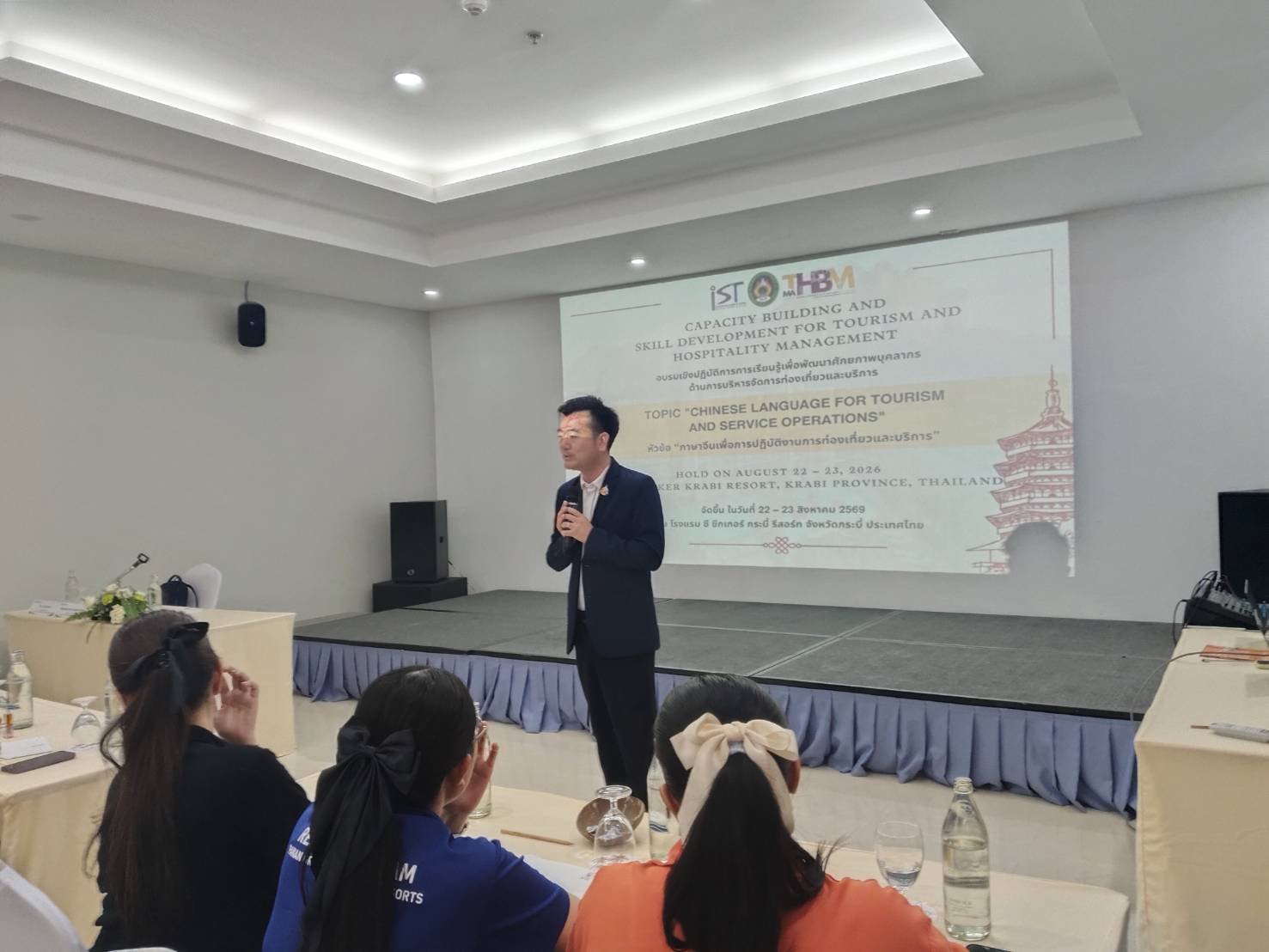
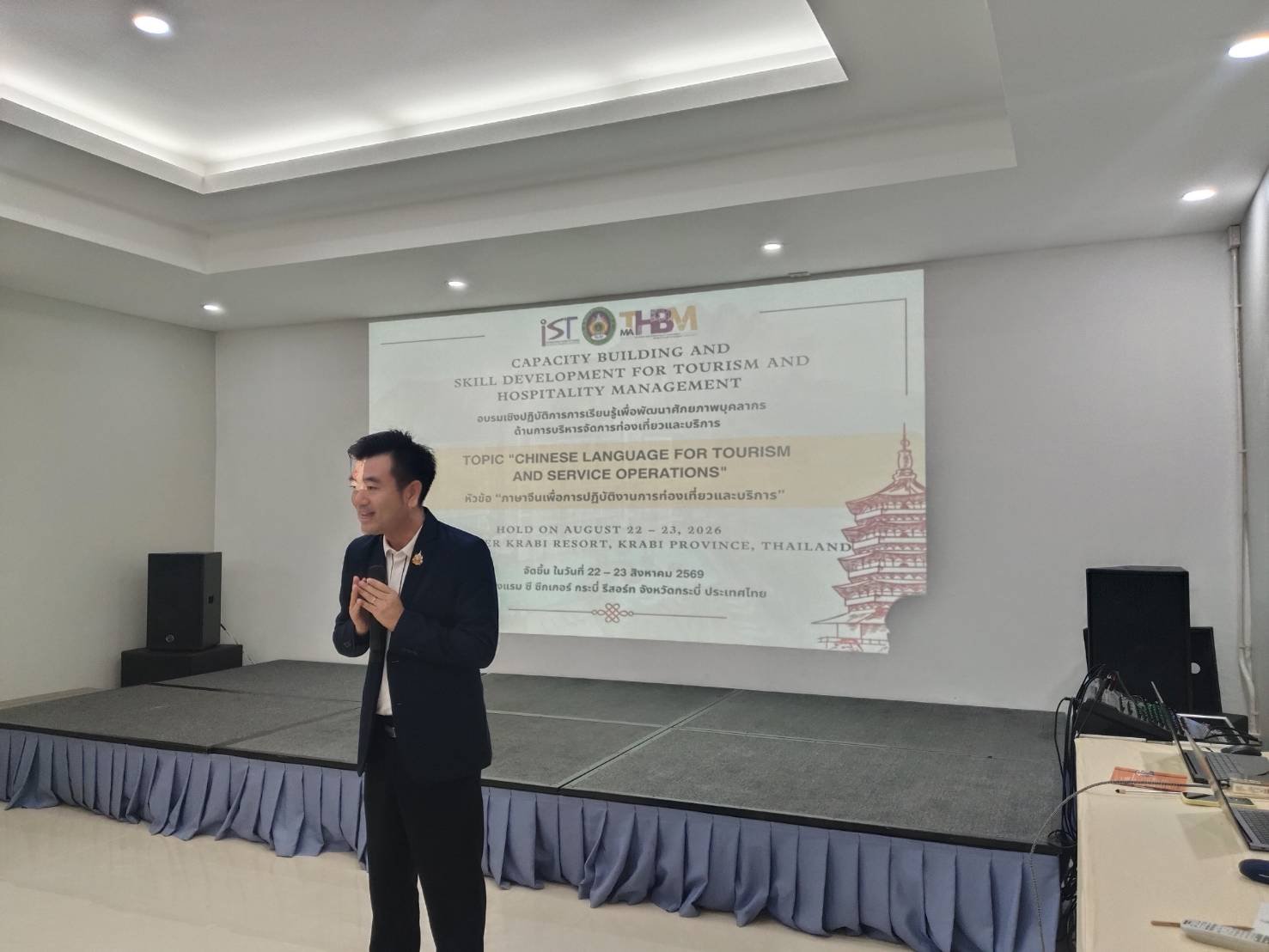
On 22–23 August 2026, the International School of Tourism, Suratthani Rajabhat University, organized the “Professional Development Workshop in Tourism and Hospitality Management” at Sea Seeker Krabi Resort, Krabi Province. The activity formed part of a project aimed at strengthening government and industry networks to support sustainable tourism development.
The initiative responds to rapid changes in the tourism and hospitality industry, including evolving economic and social conditions, technological innovation and changing expectations among international visitors. These developments require tourism and hospitality professionals to continuously strengthen their language, service and digital competencies.
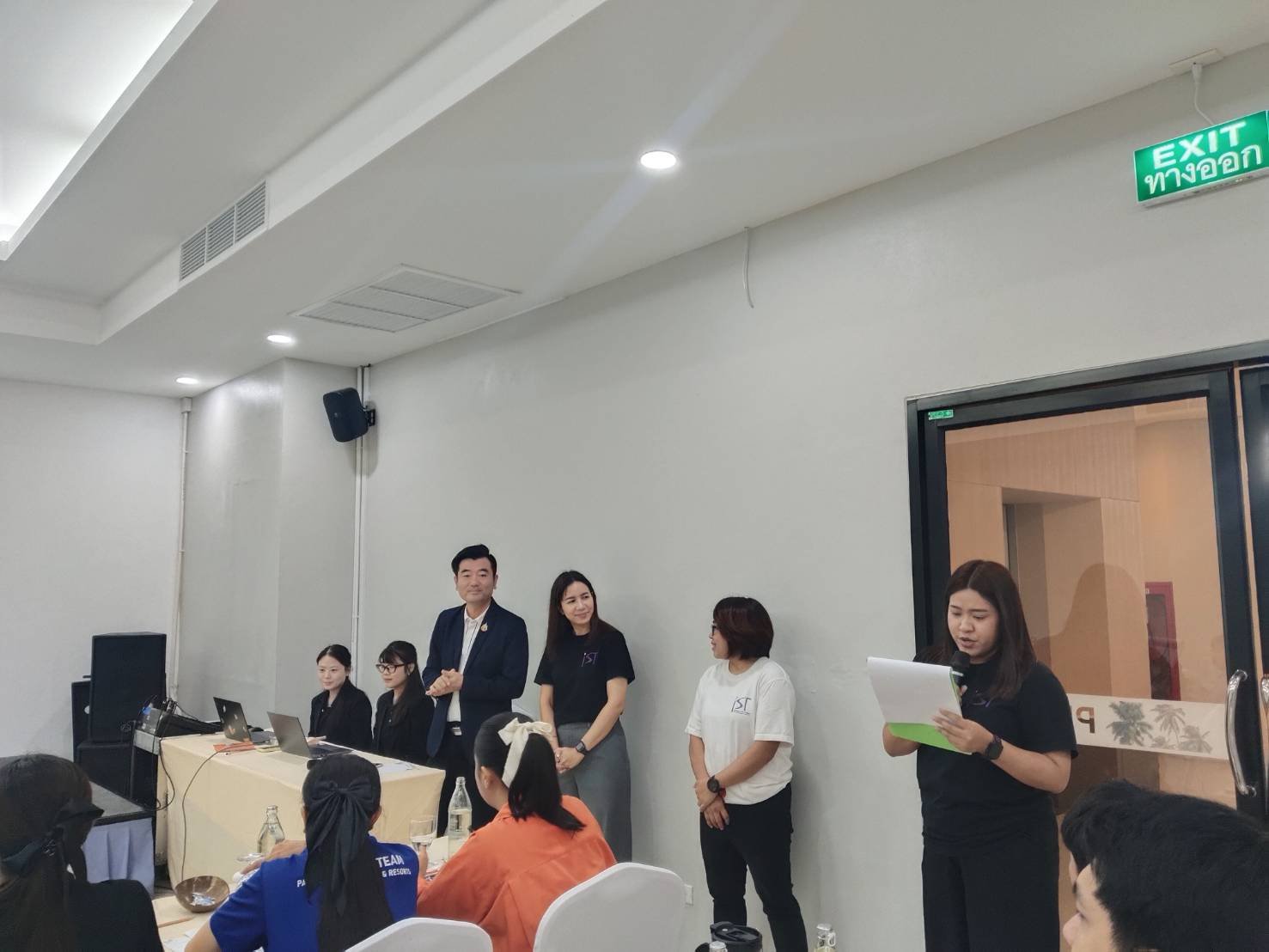
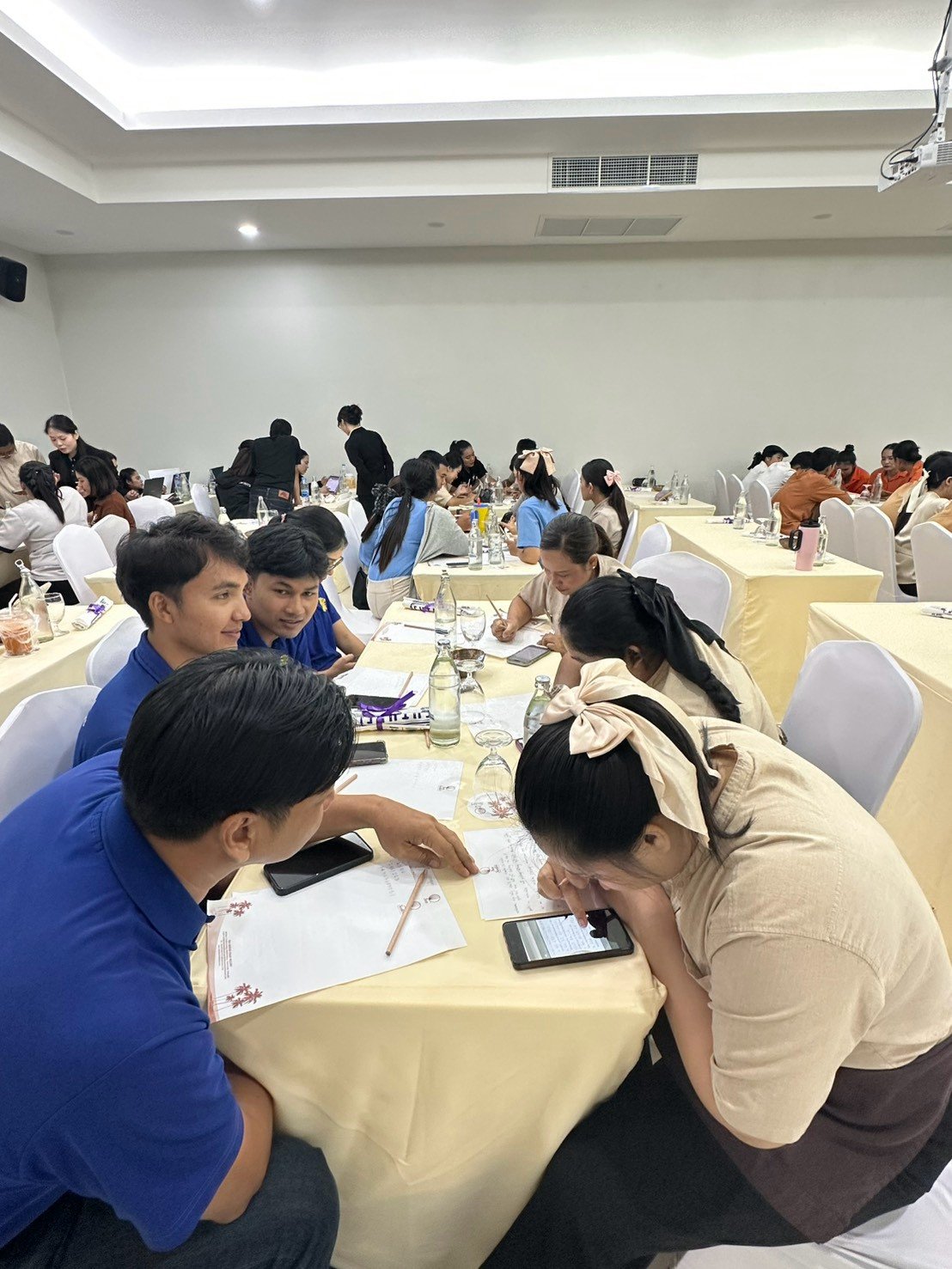
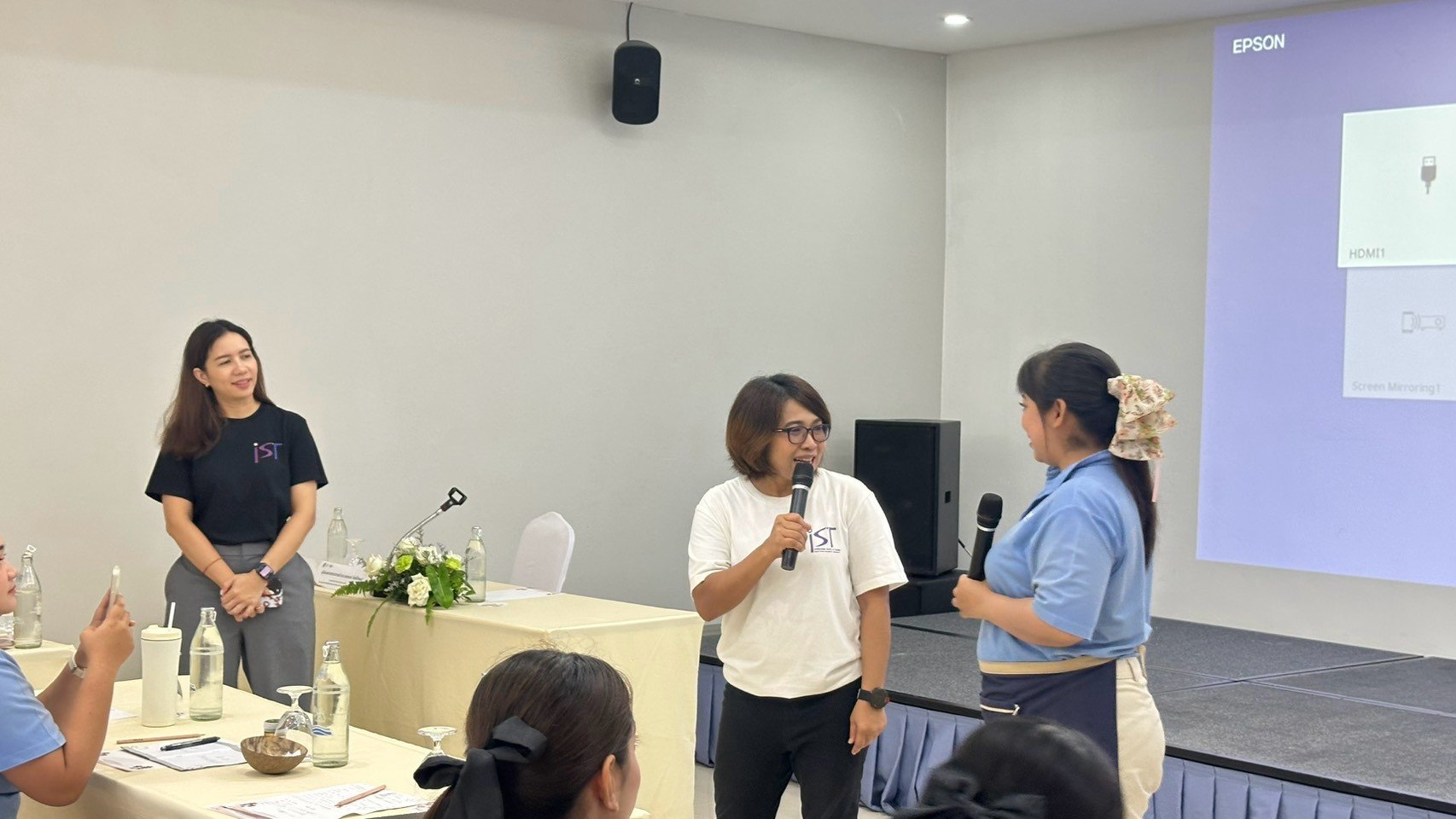
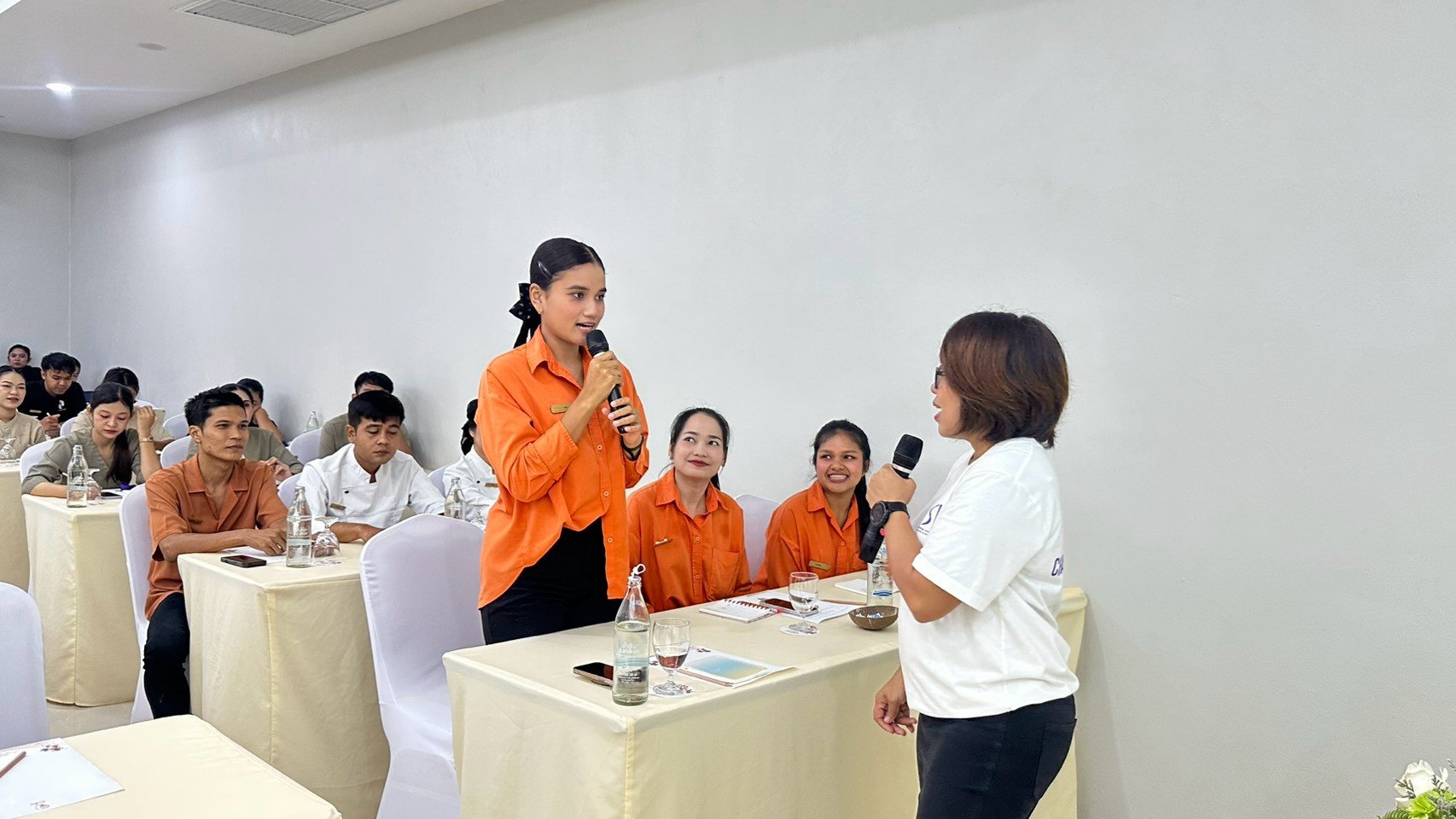
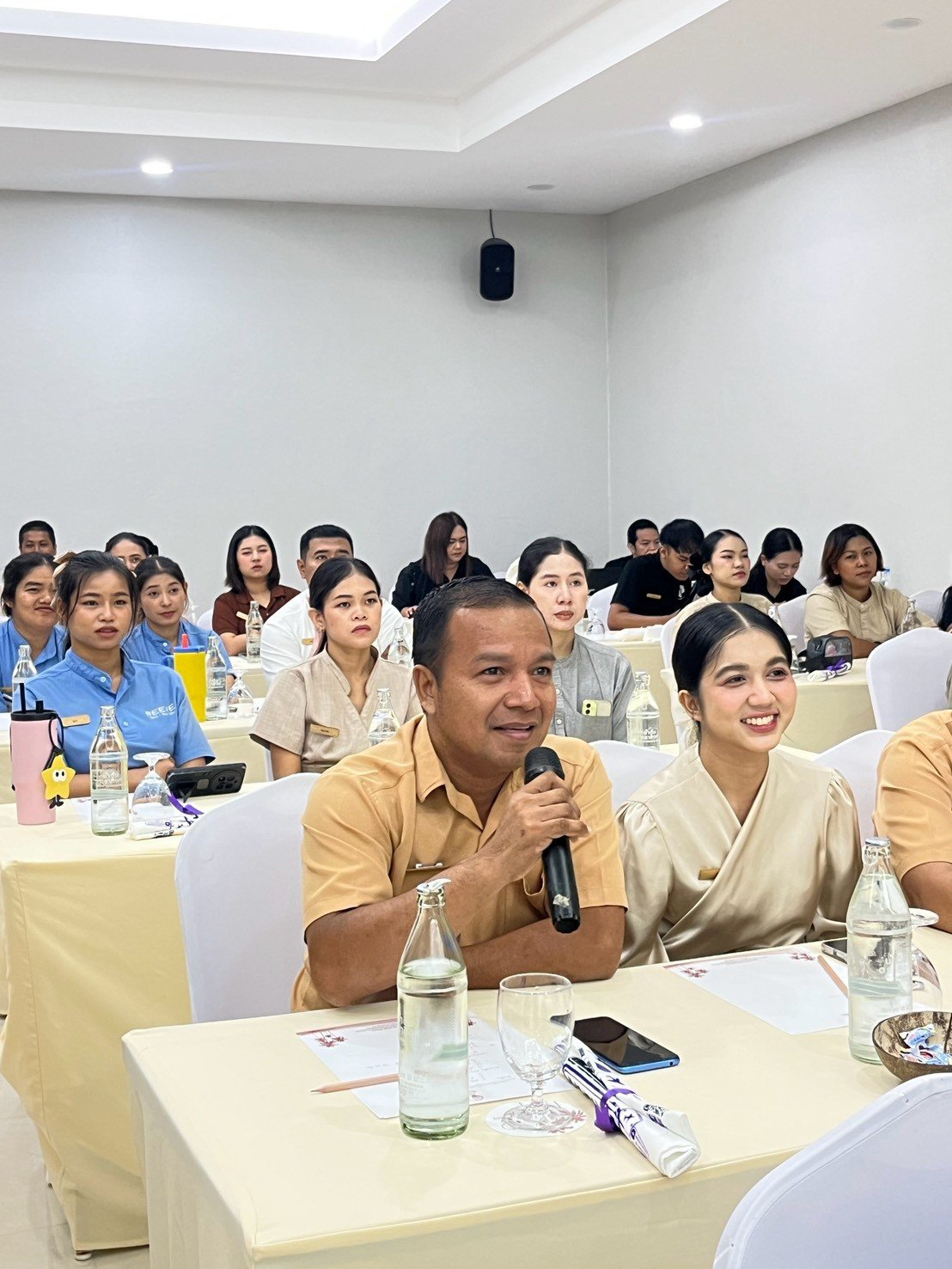
The programme was officially opened by Dr. Jirati Pooneiad, Dean of the International School of Tourism. The training was designed around practical hospitality operations and divided participants into three functional areas: Front Office, Housekeeping, and Food & Beverage.
Four Key Areas of Professional Development
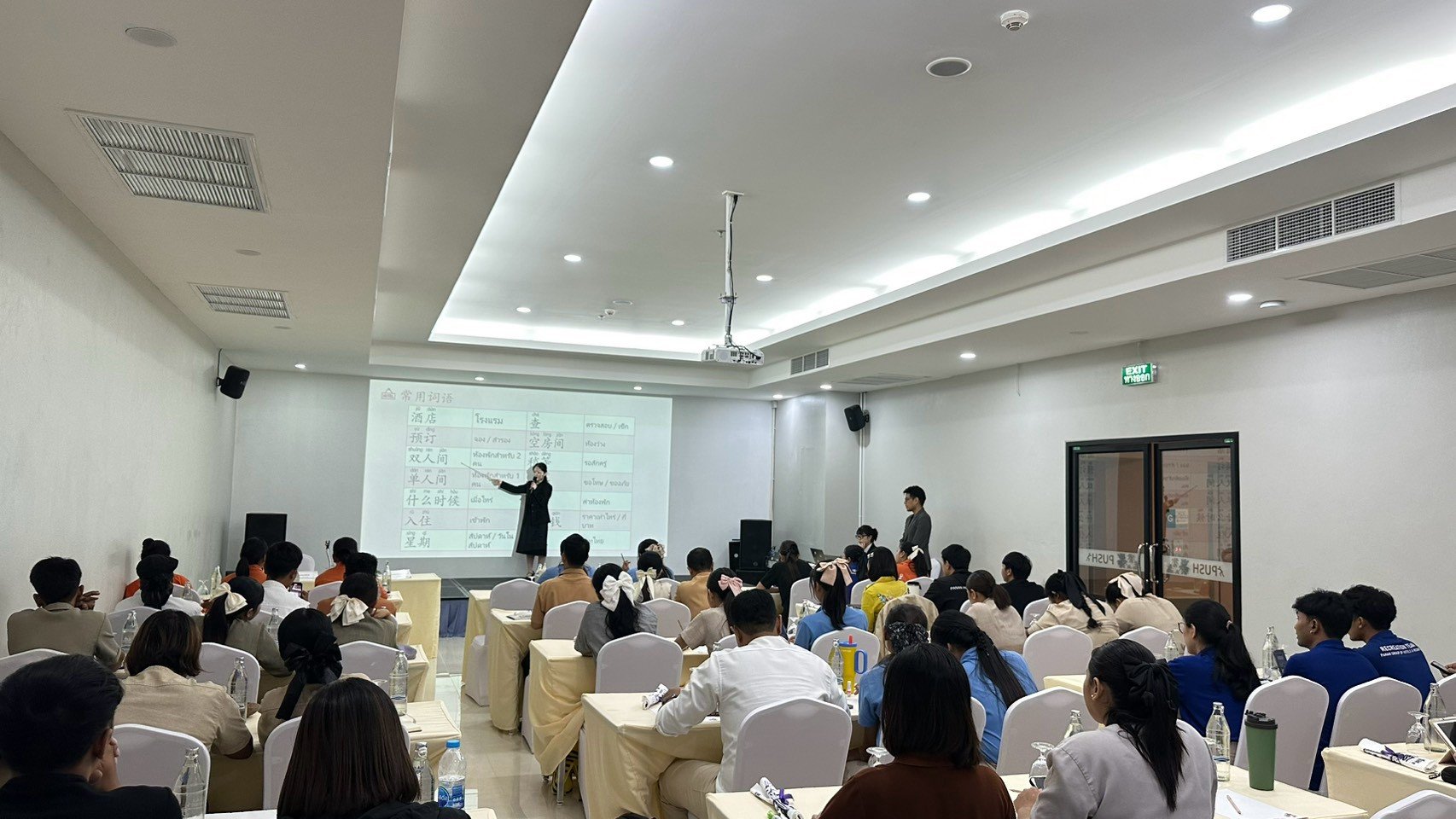
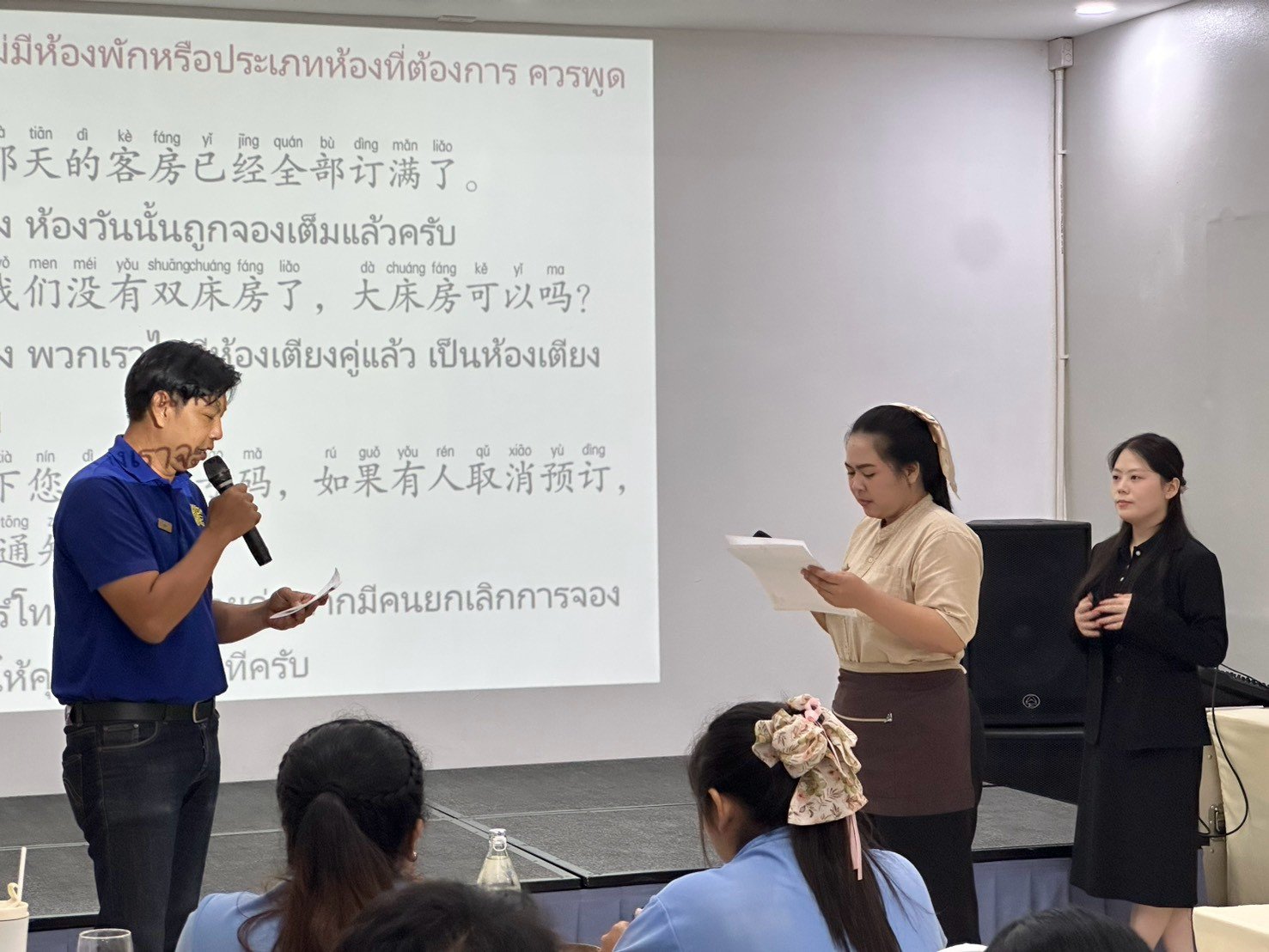
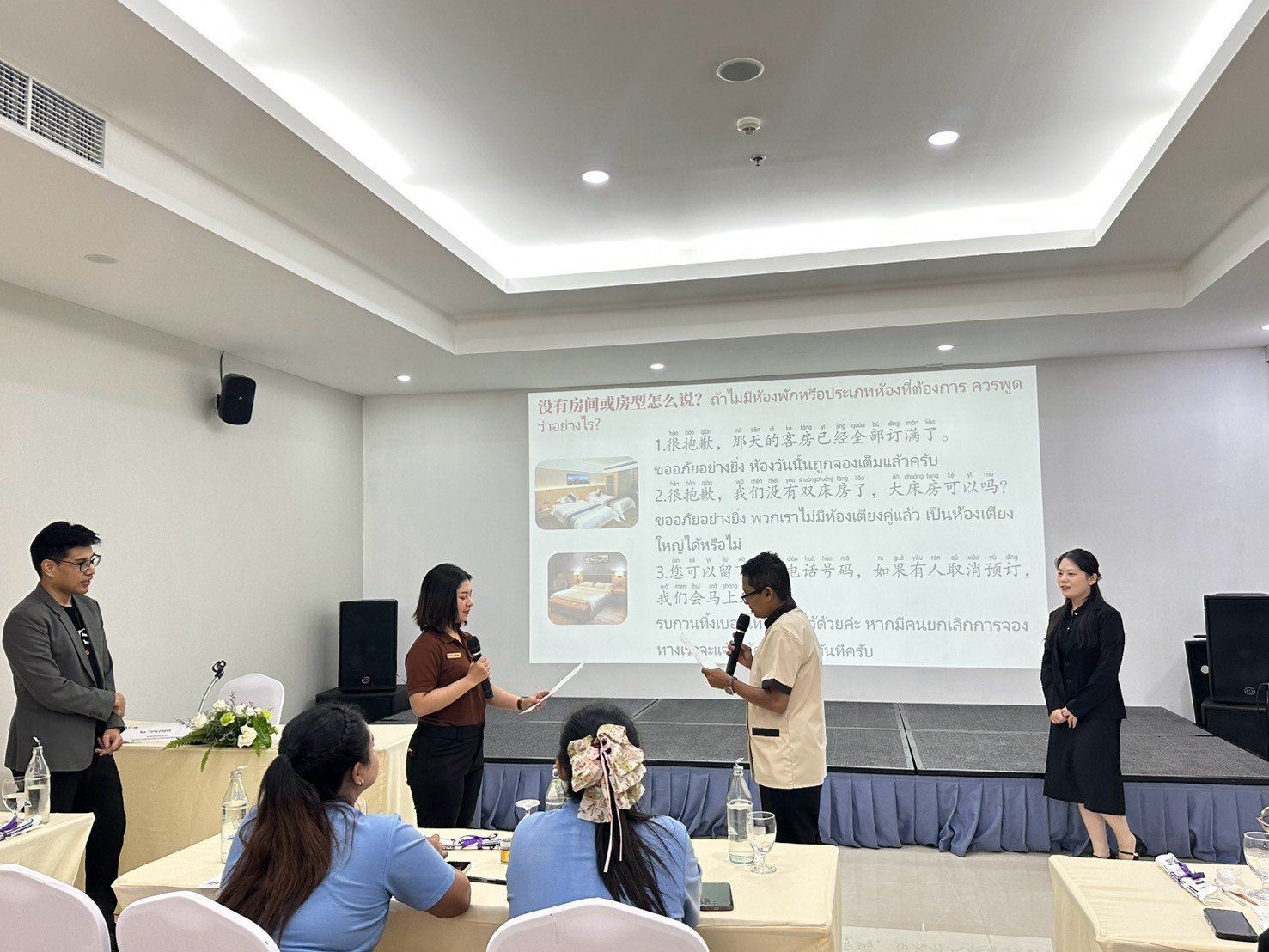
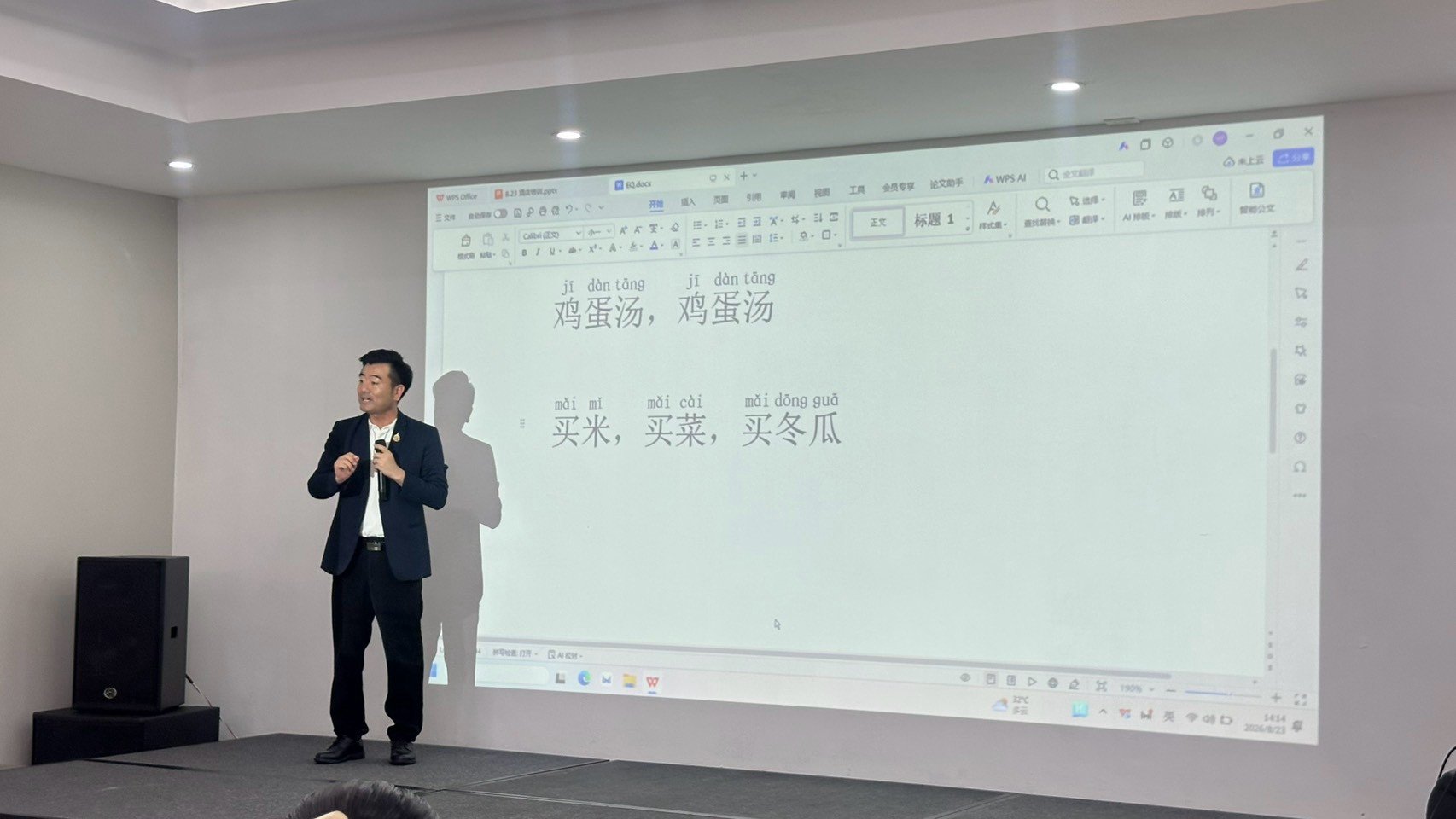
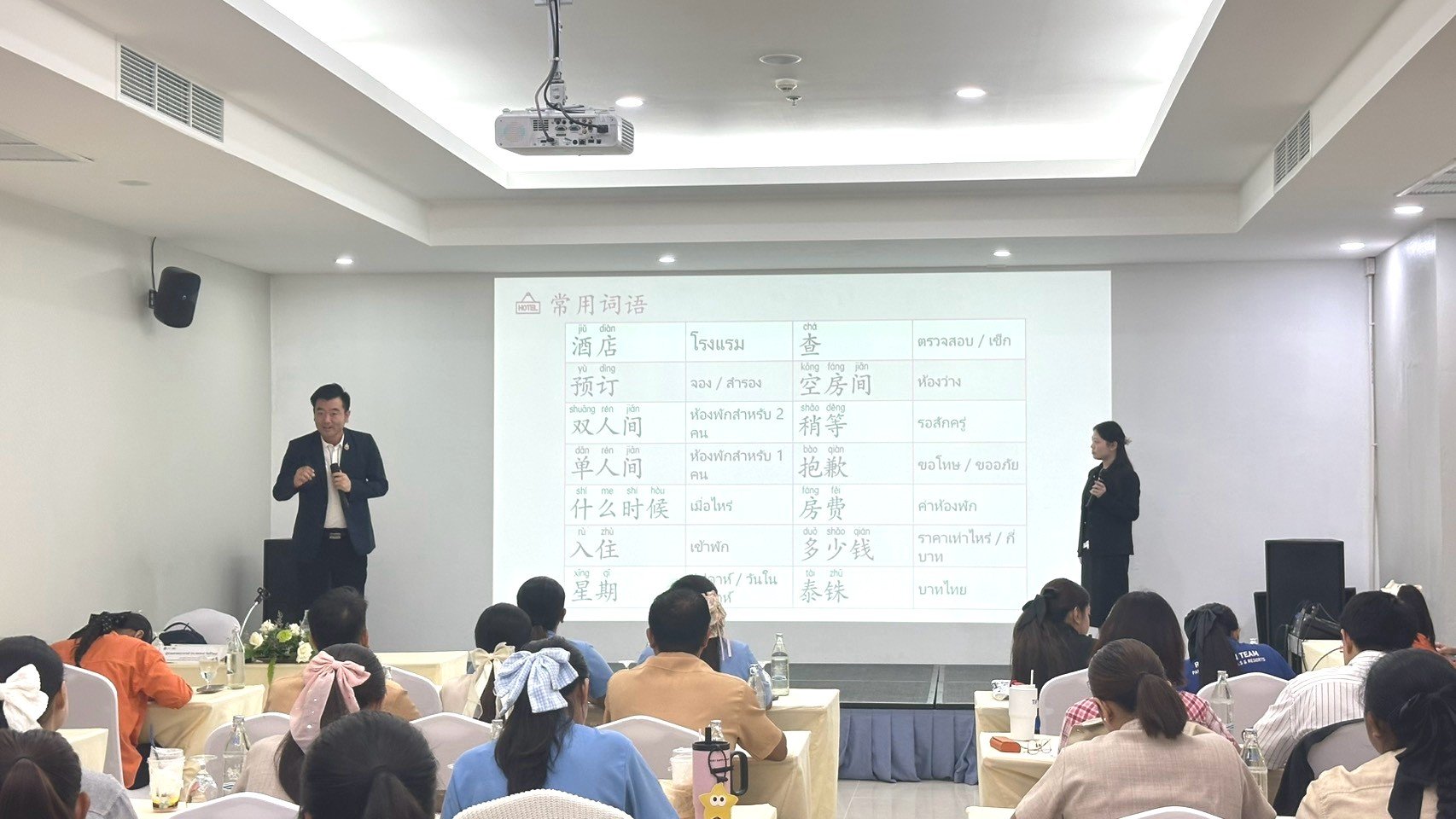
Practical Chinese vocabulary, expressions and communication skills for real-world hospitality situations.
Developing cross-cultural understanding and communication skills to enhance guest experiences and service quality.
Developing communication and problem-solving skills for responding to customer complaints in different service situations.
Exploring how AI and digital technologies can support Chinese communication and improve efficiency in hospitality services.
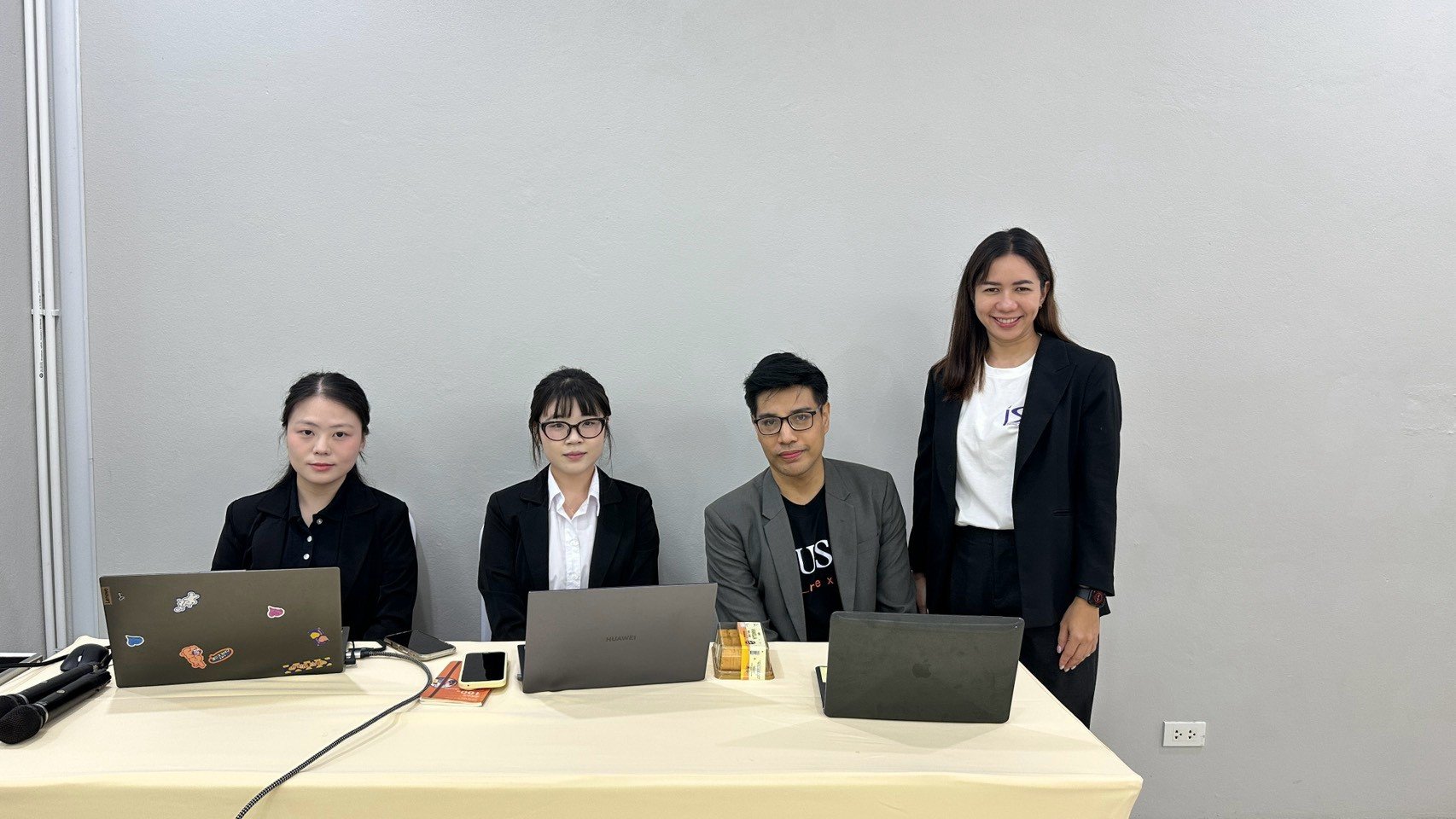
The training was delivered by academic and language specialists, including Assistant Professor Dr. Chayachon Phothip, Chinese language lecturer from the Faculty of Humanities and Social Sciences; Ms. Liu Yurong and Ms. Tang Jiayue, Chinese volunteer teachers at the International School of Tourism; and Dr. Wirun Phichaiwongphakdee, Chinese language lecturer at the International School of Tourism.
Beyond workforce development, the activity provided an important platform for exchanging industry insights, operational challenges and workforce needs. The information gained from industry stakeholders can be incorporated into the development of the Master of Arts Program in Tourism and Hospitality Business Management, helping ensure that its curriculum, course content and learning processes remain relevant to learners, employers and the regional labour market.
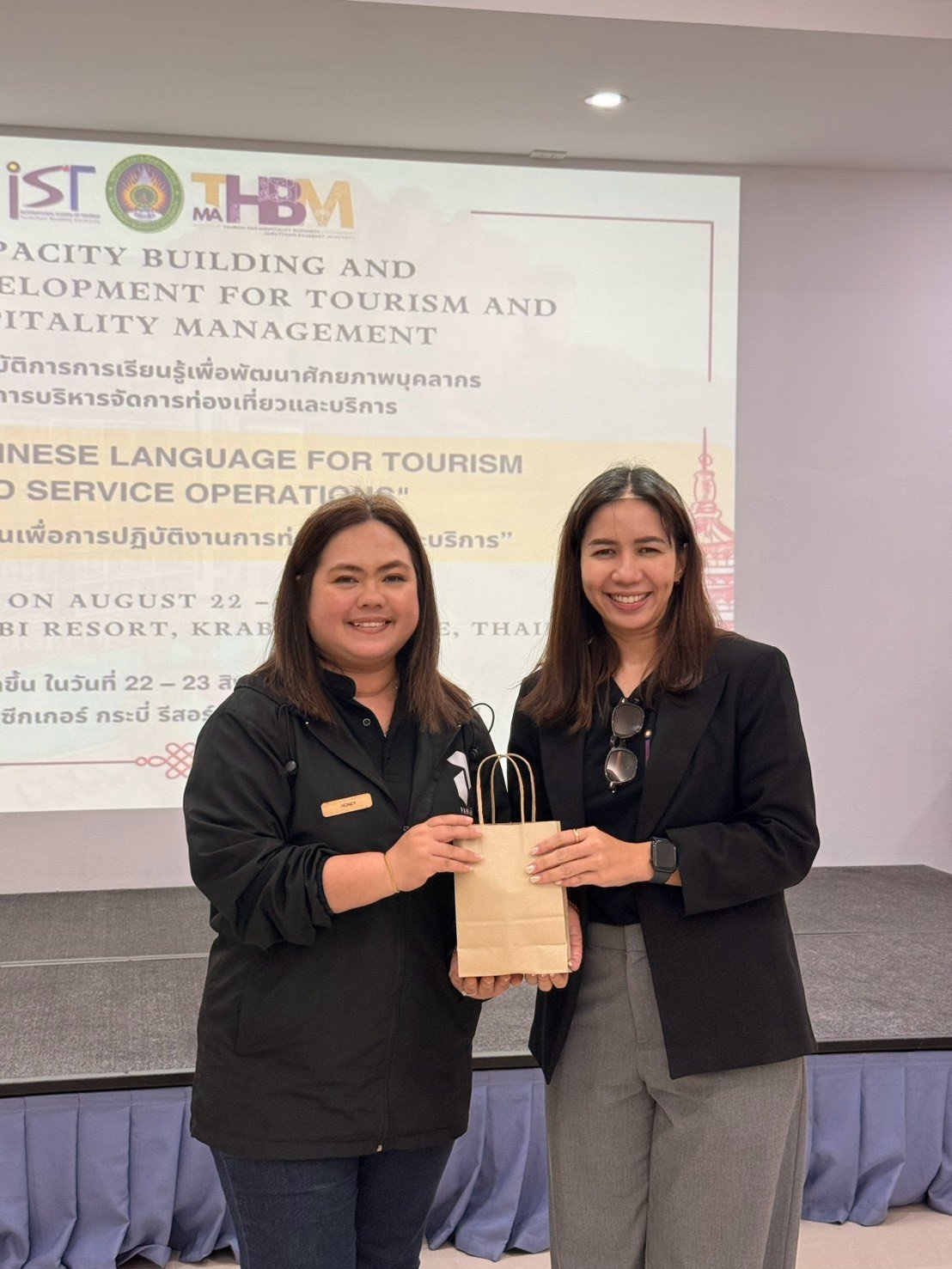
The project also strengthens collaboration among the International School of Tourism, government agencies, tourism and hospitality enterprises and related sectors. Such partnerships help connect academic knowledge with real industry practices, support workforce development and strengthen the industry's capacity to respond to future changes while contributing to sustainable tourism development.
SDG Report & Relevant Goals
This initiative contributes to the Sustainable Development Goals (SDGs) through the following areas:
| SDG Goal | Target Description | Connection to Project |
|---|---|---|
|
Goal 4: Quality Education Target 4.4 |
The programme strengthens relevant professional skills, including Chinese communication, service, problem-solving and the use of digital technologies. Industry feedback is also used to support curriculum development and enhance the relevance of education to actual workplace requirements. |
|
Goal 8: Decent Work and Economic Growth Target 8.9 |
The project develops workforce competencies required by the tourism and hospitality industry, improves service capabilities and supports sustainable tourism, which contributes to employment opportunities and local economic development. |
|
Goal 17: Partnerships for the Goals Target 17.17 |
The initiative promotes collaboration among the university, government agencies, tourism and hospitality enterprises and related stakeholders to exchange expertise, industry requirements and practical challenges for curriculum and workforce development. |