IST Aviation Business Students Strengthen Thai and International Etiquette through Real-World Professional Service Training
From classroom theory and practical exercises to real-world service experiences, first-year Aviation Business students strengthen their etiquette, service mindset, and professional competencies for future careers in the aviation and service industries.
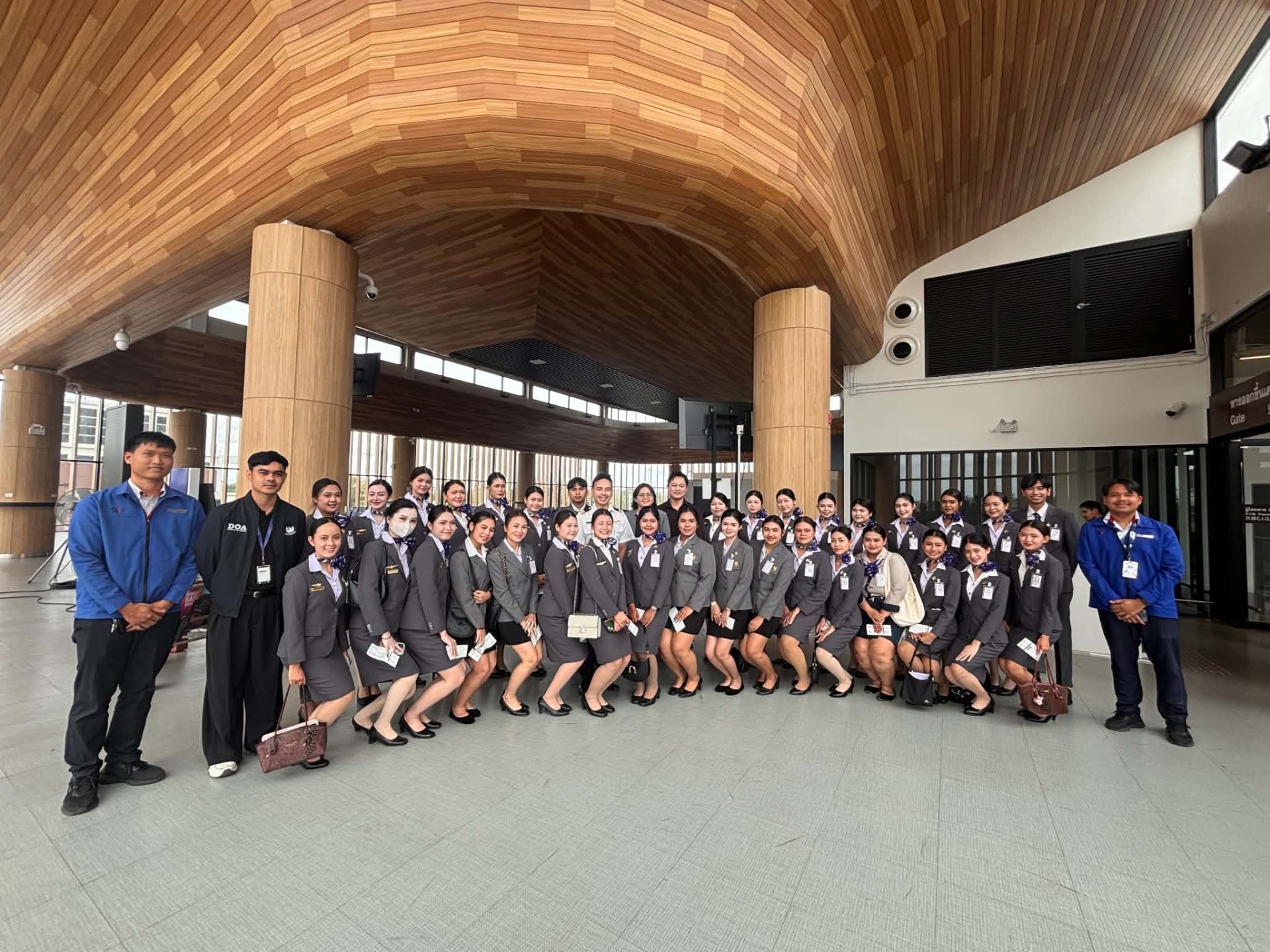
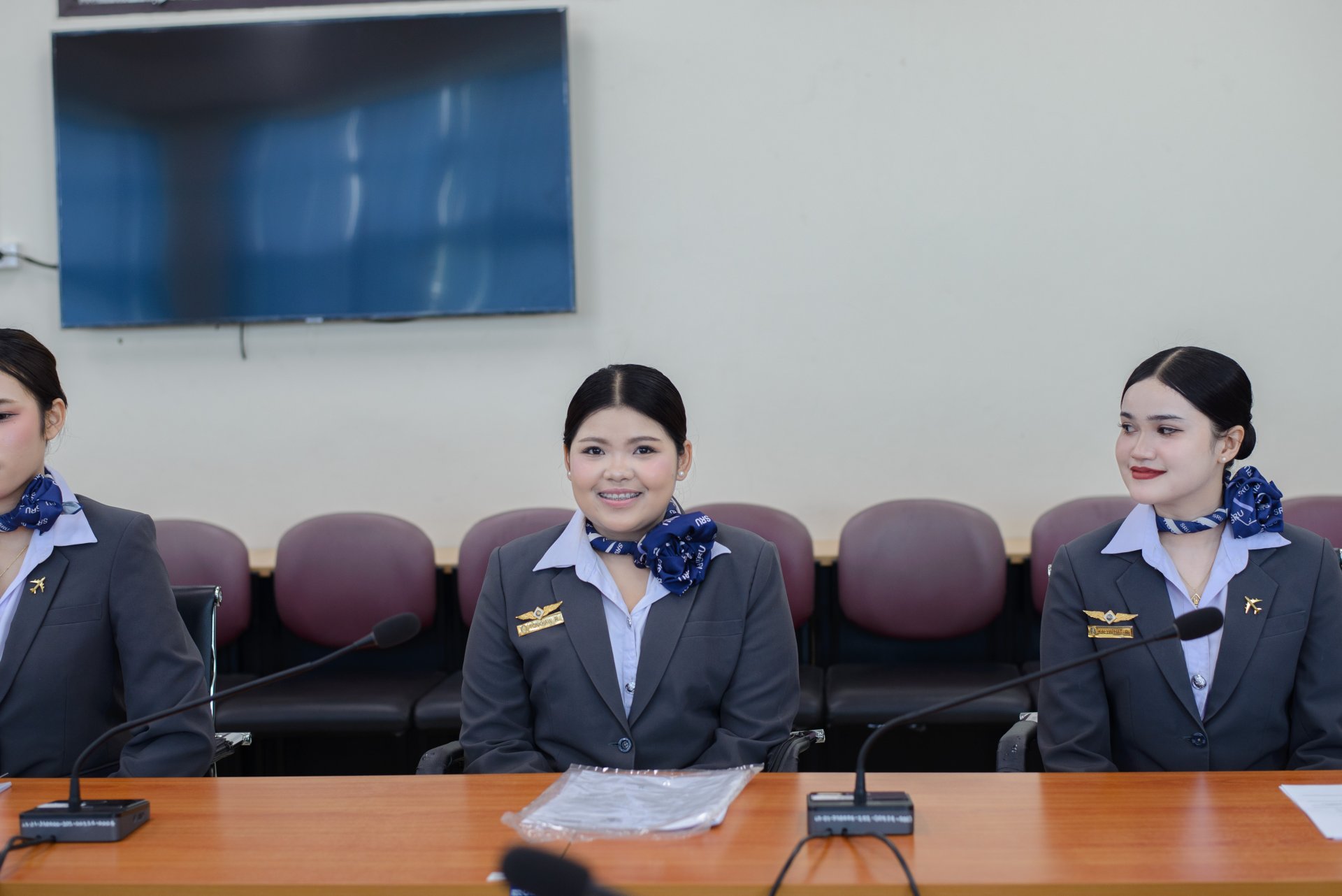
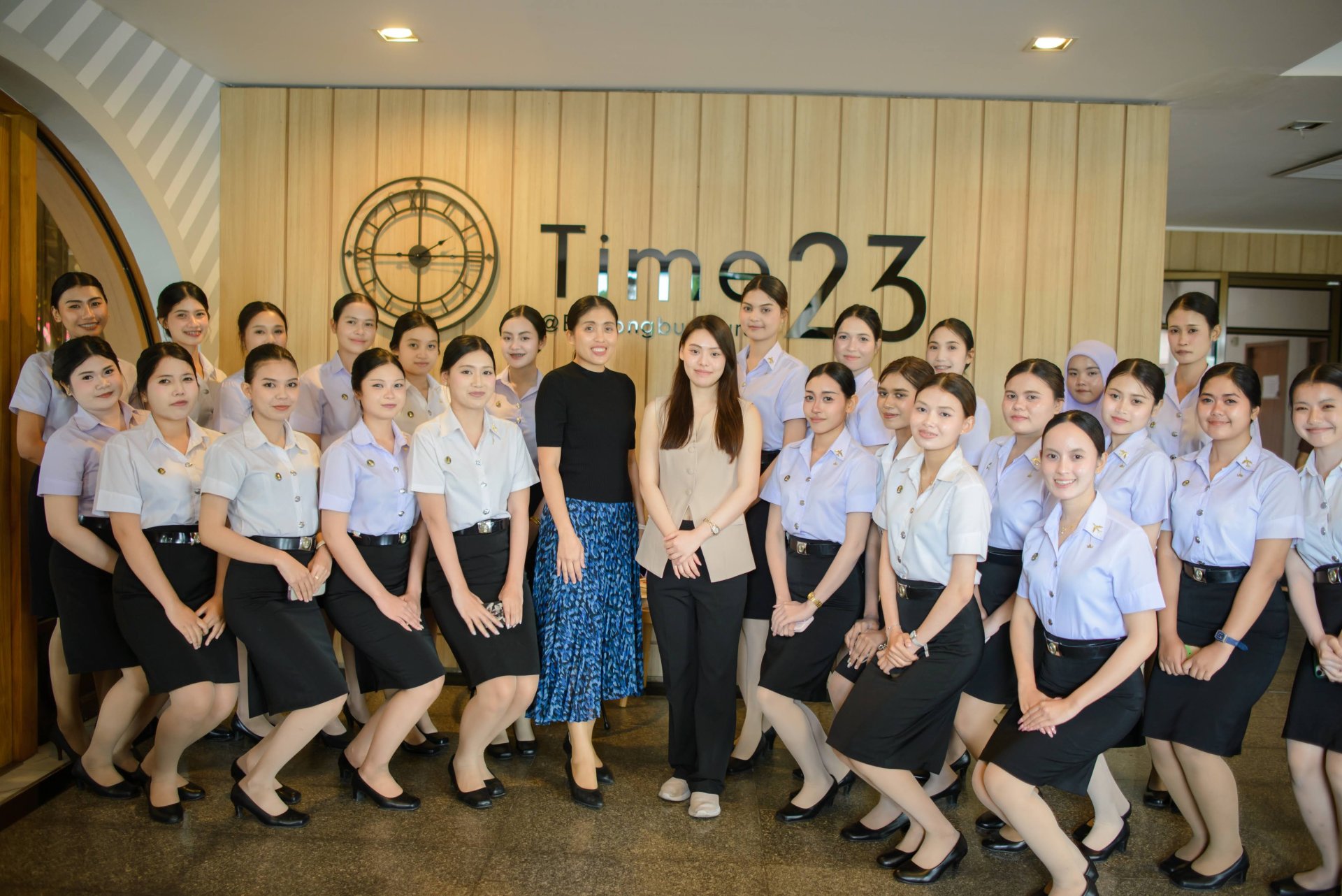
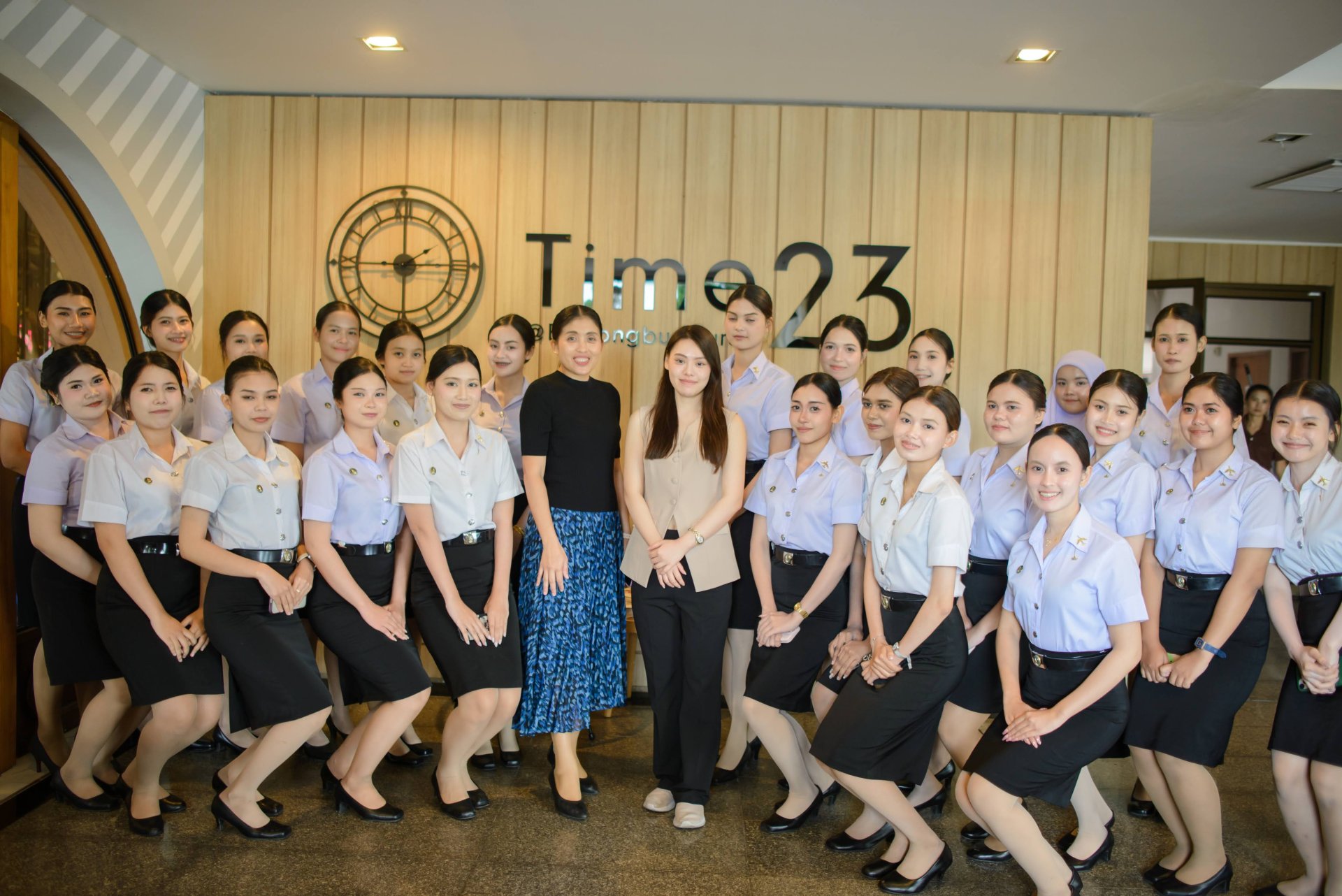
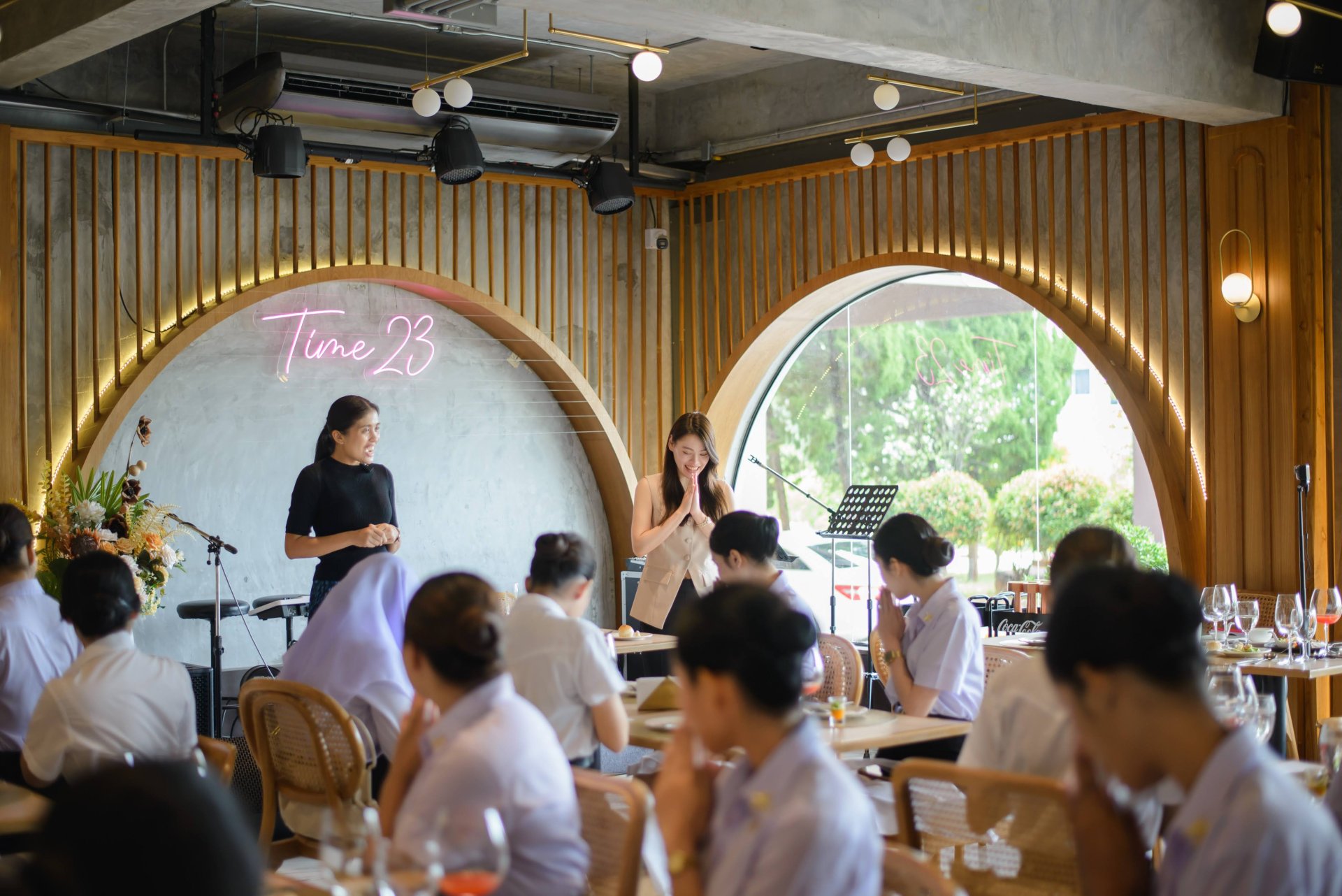
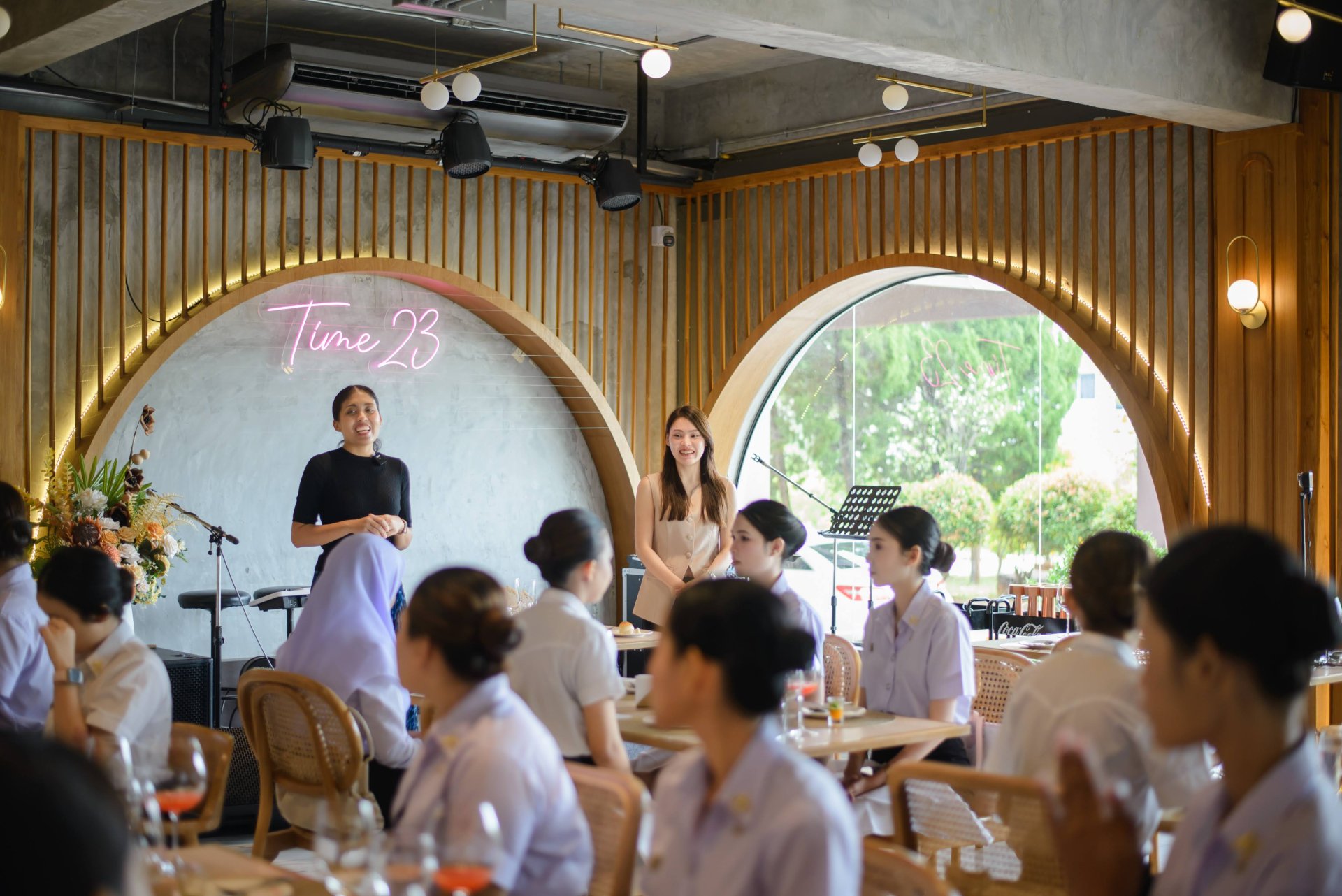
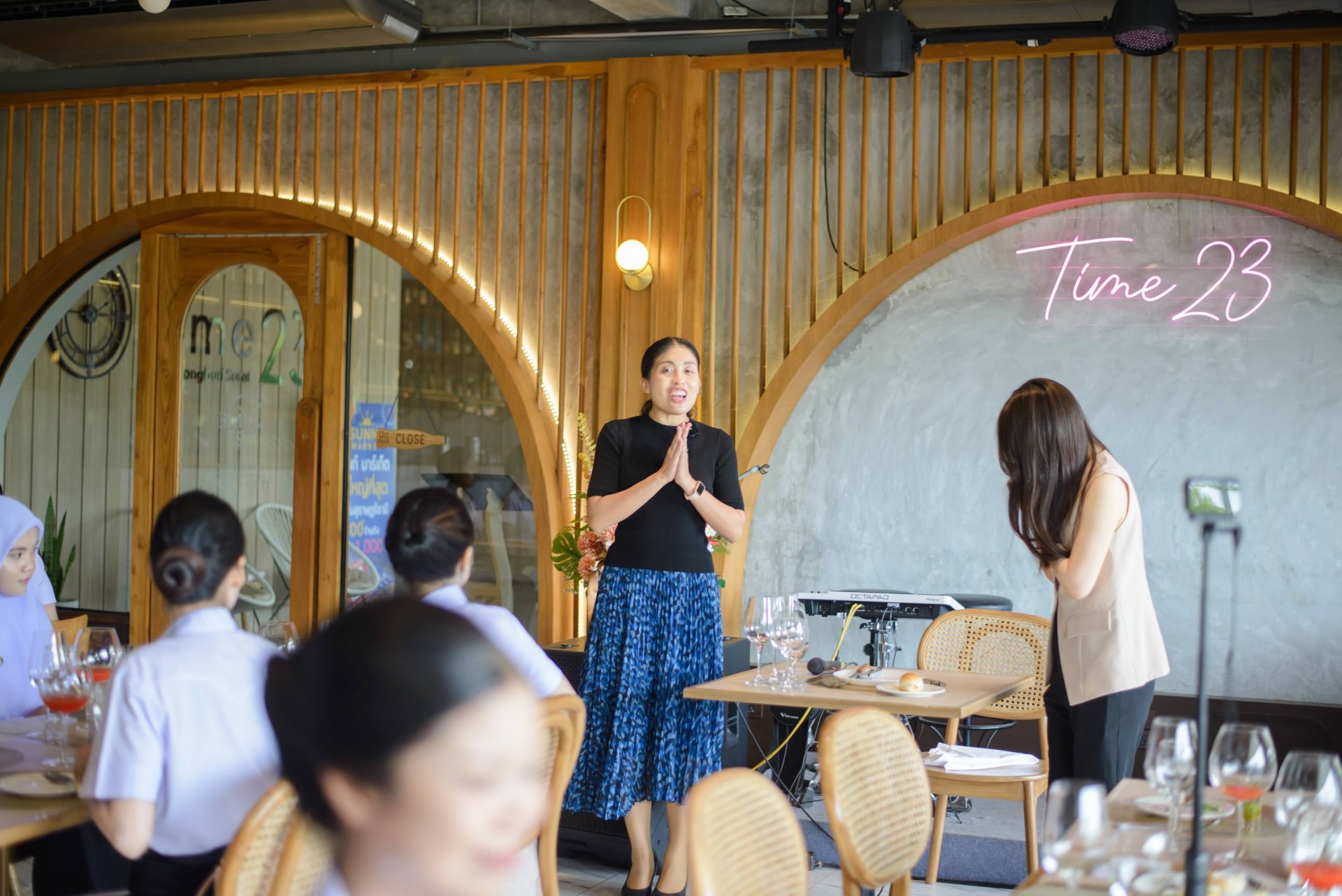
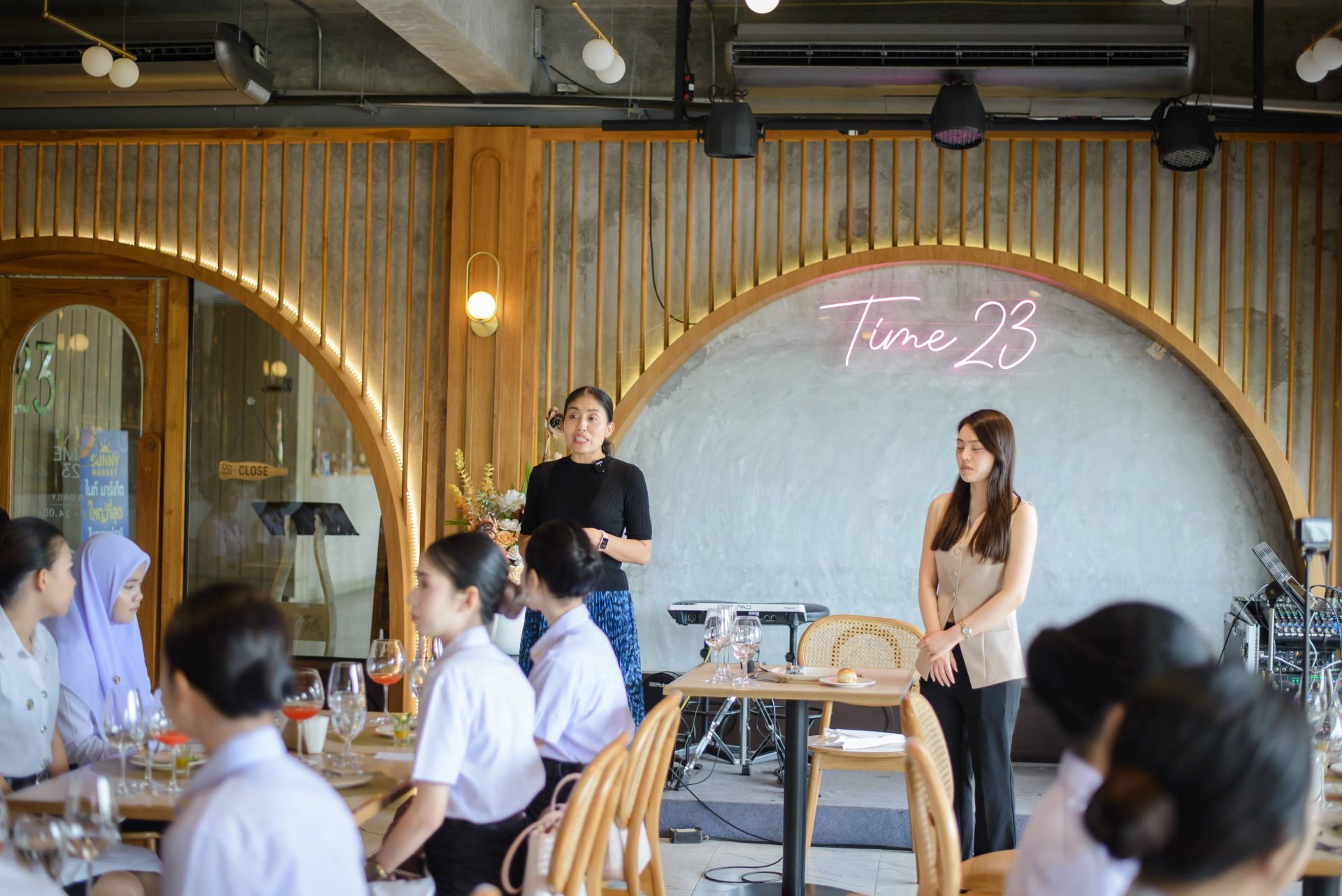
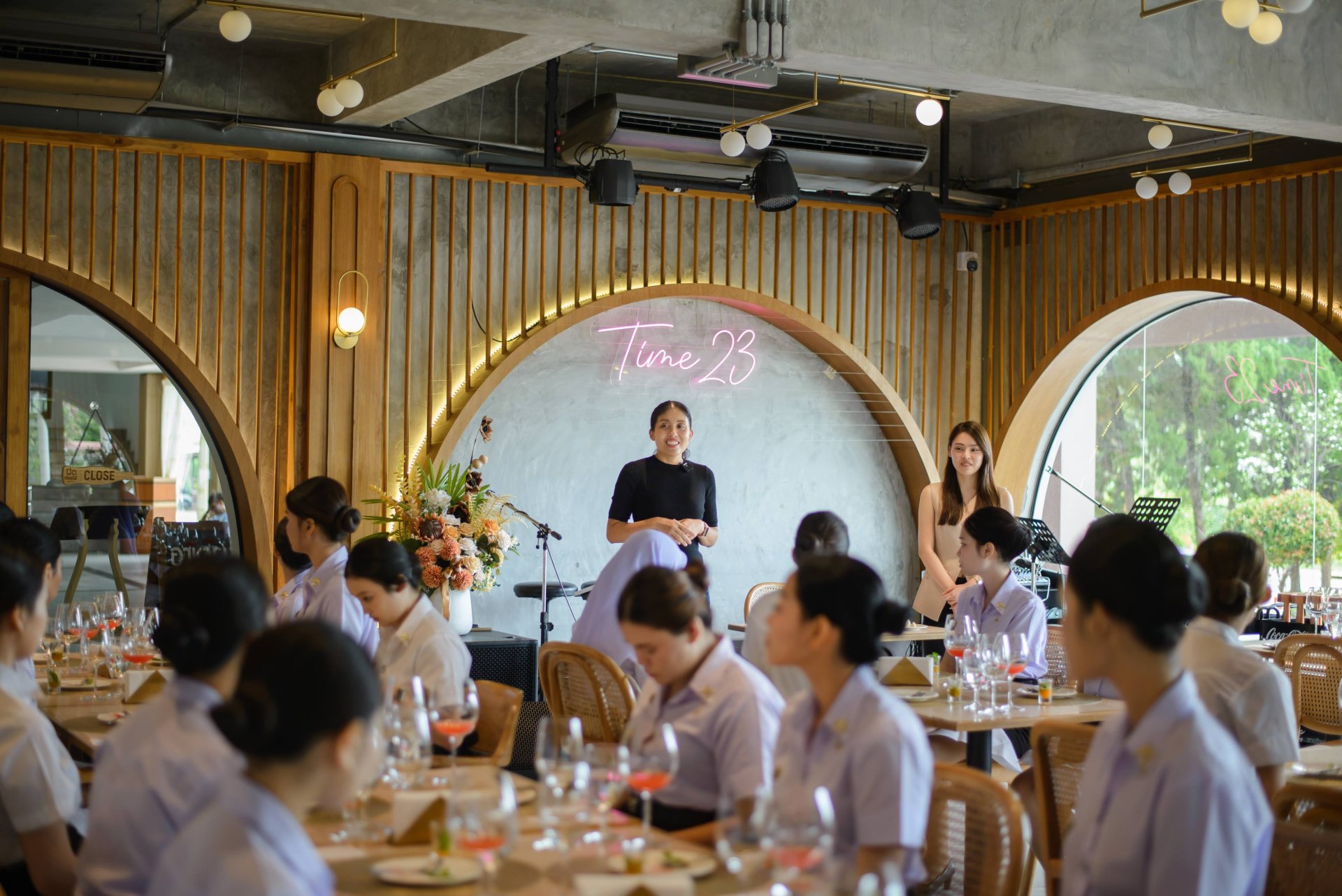
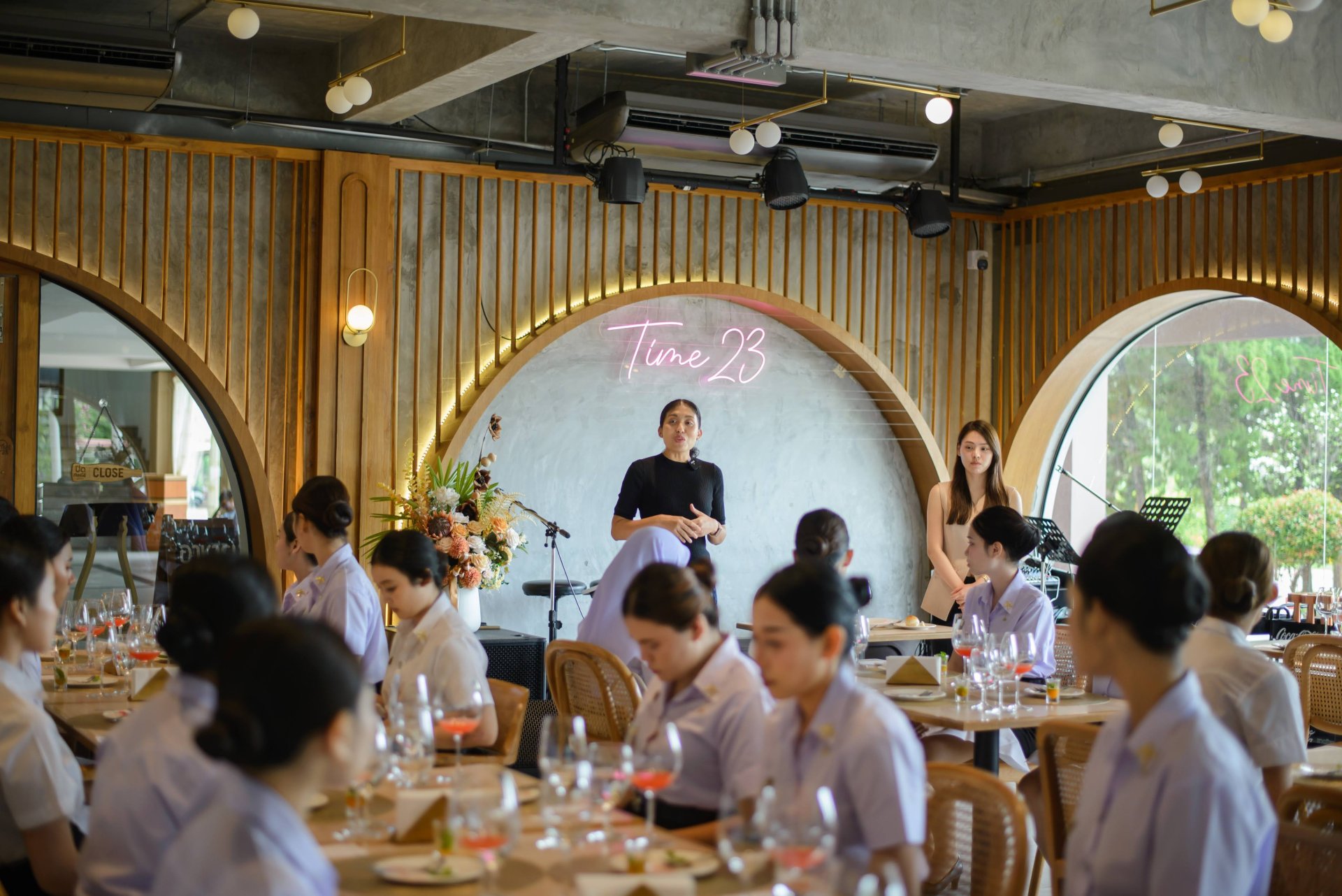
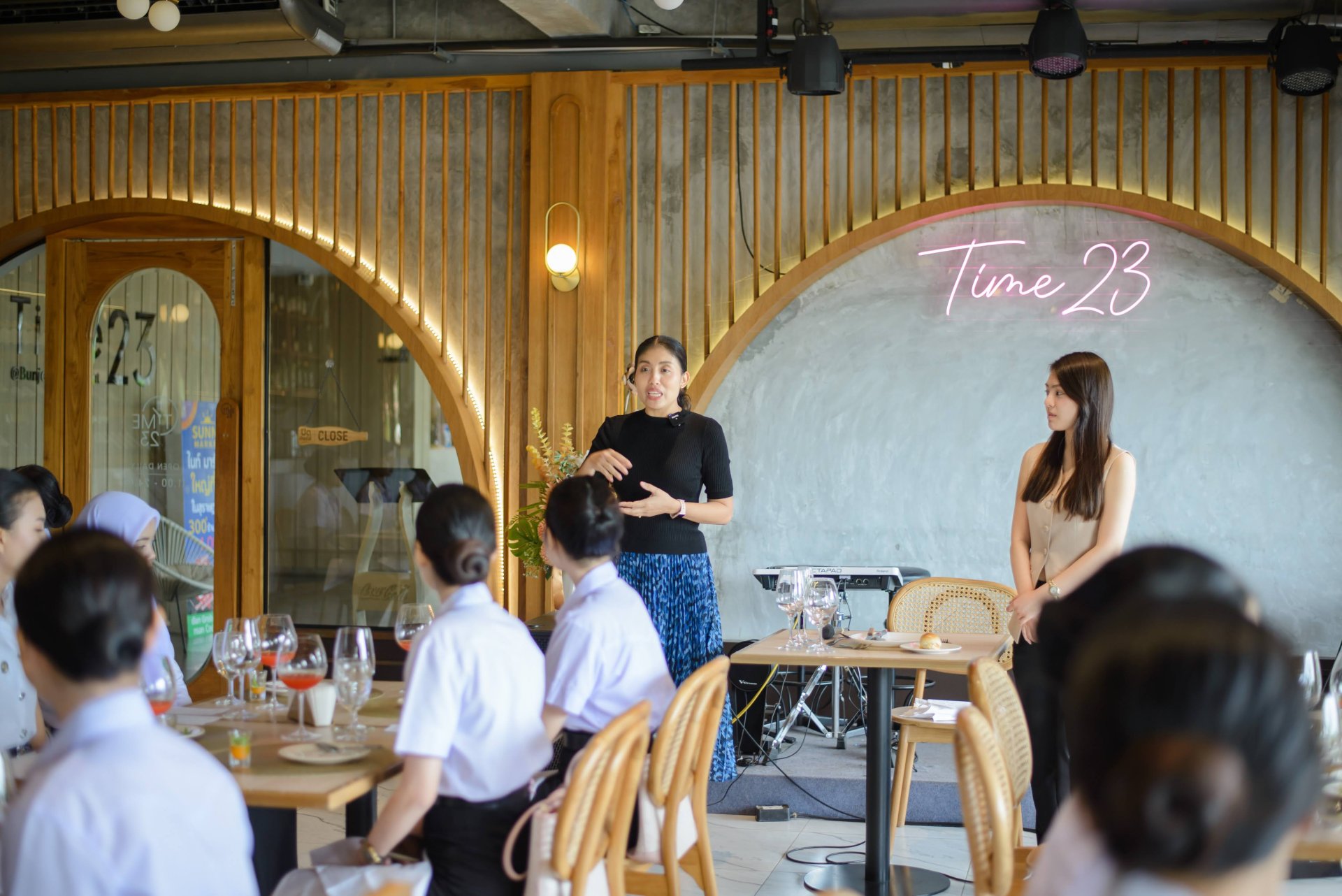
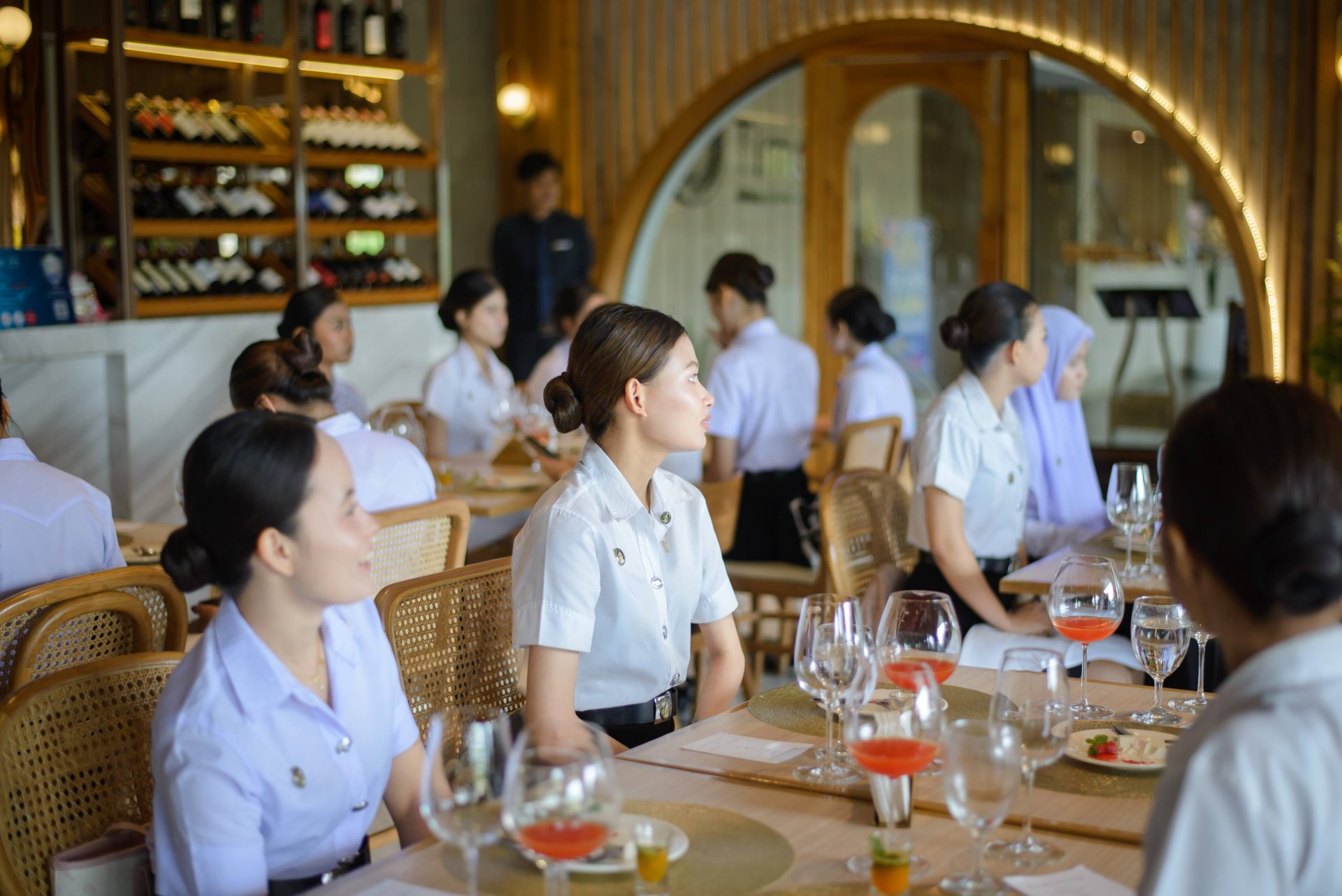
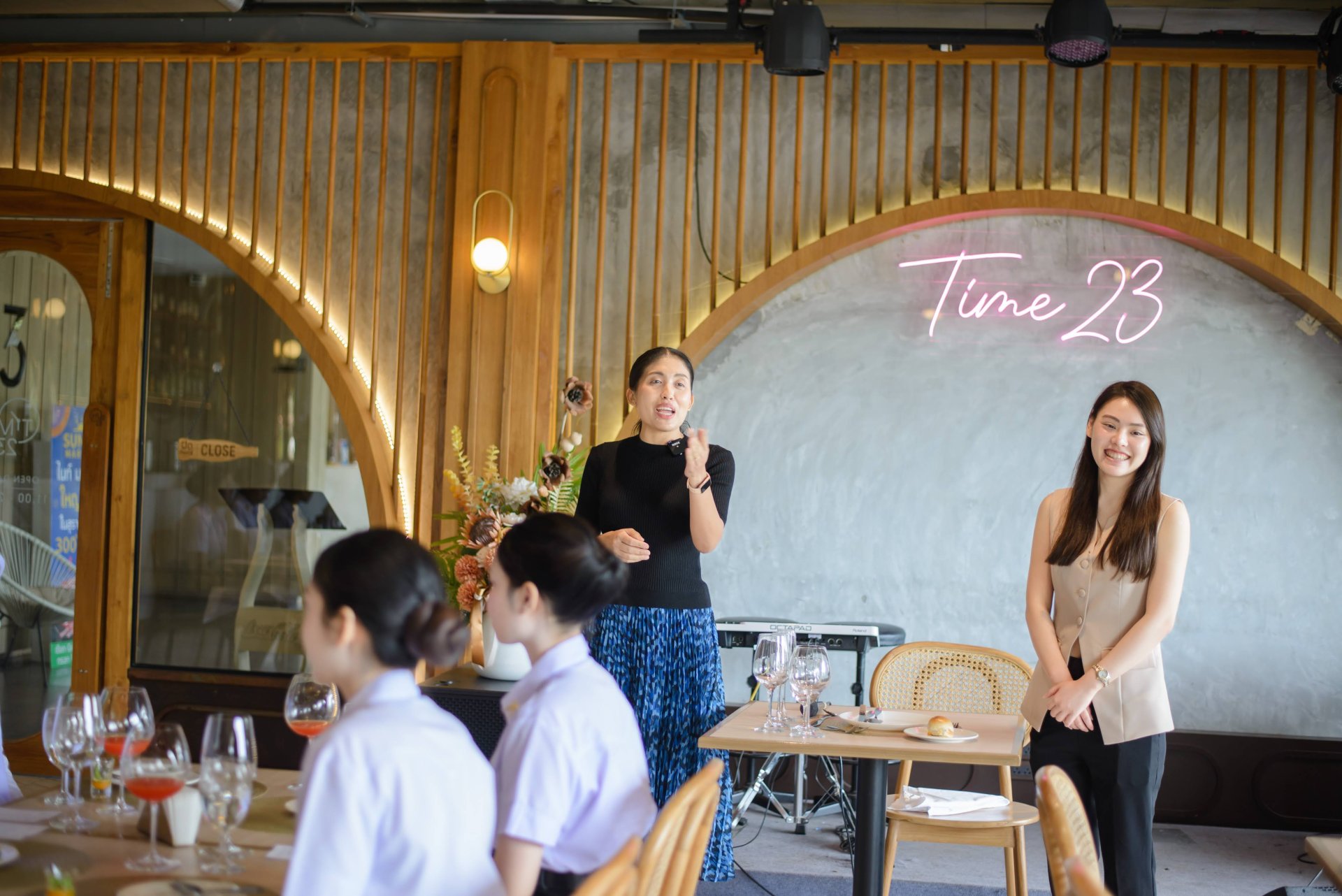
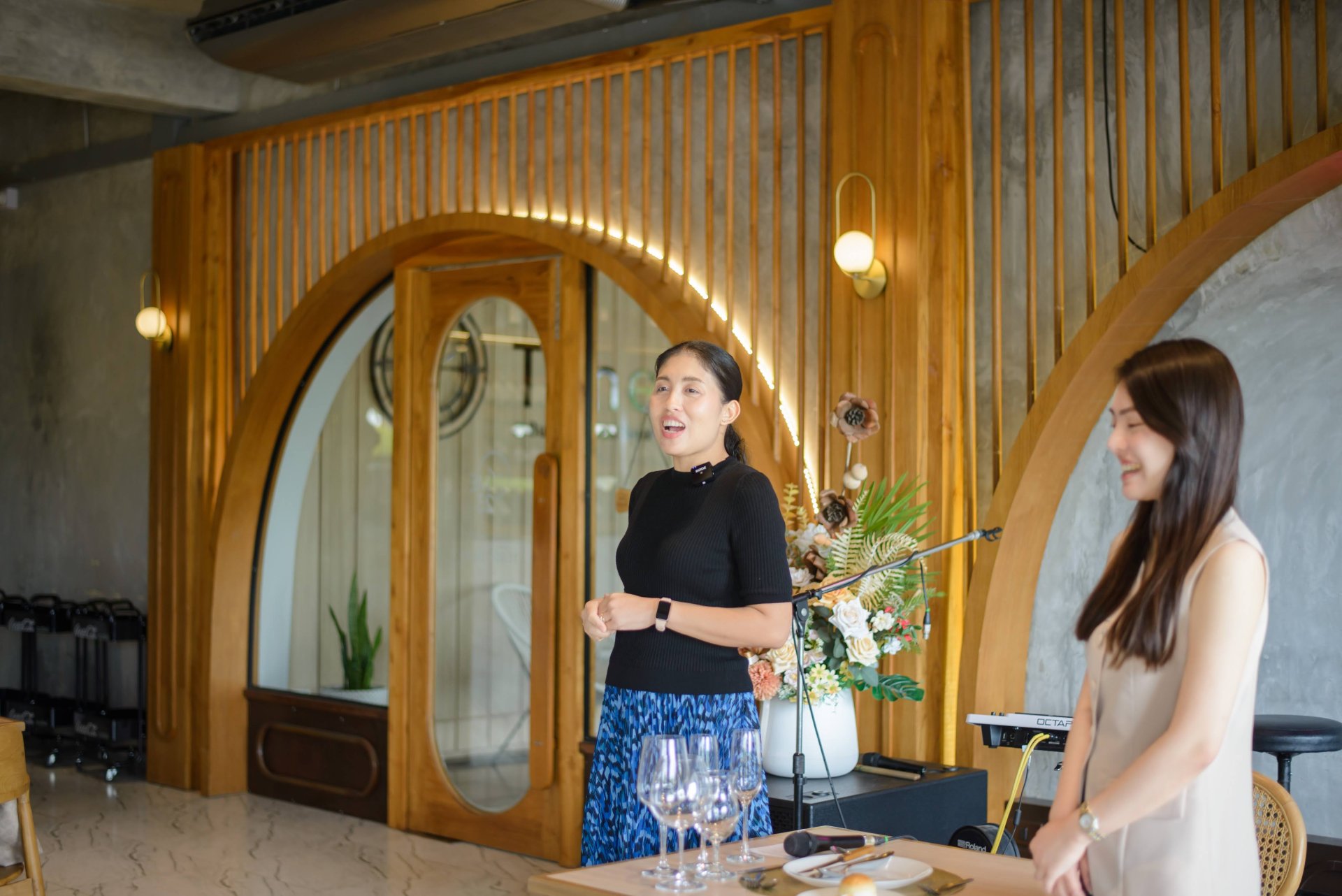
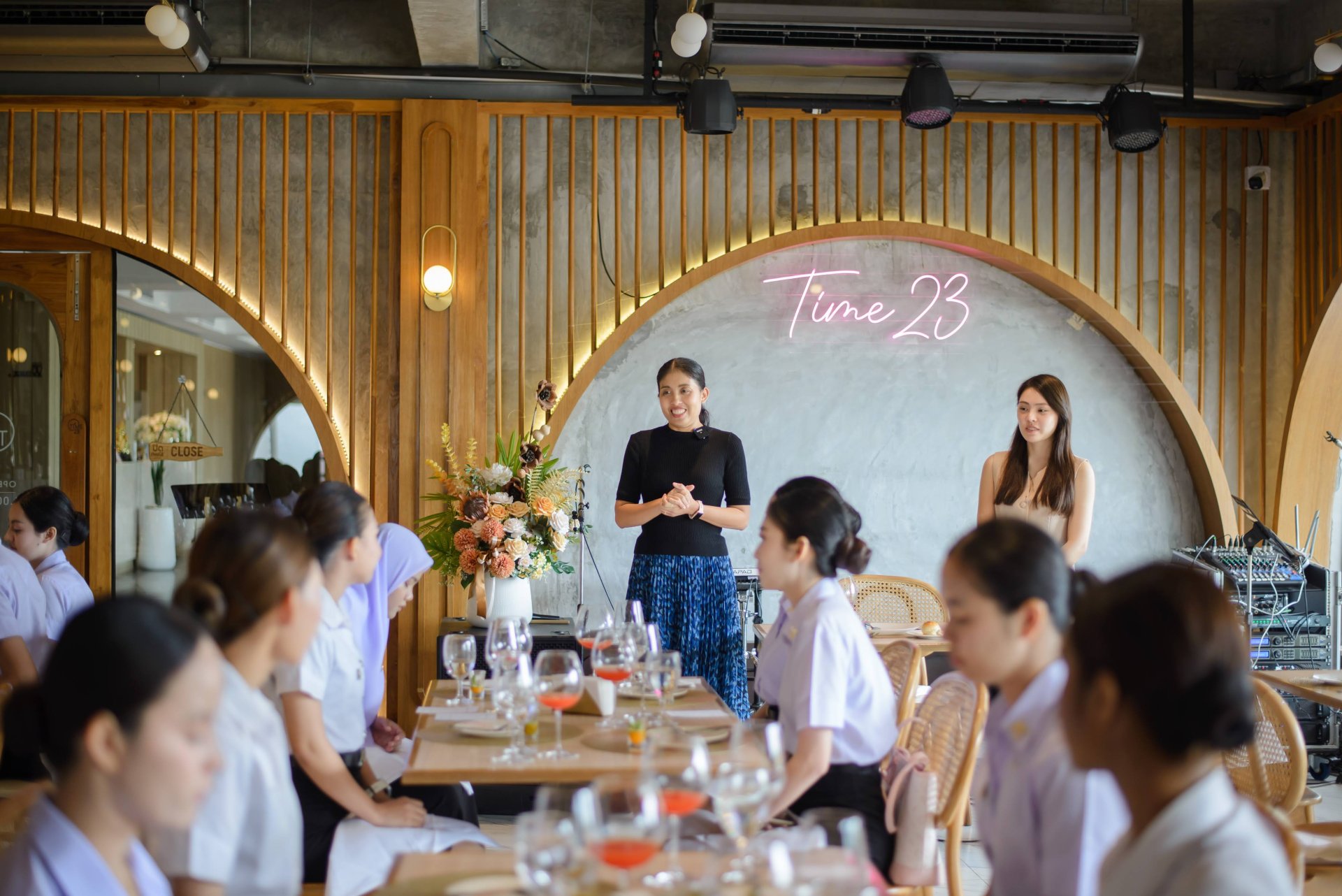
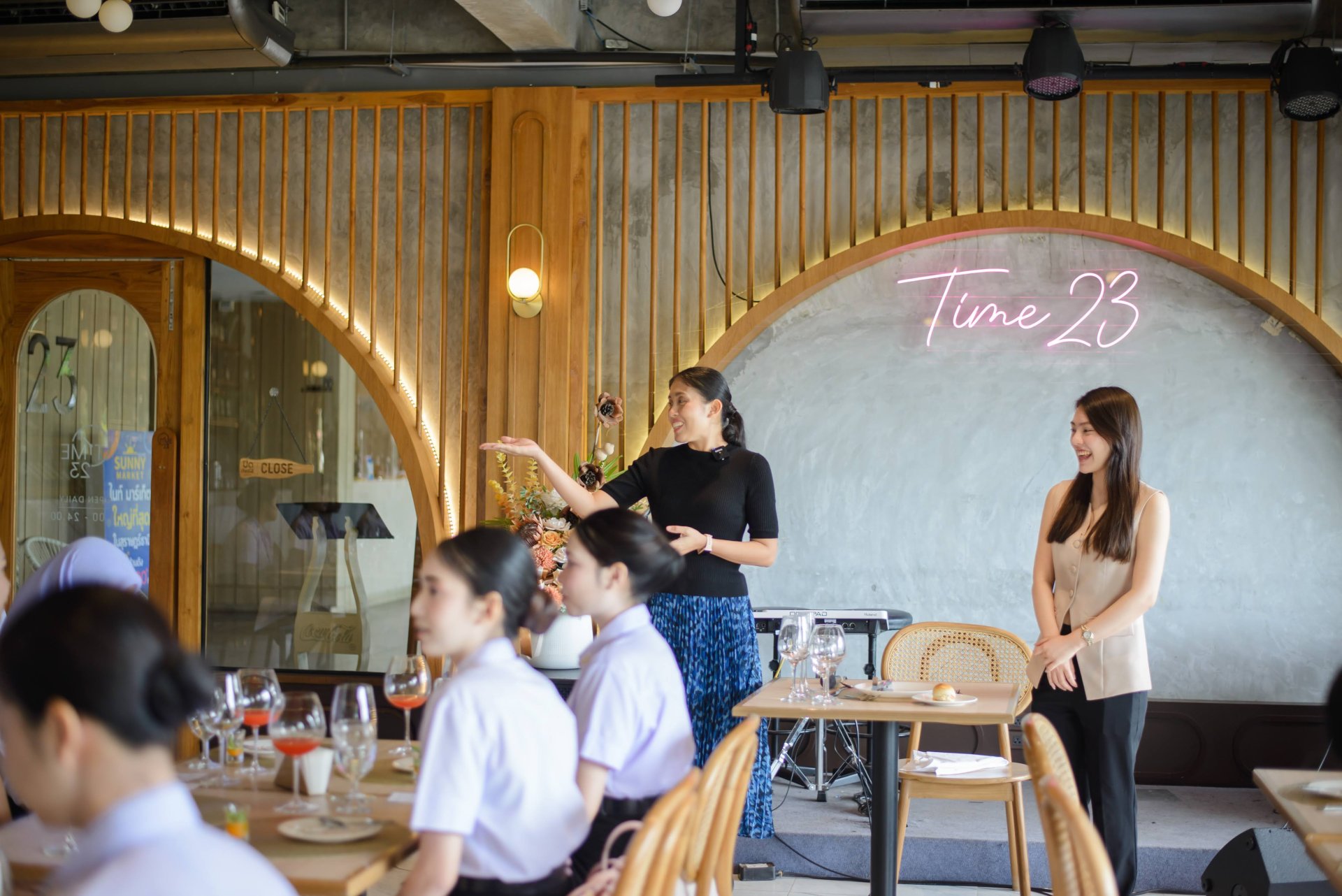
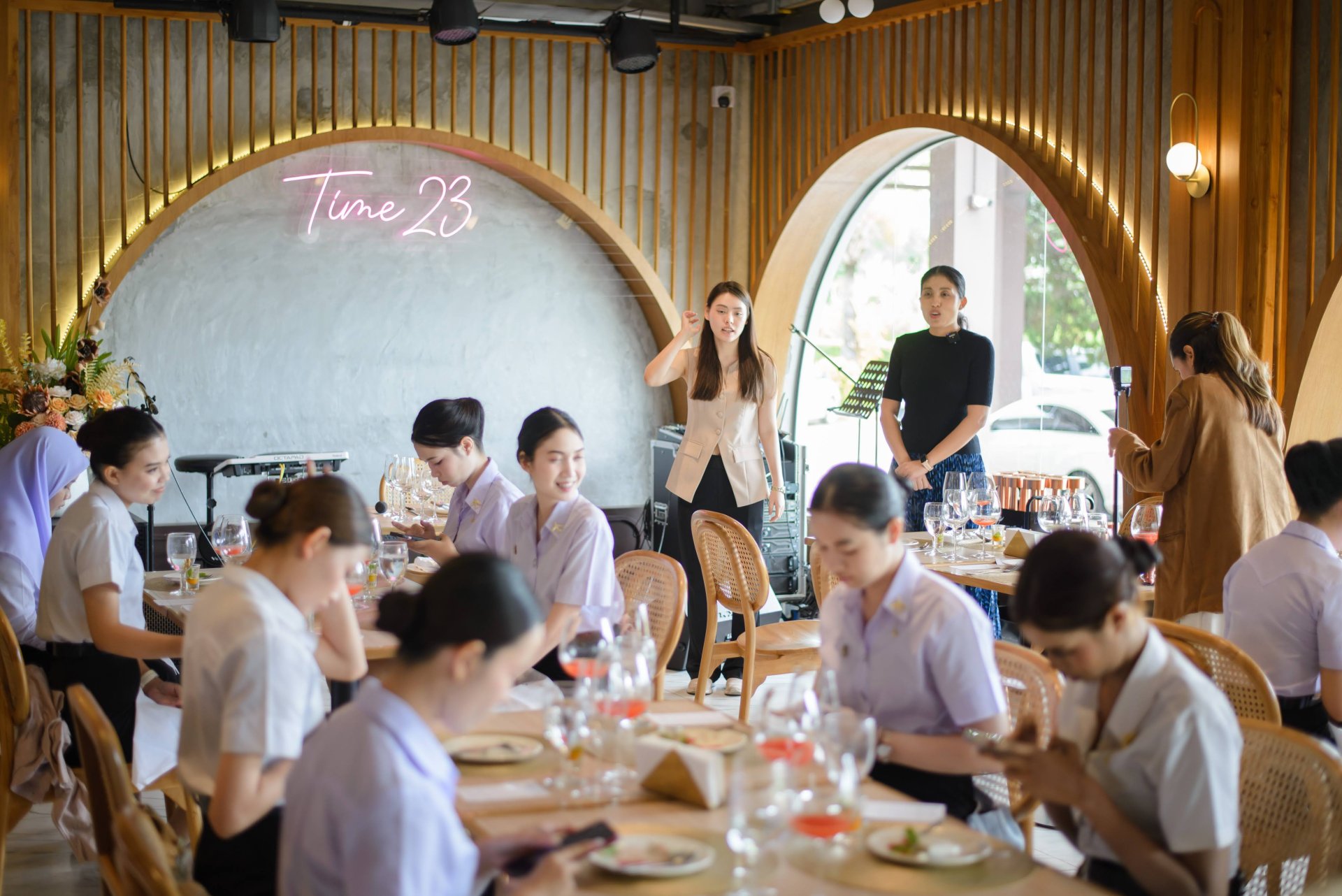
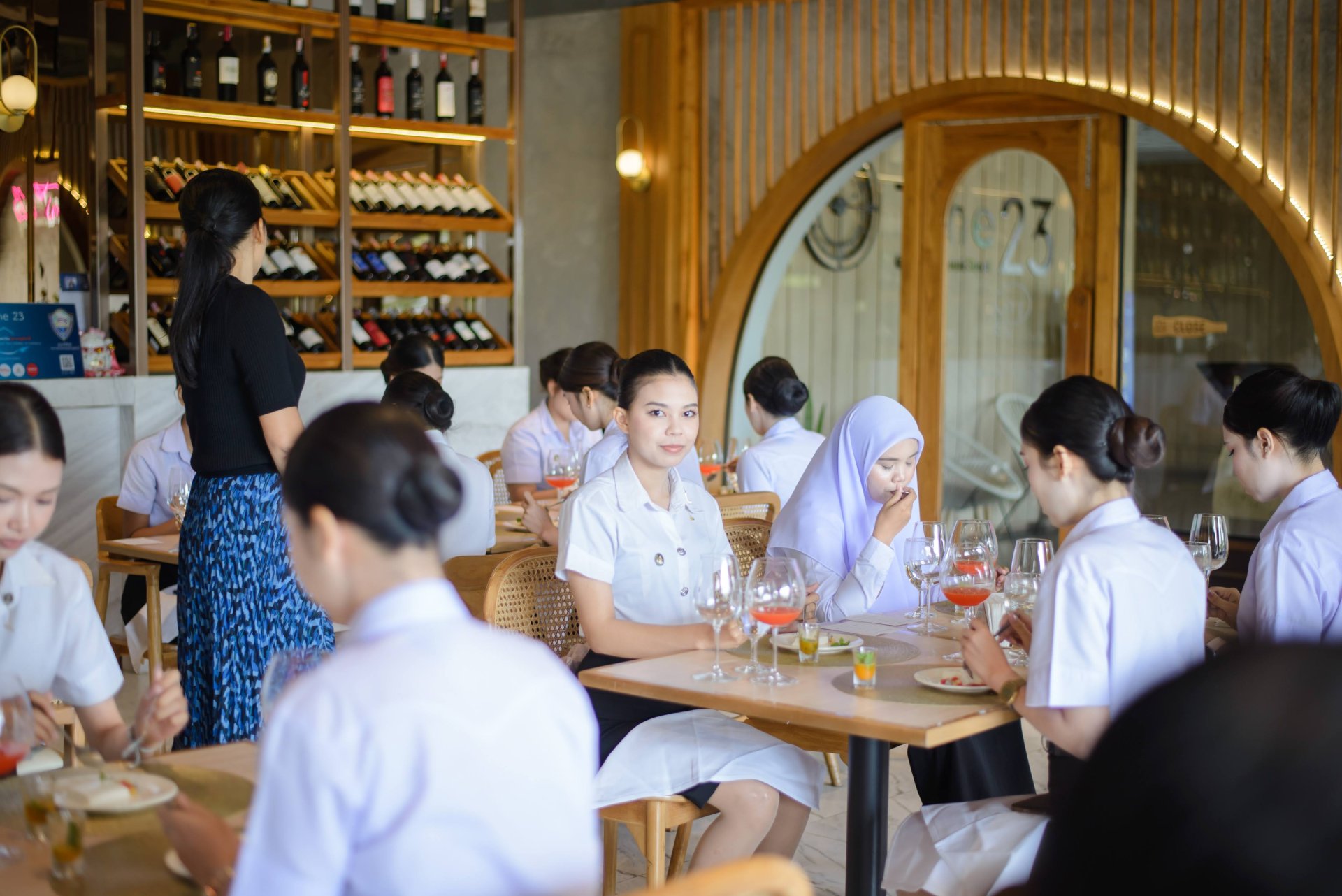
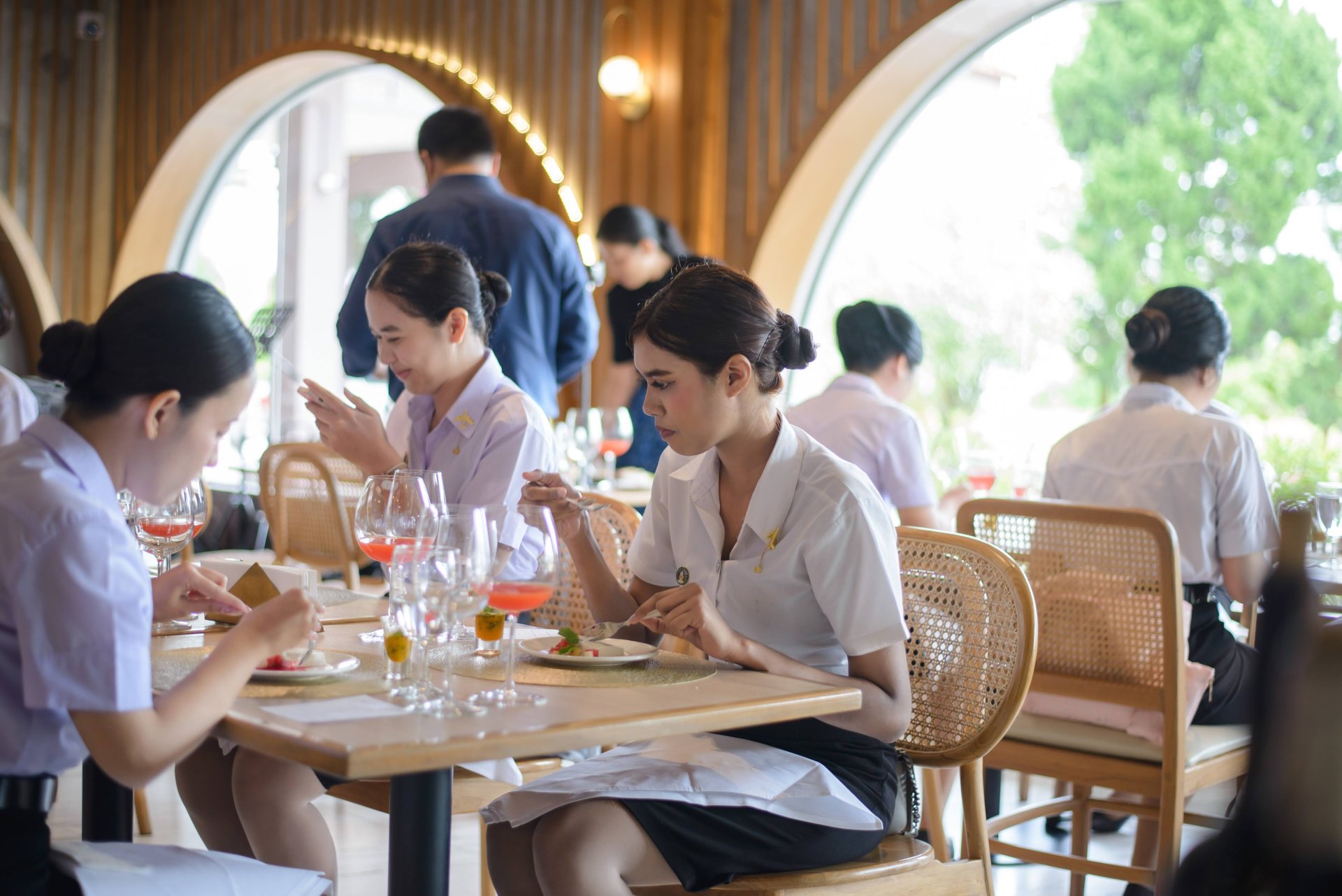
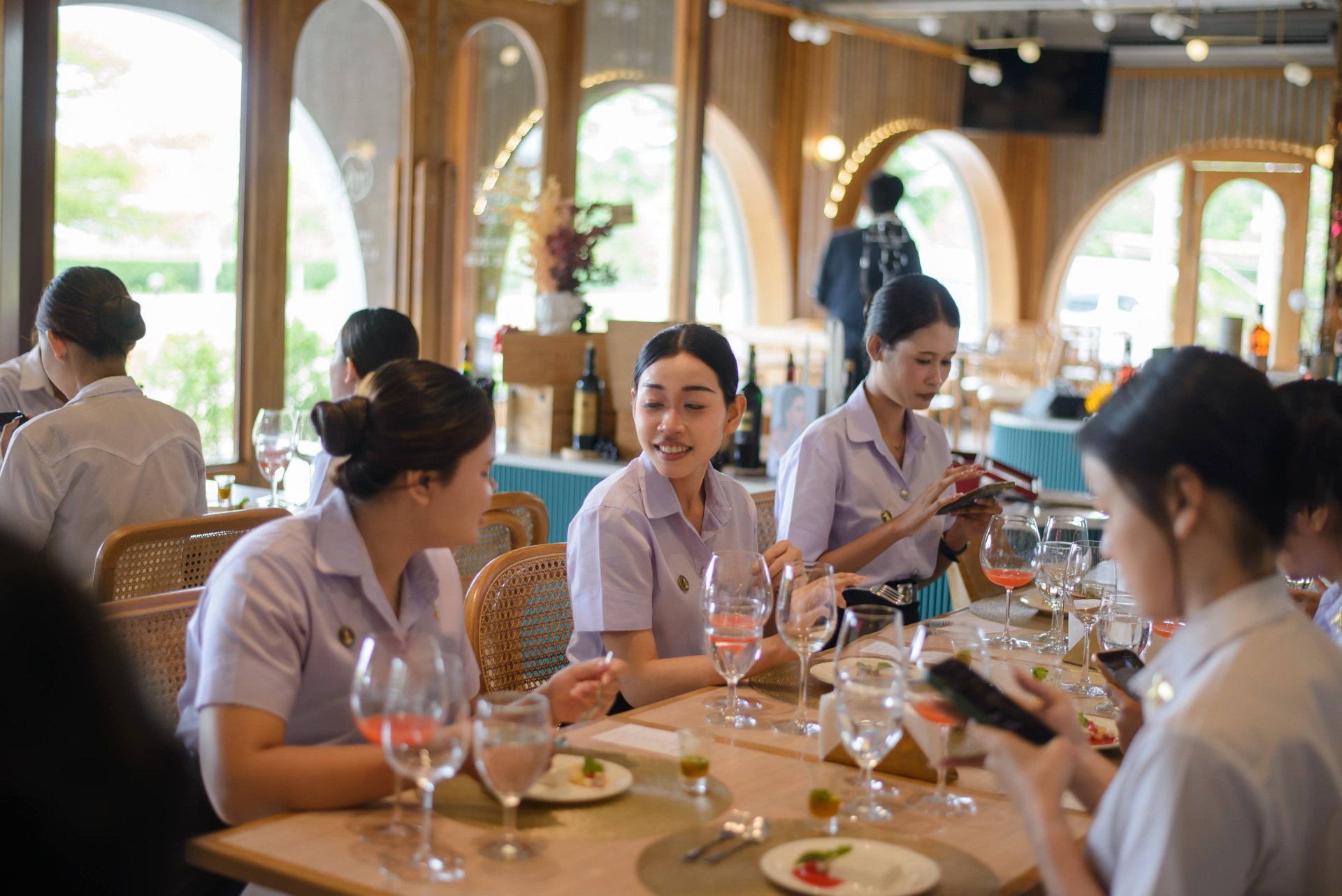
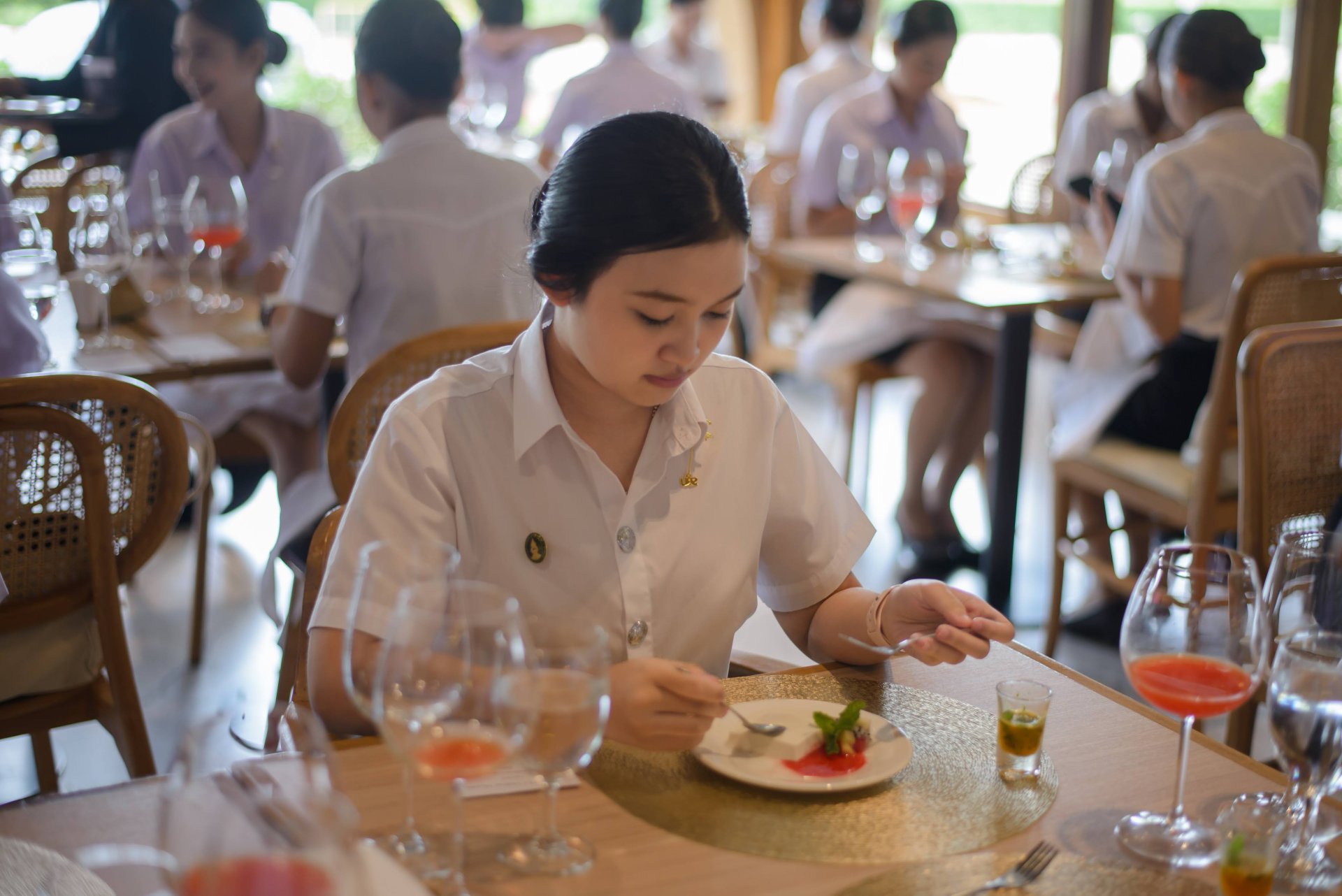
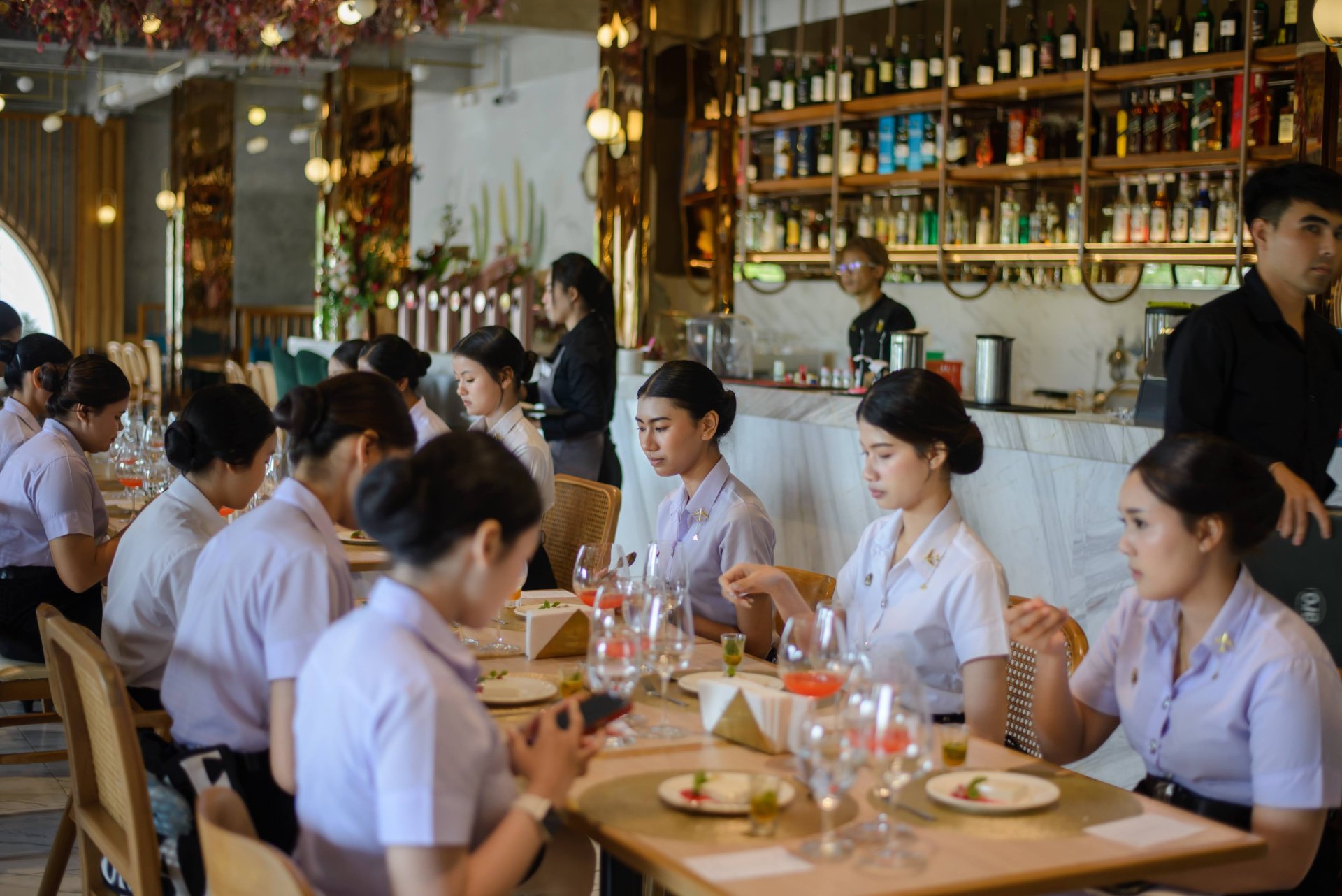
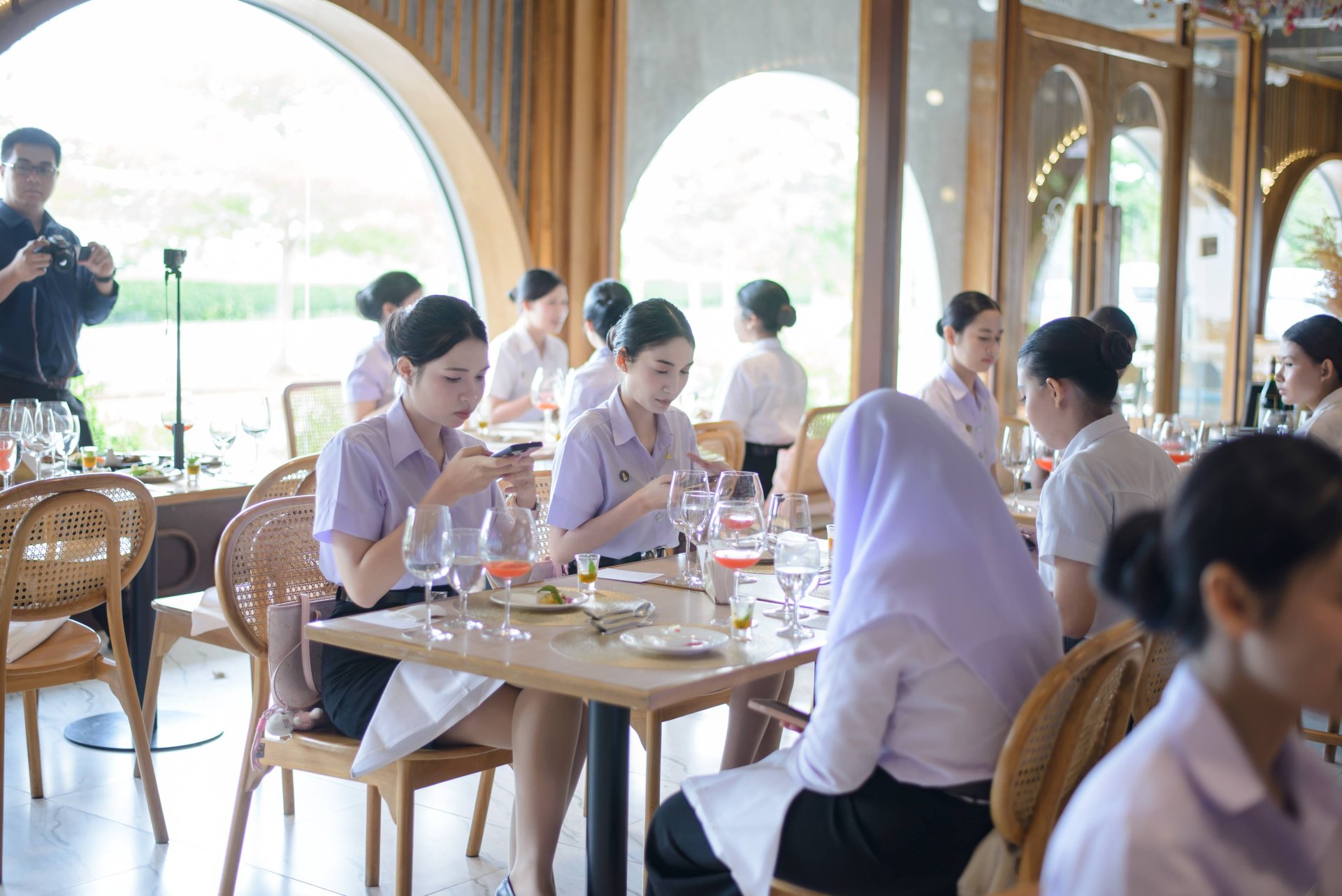
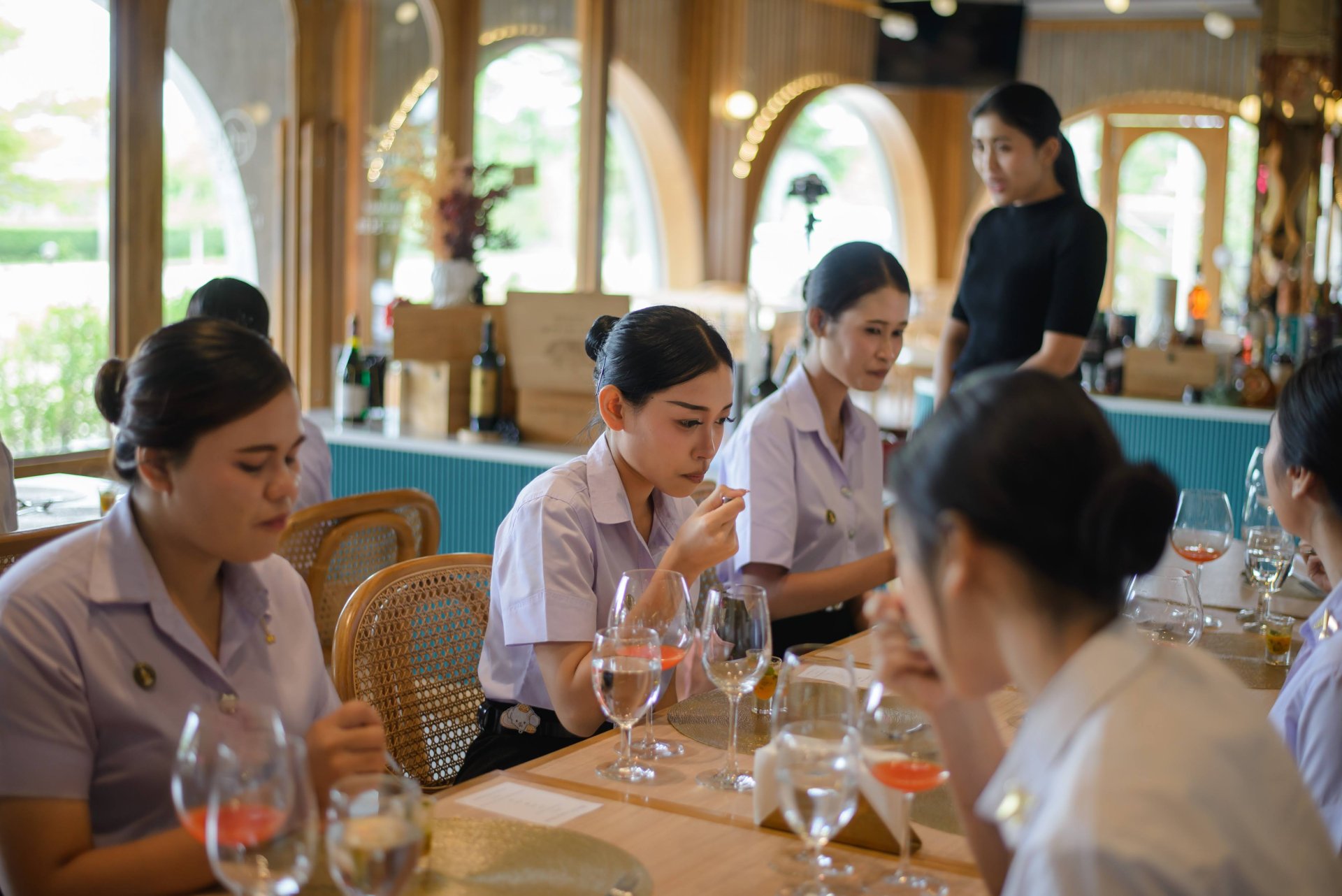
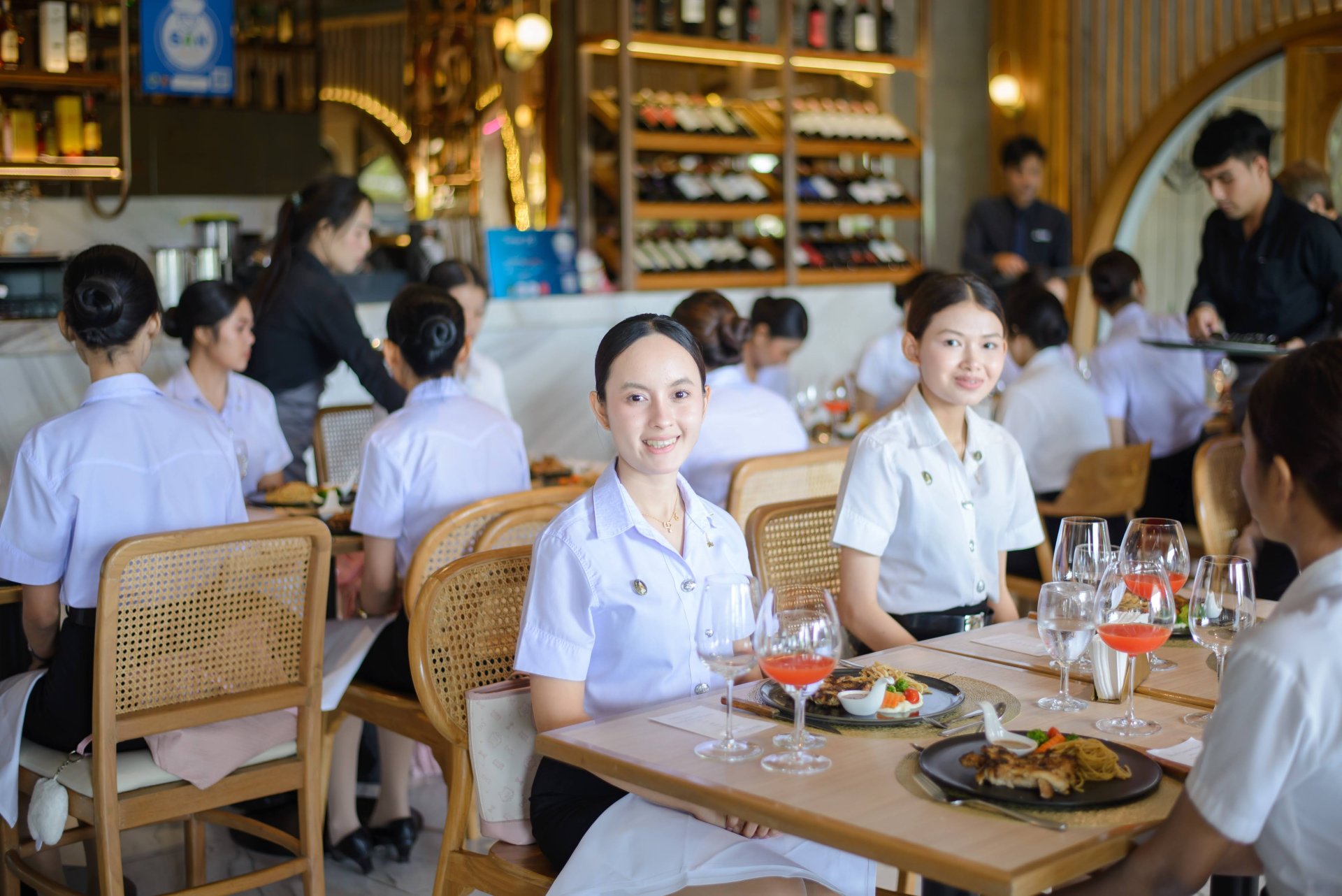
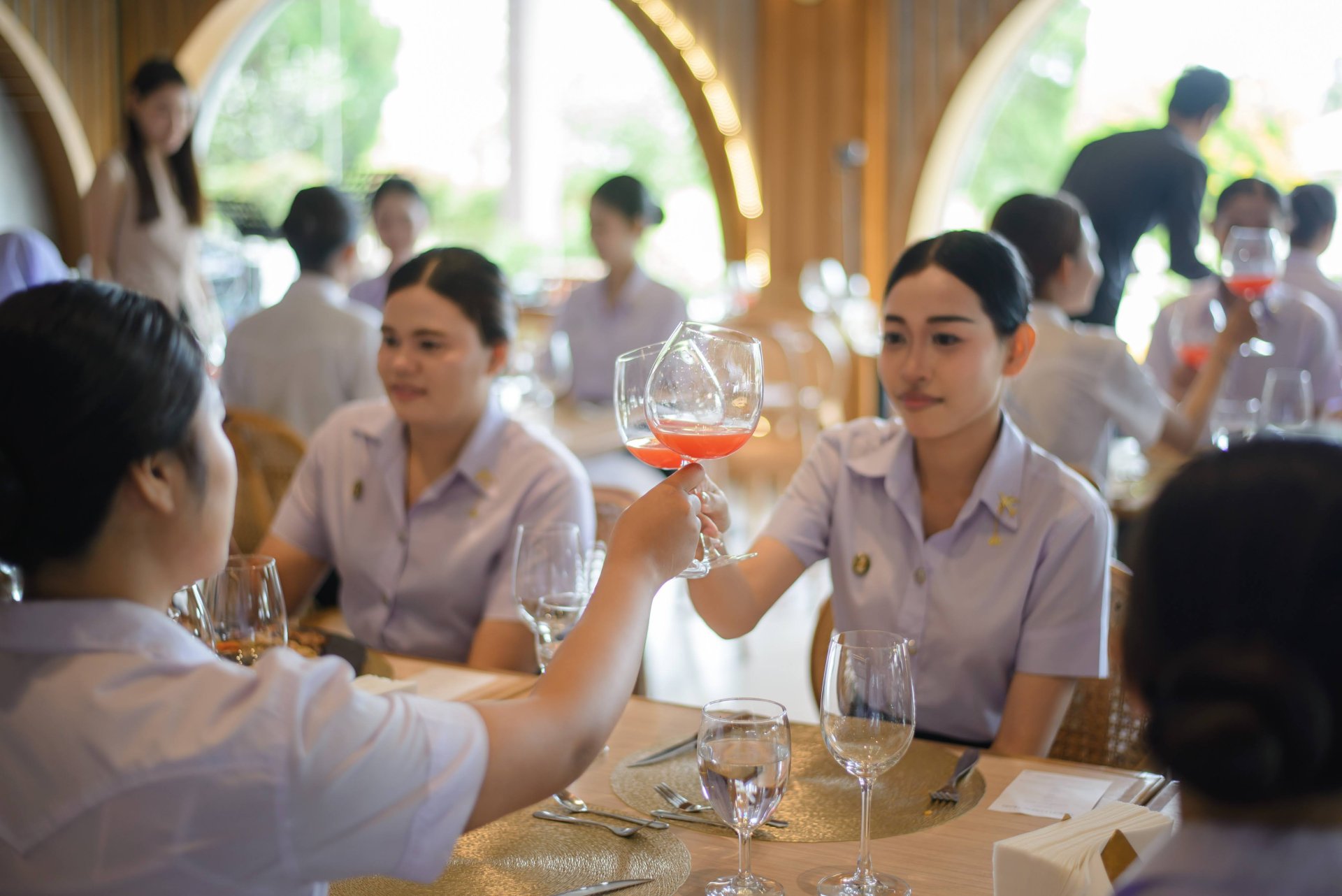
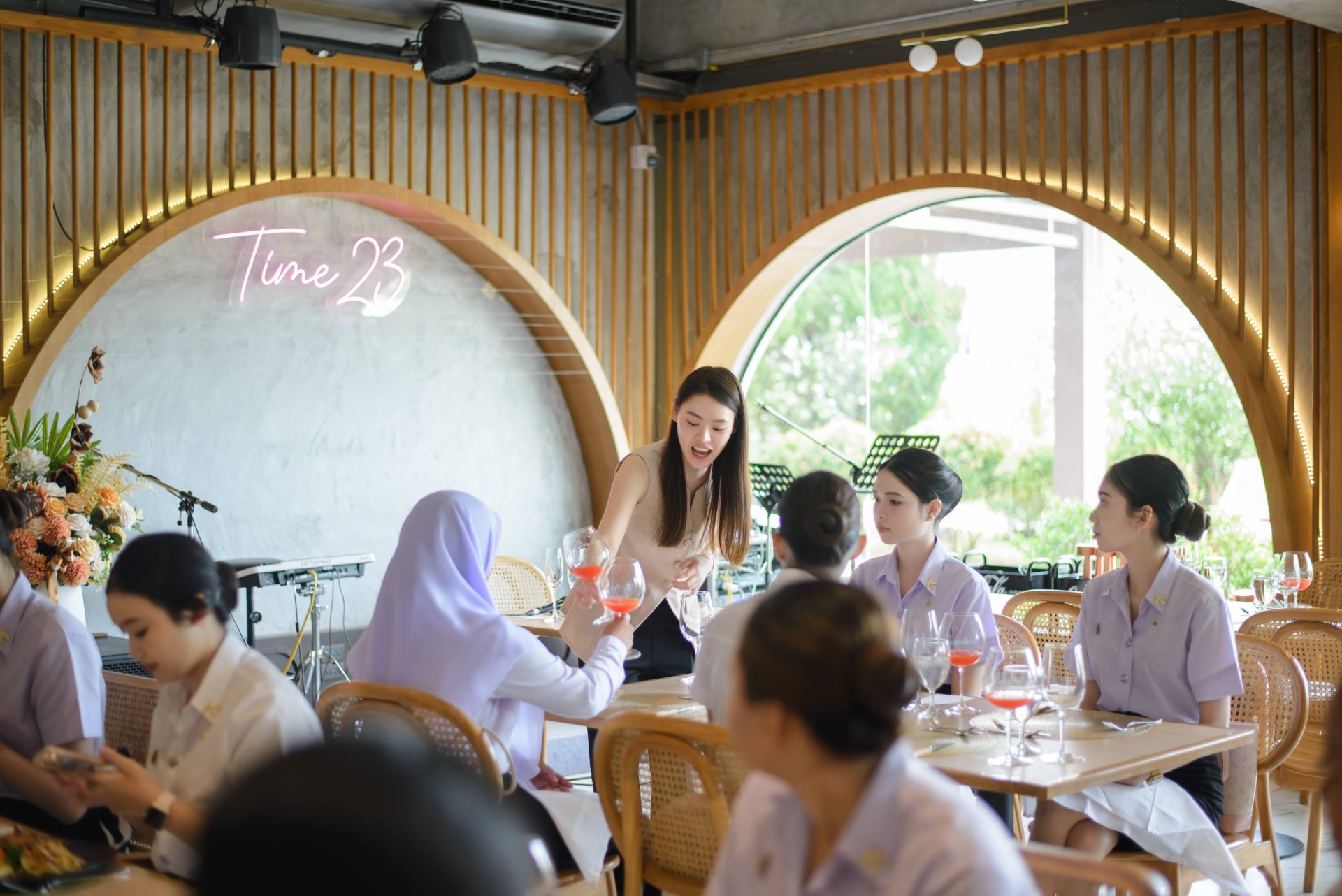
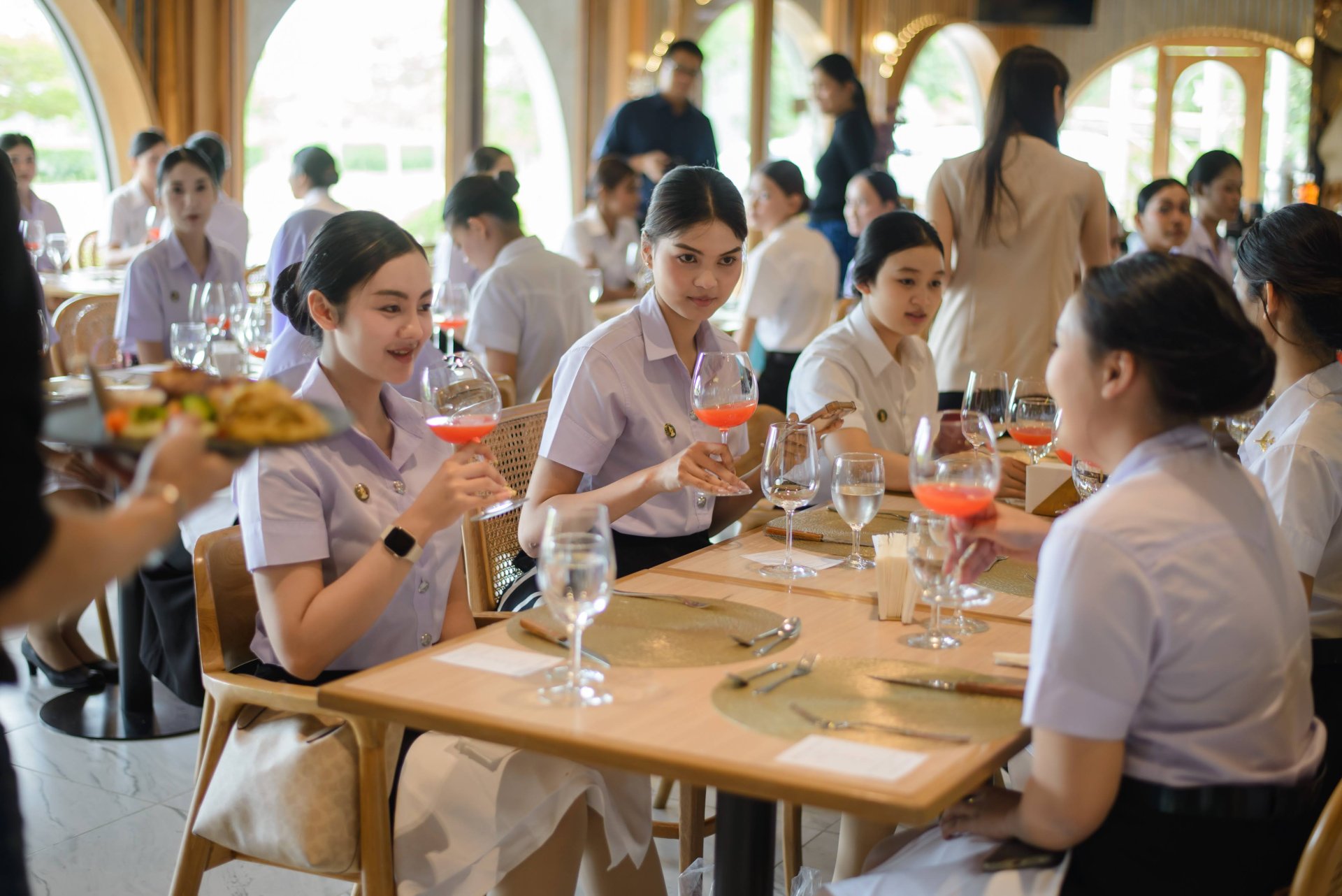
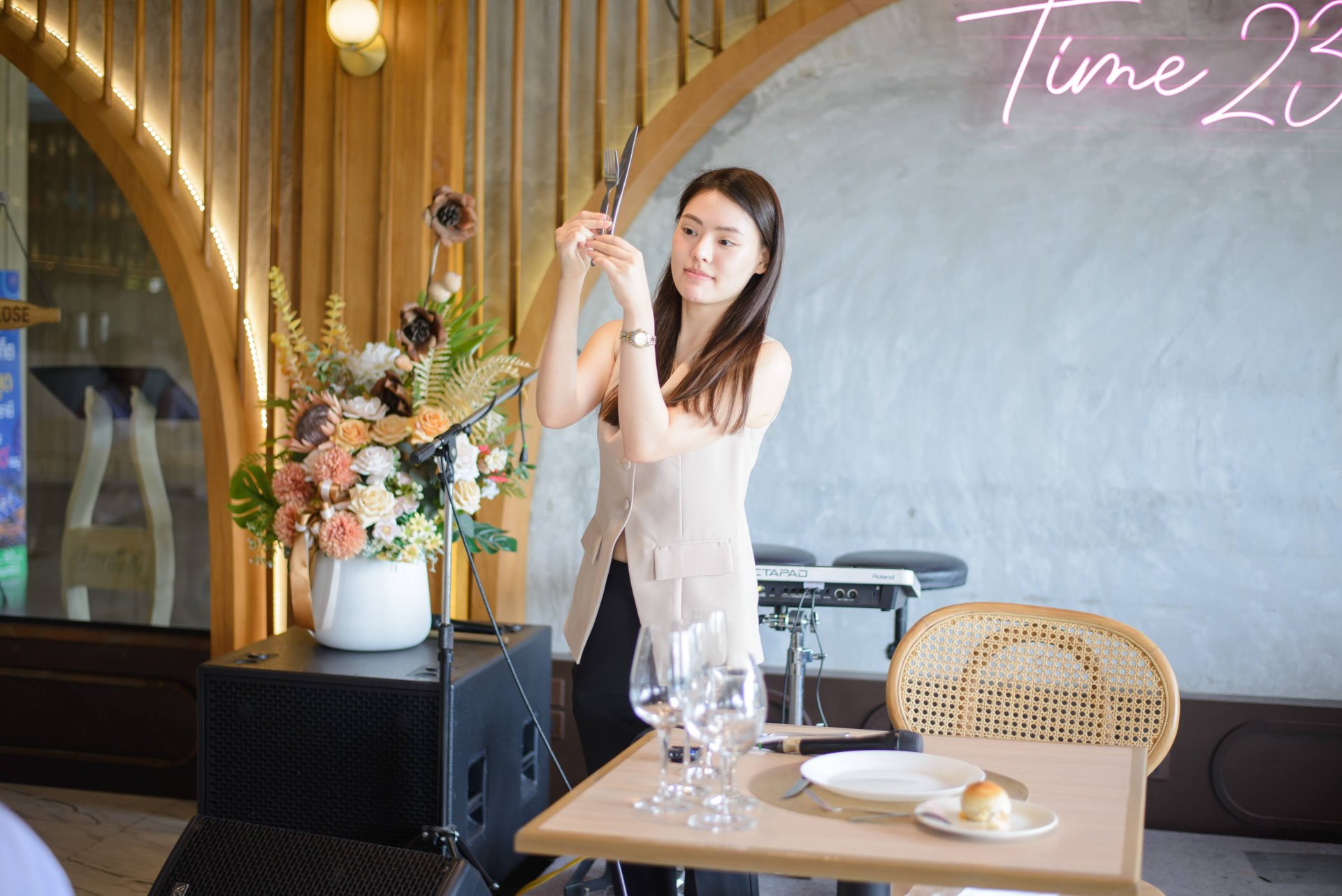
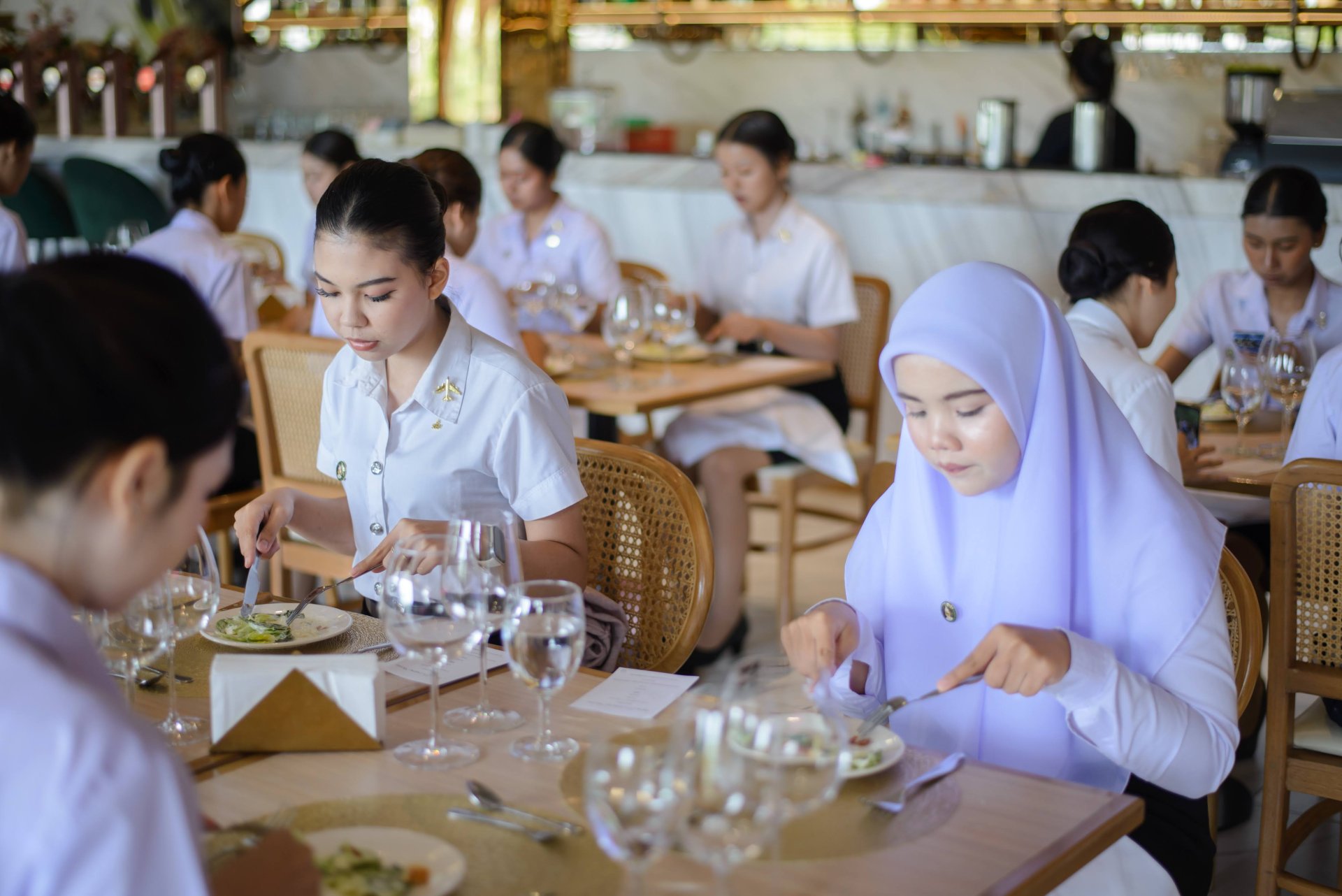
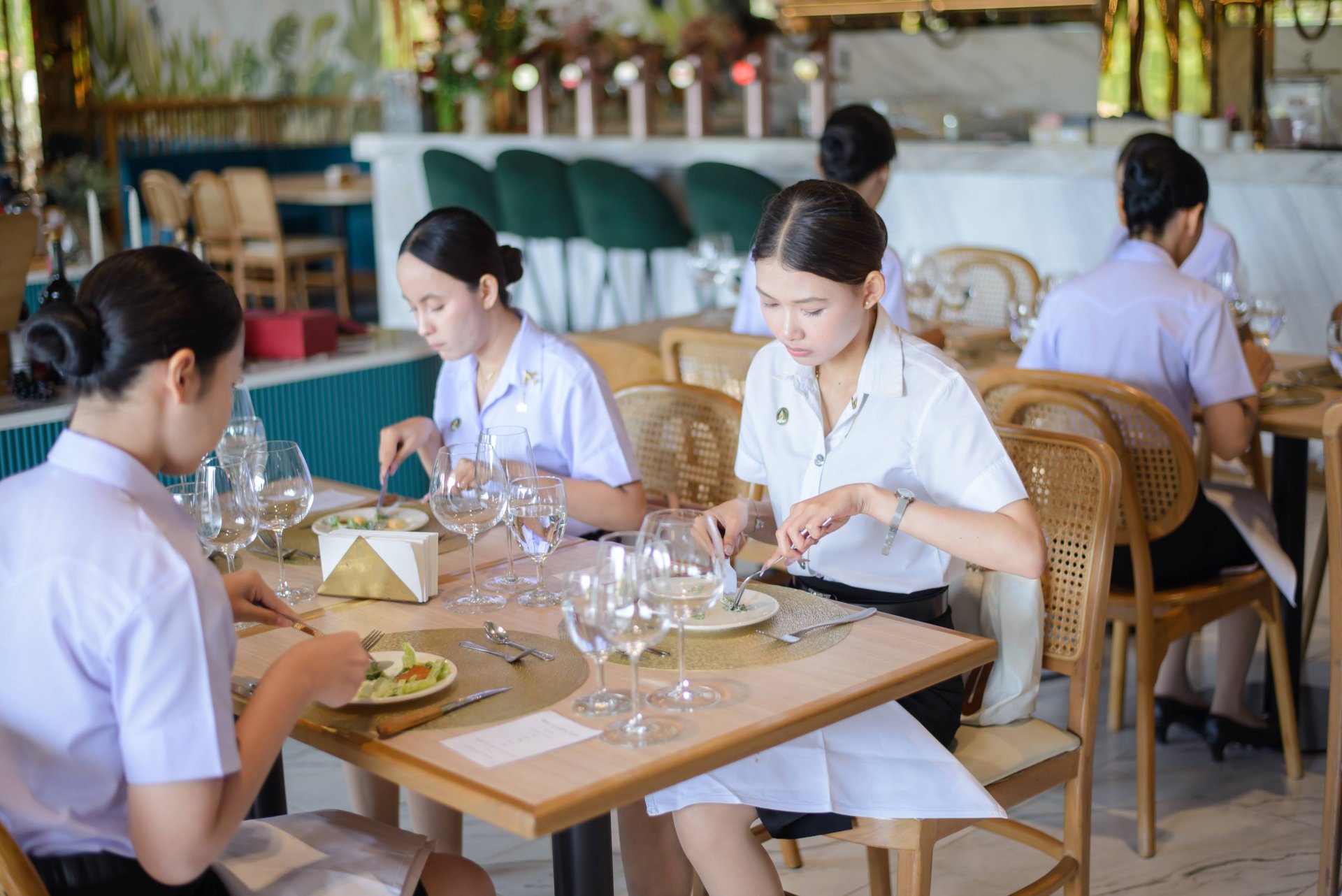
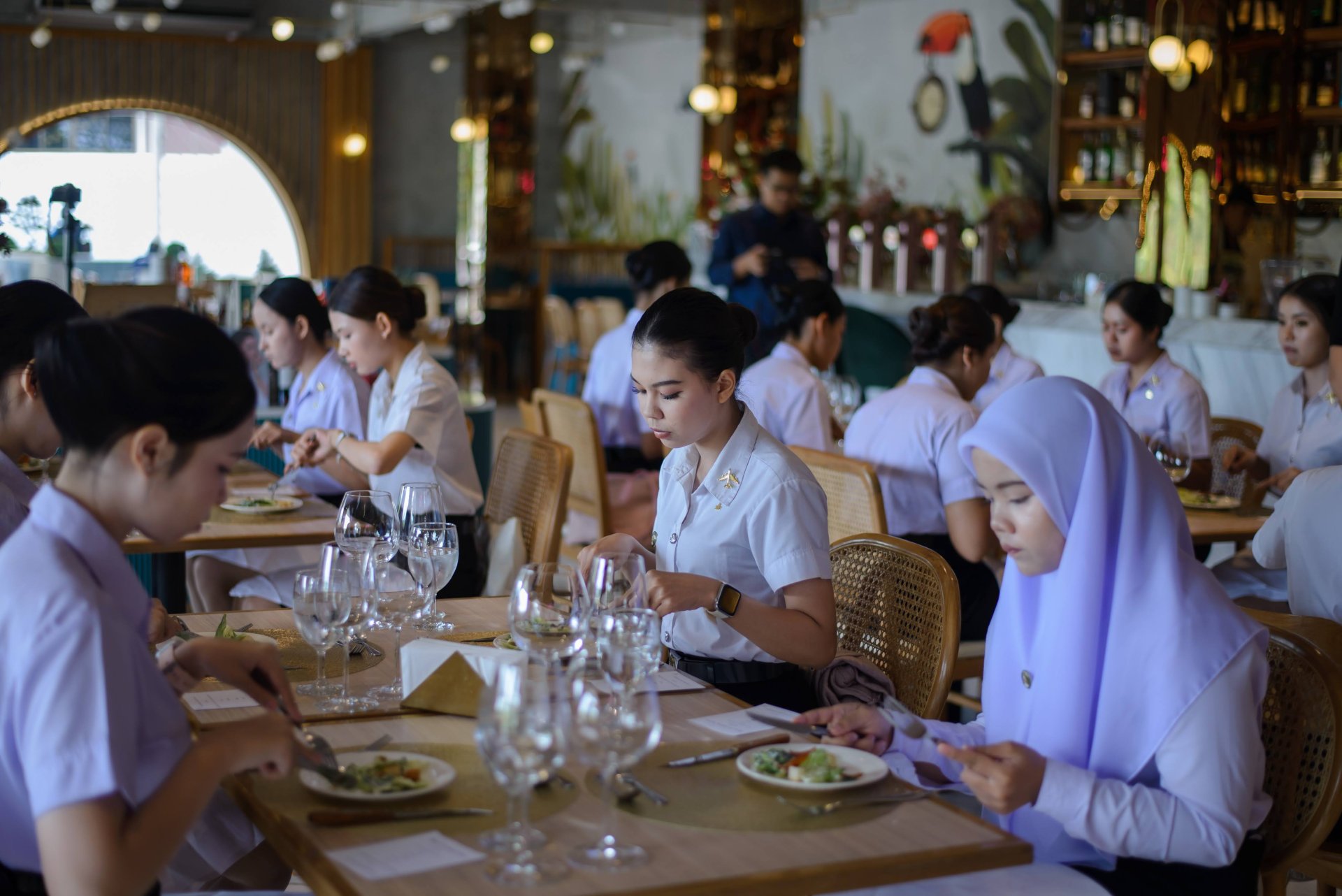
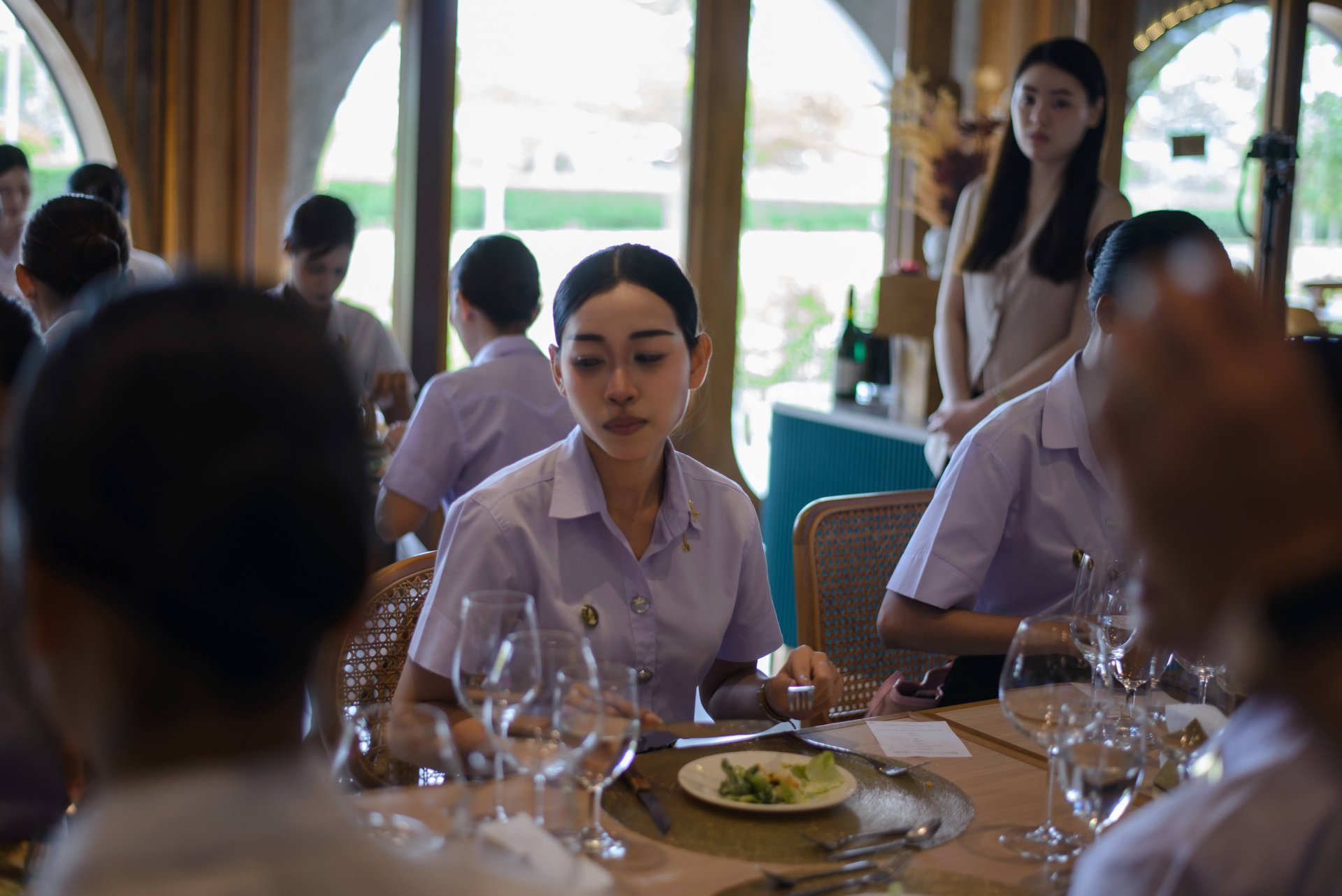
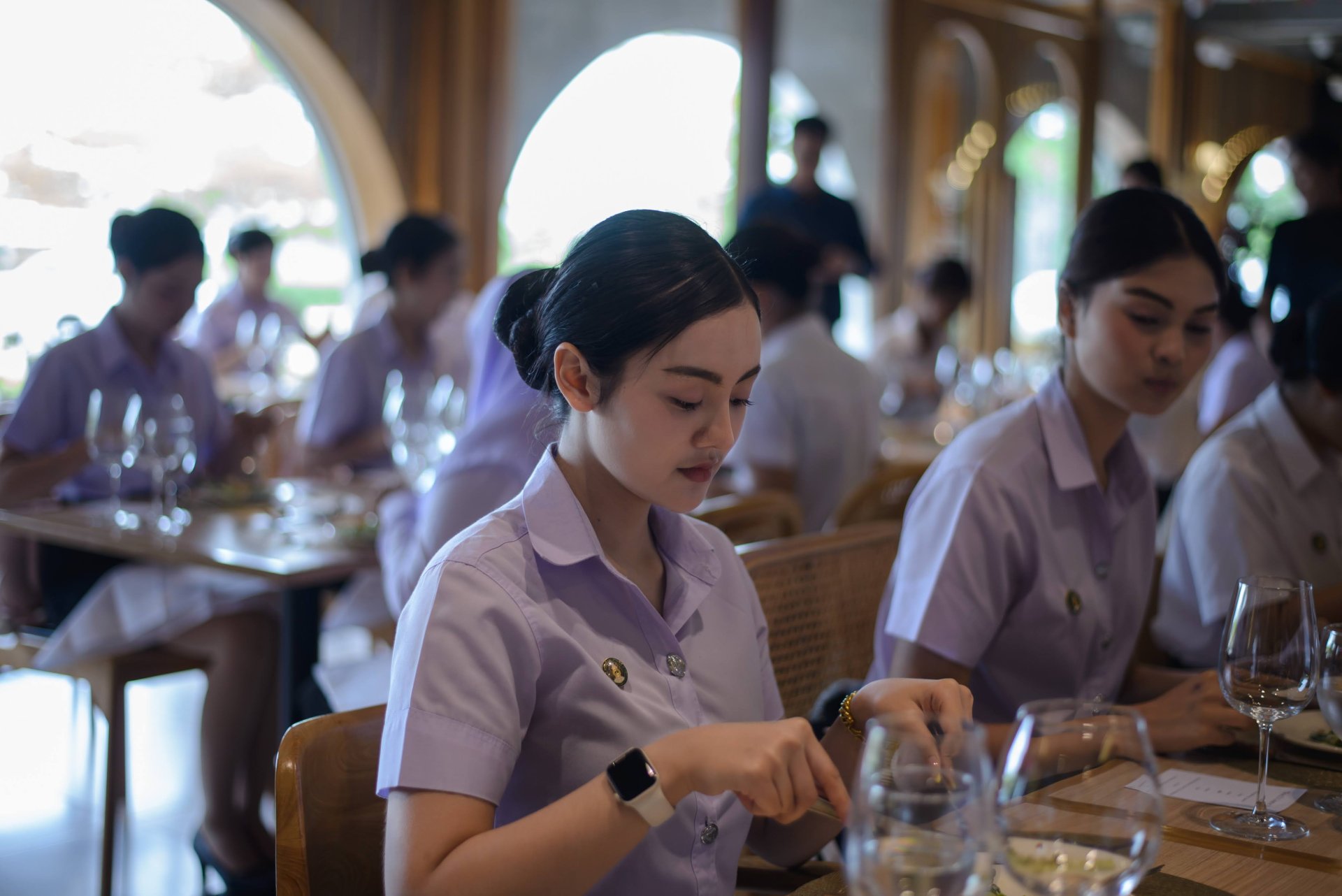
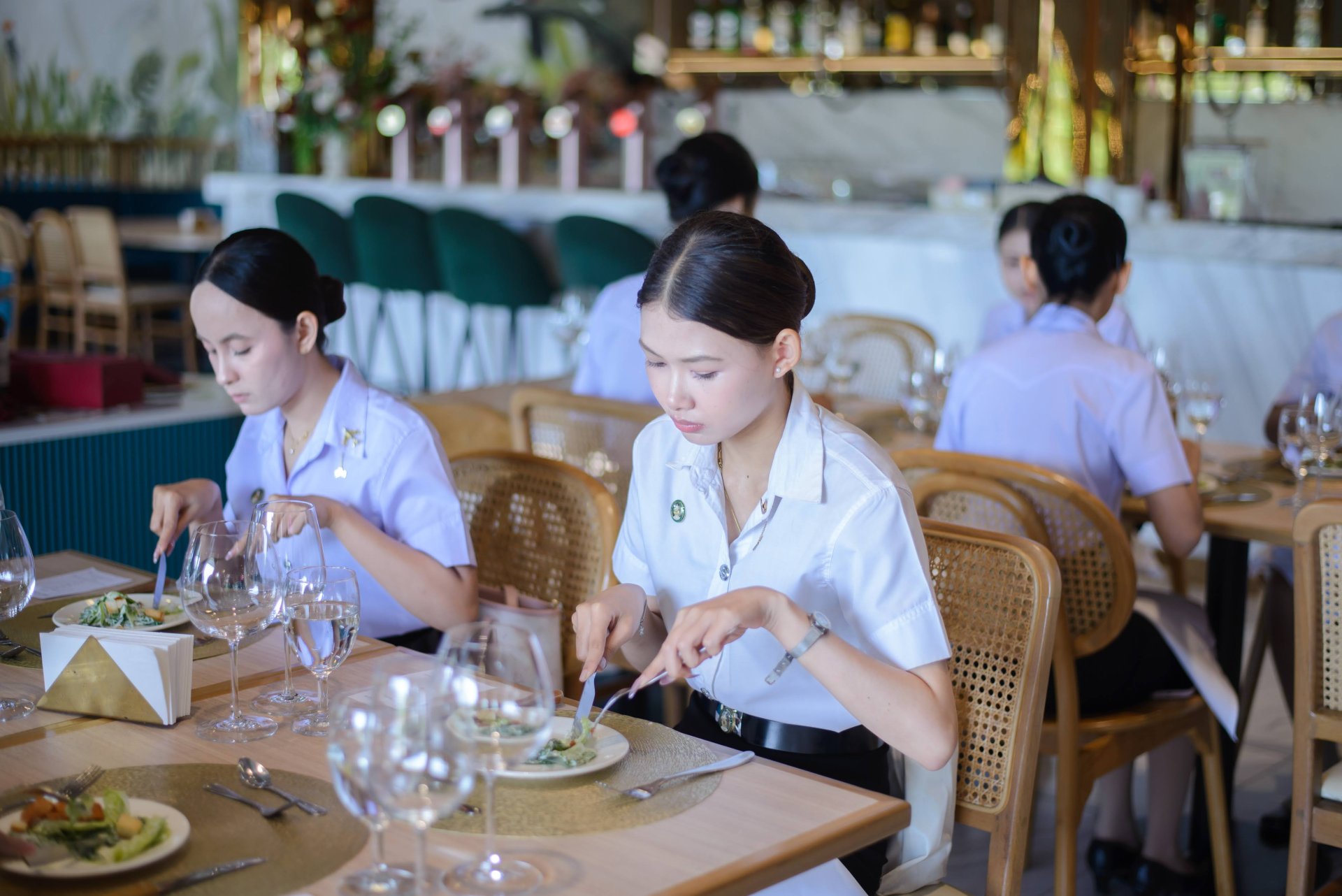
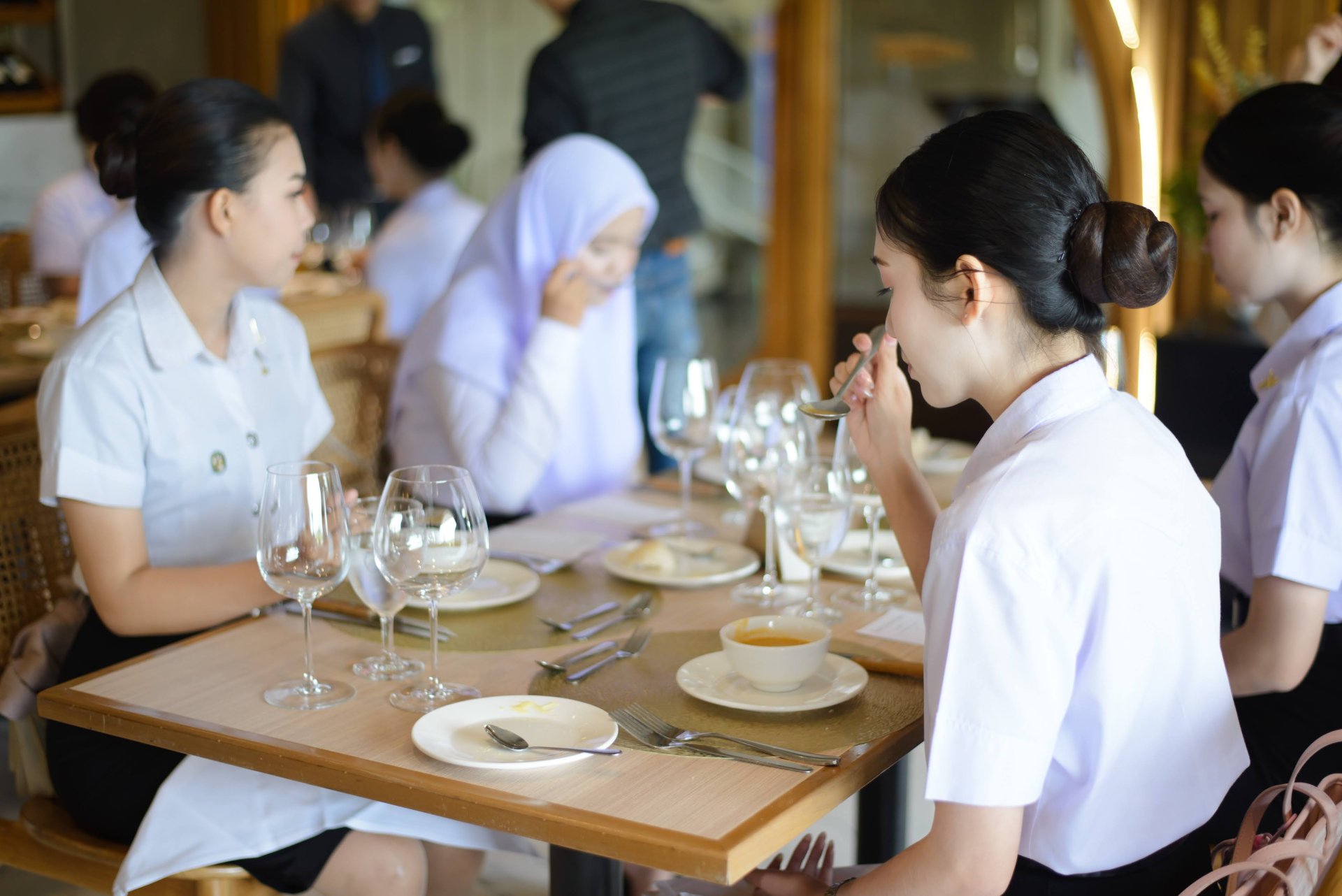
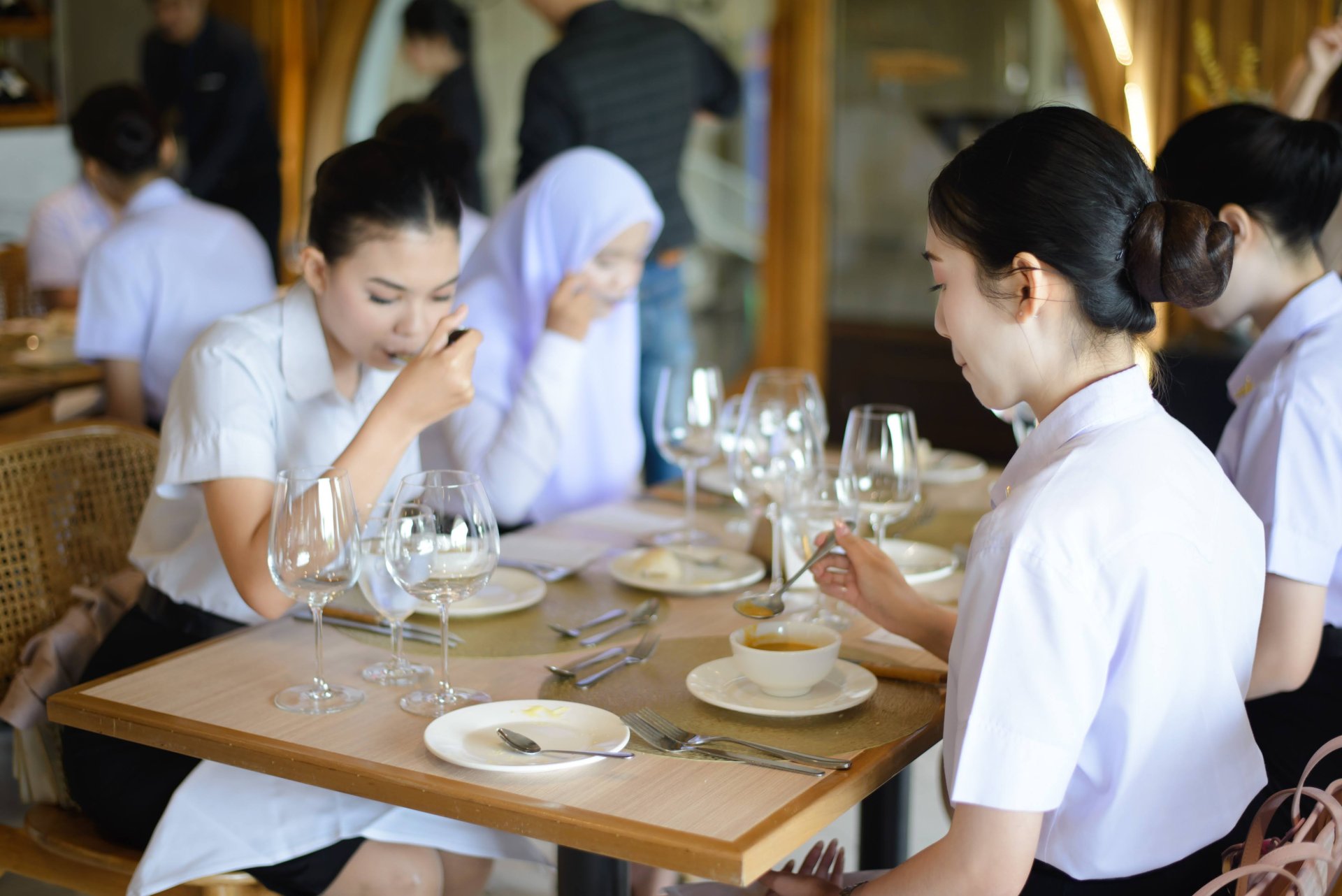
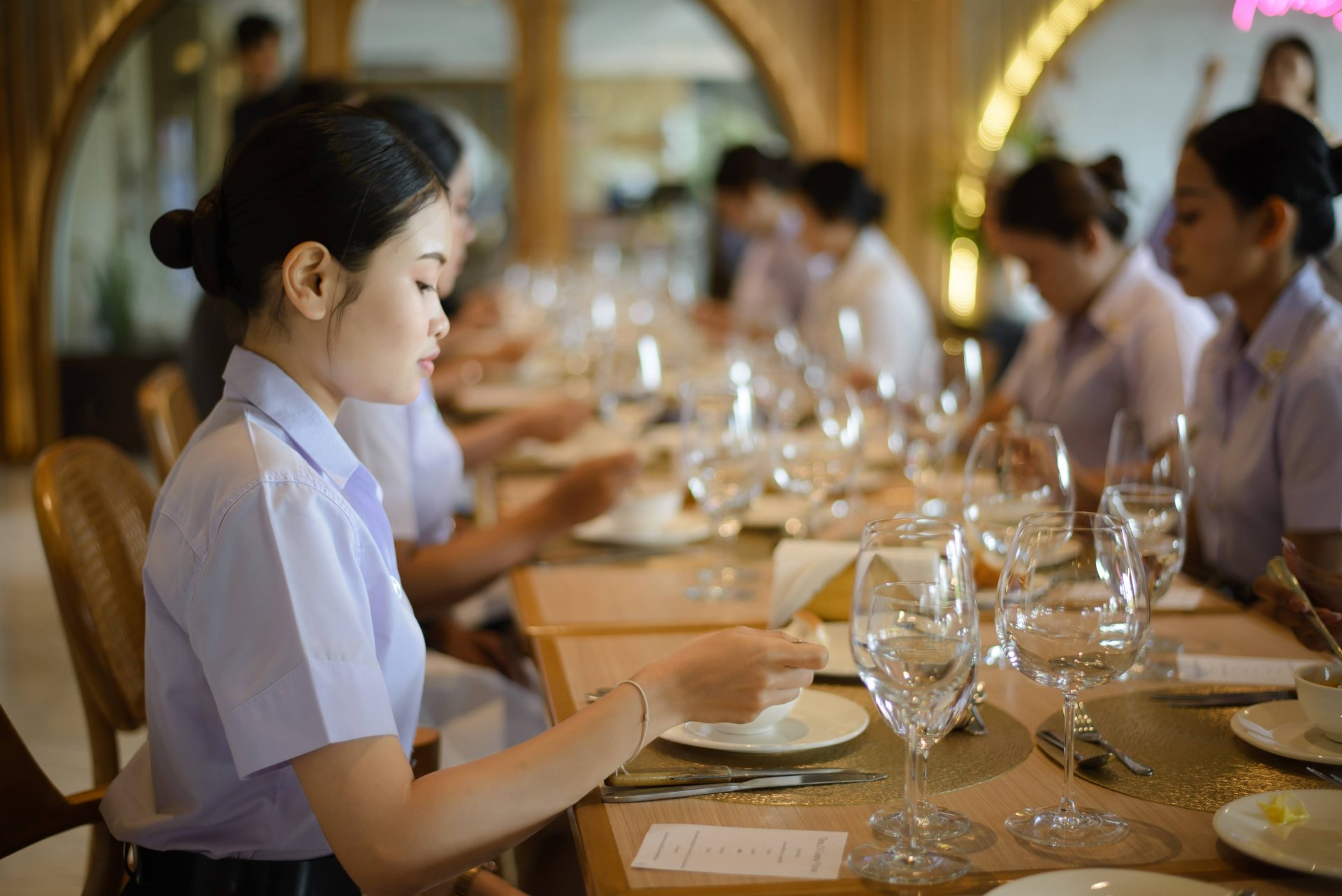
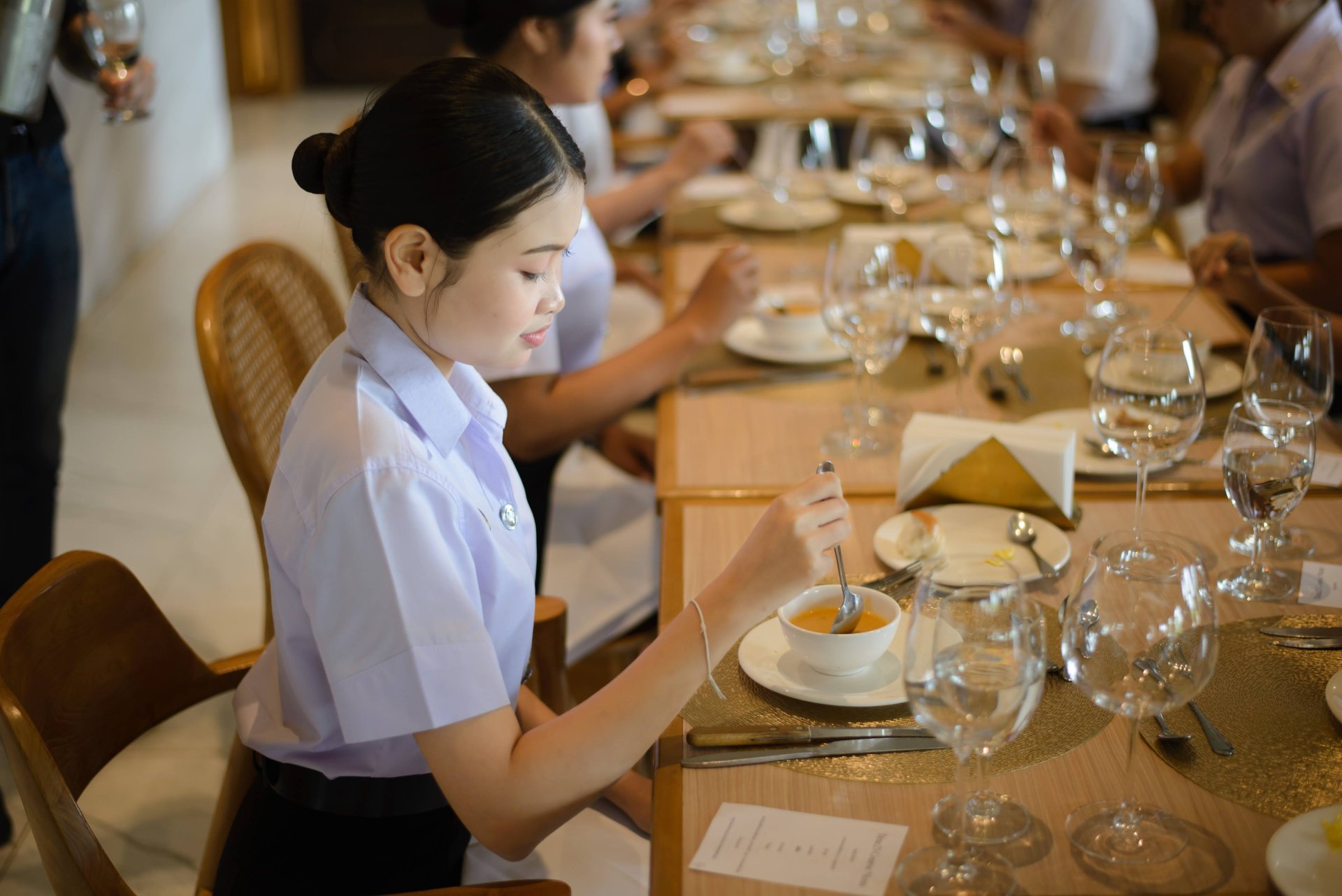
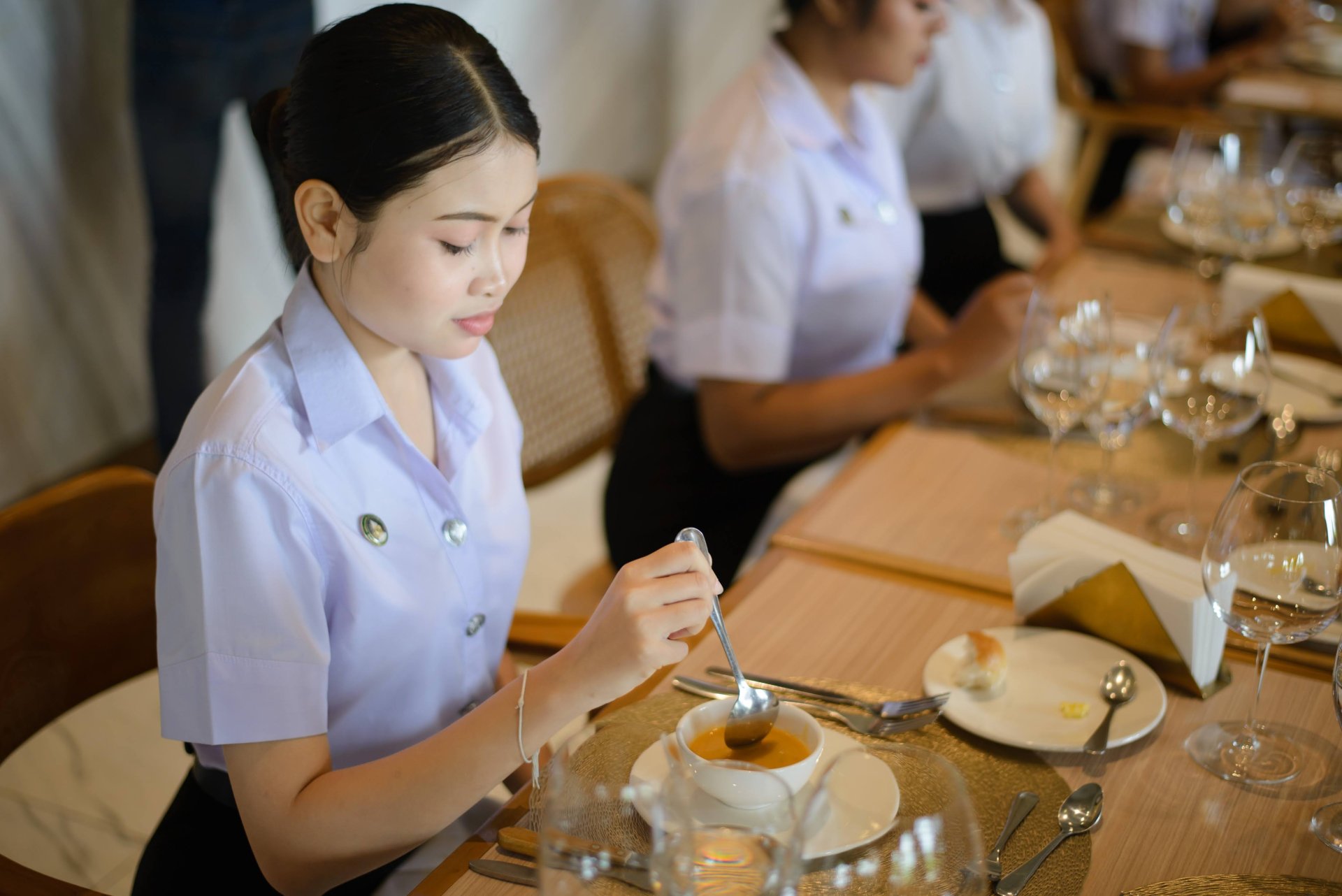
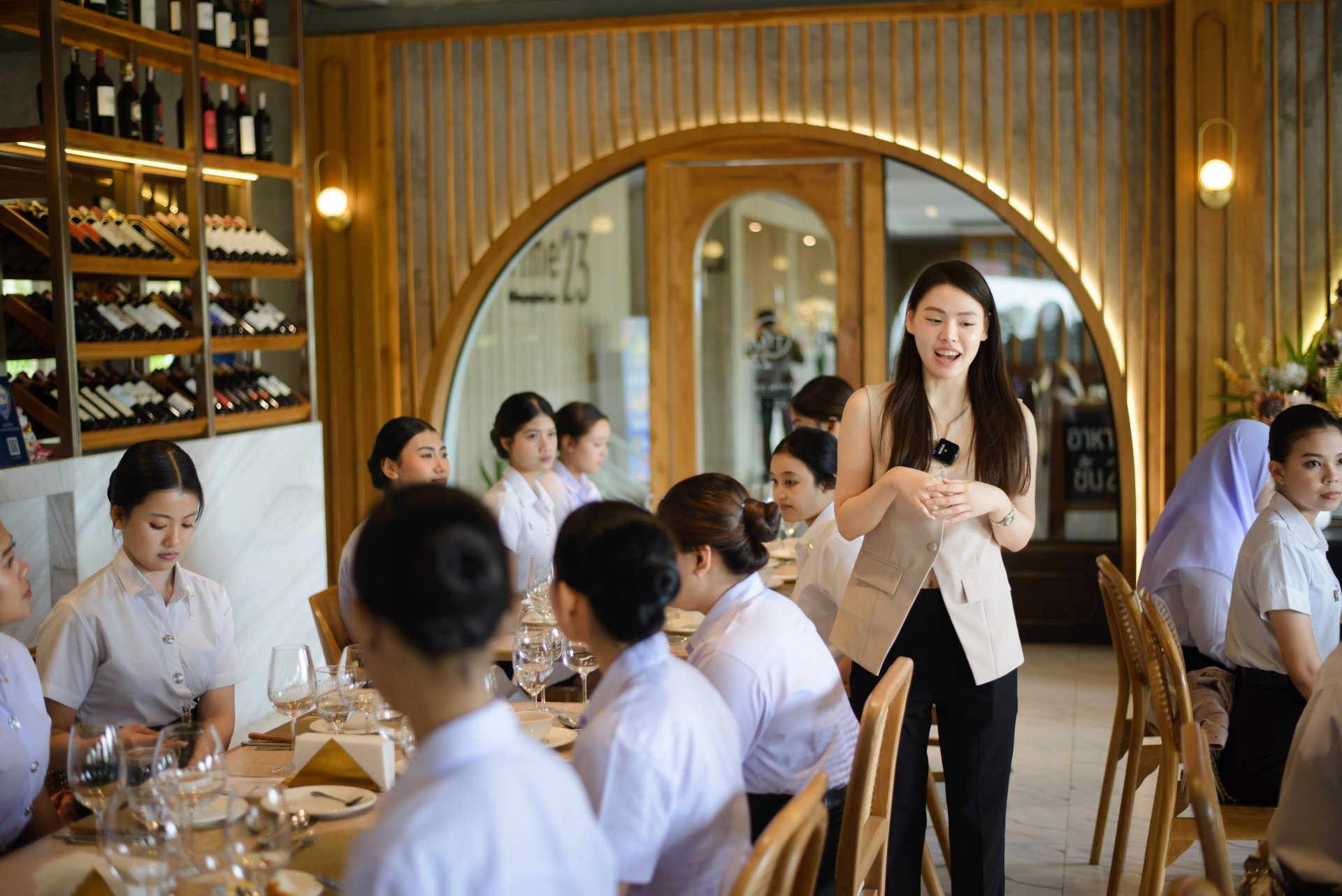
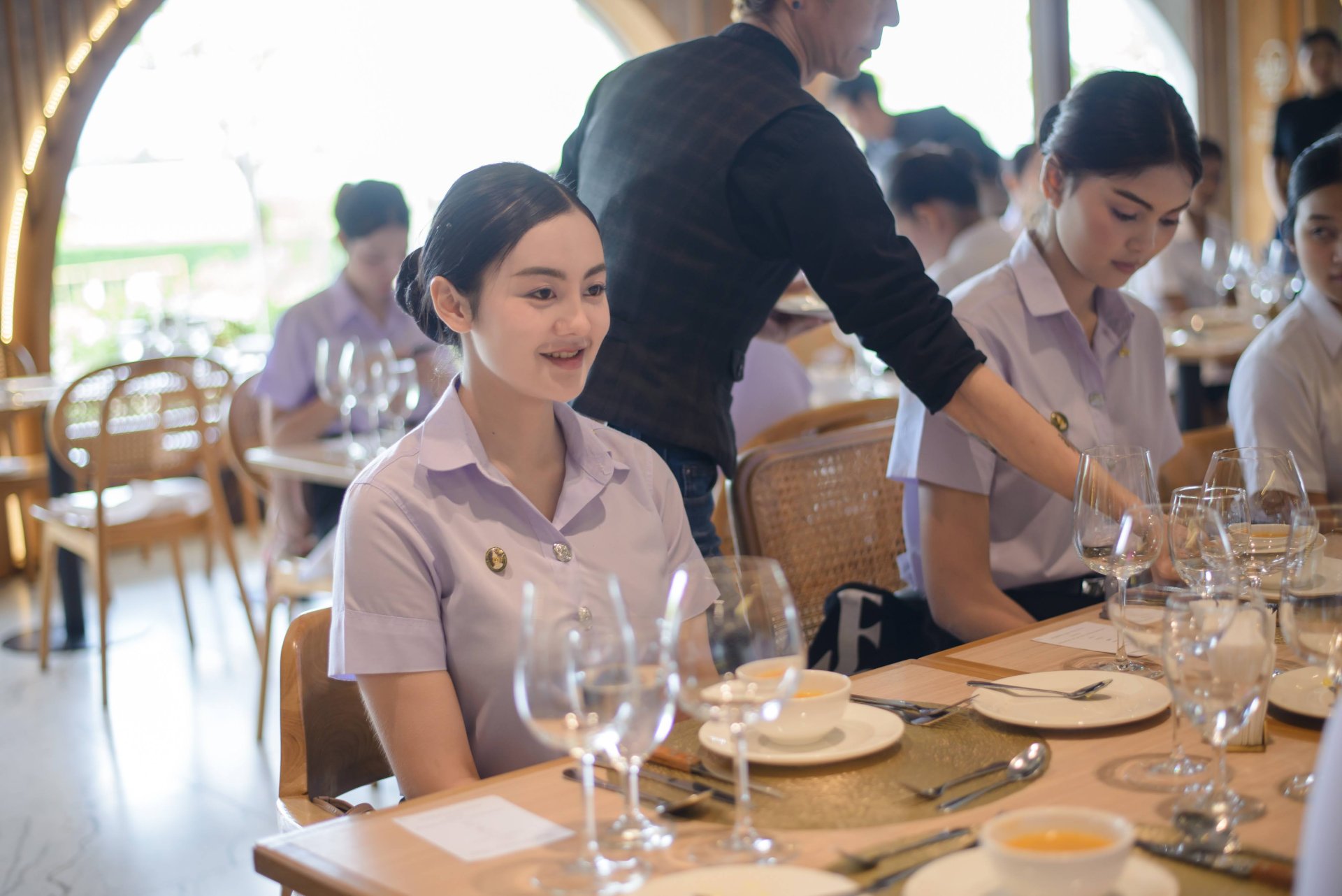
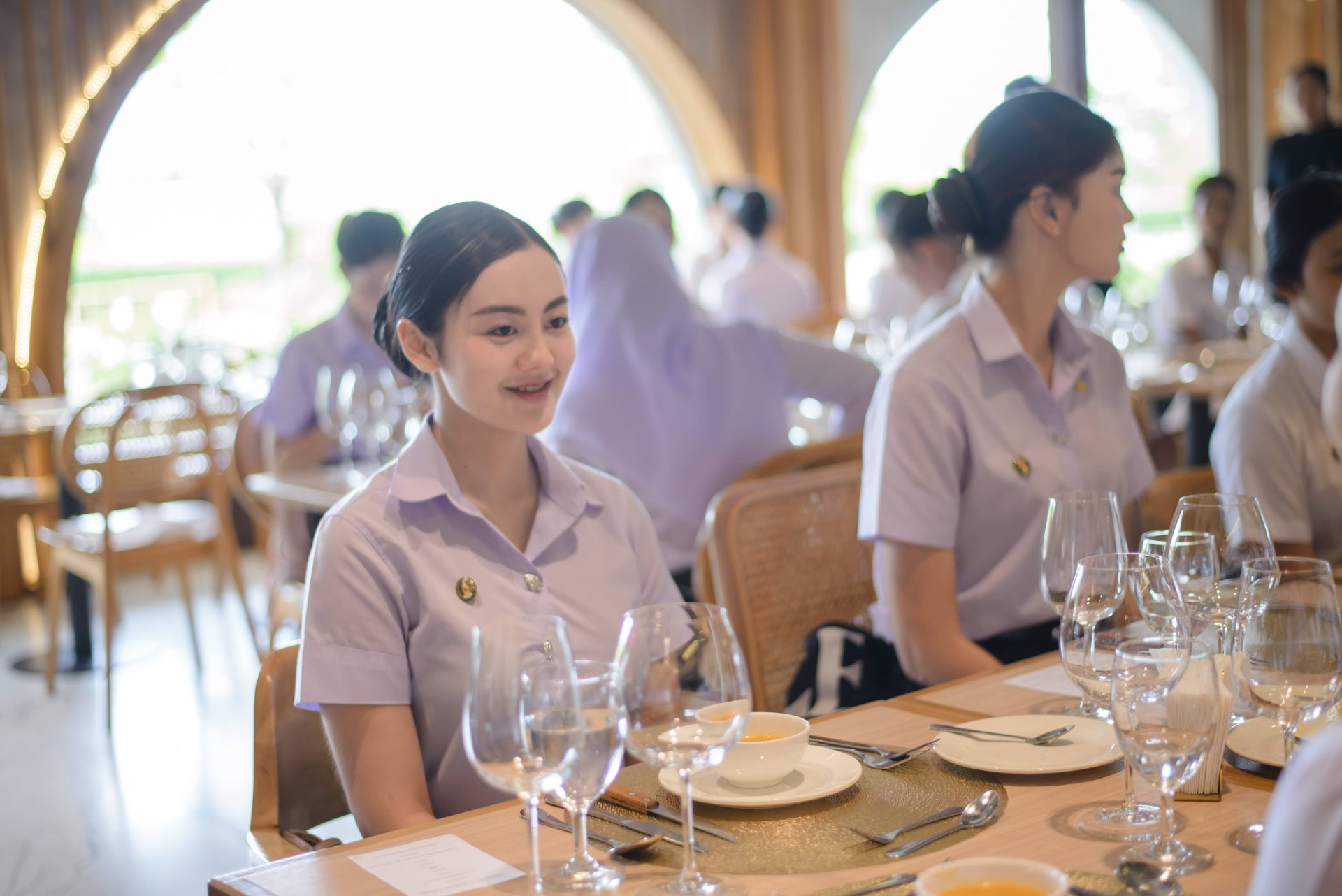
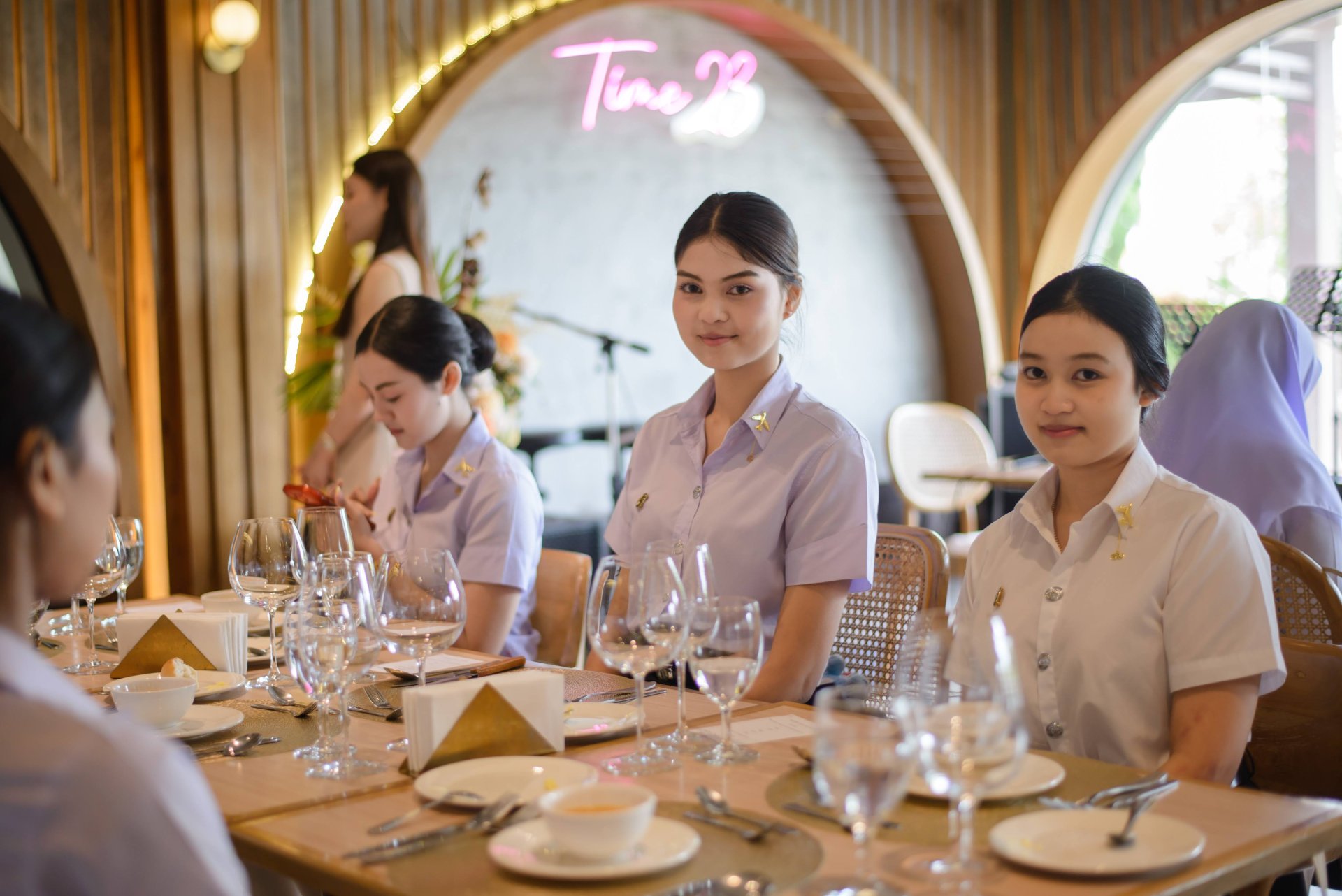
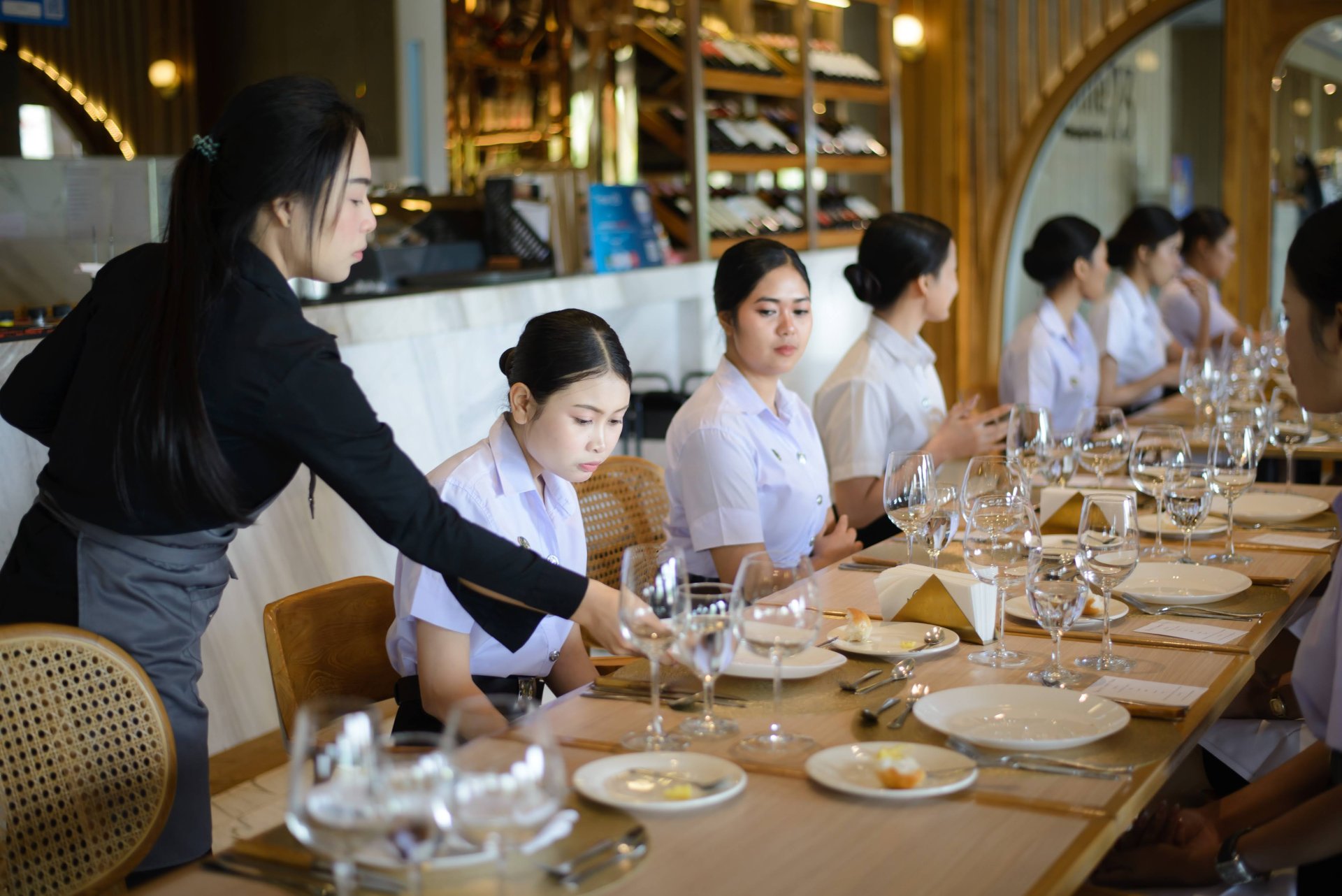
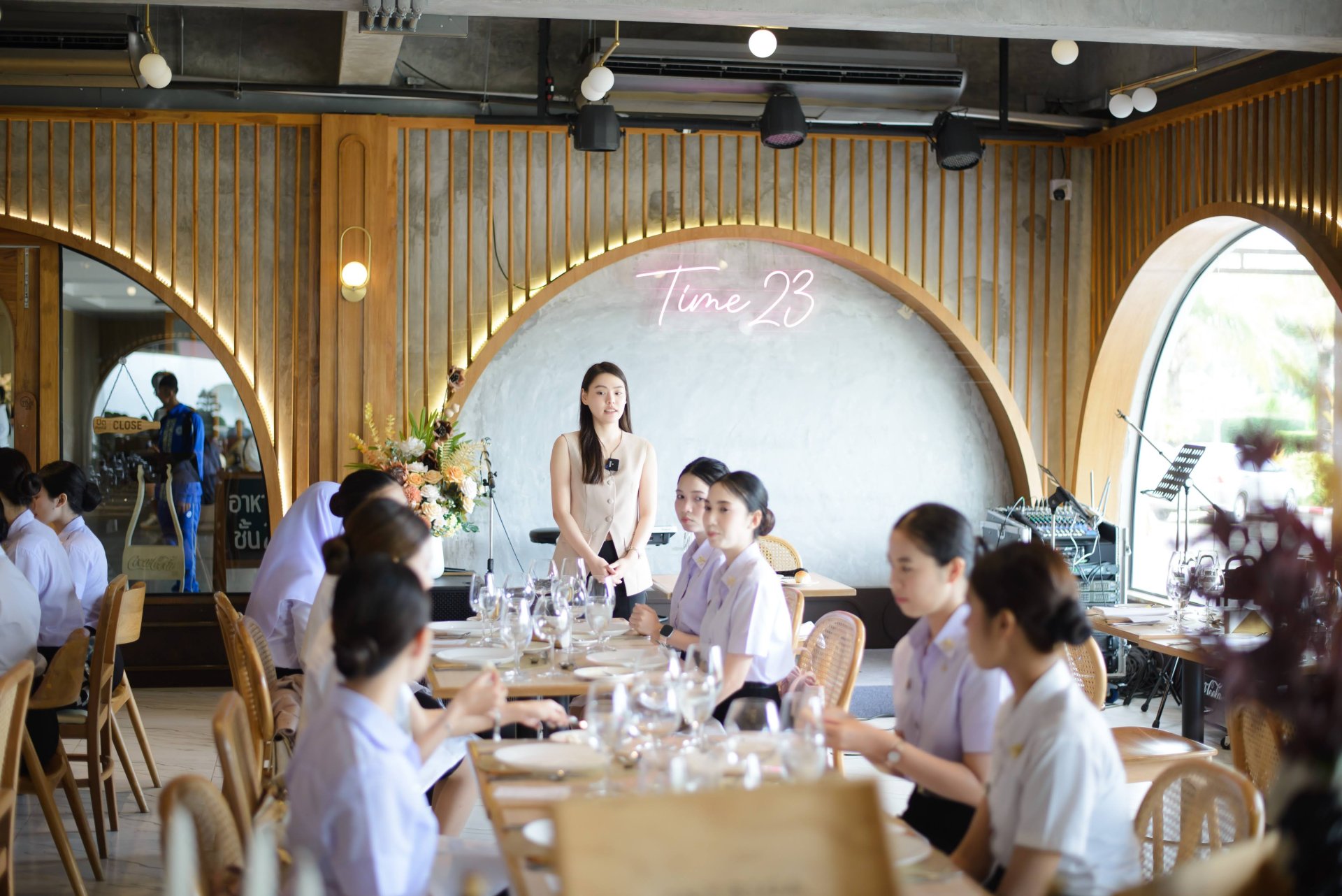
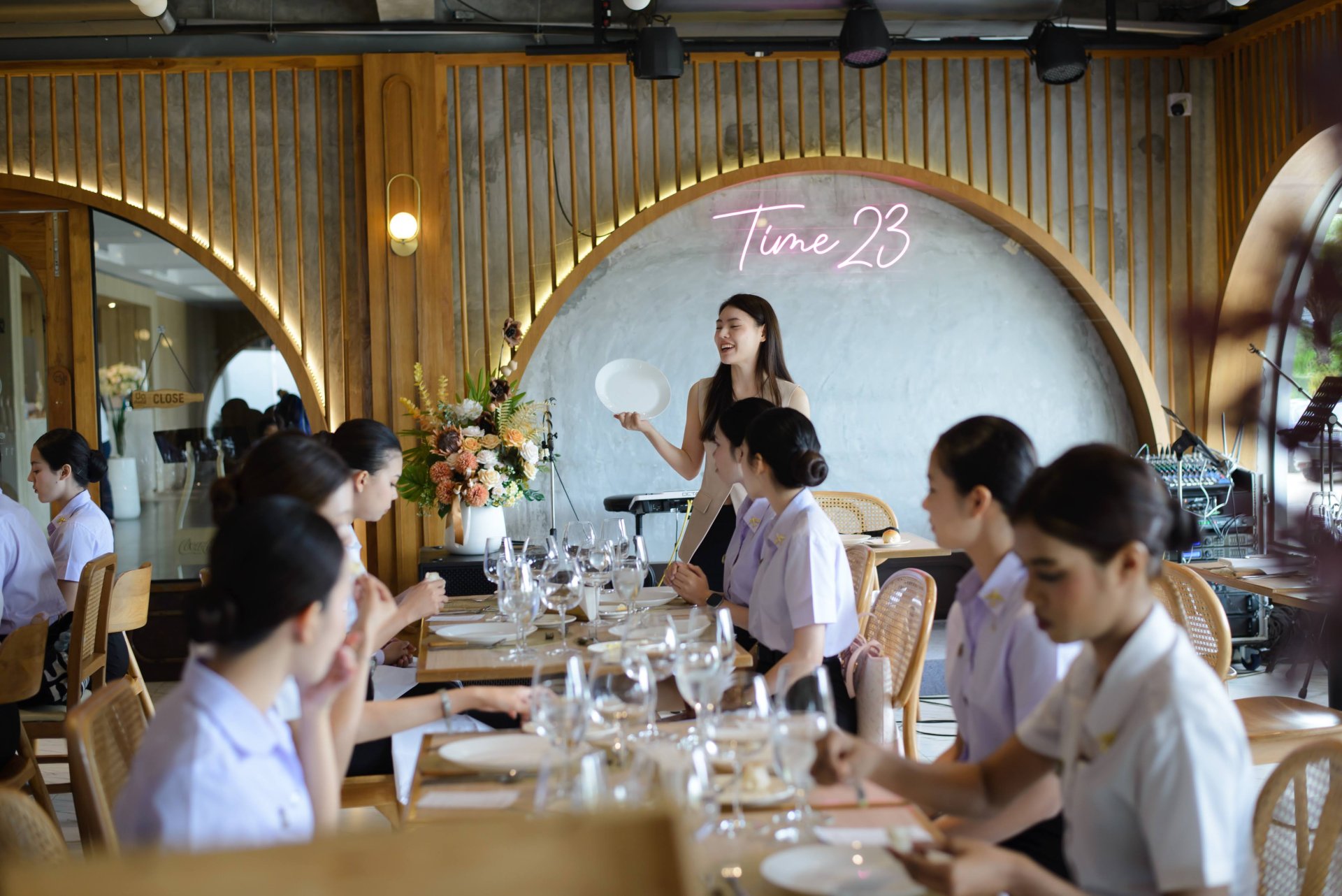
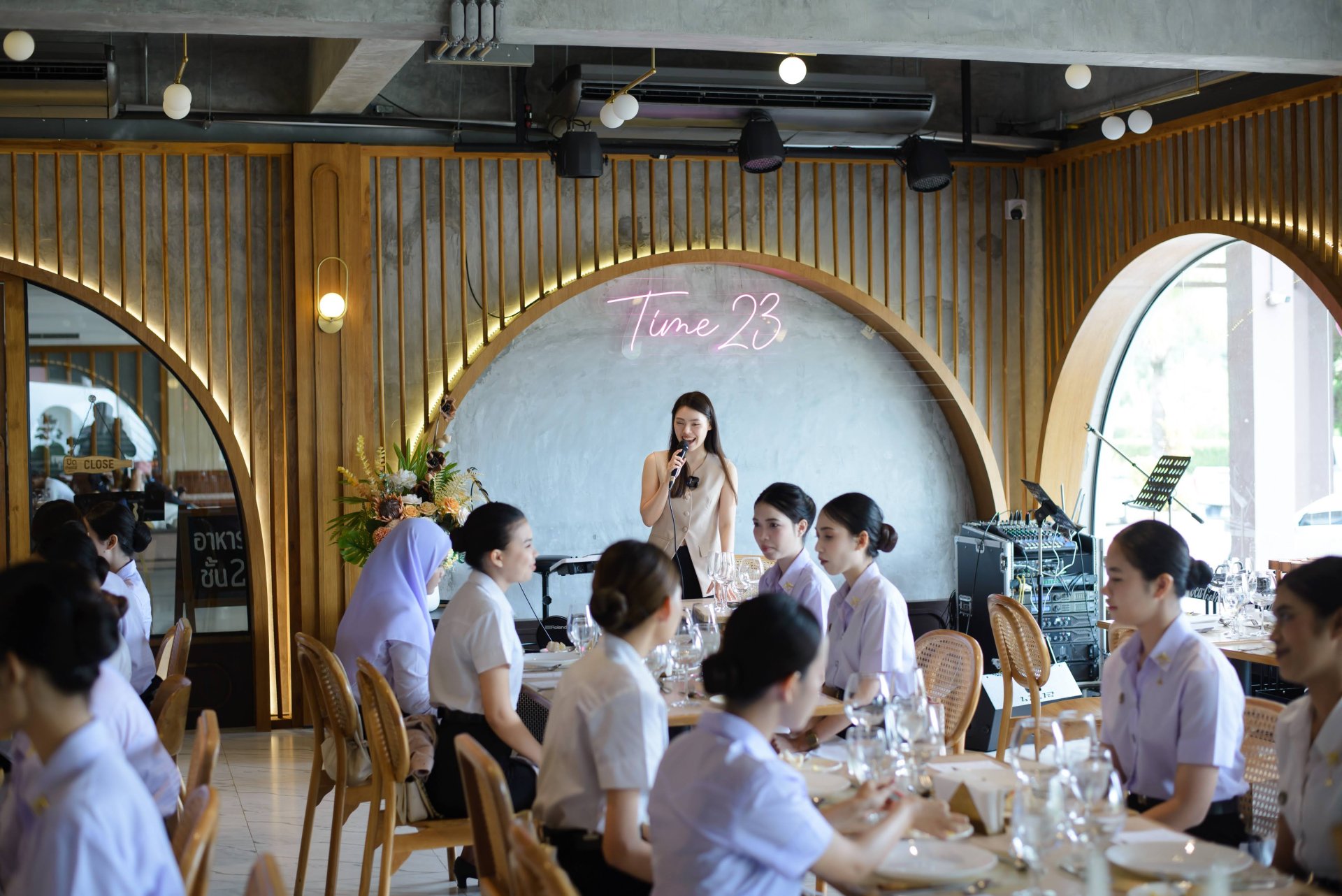
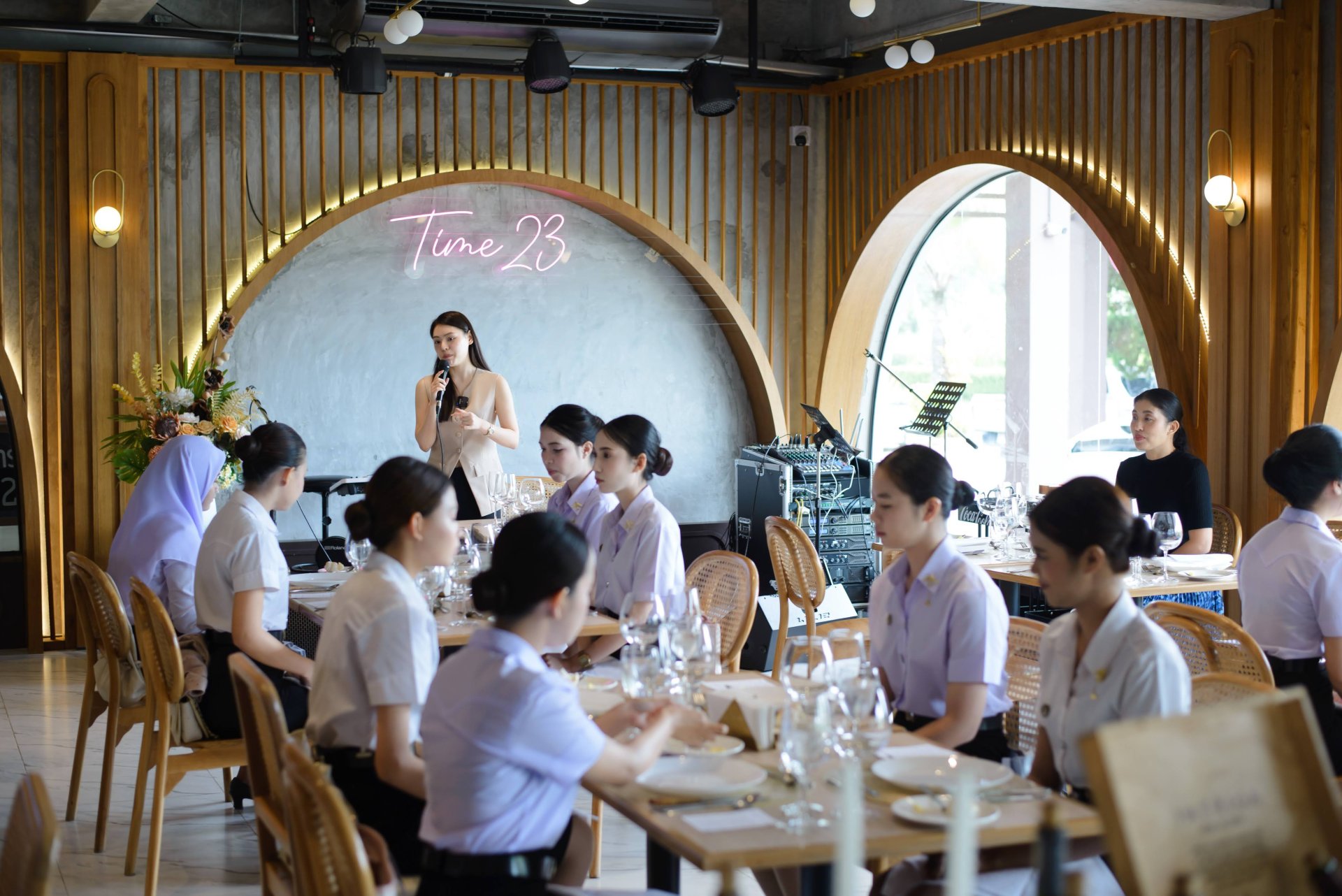
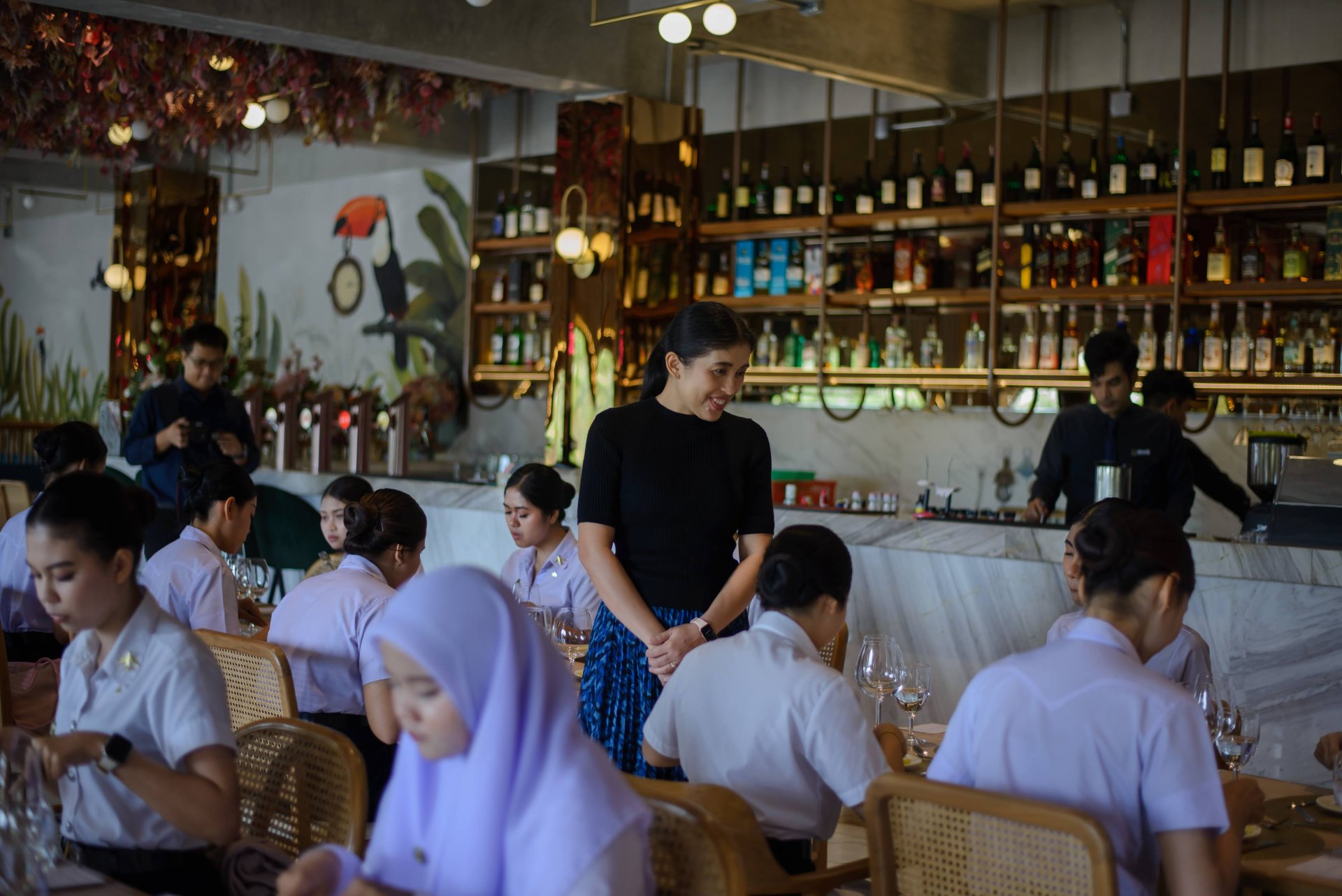
First-year students of the Aviation Business Program, International School of Tourism (IST), Suratthani Rajabhat University, participated in the “Practical Training Workshop on Thai and International Etiquette for Professional Service” at Time 23 Cafe Bar & Restaurant, Mueang District, Surat Thani Province. The workshop aims to strengthen students’ knowledge and understanding of Thai and international etiquette, while enhancing their professional service skills, personality, and appropriate conduct in various situations. These competencies provide an essential foundation for future careers in the aviation and service industries.
Learning Professional Service in a Real-World Setting
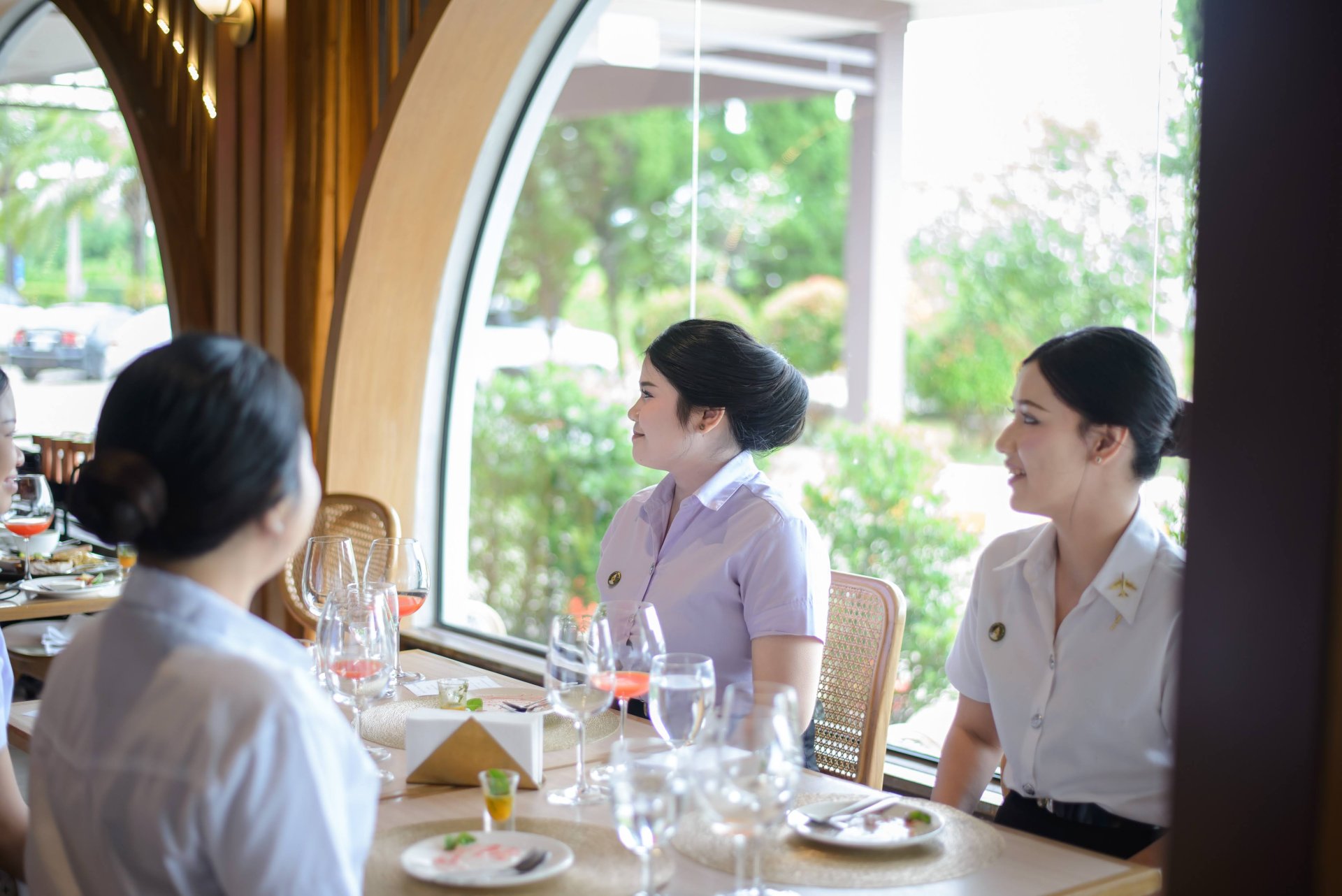
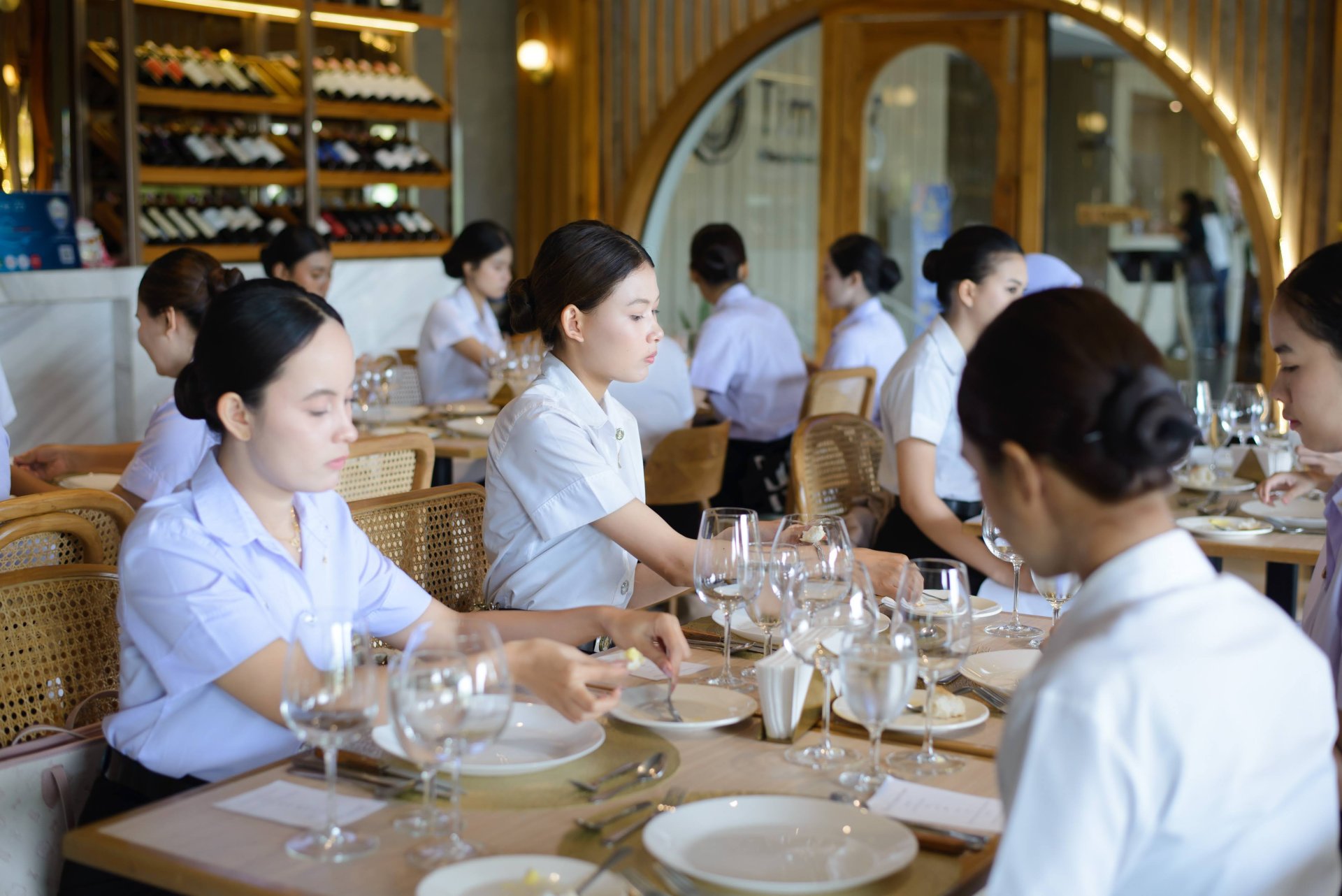
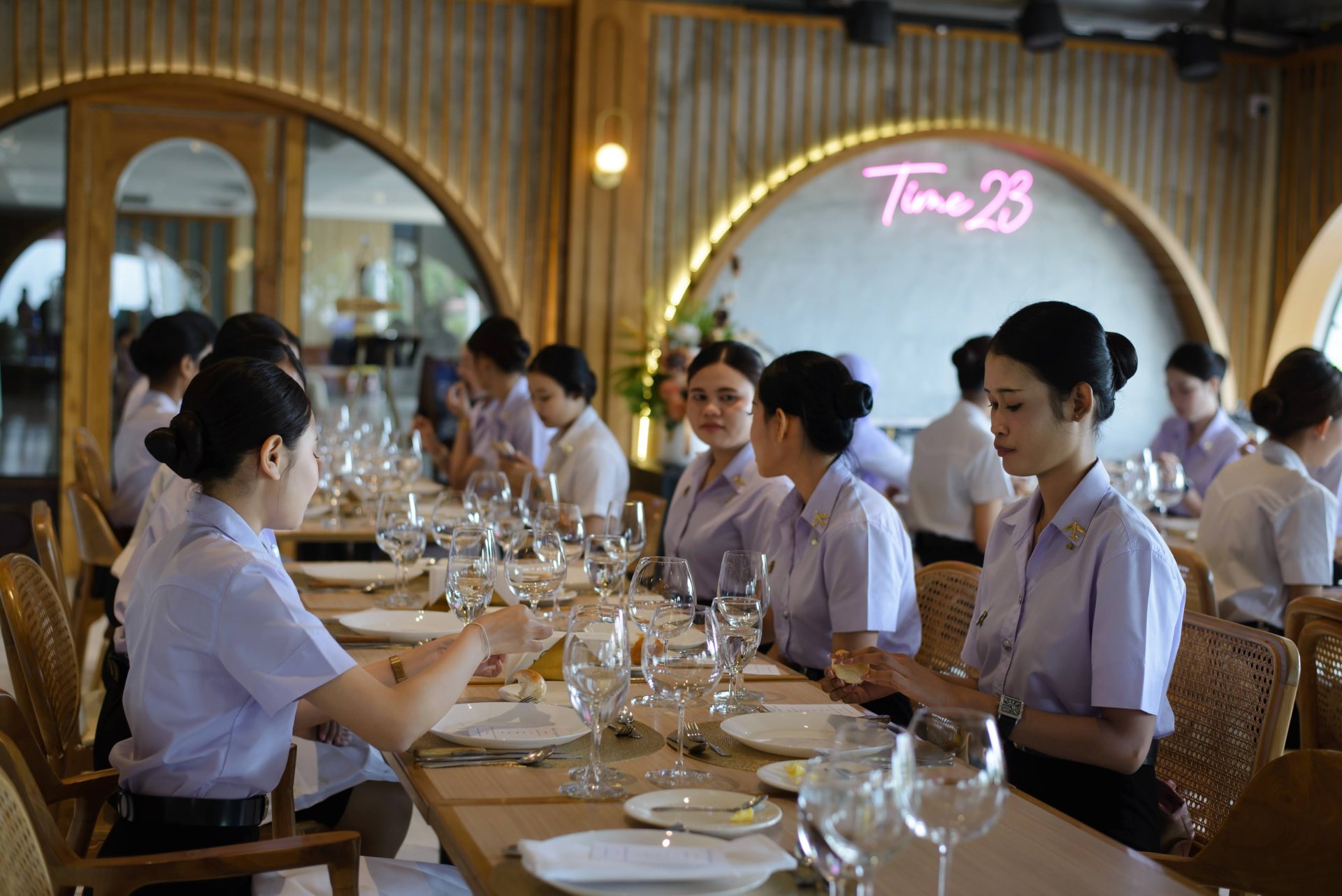
The workshop is designed as part of an experiential learning process that connects classroom theory, practical exercises, and real-world application. After studying the relevant principles and practicing in class, students are given opportunities to apply their knowledge in an authentic service environment. The activity also serves as an assessment of learning outcomes from both the service provider’s and the customer’s perspectives, helping students gain a more comprehensive understanding of professional service standards.
Mueang District, Surat Thani
Two Student Groups Participate in the Training
Class Group 69053.071
30 students
Class Group 69054.072
28 students
Dividing the students into two groups allows the practical training to be conducted in an appropriate and engaging learning environment. Students have opportunities to observe, participate, and practice in situations that closely reflect real service experiences, enabling them to build confidence and apply what they have learned to future coursework, professional training, and workplace settings.
From Theory to Practice and Real Experience
Real-world learning allows students to understand the details of professional service beyond the classroom. These include appropriate conduct, communication, respect for others, service etiquette, and the ability to adapt their behavior to different people and situations. Such competencies are essential for creating positive impressions and maintaining professional service standards.
Workshop Objectives
To provide students with knowledge and understanding of Thai and international etiquette, as well as an appreciation of its importance in professional service and workplace contexts.
To enable students to conduct themselves correctly and appropriately in various situations and apply these skills to their studies, professional training, and future careers.
Strengthening Service Mind and Building a Foundation for Aviation Professionals
In the aviation industry, technical knowledge alone is not enough. Aviation professionals must also be able to communicate effectively, provide appropriate service, and interact respectfully with passengers and customers from diverse cultural backgrounds. An understanding of both Thai and international etiquette therefore provides an important foundation for developing students’ personality, confidence, adaptability, and professionalism.
The workshop reflects the learning approach of the Aviation Business Program, which focuses on developing students in four interconnected areas: Knowledge, Skills, Attitude, and Service Mind. By combining classroom learning with real-world experiences, the program prepares students for future professional training and careers in the aviation and service industries.
Professional Service Starts with the Details
Professional service begins with the small details: appropriate conduct, effective communication, respect, and an understanding of cultural differences. This learning experience represents another important step for first-year Aviation Business students as they prepare for real-world professional environments.
SDG Report & Relevant Goals
This activity contributes to the Sustainable Development Goals (SDGs) by promoting quality experiential education and strengthening career-related competencies for future employment.
| SDG Goal | Target Description | Connection to Activity |
|---|---|---|
|
Goal 4: Quality Education |
The activity promotes quality education through experiential learning that connects classroom theory and practical exercises with application in a real-world environment. Students strengthen their knowledge and skills in etiquette, communication, service, and professional conduct, all of which are relevant to their future careers. |

|
Goal 8: Decent Work and Economic Growth |
The activity strengthens students’ employability and professional readiness by developing important competencies in service etiquette, personality, professional conduct, and Service Mind. These skills support their preparation for future employment, particularly in the aviation, tourism, hospitality, and wider service industries. |