IST Presents Six-Month Performance Results and Undergoes Dean Performance Monitoring and Evaluation for Fiscal Year 2026
3 September 2026
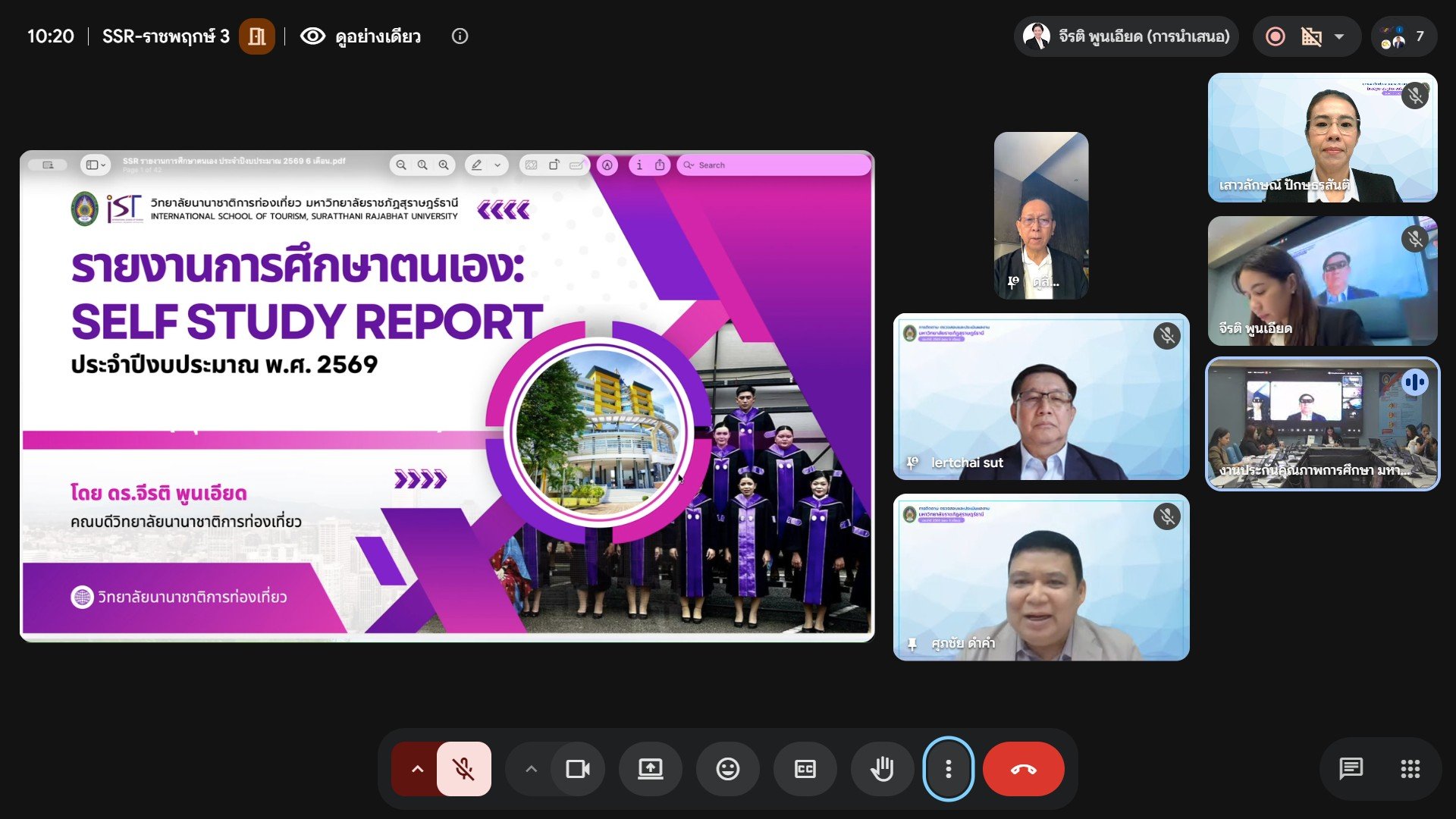
The International School of Tourism (IST), Suratthani Rajabhat University, presented its Self Study Report for the first six months of Fiscal Year 2026 and underwent the monitoring, inspection and evaluation of the Dean's performance. The process reflected progress in institutional operations, management and the implementation of the School's missions in alignment with the University's policies and development direction.
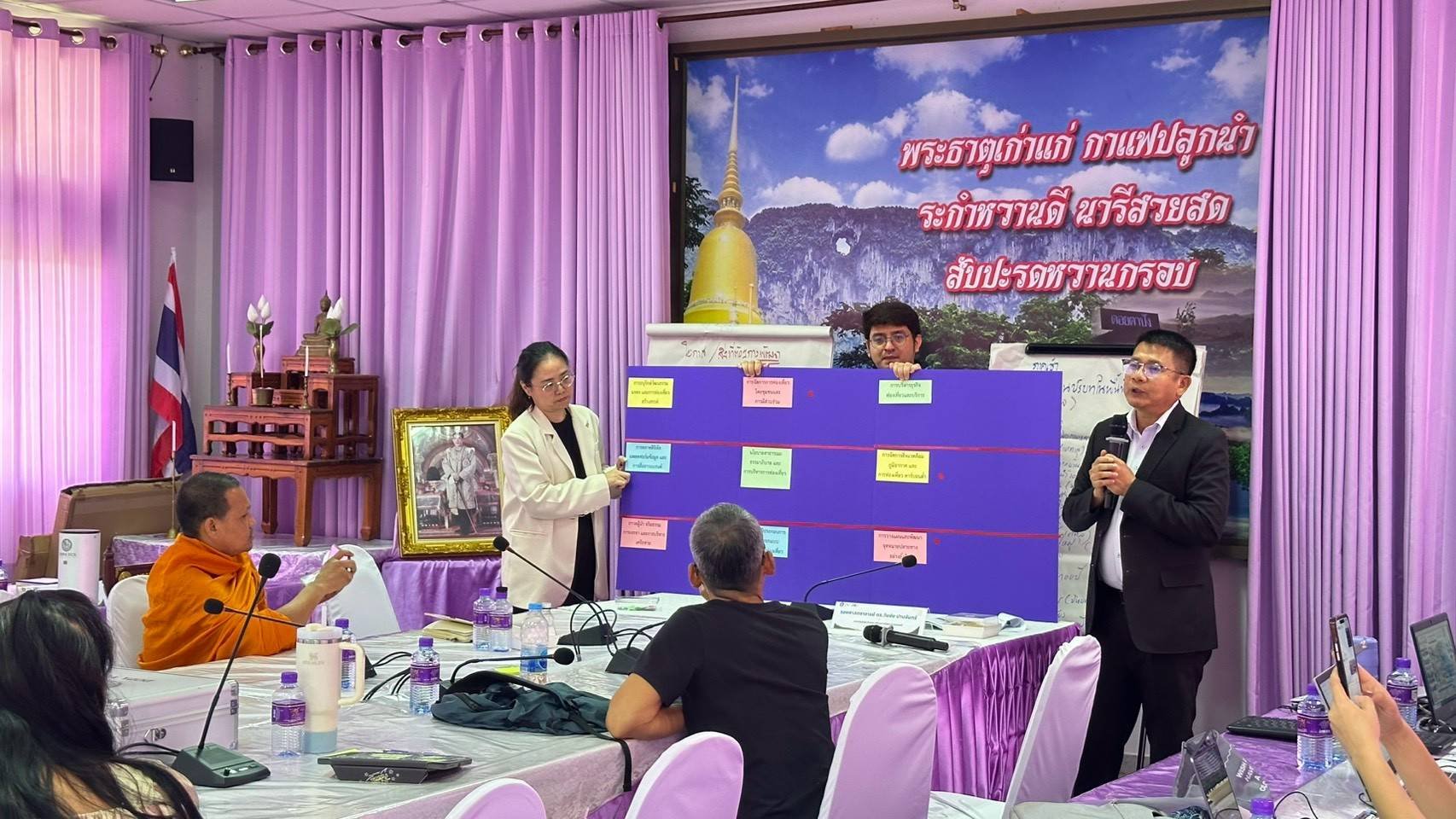
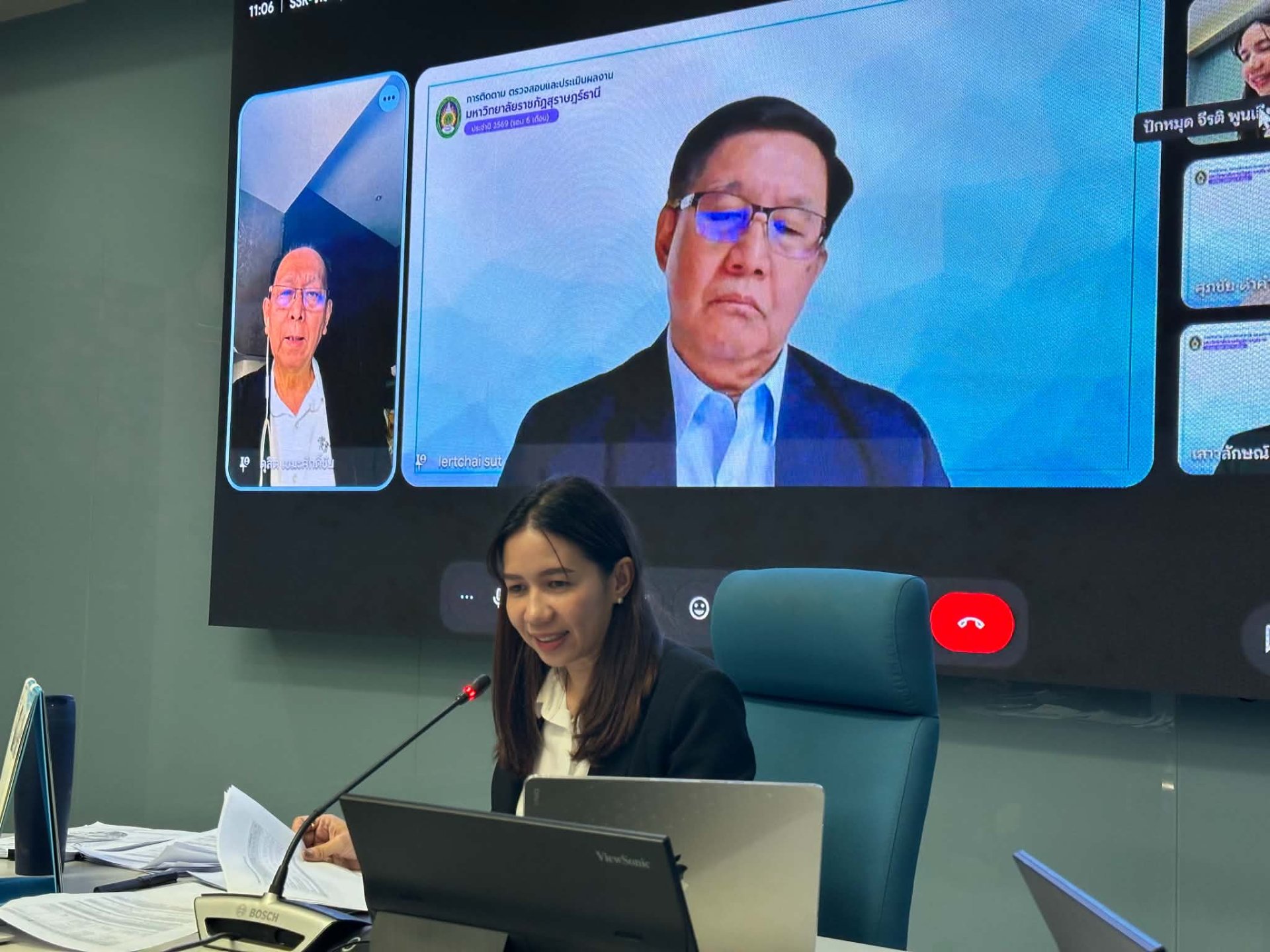
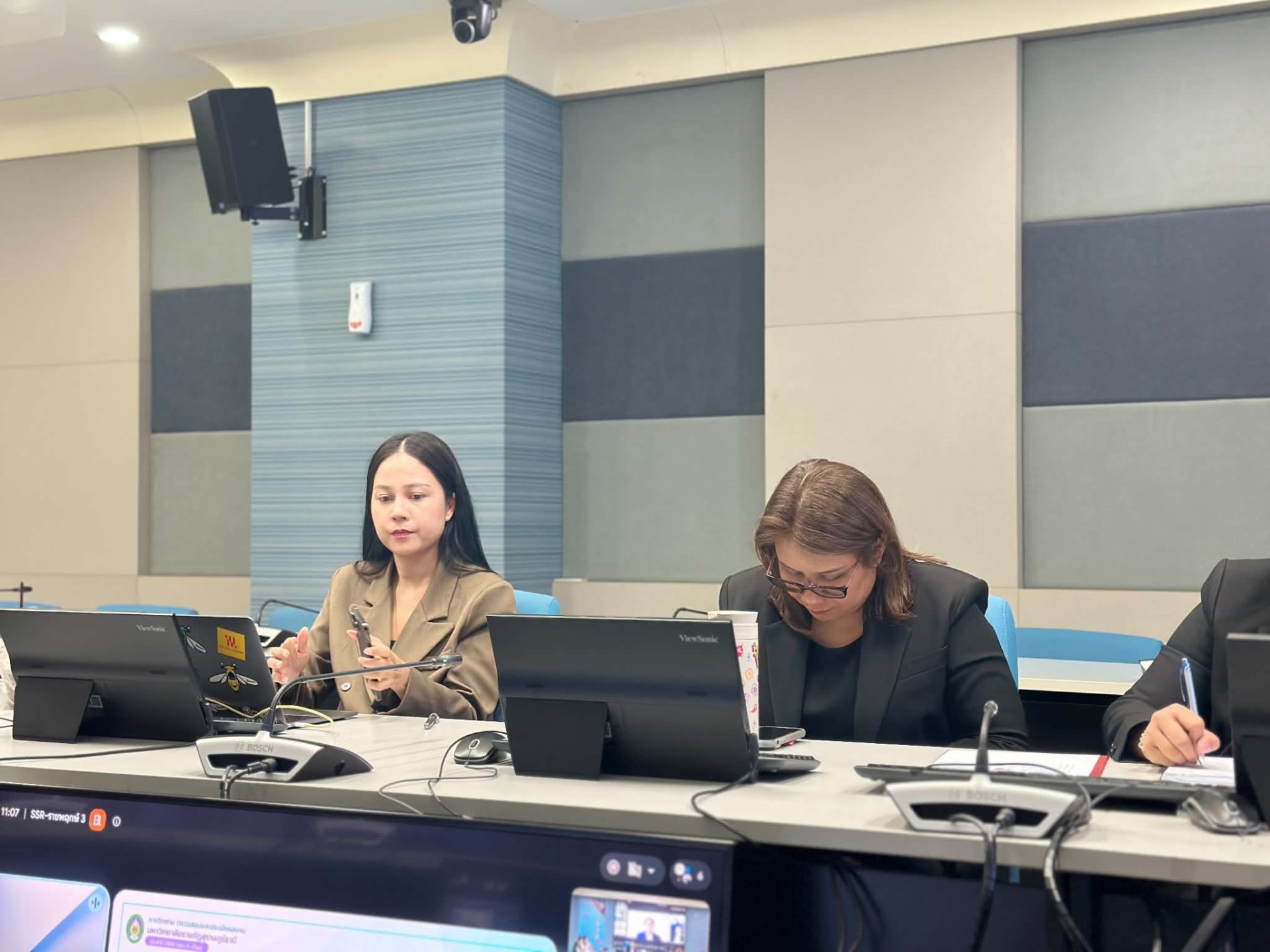
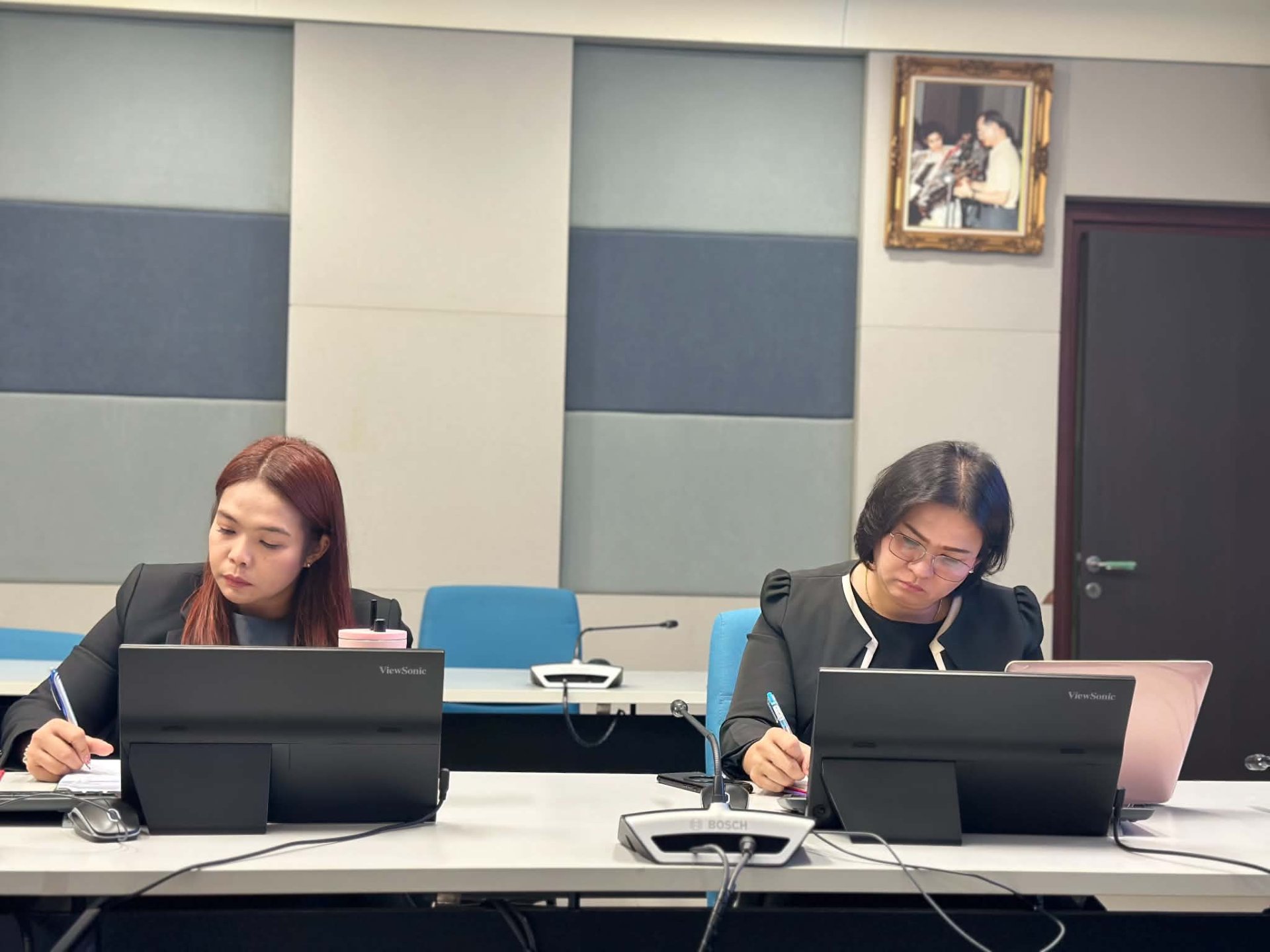
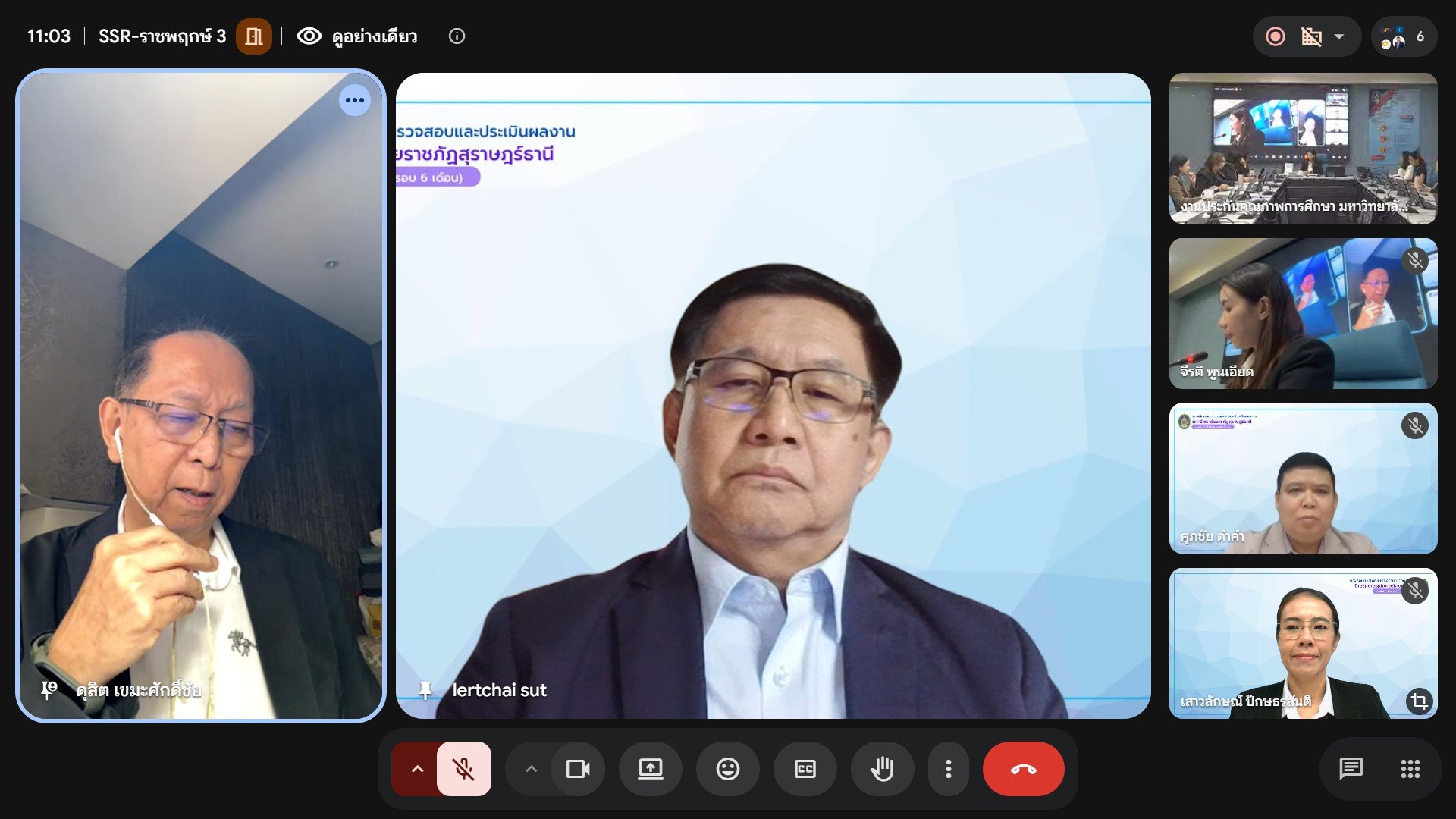
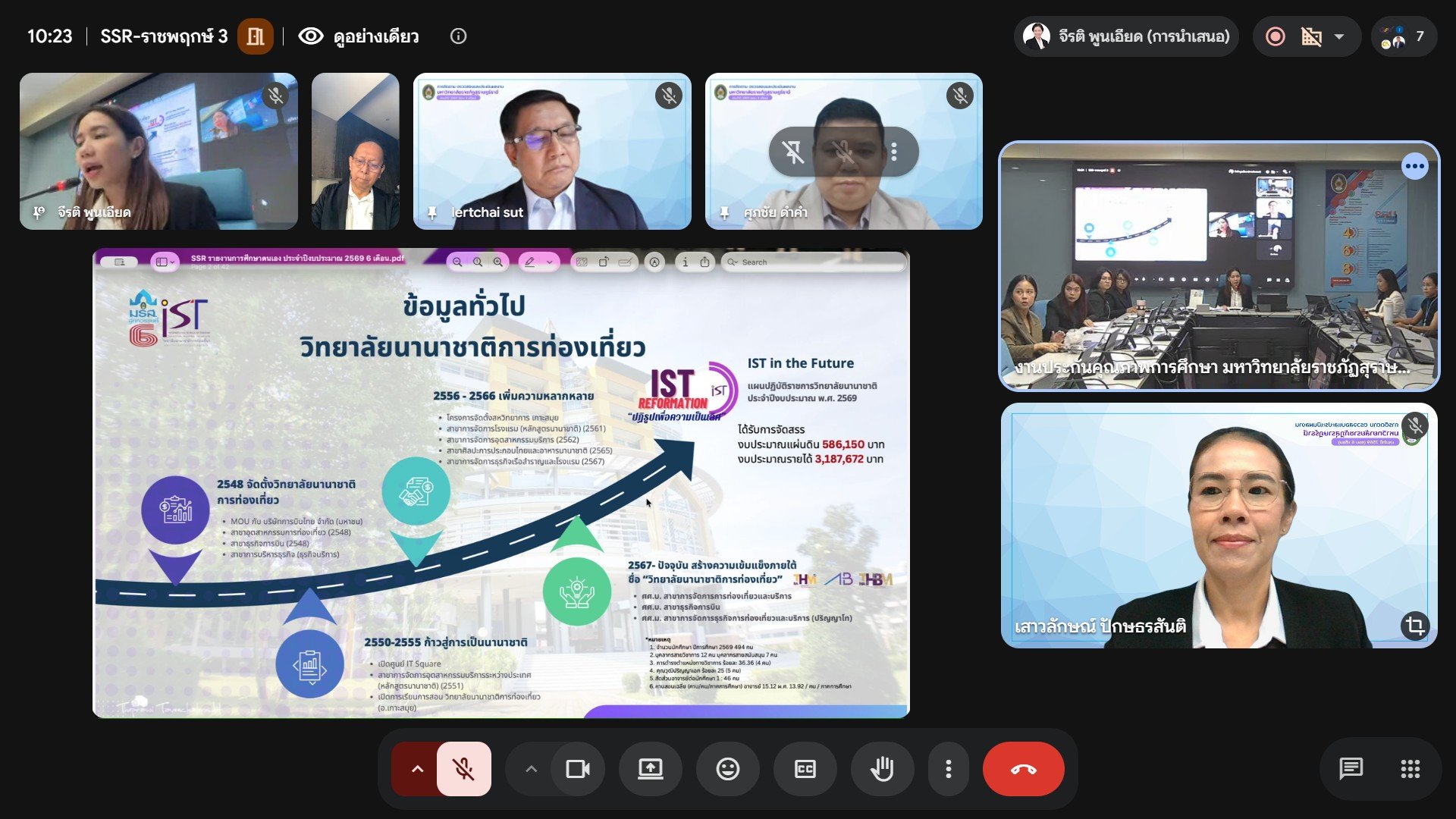
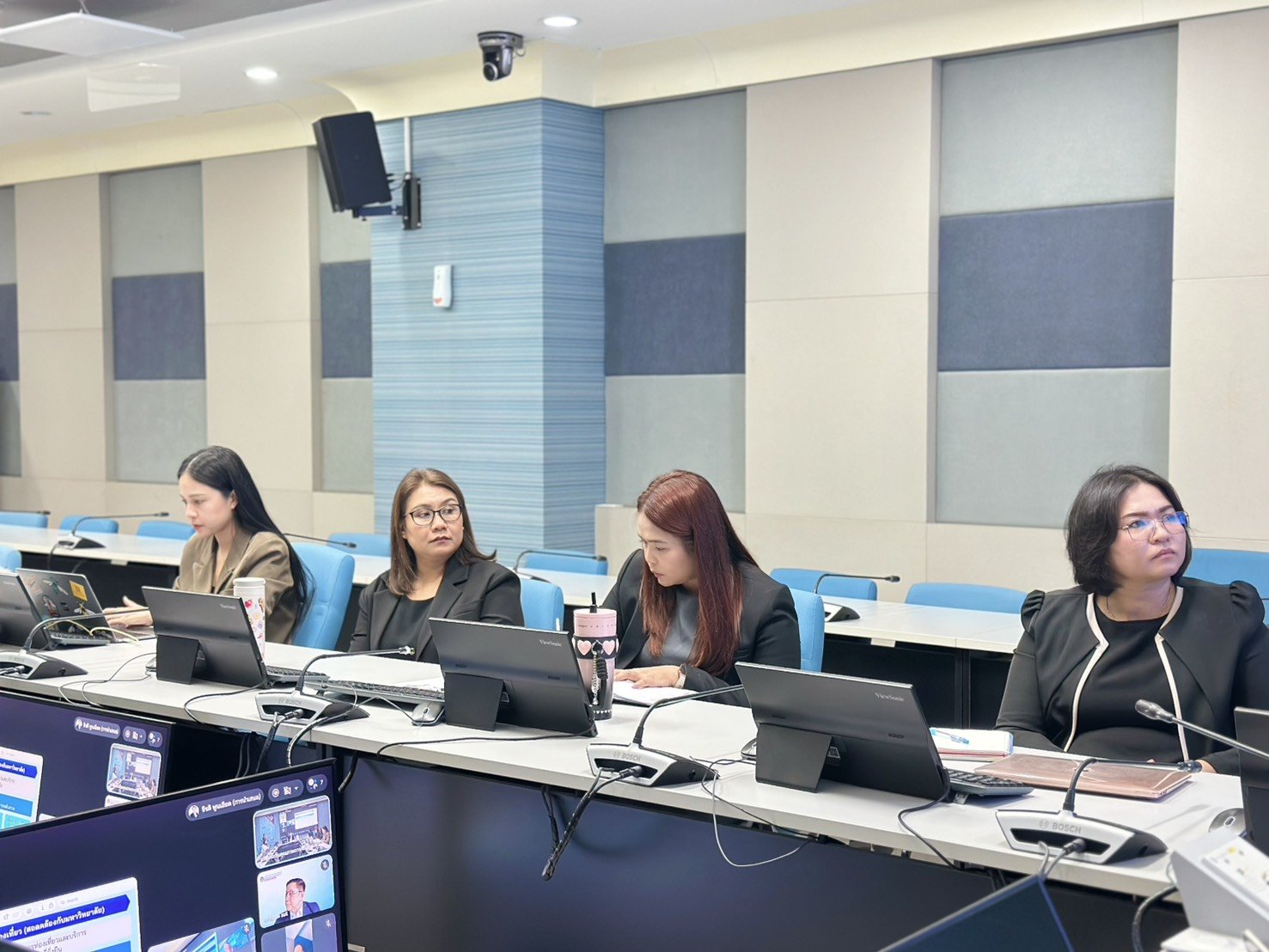
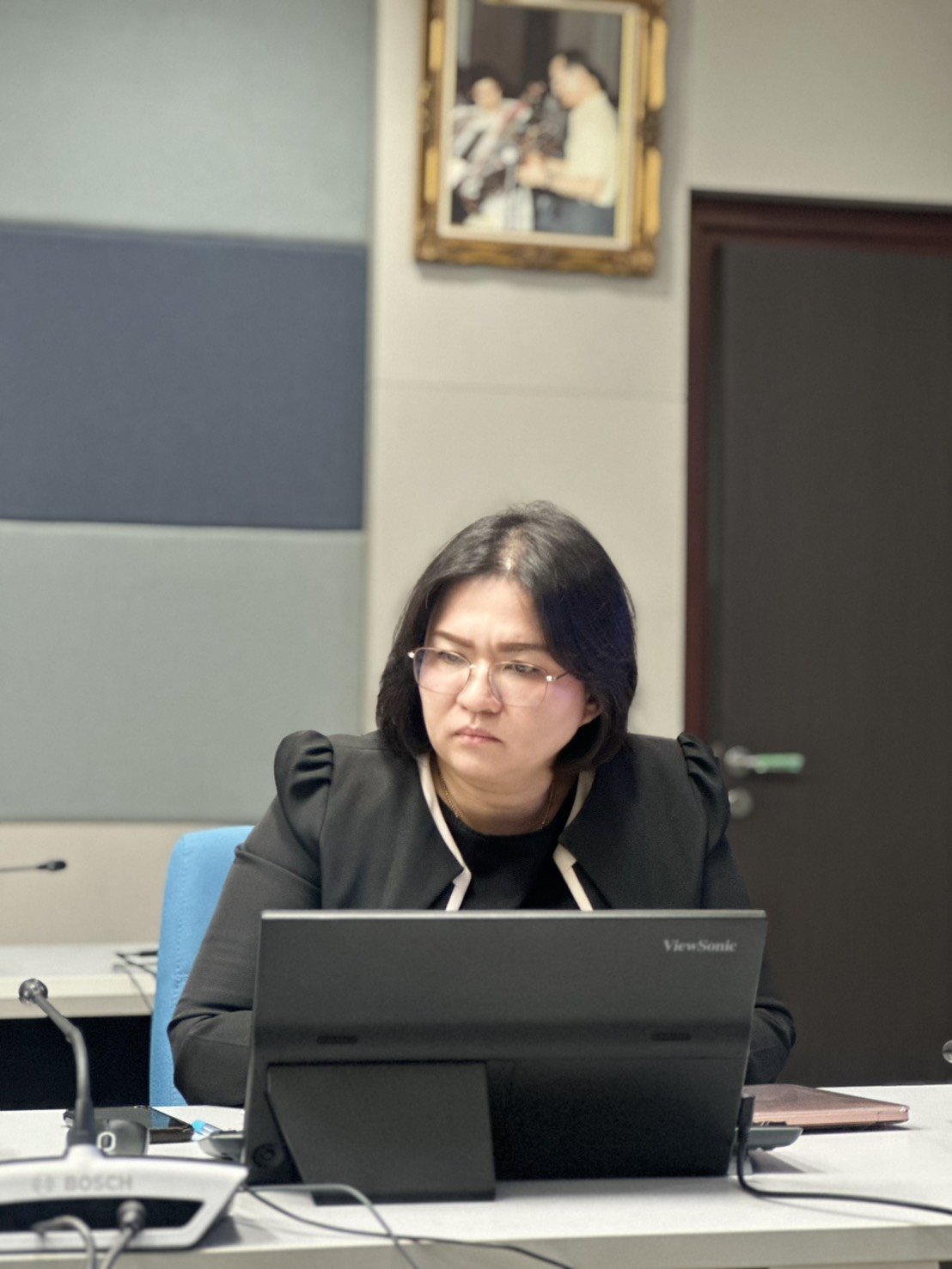
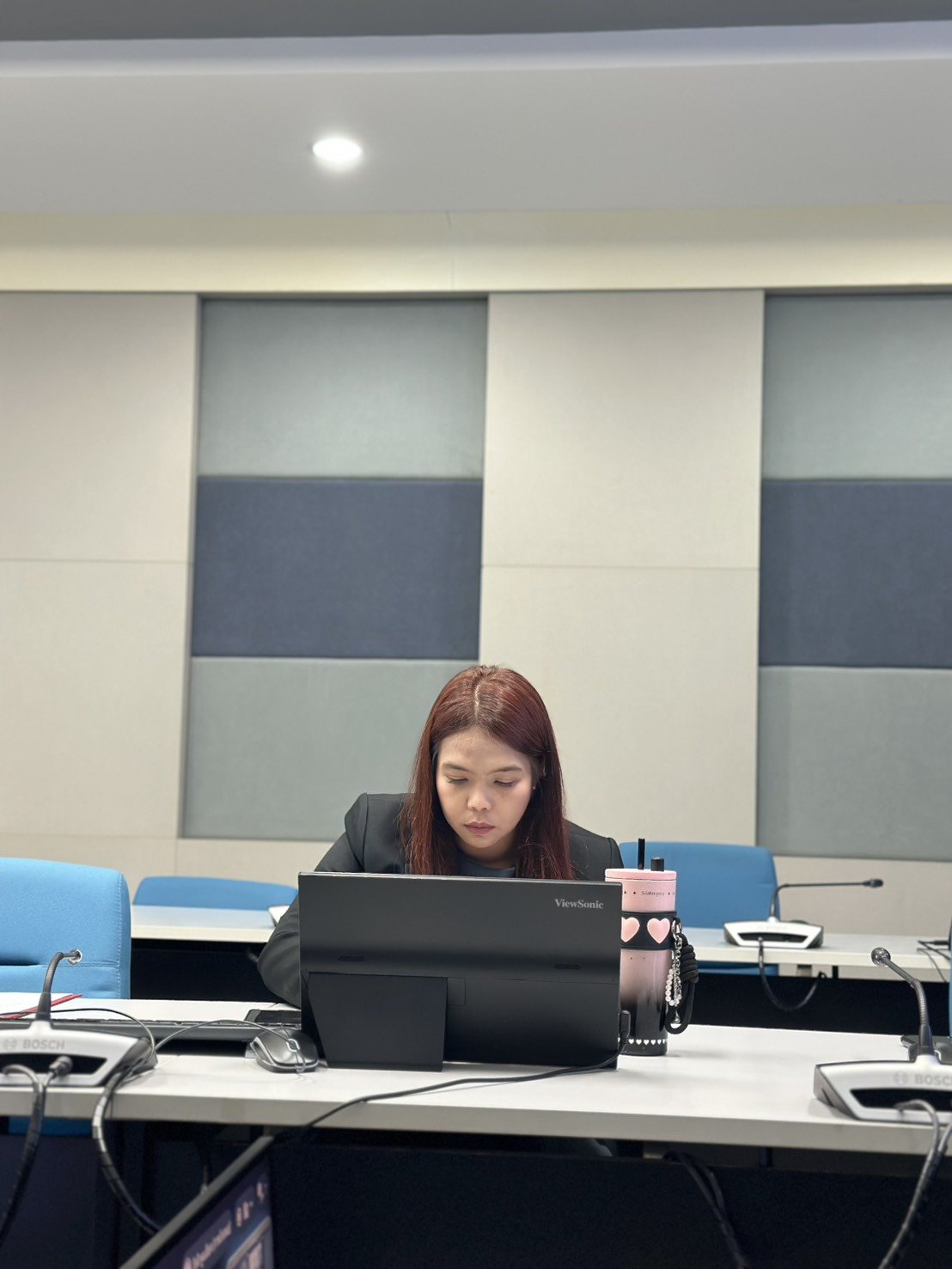
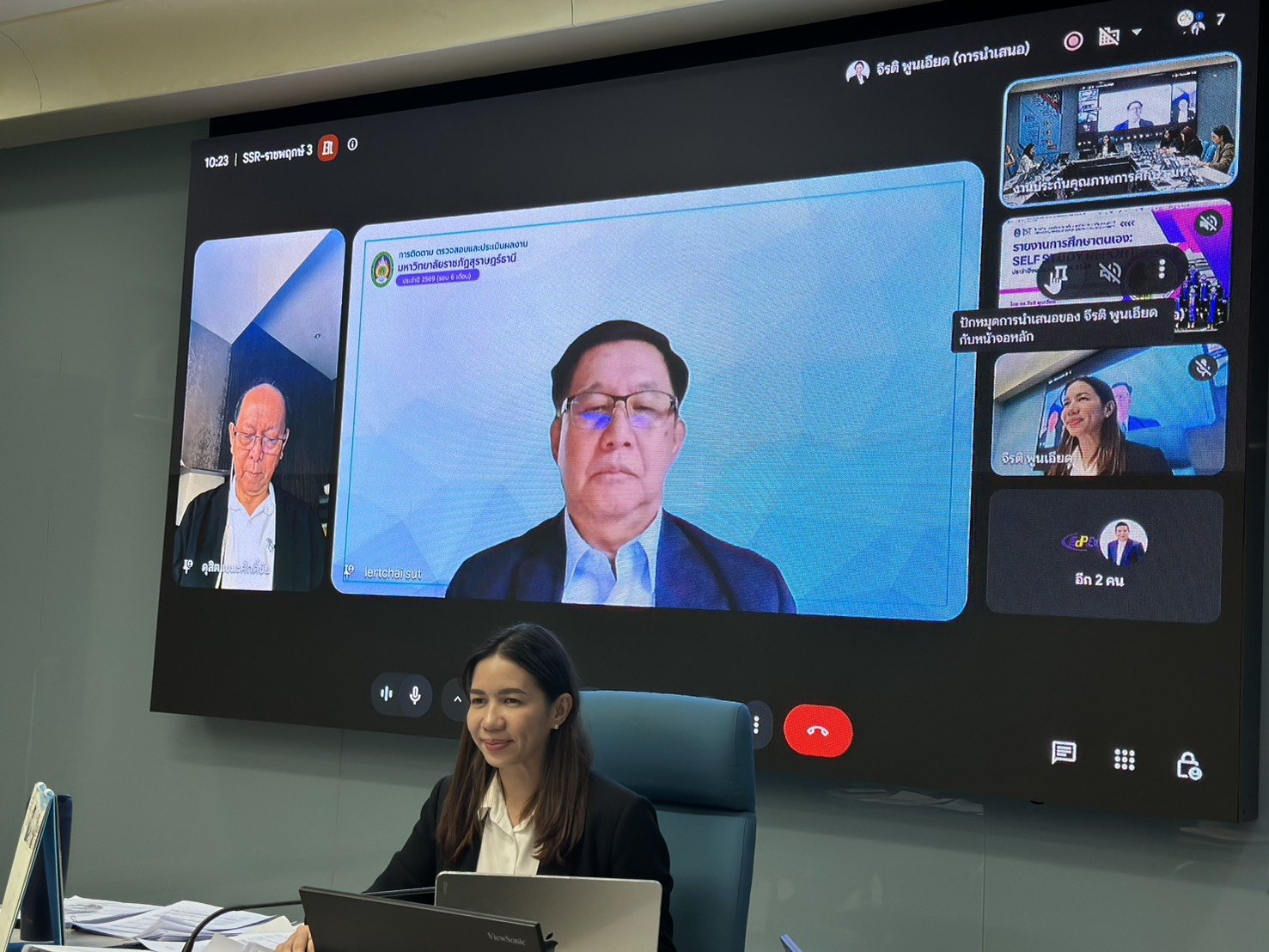
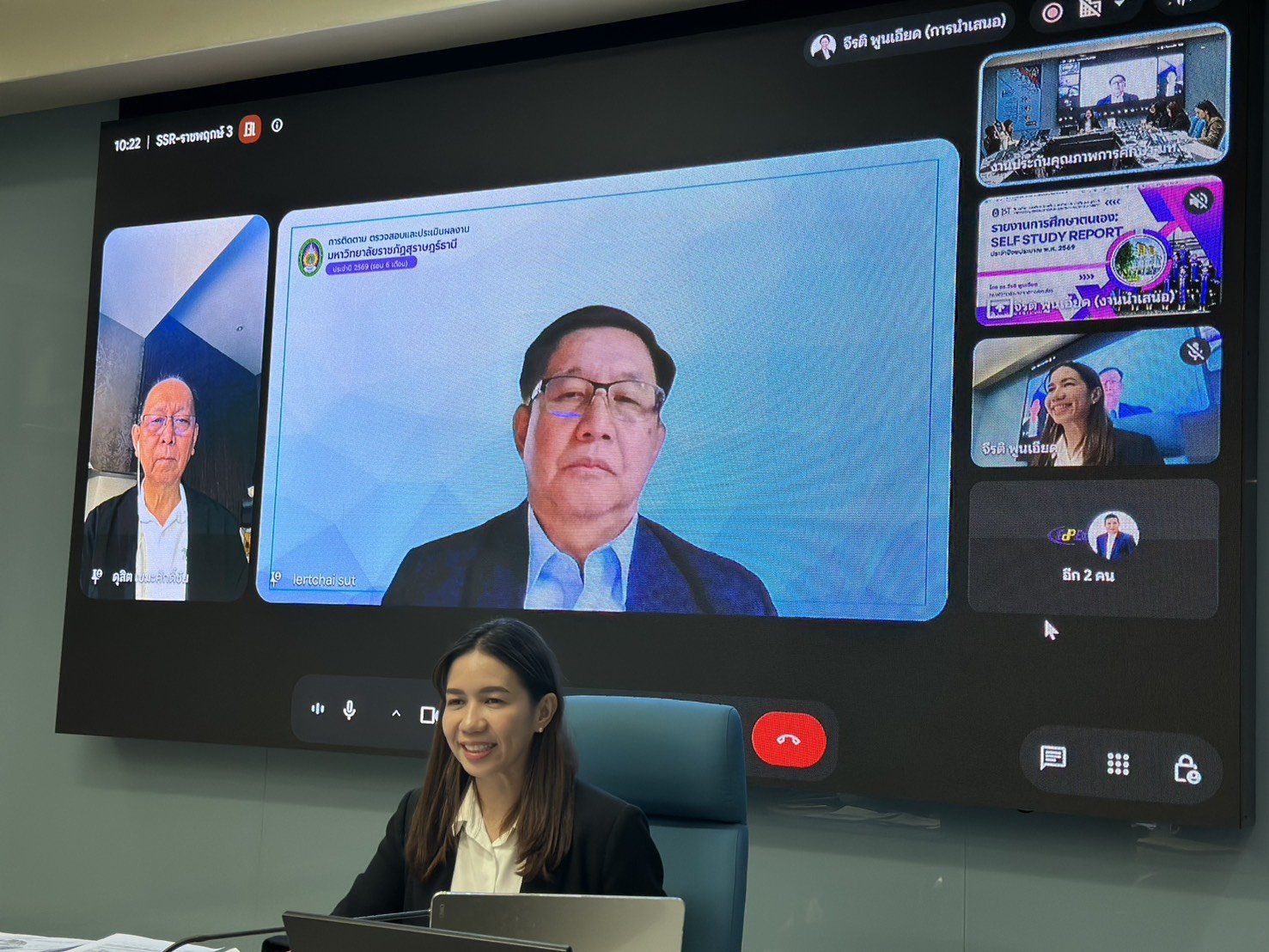
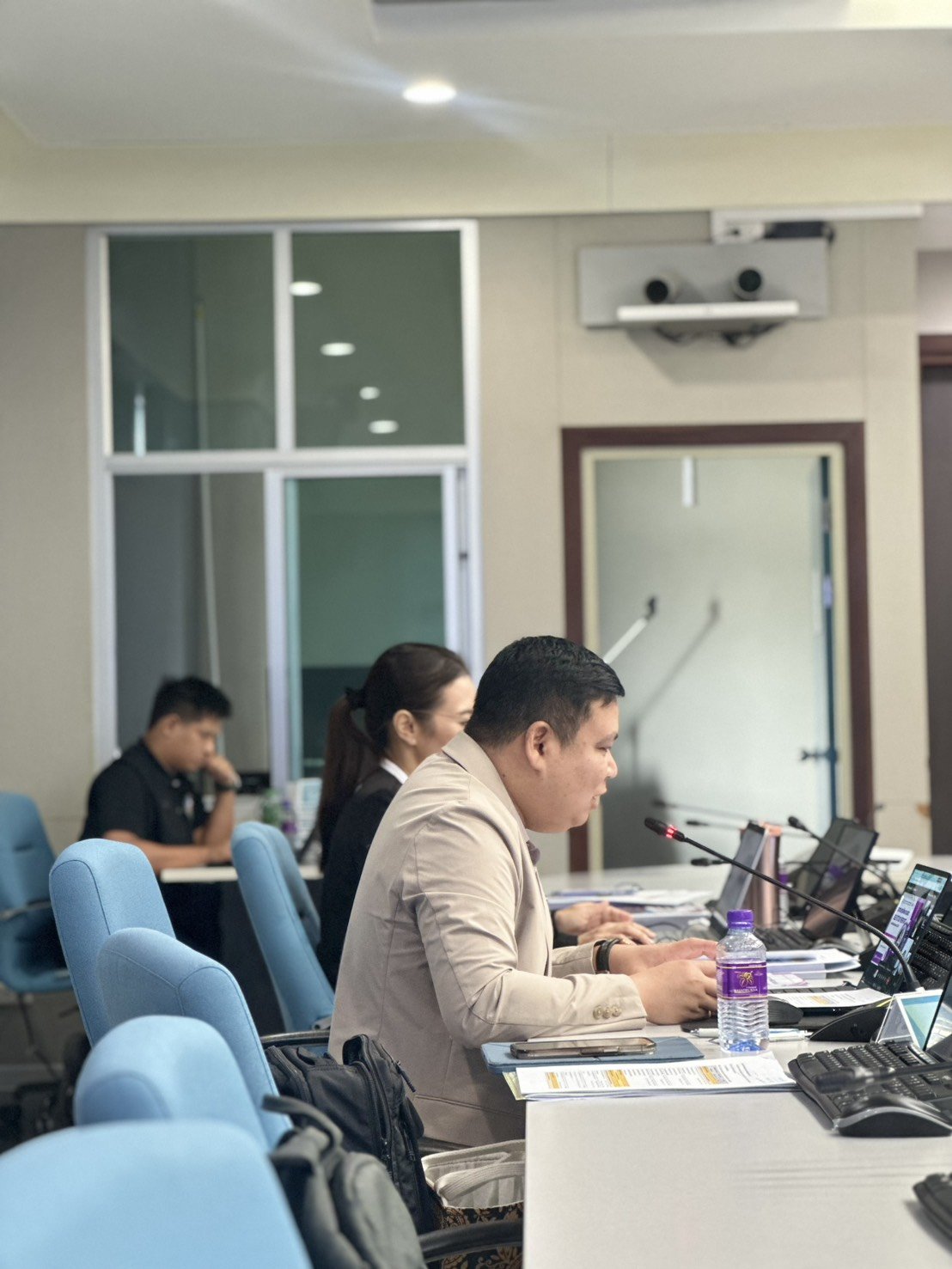
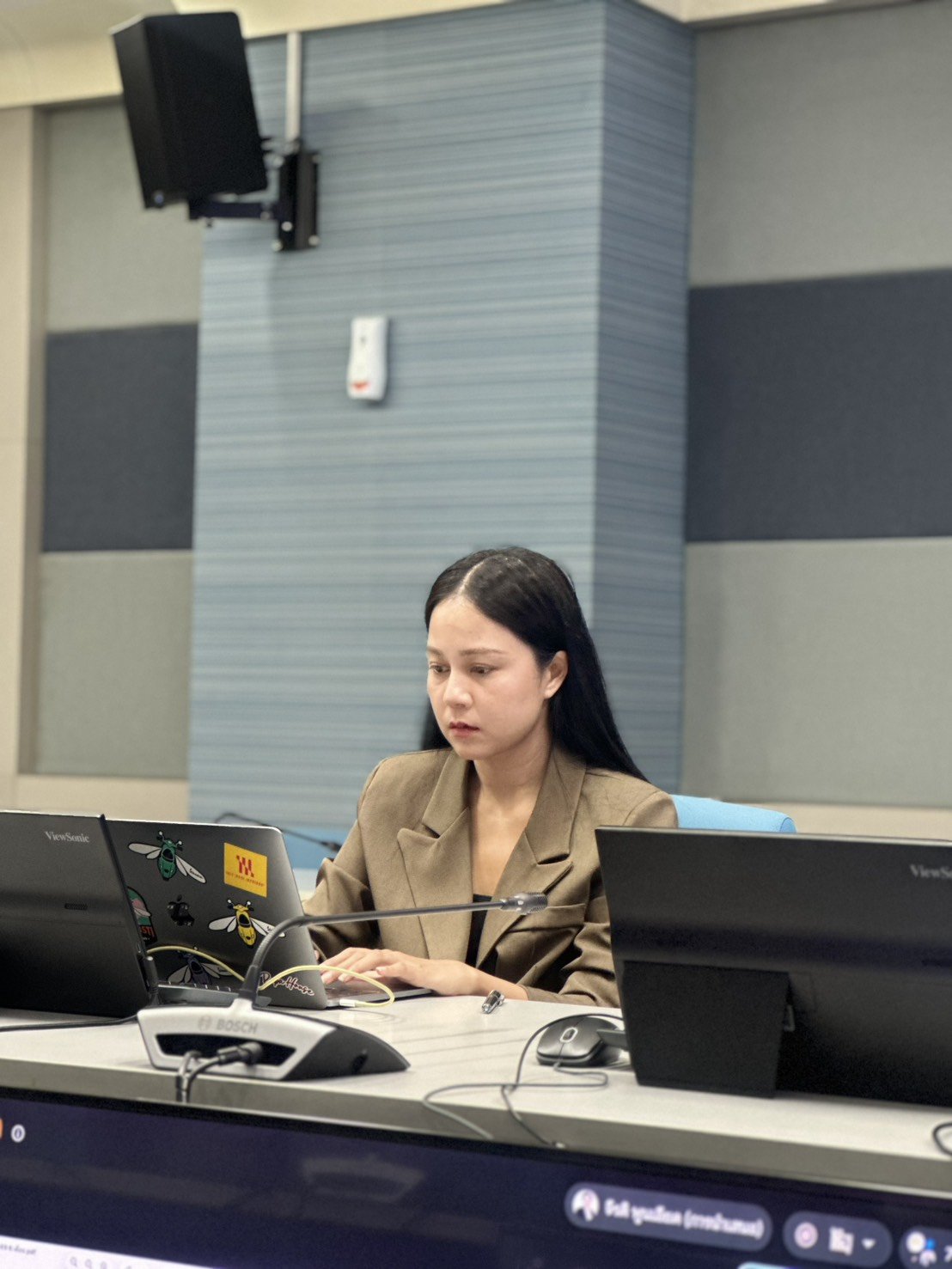
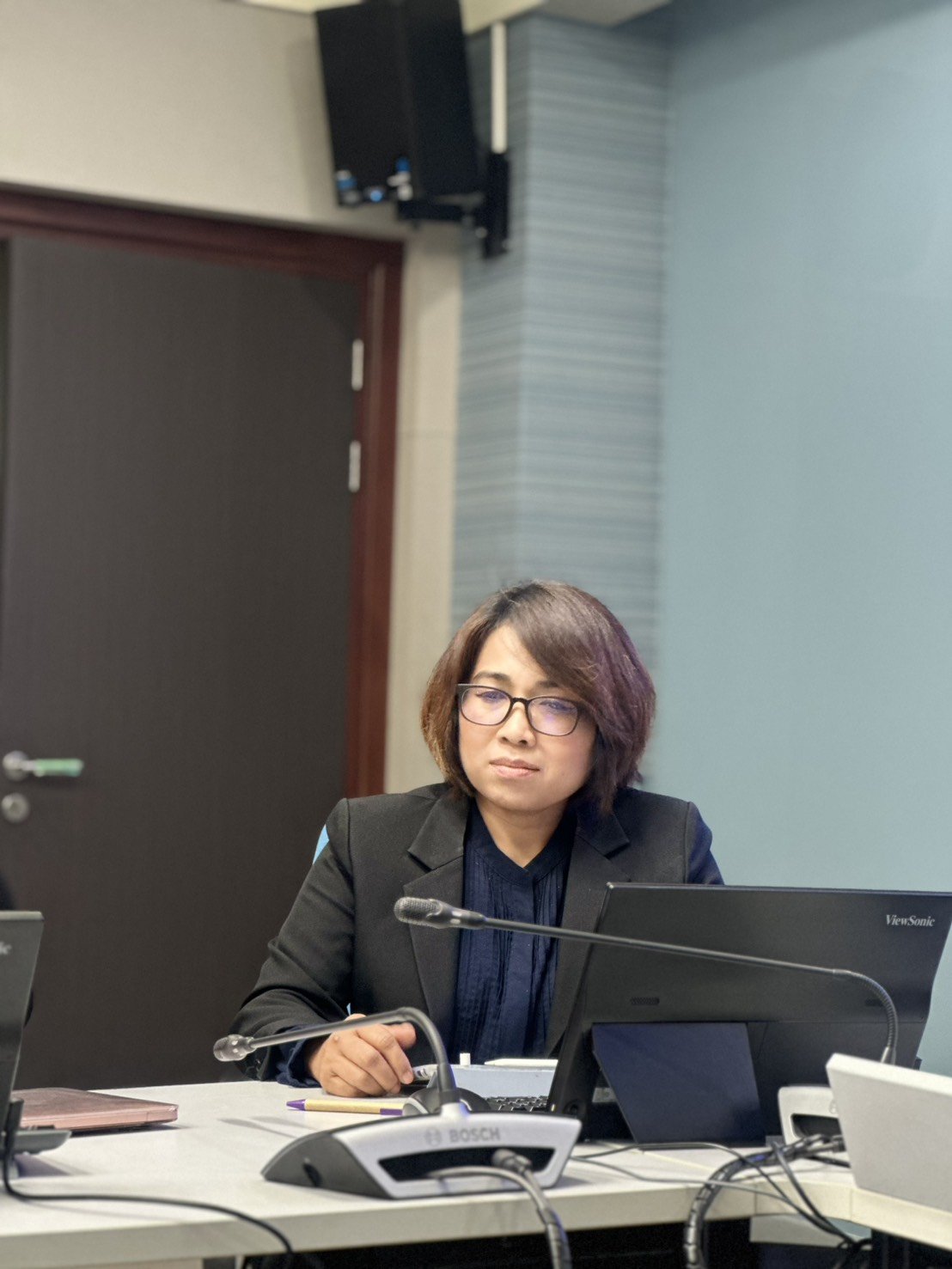
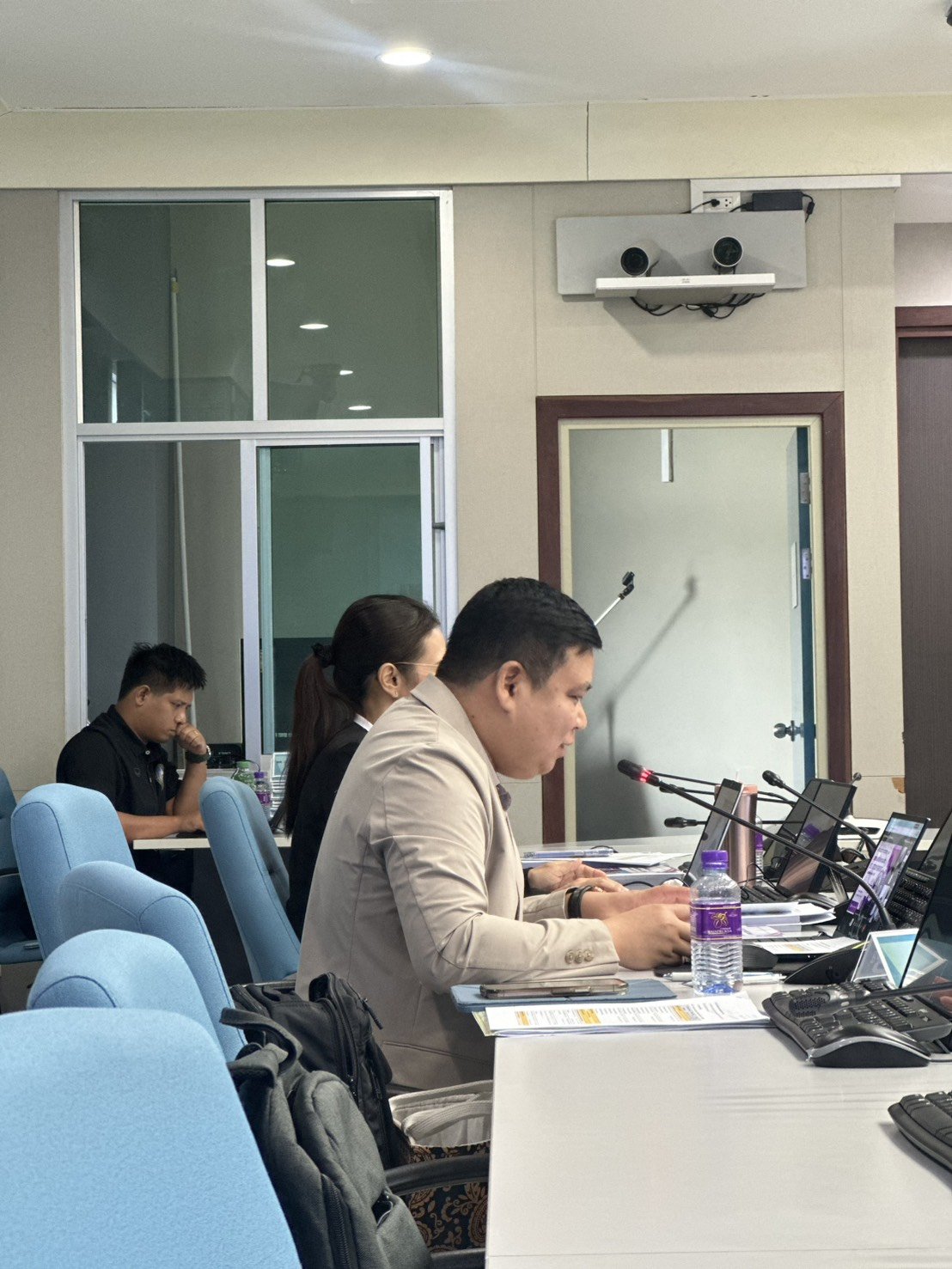
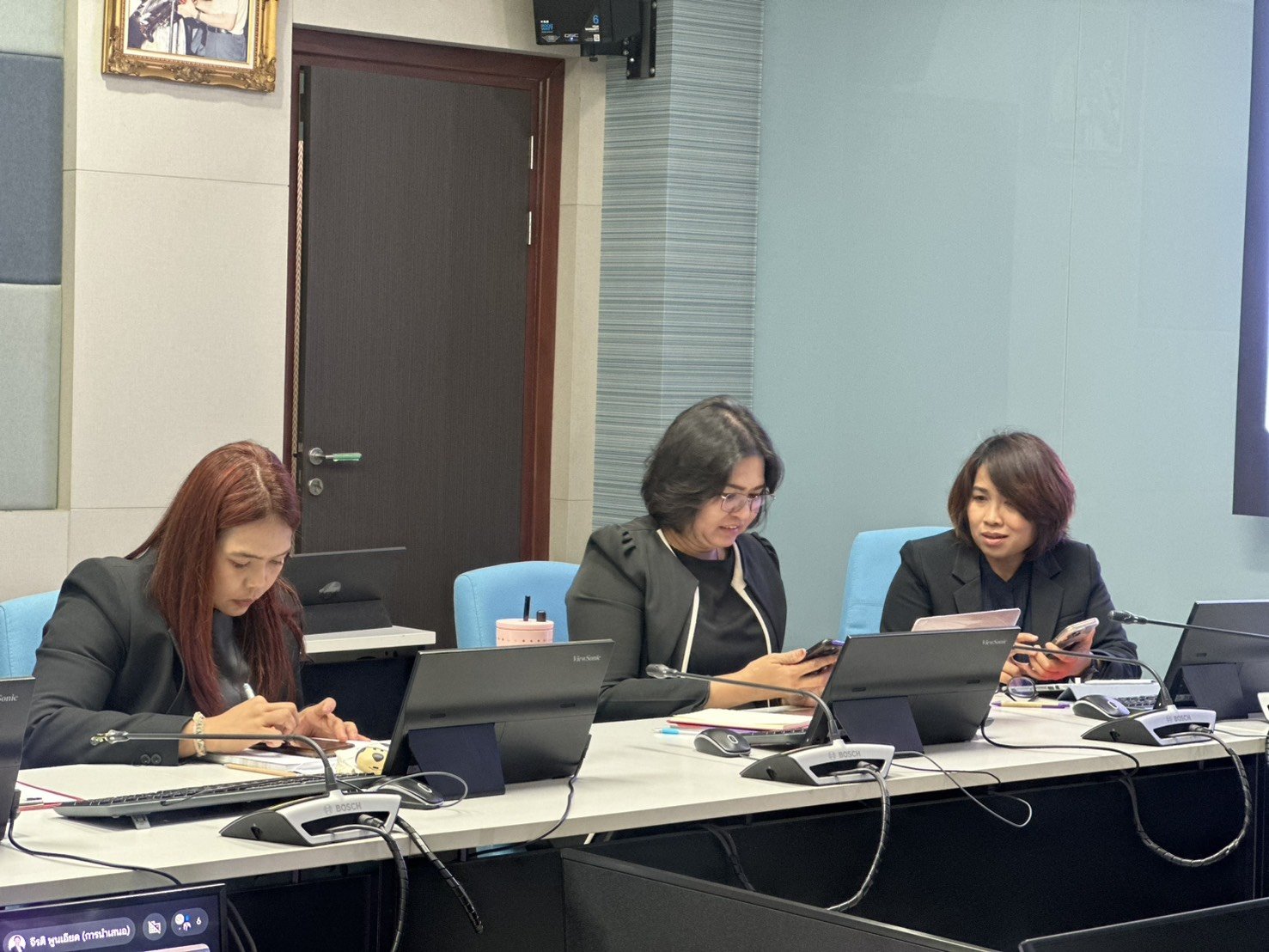
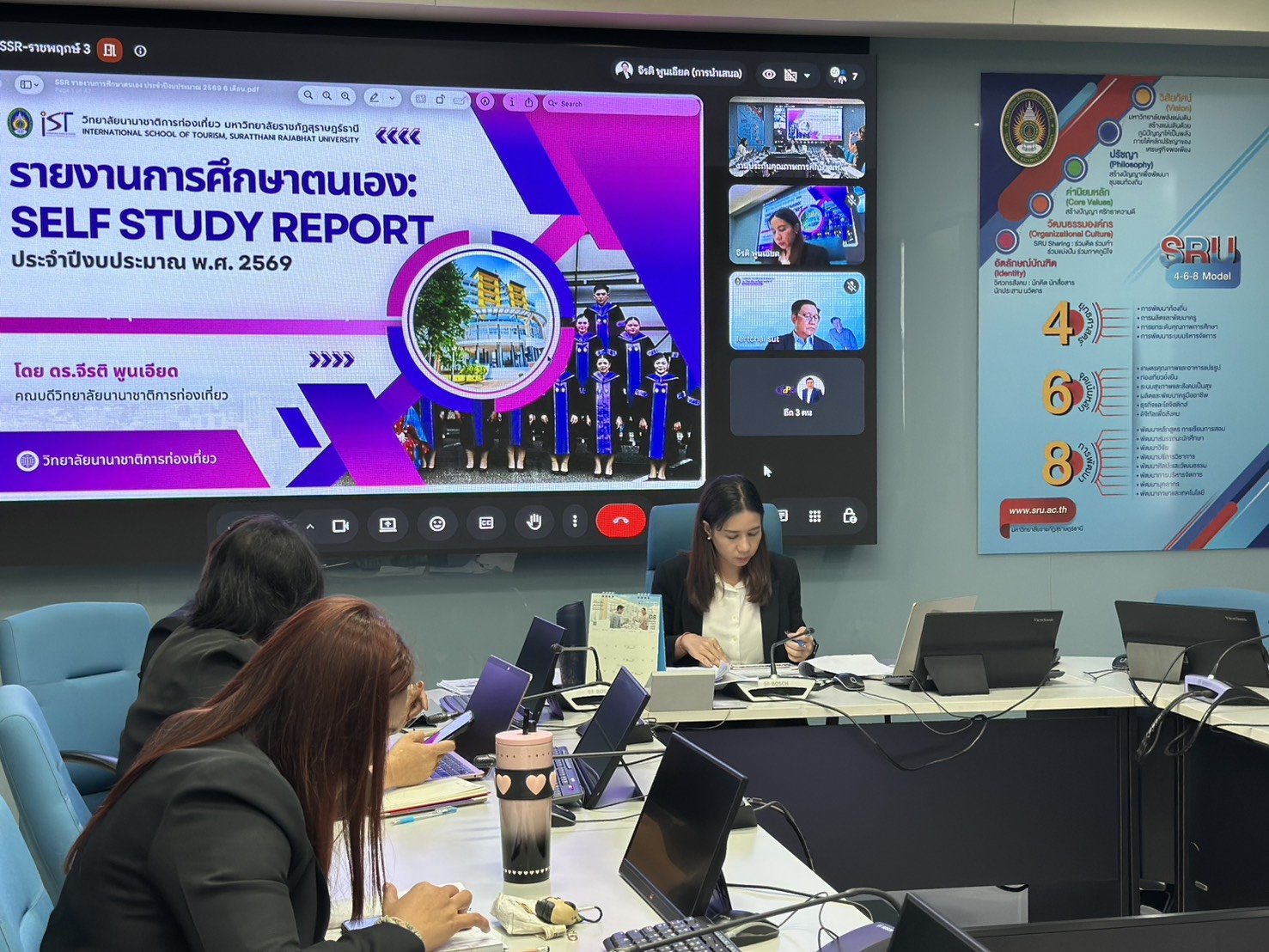
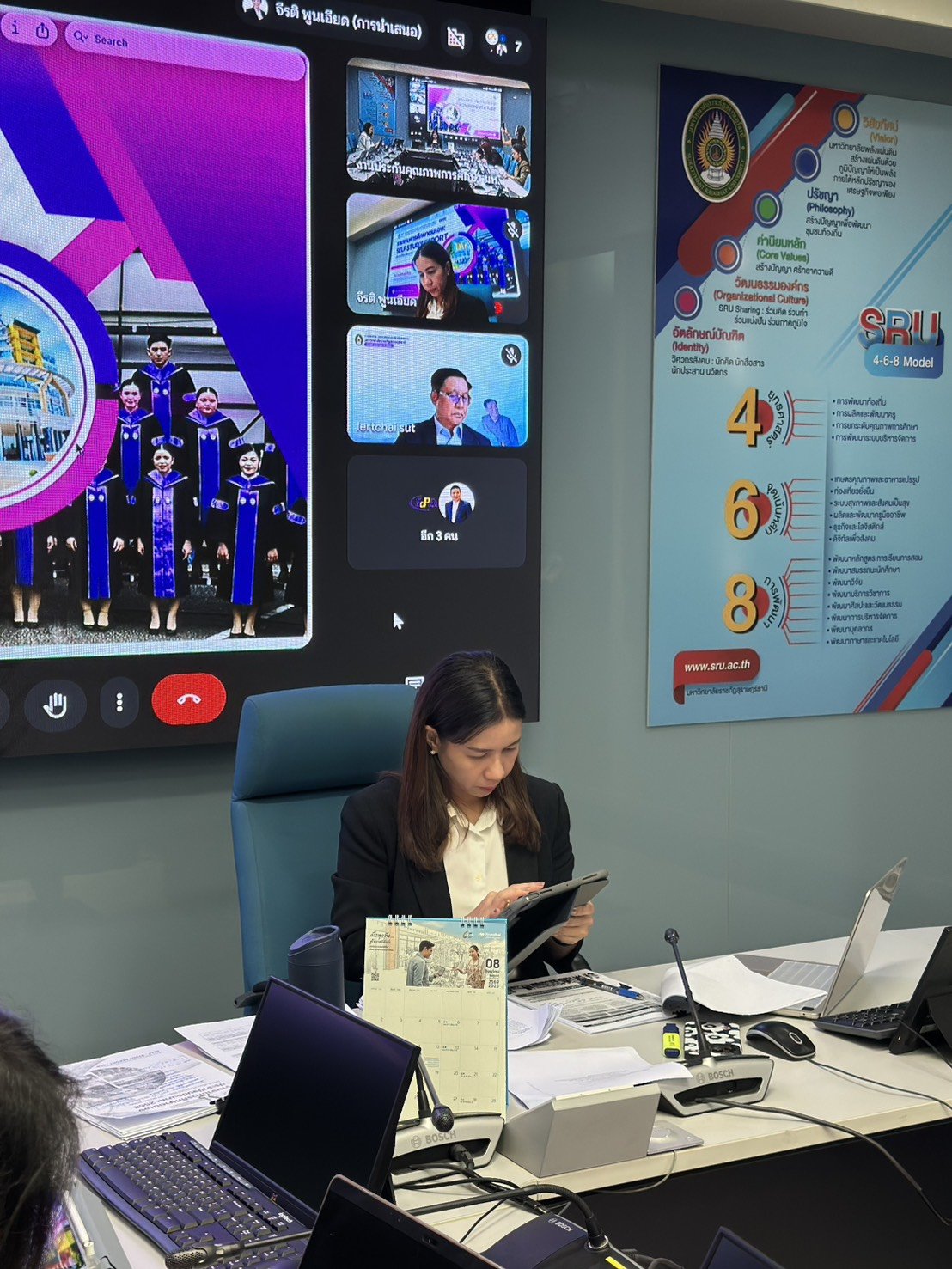
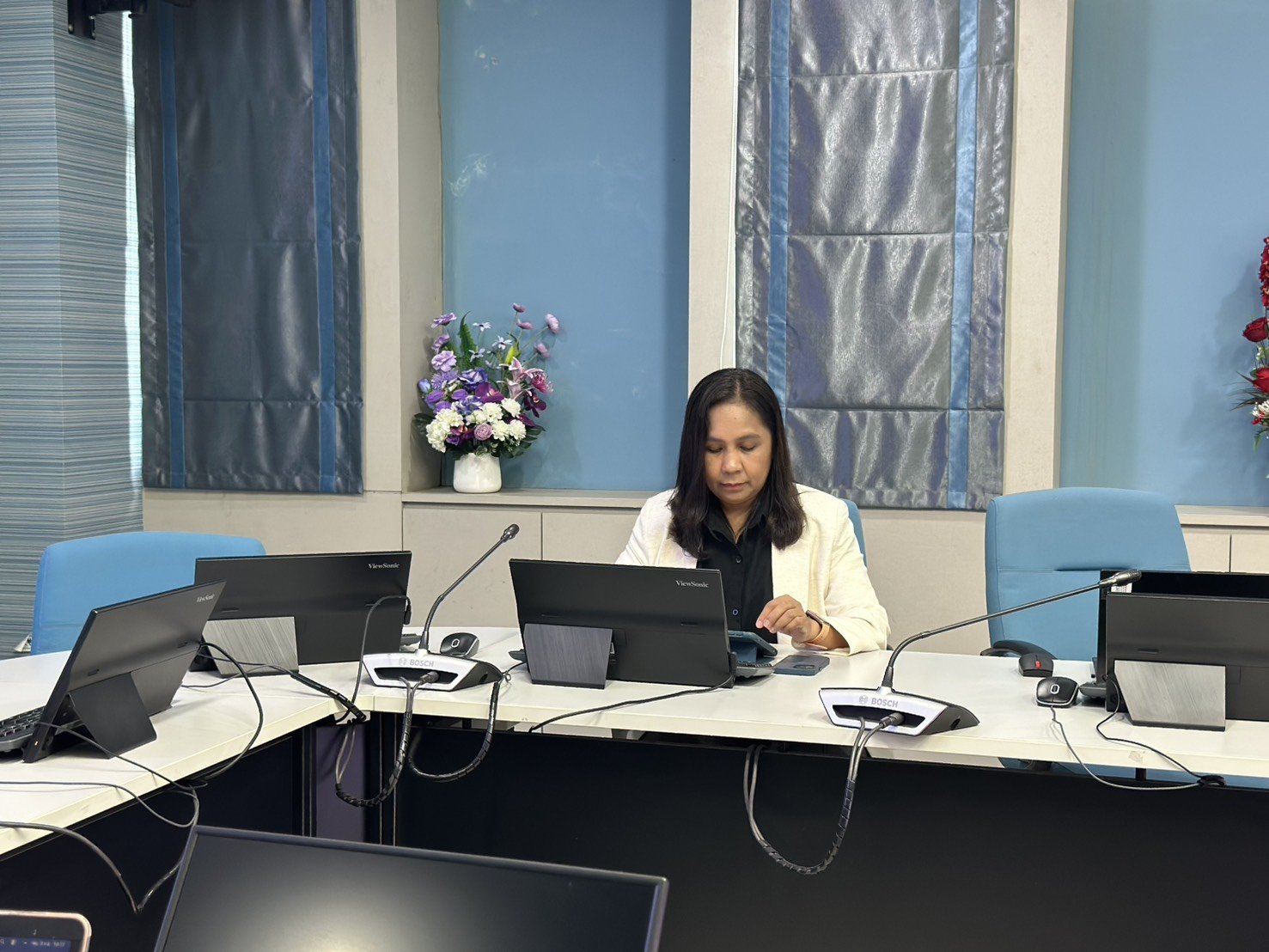
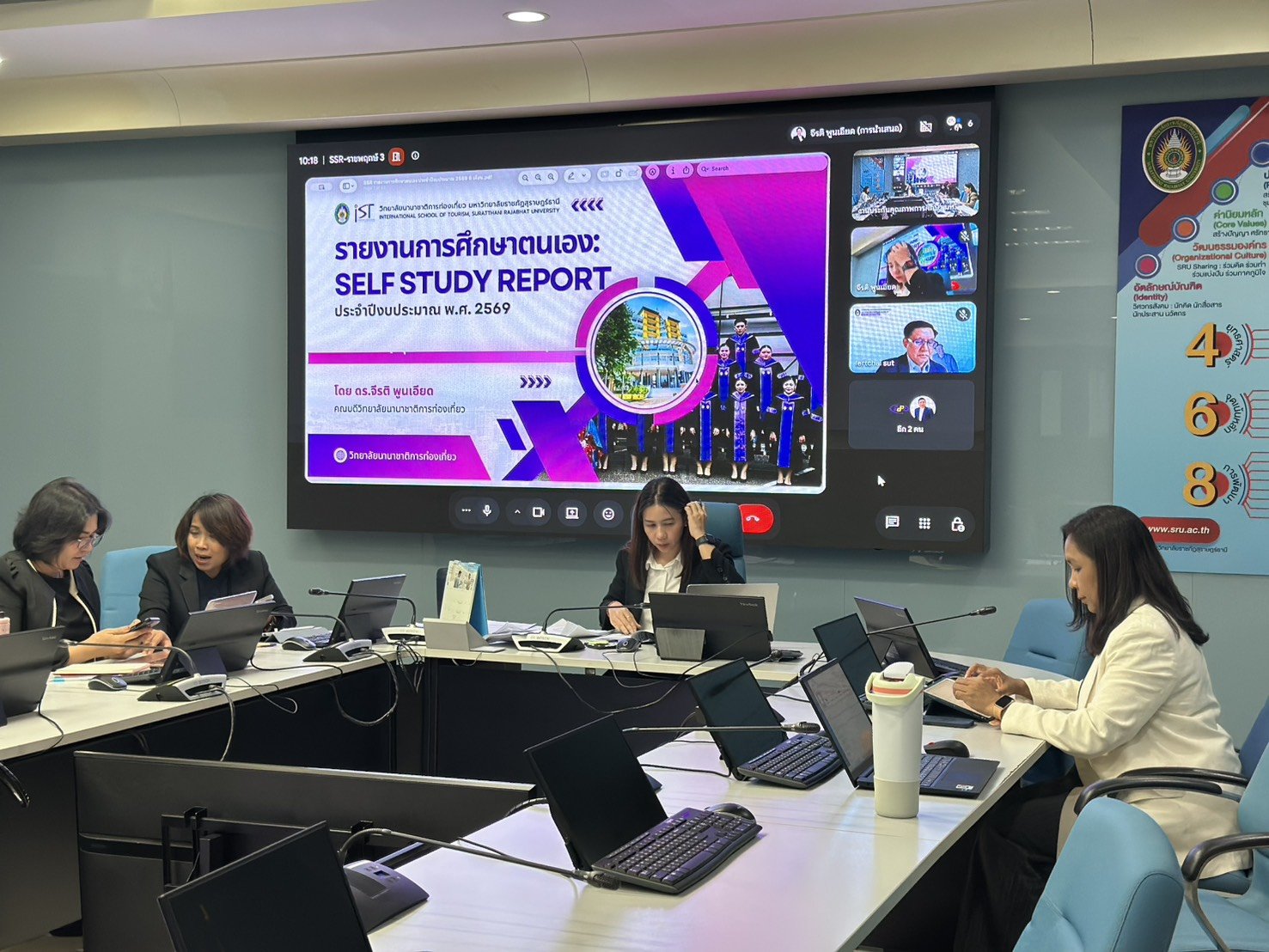
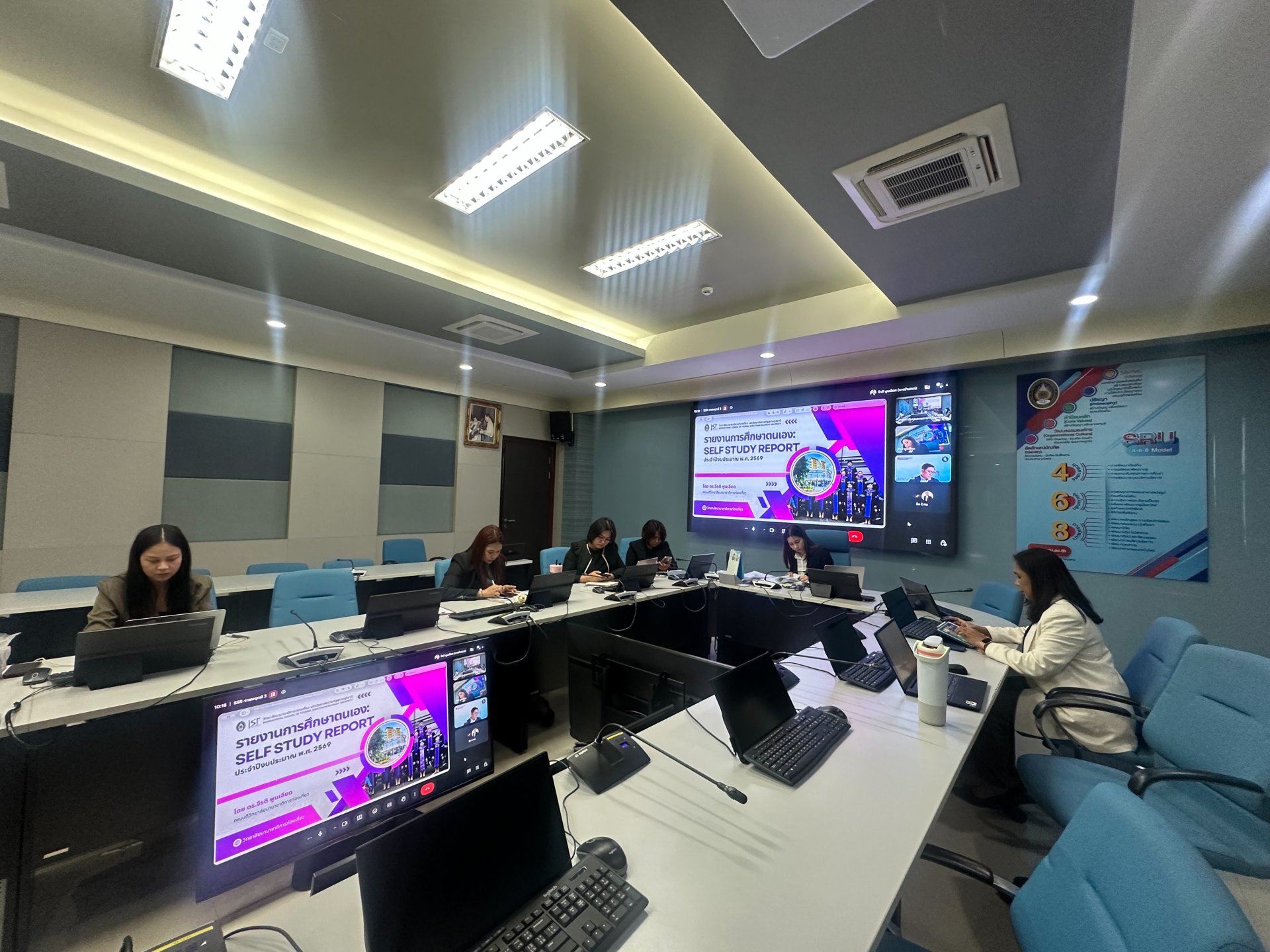
On 3 September 2026, from 10.30 a.m. to 11.45 a.m., the International School of Tourism, Suratthani Rajabhat University, participated in the six-month monitoring, inspection and evaluation of the Dean's performance for Fiscal Year 2026. The evaluation was conducted through electronic media as part of the University's monitoring and evaluation process for the President, Deans, and Directors of offices and institutes.
The evaluation committee for IST comprised Mr. Dusit Khemasakchai as the primary responsible committee member and Assistant Professor Dr. Lertchai Suthammanon as the secondary responsible committee member. The session was scheduled at Ratchaphruek Meeting Room 3, Office of the President, Suratthani Rajabhat University.
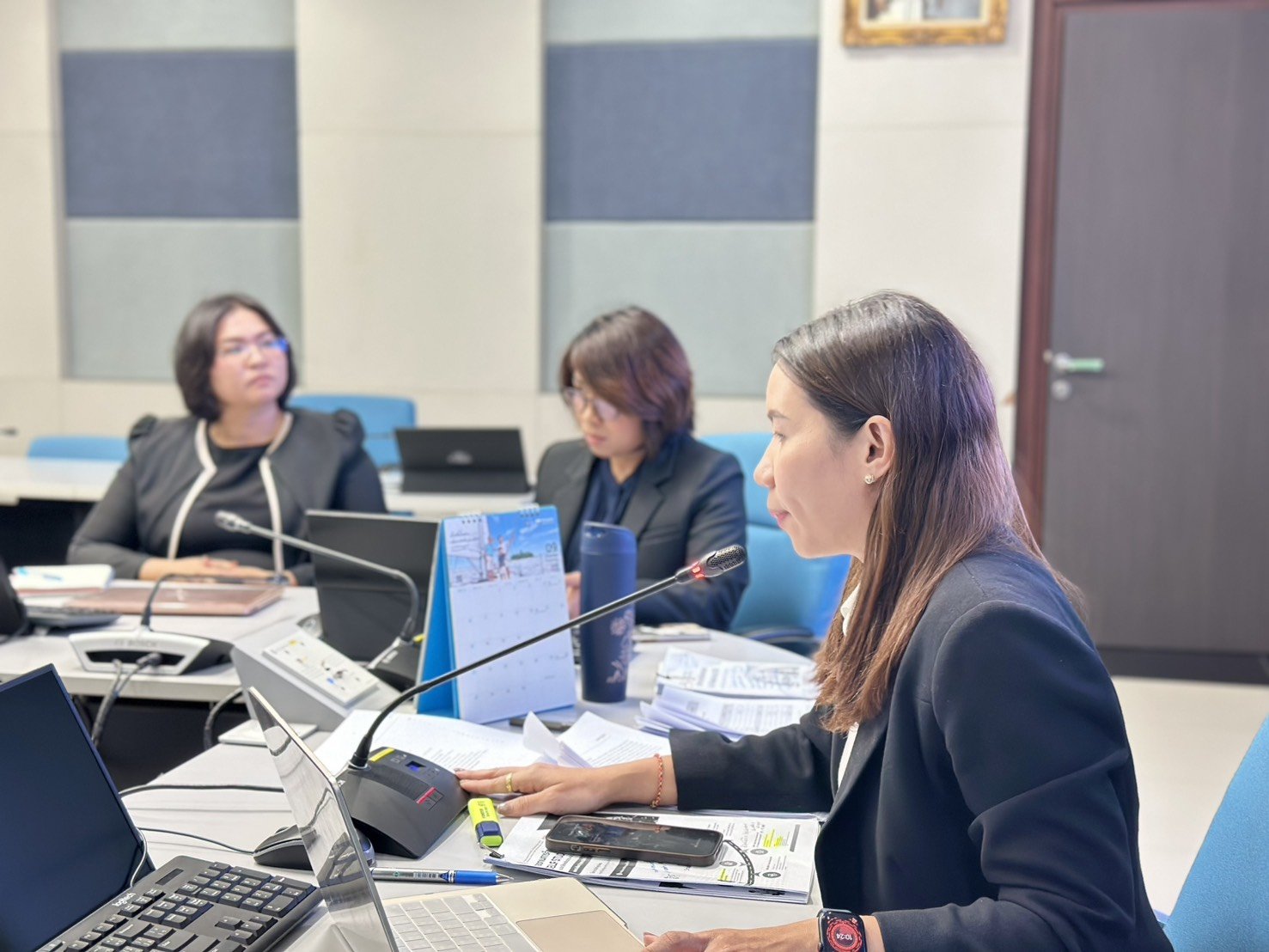
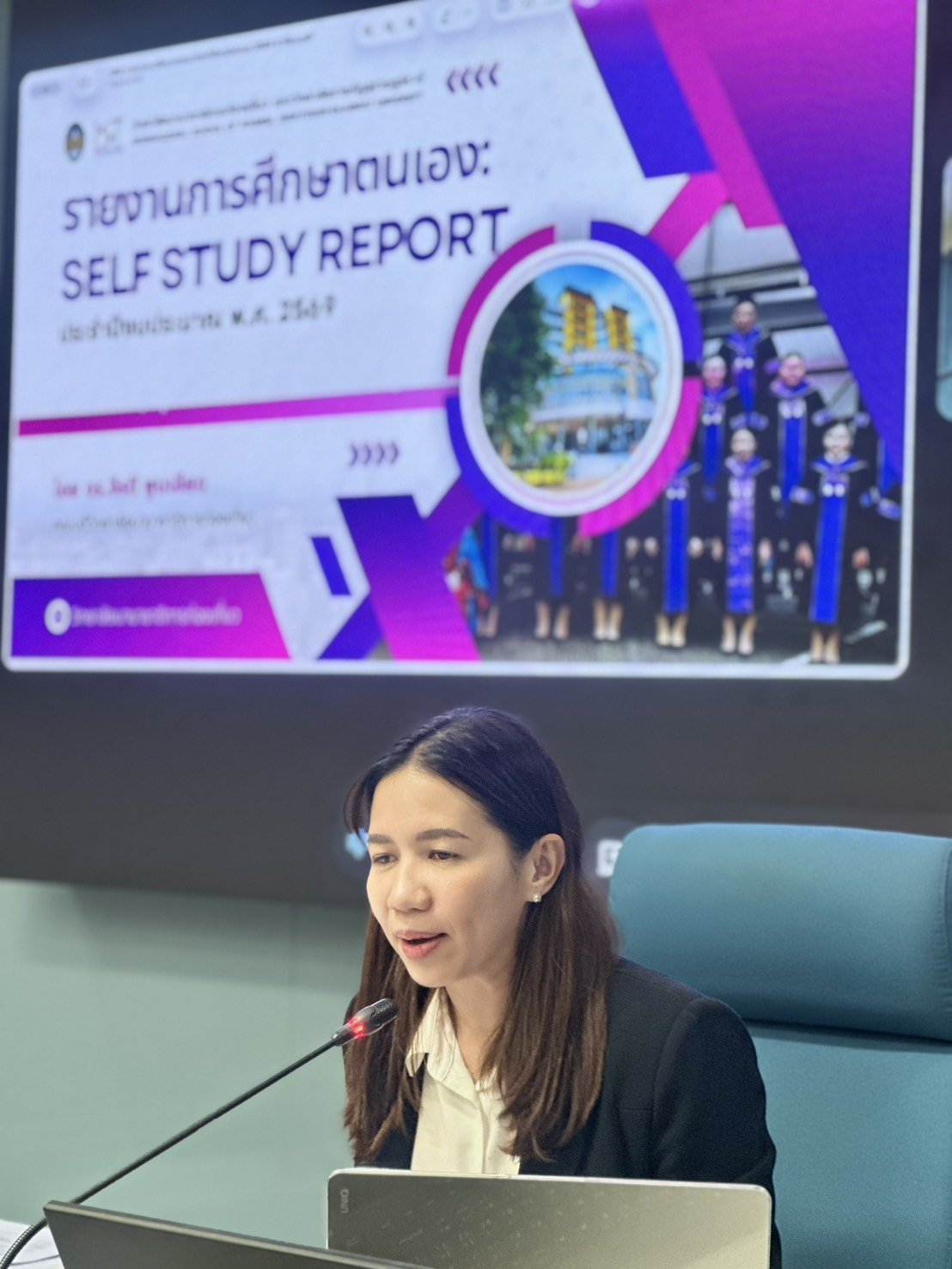
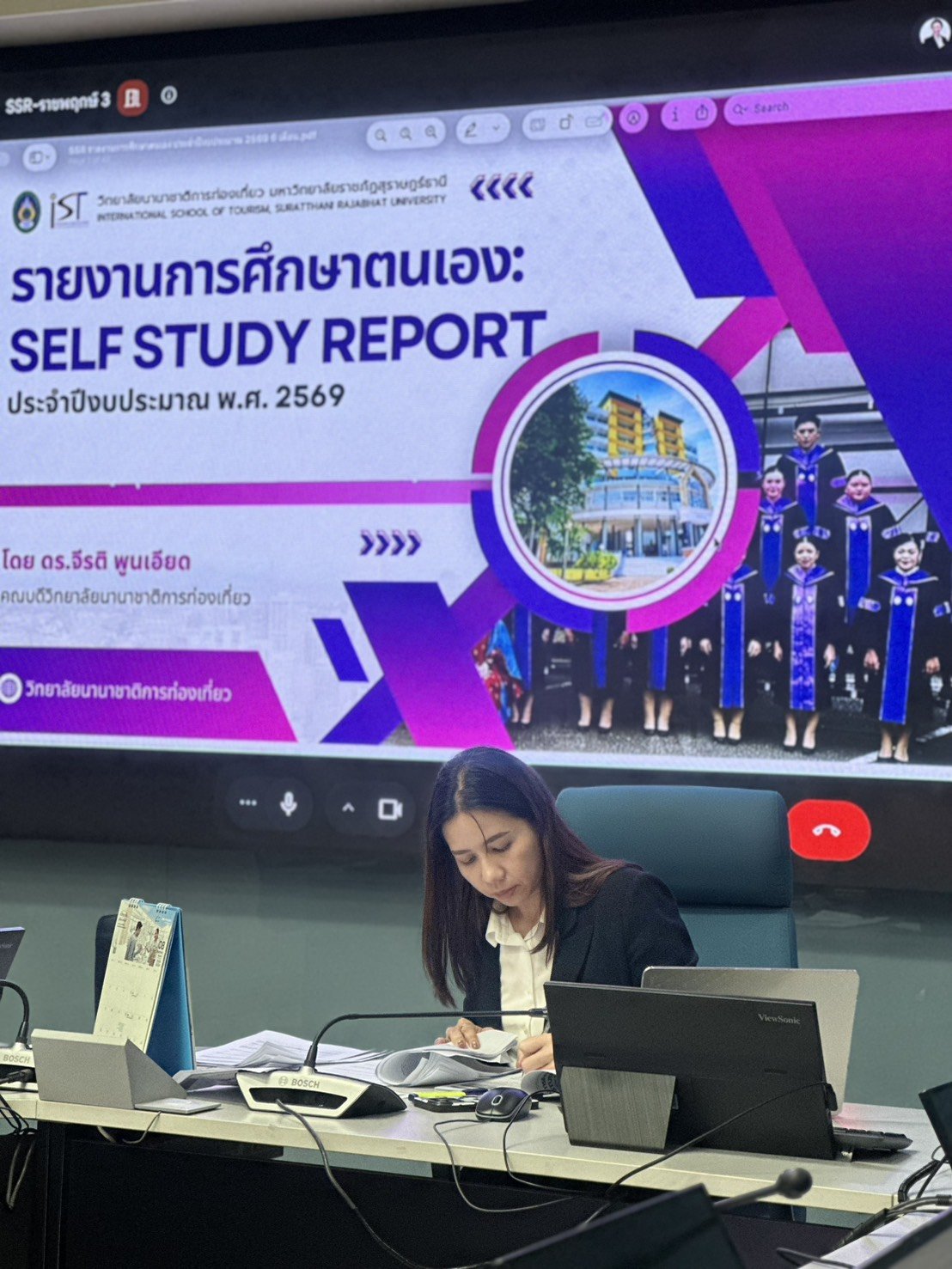
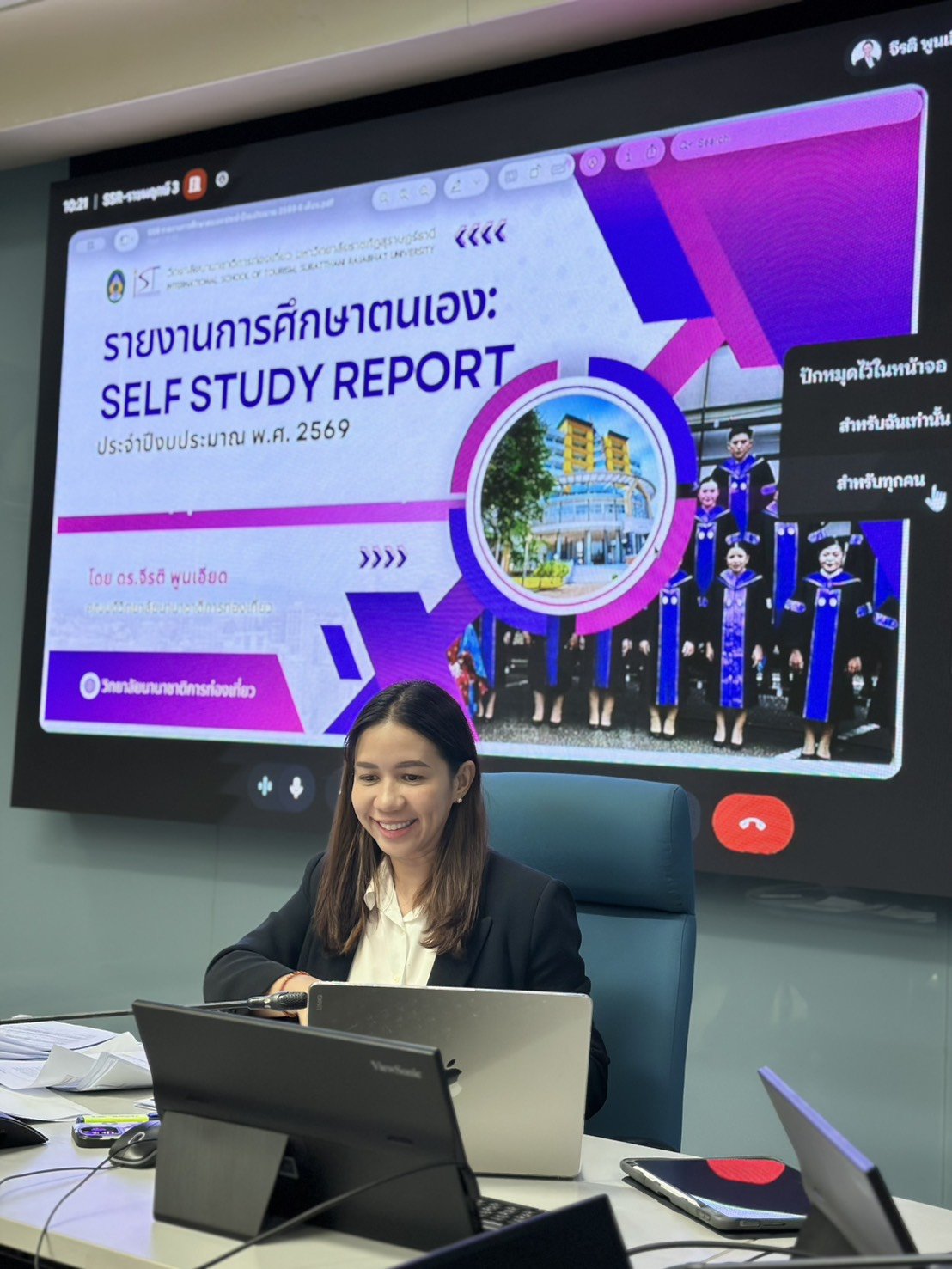
During the session, Dr. Jeerati Pooneiad, Dean of the International School of Tourism, presented the Self Study Report for the first six months of Fiscal Year 2026. The report covered key performance results in local development, quality education and institutional management.
Key Six-Month Performance Highlights
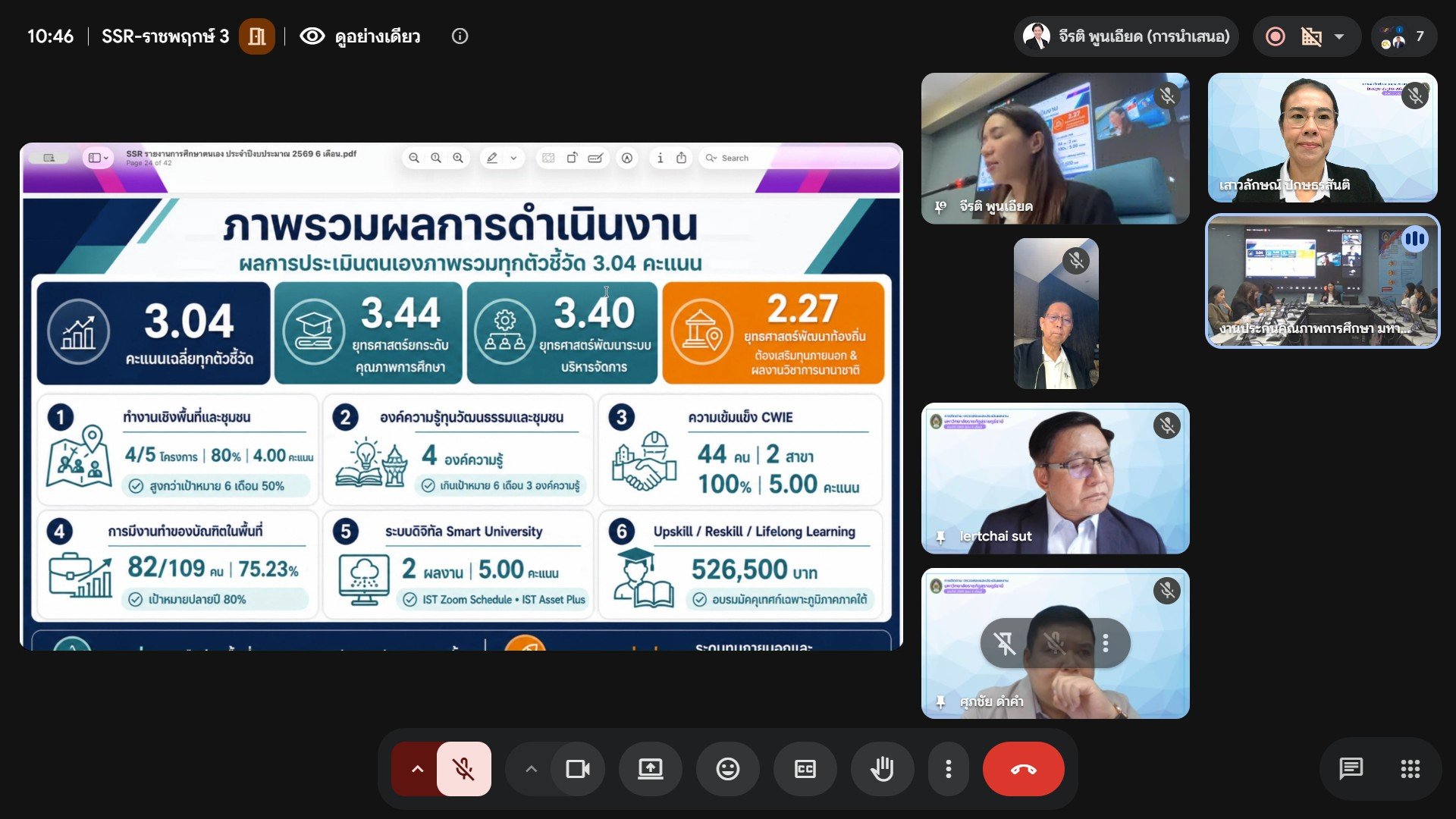
The School reported an overall average self-evaluation score of 3.04 across the relevant strategic indicators.
Innovation, academic and community service outputs responding to local needs achieved 80%, exceeding the target of 50%.
Four integrated knowledge outputs were developed through teaching, research, academic service and cultural activities, compared with a target of three.
The reported rate of graduates employed in fields aligned with their discipline within the area or region was 75.23%.
The reported proportion of external personnel appointed by the University to supervise cooperative education reached 100%.
The School received THB 526,500 for Upskill, Reskill and Lifelong Learning development.
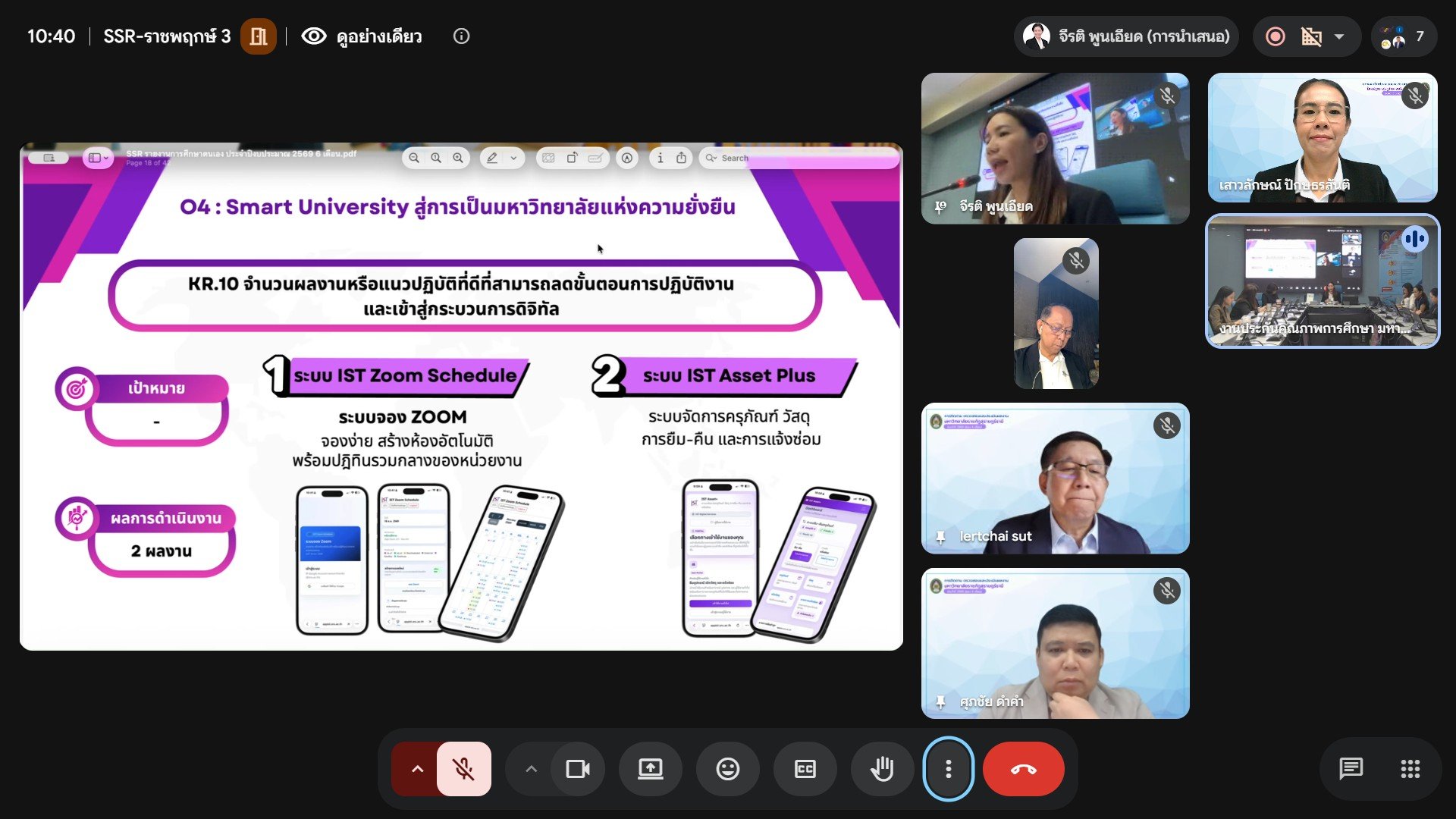
IST Zoom Schedule and IST Asset Plus were developed to reduce operational procedures and support Smart University initiatives.
Participation of students, academic staff and personnel in collaboration or cooperative education projects reached 26.98%, above the 10% target.
Budget disbursement for the six-month period reached 58.99%, exceeding the target of 54%.
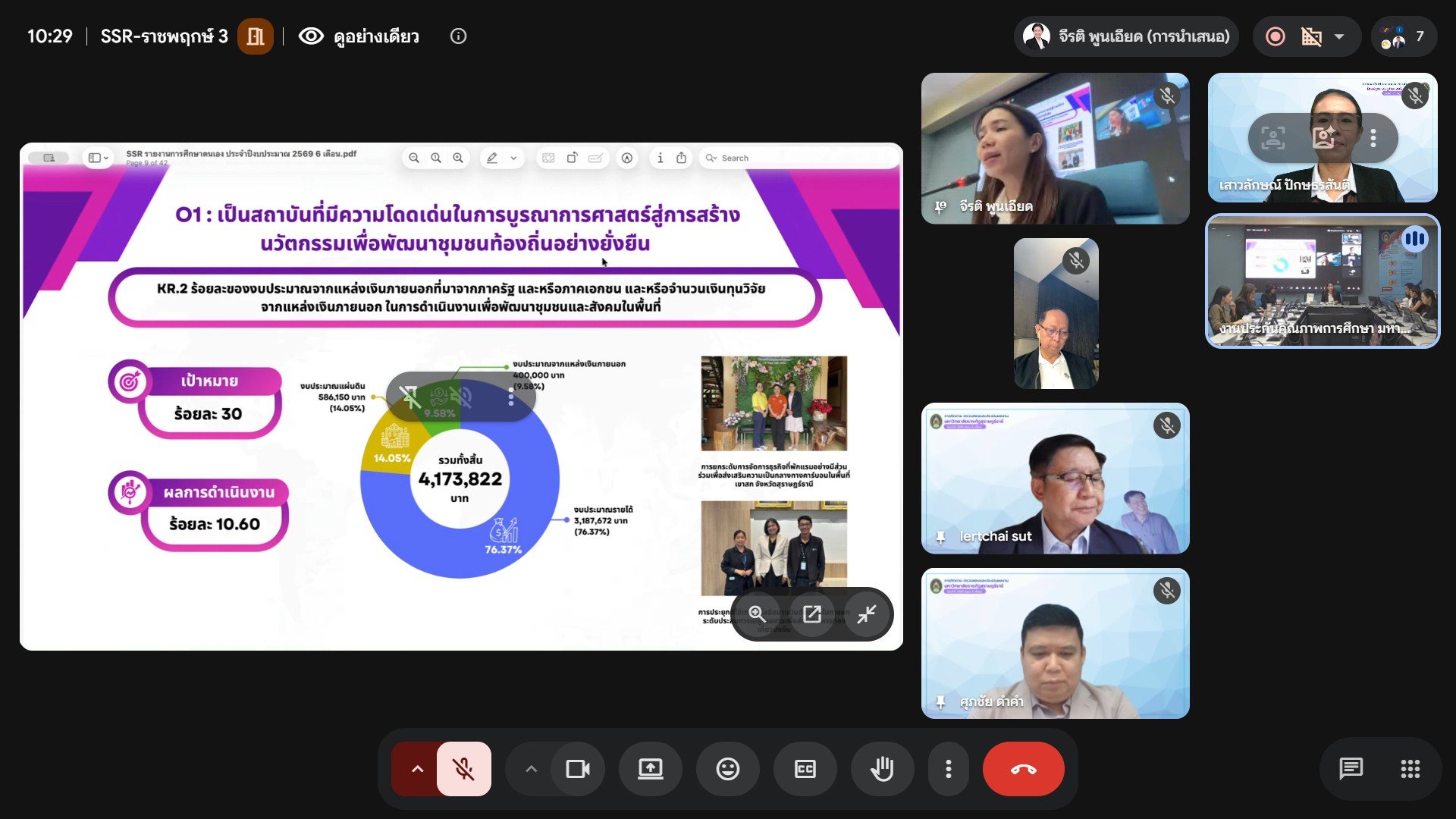
The School secured THB 400,000 in external funding to support local community development.
The report also reflected continued work in community and area-based development through the integration of tourism and service knowledge, community product development, tourism routes and local interpretation materials. These activities aimed to strengthen local capacity and support further development of community-based outcomes.
The monitoring, inspection and evaluation process serves as an important mechanism for reviewing progress and institutional management during the six-month period. It also provides a structured basis for further improvement and development in the next phase of operations.
IST continues to advance local development, quality education, institutional management and collaborative networks in alignment with the missions and development direction of Suratthani Rajabhat University.
SDG Report & Relevant Goals
This activity contributes to the Sustainable Development Goals (SDGs) in the following areas:
| SDG Goal | Target Description | Connection to Project |
|---|---|---|
|
Goal 16: Peace, Justice and Strong Institutions | The monitoring, inspection and evaluation process supports effective and accountable institutional management. It aligns particularly with SDG Target 16.6, which focuses on developing effective, accountable and transparent institutions at all levels. |
|
Goal 4: Quality Education | Quality assurance, cooperative education, institutional performance review and Upskill / Reskill / Lifelong Learning activities contribute to improving educational quality and promoting lifelong learning opportunities. |