IST Strengthens Public–Private–Community Network to Advance Sustainable Tourism in Sawi
The initiative brought stakeholders together to co-design locally grounded tourism directions while translating real-world needs into the continued development of IST’s master’s programme.
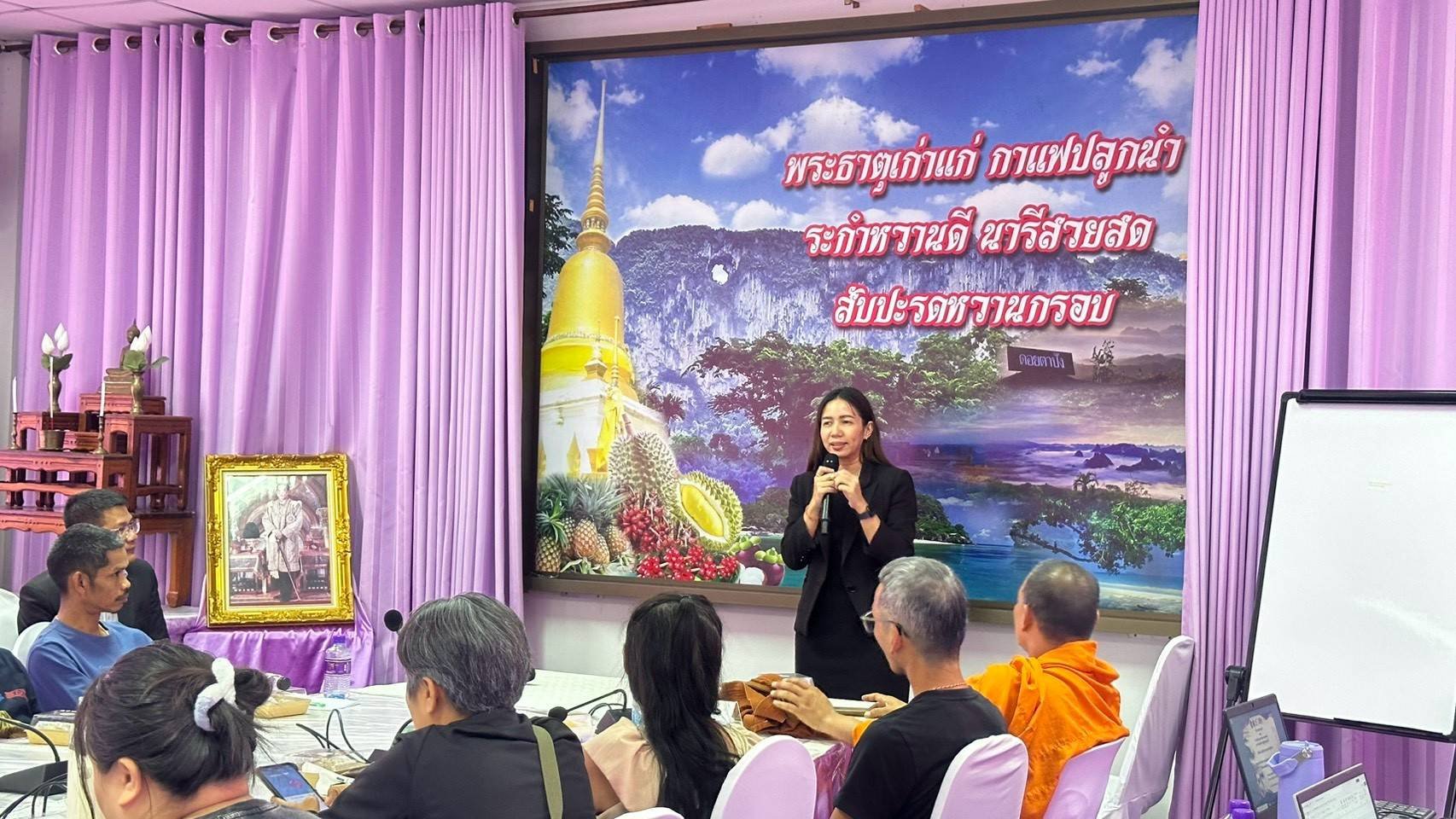
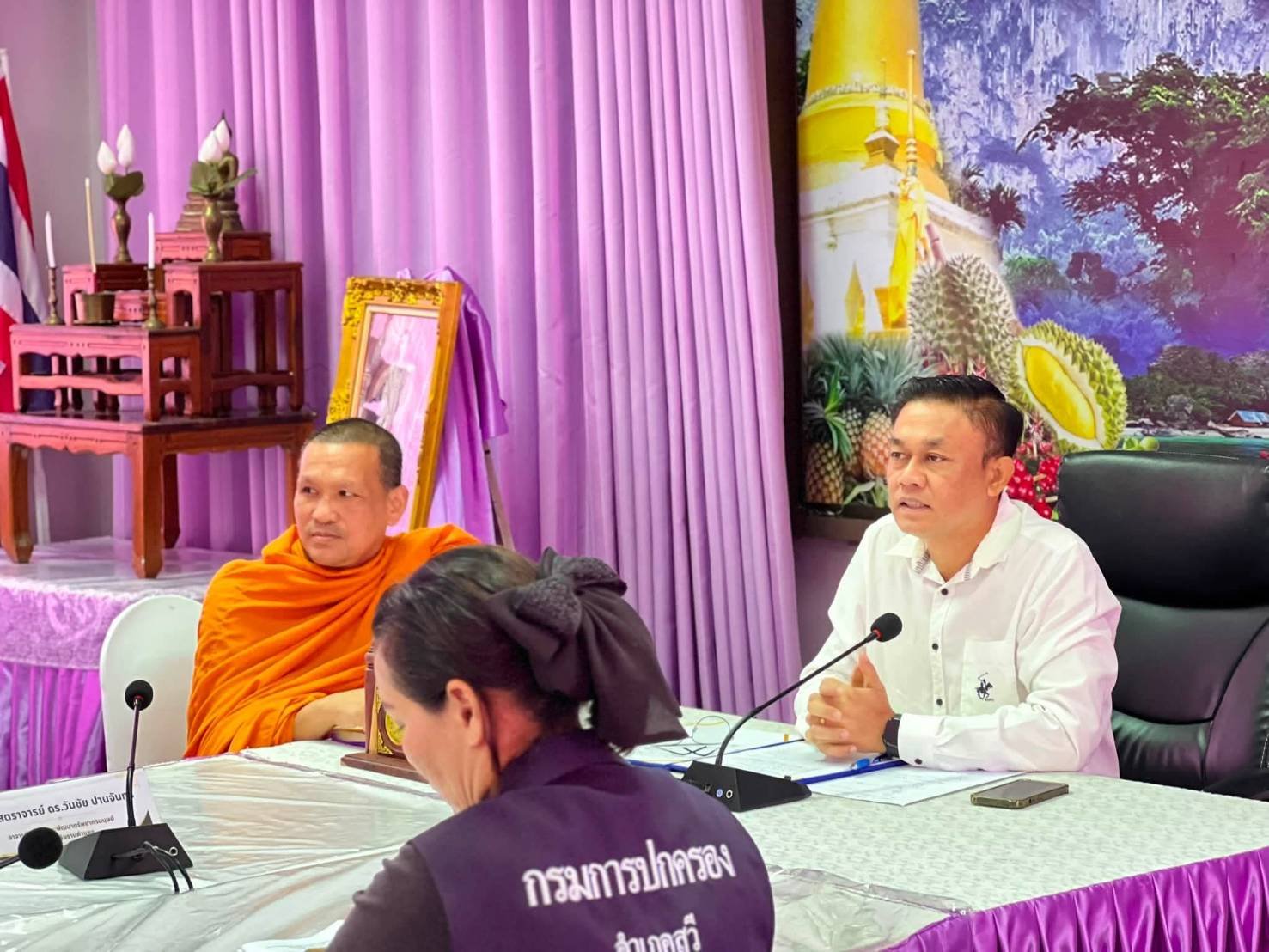
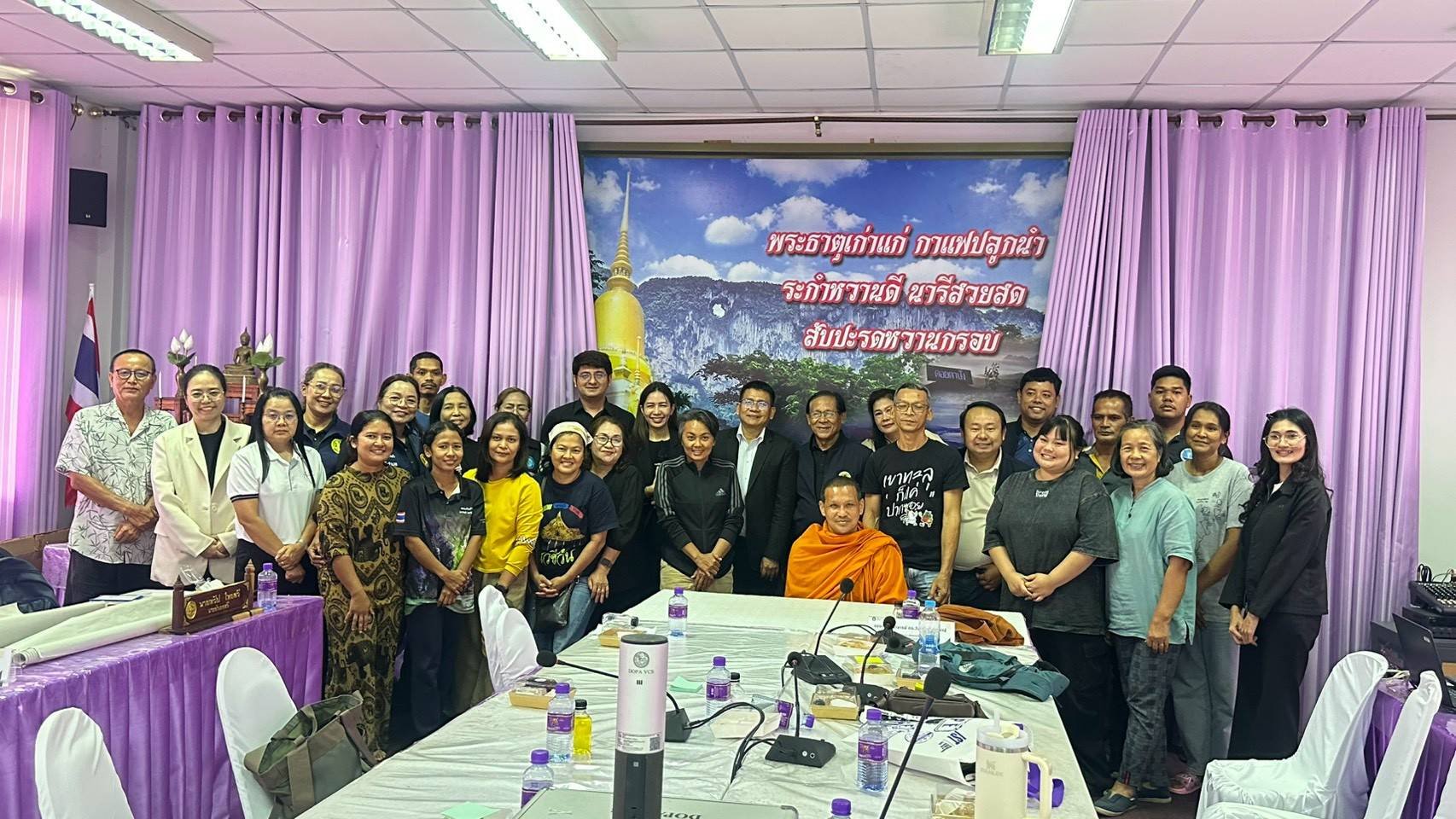
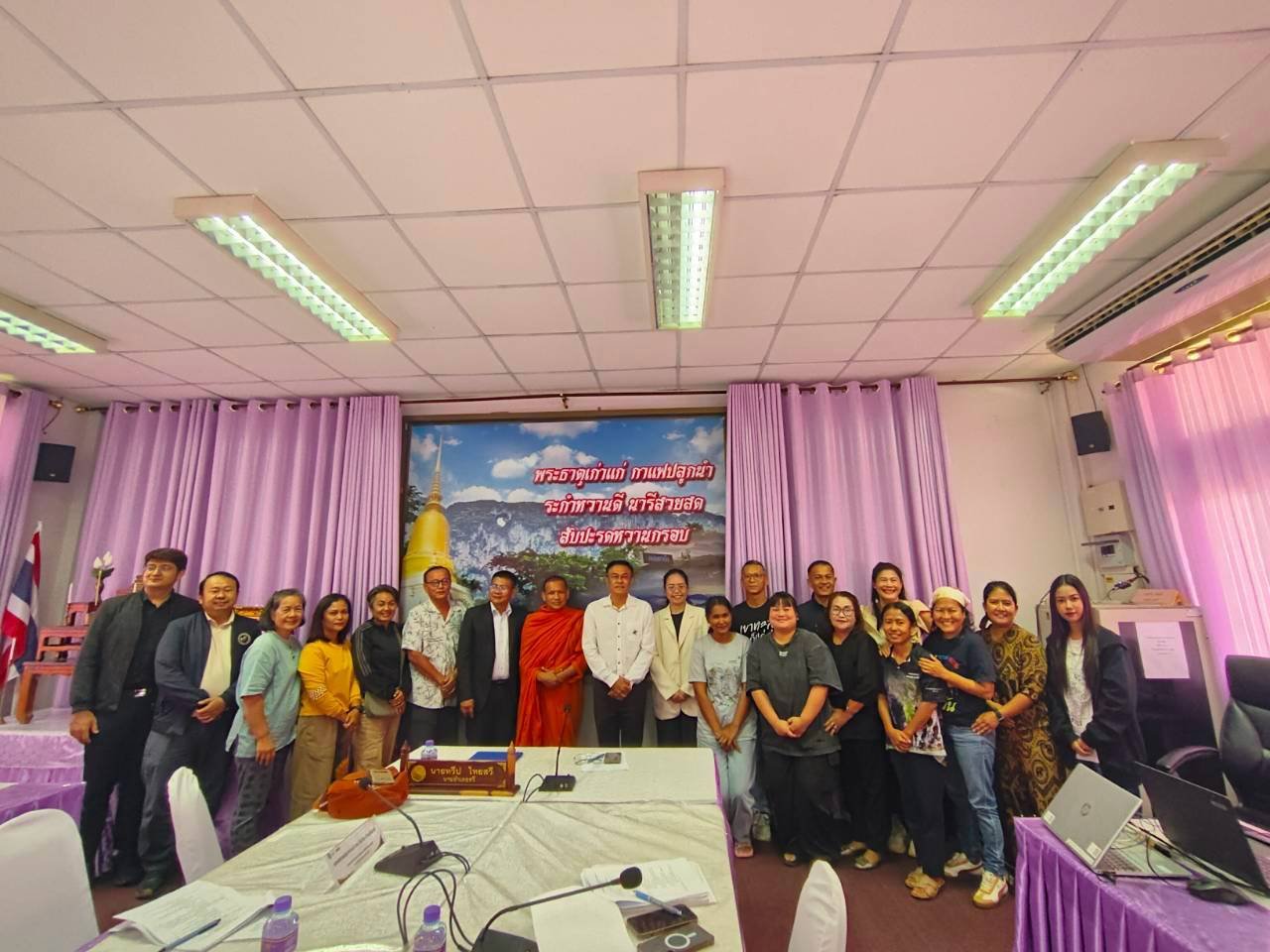
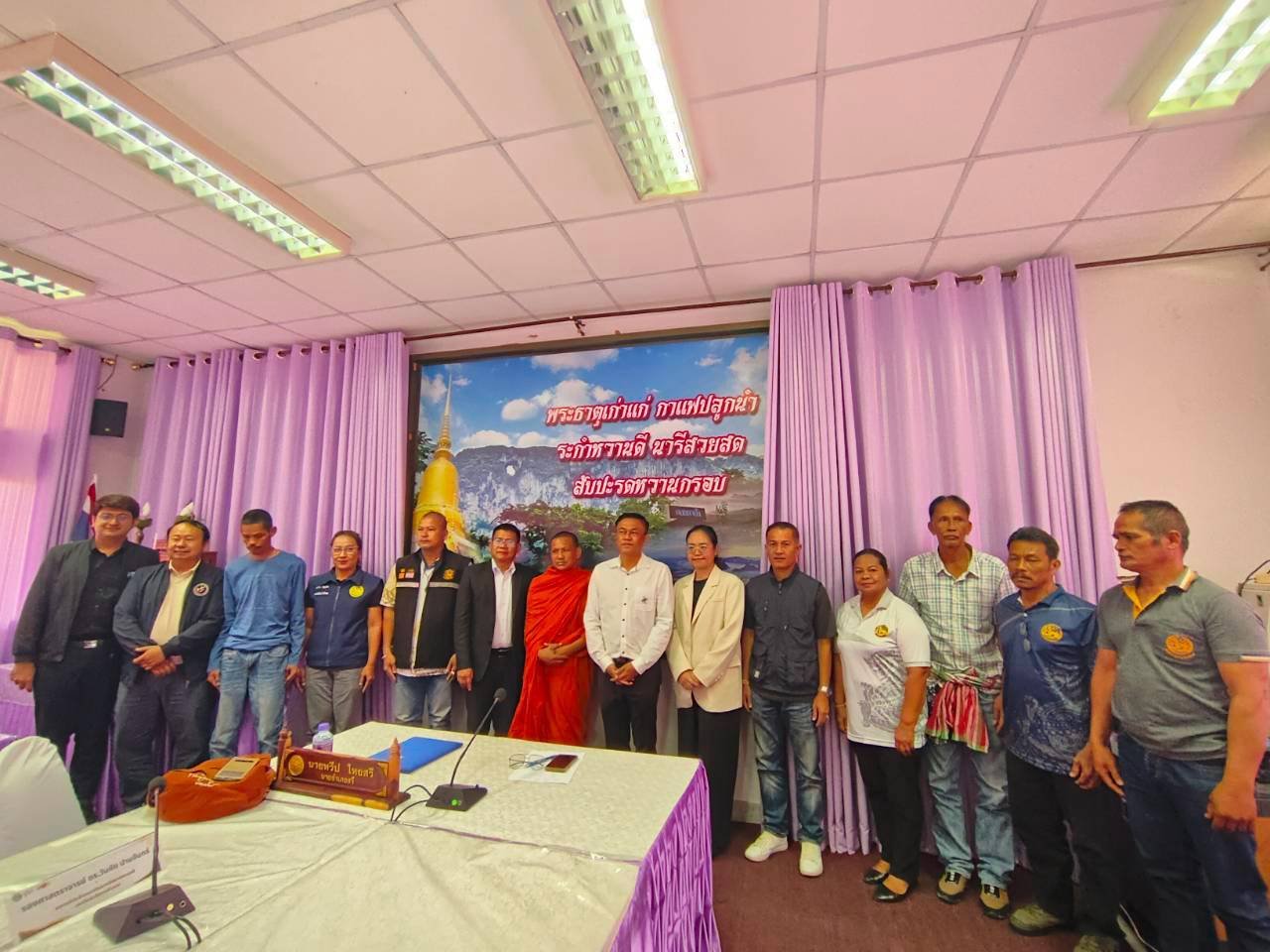
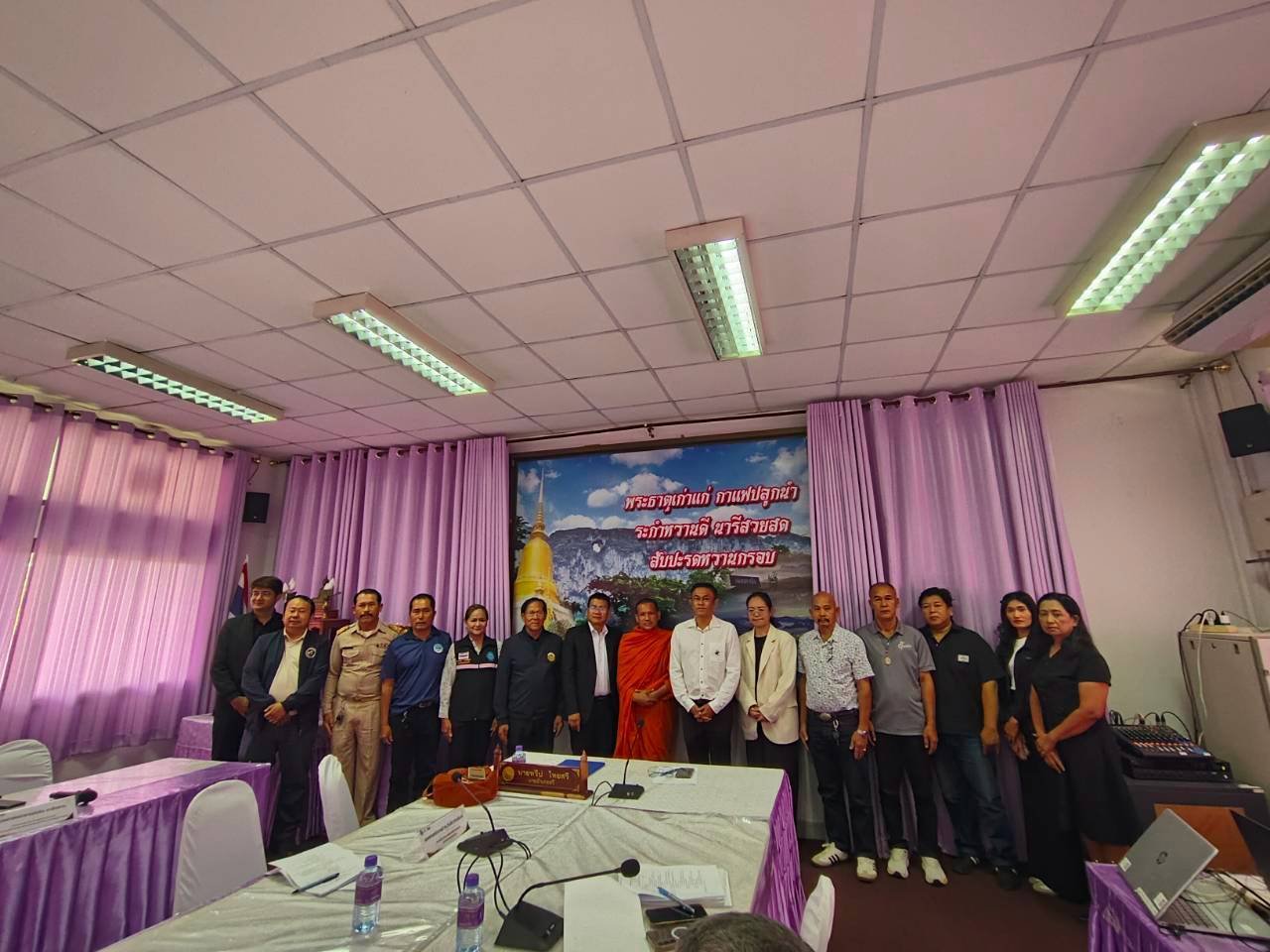
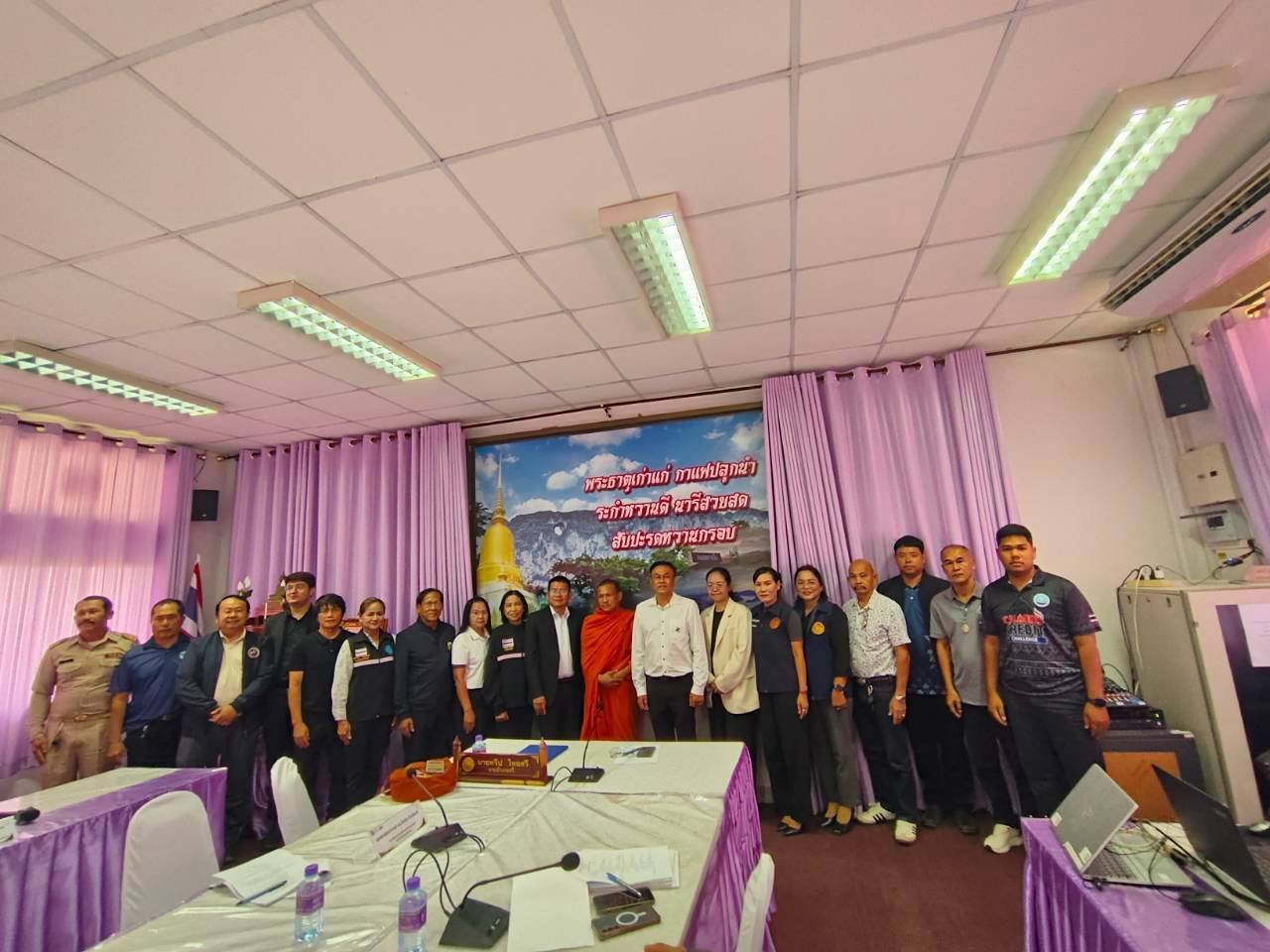
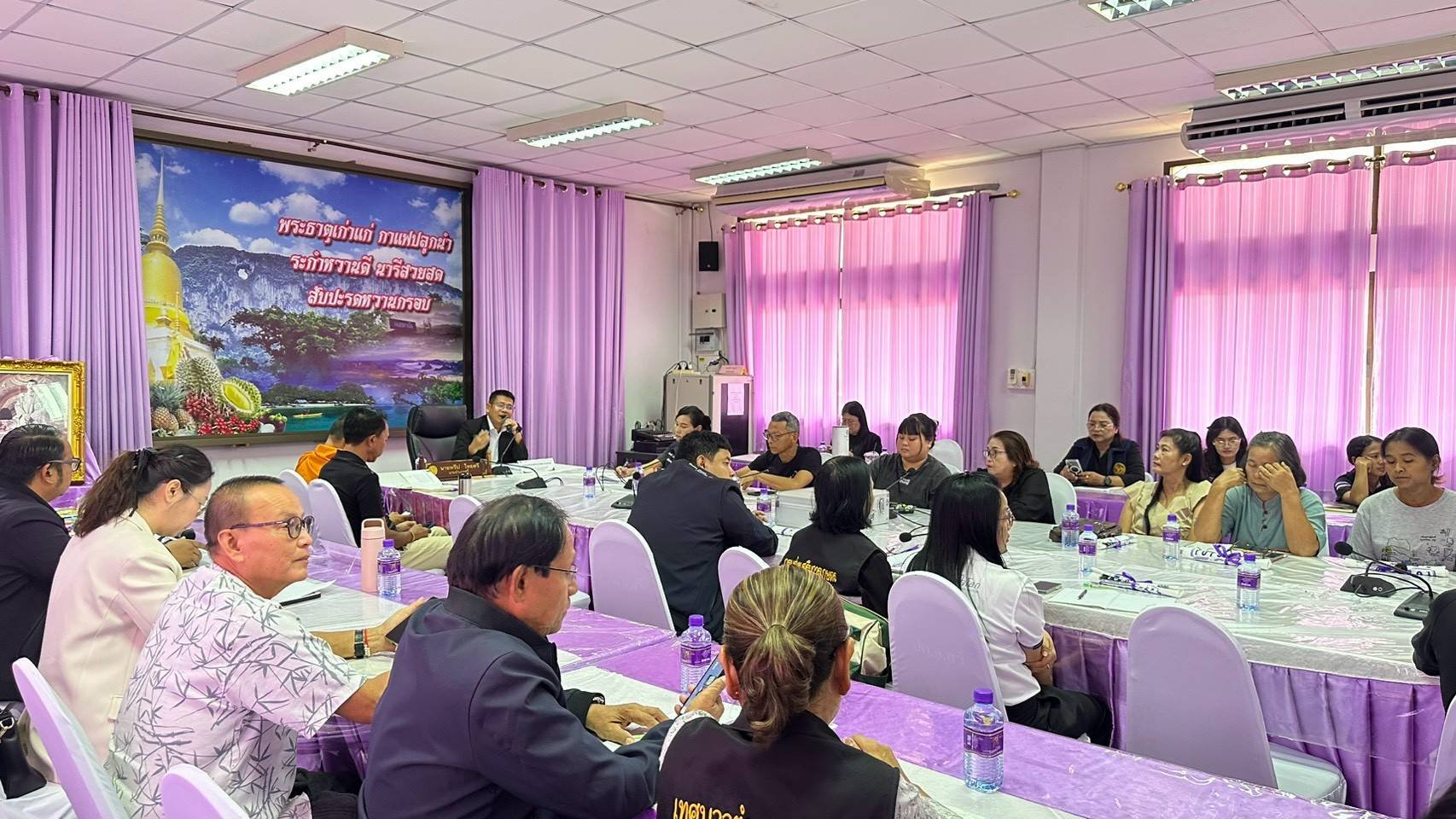
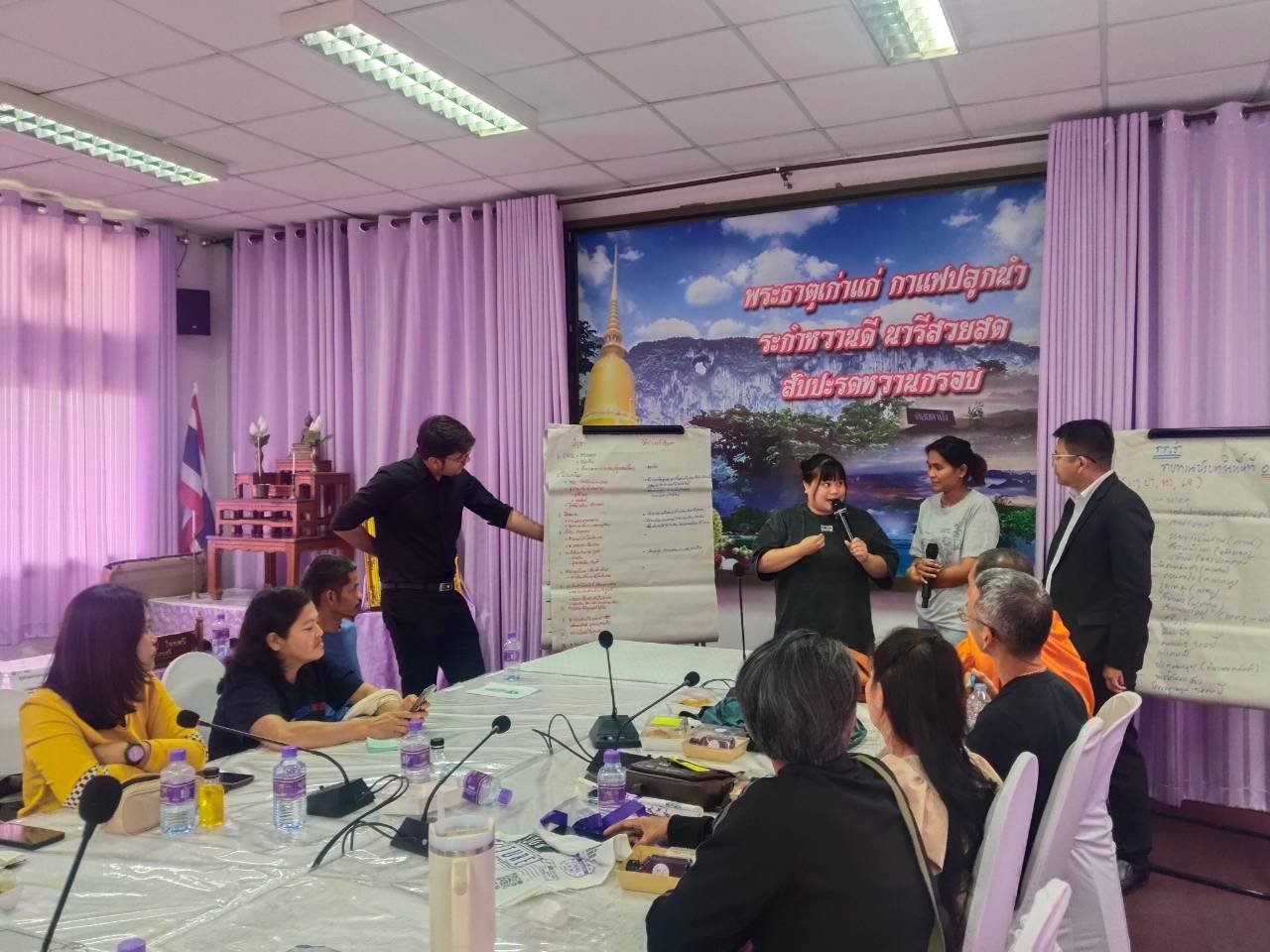
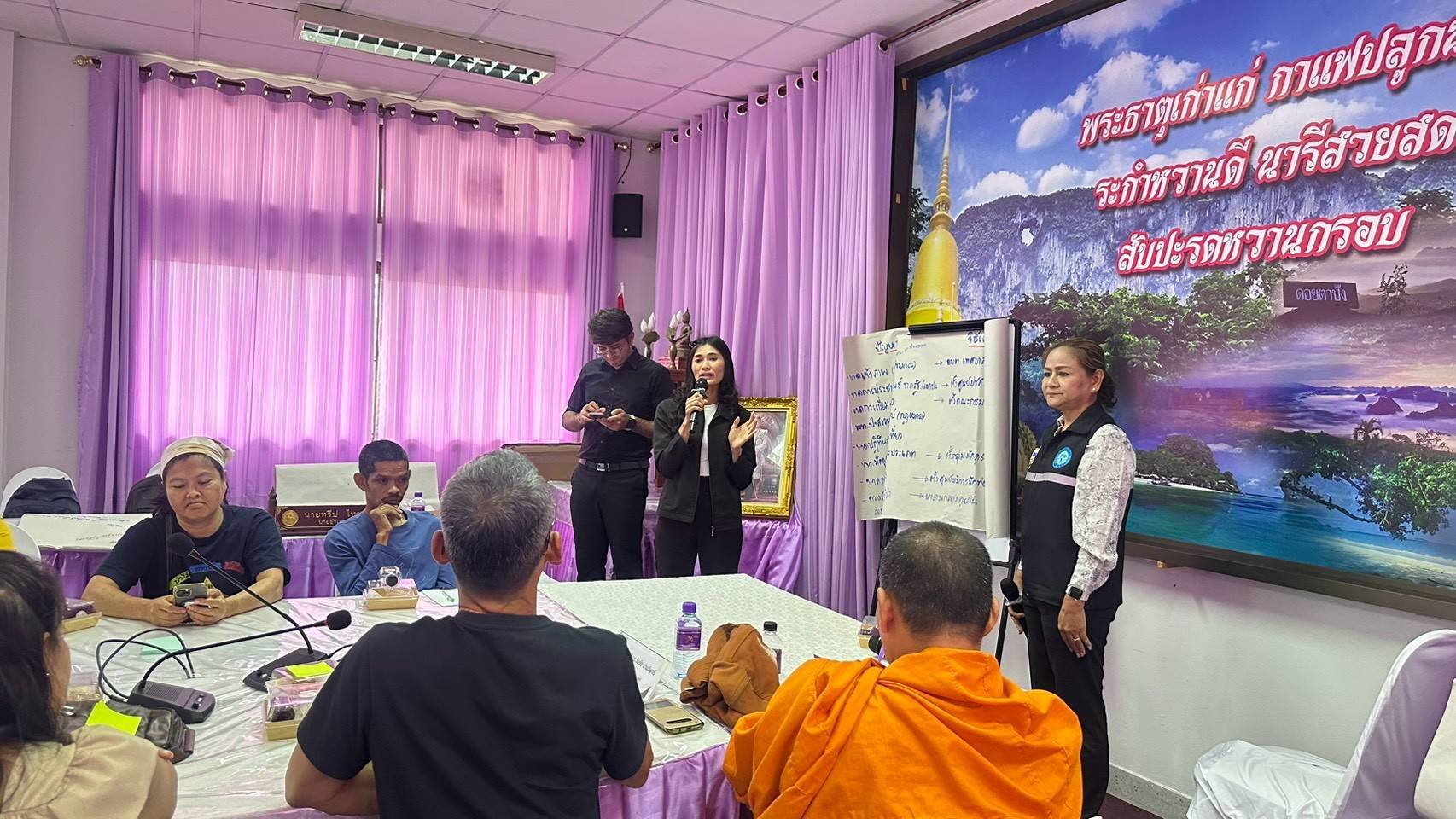
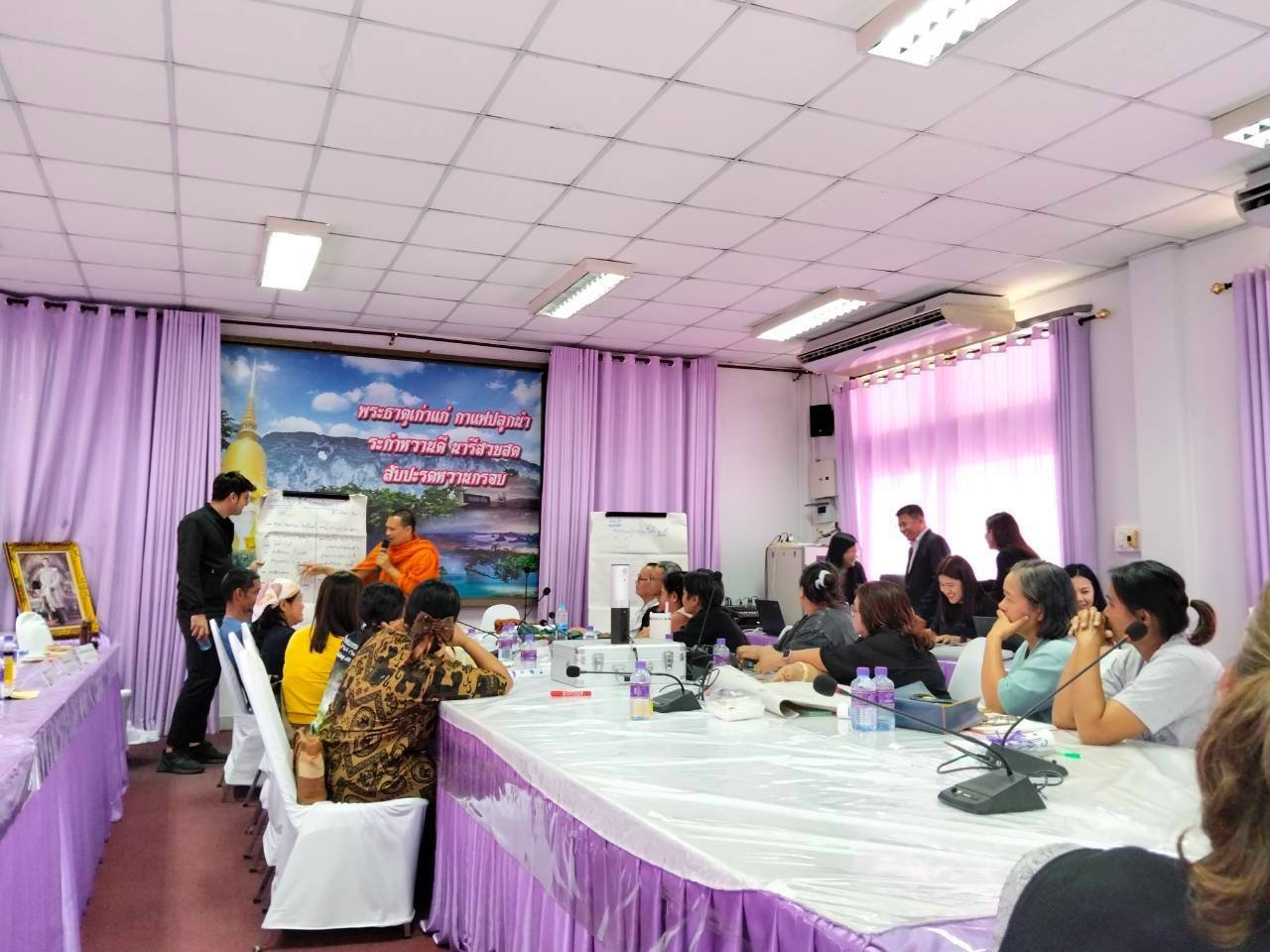
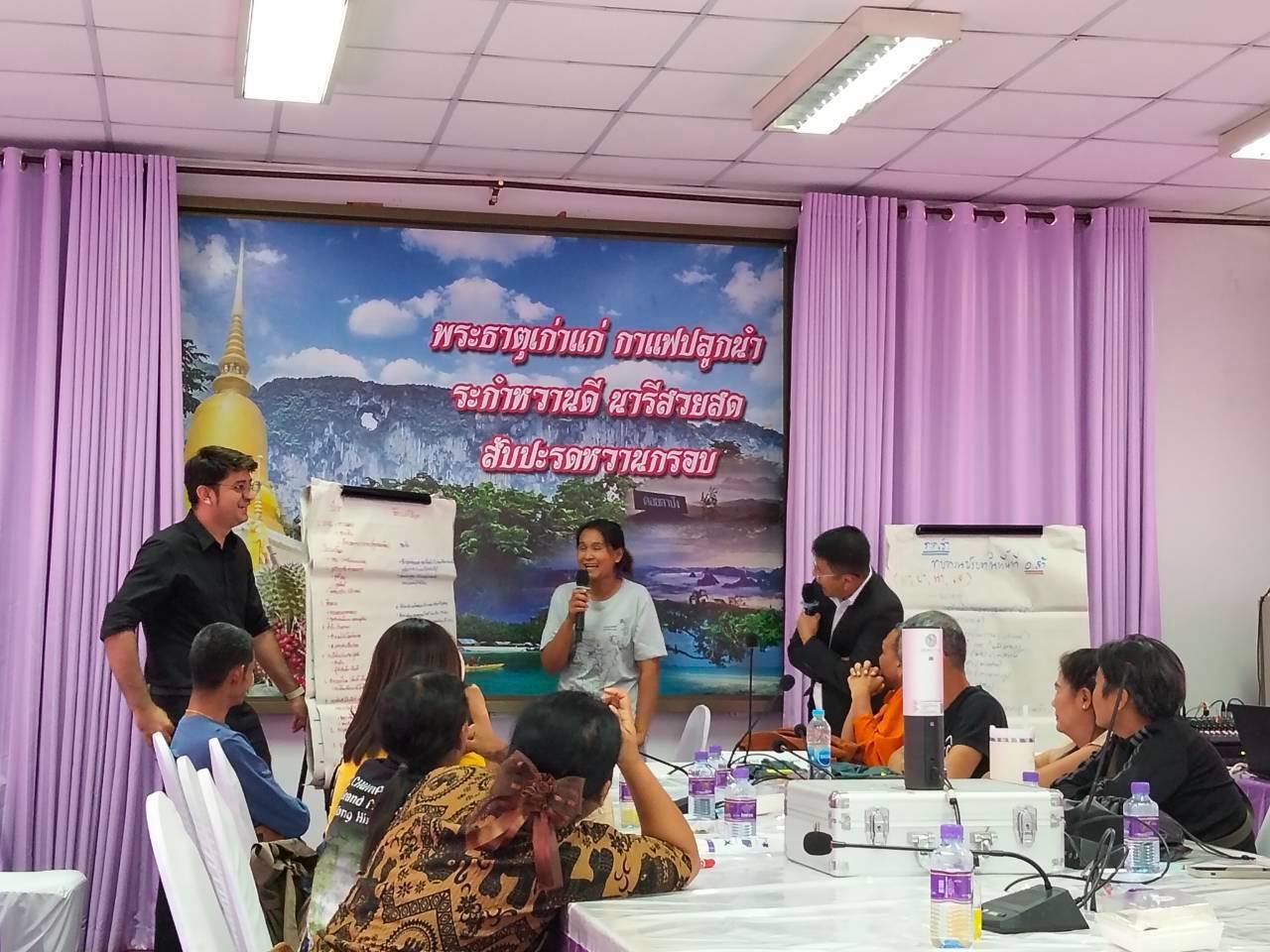
On 19 August 2026, the International School of Tourism (IST), Suratthani Rajabhat University, organised the Workshop on Enhancing the Capacity of Government and Entrepreneurial Networks for Sustainable Tourism at the Sawi Noom Meeting Room, Sawi District Office, Chumphon Province. Mr. Thaweep Thaisawi, Chief of Sawi District, presided over the opening ceremony and shared the district’s policy direction for advancing tourism through sustainable development.
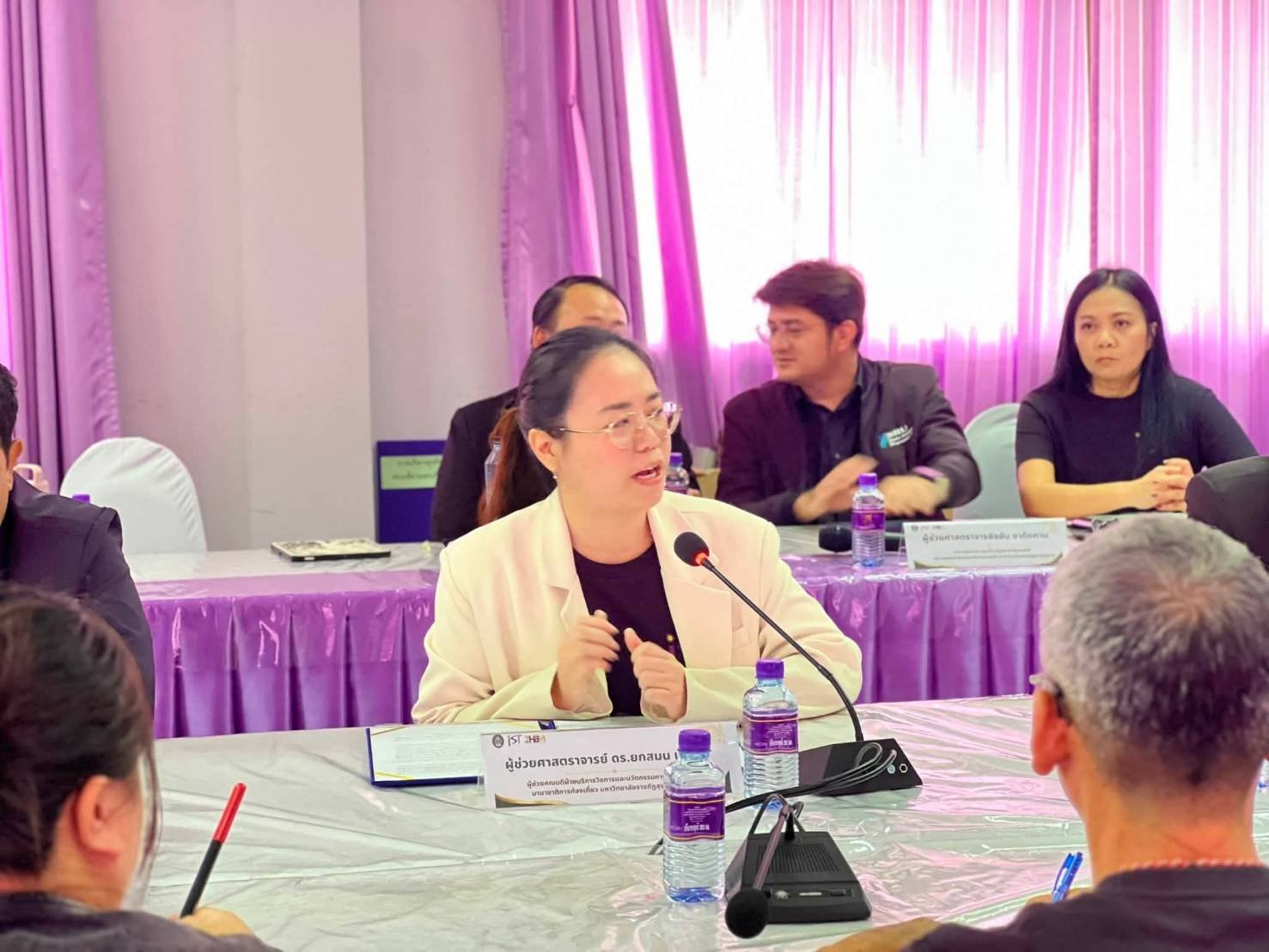
Assistant Professor Dr. Yoksamon Jeaheng, Assistant Dean for Academic Services and Educational Innovation and a faculty member of the master’s programme in Tourism and Hospitality Business Management, delivered the opening report. She highlighted IST’s commitment to strengthening grassroots economies across the upper southern provinces—particularly Ranong, Chumphon and Surat Thani—in line with Suratthani Rajabhat University’s mission to foster sustainable local development and resilient communities.
“Sawi possesses distinctive natural, cultural and community assets. Turning these strengths into stable local income and a sustainable quality of life is not the responsibility of any one sector; it requires collective action.”
From Community Assets to Participatory Tourism Planning
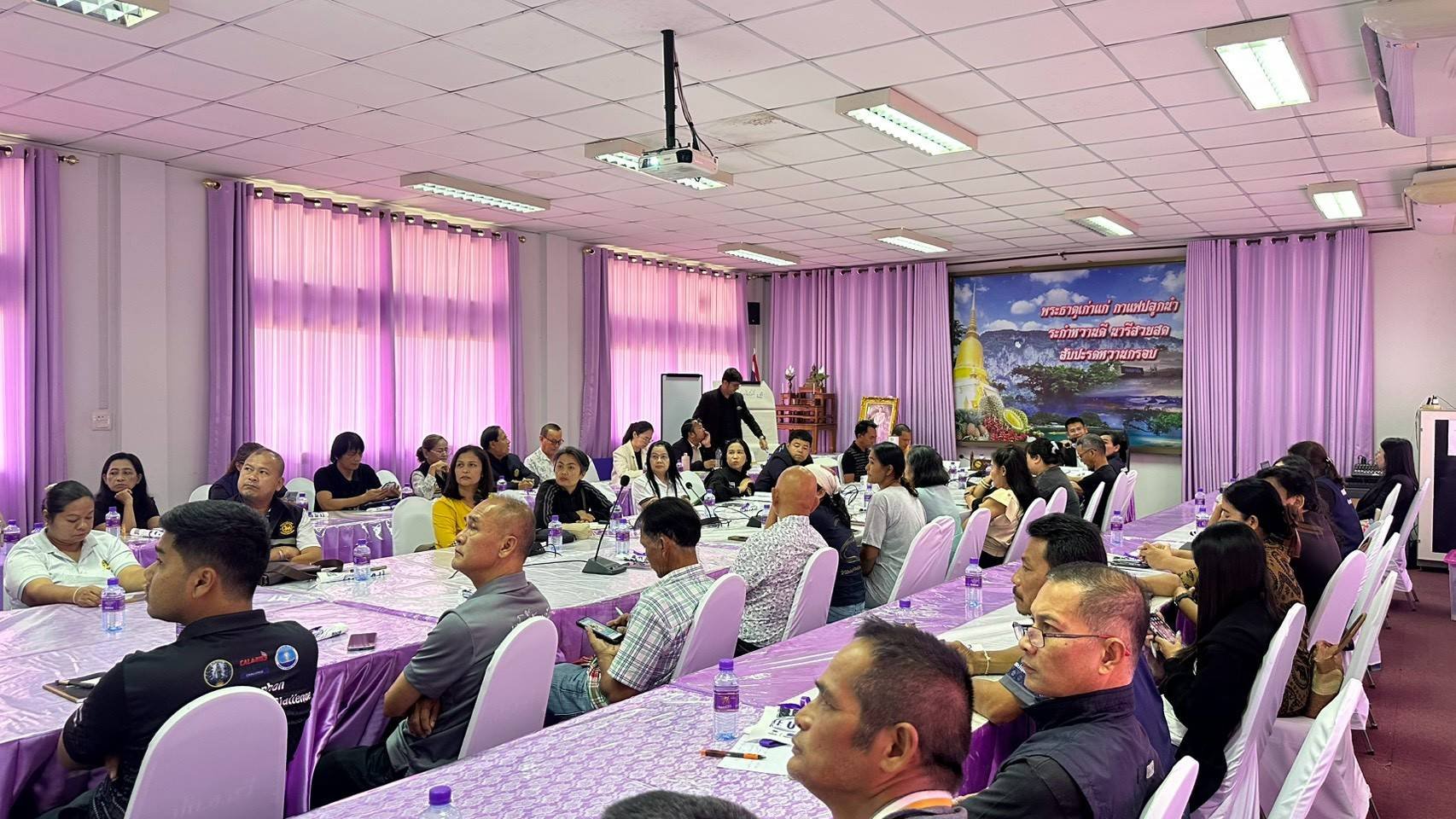
The morning sessions addressed “Policy and Directions for Driving Tourism in Sawi towards Sustainable Development” and “The Role of Government in Area-based Tourism Management and Development.” The sessions were led by Mr. Thaweep Thaisawi and Associate Professor Dr. Wanchai Panjan of the Faculty of Human Resource Development, Ramkhamhaeng University, who also serves as an academic specialist to the parliamentary committee concerned with comprehensive security.
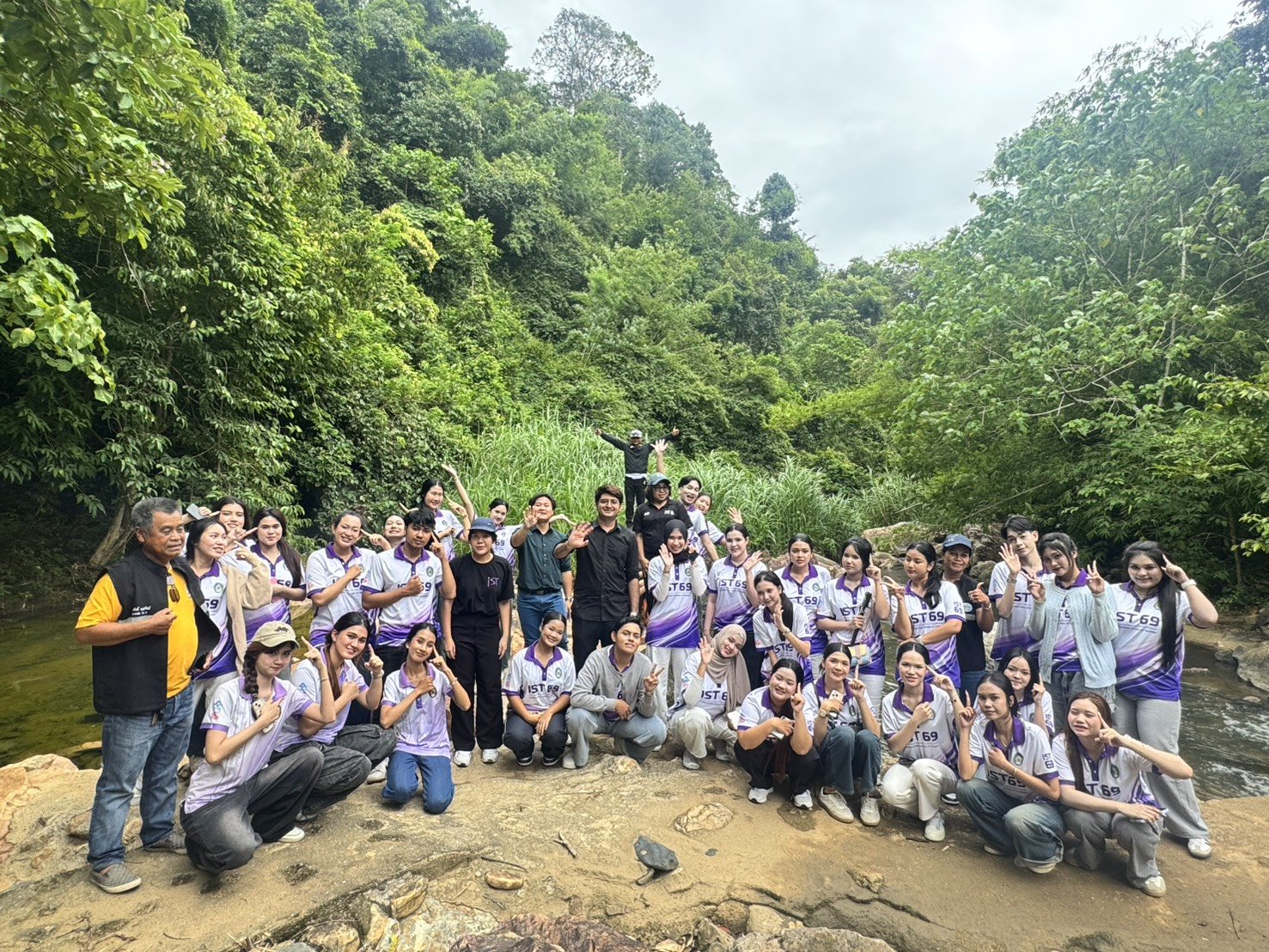
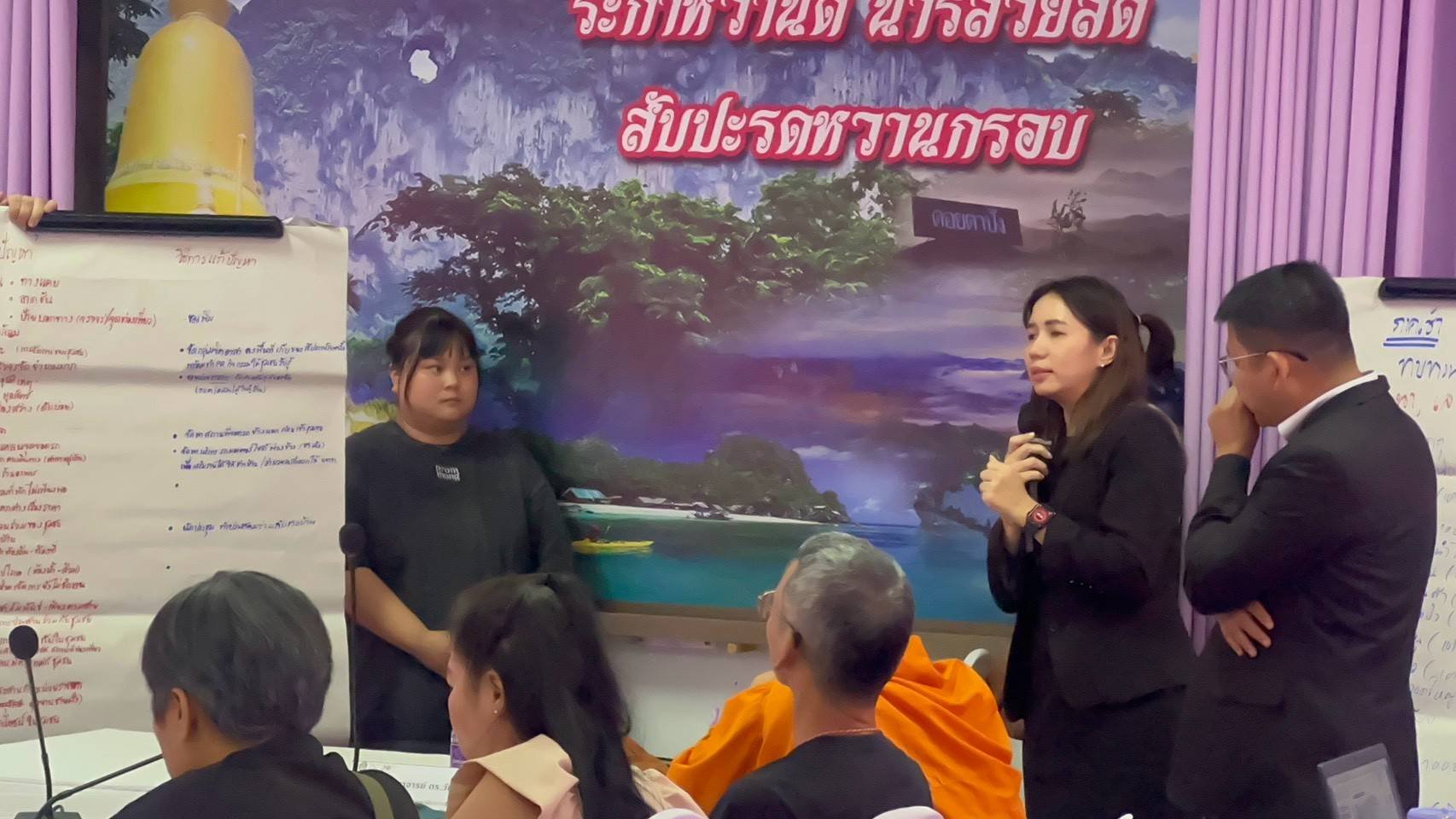
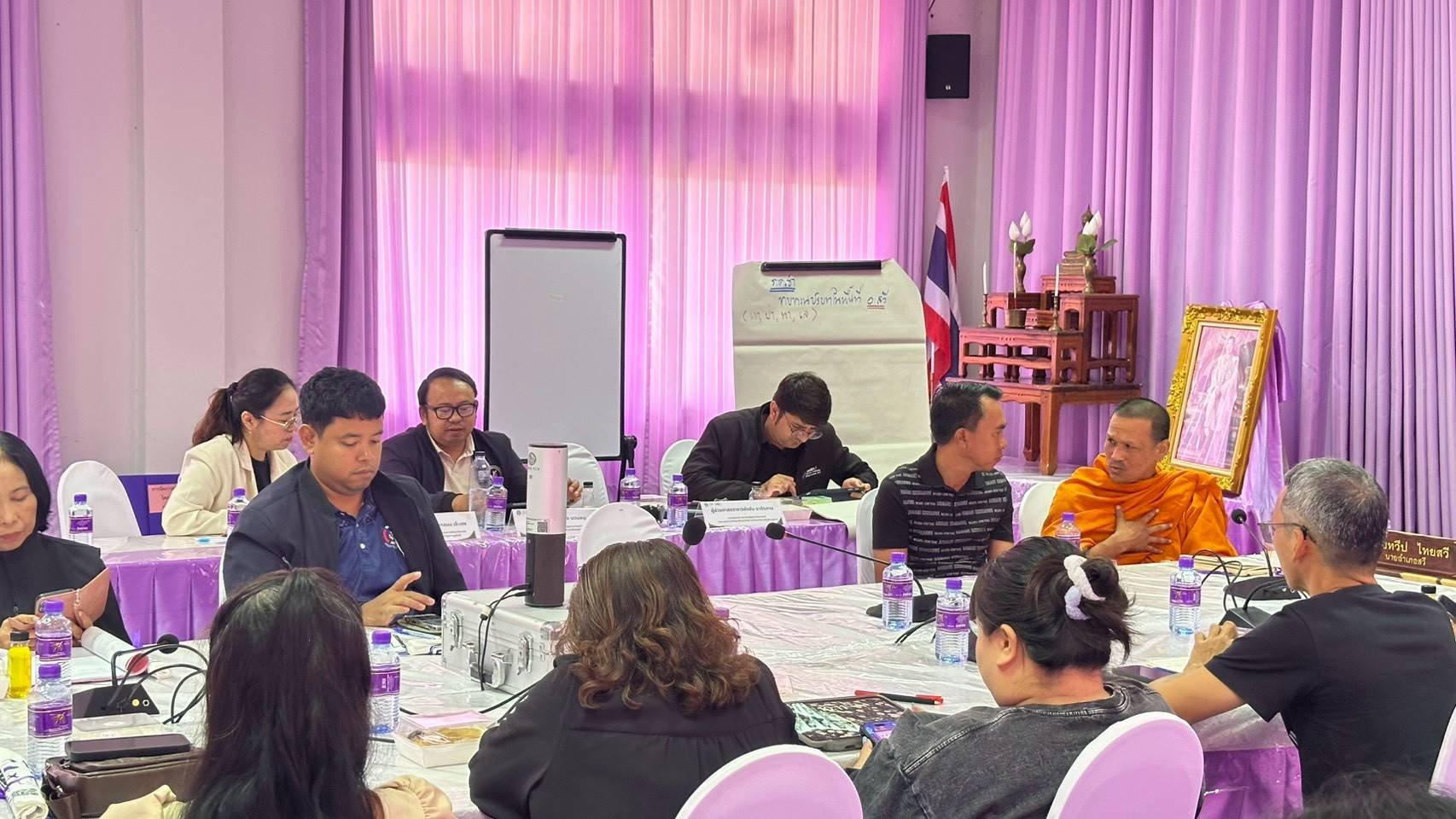
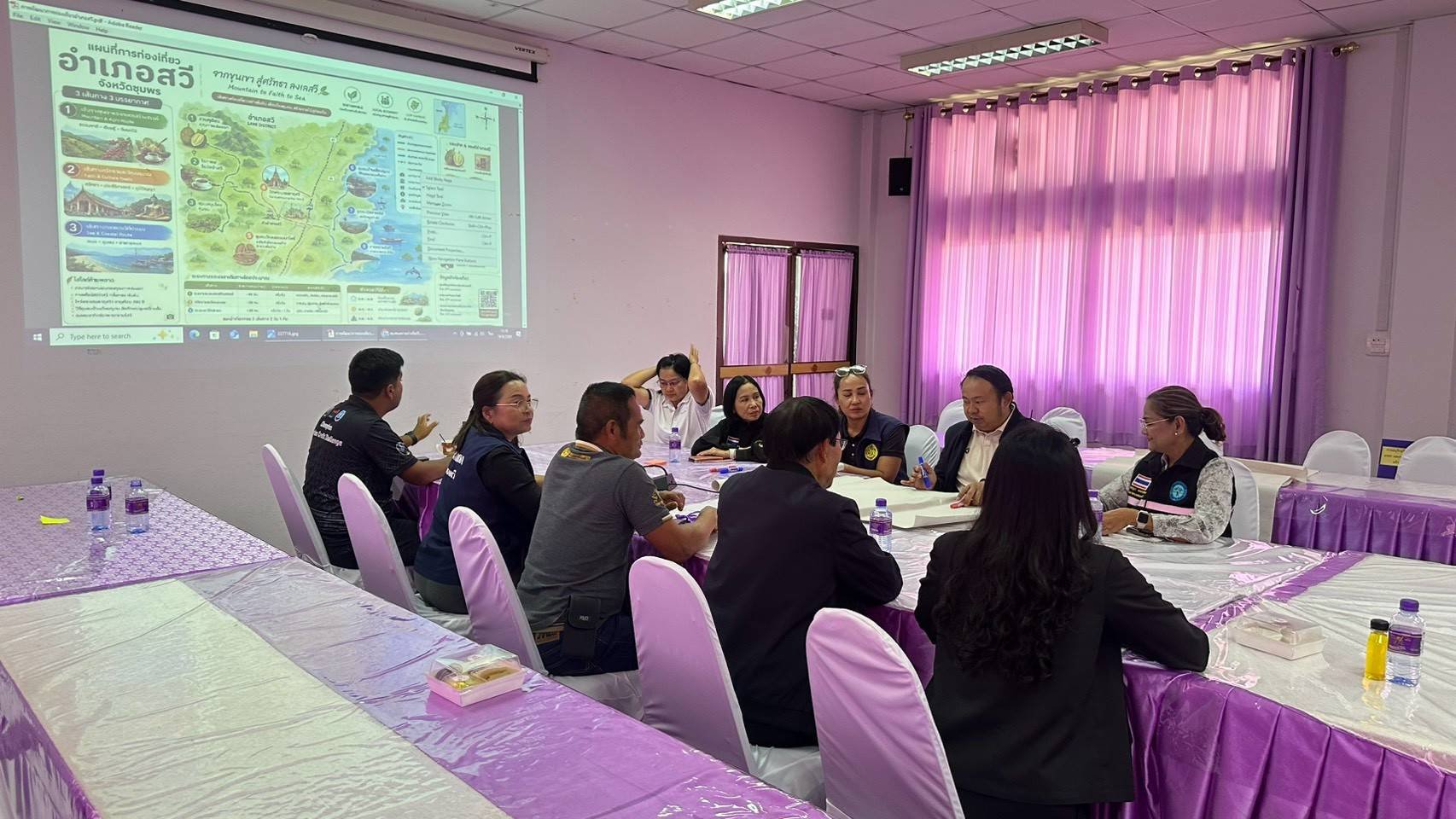
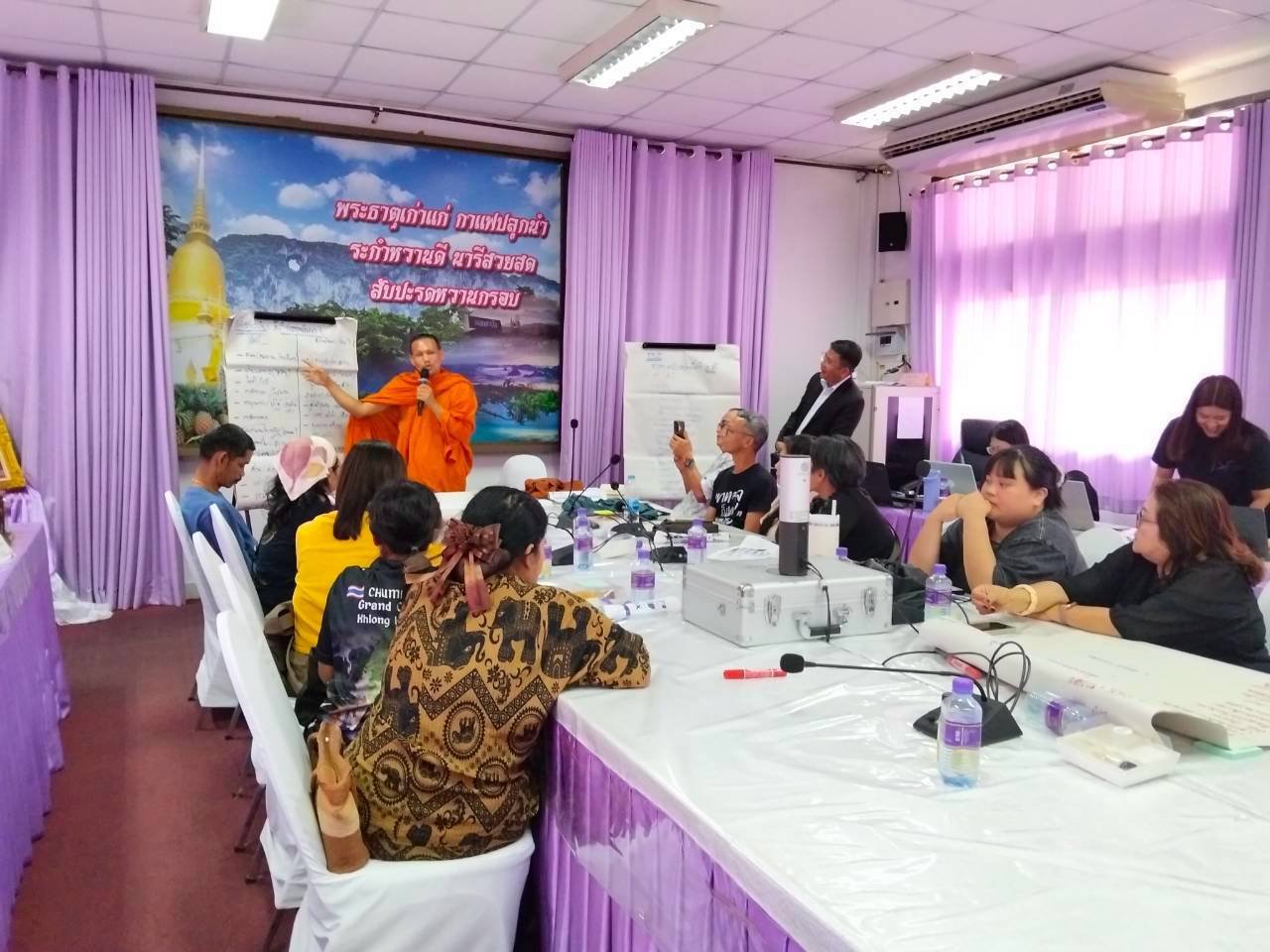
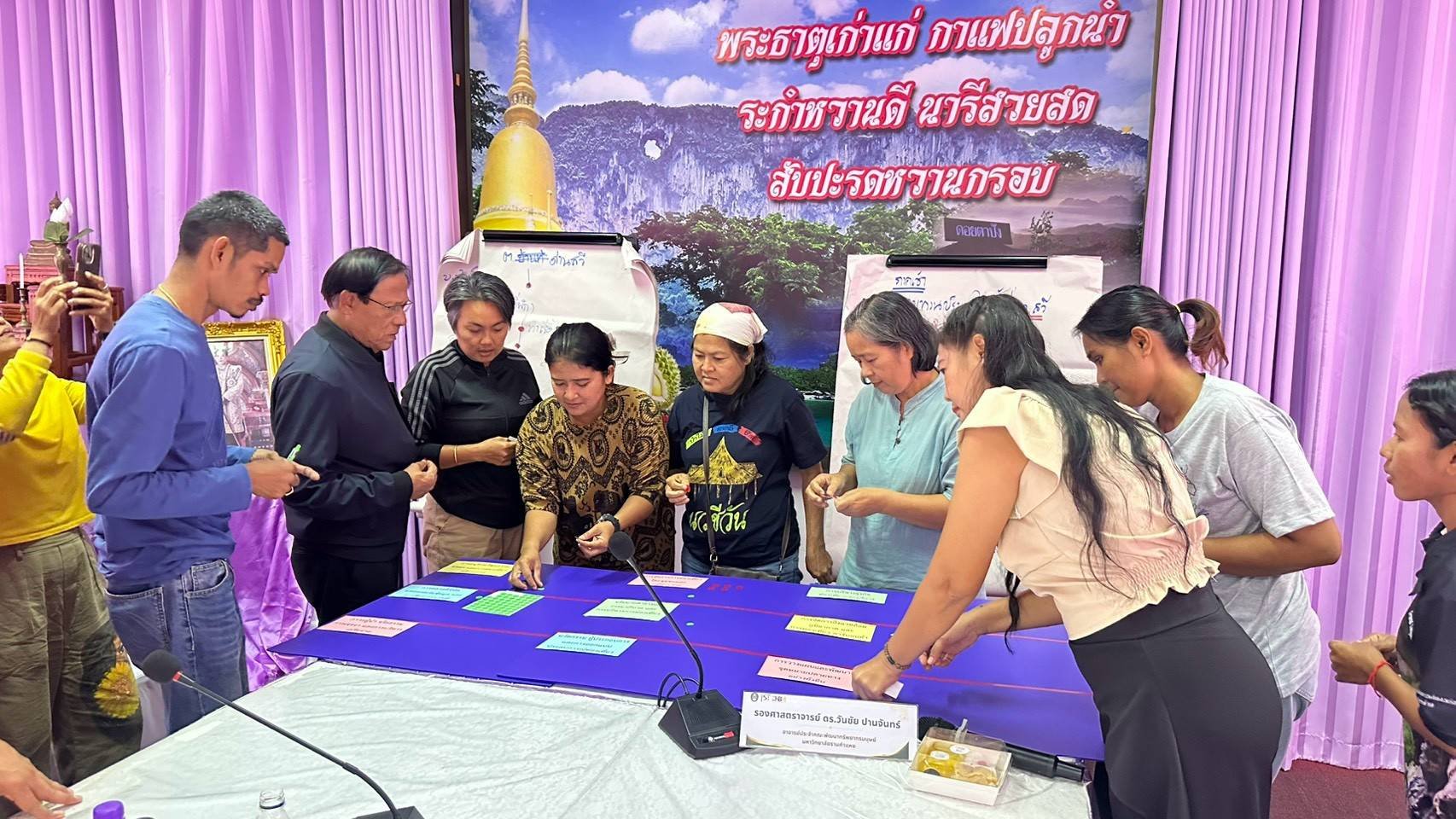
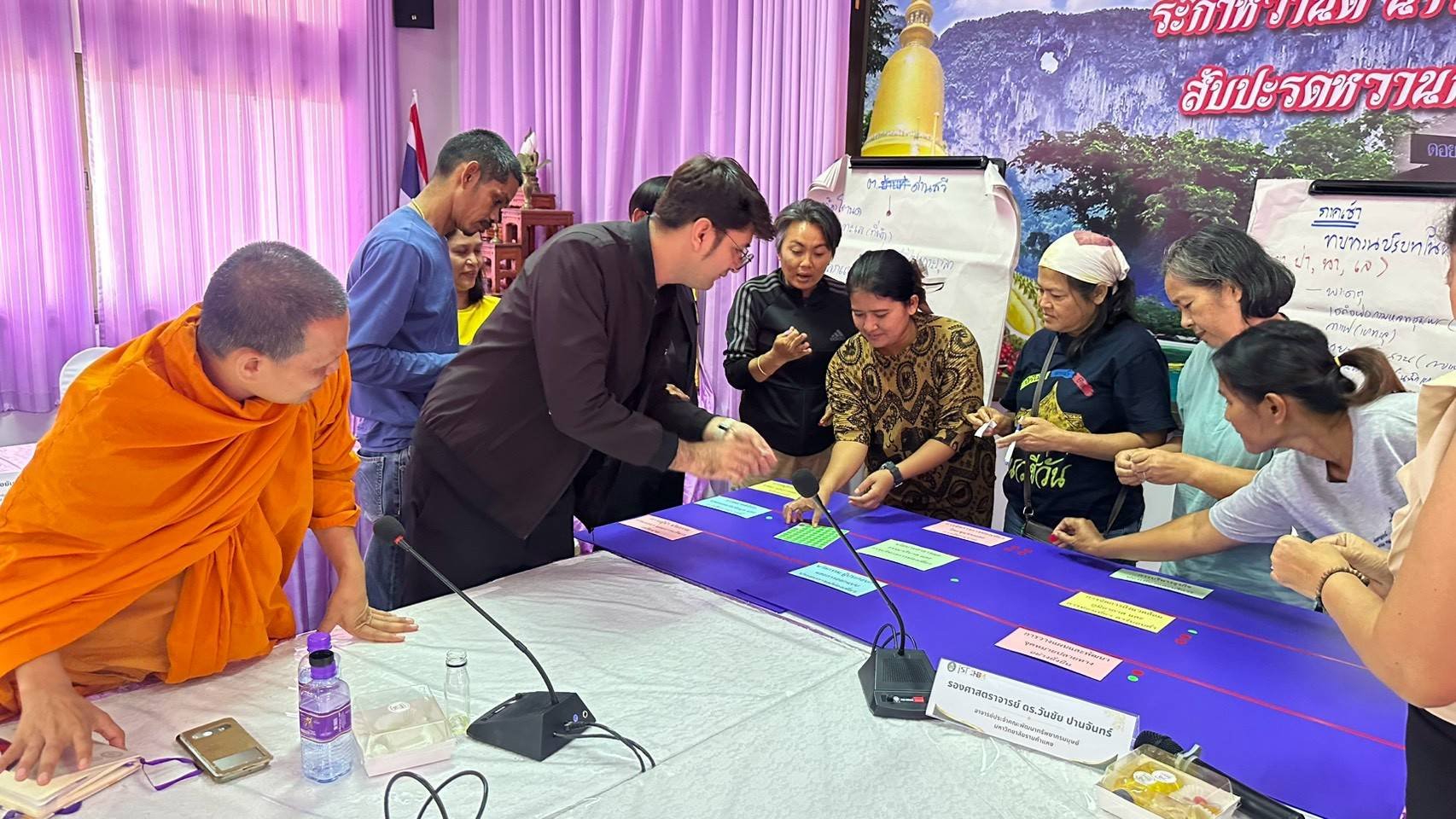
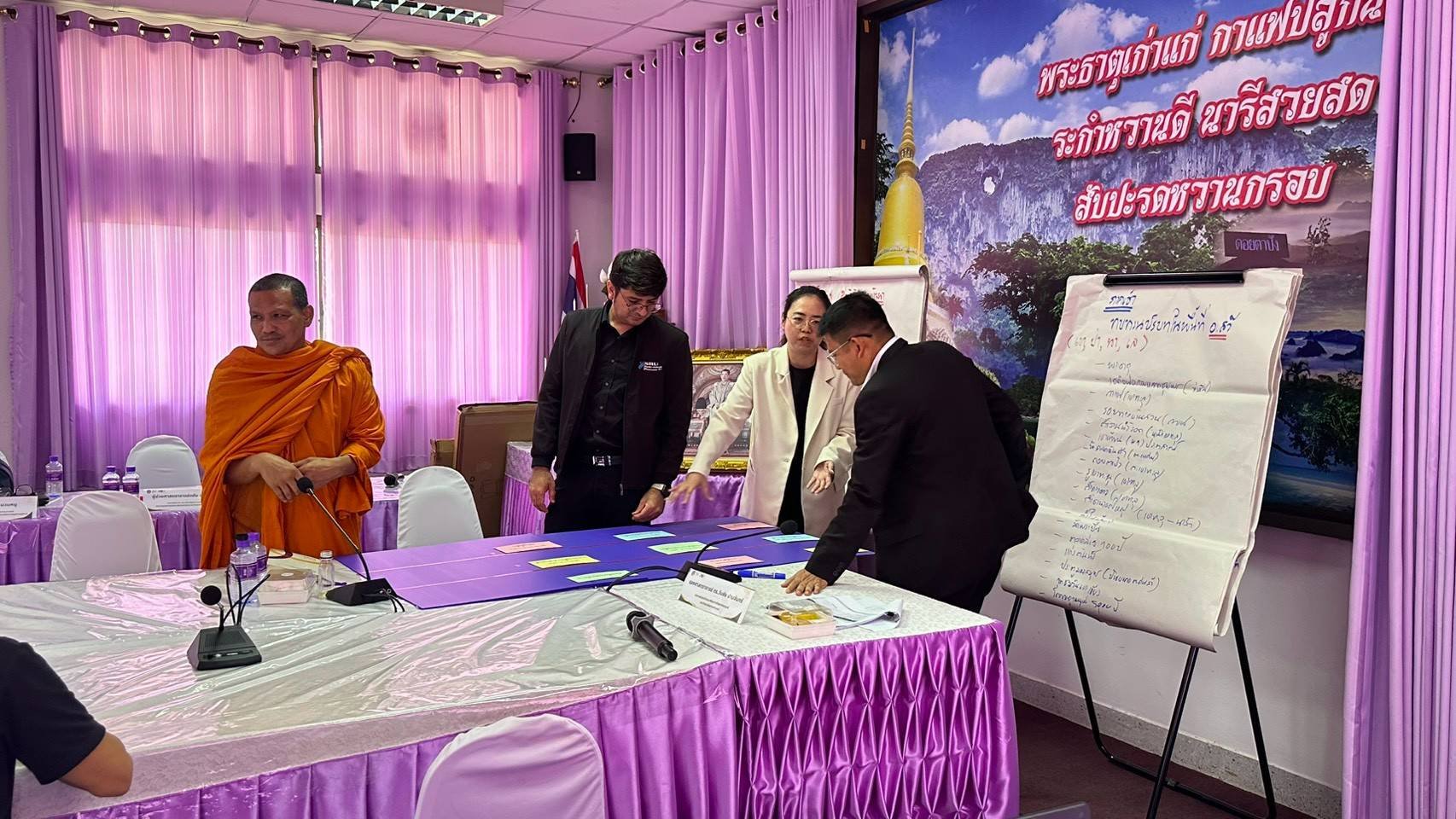
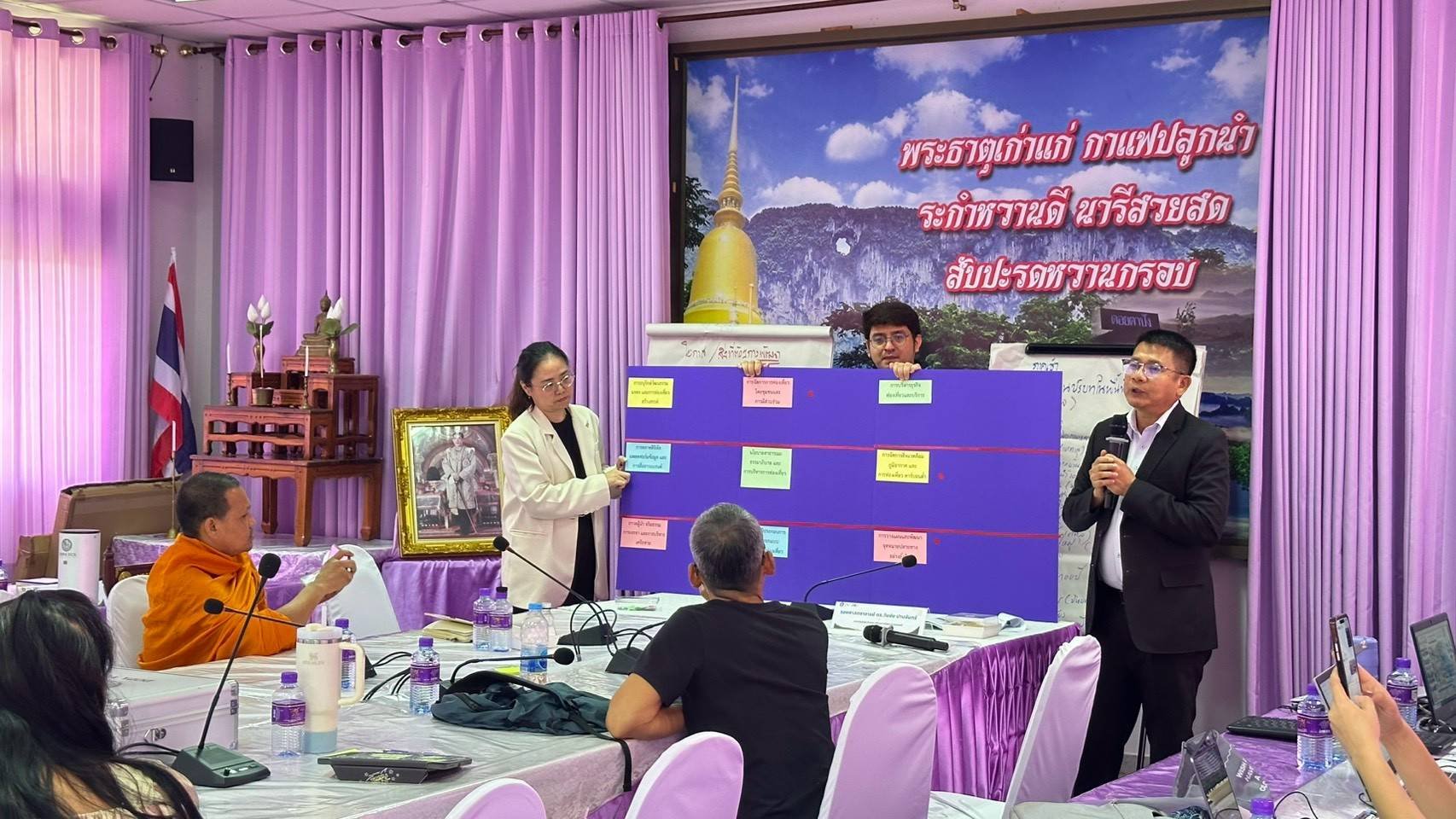
In the afternoon, participants joined a hands-on workshop on participatory planning and development guidelines for tourism at community and district levels. They were divided into three stakeholder groups to analyse local potential, challenges and practical development directions.
Facilitated by Assoc. Prof. Dr. Wanchai Panjan
Facilitated by Asst. Prof. Ayub Sadat Khan
Facilitated by Mr. Panpadej Nuannu
Bringing Local Voices into Curriculum and Workforce Development
The project also served as an important mechanism for IST’s Master of Arts programme in Tourism and Hospitality Business Management to gather stakeholder insights, government policy directions, industry challenges and emerging skill requirements. The evidence will help inform the continued development of the programme structure, course descriptions and learning processes so that they remain responsive to students, employers and a rapidly changing tourism environment.
Bringing together 50 representatives from government, the private sector, tourism businesses, community leadership and civil society established the first Sawi Sustainable Tourism Cooperation Network. Beyond the workshop, the network creates a foundation for future collaboration in teaching and learning, research, academic services and student work-based learning, supporting the development of graduates with the professional, language and digital competencies required by the tourism and hospitality industry.
🌏 SDG Report & Relevant Goals
The project aligns with the Sustainable Development Goals (SDGs) in the following areas:
| SDG Goal | Target Description | Connection to Project |
|---|---|---|
 | Goal 4: Quality Education | Evidence, policy directions and actual needs shared by government, businesses and communities inform curriculum, teaching and competency development, keeping learning relevant to employment needs. |
 | Goal 8: Decent Work and Economic Growth | The project supports tourism that generates community income, strengthens tourism entrepreneurs and prepares a skilled workforce for the tourism and hospitality industry. |
 | Goal 11: Sustainable Cities and Communities | Sawi’s natural, cultural and community assets form the basis of participatory tourism planning and development at community and district levels. |
 | Goal 17: Partnerships for the Goals | IST, government agencies, tourism businesses, communities and civil society established a cooperative network to jointly plan and advance sustainable tourism. |