“Grant Writing Mastery” Workshop Empowers Researchers to Win Funding
Equipping faculty members and researchers with the techniques to craft research proposals that resonate with funding agencies — led by an expert who has secured no fewer than 38 research grants.
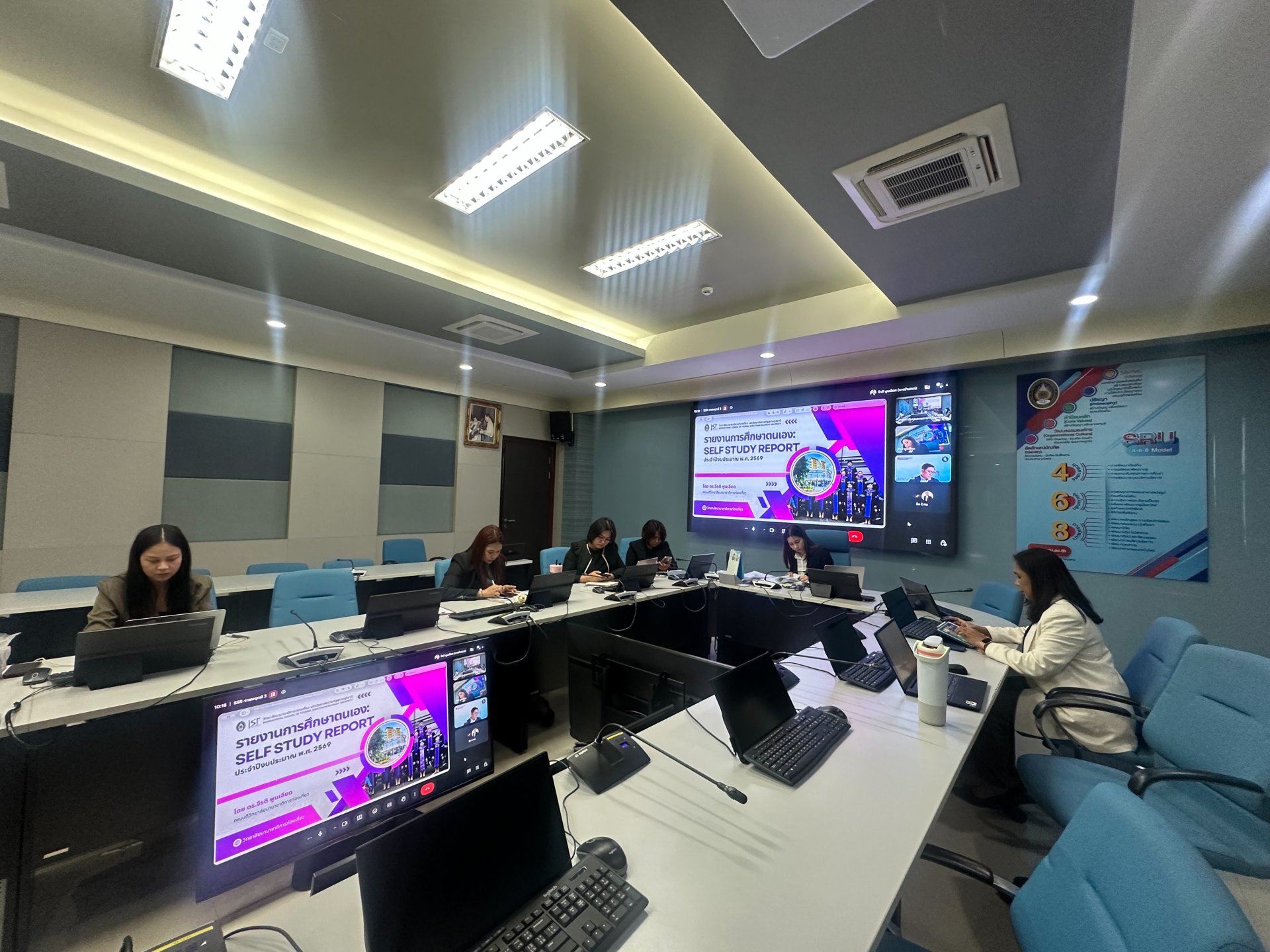
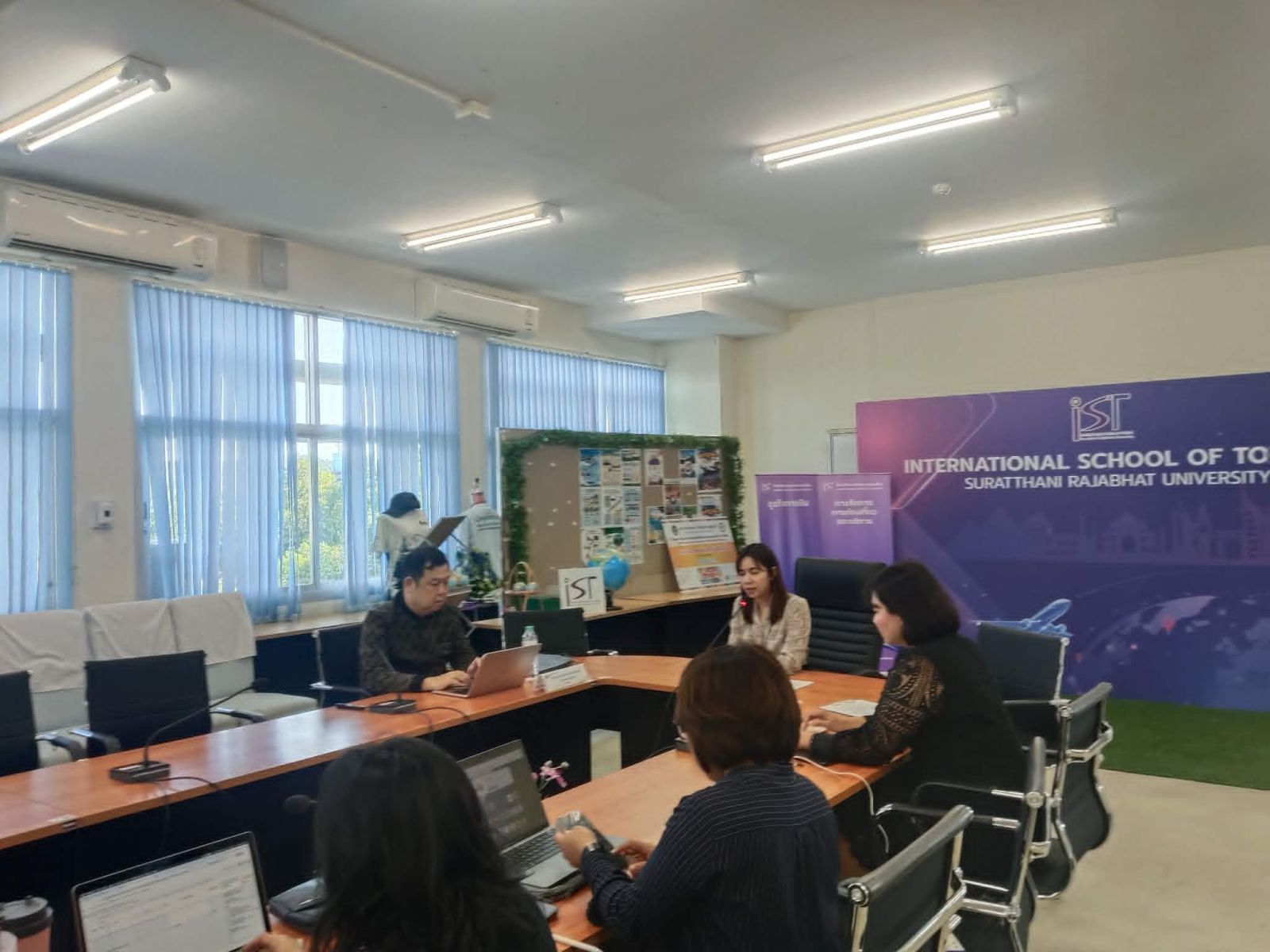
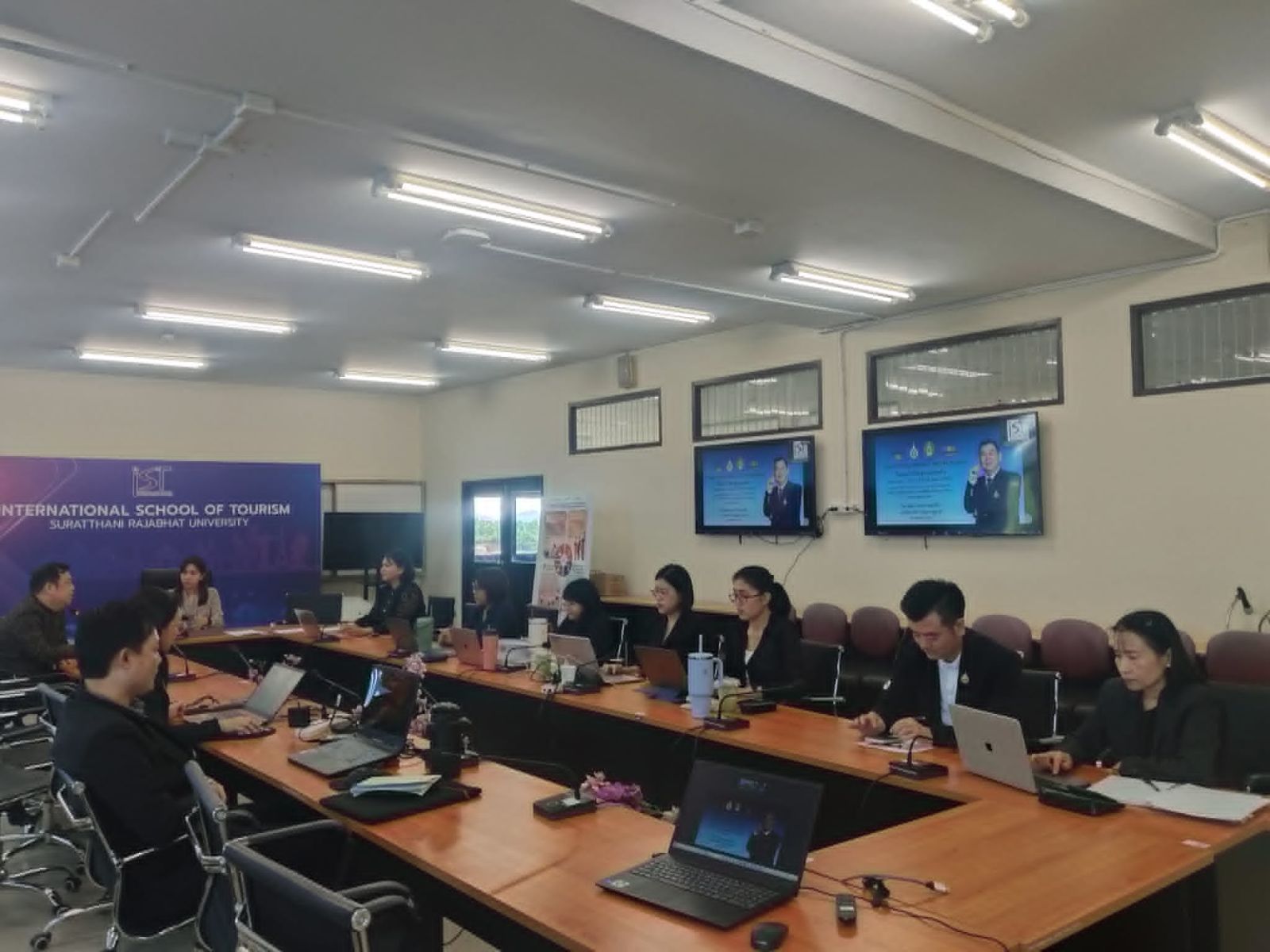
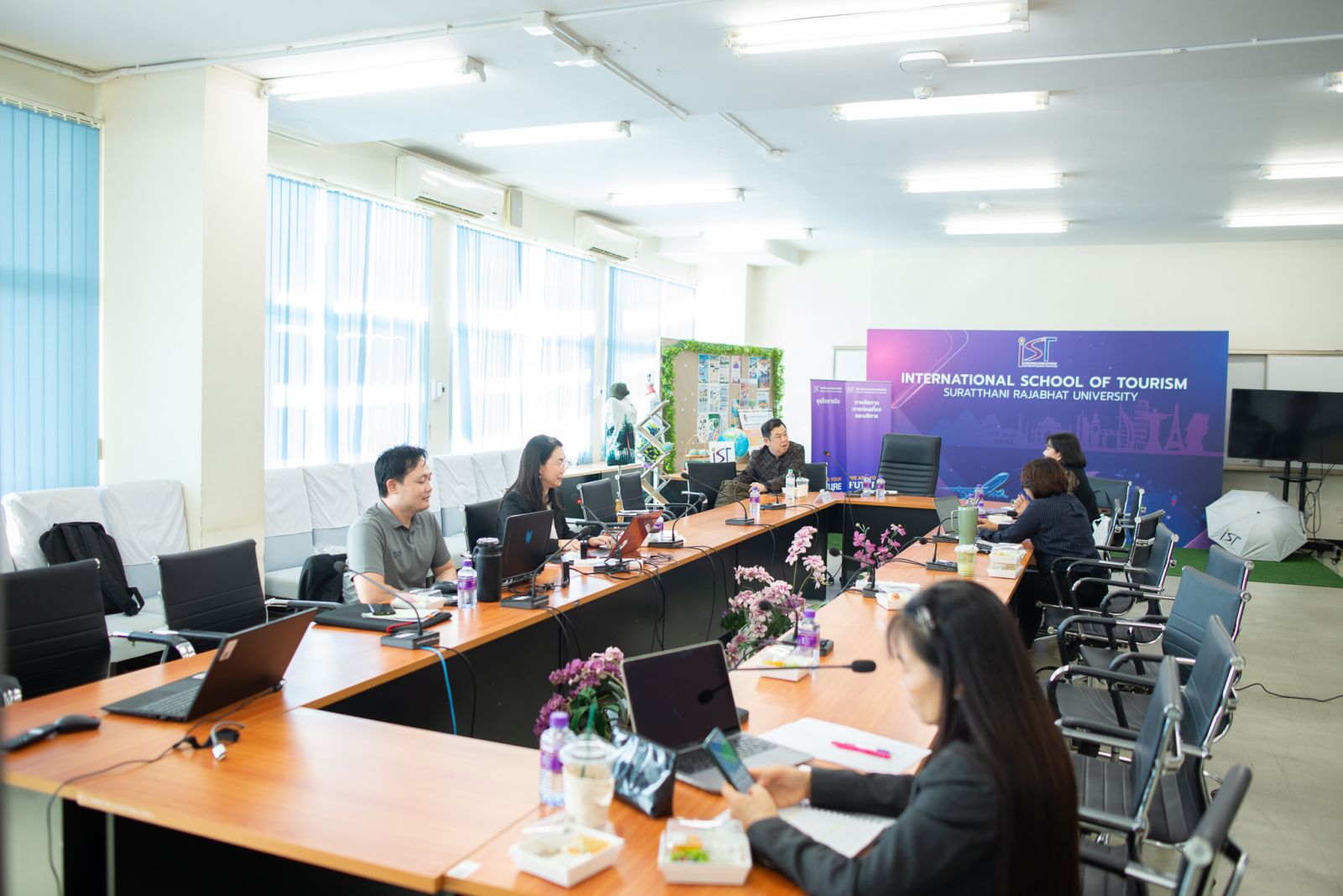
The International School of Tourism, Suratthani Rajabhat University, hosted “Grant Writing Mastery: Elevating Research Proposals to Success,” a workshop designed to strengthen the proposal-writing skills of faculty members and researchers, increase their chances of securing funding, and advance the university toward becoming an institution of research and sustainable local development.
A Platform to Equip Researchers for Funding-Ready Proposals
Today, research stands as a key mechanism driving national development across the economy, society, and innovation. Yet access to research funding does not depend on academic ability alone — it also requires the skill to write research proposals that are high in quality, clear in purpose, and aligned with the evaluation criteria of funding bodies.
Assistant Professor Pornpaktra Sakda, Associate Dean for Academic Affairs and Research, stated that the project aims to strengthen the quality of research proposal writing, enhance the capacity to design research systematically in line with funding criteria, and increase the likelihood of obtaining support from various funding sources. These, she noted, are essential mechanisms for developing academic capacity and advancing the university toward becoming an institution of research and sustainable local development.
The workshop drew strong interest from faculty members and researchers across various schools, and was honored to have Dr. Jeerati Poon-iad, Dean of the International School of Tourism, preside over the opening ceremony. She emphasized that research is the heart of creating new knowledge and developing the nation. Amid rising competition for research funding and increasingly rigorous criteria, the ability to analyze research problems, design research frameworks systematically, and write proposals that appeal to funders has become an indispensable skill for today's researchers.
A Distinguished Speaker Sharing Real-World Research Experience
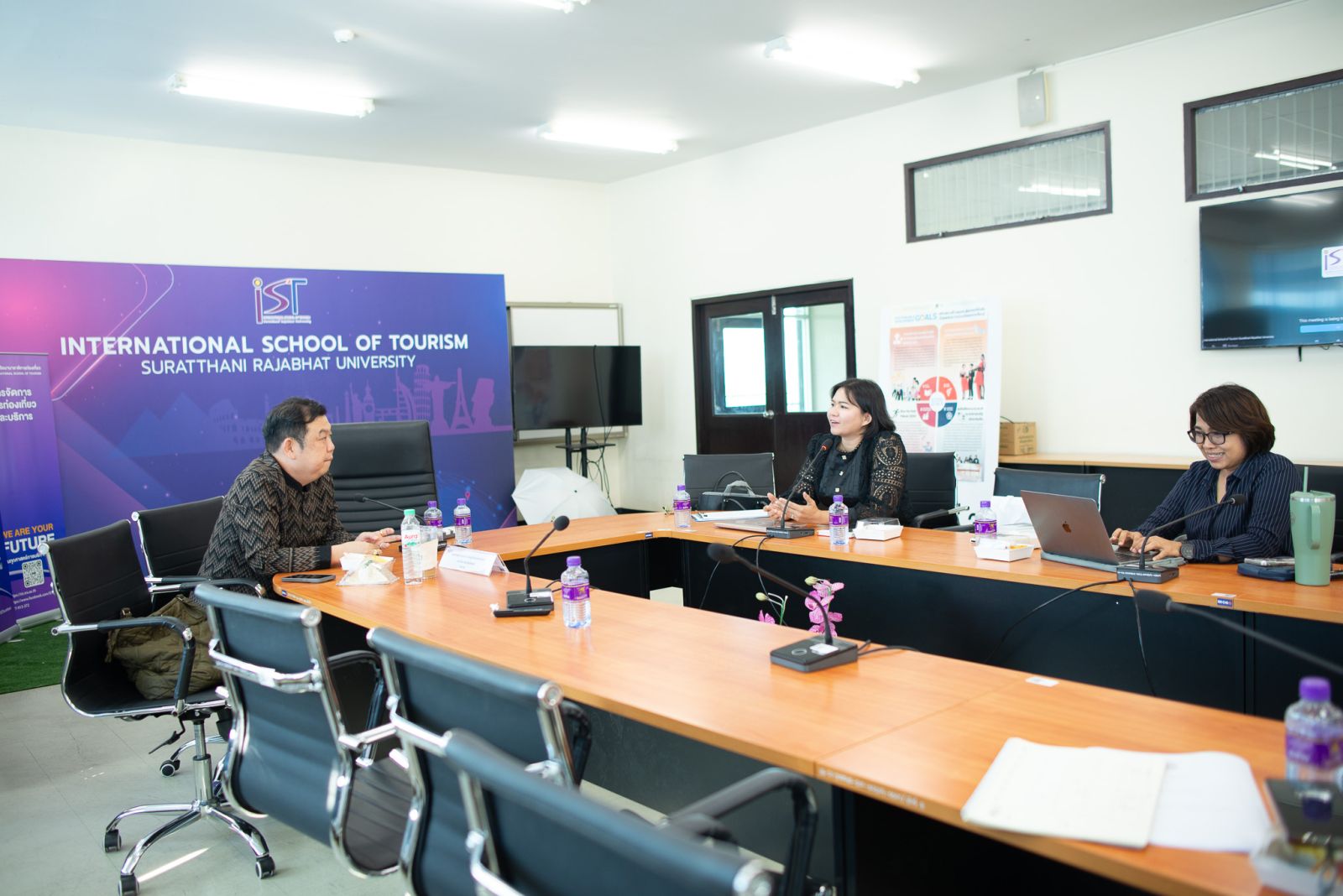
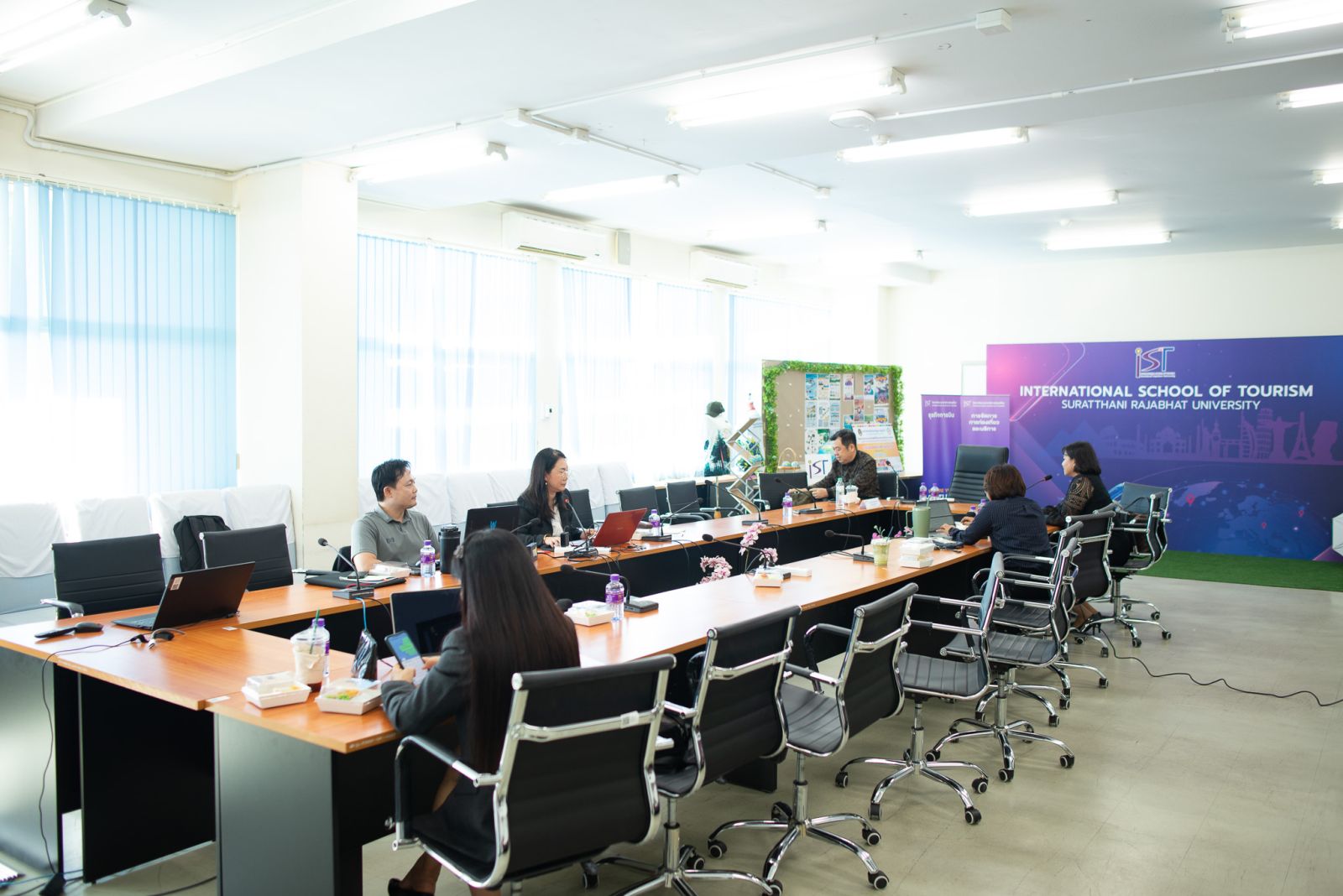
The workshop was divided into two key sessions: a morning session on “Funding Landscape & Call Analysis,” and an afternoon session on “Designing Research Proposals and Proposal-Writing Techniques Aligned with Funding Criteria” — delivered in a hands-on workshop format that encouraged participants to practice directly.
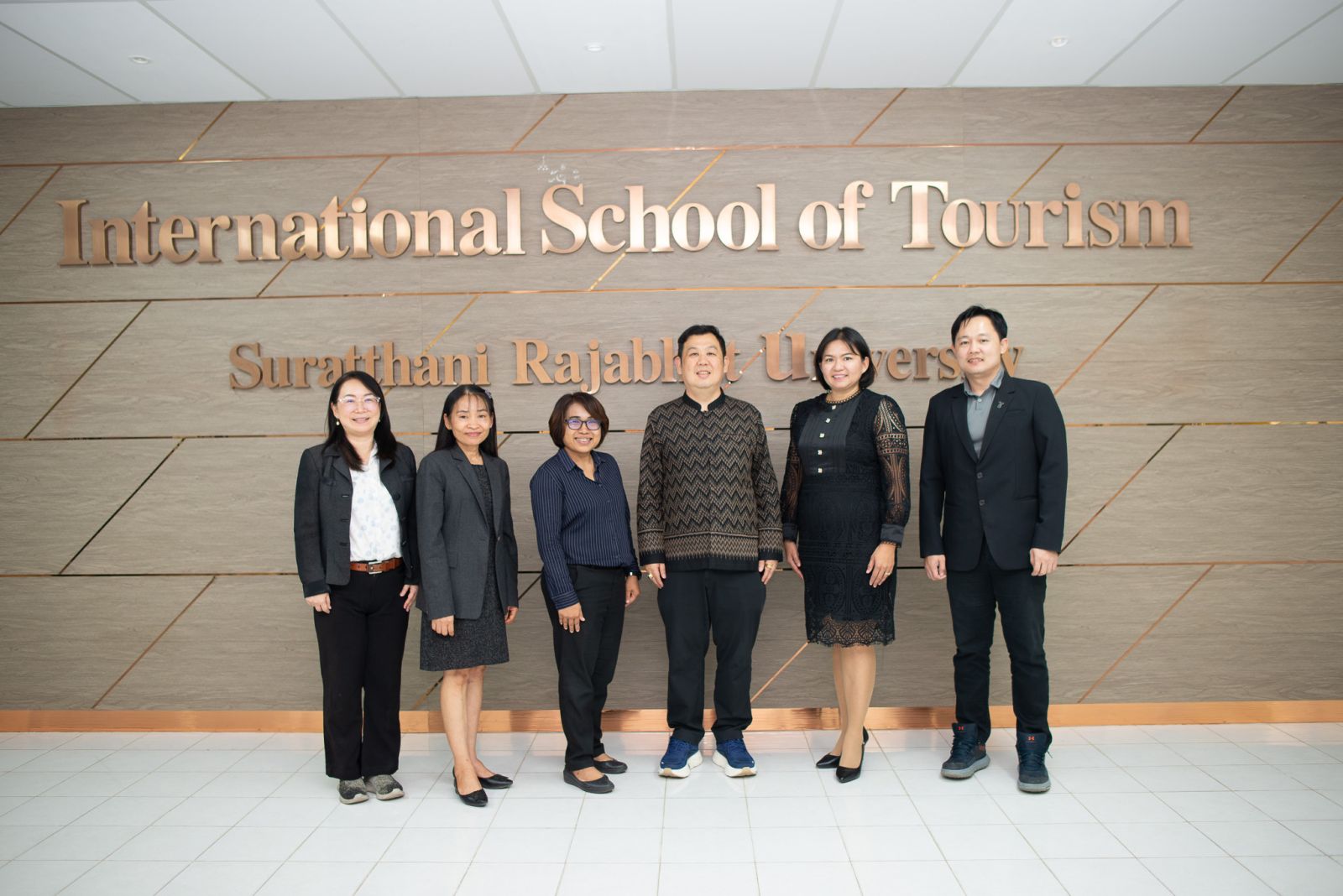
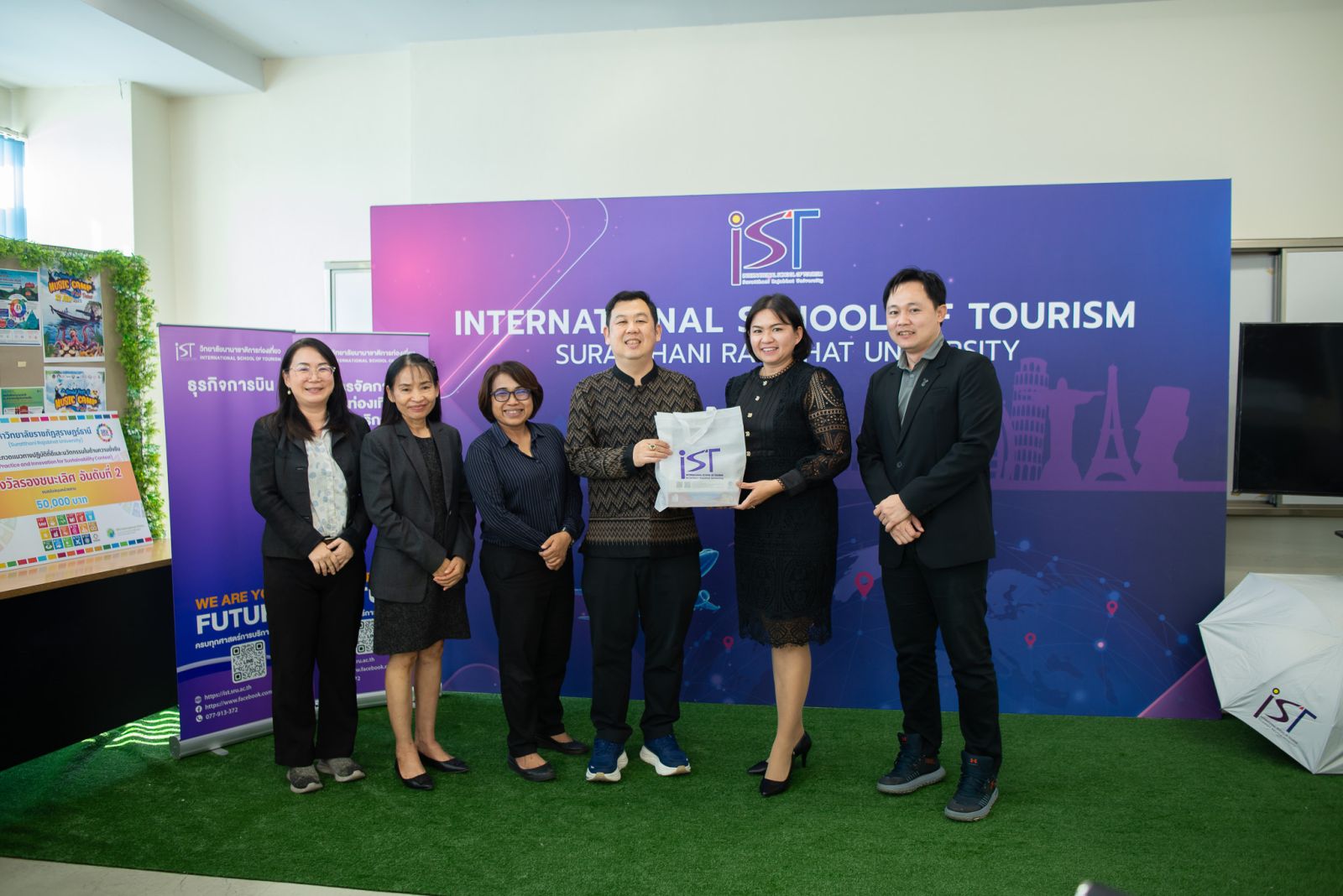
Associate Professor Dr. Siwarit Pongsakornrungsilp
Vice President for Research and Innovation, Walailak University — an expert in research and grant acquisition with no fewer than 38 funded projects across every region of the country, applying knowledge in marketing, tourism management, and modern administration to drive research creation.
Programme Schedule
| Time | Session / Activity |
|---|---|
| 09:00 – 12:00 | Funding Landscape & Call Analysis Trends in research funding and analyzing funding calls — hands-on workshop Assoc. Prof. Dr. Siwarit Pongsakornrungsilp |
| 12:00 – 13:00 | Lunch break |
| 13:00 – 16:00 | Designing Research Proposals & Proposal-Writing Techniques Crafting proposals aligned with funding criteria Assoc. Prof. Dr. Siwarit Pongsakornrungsilp |
Expected Outcomes of the Project
The organizers anticipate that participants will gain a solid understanding of the principles of high-quality research proposal writing, develop the skills to design and prepare proposals systematically, define objectives, indicators, and work plans clearly, and ultimately produce draft proposals with genuine potential to be submitted for research funding.
Beyond this, the initiative opens opportunities for the institution to increase the number of high-quality, funded research proposals, while fostering academic collaboration networks and the exchange of research knowledge among participants — leading to research outputs that respond to the needs of society and the nation in a sustainable manner.
Alignment with the Sustainable Development Goals
Goal 4: Quality Education
Promotes the development of research proposal-writing skills and knowledge among faculty and researchers, raising the quality of education and learning in higher education.
Goal 9: Industry, Innovation and Infrastructure
Strengthens the institution's research and innovation capacity and increases the number of high-quality research proposals — the foundation of knowledge creation and innovation.
Goal 17: Partnerships for the Goals
Builds academic collaboration networks between institutions and researchers, fostering the exchange of knowledge and the development of research for sustainable local development.