IST Joins Ban Ta Khun Tourism Route Launch, Connecting Community Strengths with the Green Economy and Sustainable Tourism
The International School of Tourism at Suratthani Rajabhat University joined local partners in advancing community-based tourism routes that connect local resources, traditional knowledge, the green economy, and collaborative networks in Ban Ta Khun District.
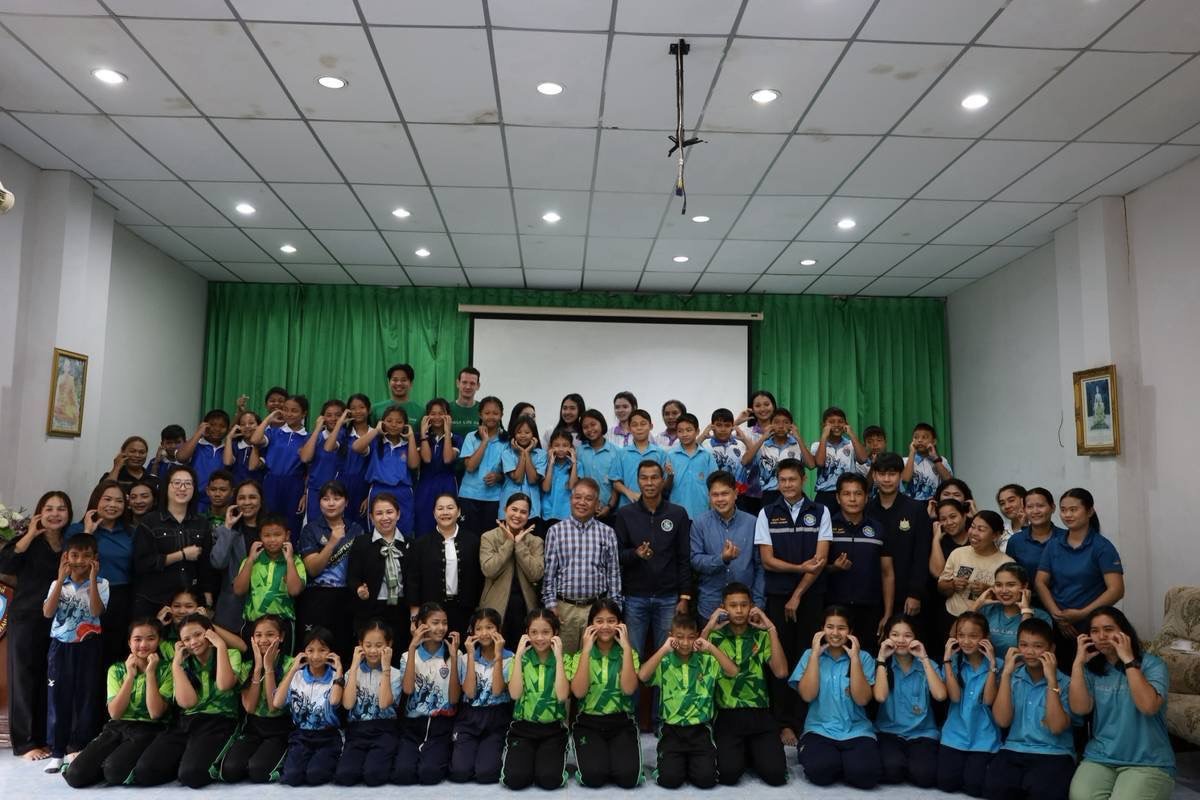
The International School of Tourism at Suratthani Rajabhat University, led by Dr. Jirati Poon-ead, Dean of the International School of Tourism, together with the IST team, participated in the Tourism Route Launching and Memorandum of Understanding signing ceremony under the “Three Economies Plus: Strengthening Community Tourism Enterprises towards Place-Based Sustainability” project. The event connected partners across sectors to promote tourism that creates meaningful and sustainable value for local communities.
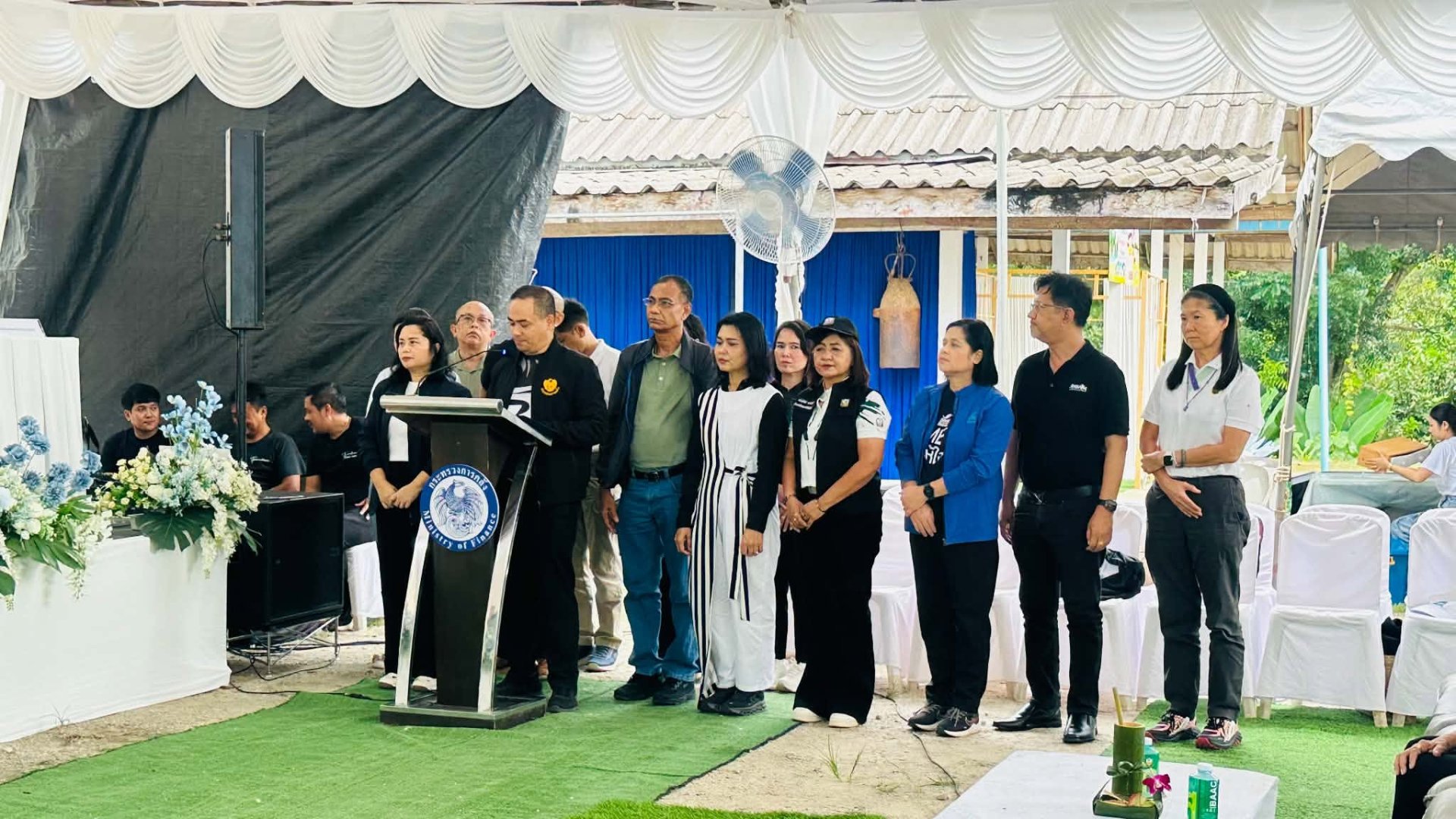
On 18 July 2026, the International School of Tourism at Suratthani Rajabhat University, led by Dr. Jirati Poon-ead, Dean of the International School of Tourism, together with Ms. Sirisuda Kaeo-arat and Ms. Asira Khunin, participated in the Tourism Route Launching and Memorandum of Understanding signing ceremony under the project “Three Economies Plus: Strengthening Community Tourism Enterprises towards Place-Based Sustainability.” The event was held at Wat Khao Phang, Khao Phang Subdistrict, Ban Ta Khun District, Surat Thani Province.
The project aims to strengthen the potential of community tourism enterprises in Ban Ta Khun District through the development of tourism routes and programmes that connect community resources, local wisdom, ways of life, culture, and wellness activities. These elements are designed to create greater economic value for local people while supporting the balanced growth of the community economy, green economy, and wellness economy.
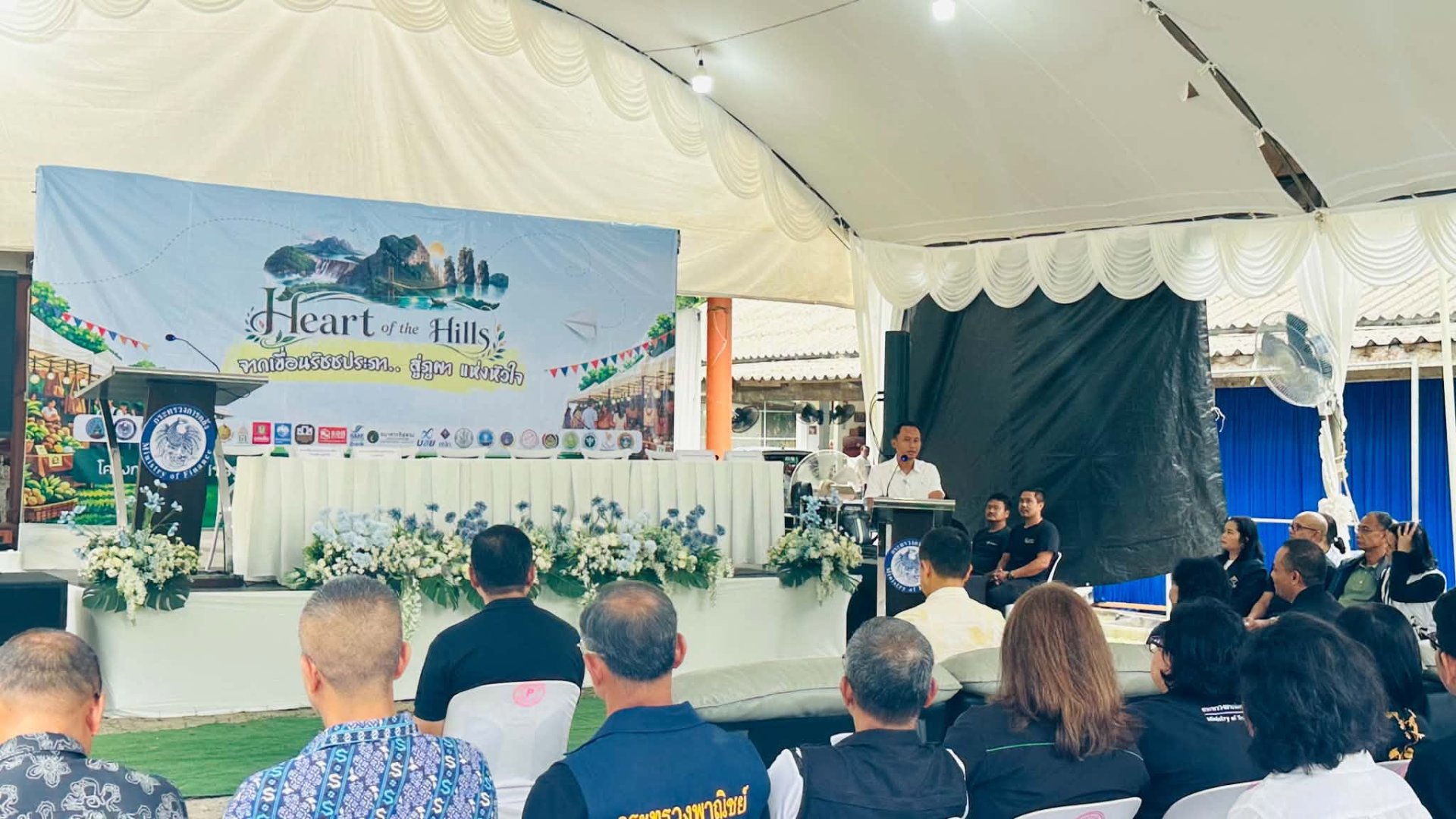
An Opening Ceremony Connecting Development Partners Across Sectors
Mr. Chakkrit Fangchonlachit
Vice Governor of Surat Thani Province
Mr. Worasit Chaturat
Chairperson of the Surat Thani Provincial Fiscal Management Committee
Mr. Weerayut Khanunnil
Ban Ta Khun District Chief, Surat Thani Province
Mrs. Sopha Kanchana
President of the Surat Thani Provincial Administrative Organisation
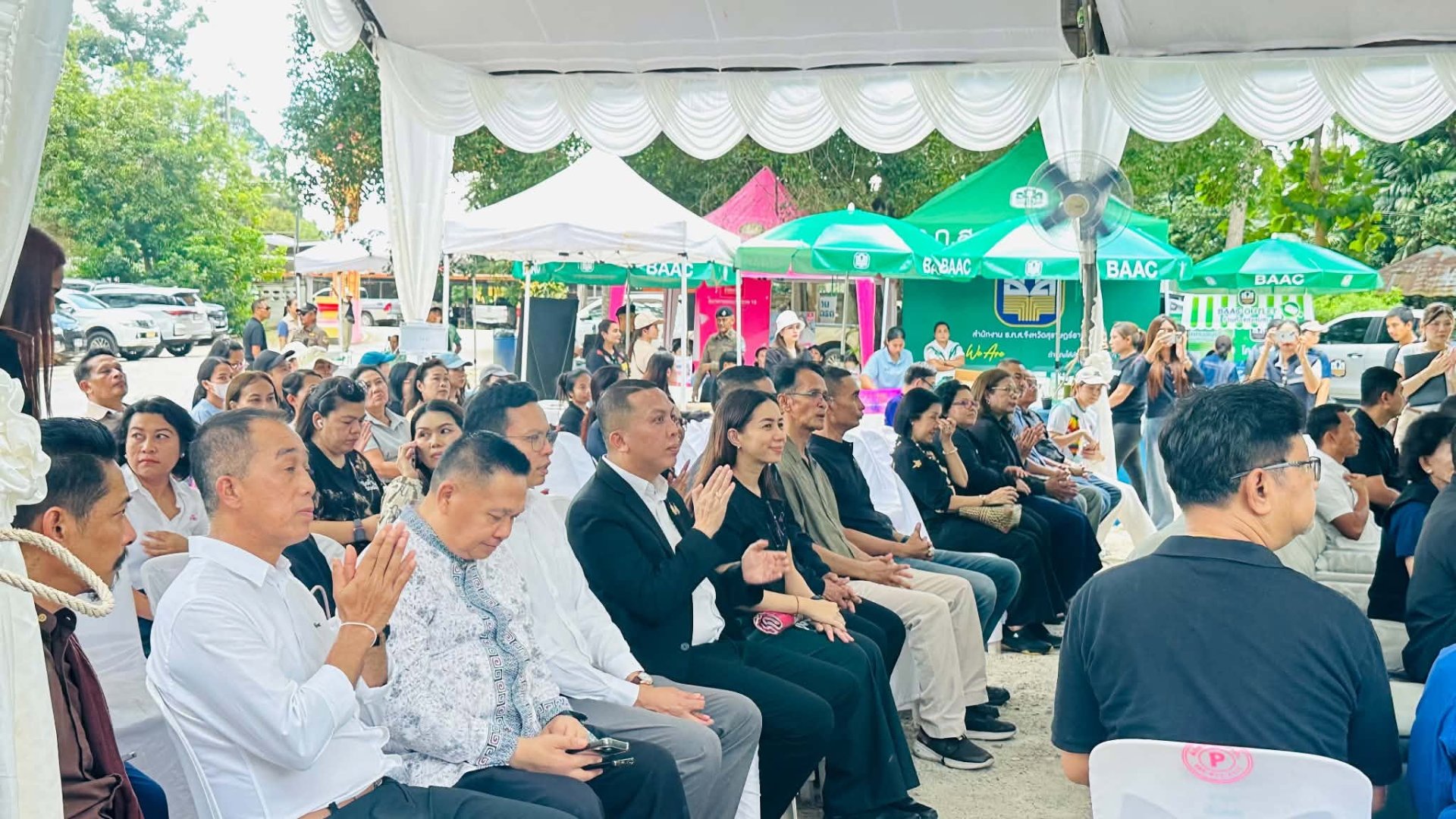
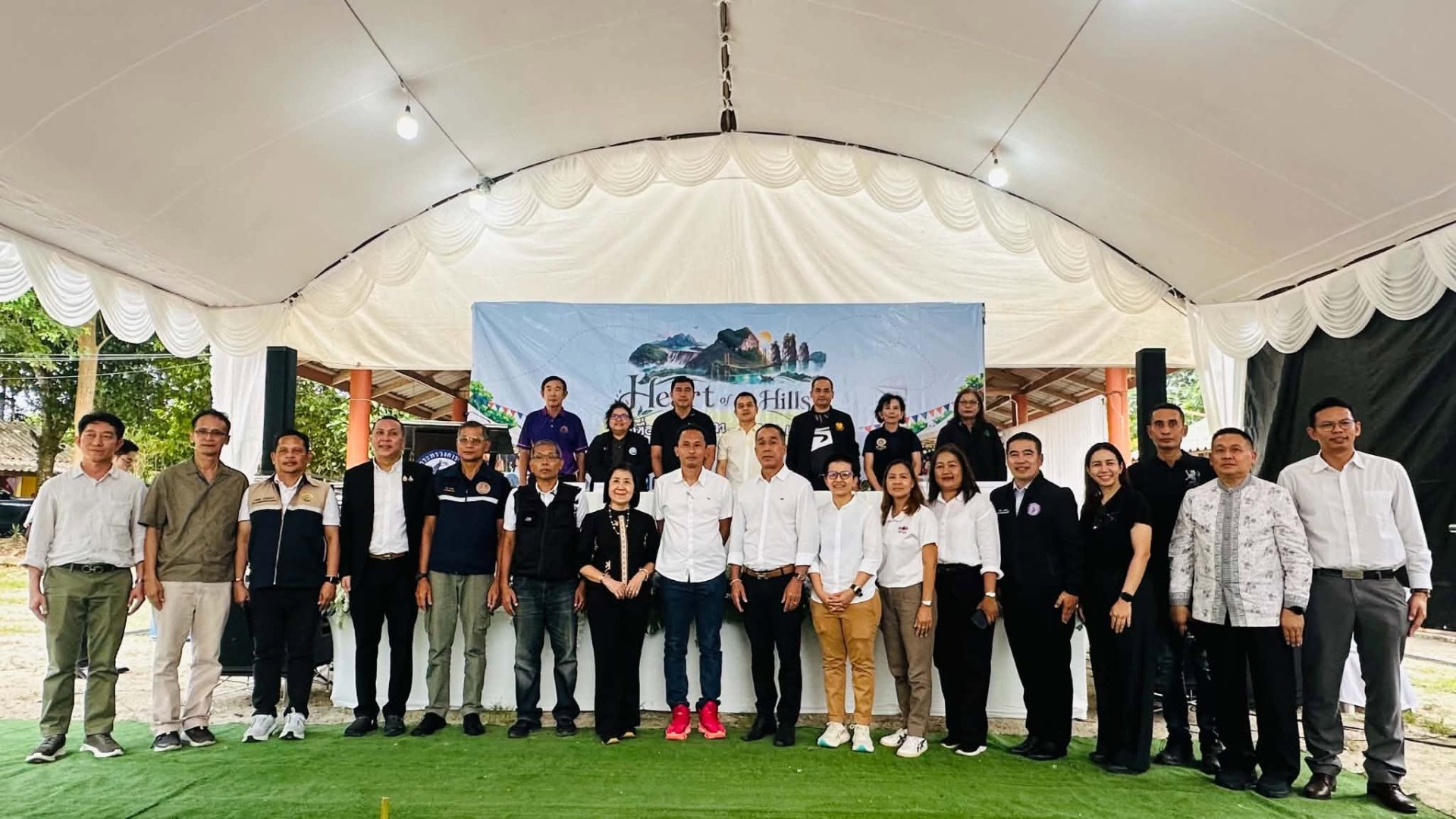
The event reflected integrated cooperation among government agencies, local administrative organisations, academic institutions, tourism organisations, and community networks. These partners worked together to shape an area-based development approach in which local communities are both the owners of tourism development and the primary beneficiaries of its economic and social outcomes.
Transforming Community Assets into Meaningful Tourism Experiences
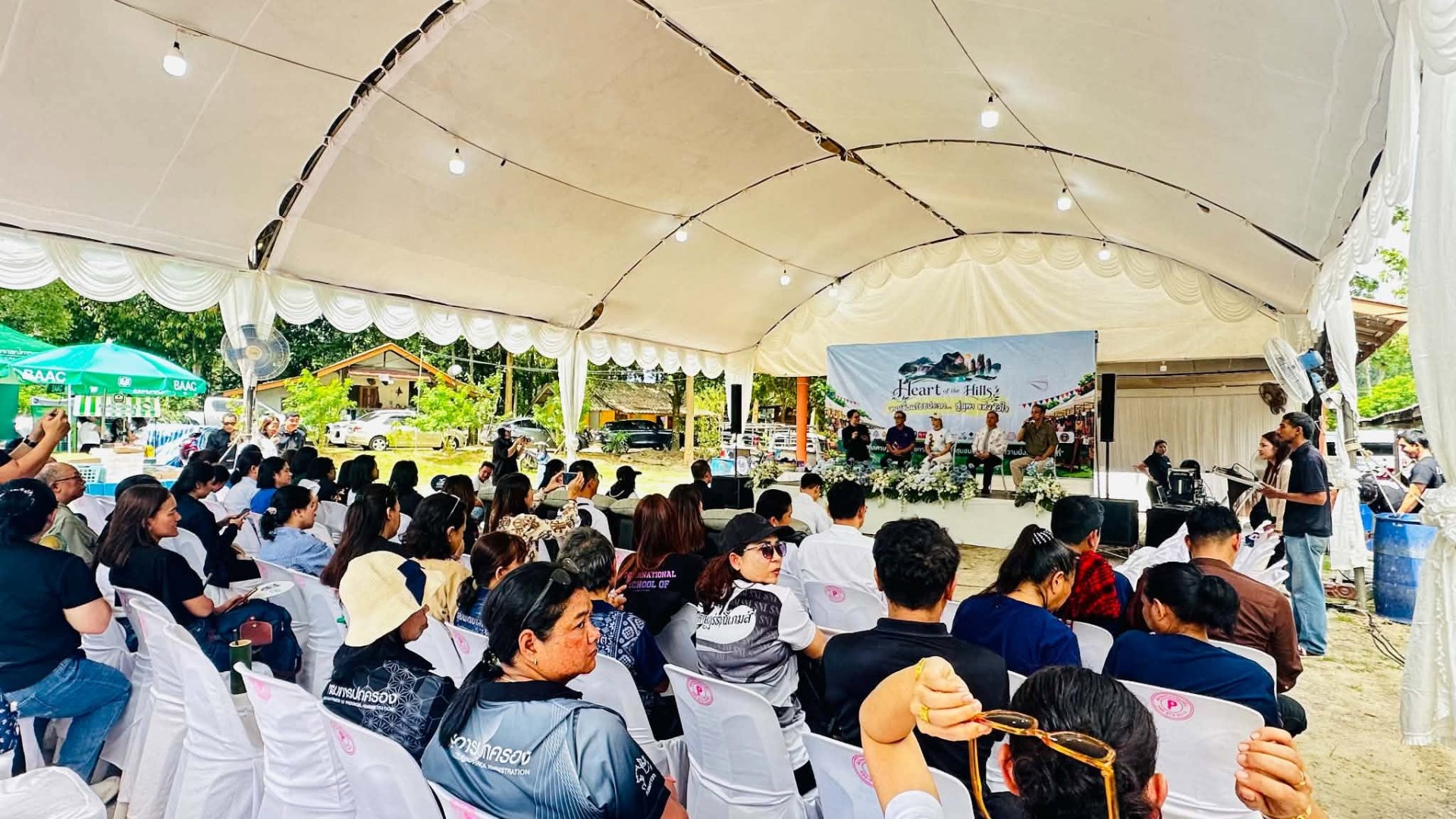
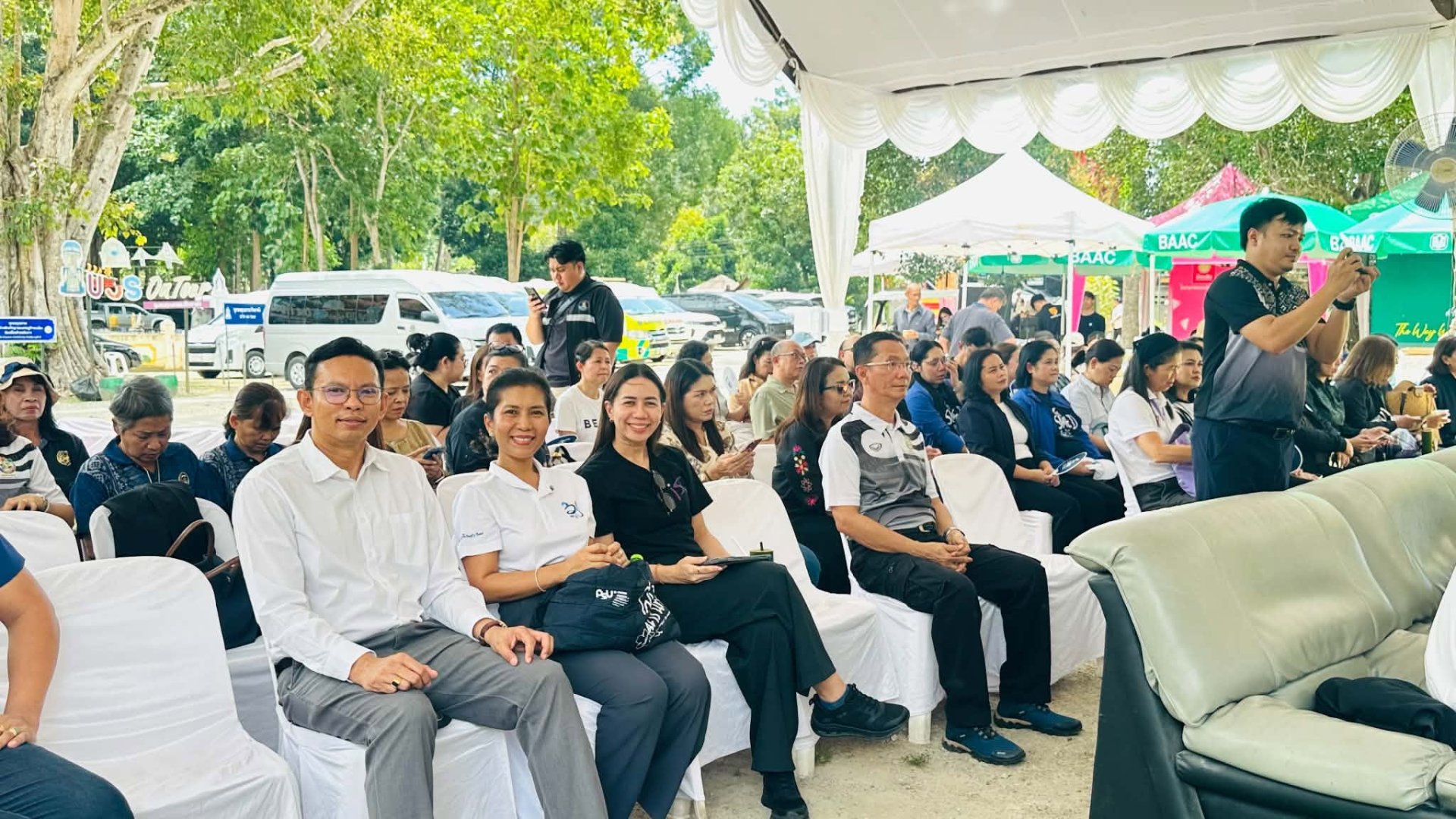
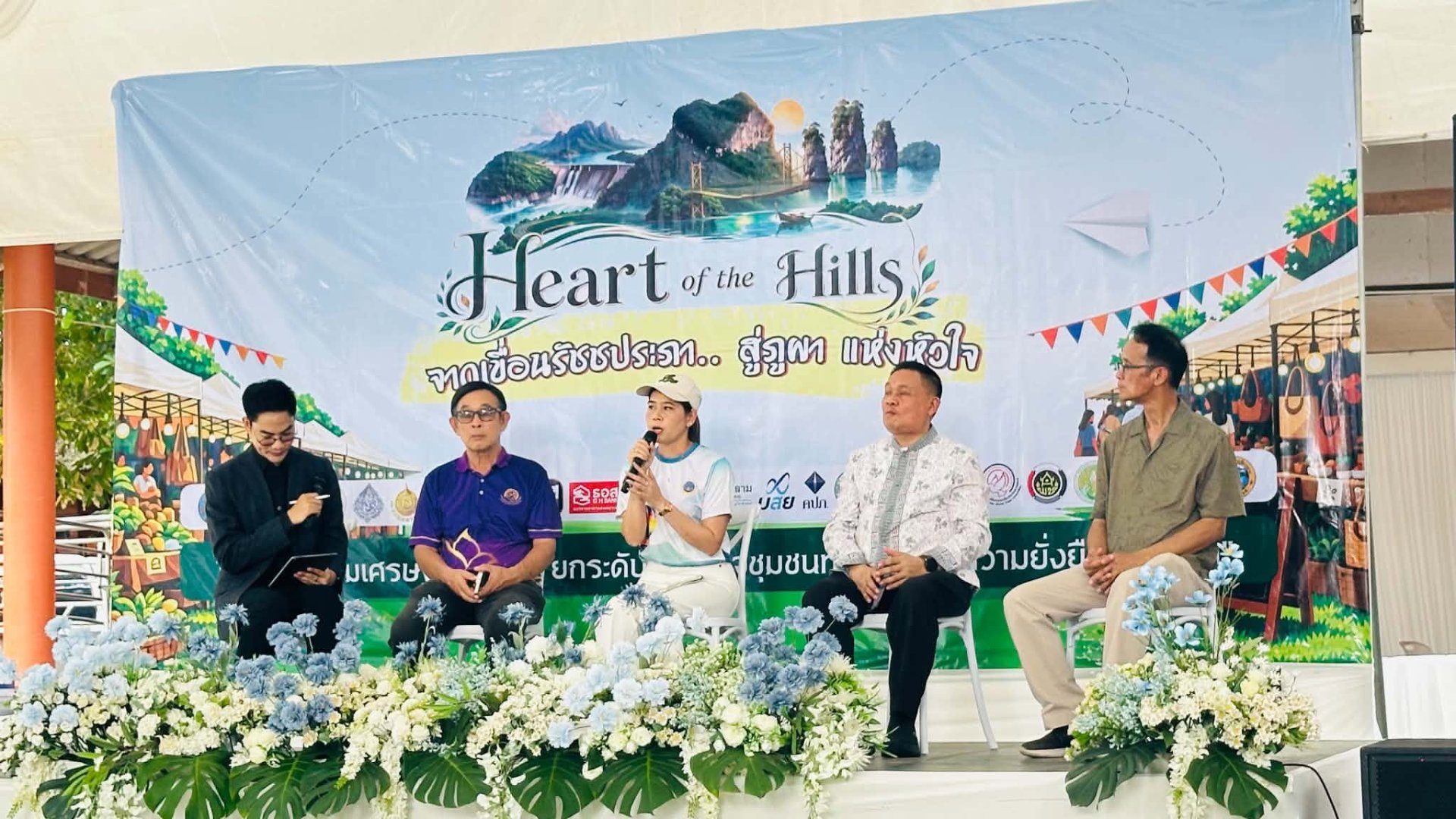
Community Partnership Forum
Participants exchanged perspectives on using community assets, local knowledge, agriculture, wellness, and creative communication to enhance tourism and advance sustainable development.
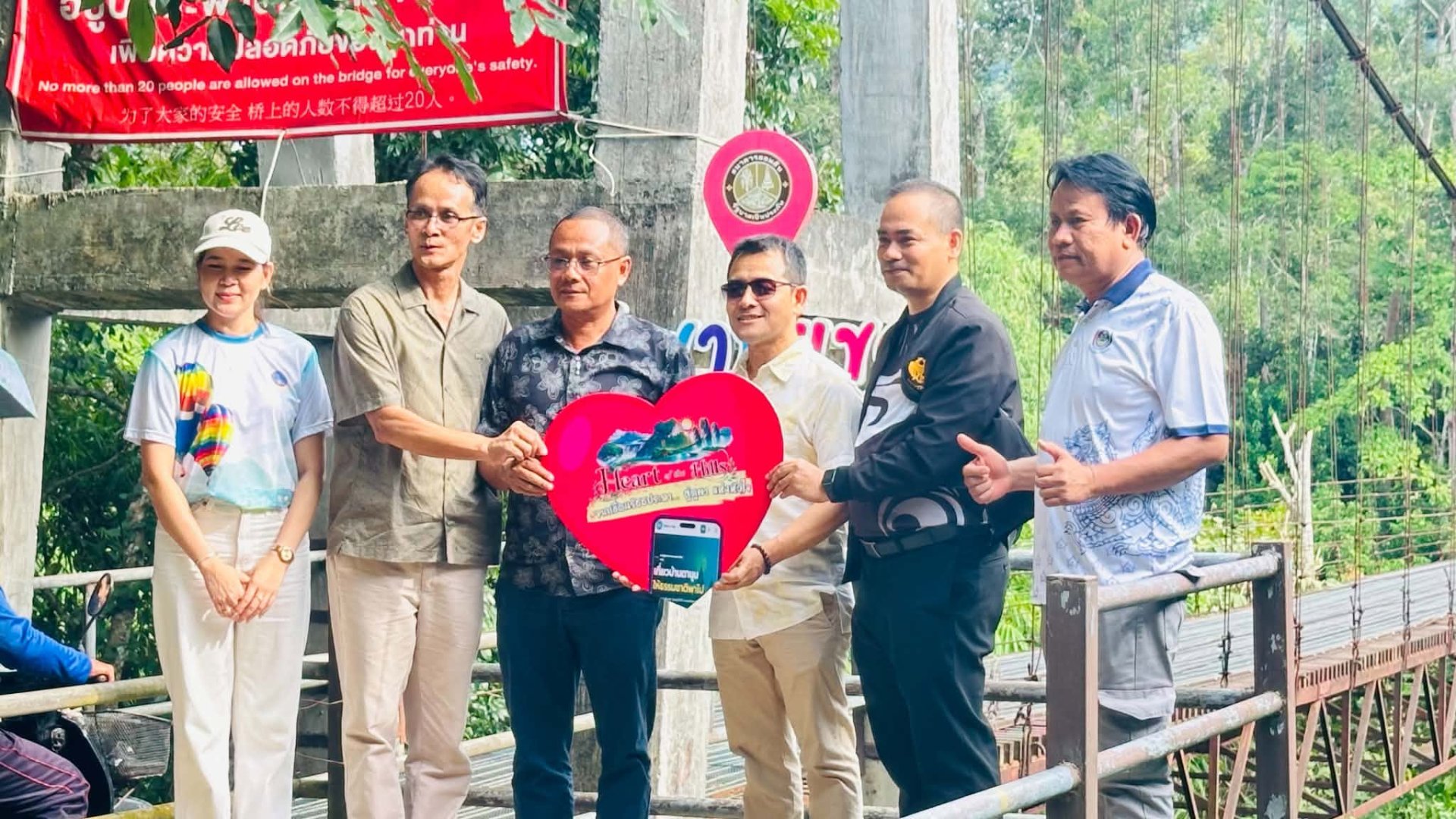
Ban Ta Khun Tourism Route Launch
The event introduced tourism routes and programmes connecting attractions, local lifestyles, natural resources, and distinctive community identities to create meaningful visitor experiences.
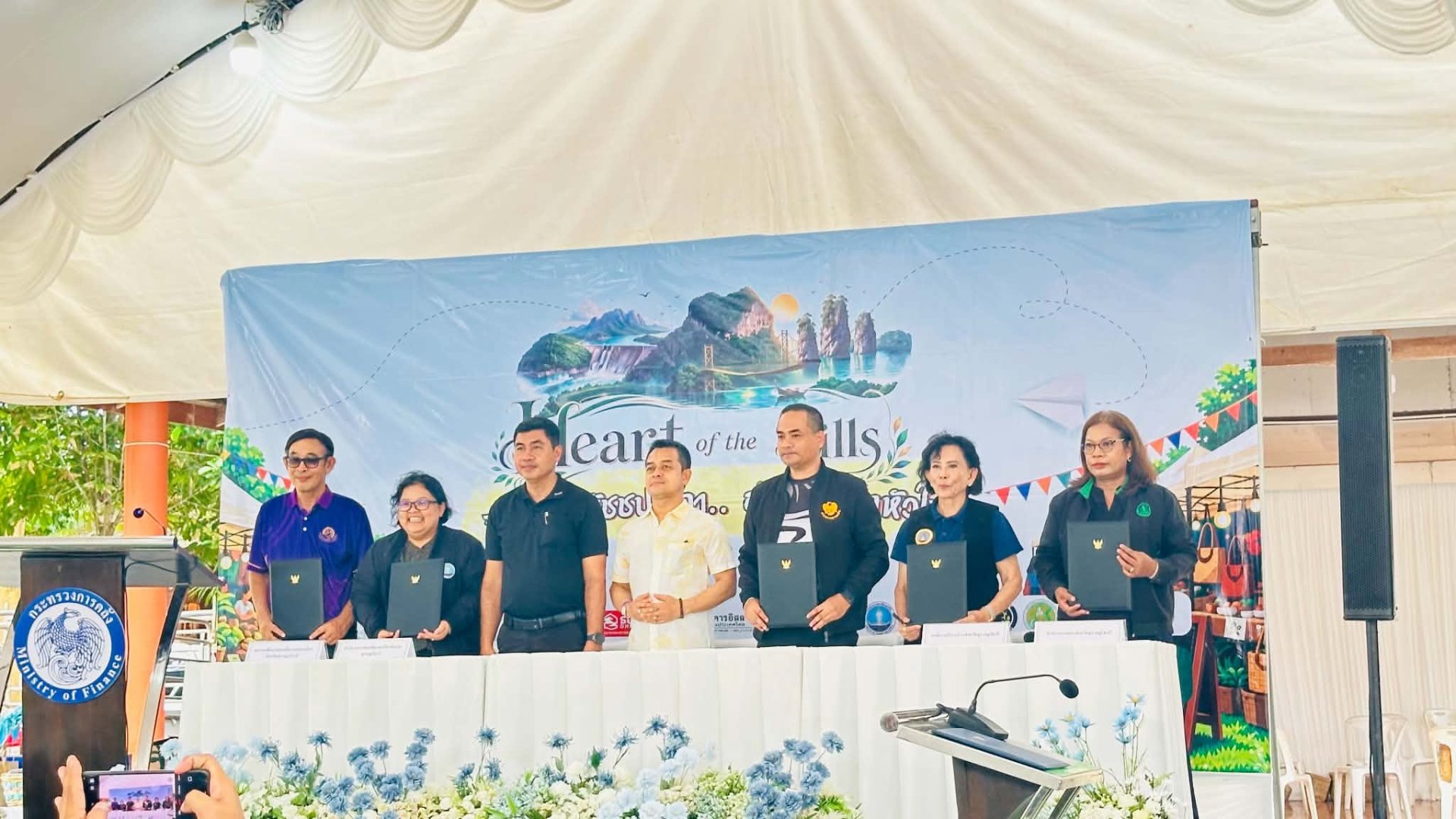
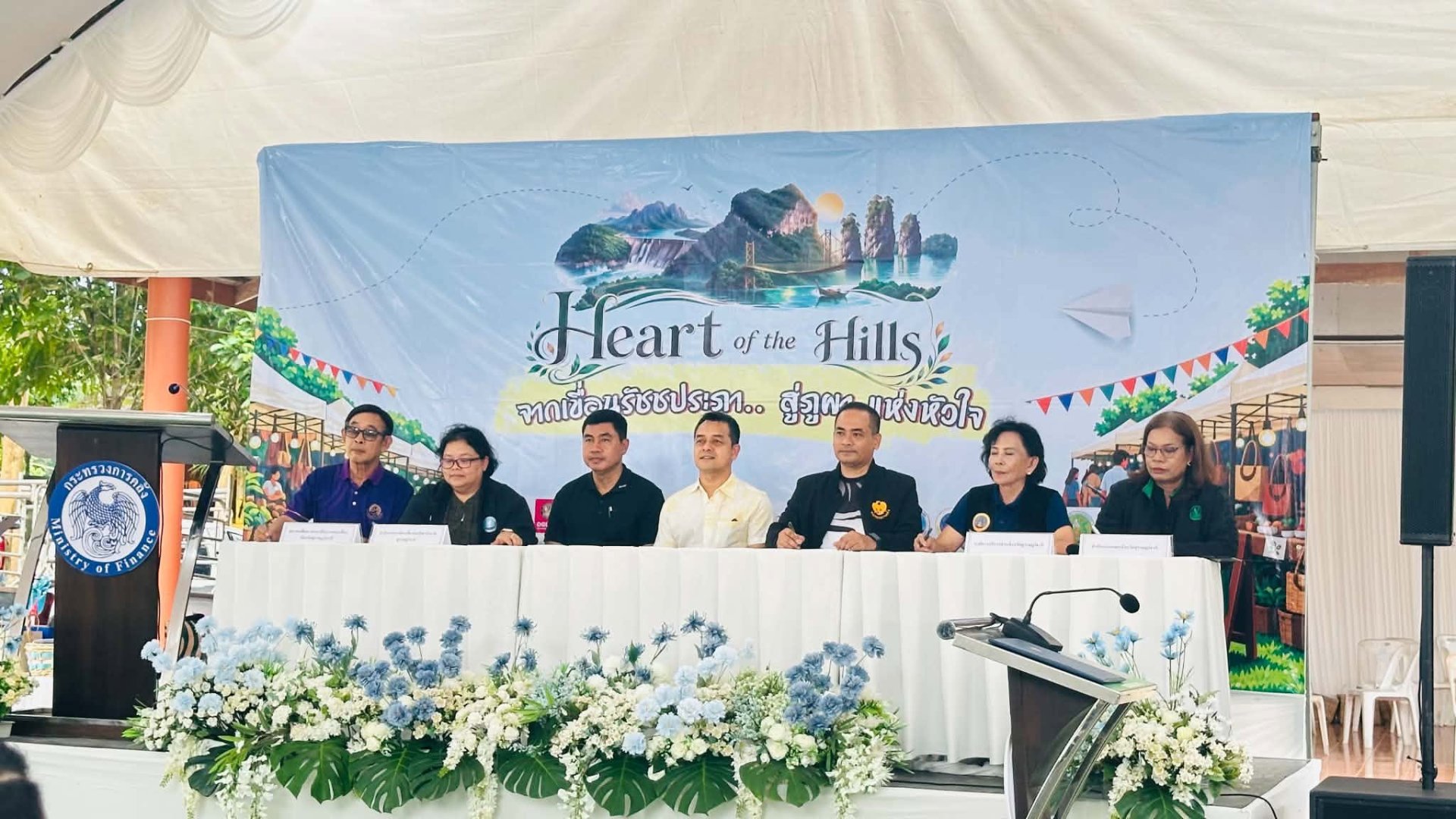
Memorandum of Understanding Signing Ceremony
The agreement connected tourism and agricultural agencies, local authorities, educational institutions, media organisations, and community networks to support long-term local development.
Green Map Innovation Presentation
A community resource map was presented as a tool for learning, tourism route planning, and the systematic management of local resources.
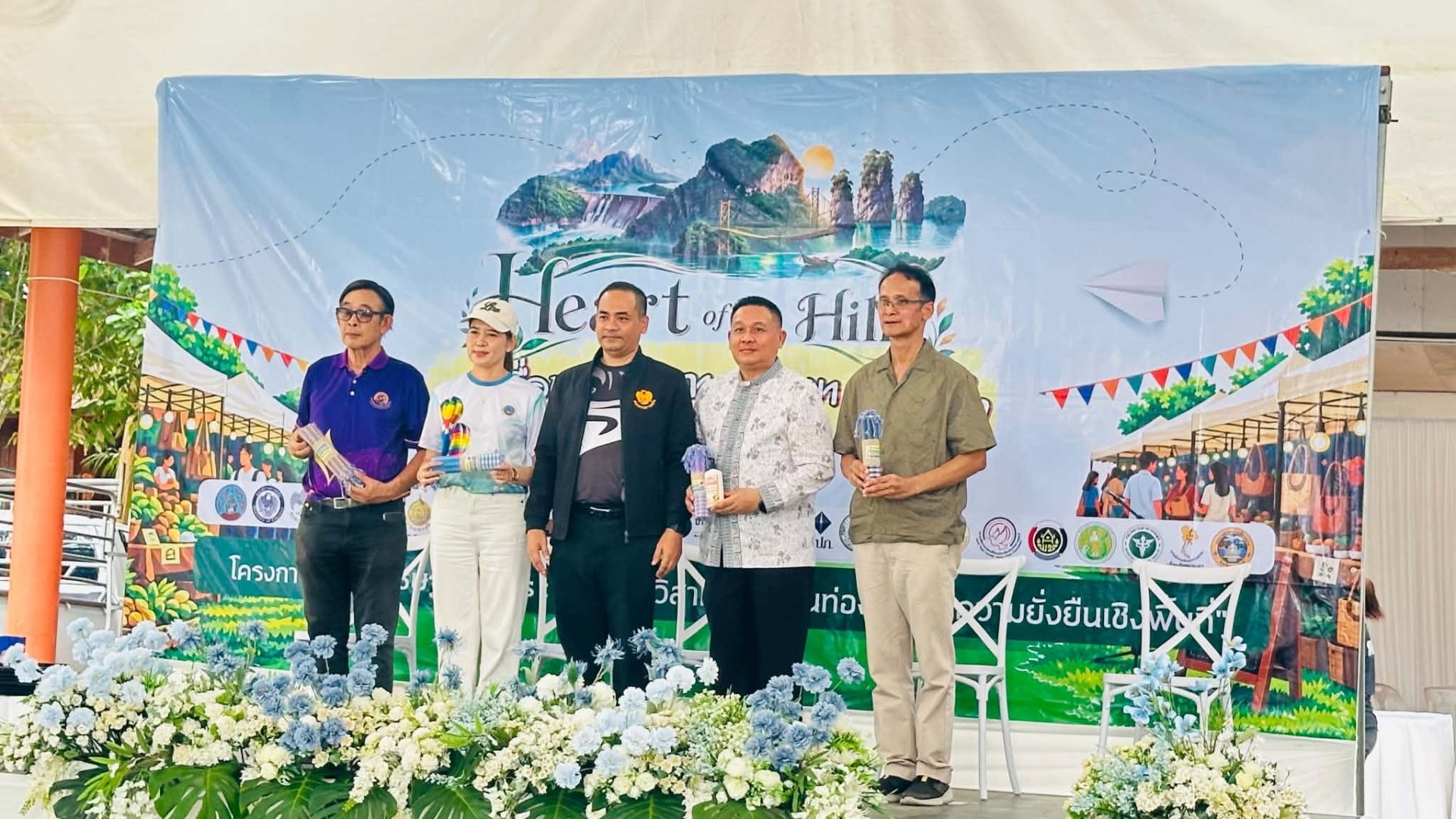
The programme also included the presentation of the “Fabric of the Heart,” symbolising relationships and participation between communities and partner networks. Participants also visited exhibitions, community product displays, and demonstrations reflecting the area’s potential for educational, cultural, and wellness tourism.
IST Supports Tourism that Grows Together with Local Communities
IST’s participation reflects the School’s role in supporting place-based tourism development that prioritises community participation, responsible resource use, and collaboration among universities, government agencies, local authorities, tourism operators, and local residents.
Such cooperation provides an important mechanism for connecting academic knowledge with practical local development. It helps strengthen community tourism enterprises, create new economic opportunities, and establish a tourism foundation that can grow alongside the conservation of natural resources, local culture, and community quality of life.
Connecting Communities, Knowledge, and Opportunities for the Future
The International School of Tourism remains committed to supporting tourism development that generates income, creates lasting value, and continuously strengthens local communities.
Alignment with the Sustainable Development Goals
This activity contributes to the following United Nations Sustainable Development Goals:
| SDG Goal | Goal | Connection to the Activity |
|---|---|---|
|
SDG 8: Decent Work and Economic Growth | The development of tourism routes and programmes supports local income generation, employment, and economic opportunities. It also strengthens community enterprises by enabling them to manage tourism activities and create greater value from local resources. |
|
SDG 11: Sustainable Cities and Communities | The project promotes community development based on local identity, traditional lifestyles, culture, knowledge, and area-based resources. It also encourages residents to participate in designing and managing community tourism. |
|
SDG 12: Responsible Consumption and Production | The activity encourages tourism models that use community resources responsibly, create value from local products and knowledge, protect the environment, and reduce potential negative impacts arising from tourism activities. |
|
SDG 17: Partnerships for the Goals | The project strengthens cooperation among the university, government agencies, local administrative organisations, tourism and agricultural organisations, media networks, and local communities to advance sustainable tourism and community-based economic development. |